
Prime Minister Reviews Progress at the Ministry of Social Affairs and Labour, Directs Development of a National Social Policy
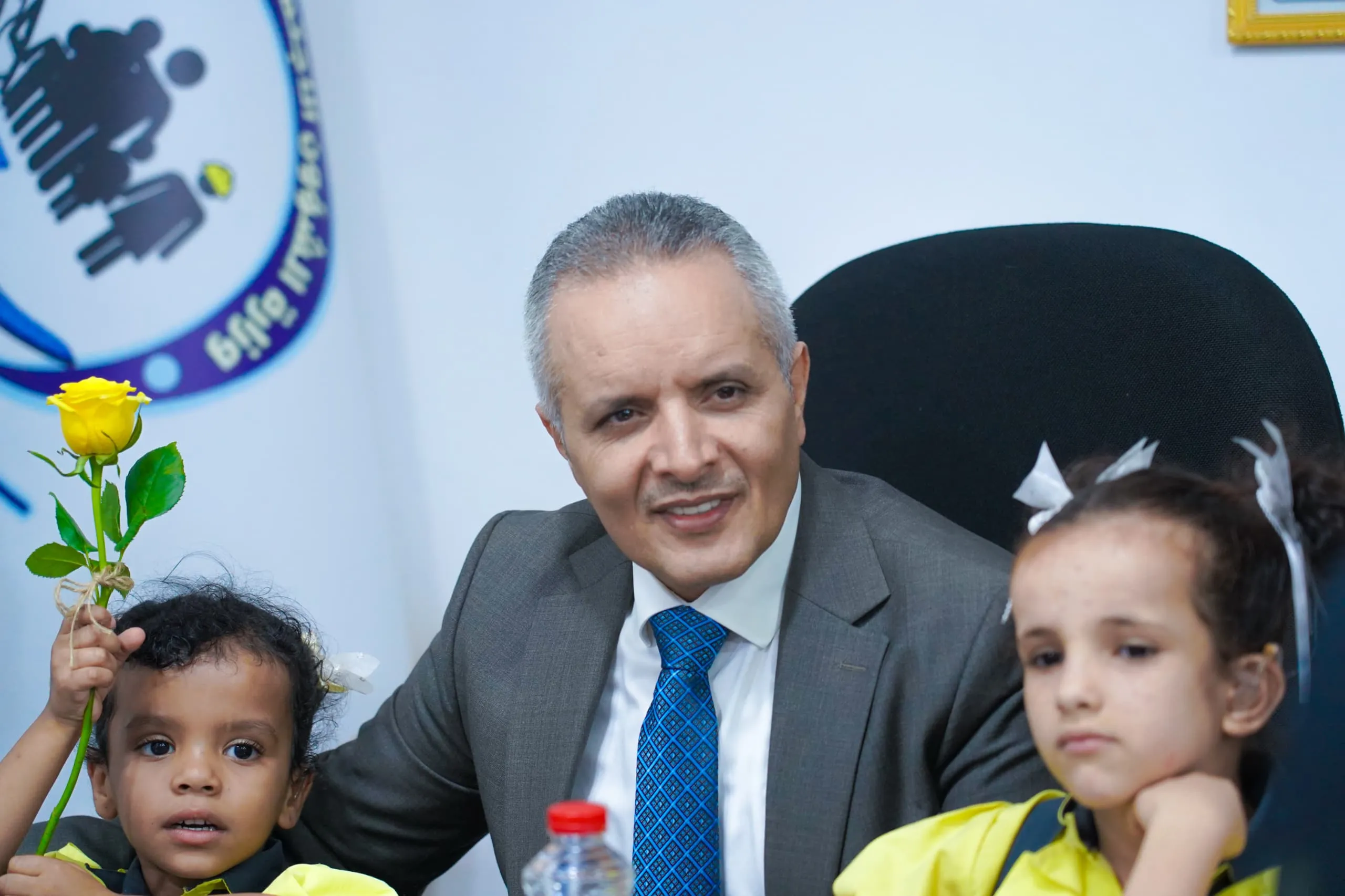
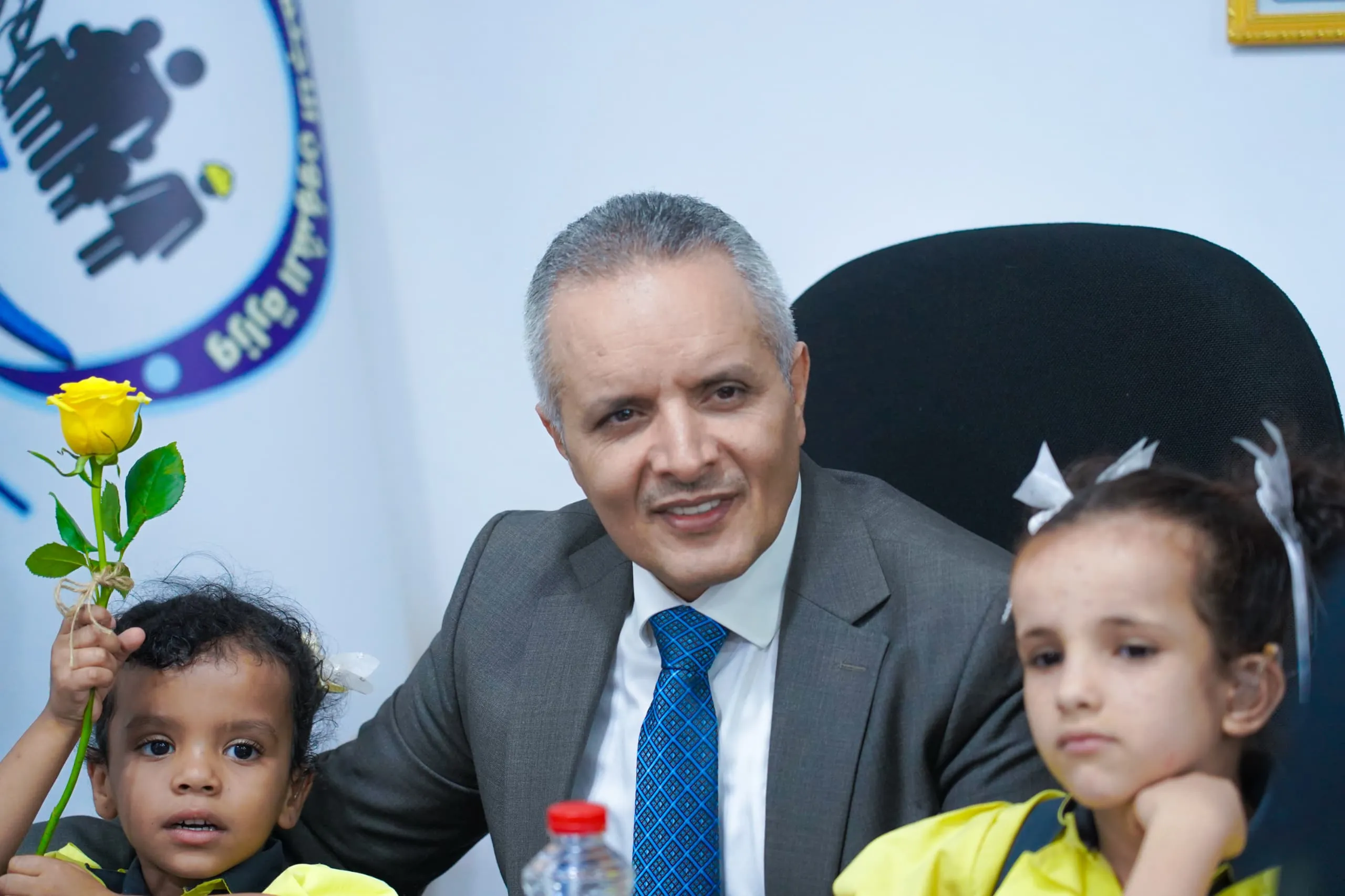
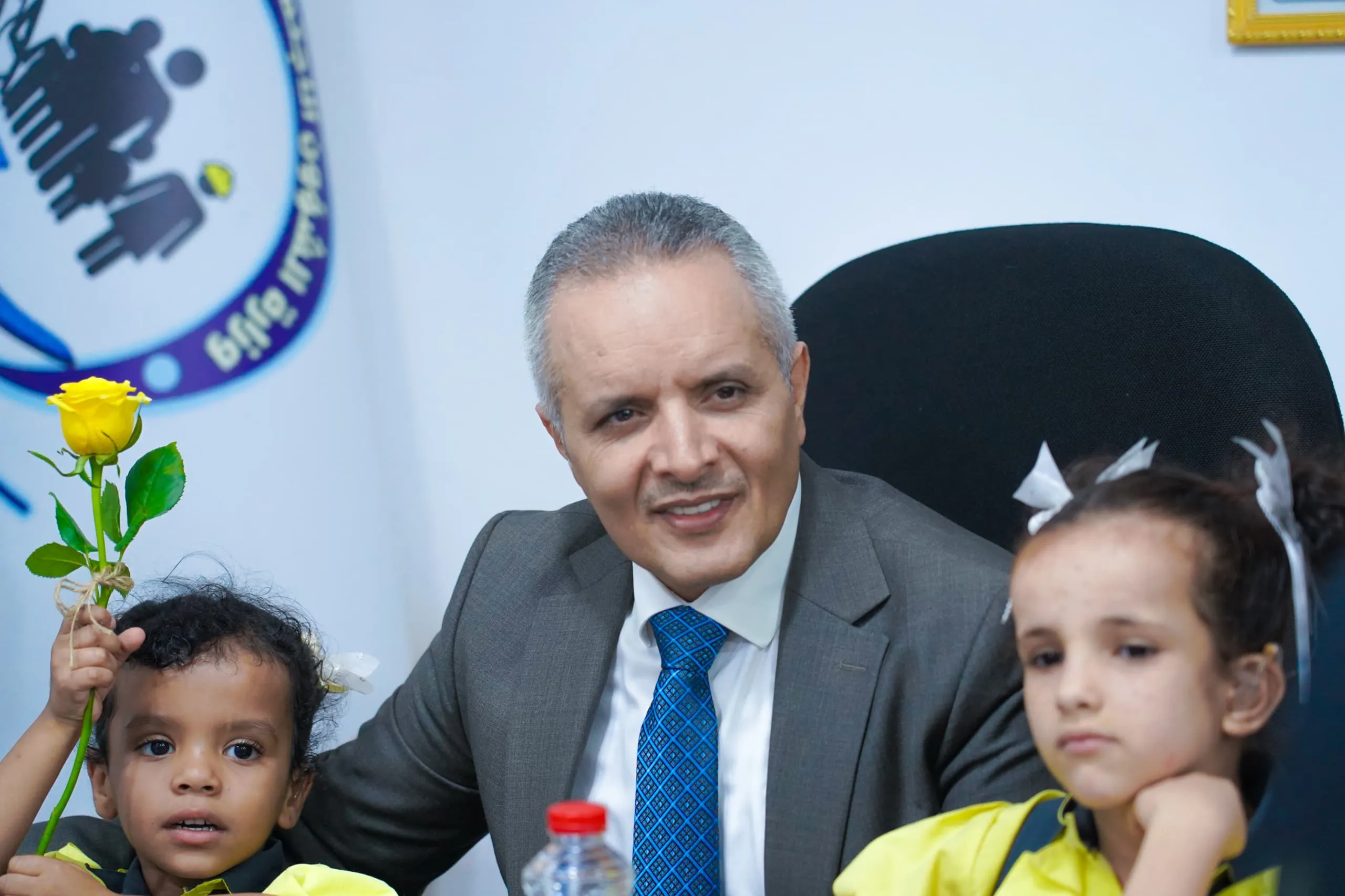
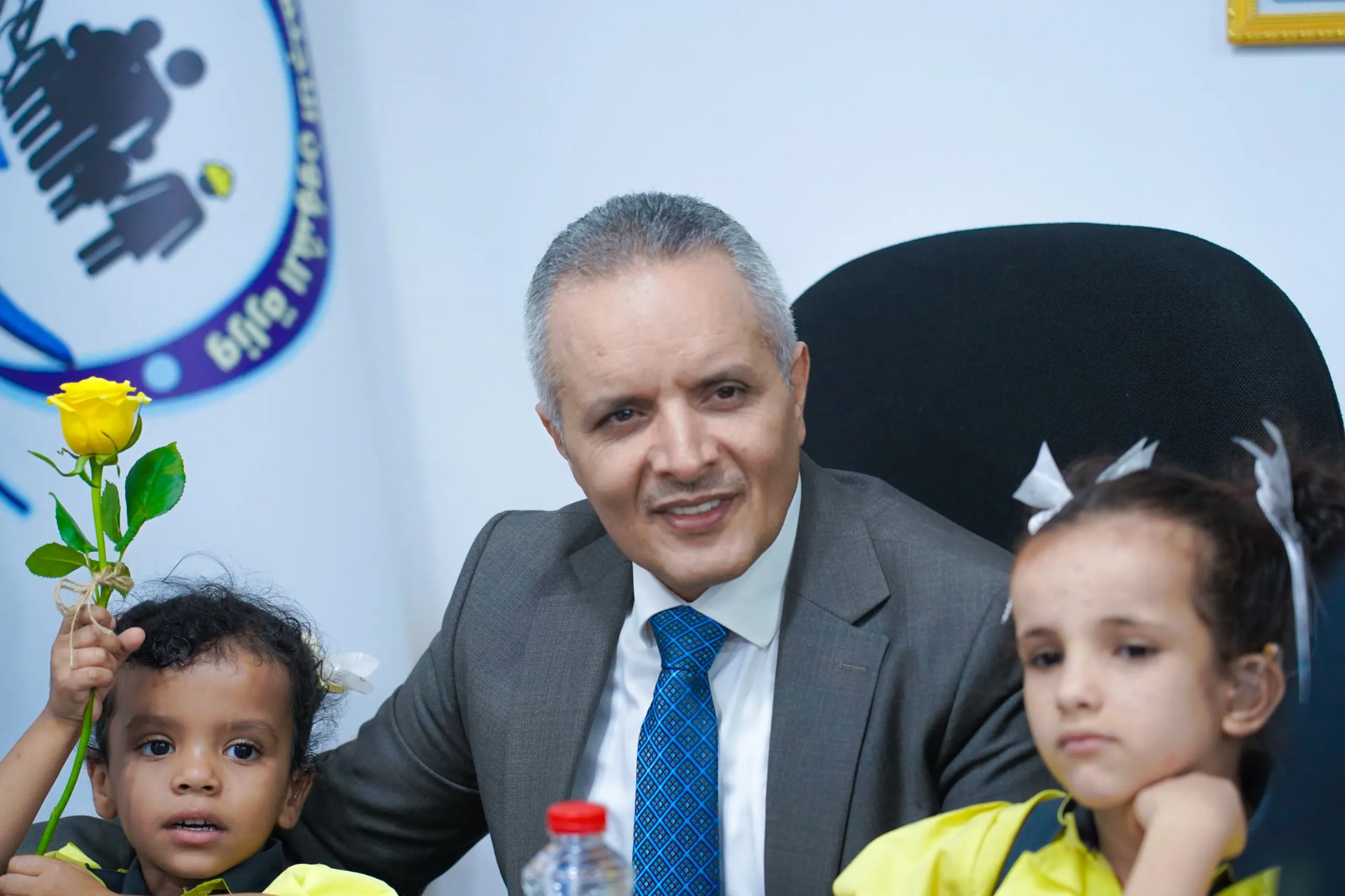
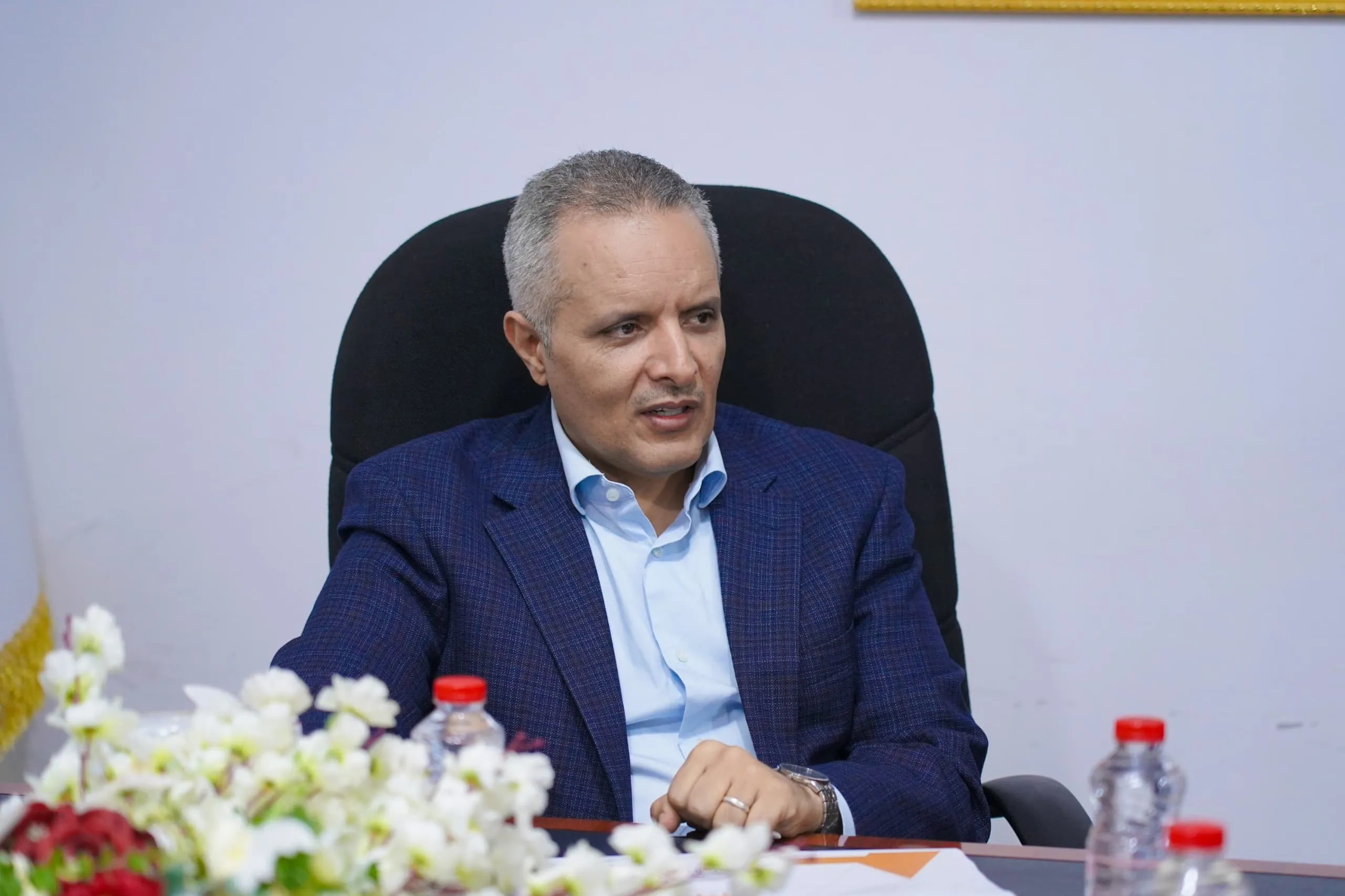
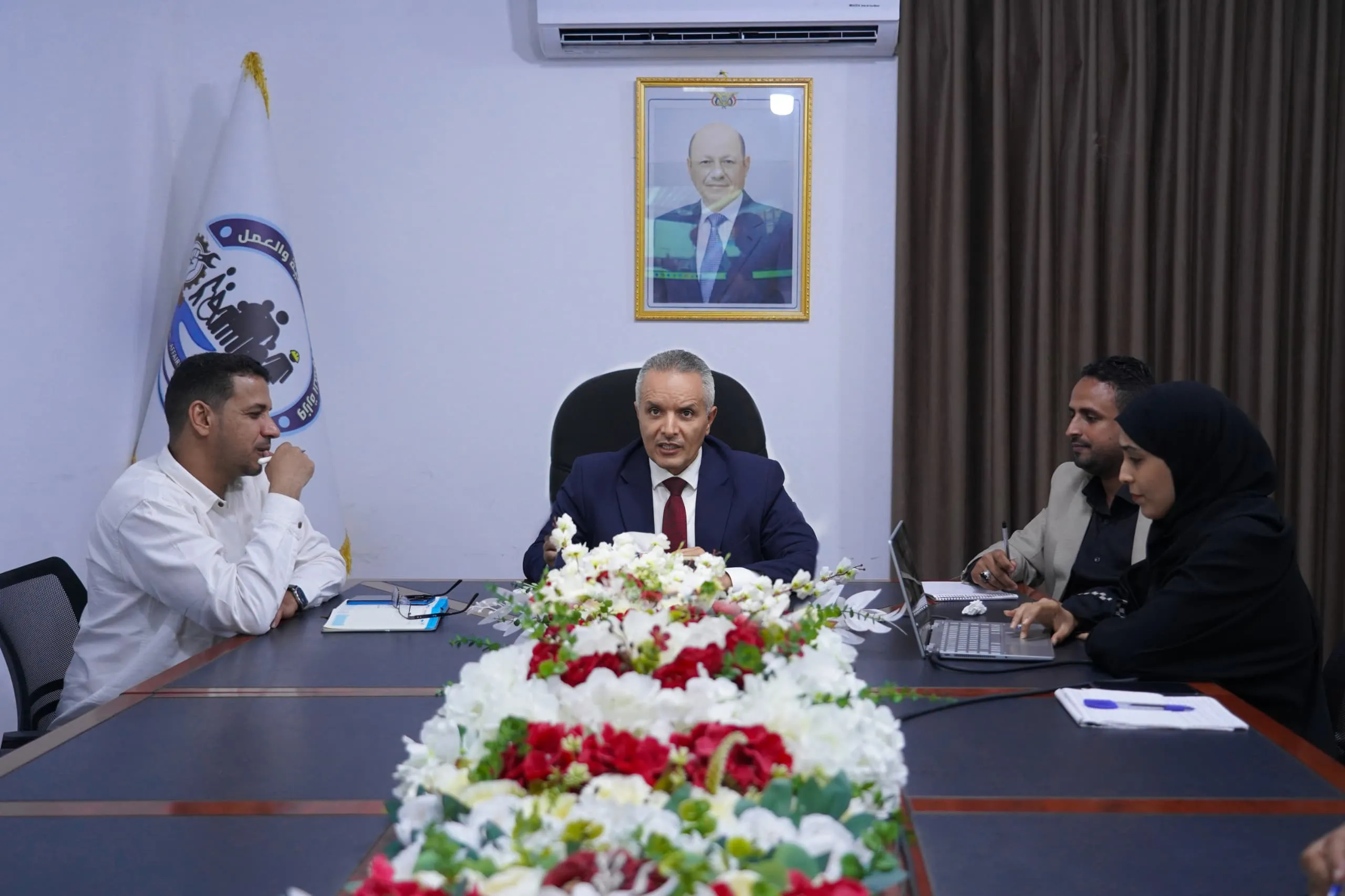
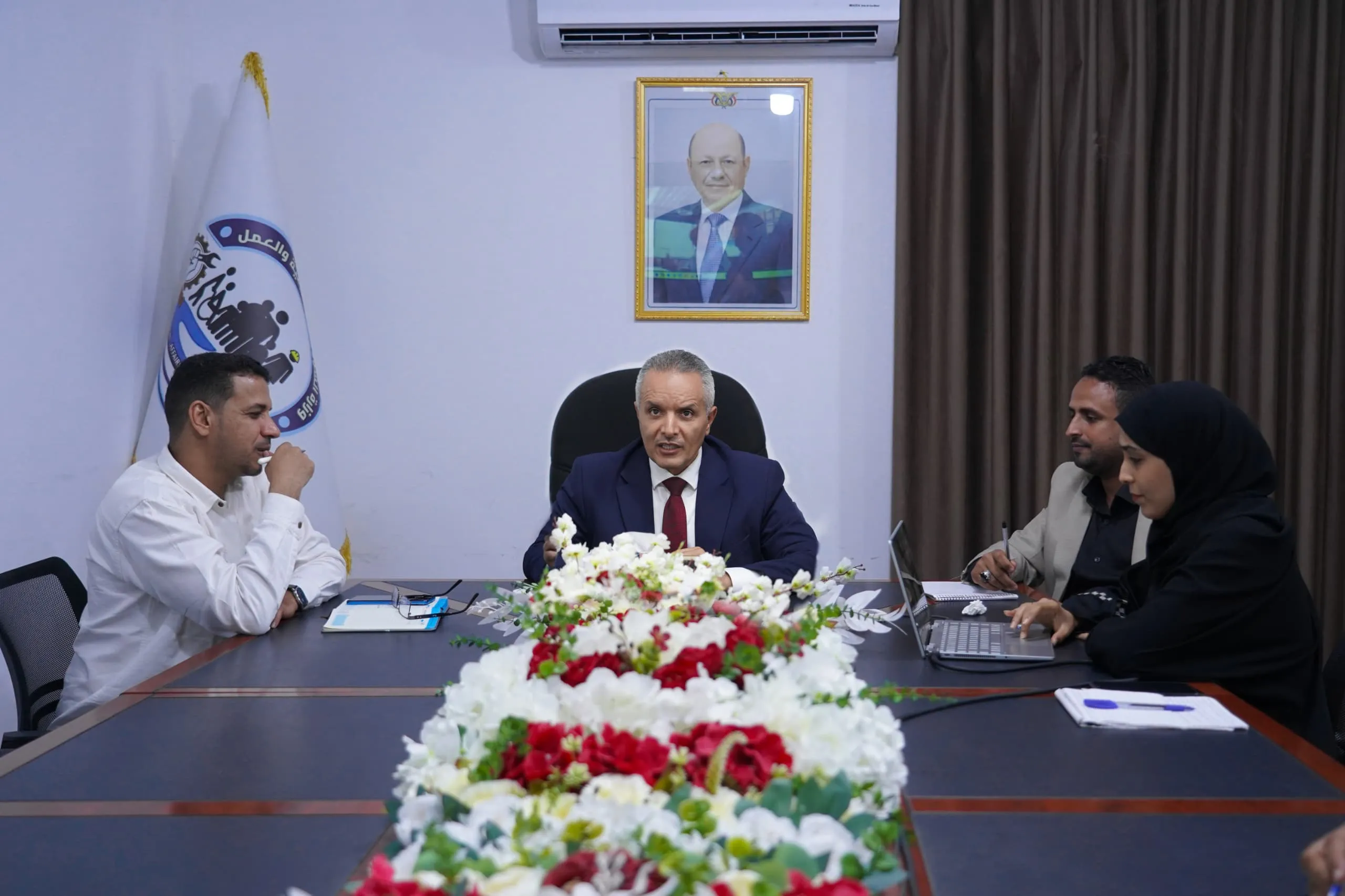
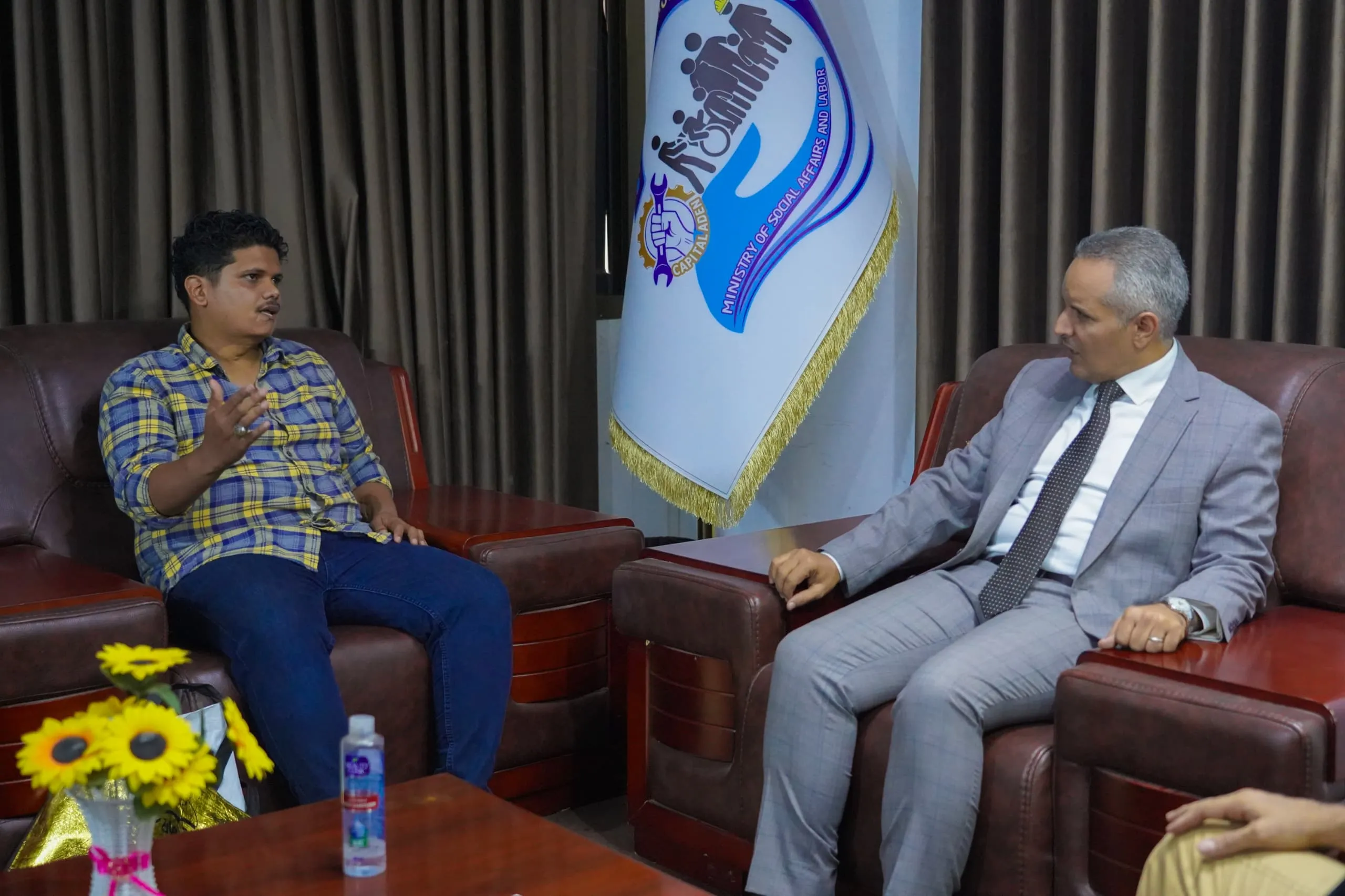
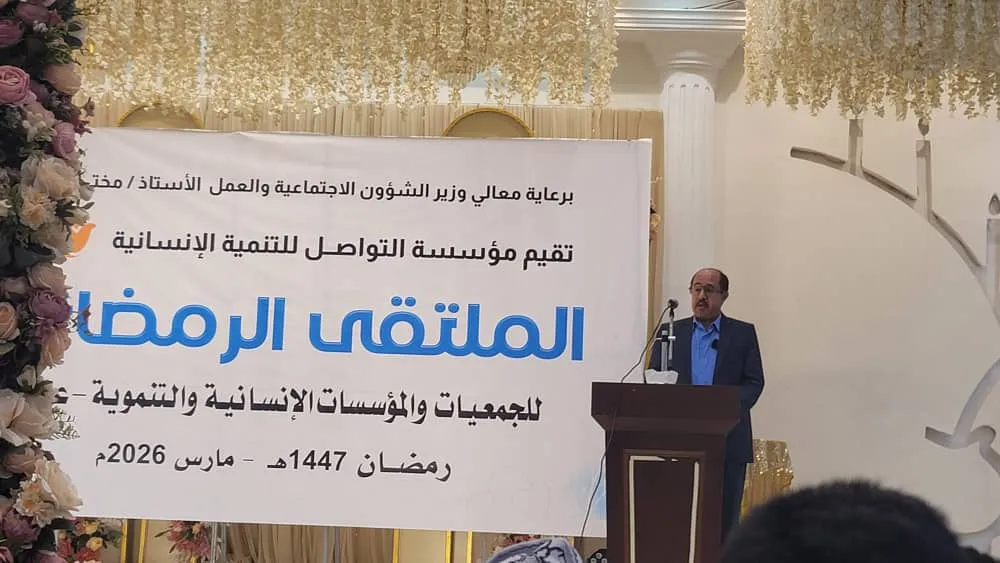
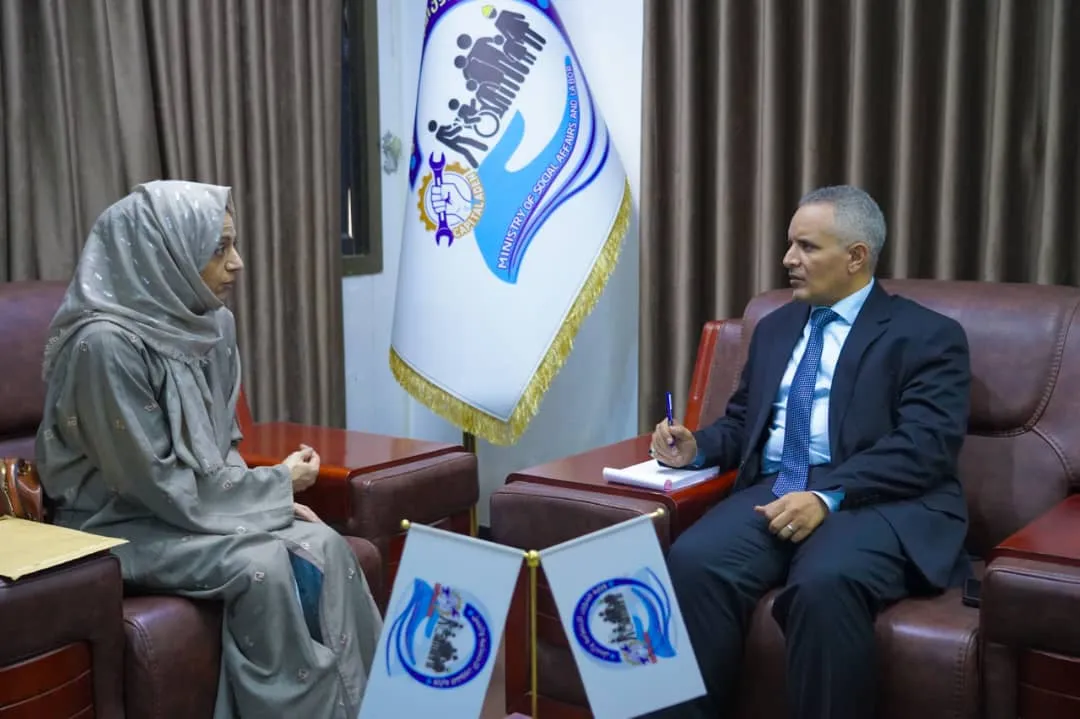
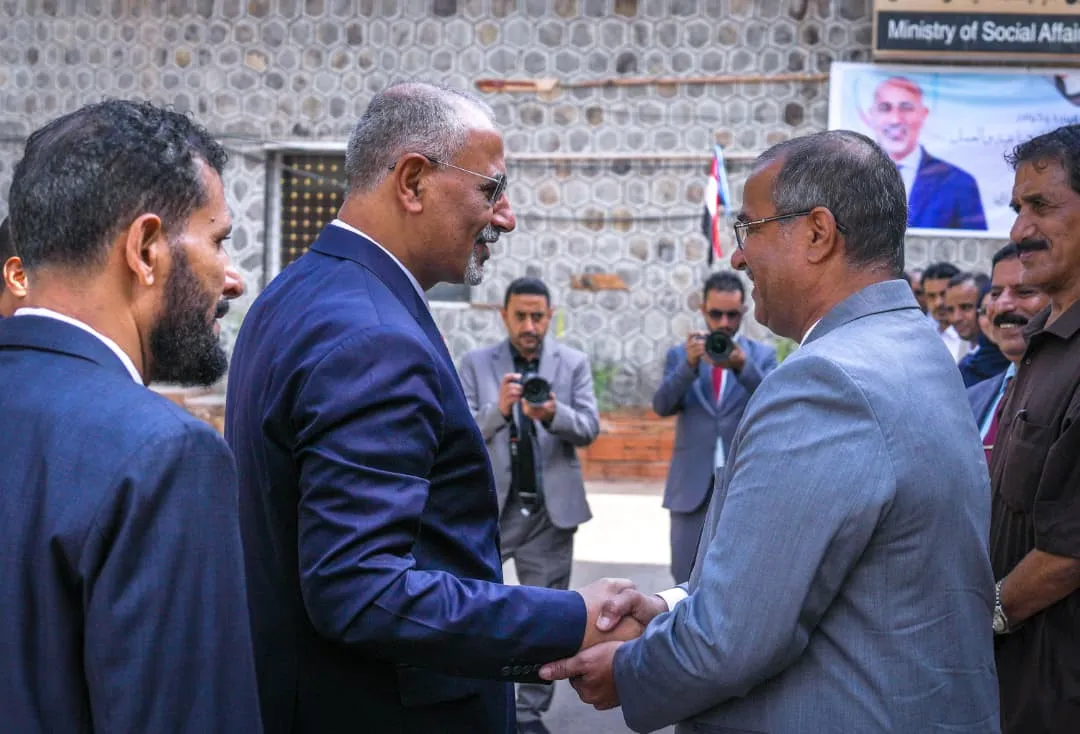
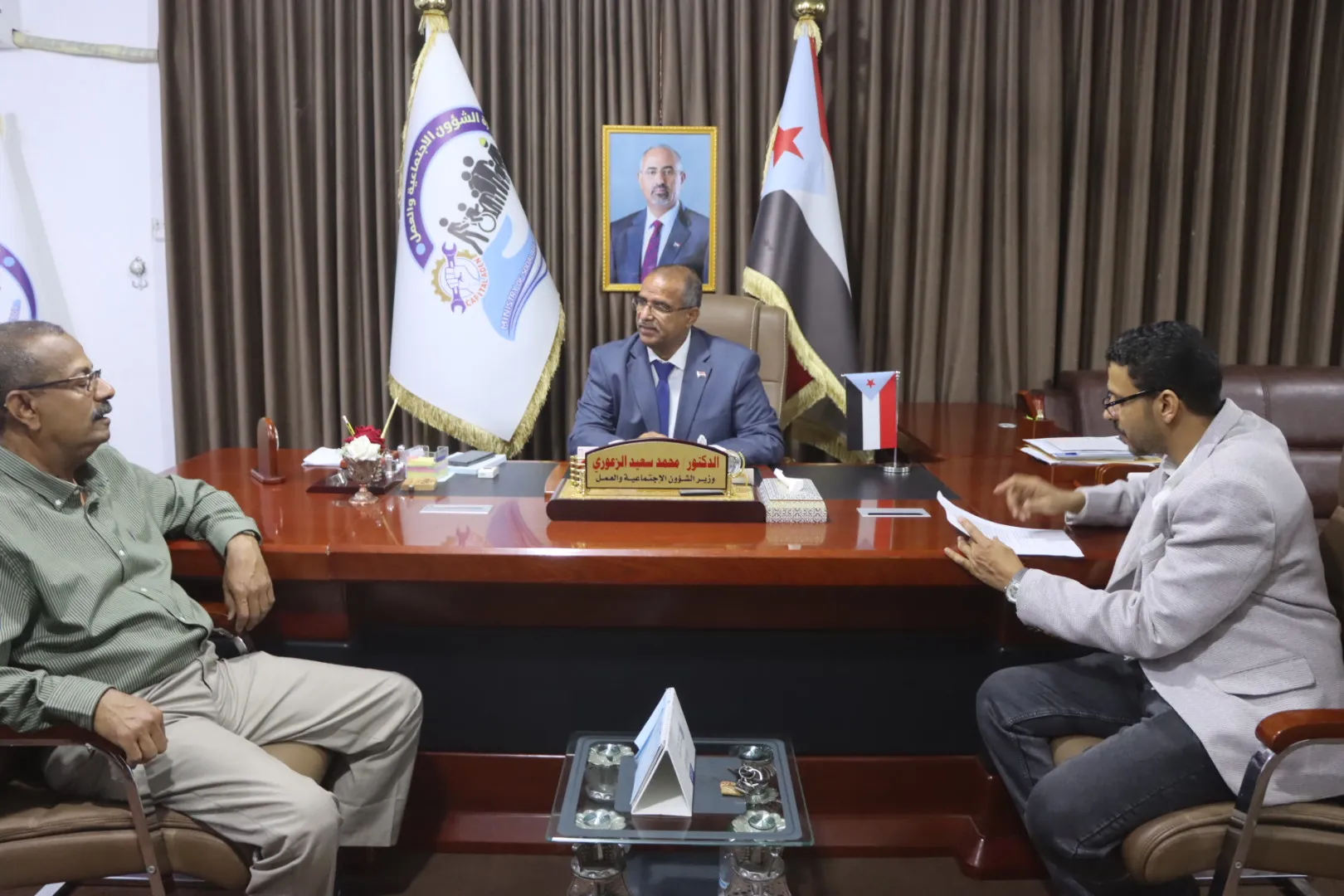
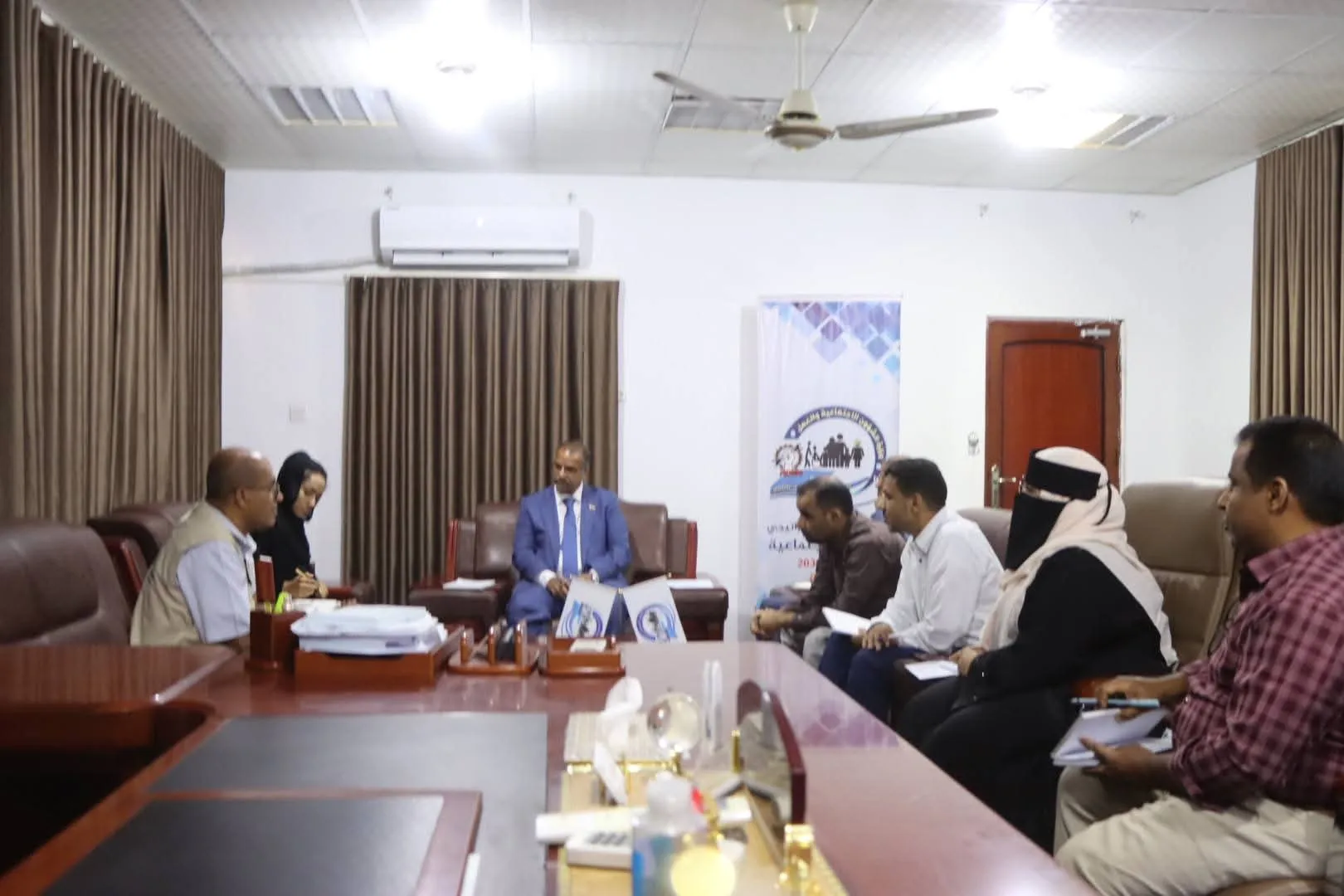
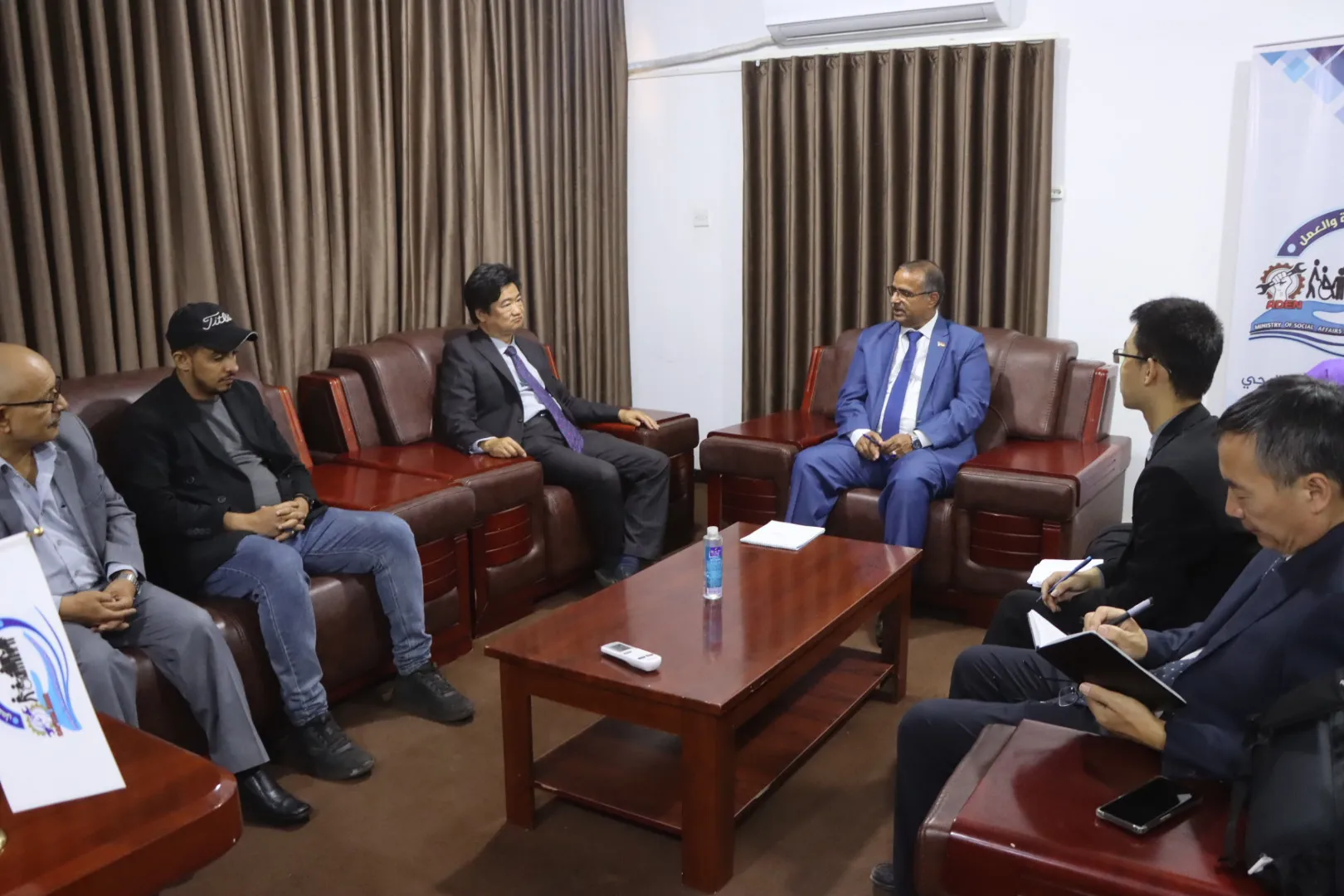
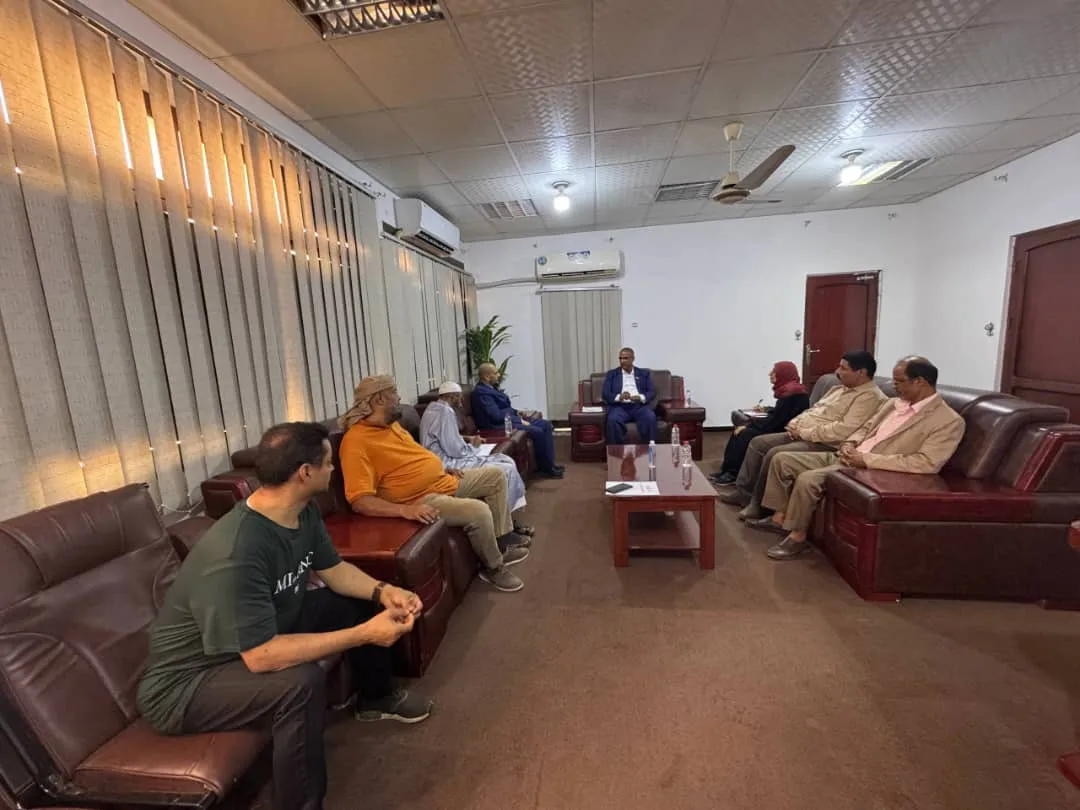
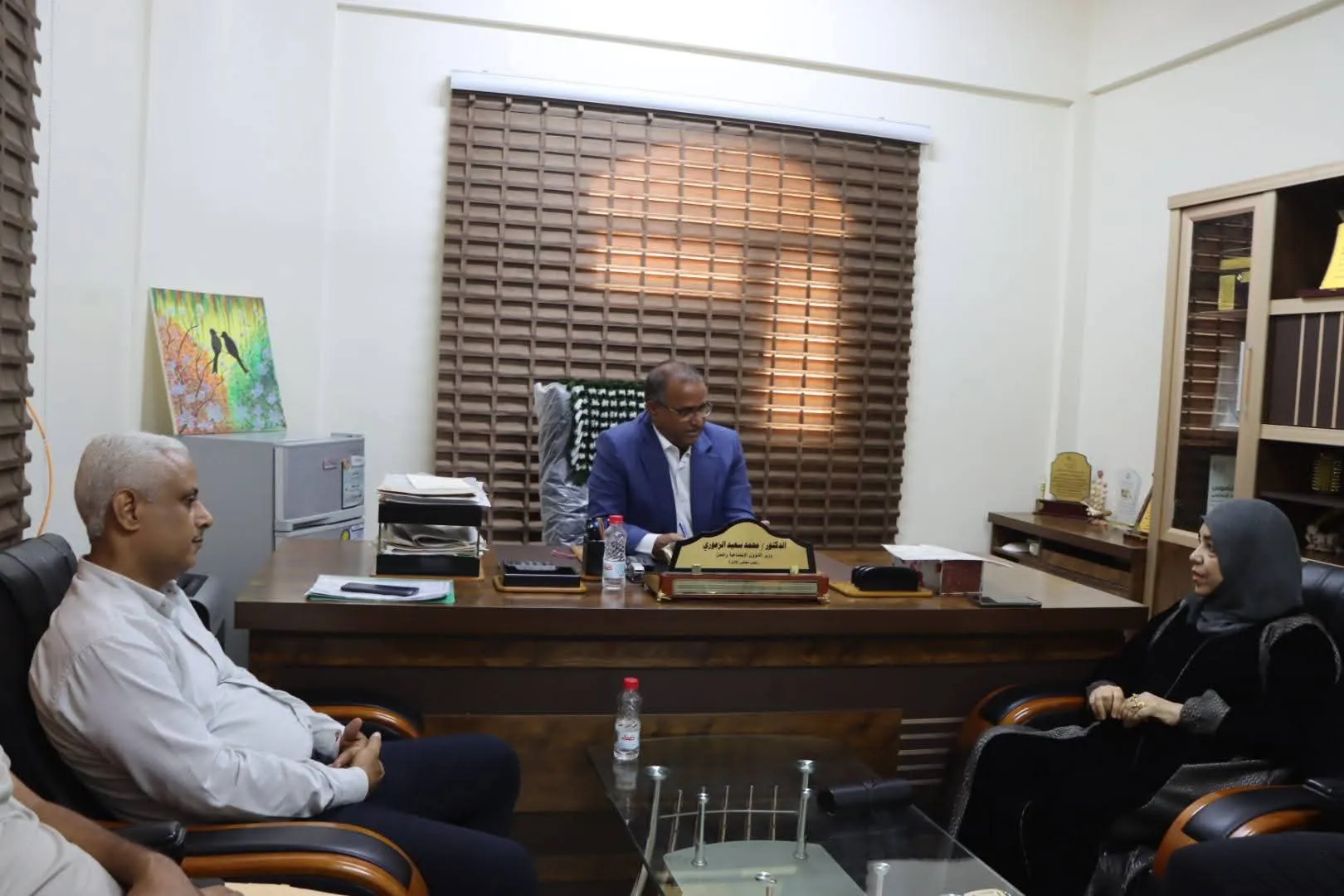
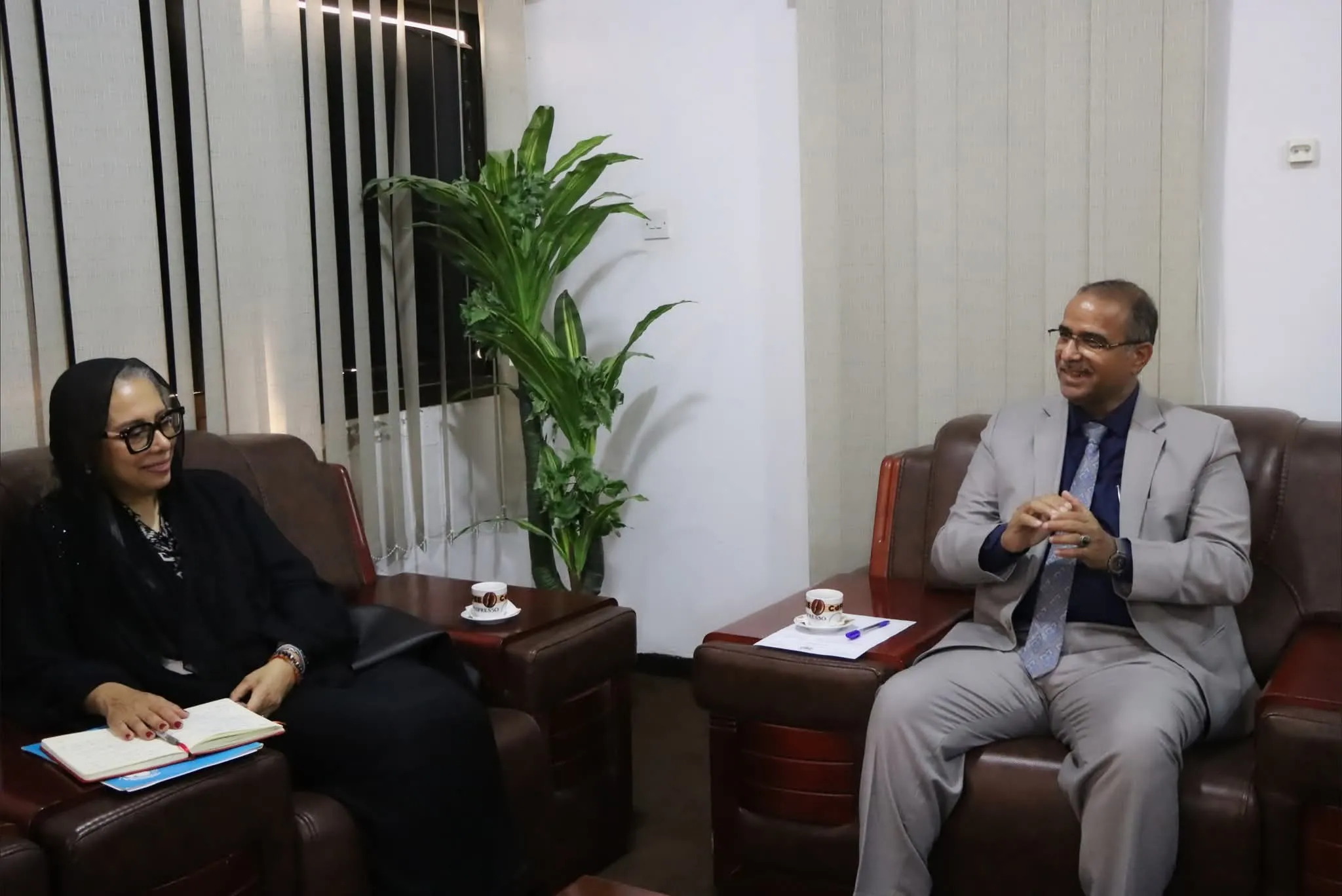
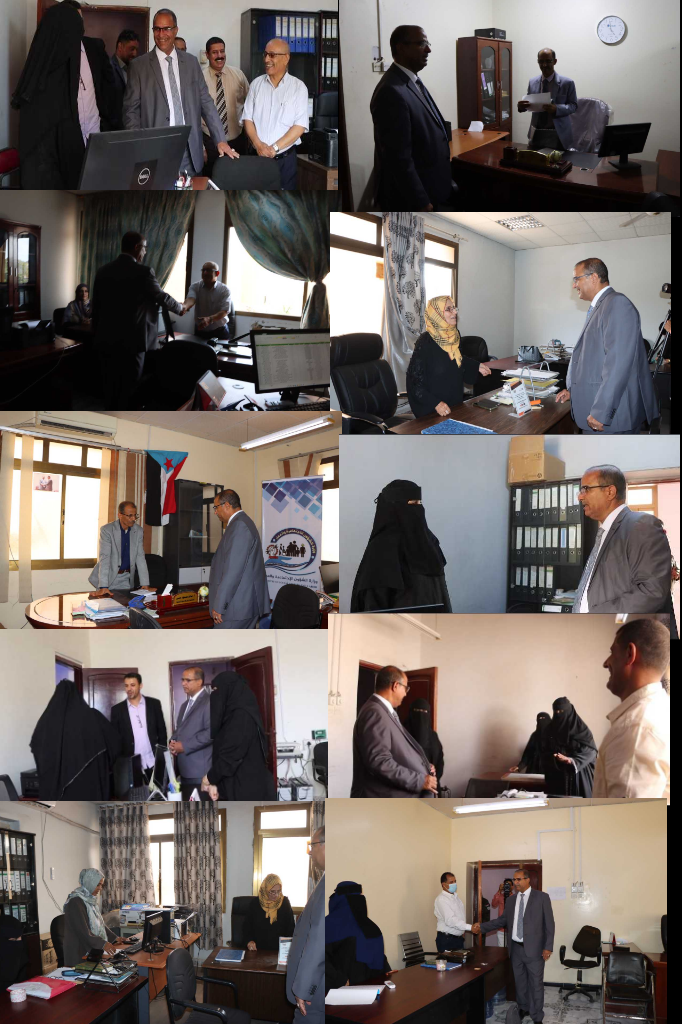
Prime Minister Dr. Shaya Mohsen Al-Zindani conducted an inspection visit on Sunday to the Ministry of Social Affairs and Labour in the interim capital, Aden, as part of his field visits to government ministries and institutions. The visit aimed to assess institutional performance, review the implementation of government priorities and programmes, and enhance institutional efficiency in a manner that improves the quality of public services delivered to citizens.
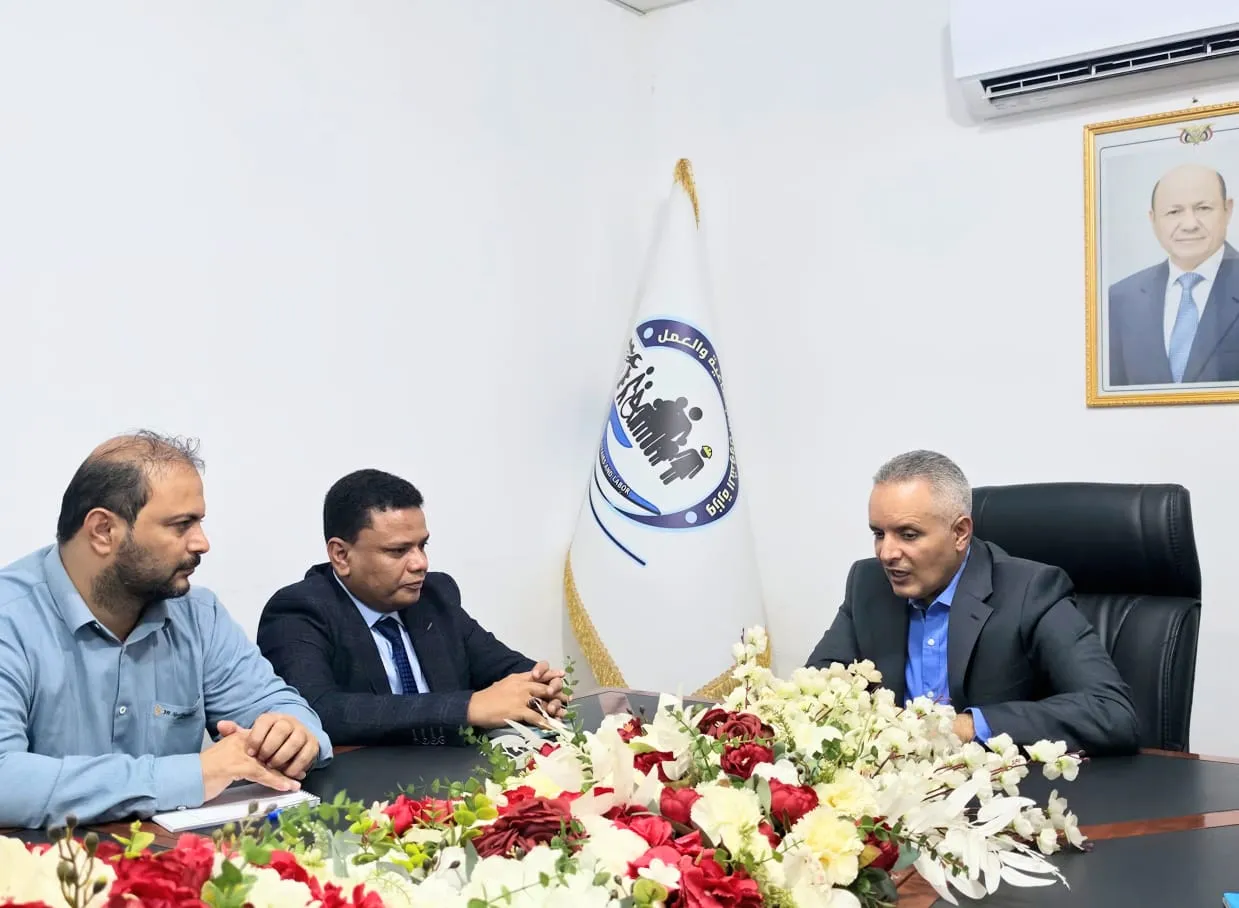
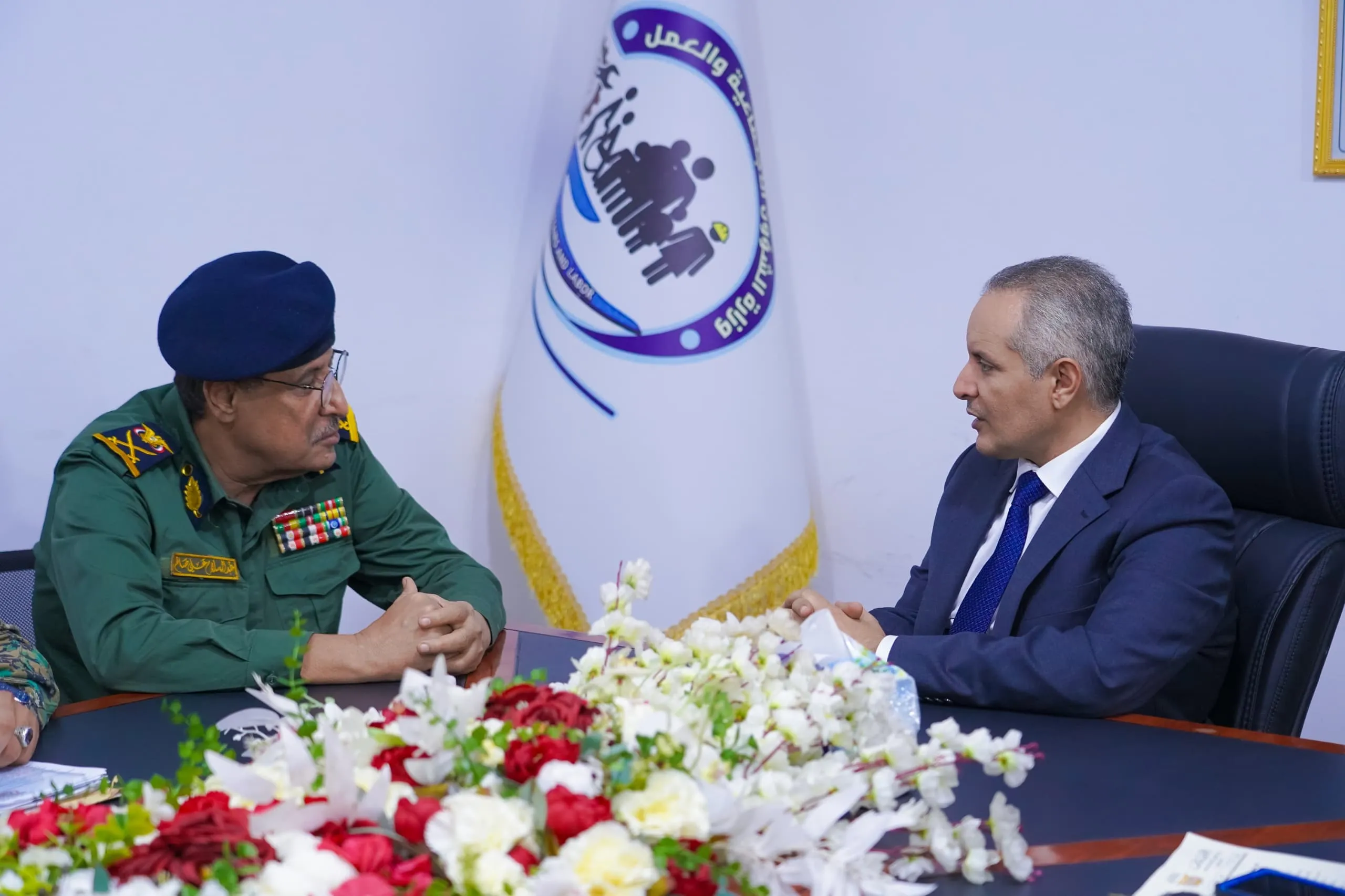
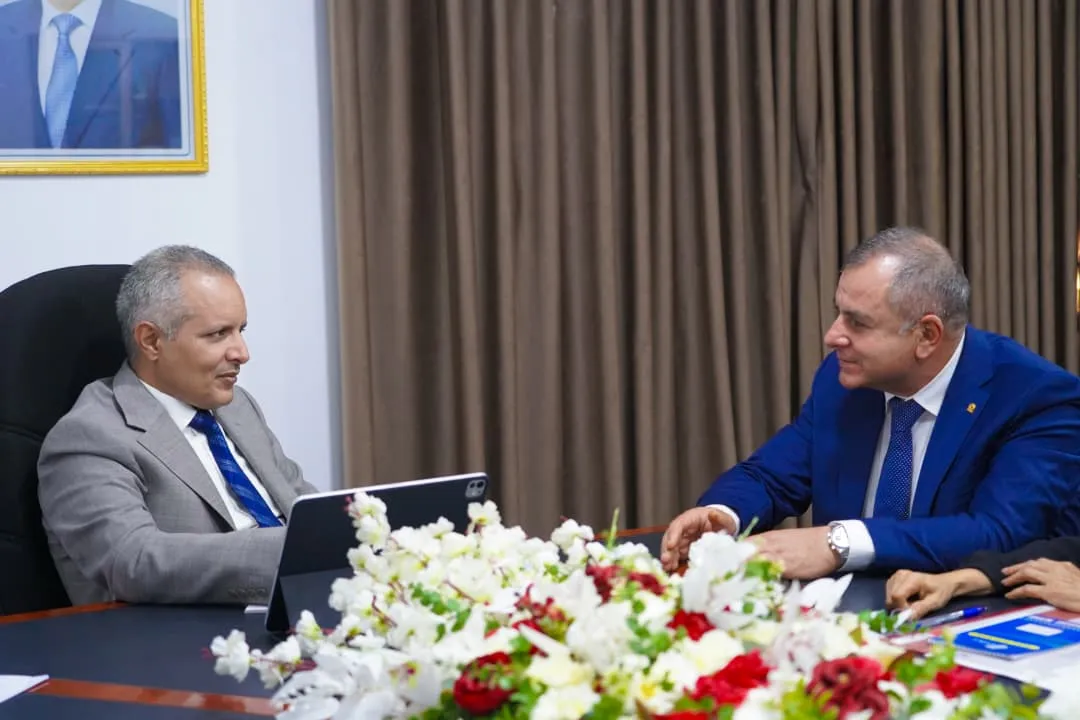
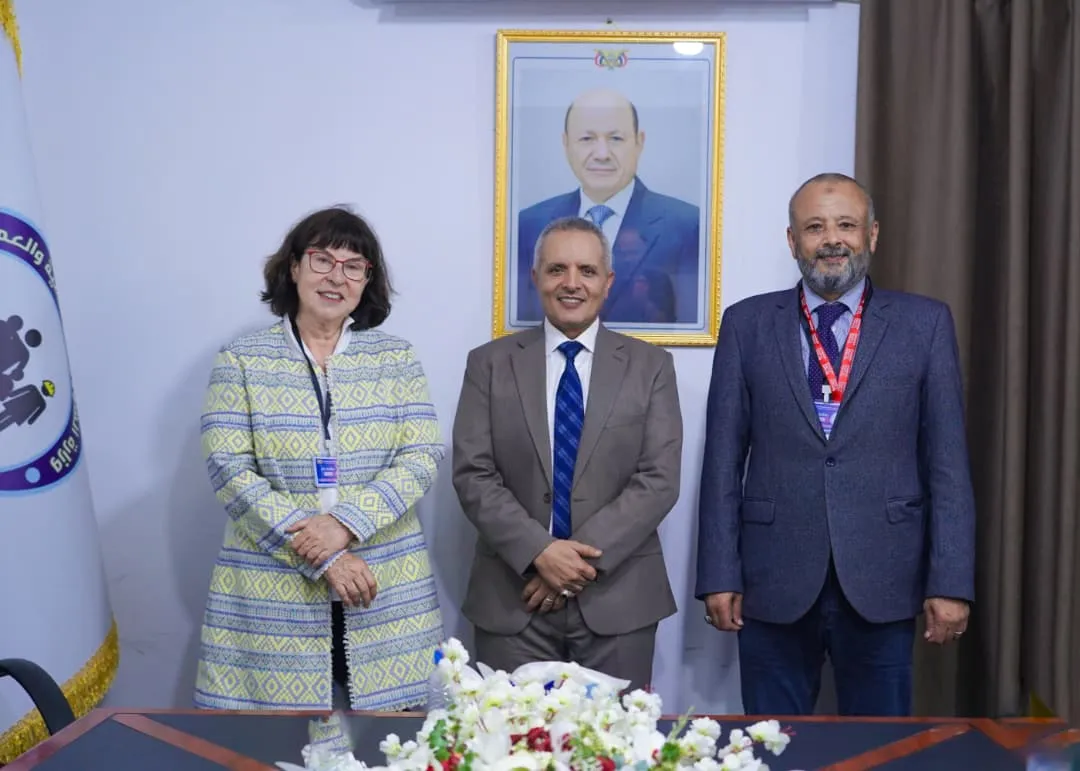
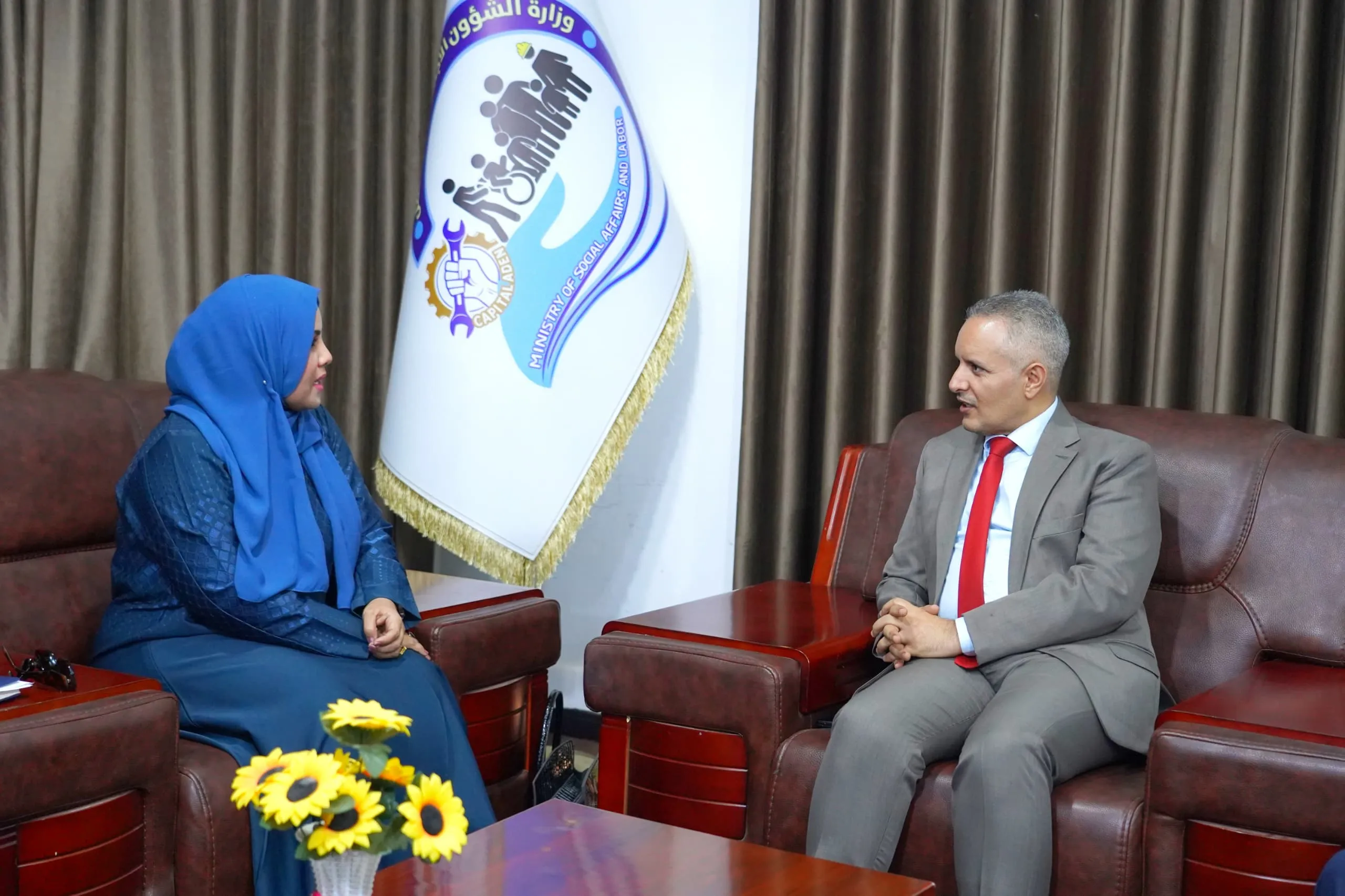
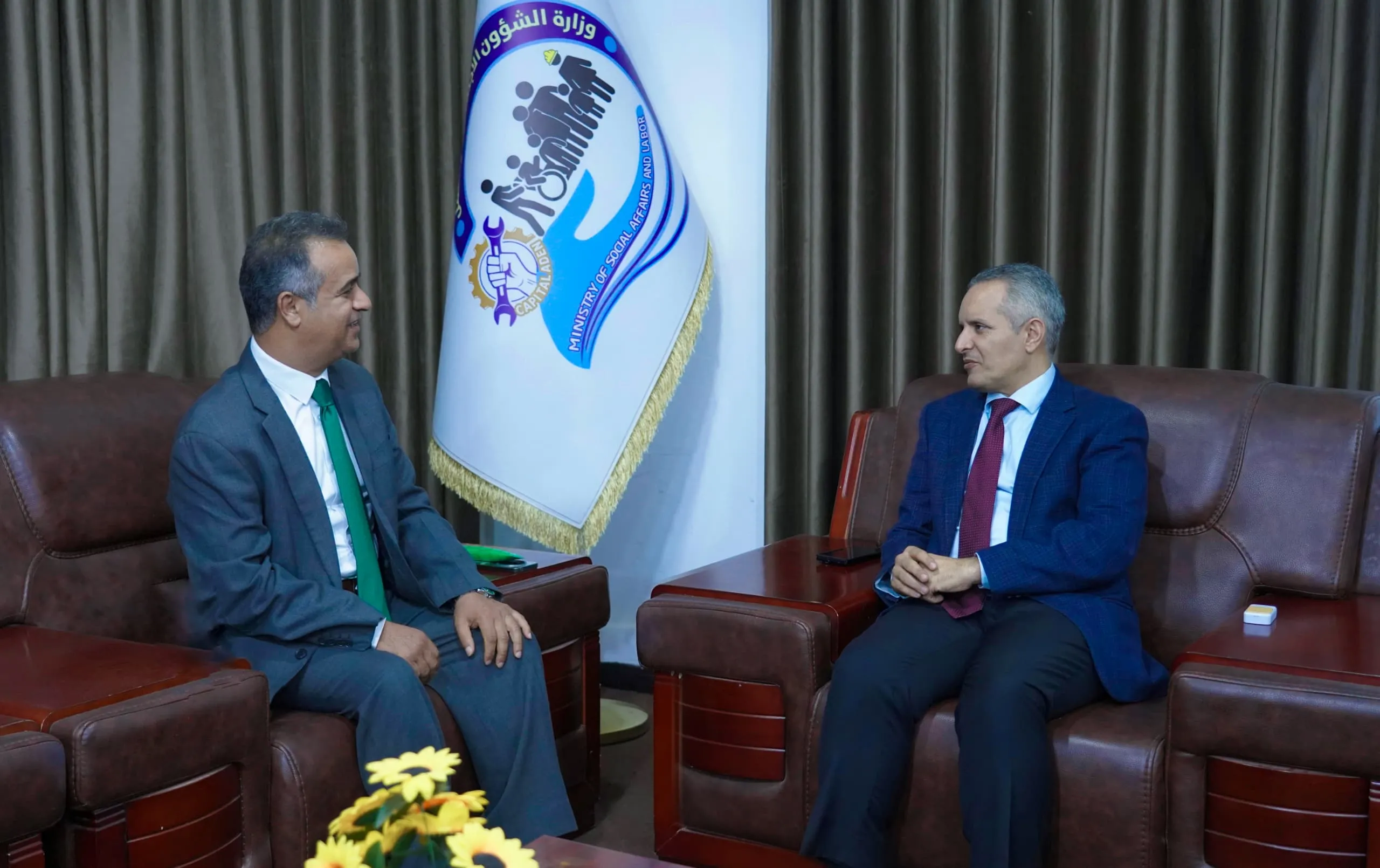
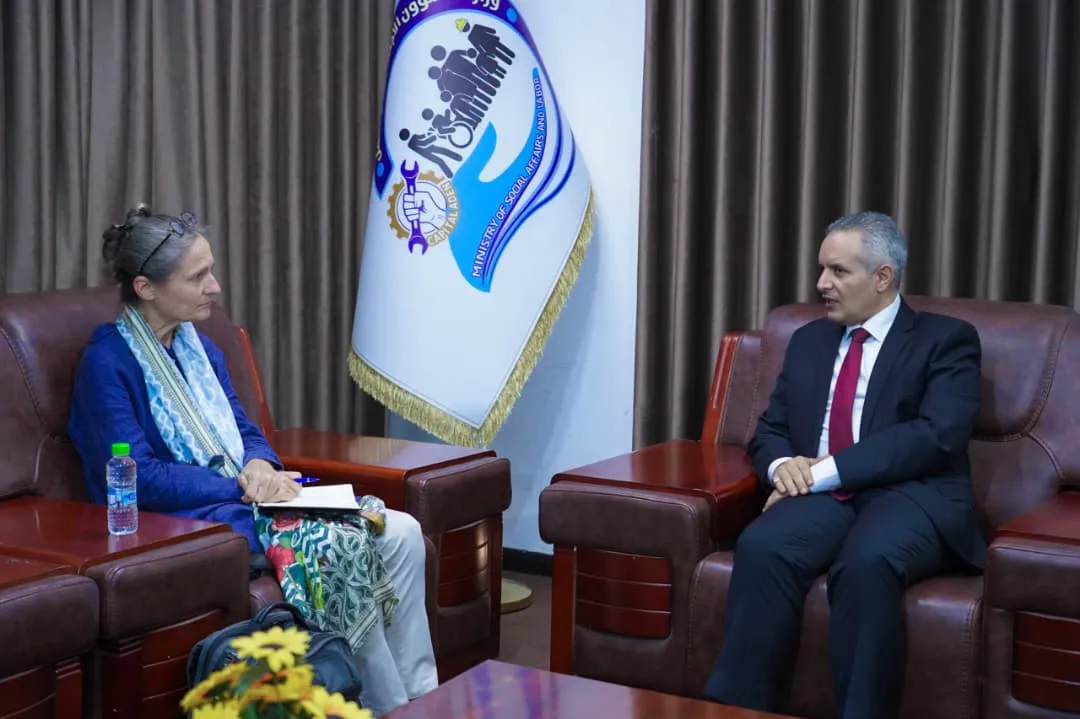
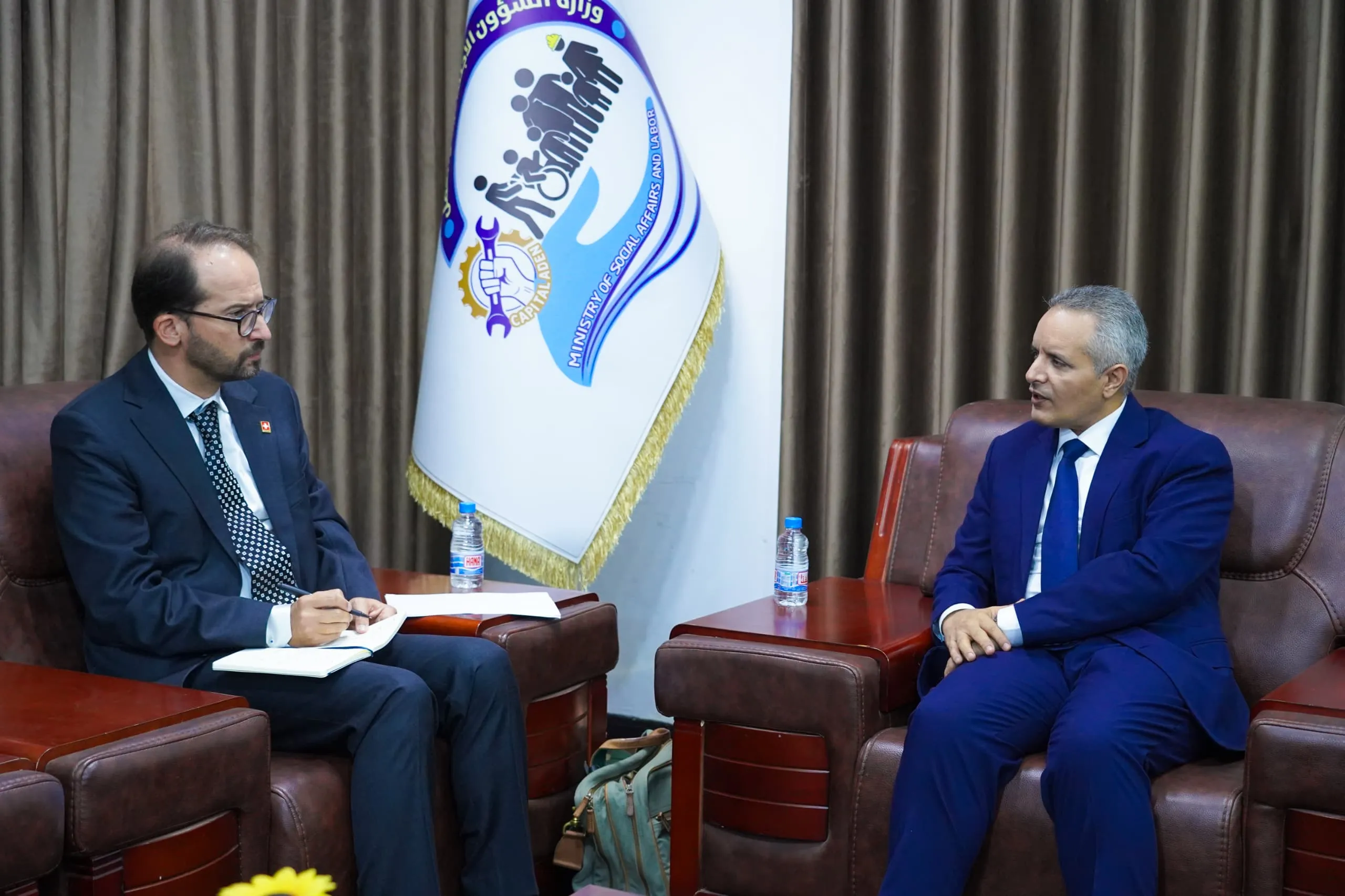
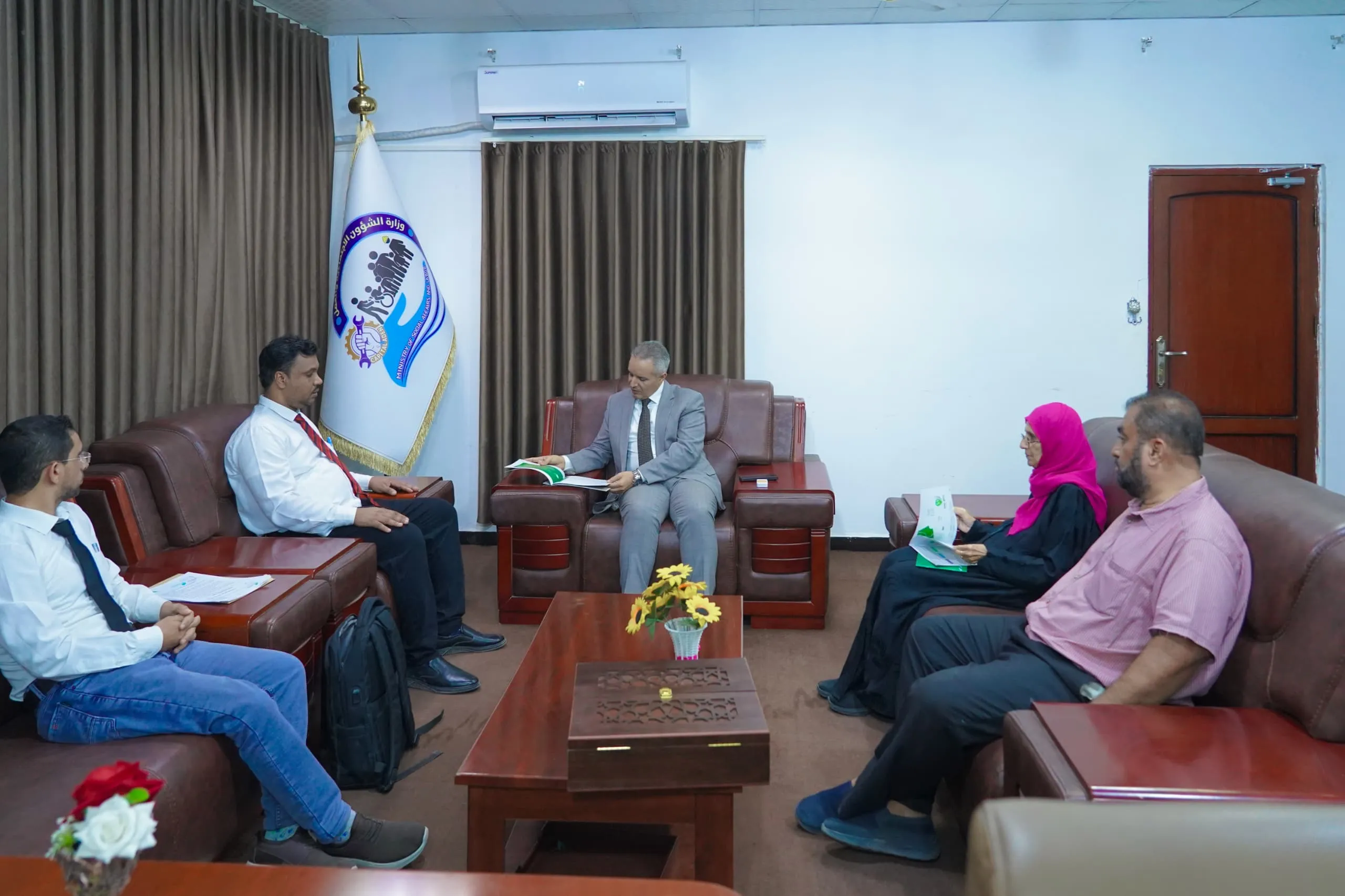
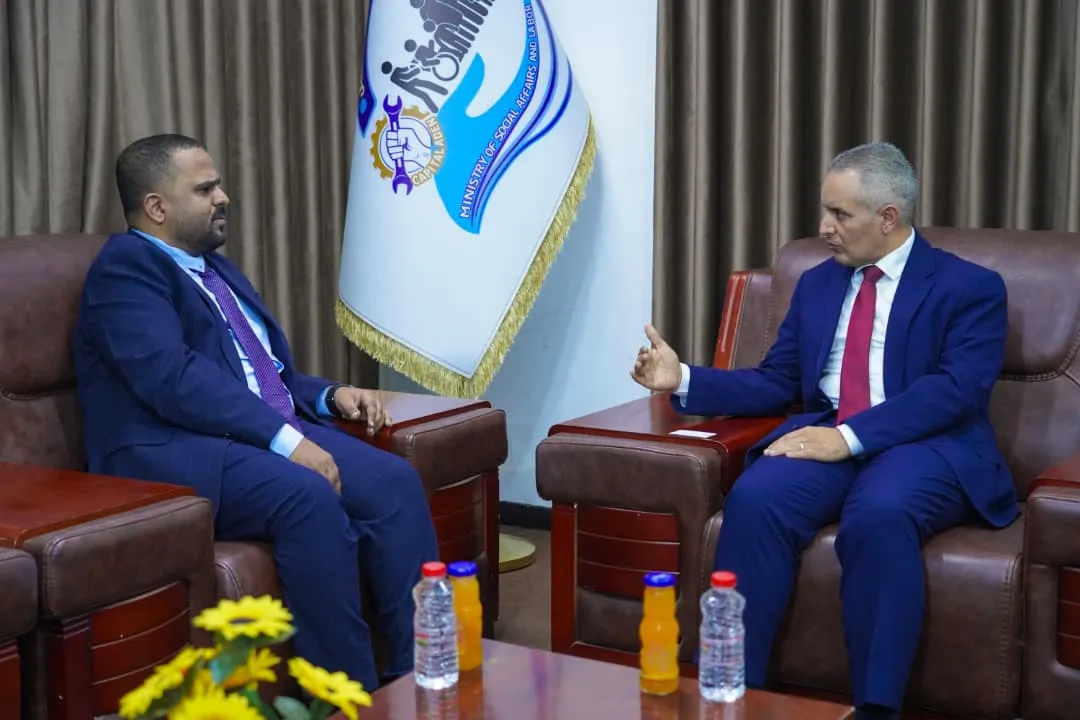
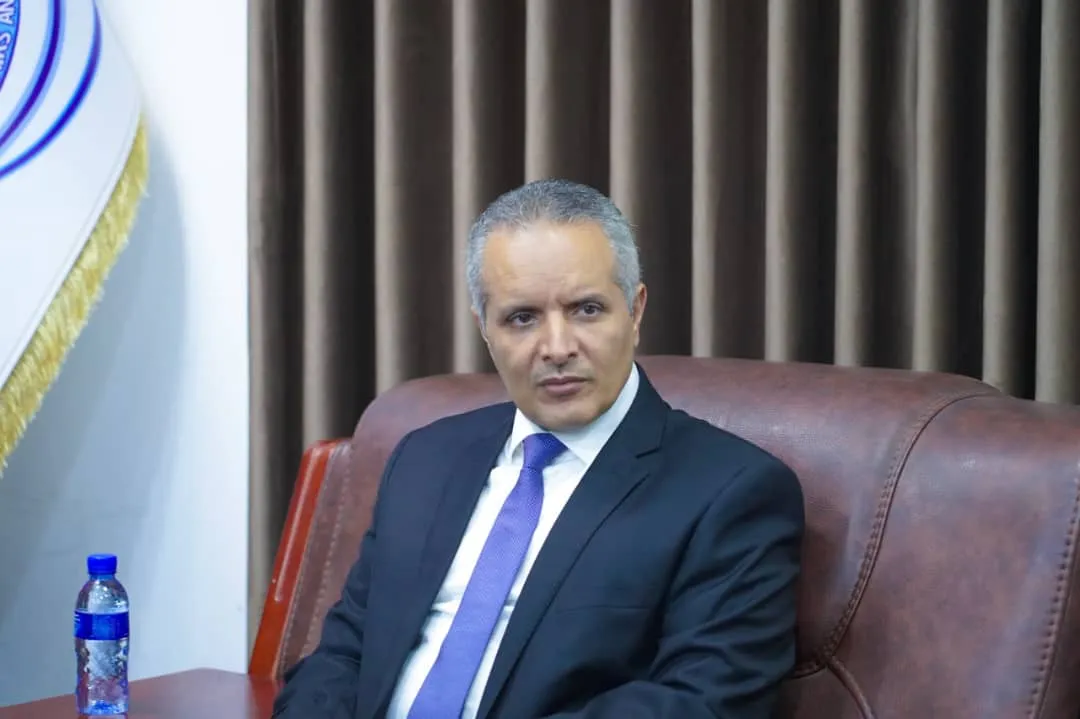
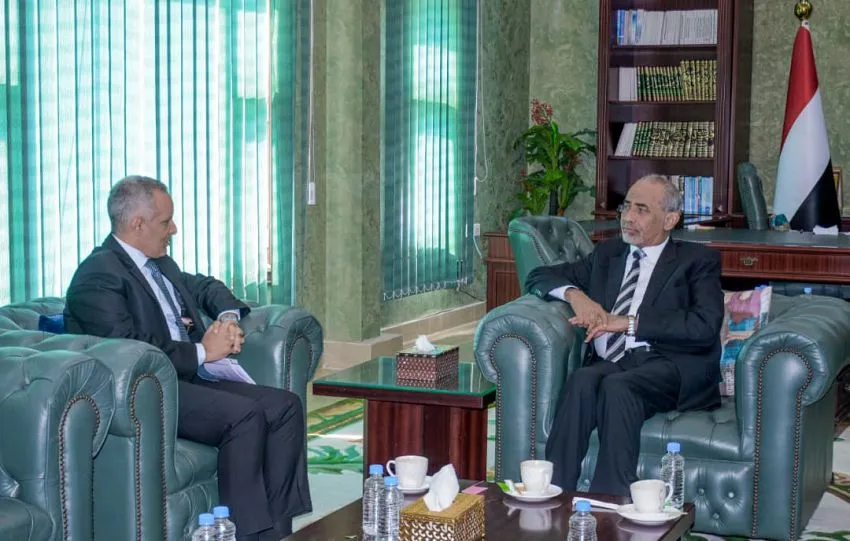
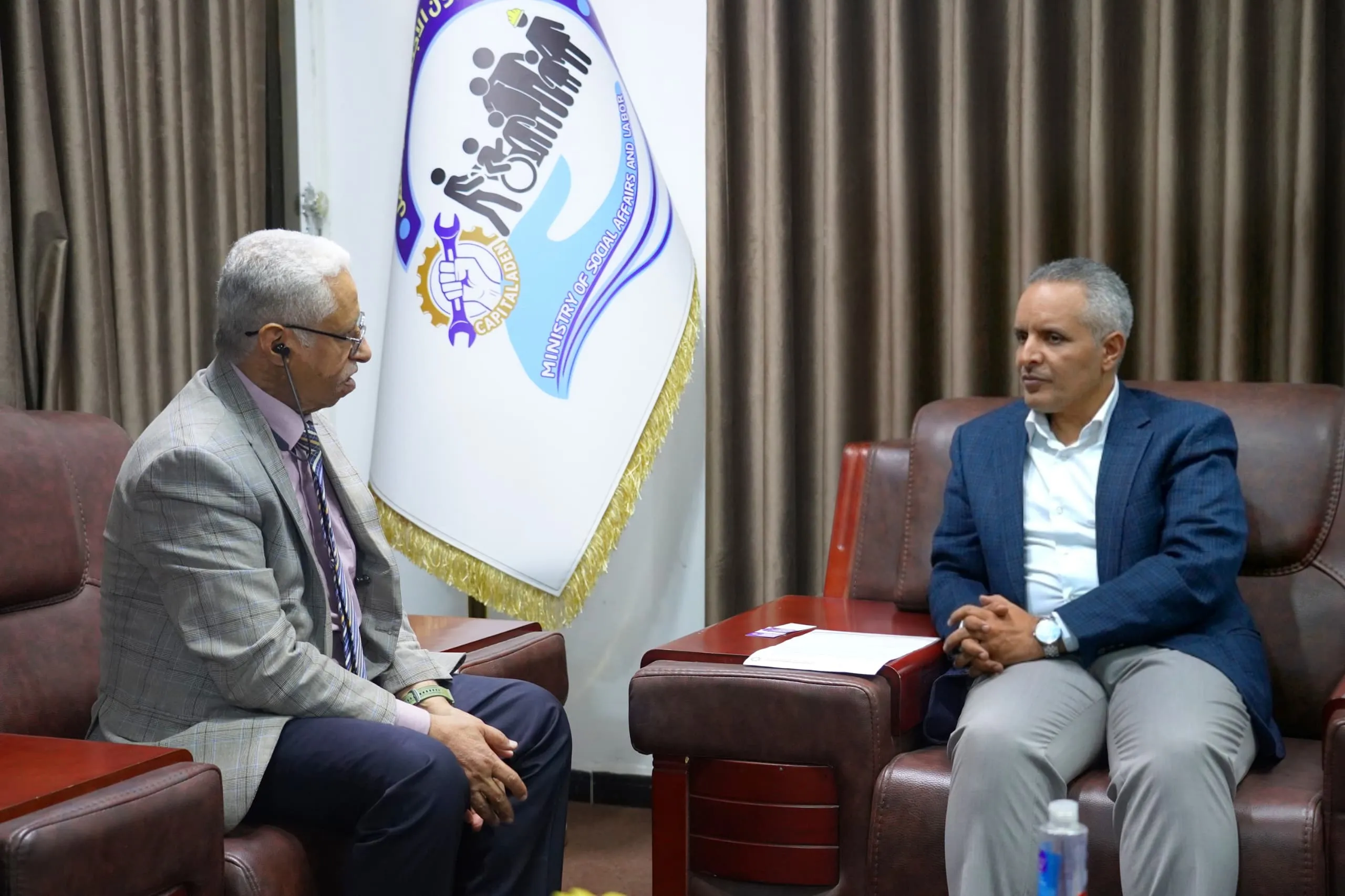
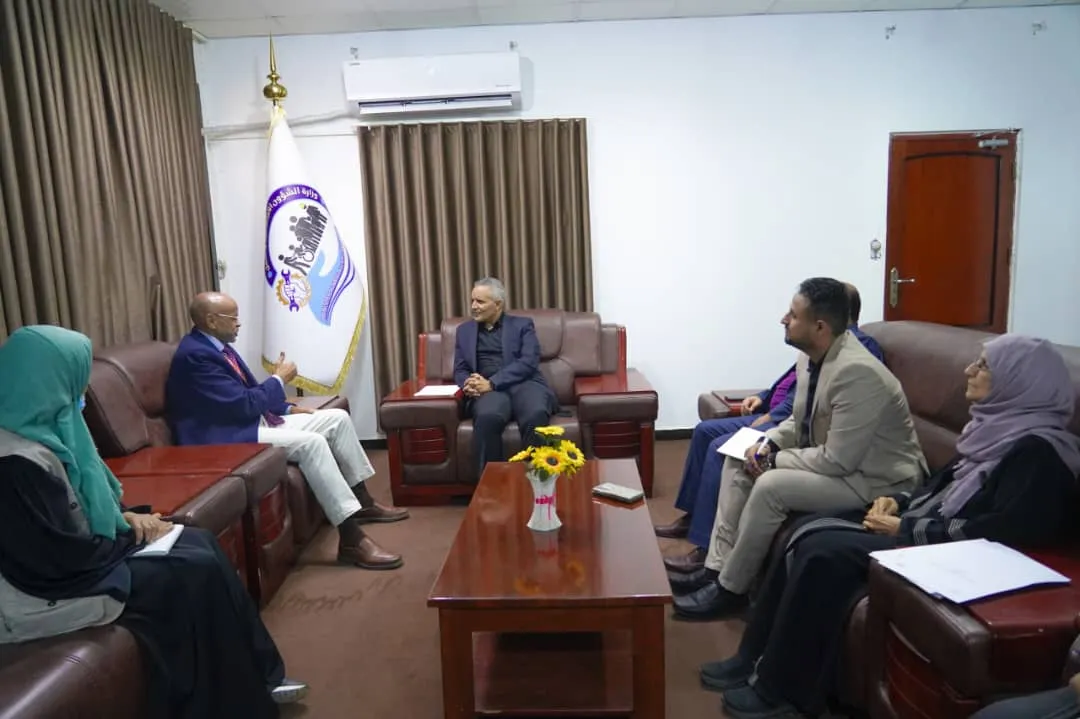
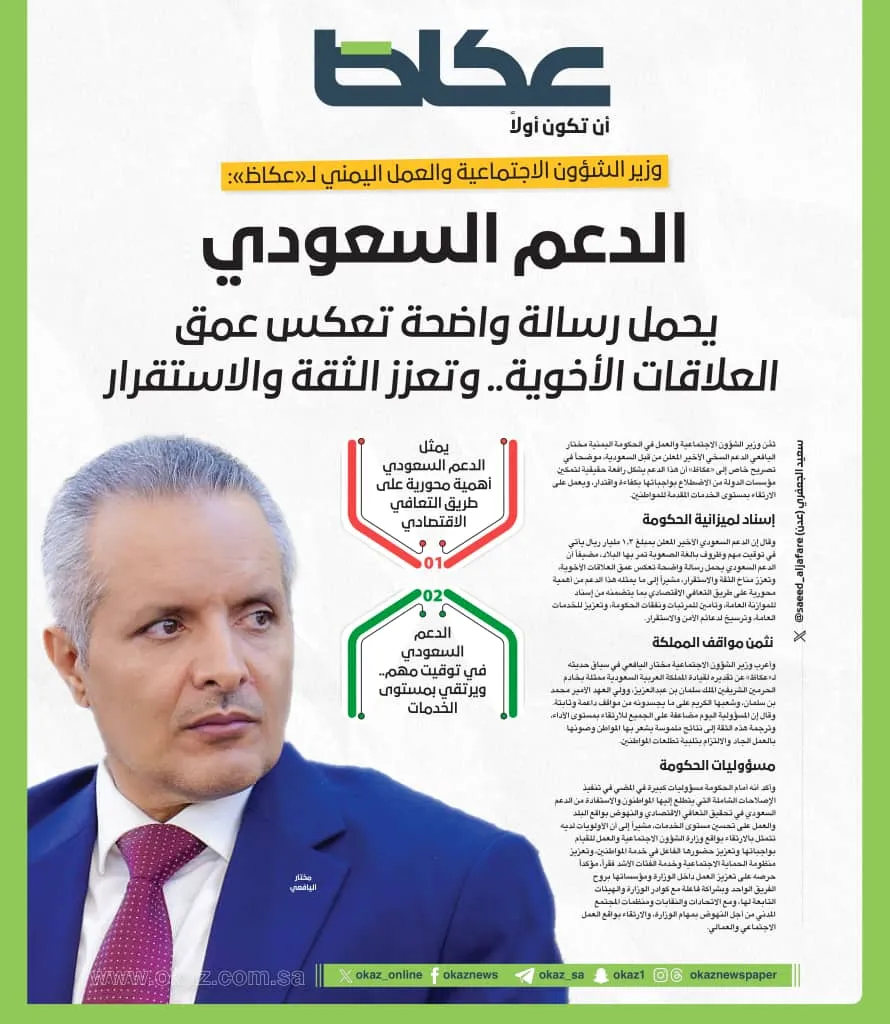
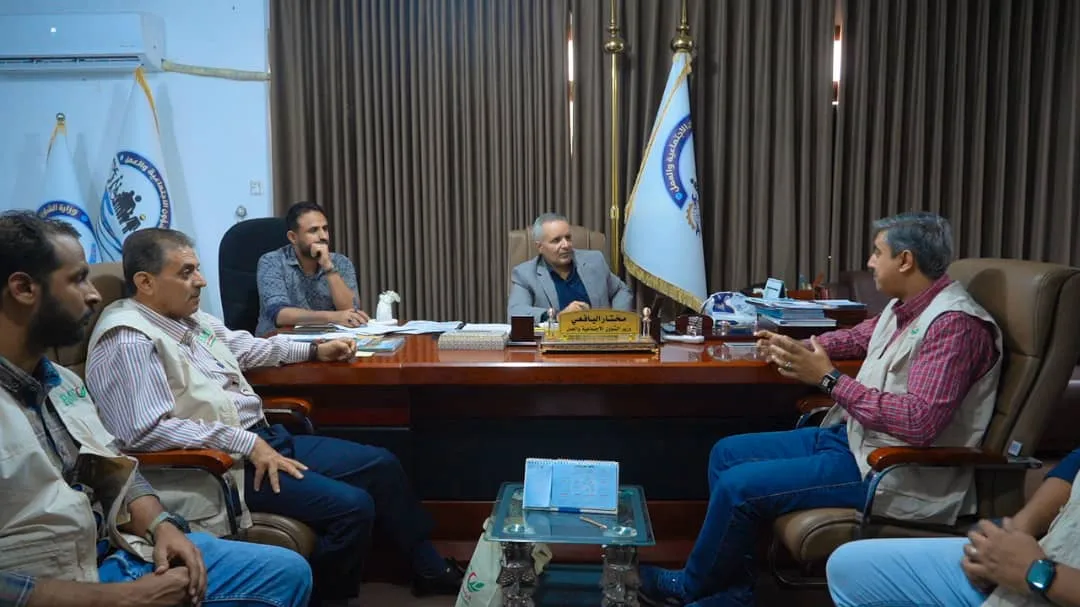
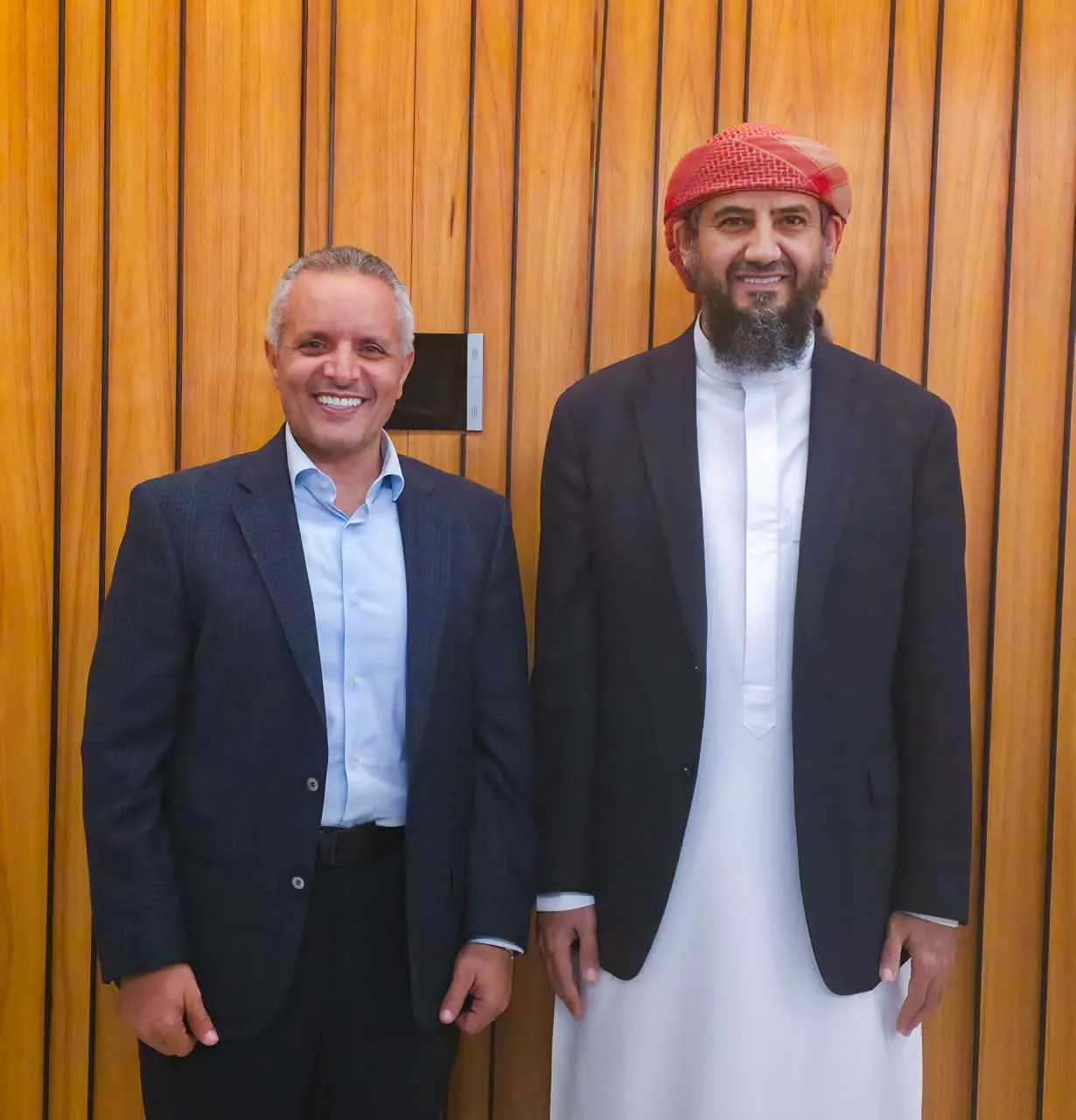
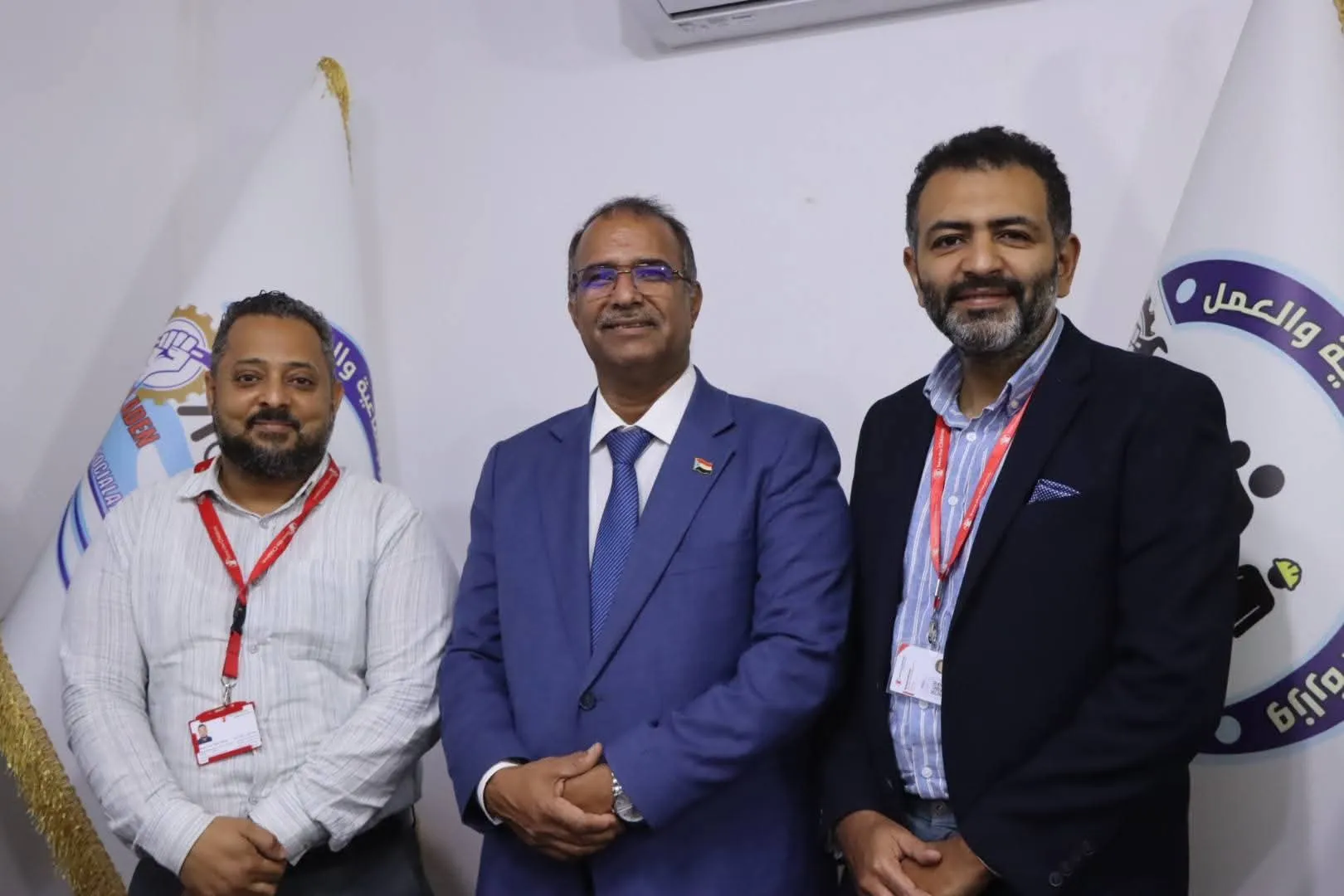
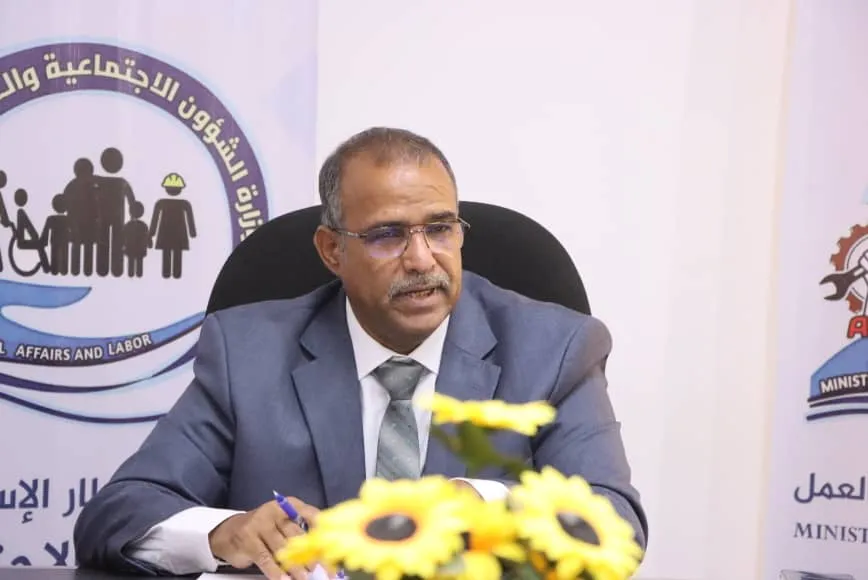
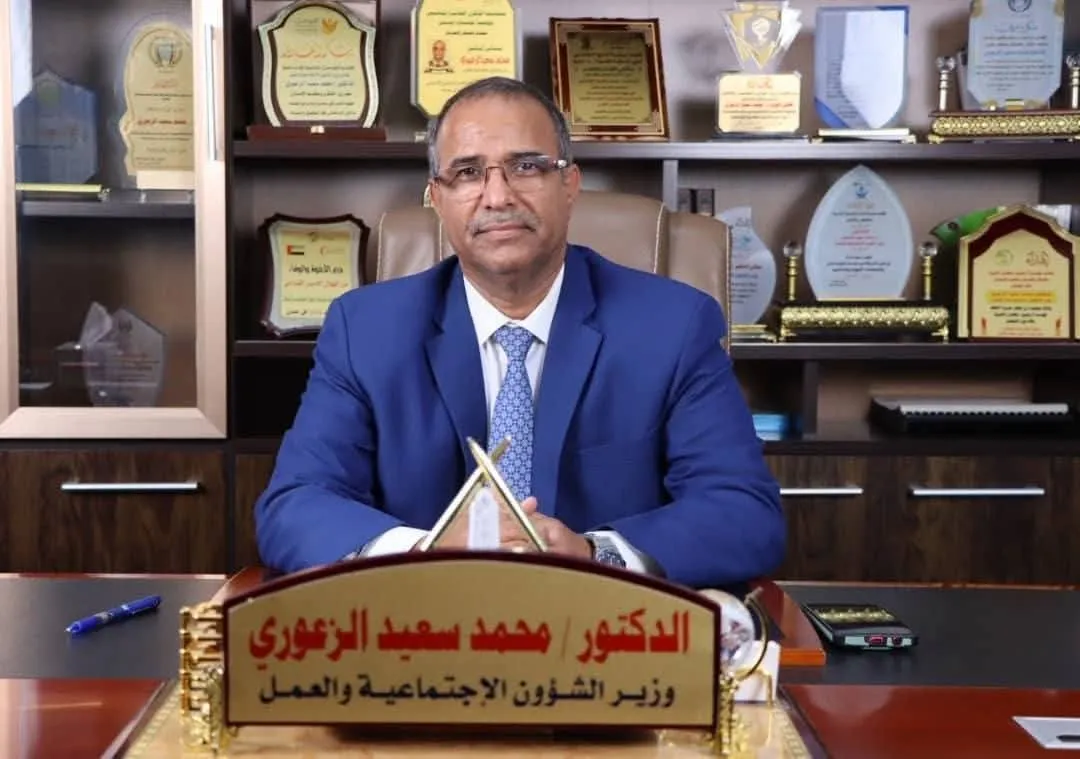
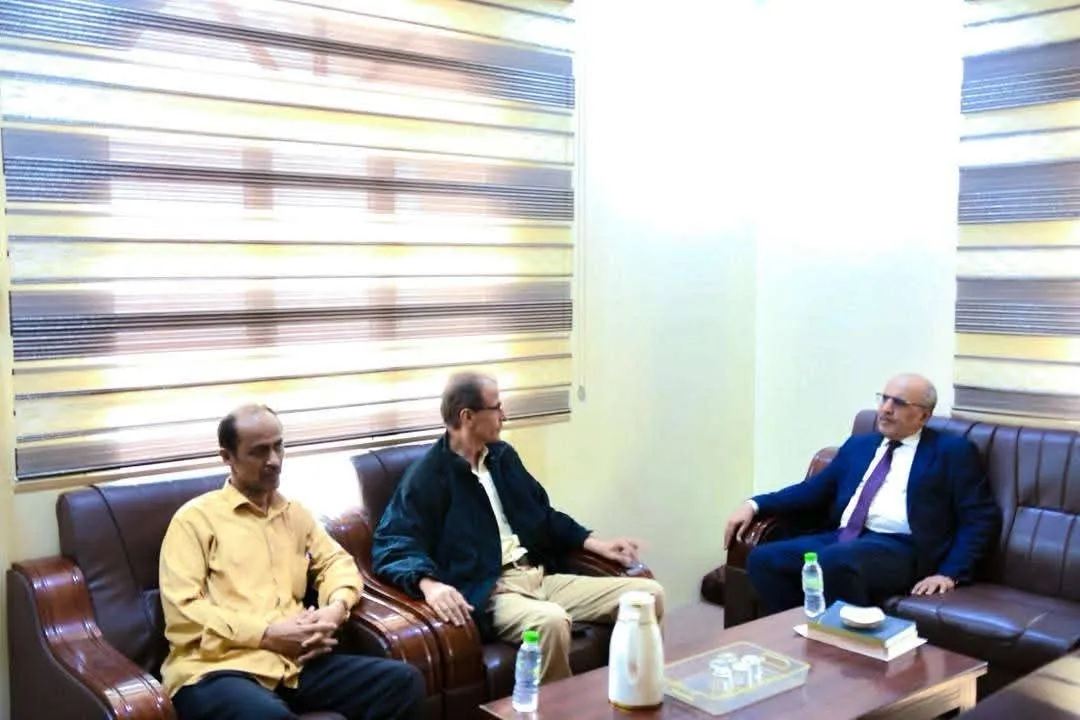
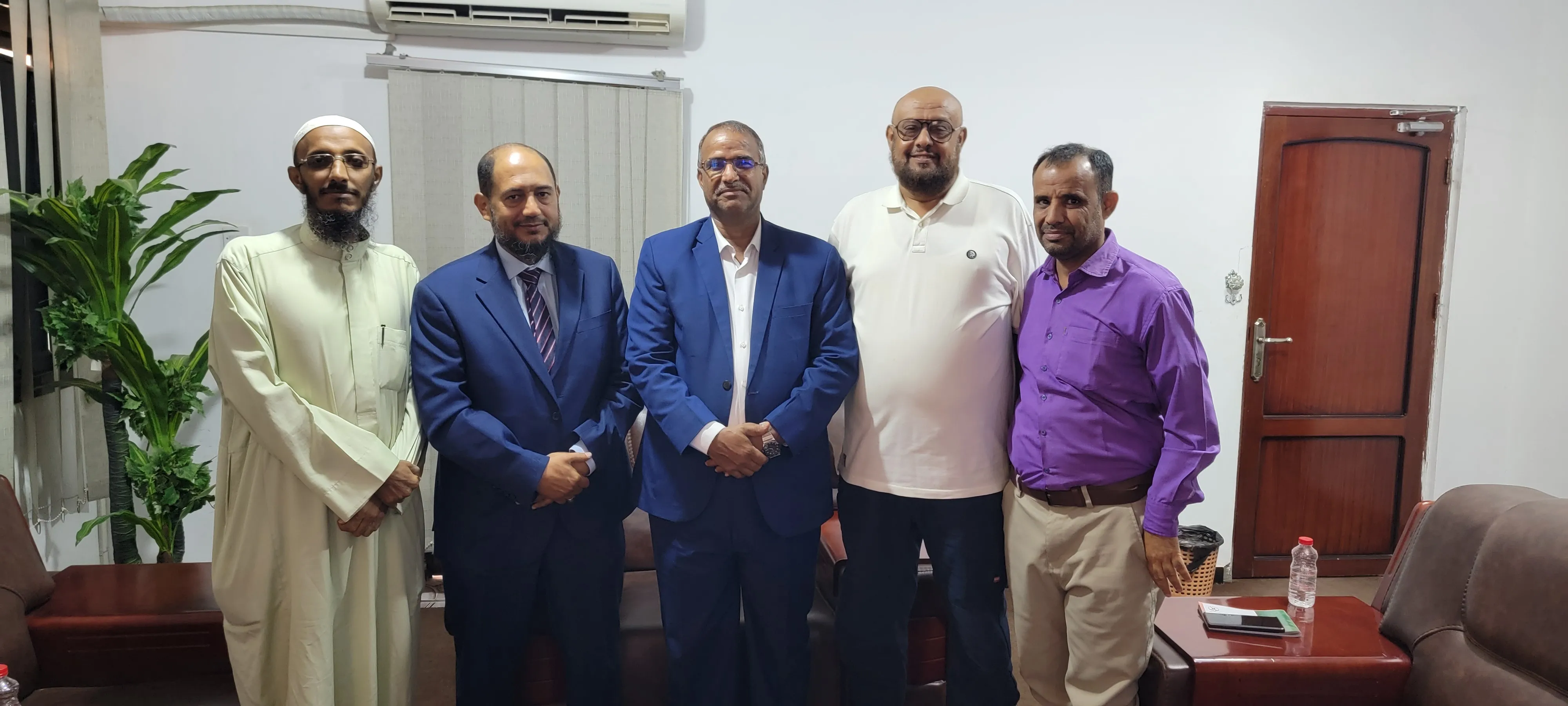
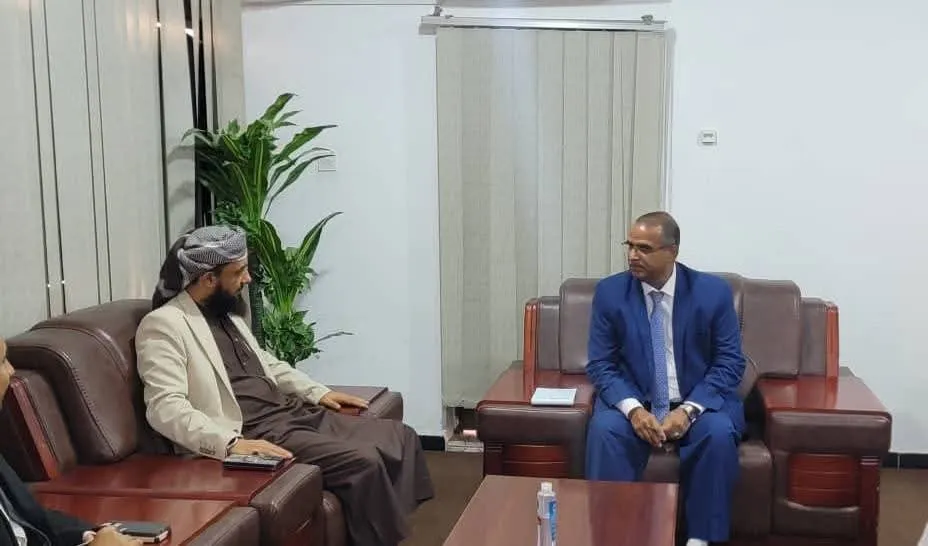
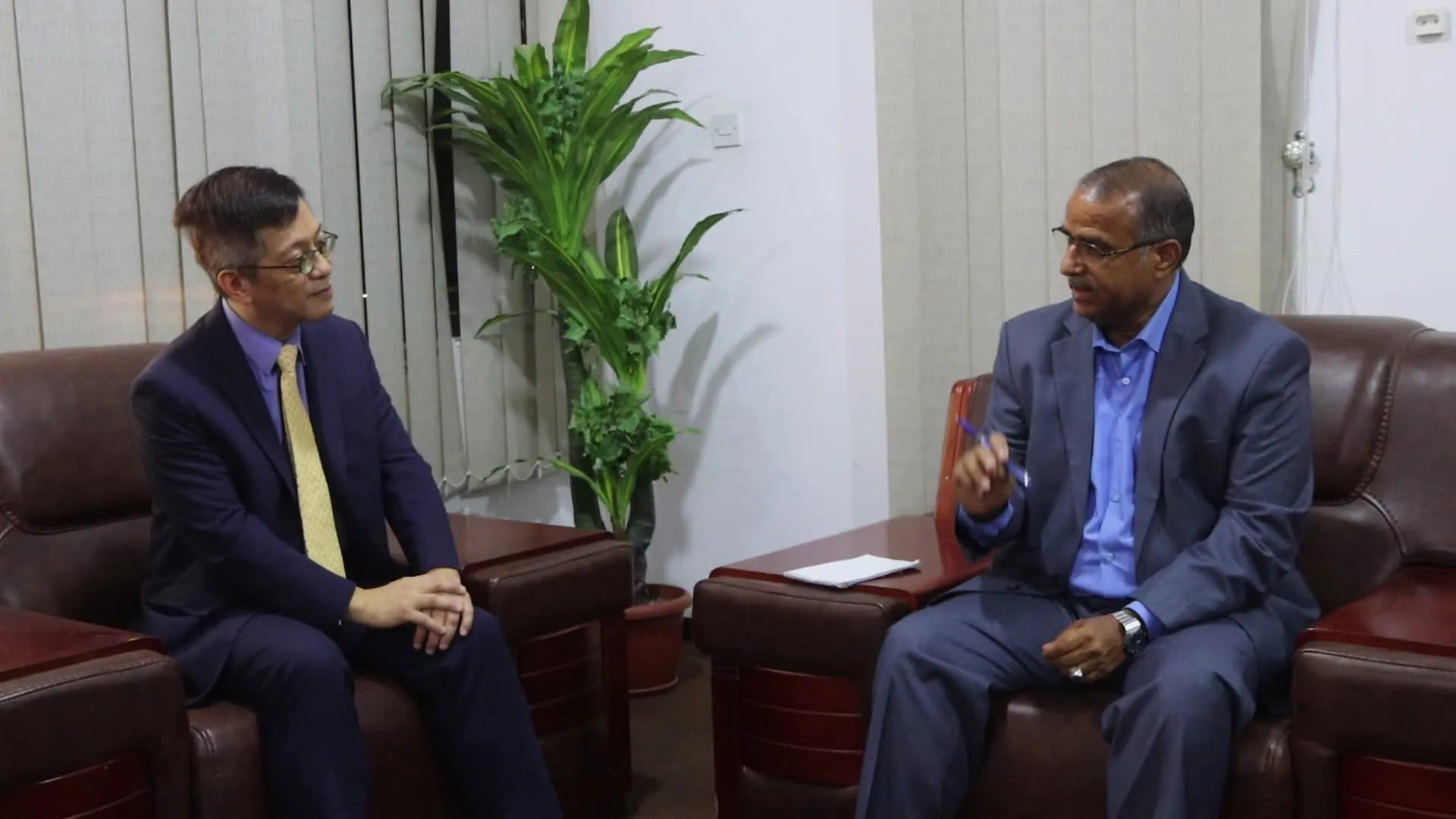
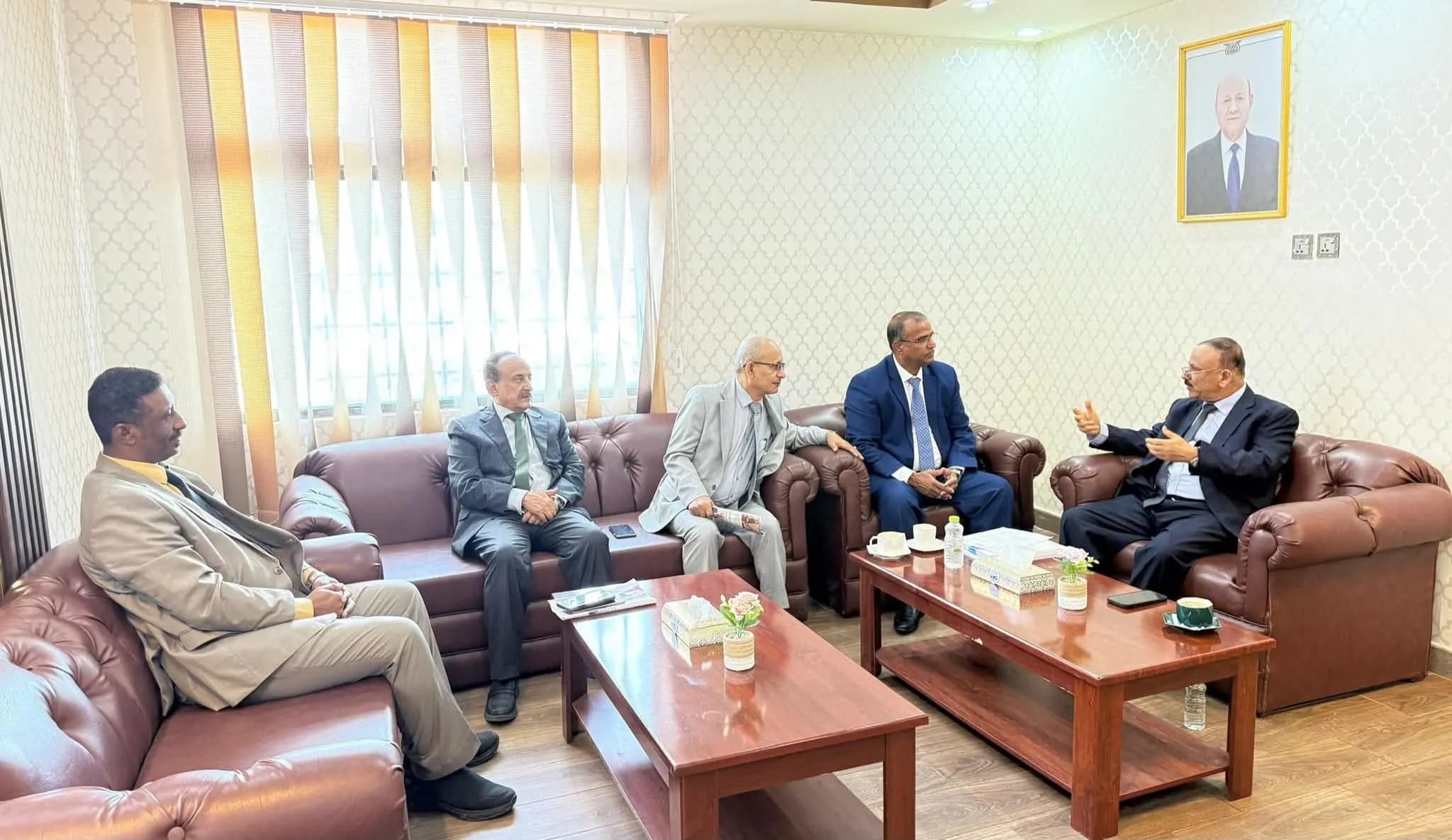
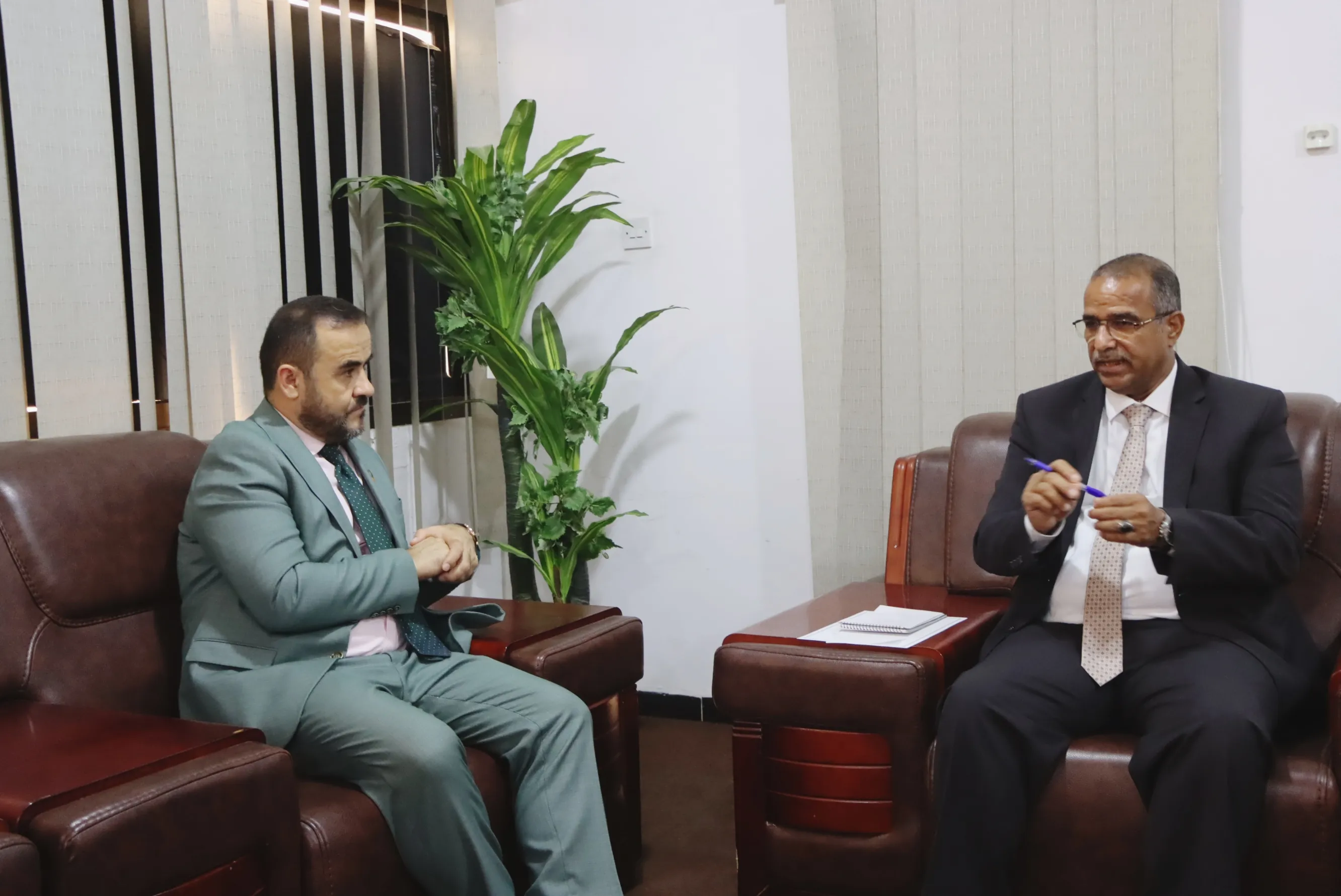
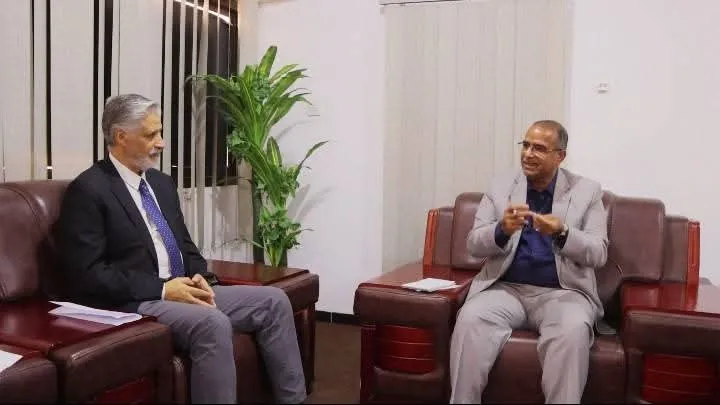
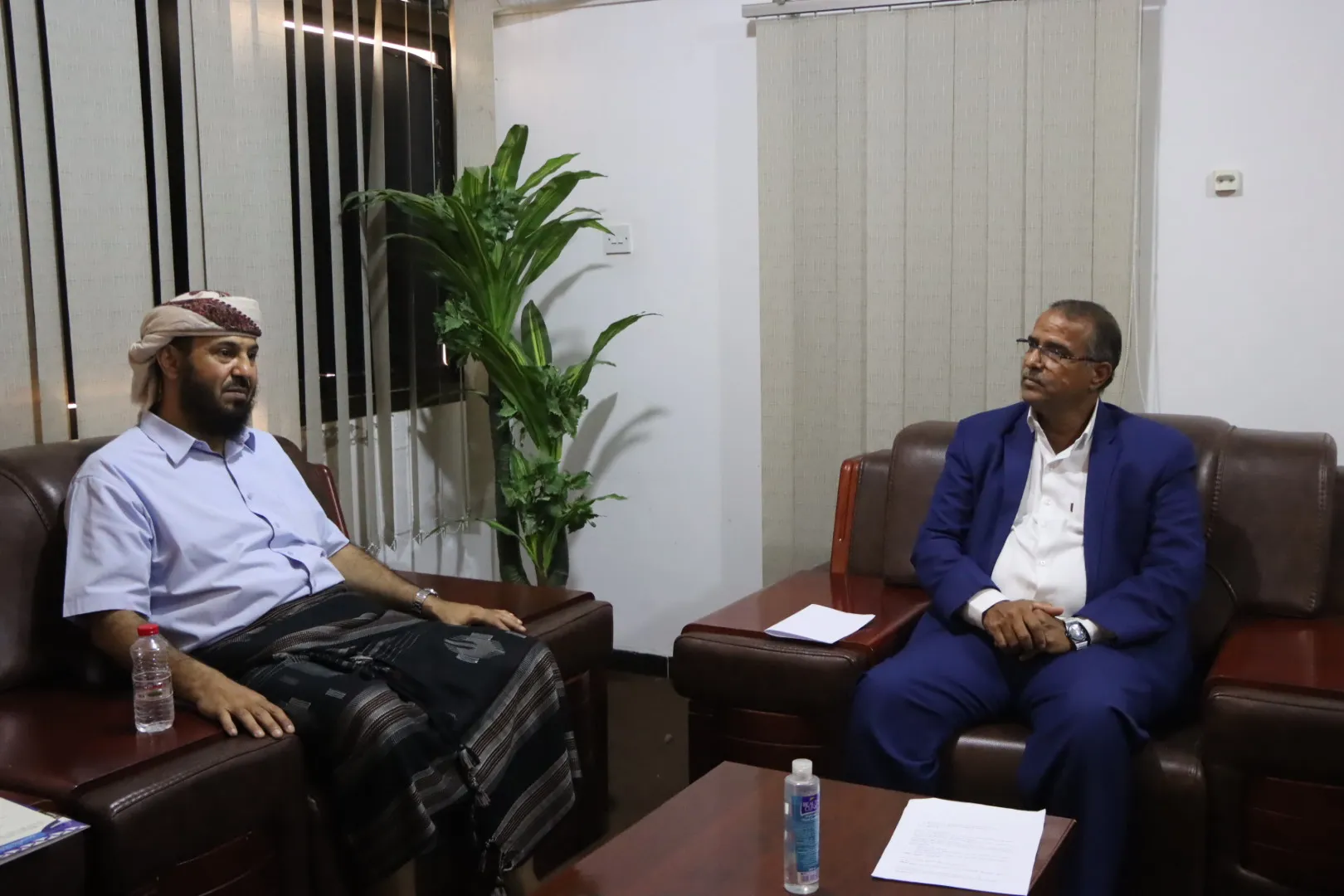
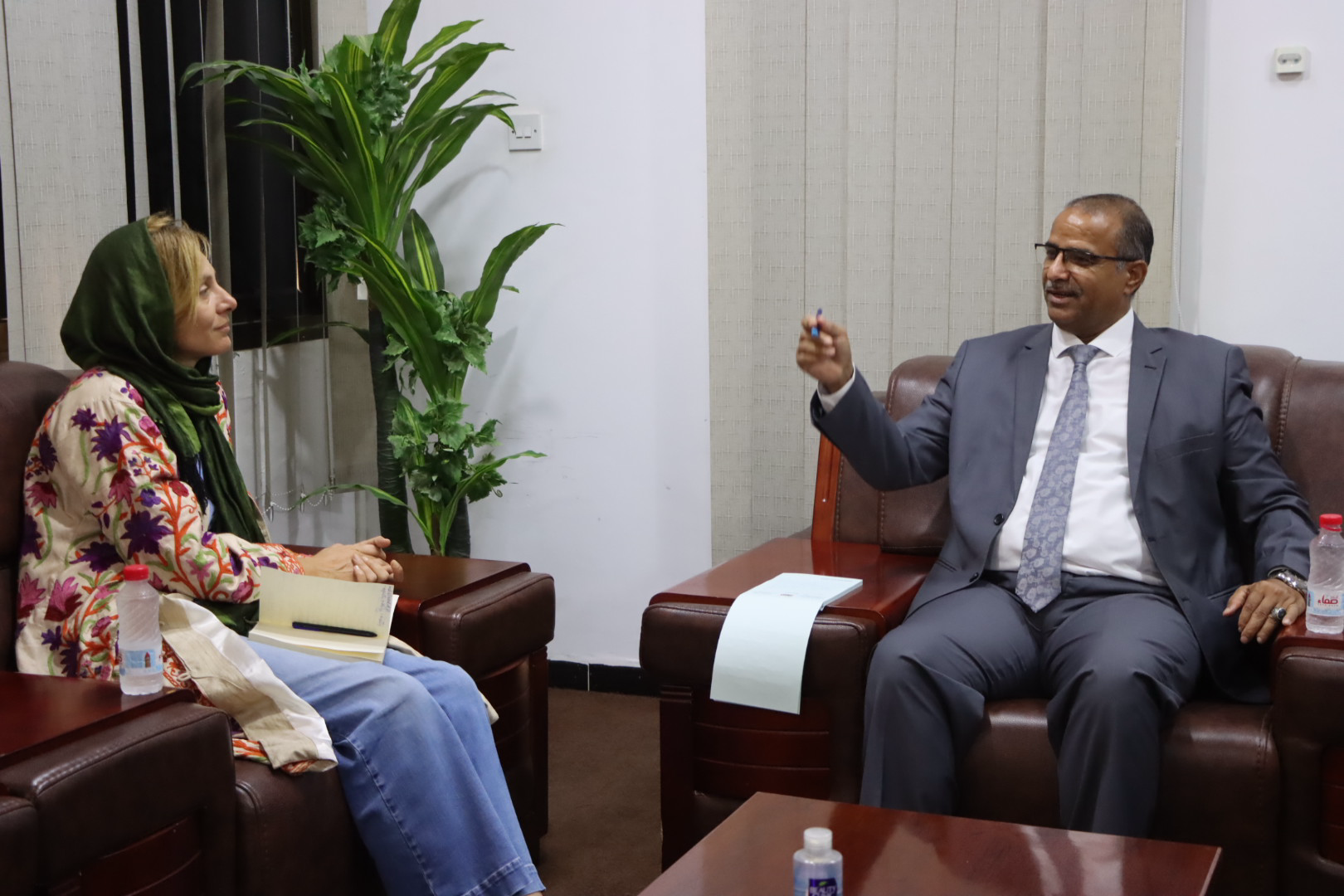
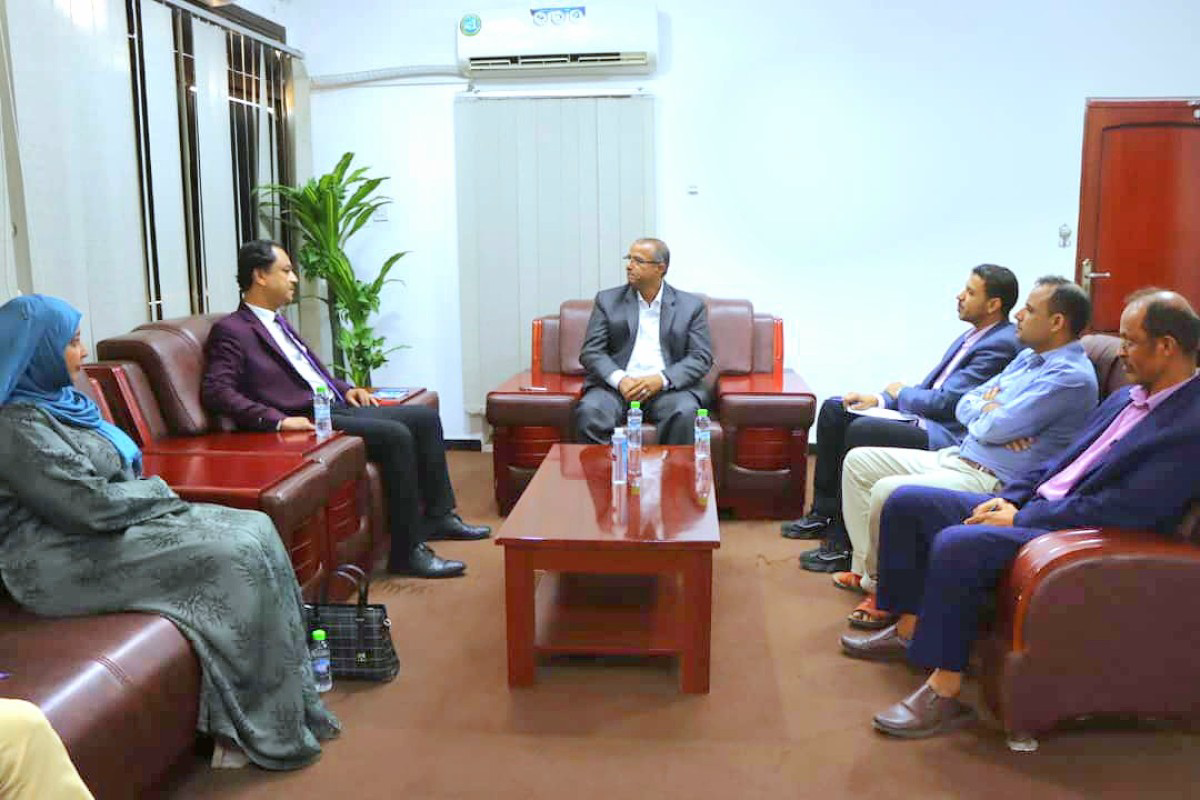
Upon his arrival, the Prime Minister was received by the Minister of Social Affairs and Labour, Mukhtar Al-Yafaei, and Deputy Minister Dr. Sadiq Al-Jamaei.
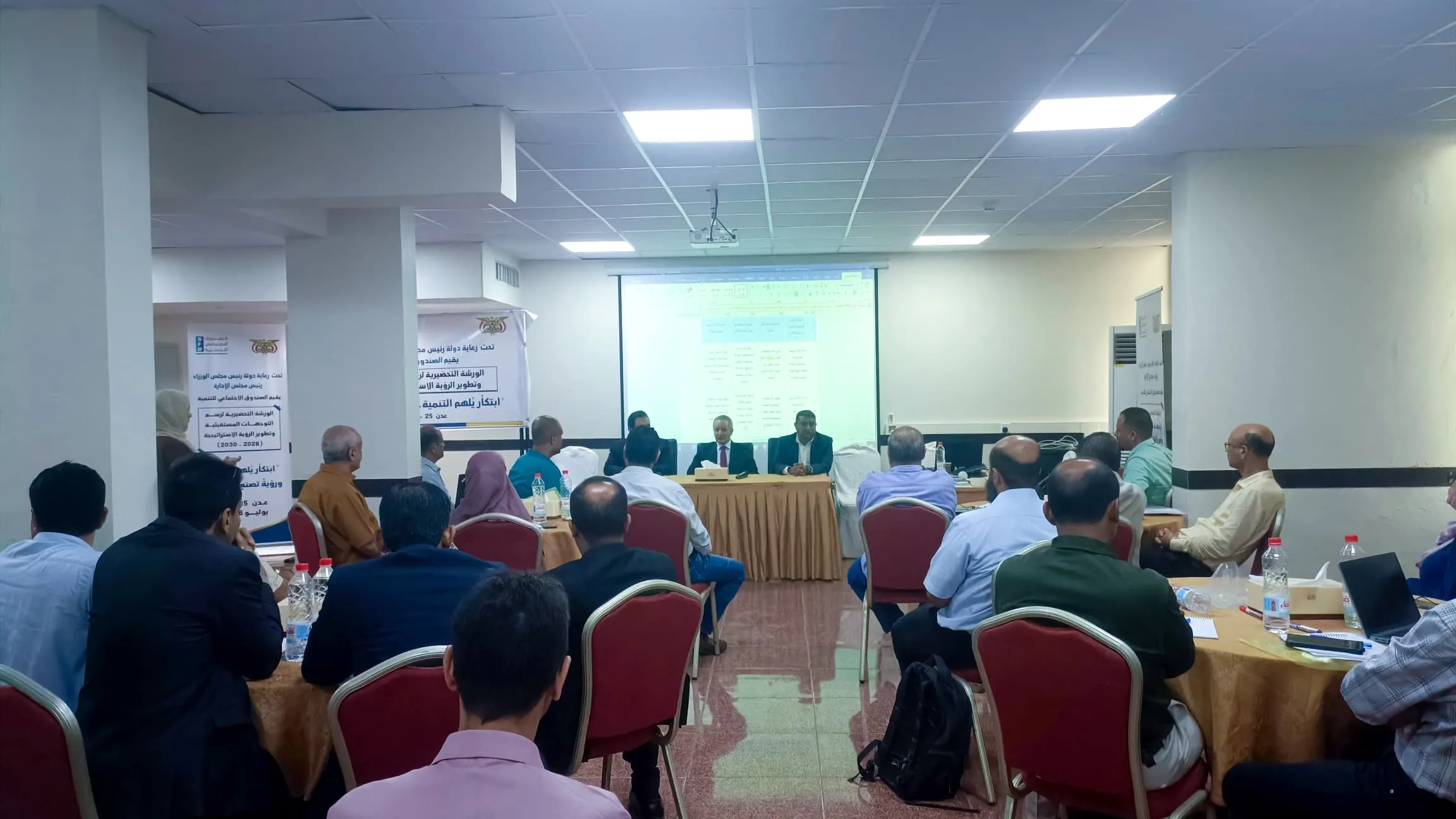
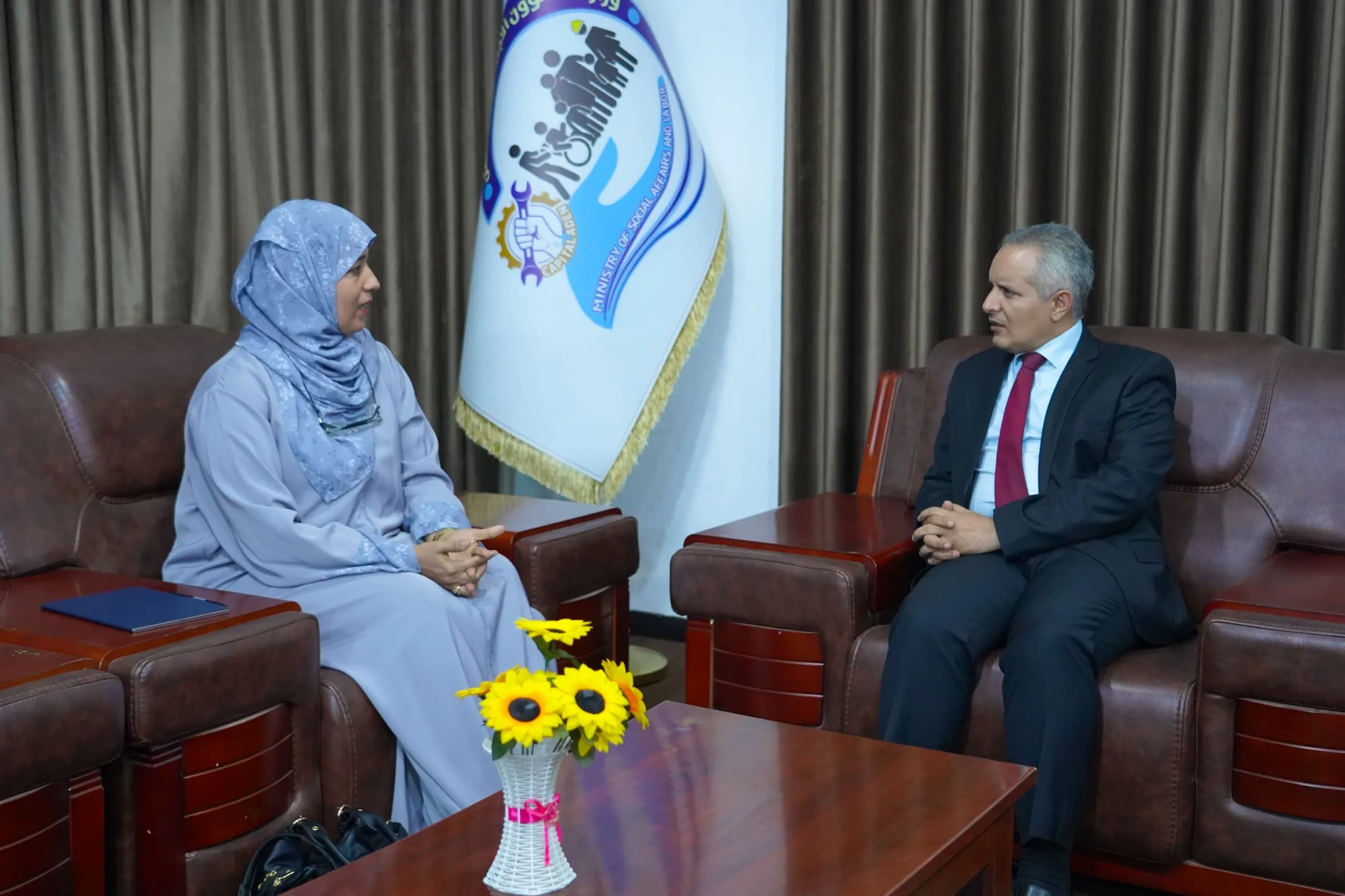
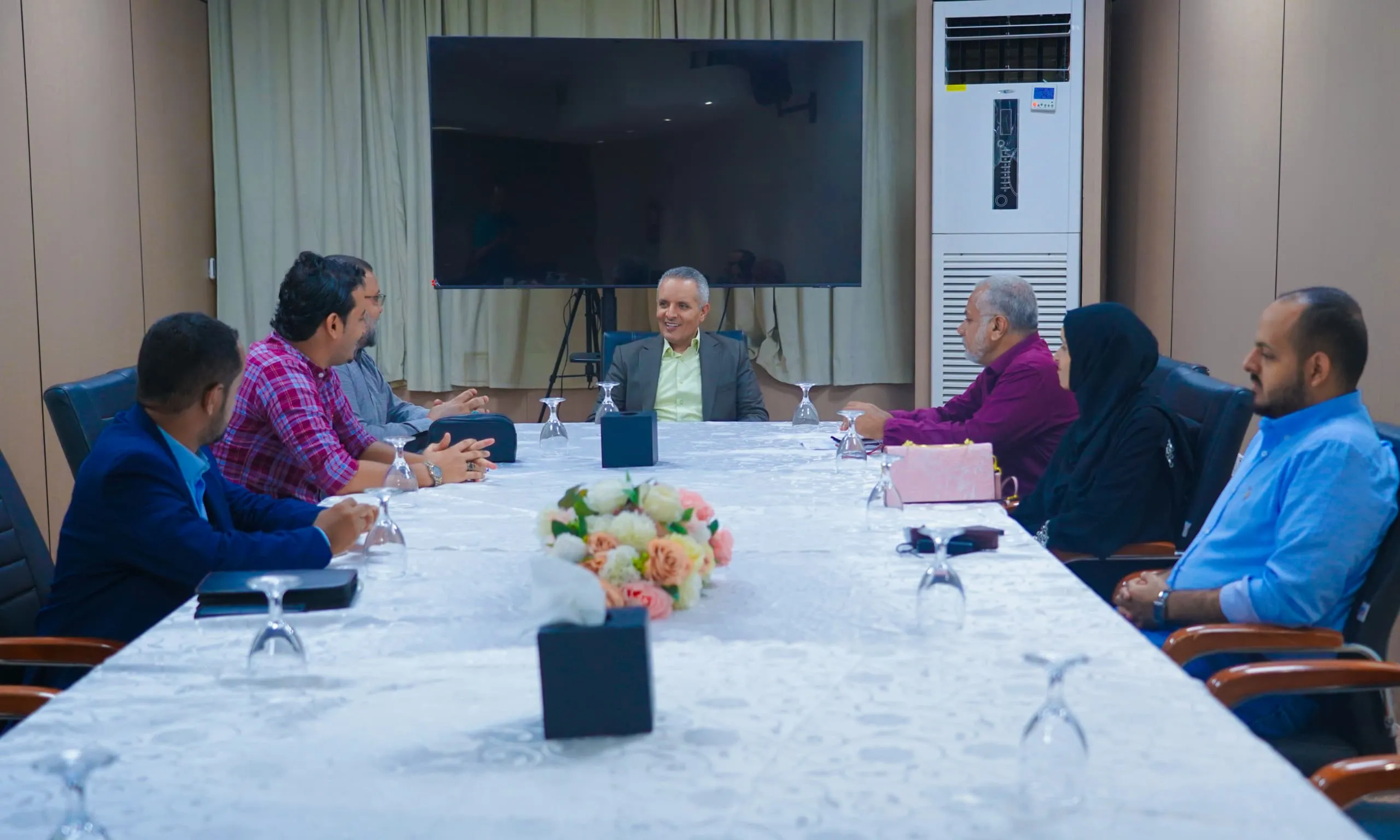
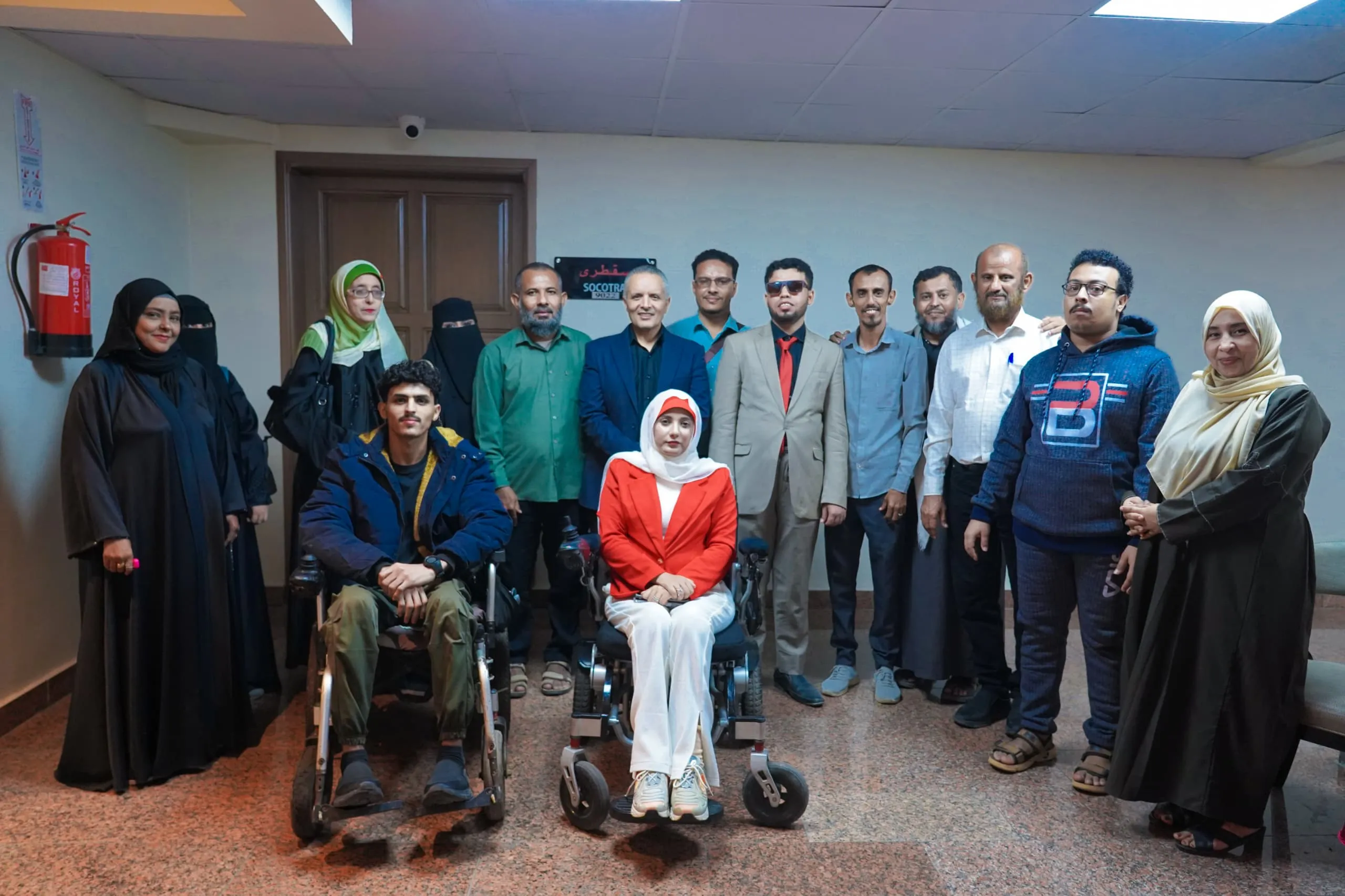
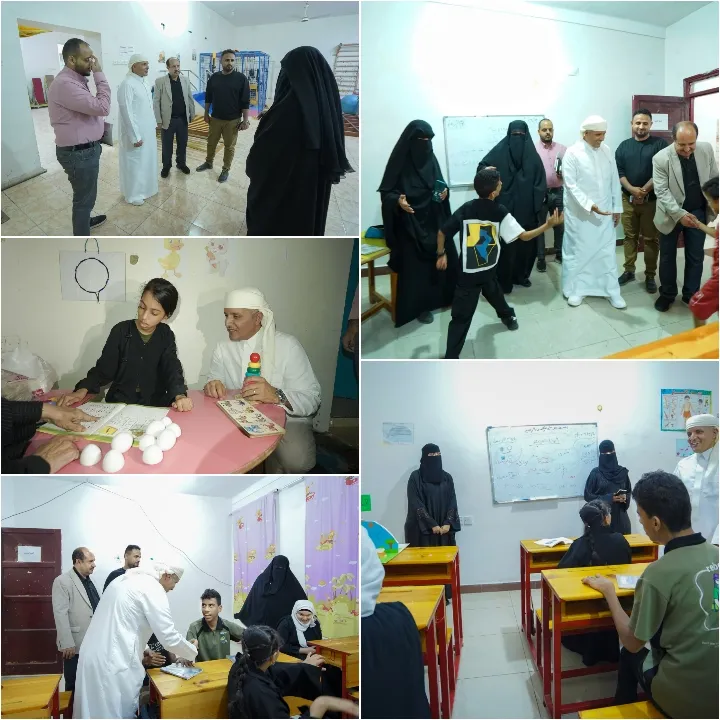
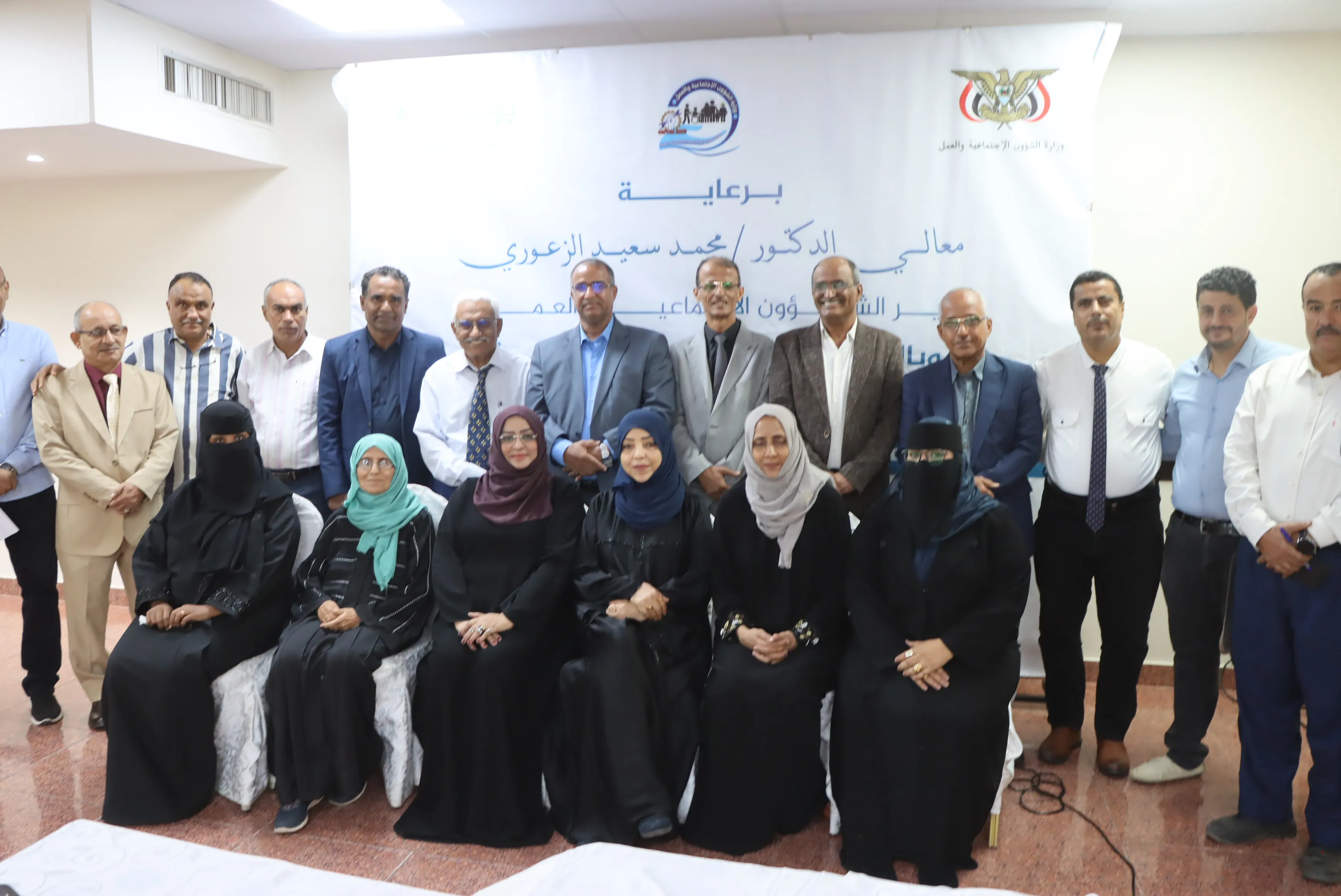
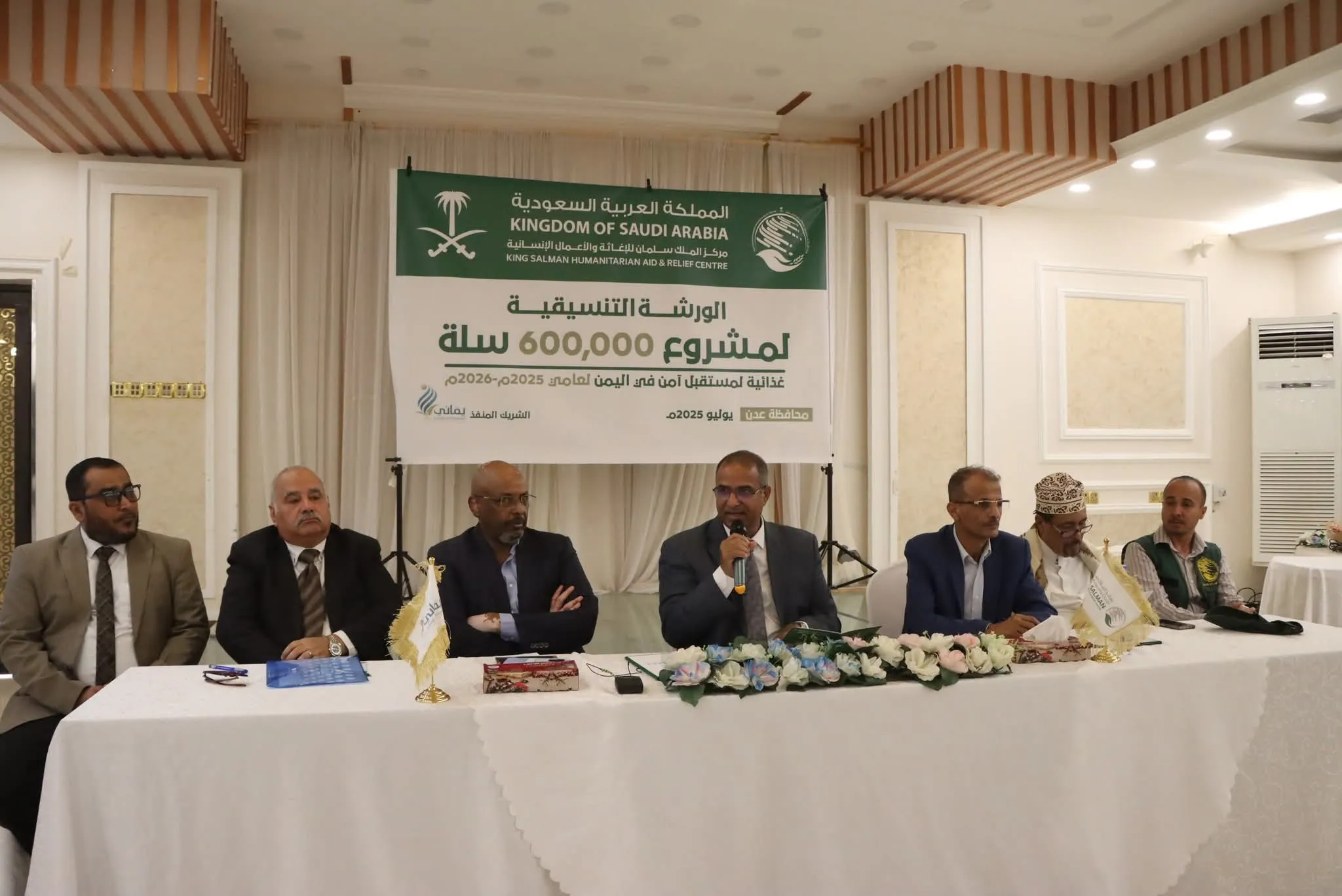
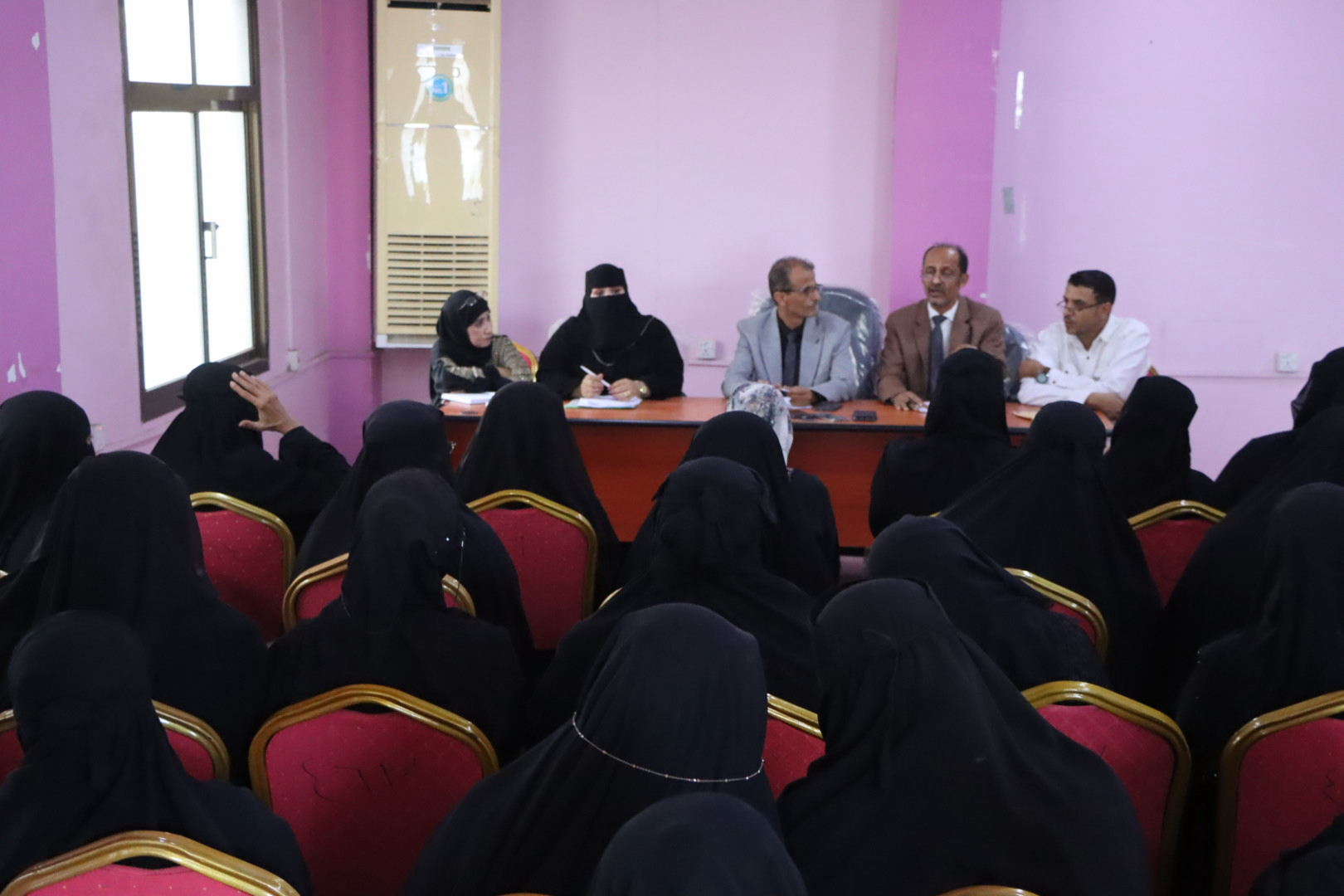
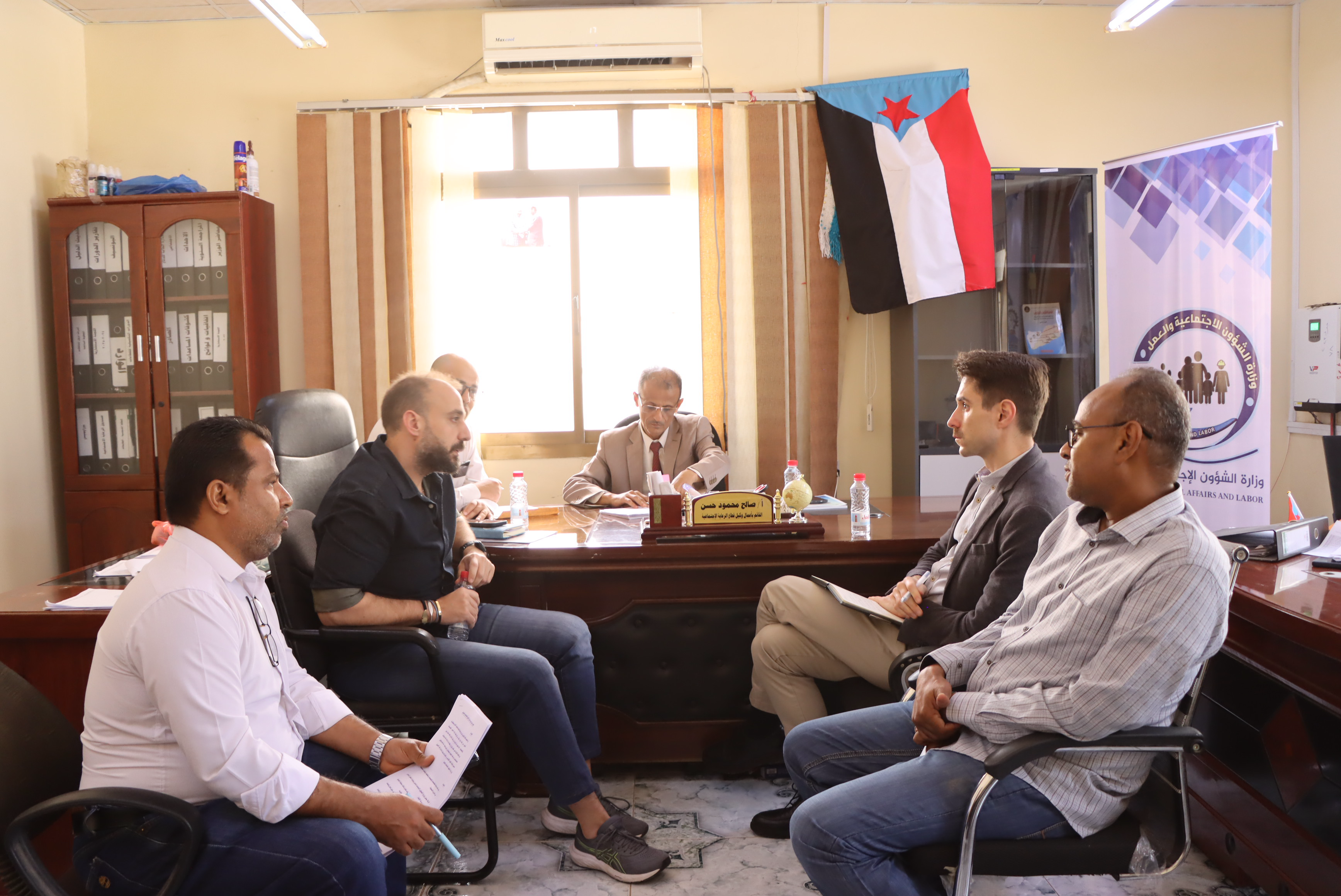
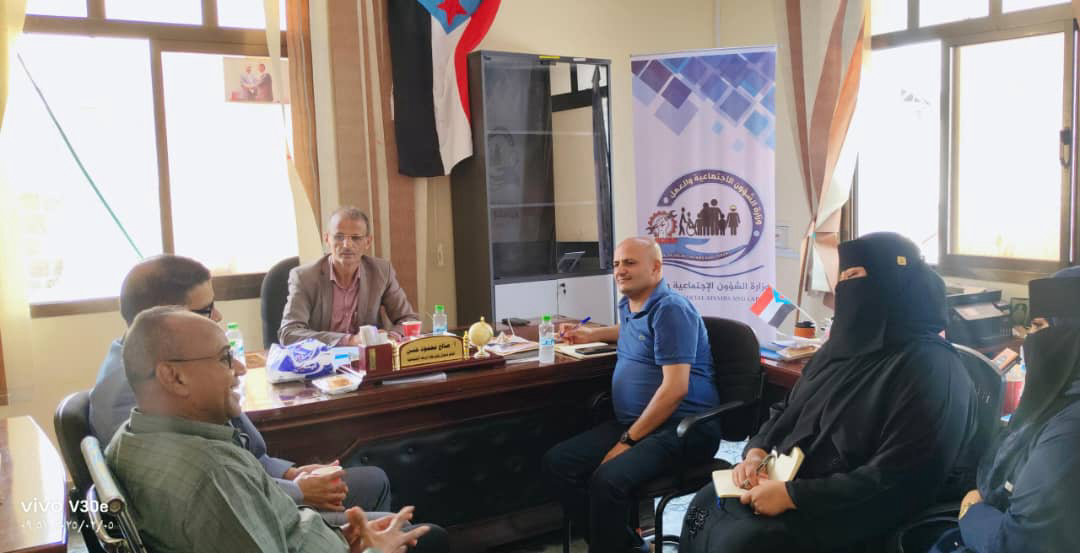
During the visit, Dr. Al-Zindani toured the Ministry's various sectors and departments, reviewing their functions and responsibilities in the areas of social protection, labour market regulation, support for the most vulnerable groups, and strengthening partnerships with civil society organizations, federations, and trade unions, as well as the Ministry's supervisory and regulatory role. He also reviewed efforts to localize humanitarian action.
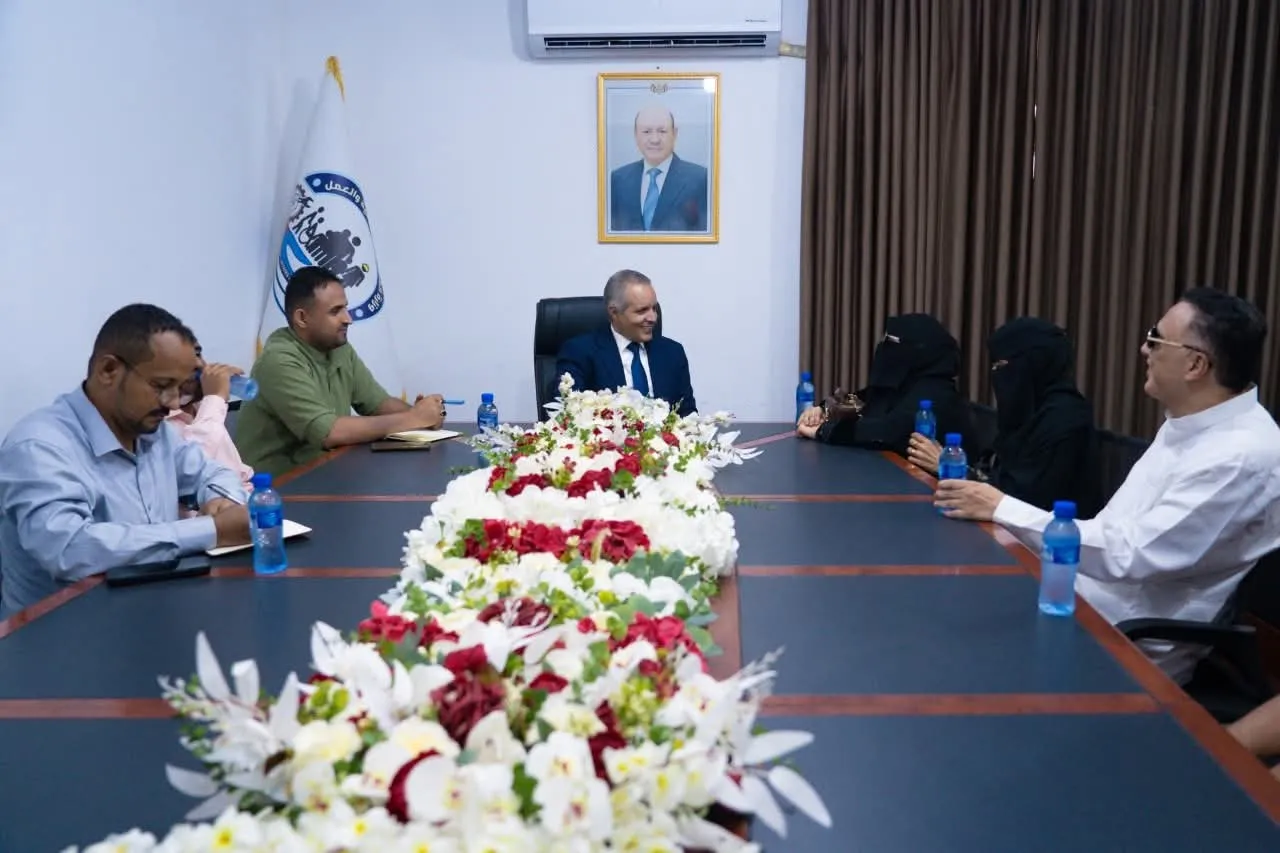
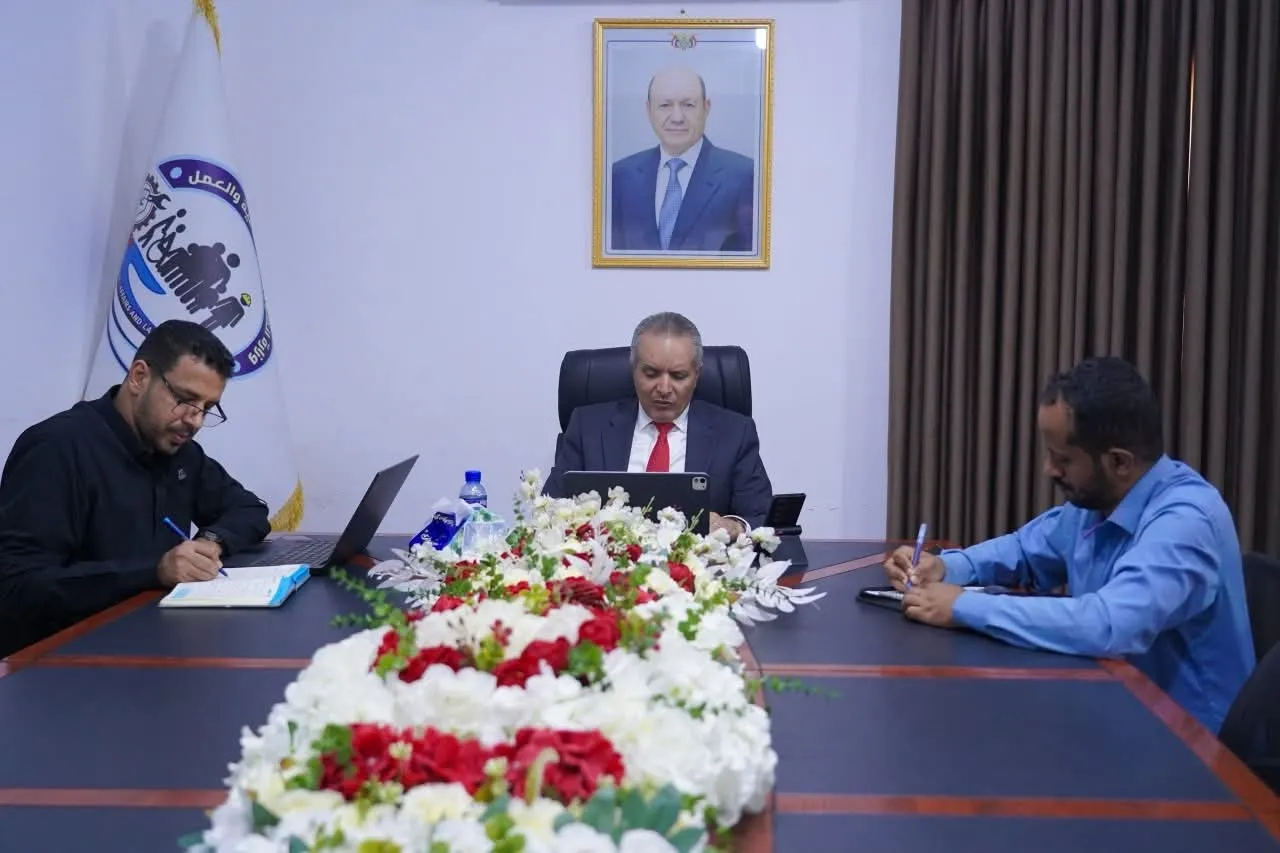
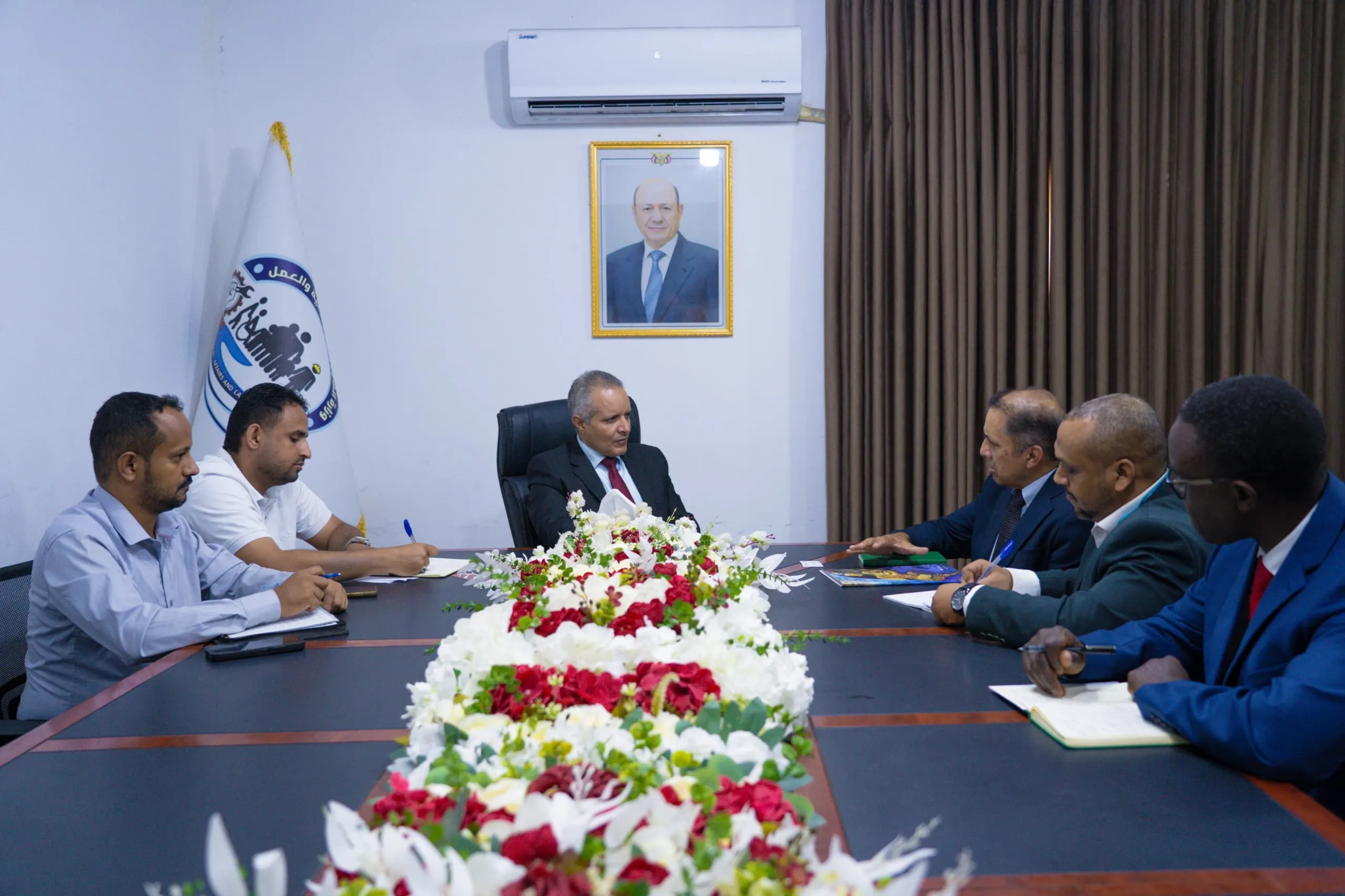
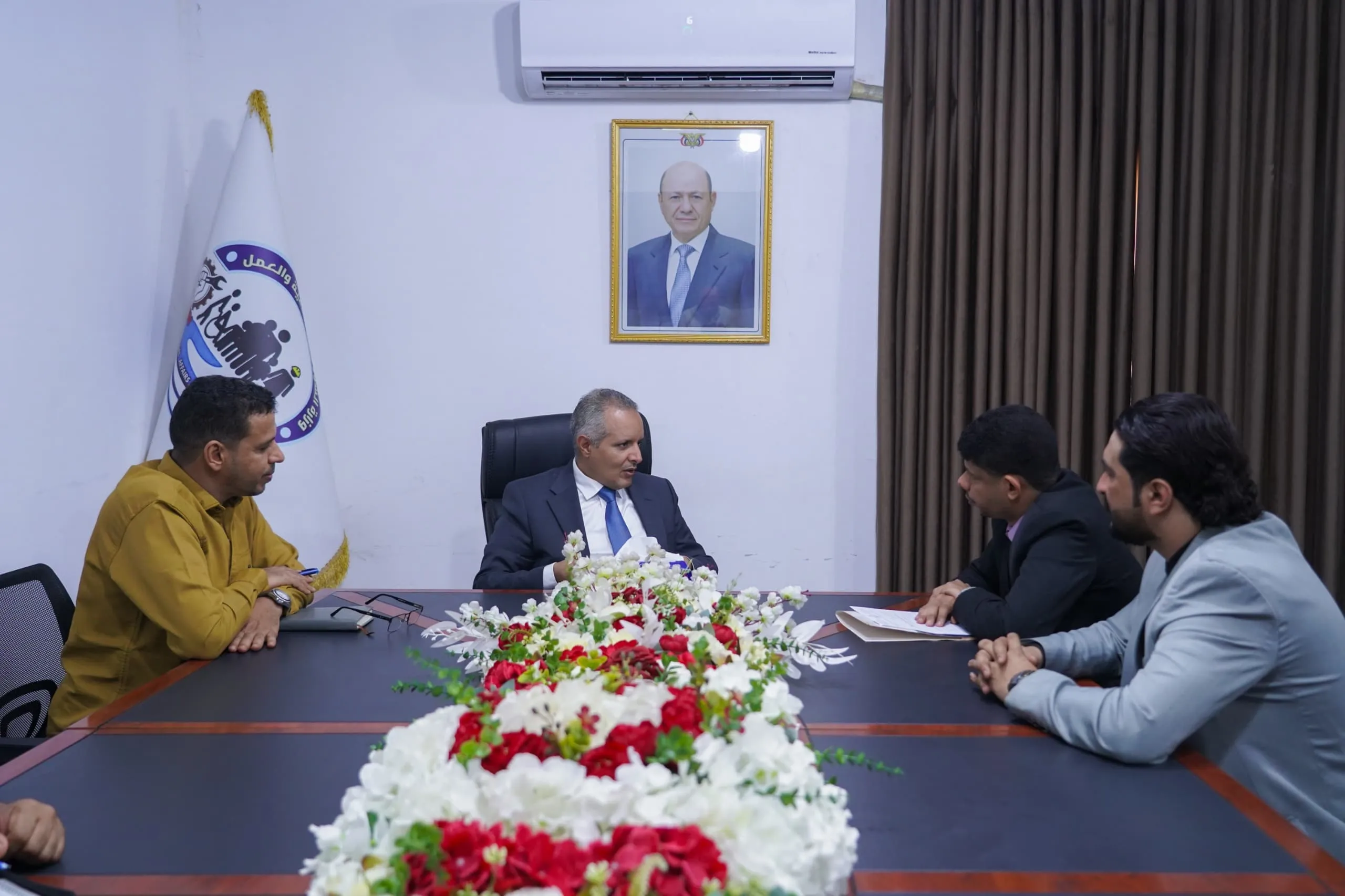
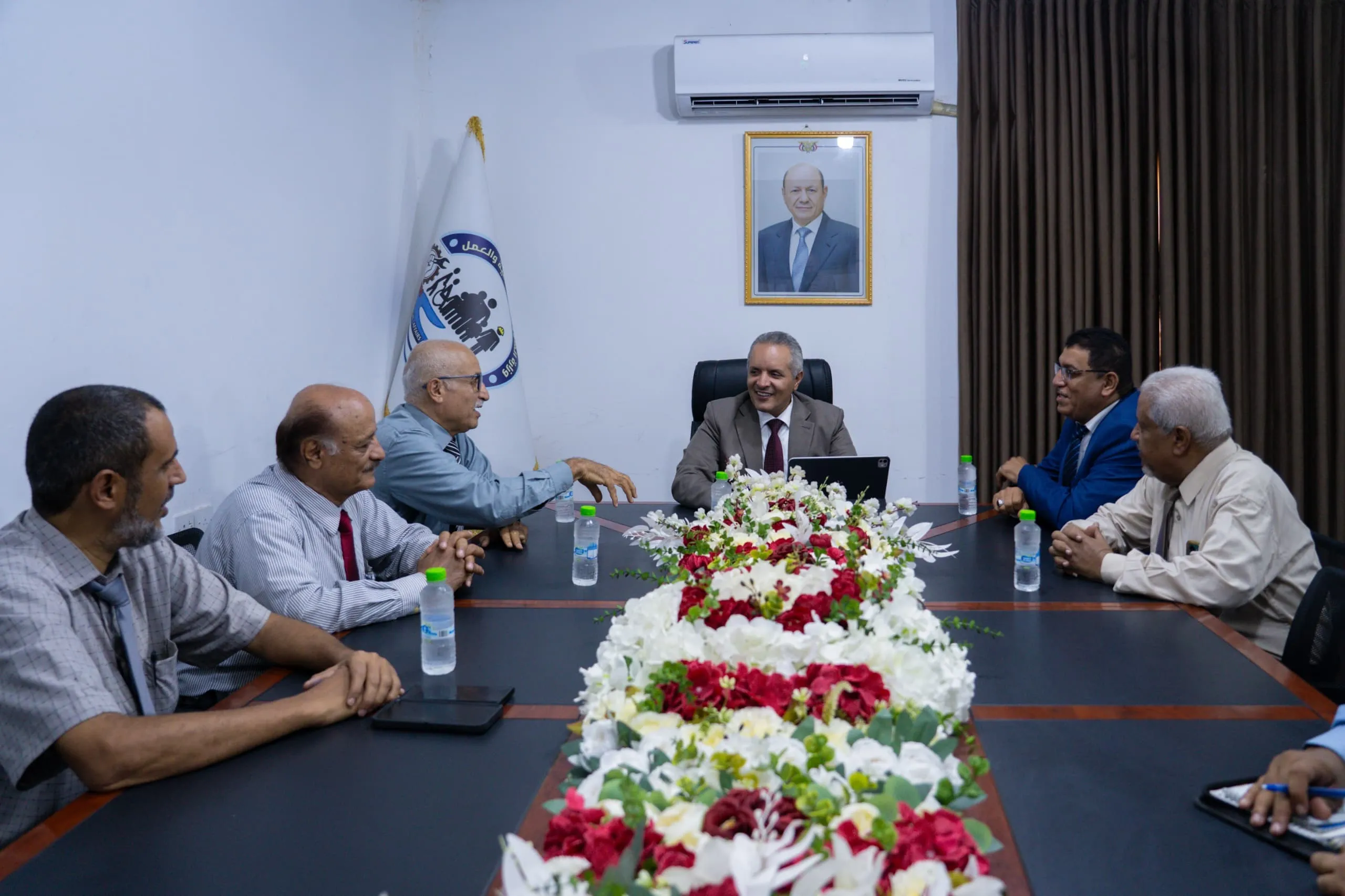
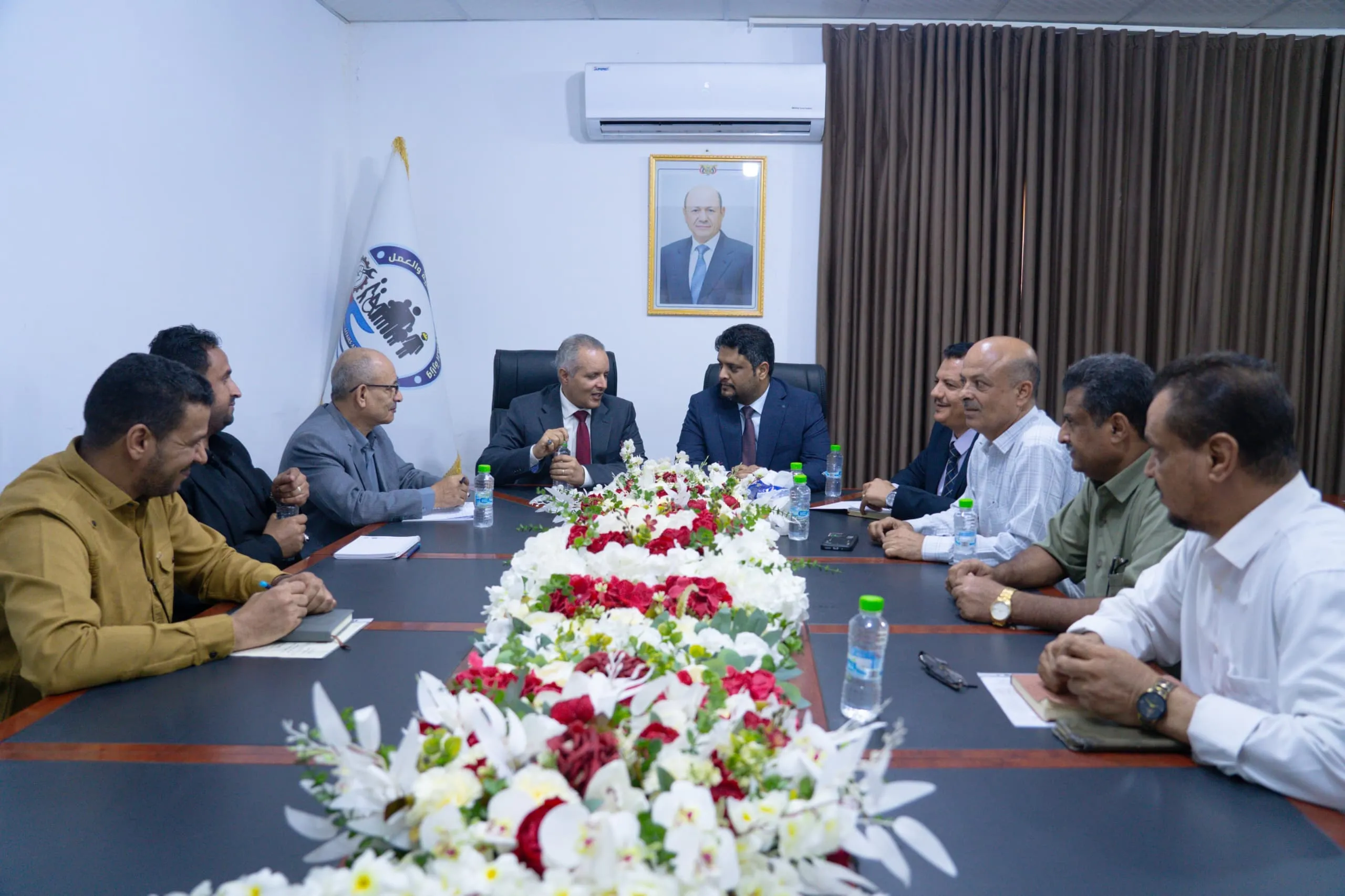
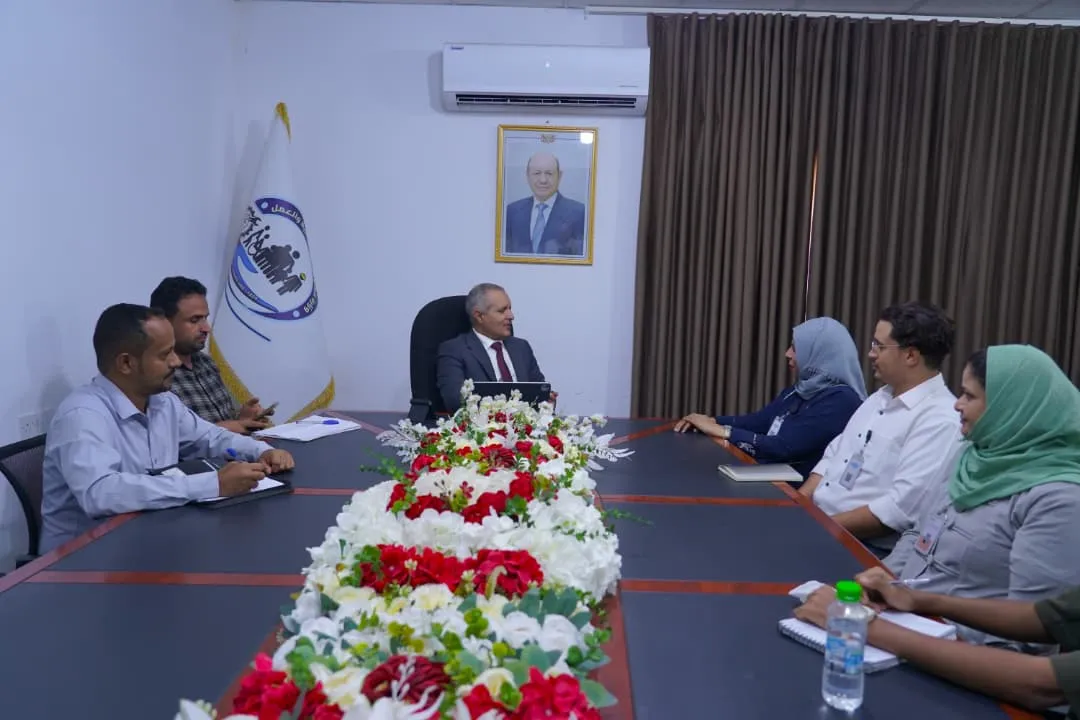
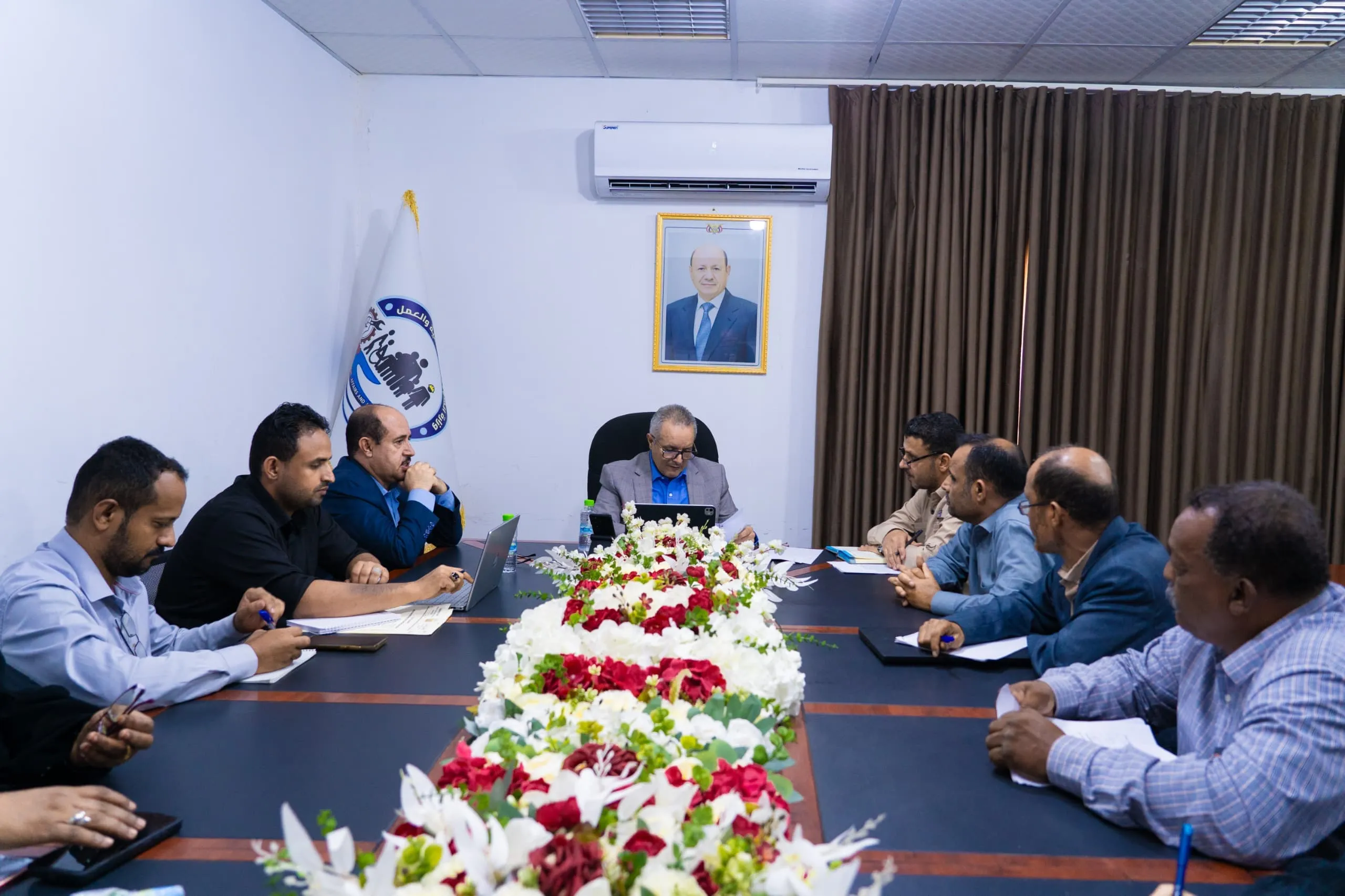
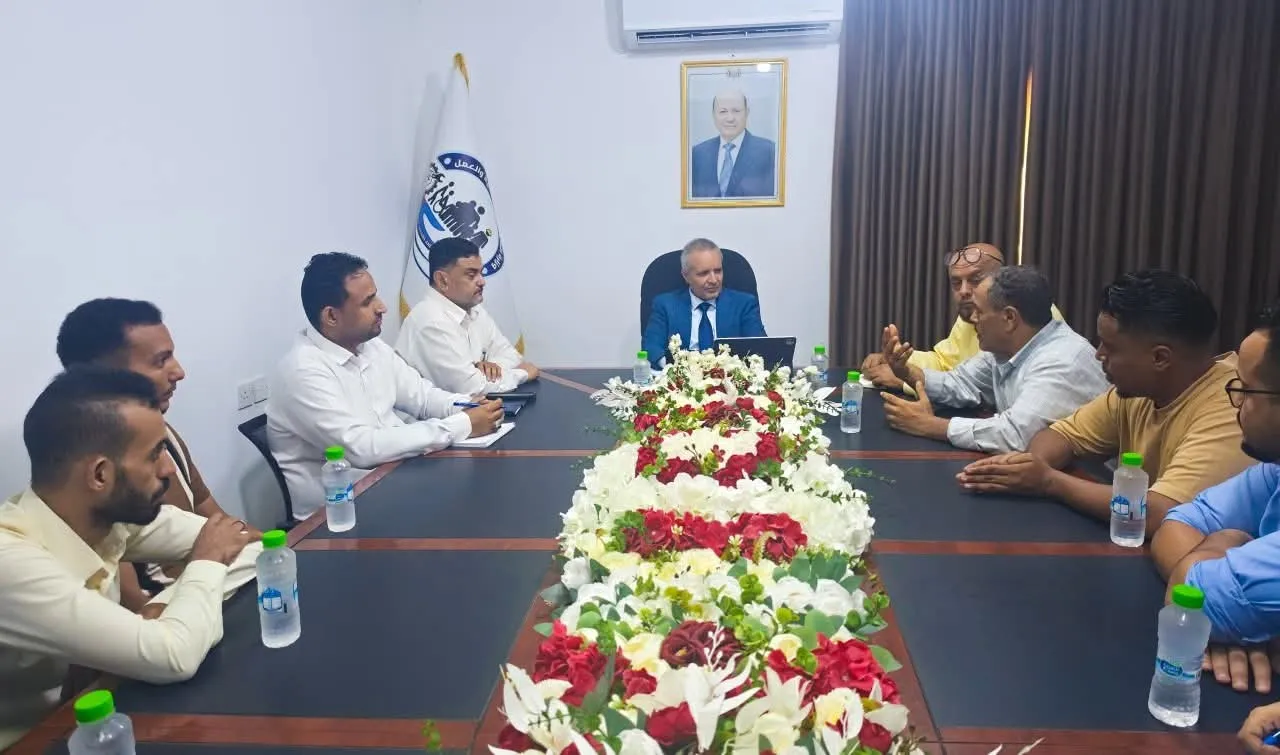
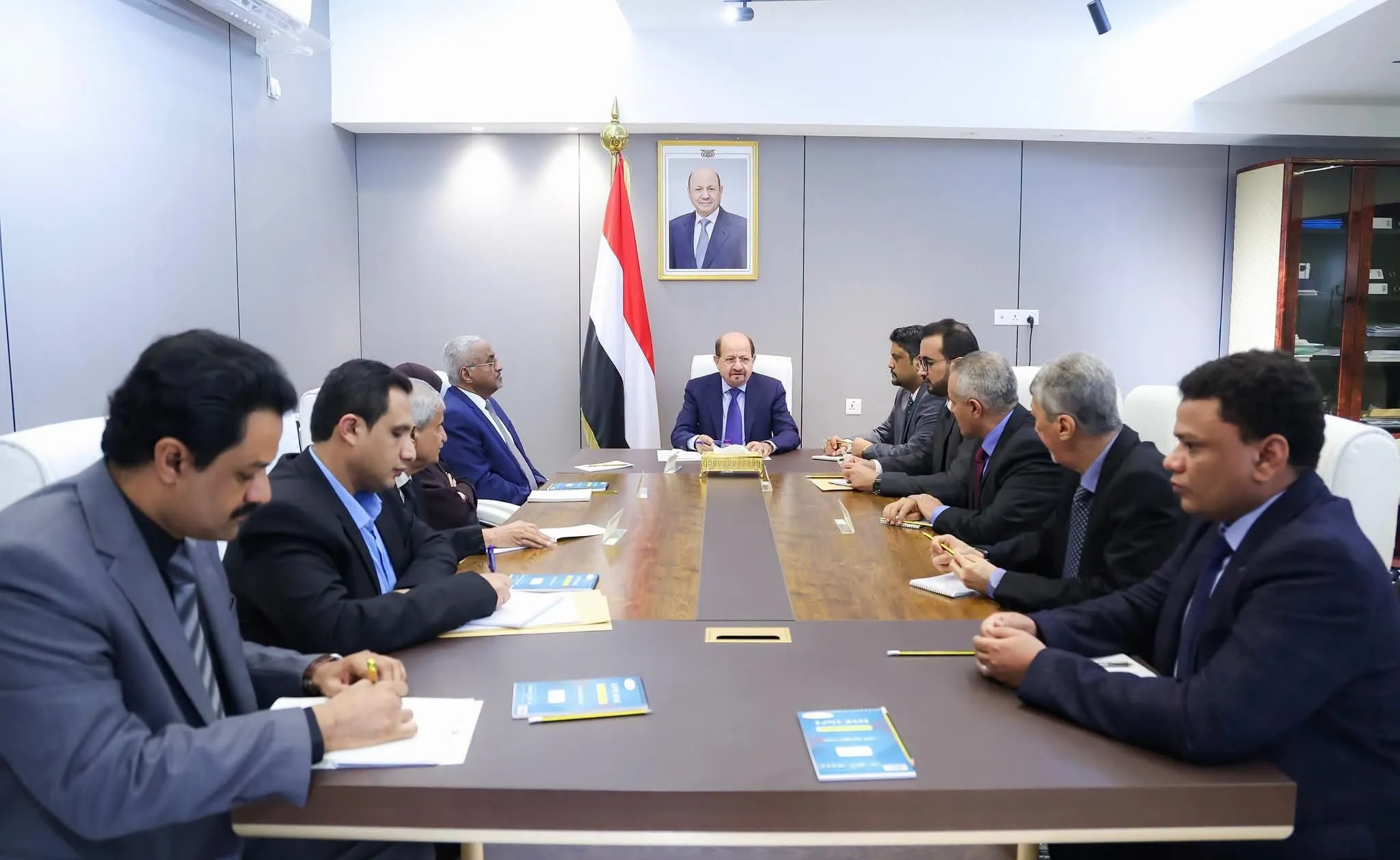
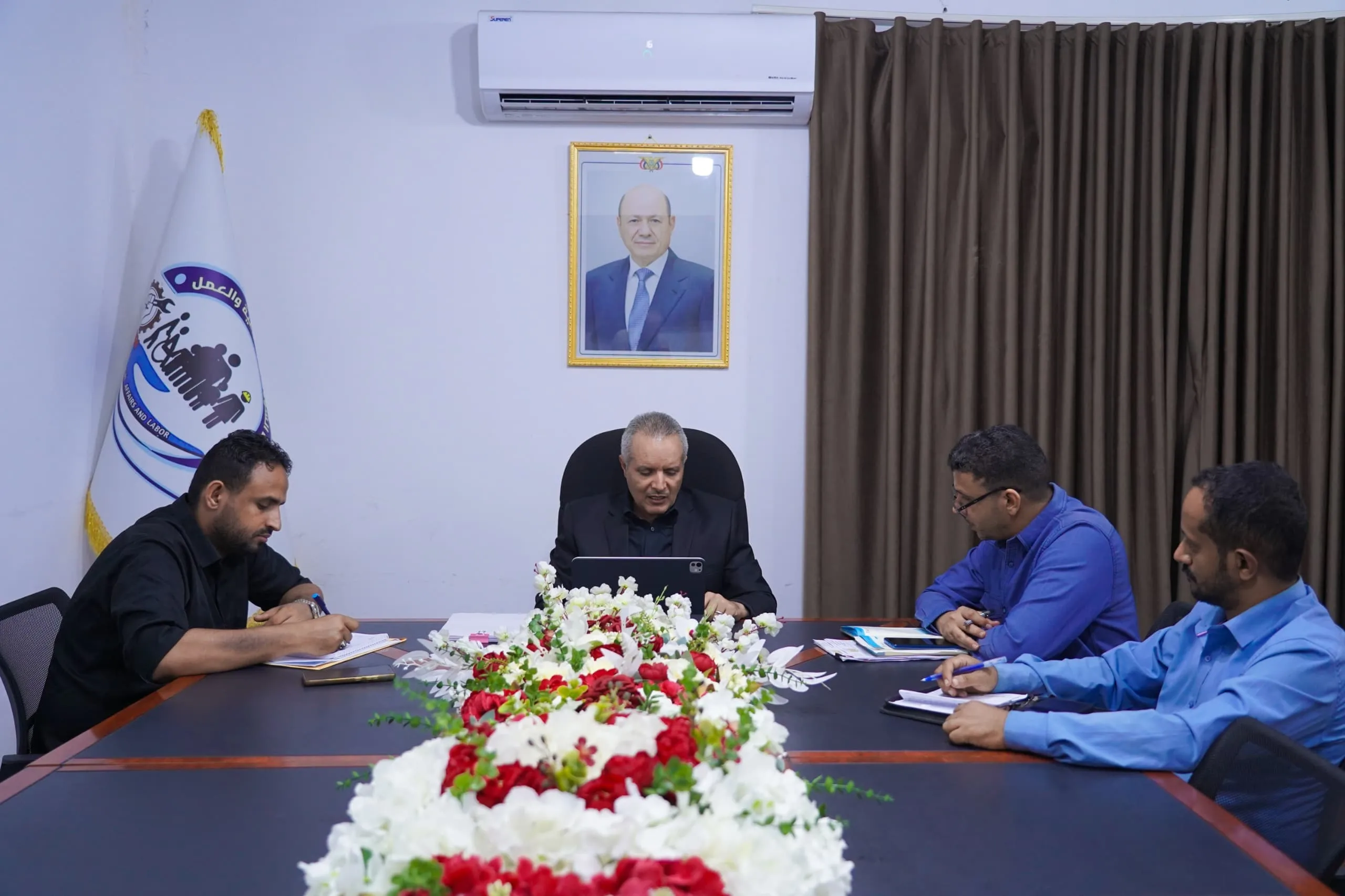
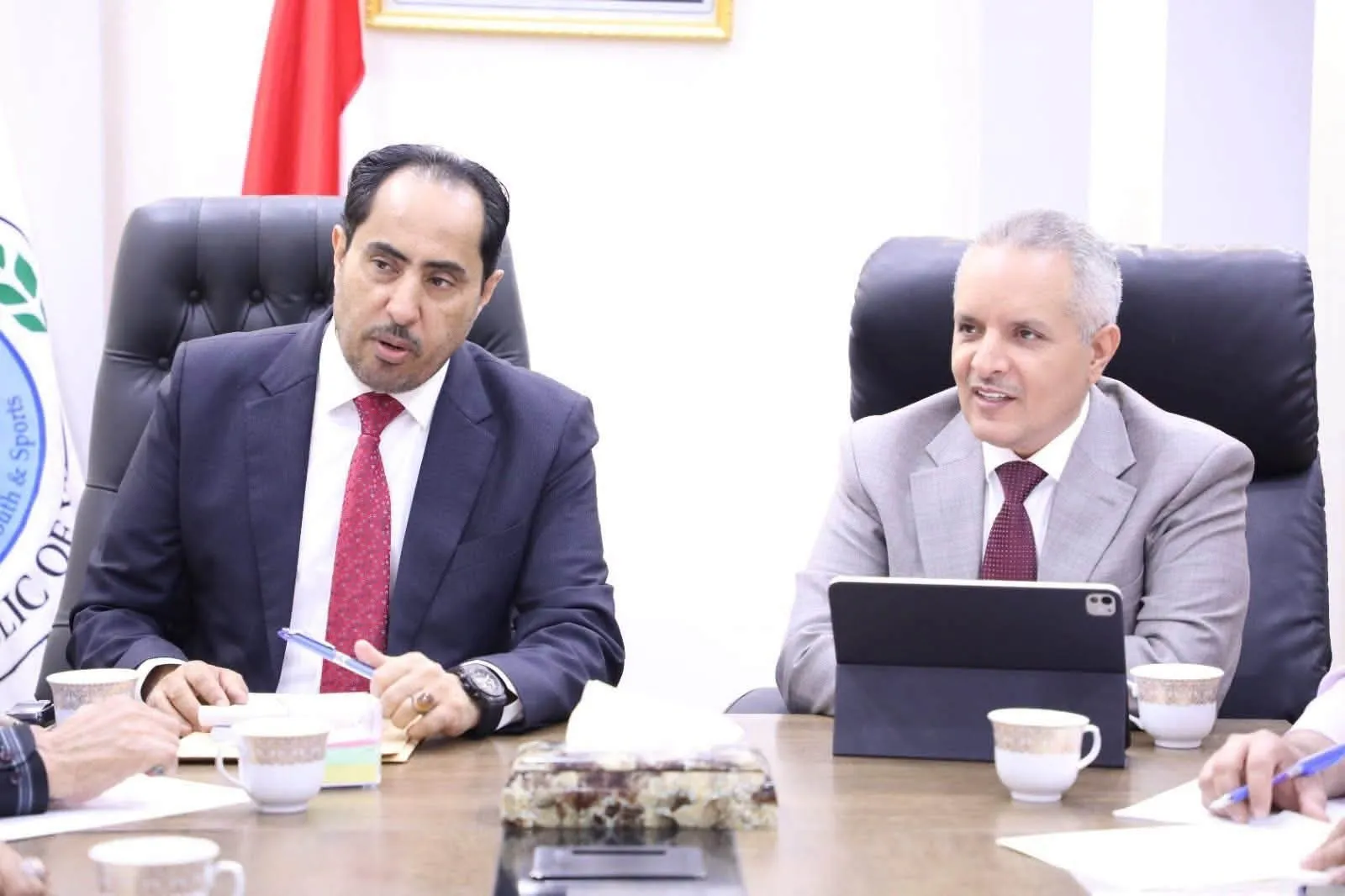
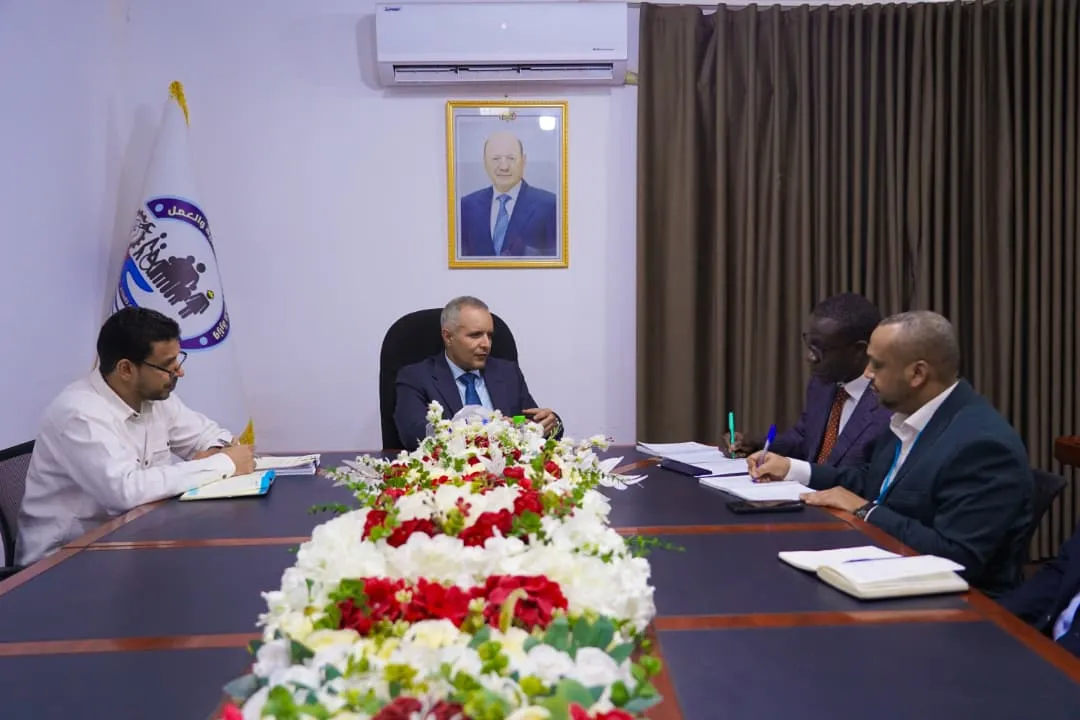
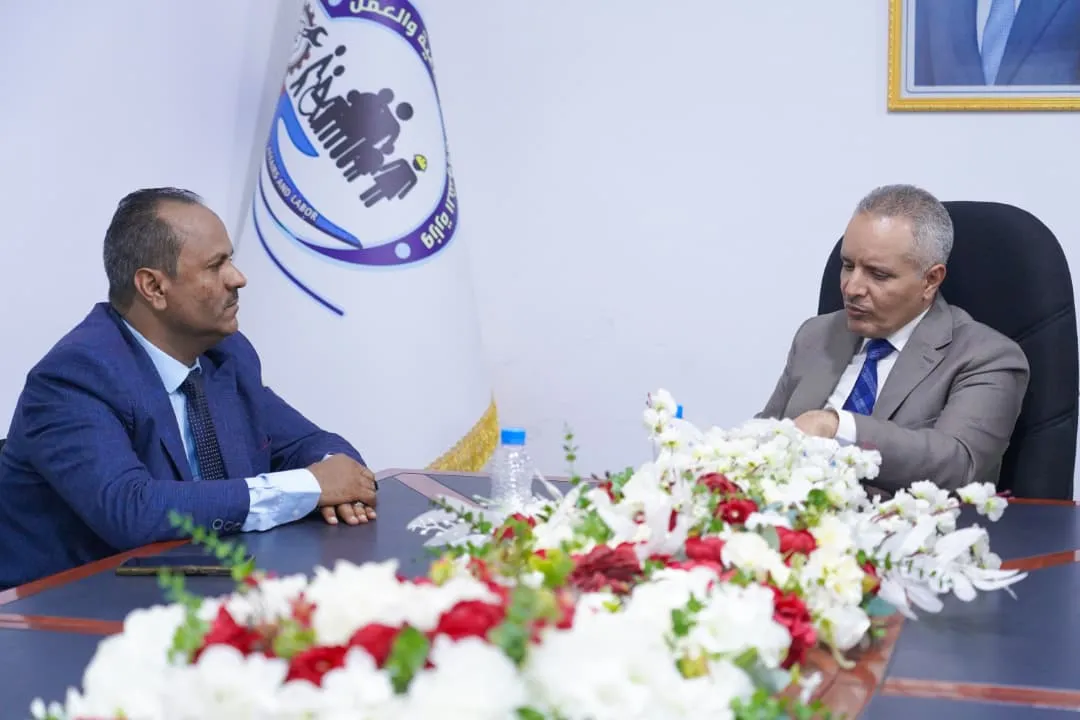
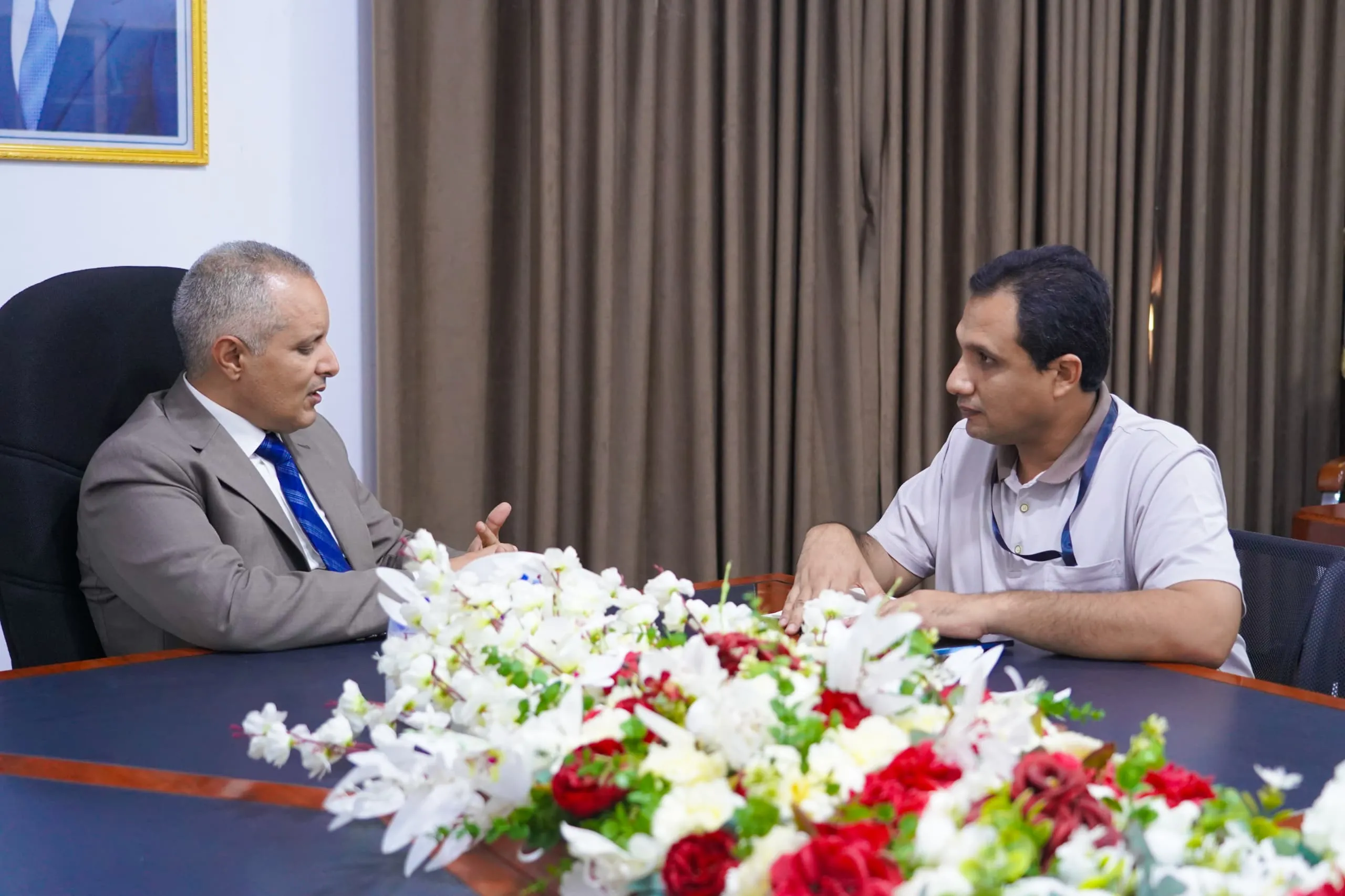
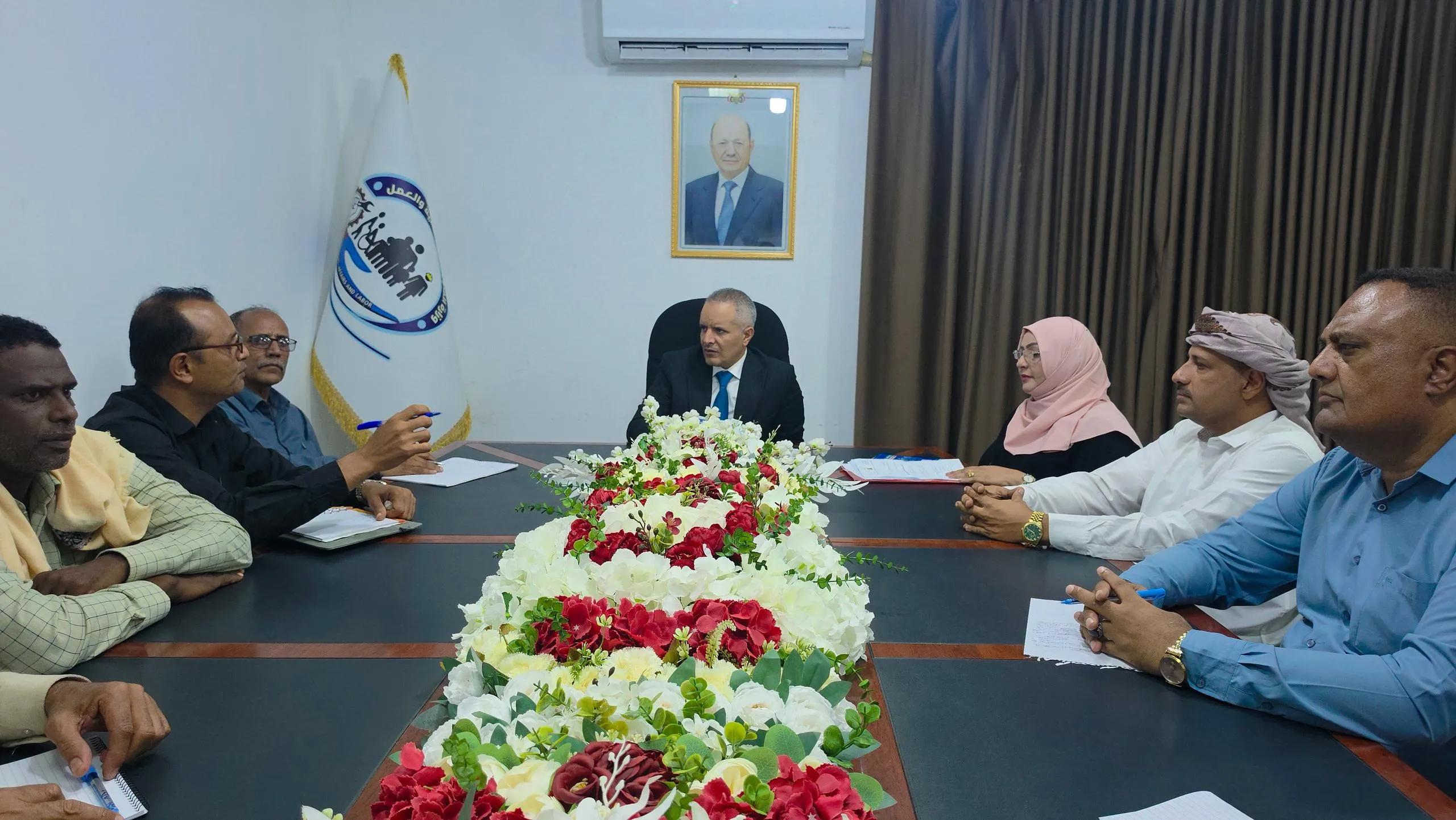
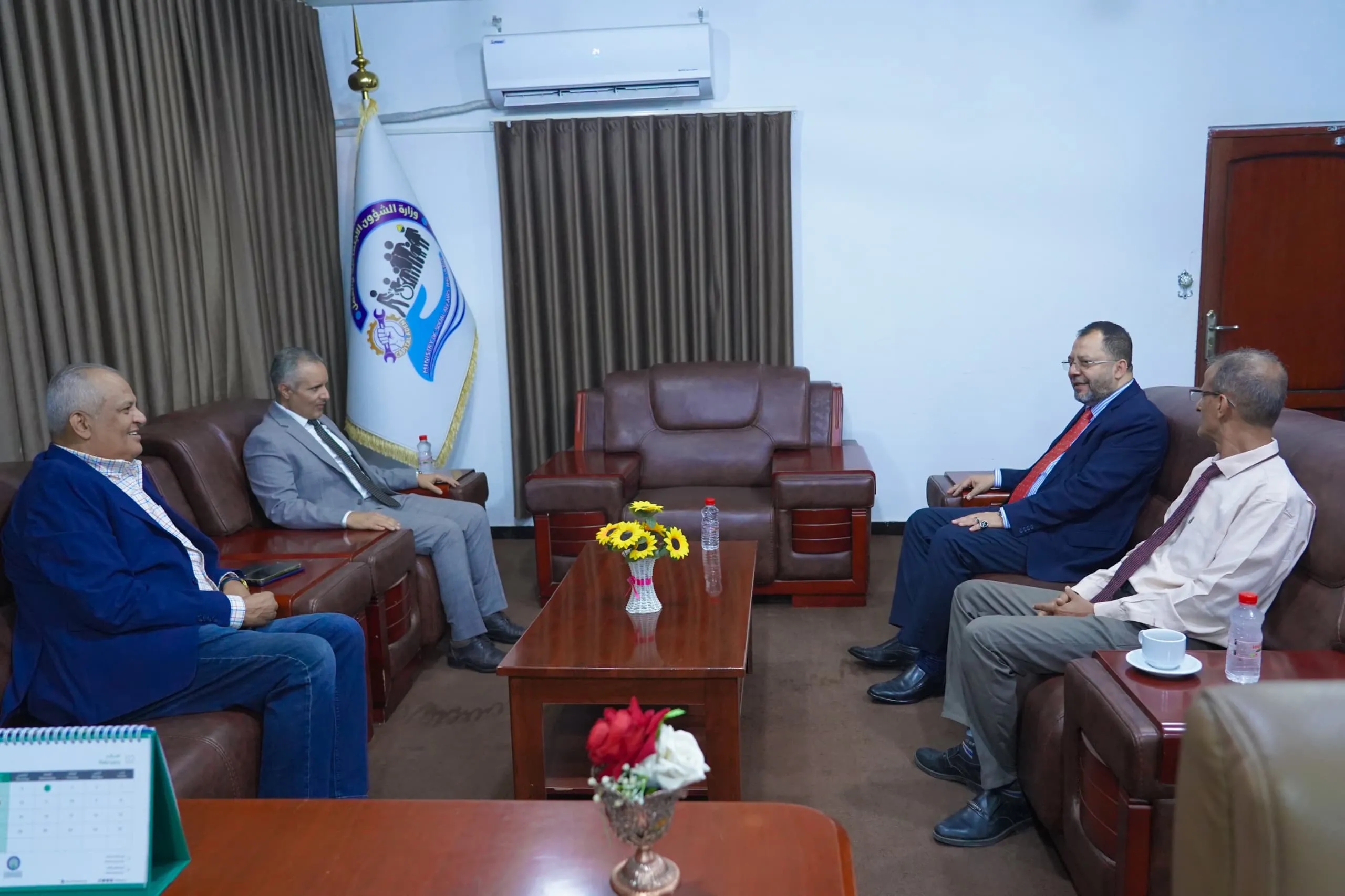
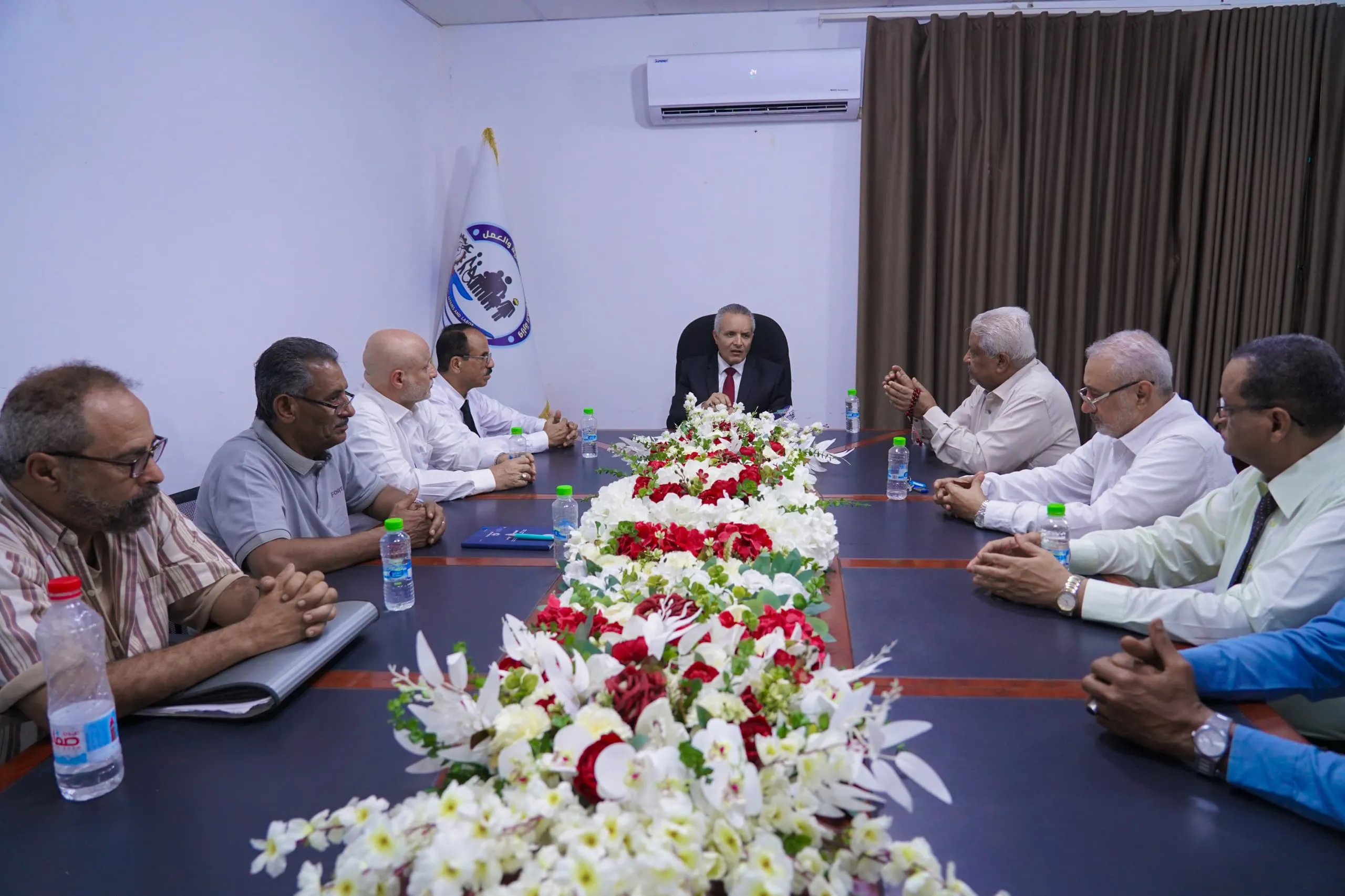
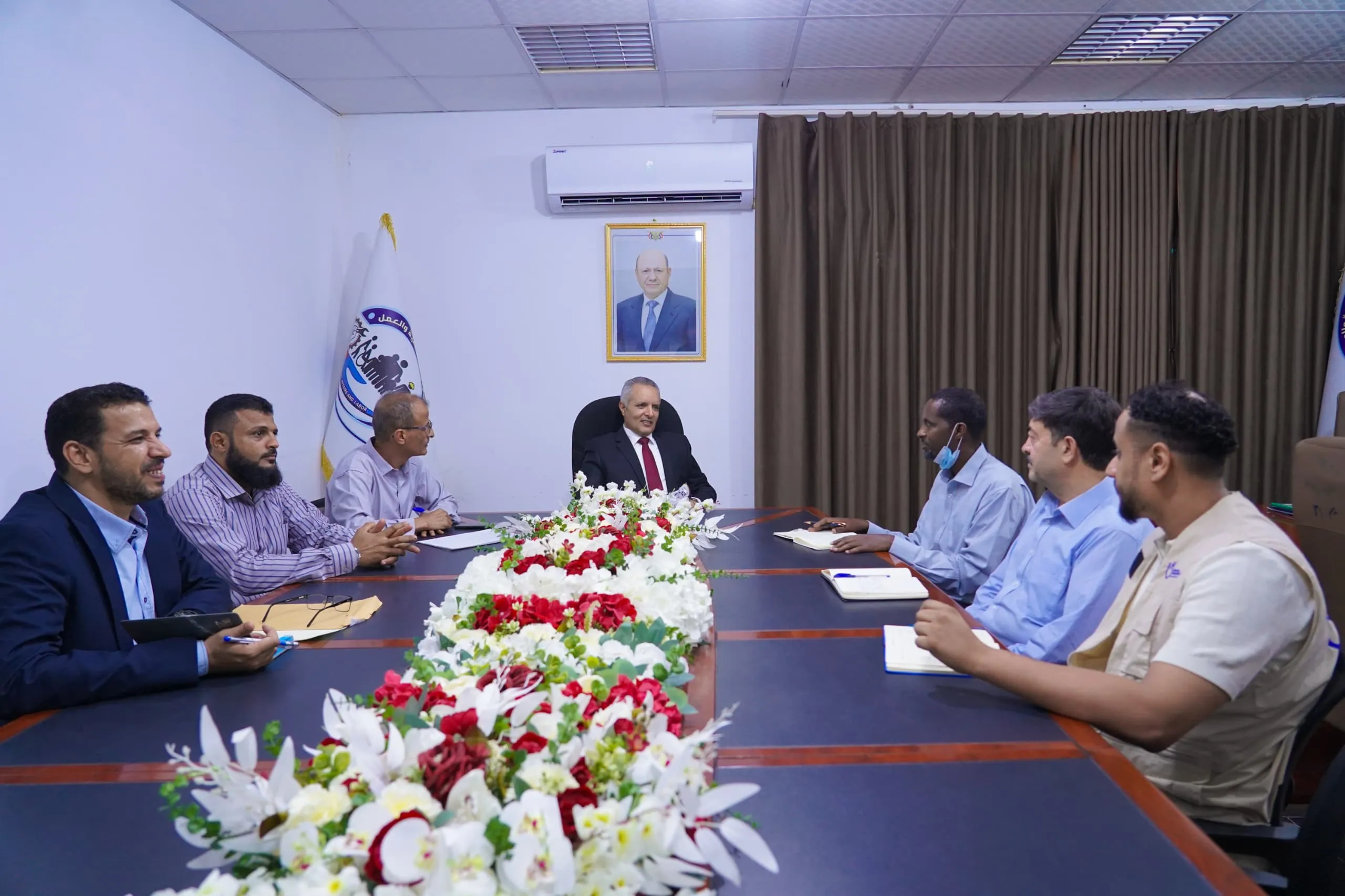
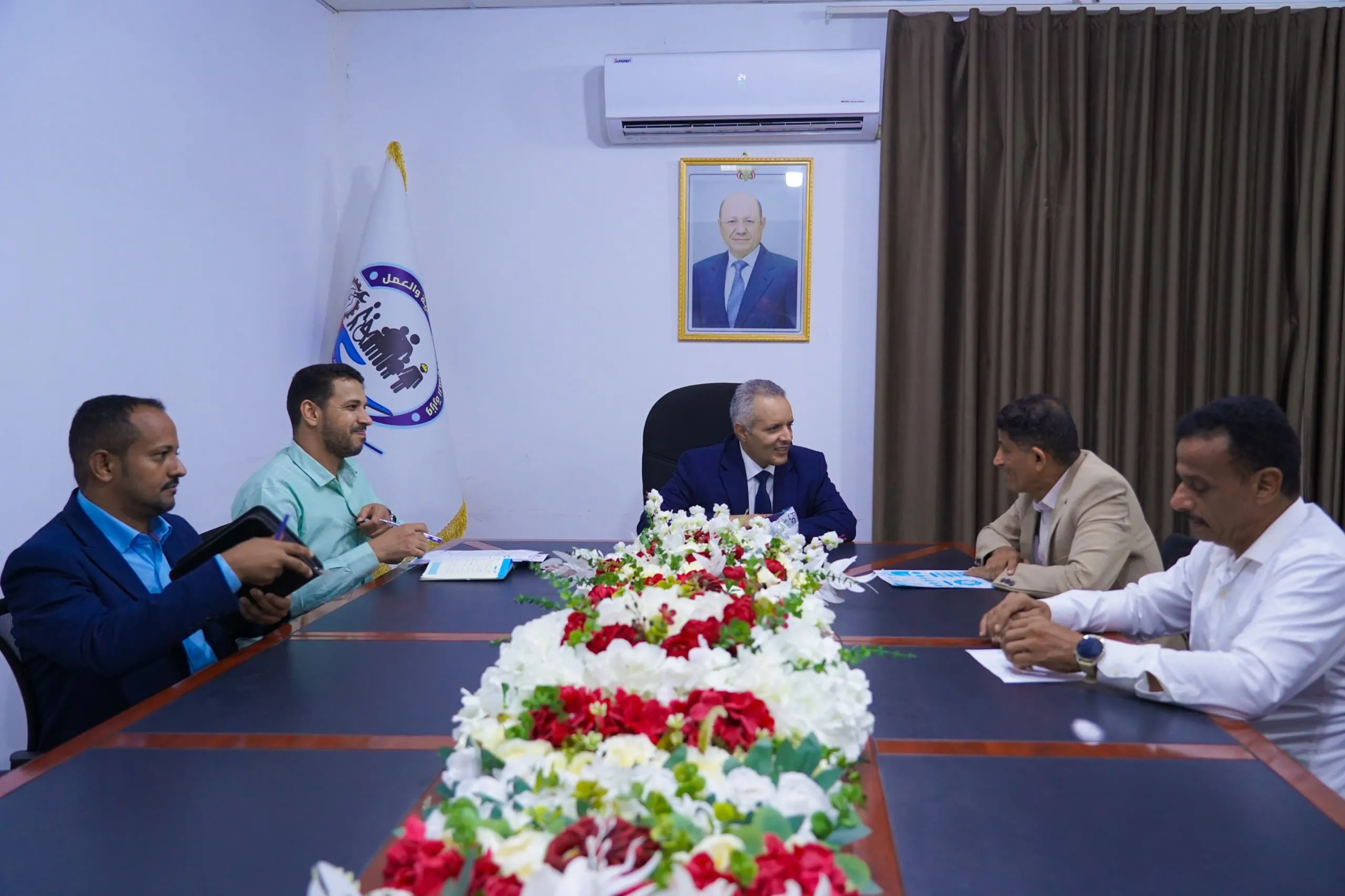
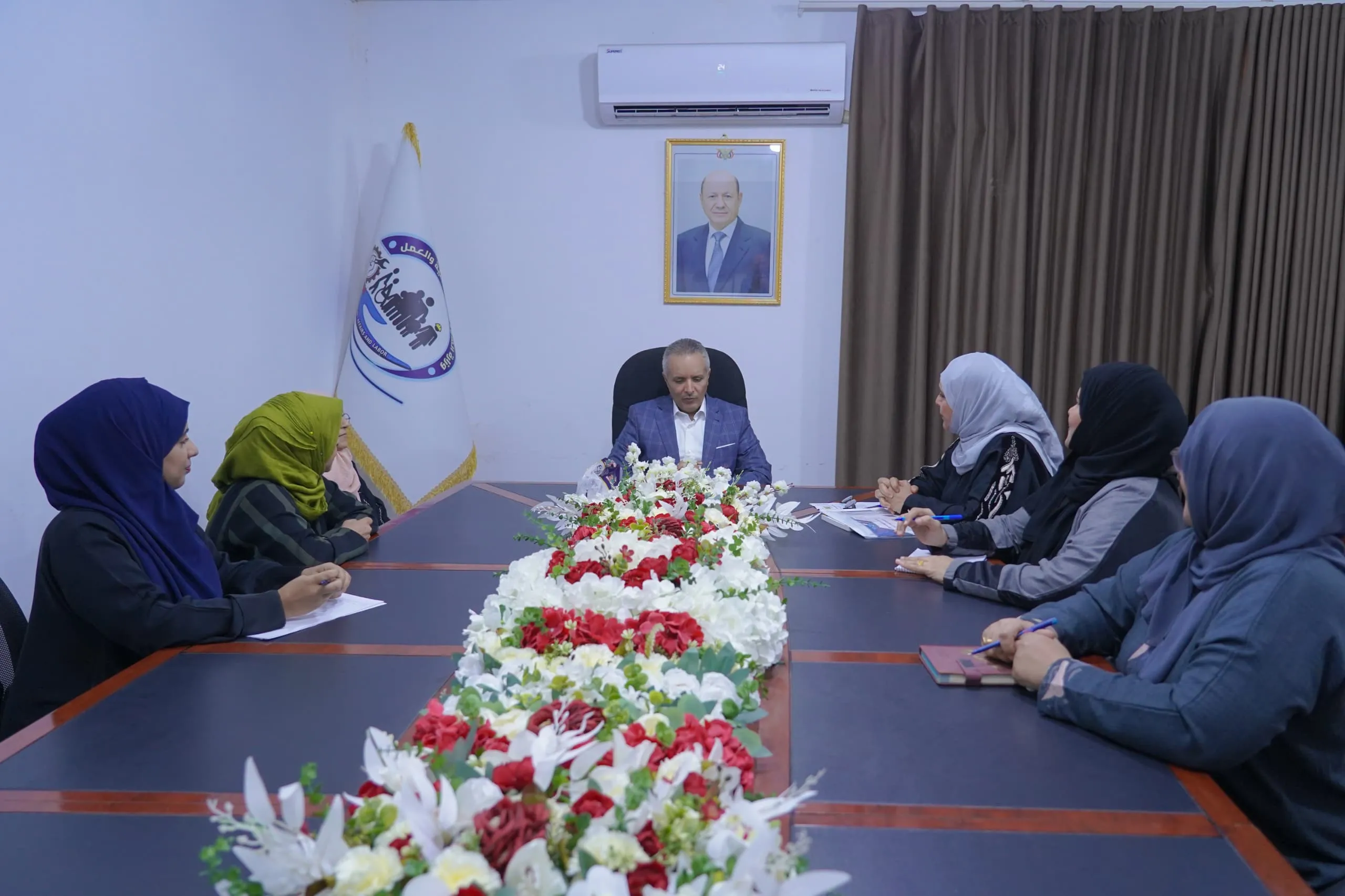
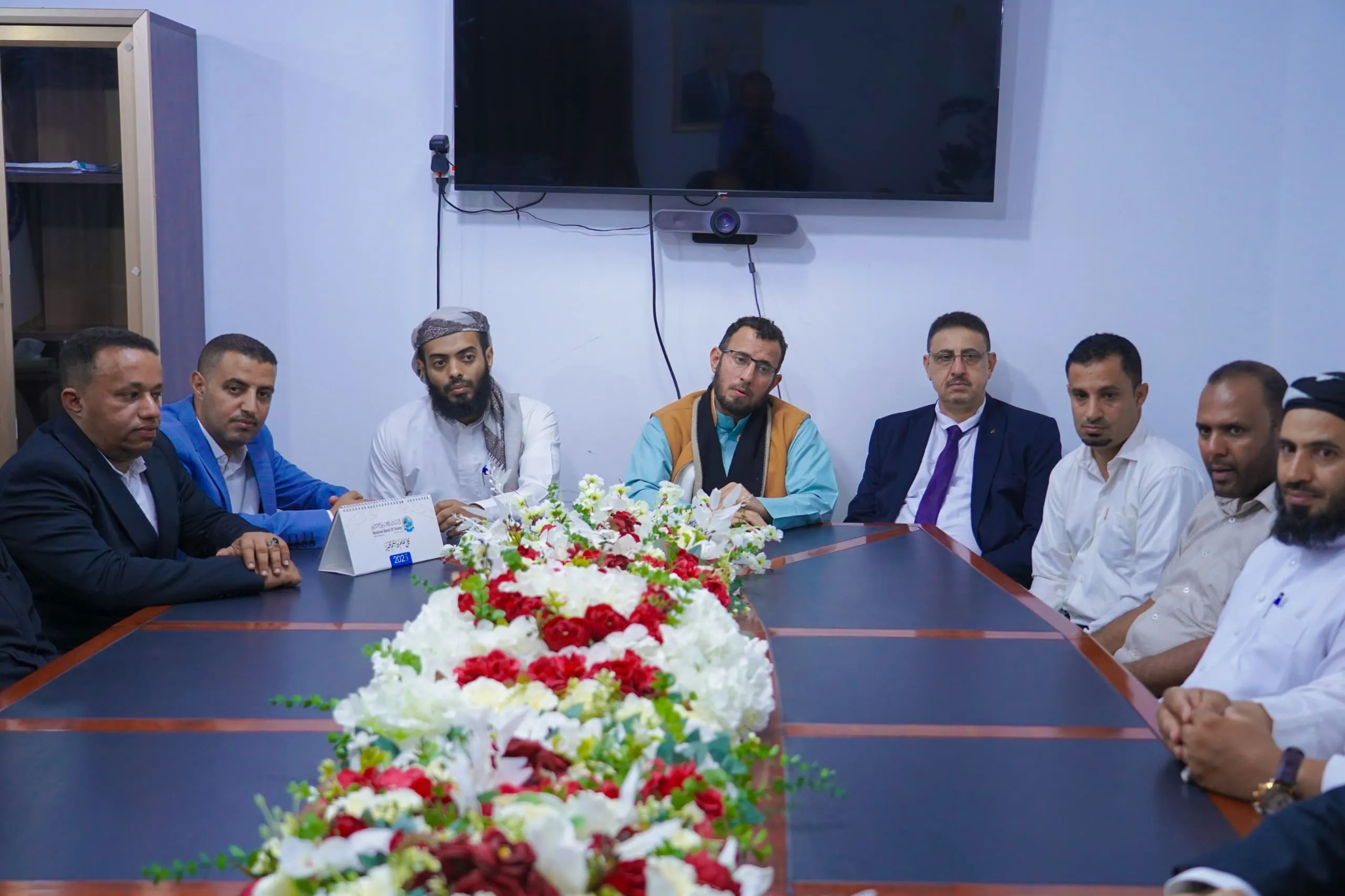
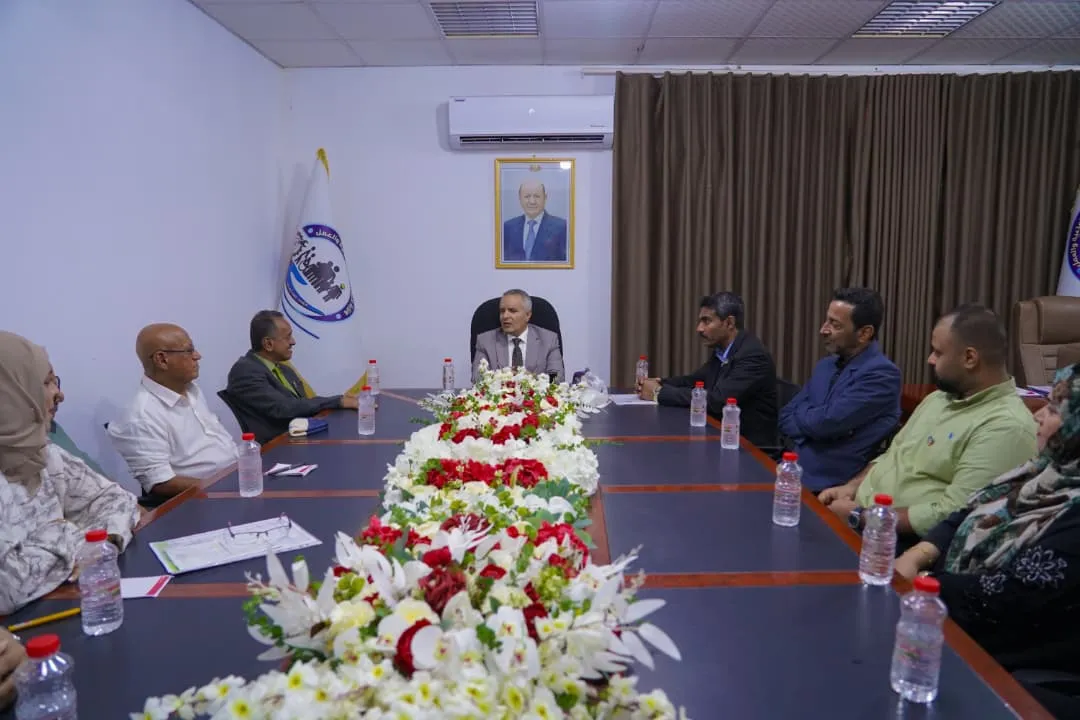
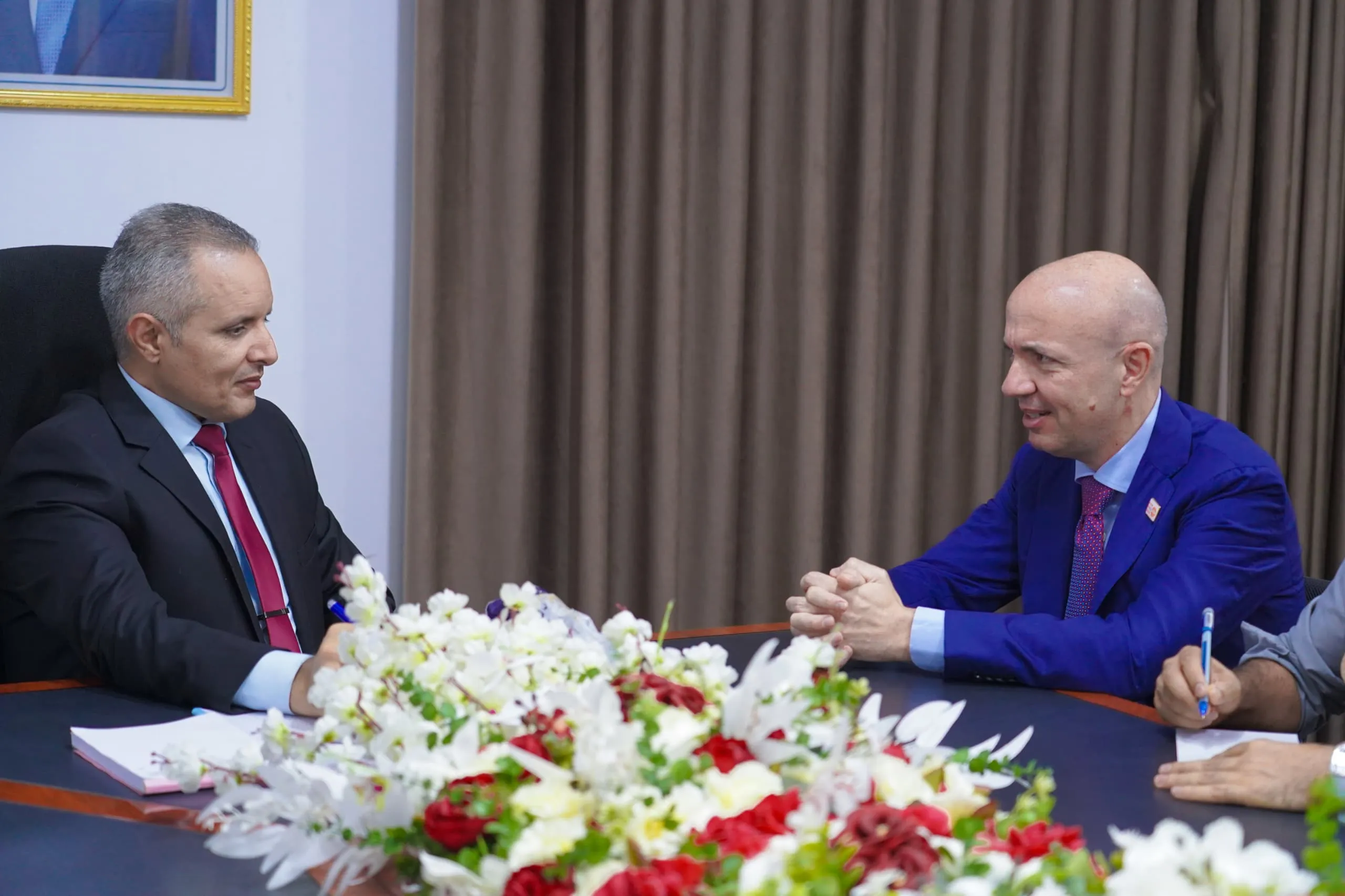
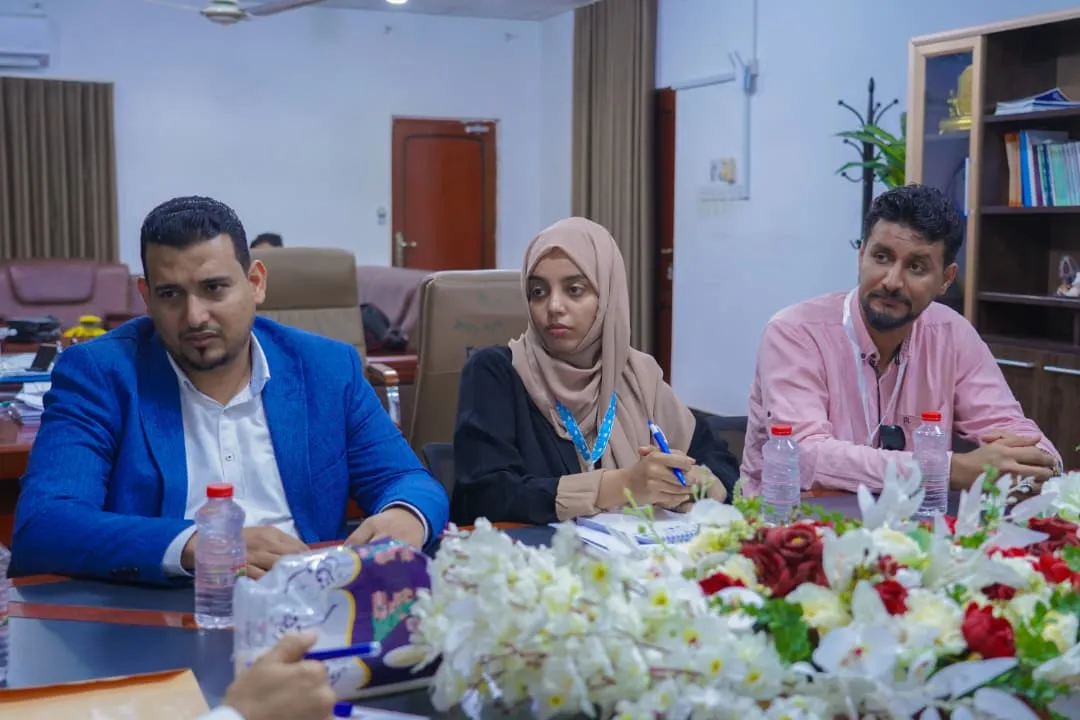
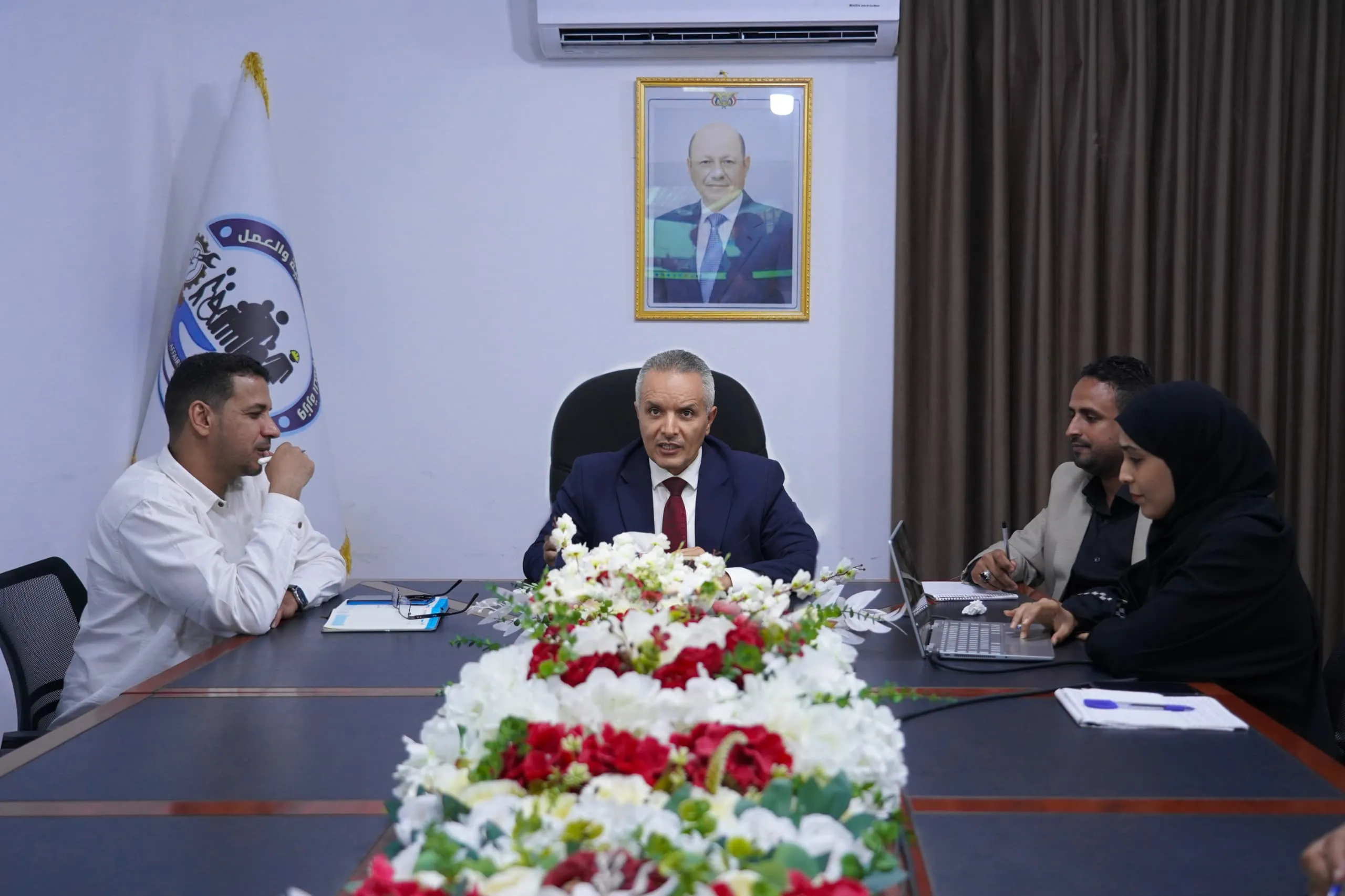
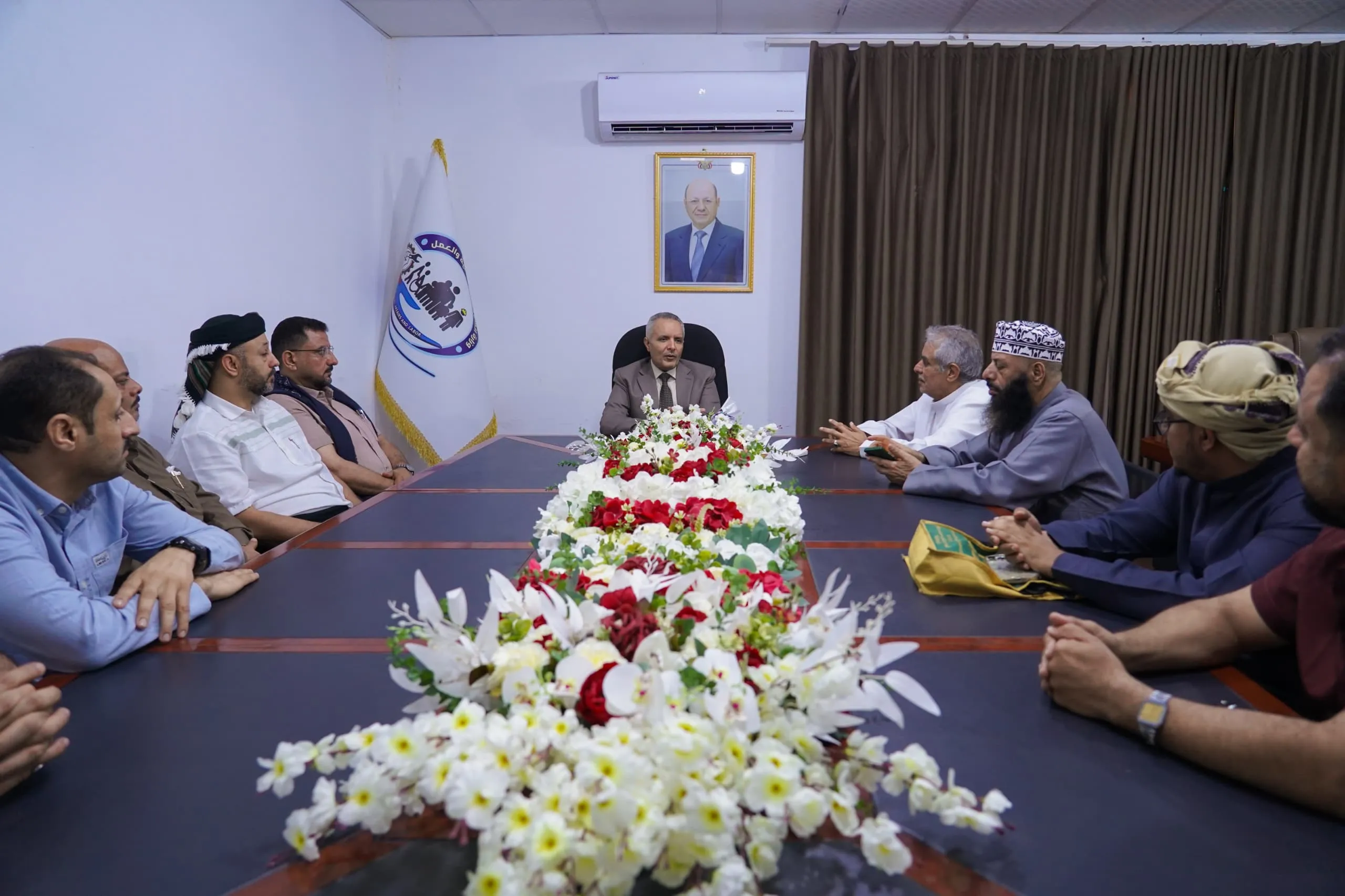
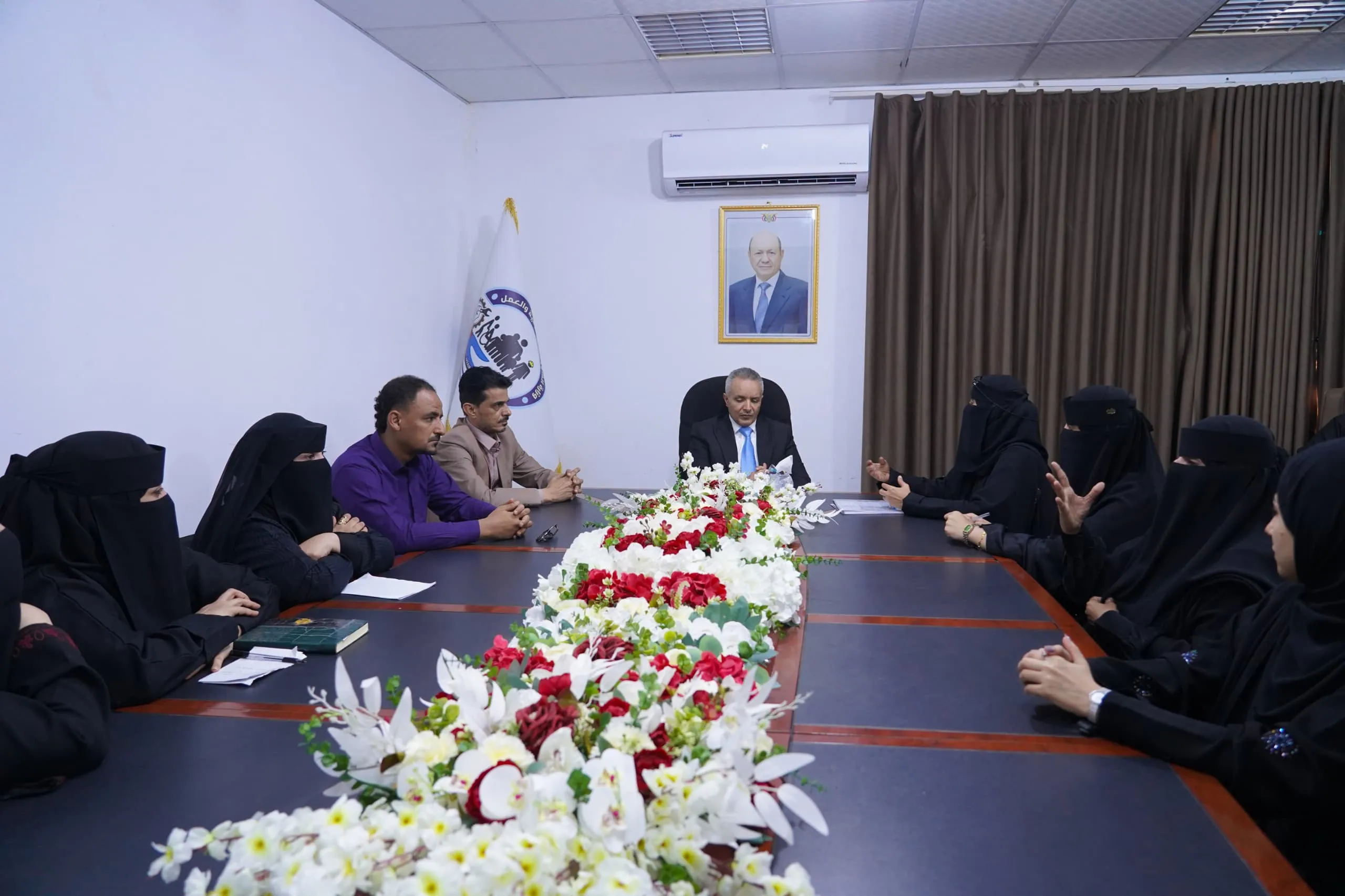
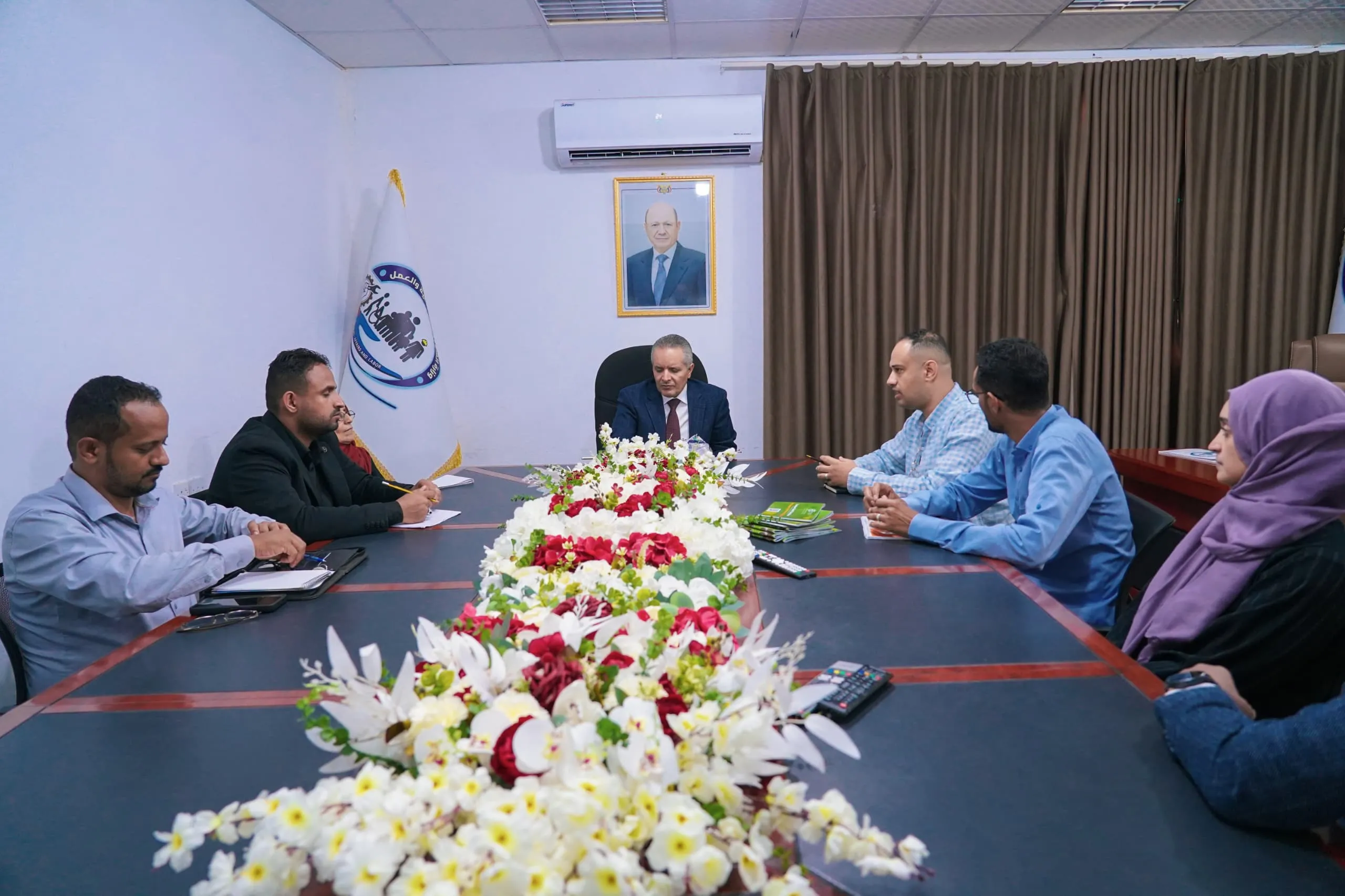
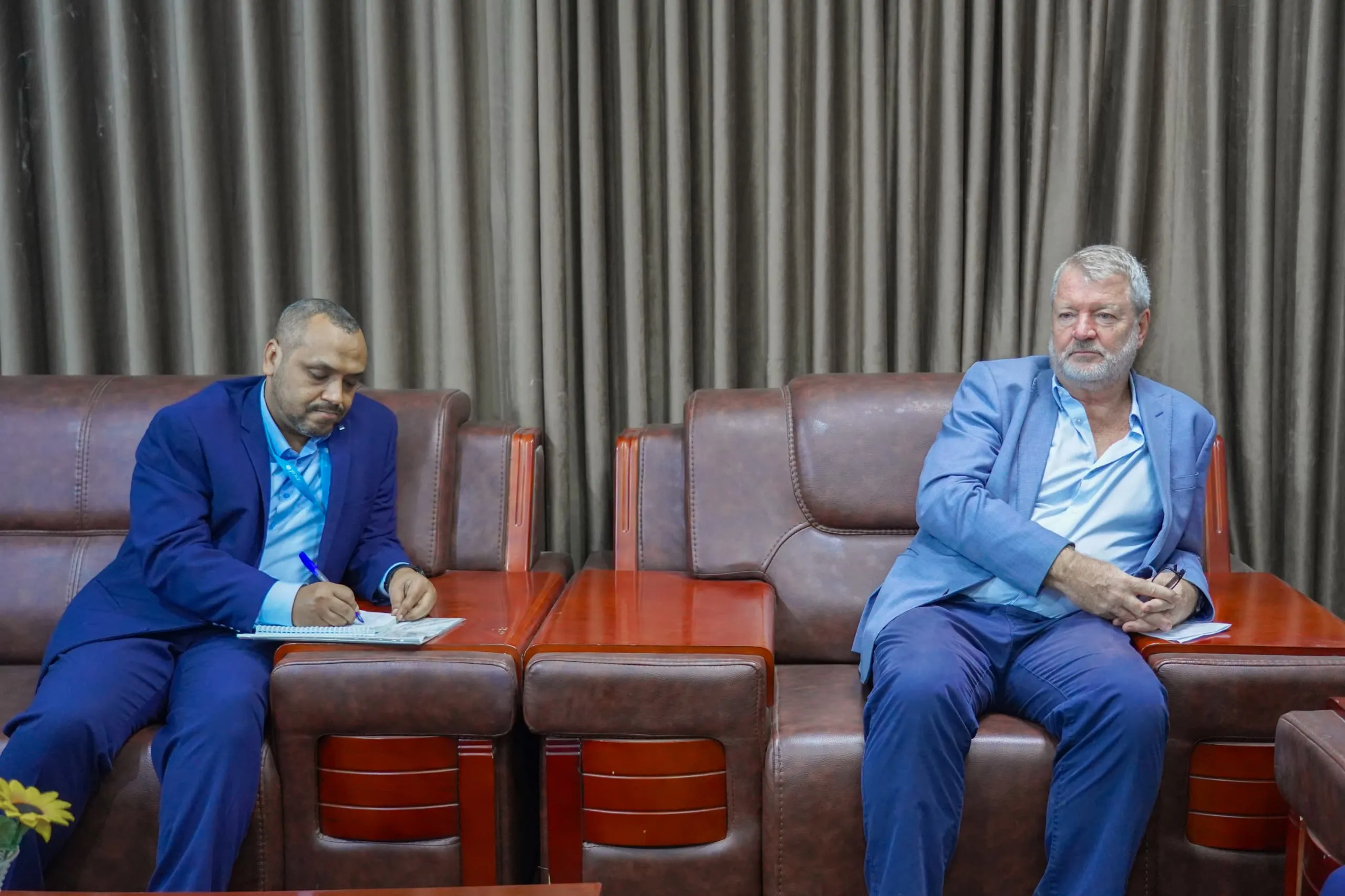
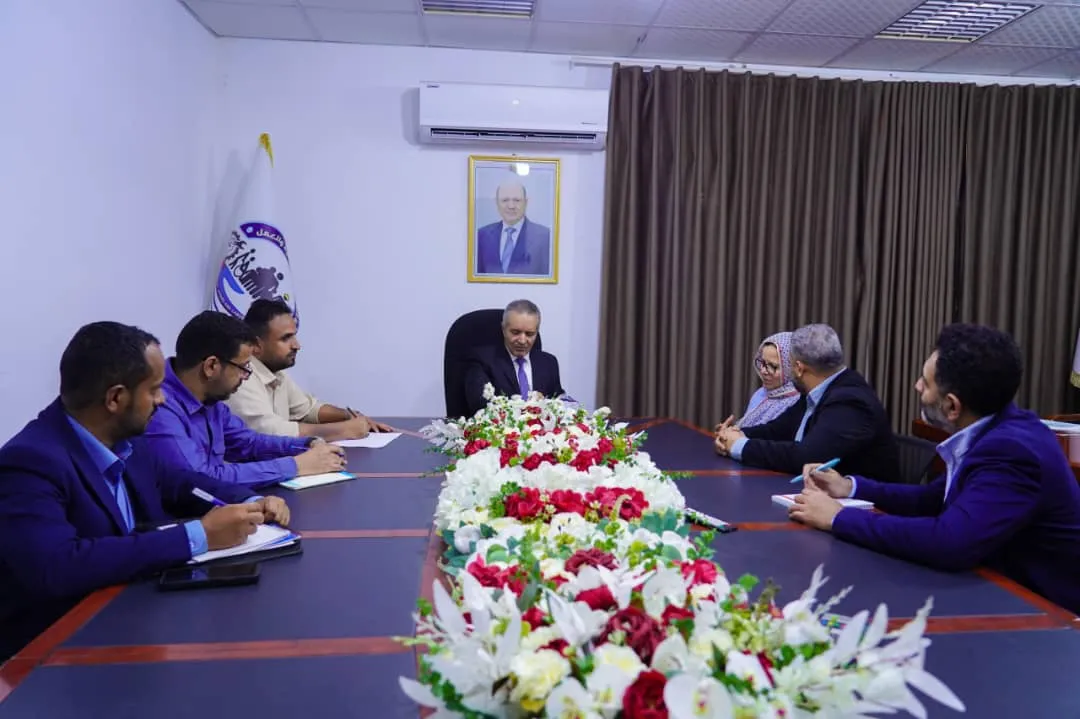
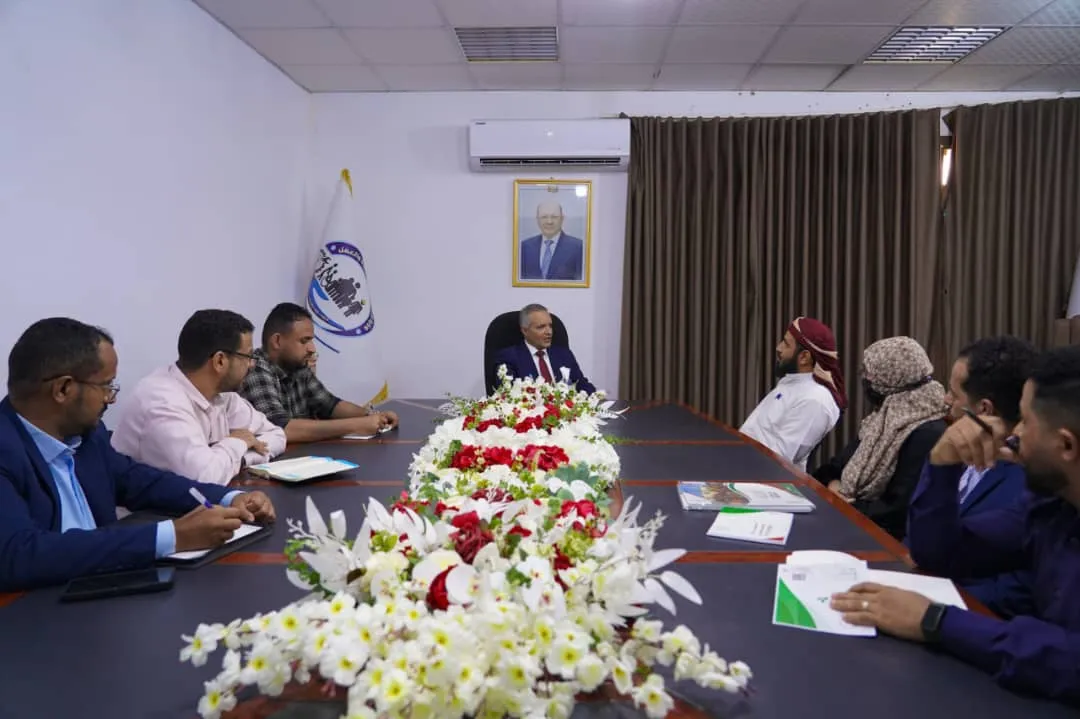
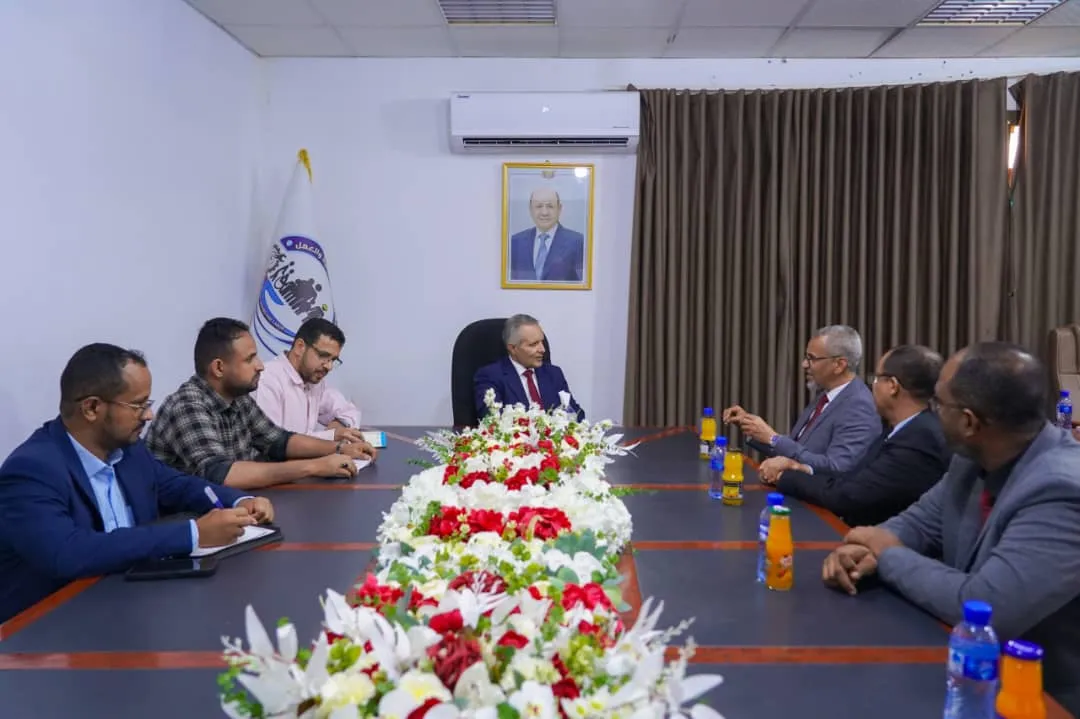
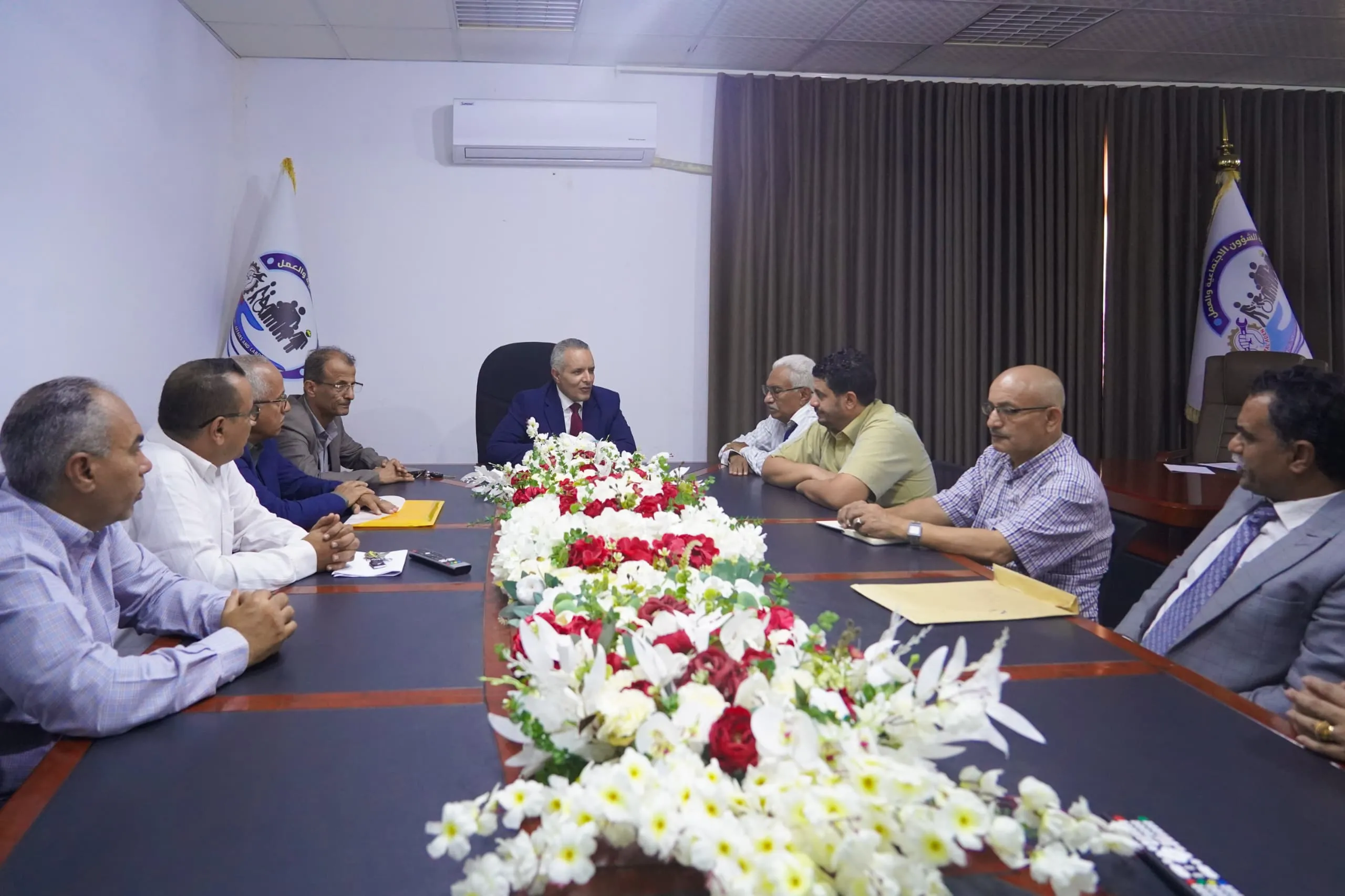
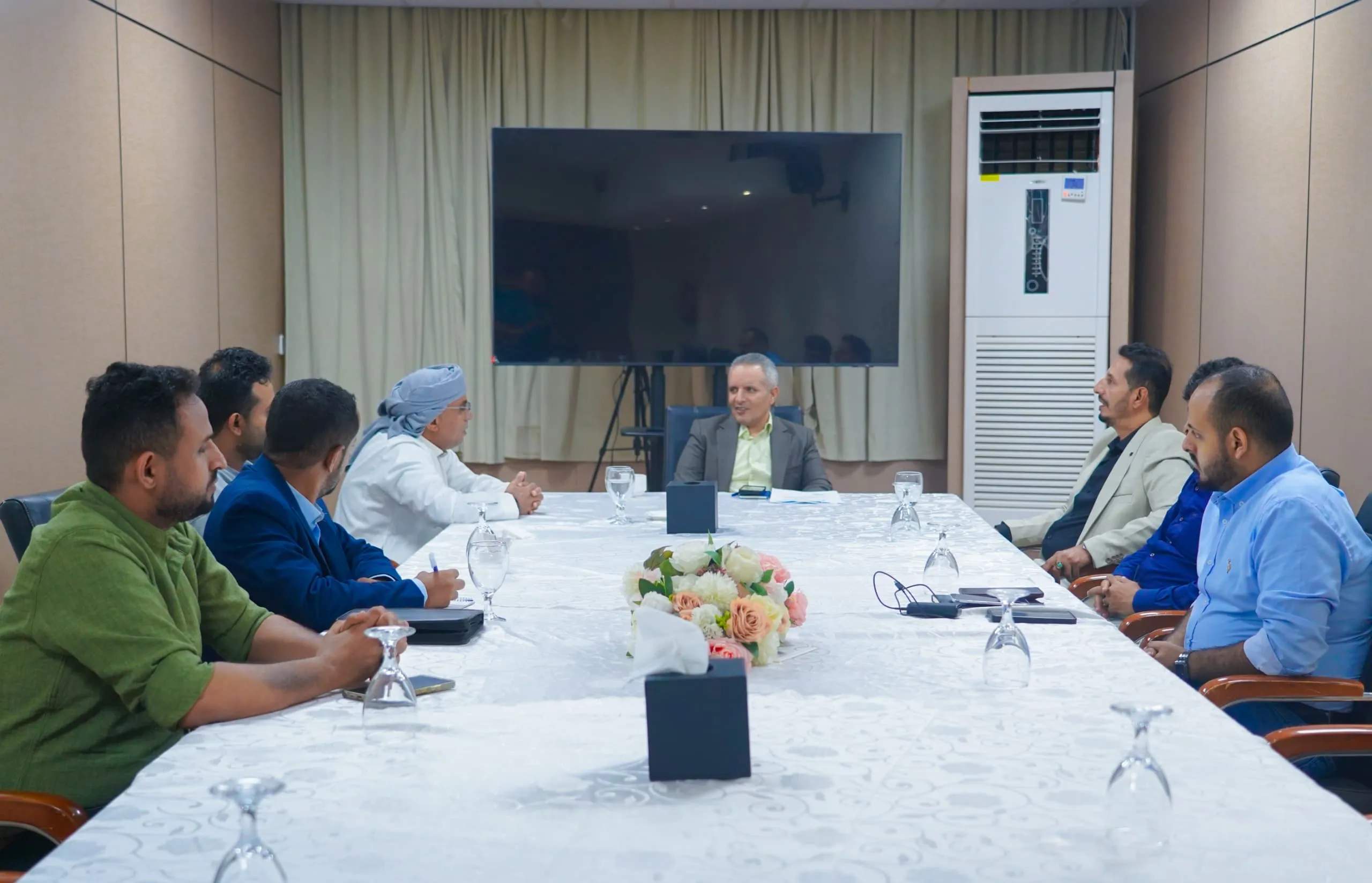
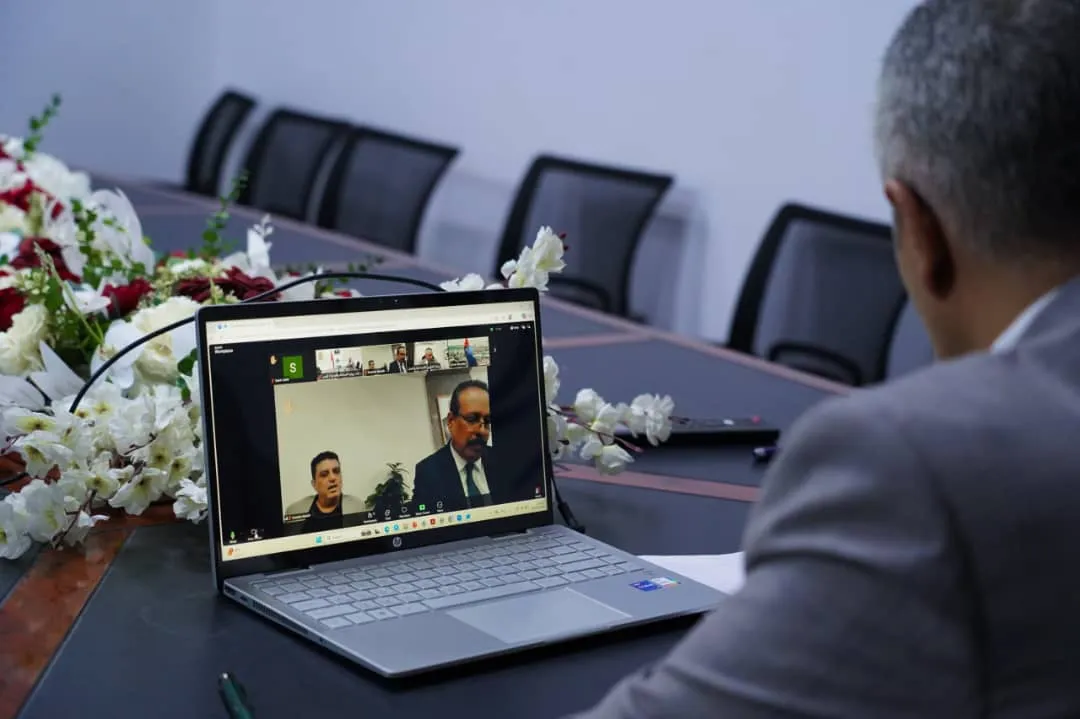
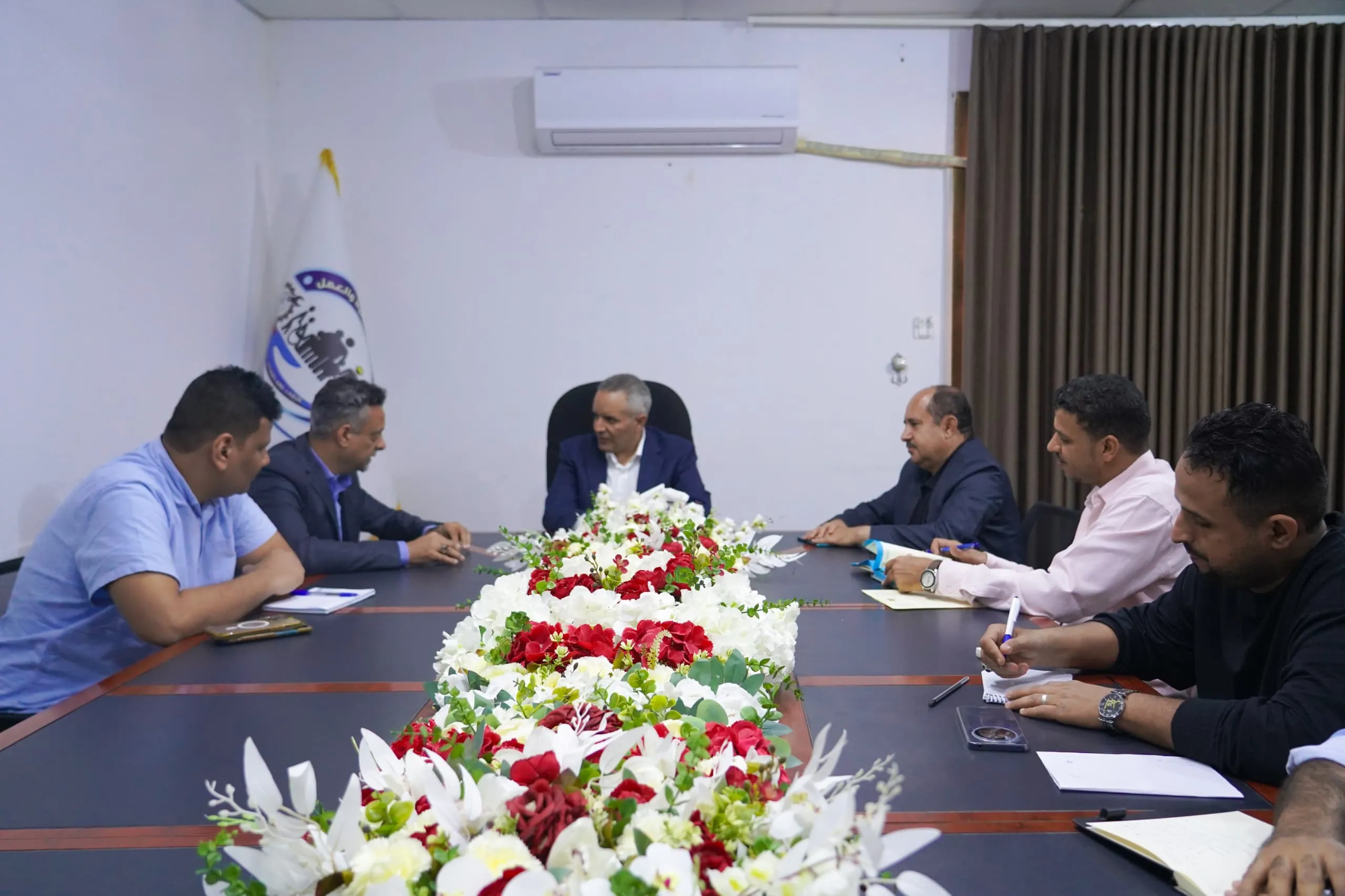
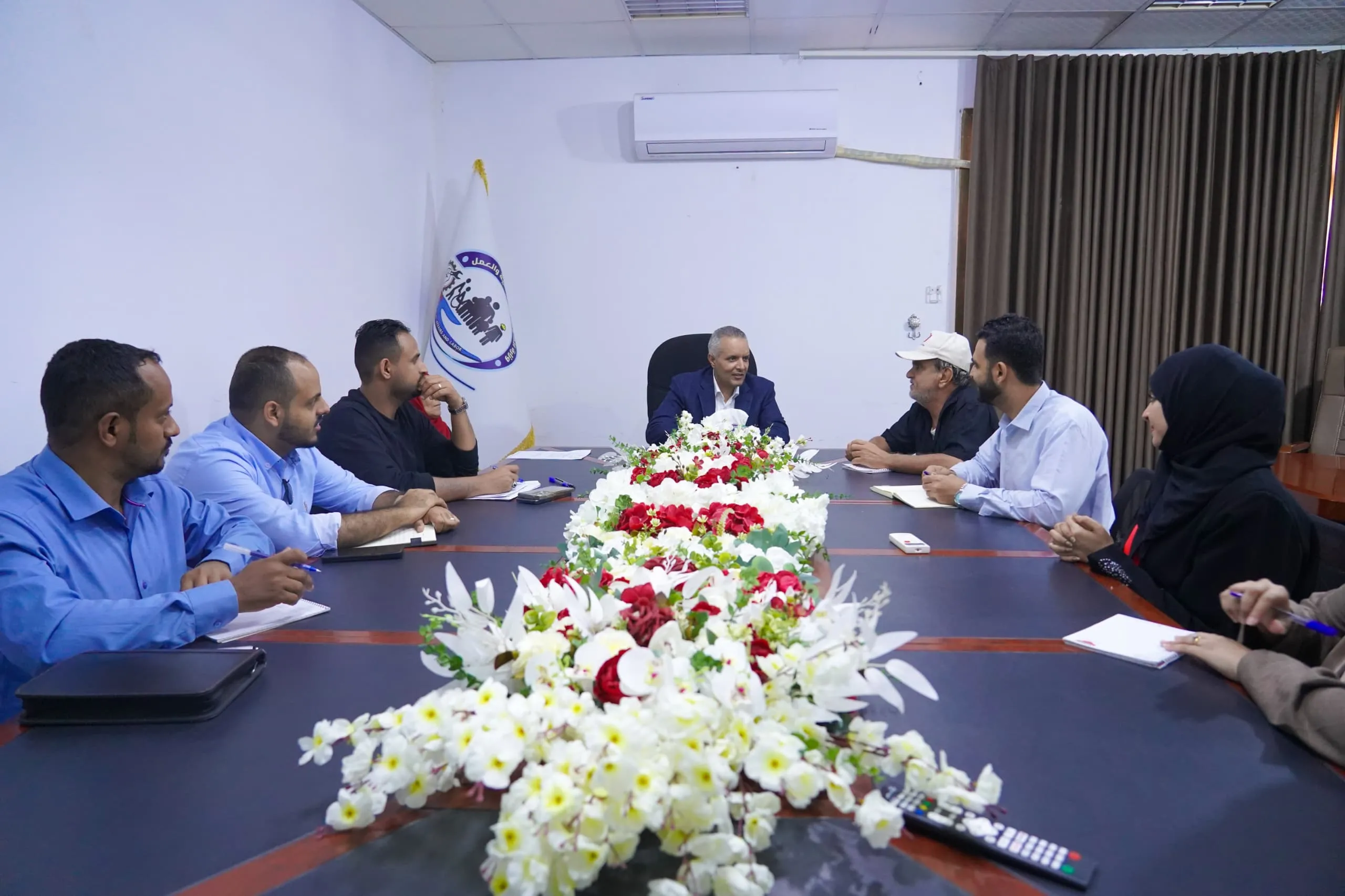
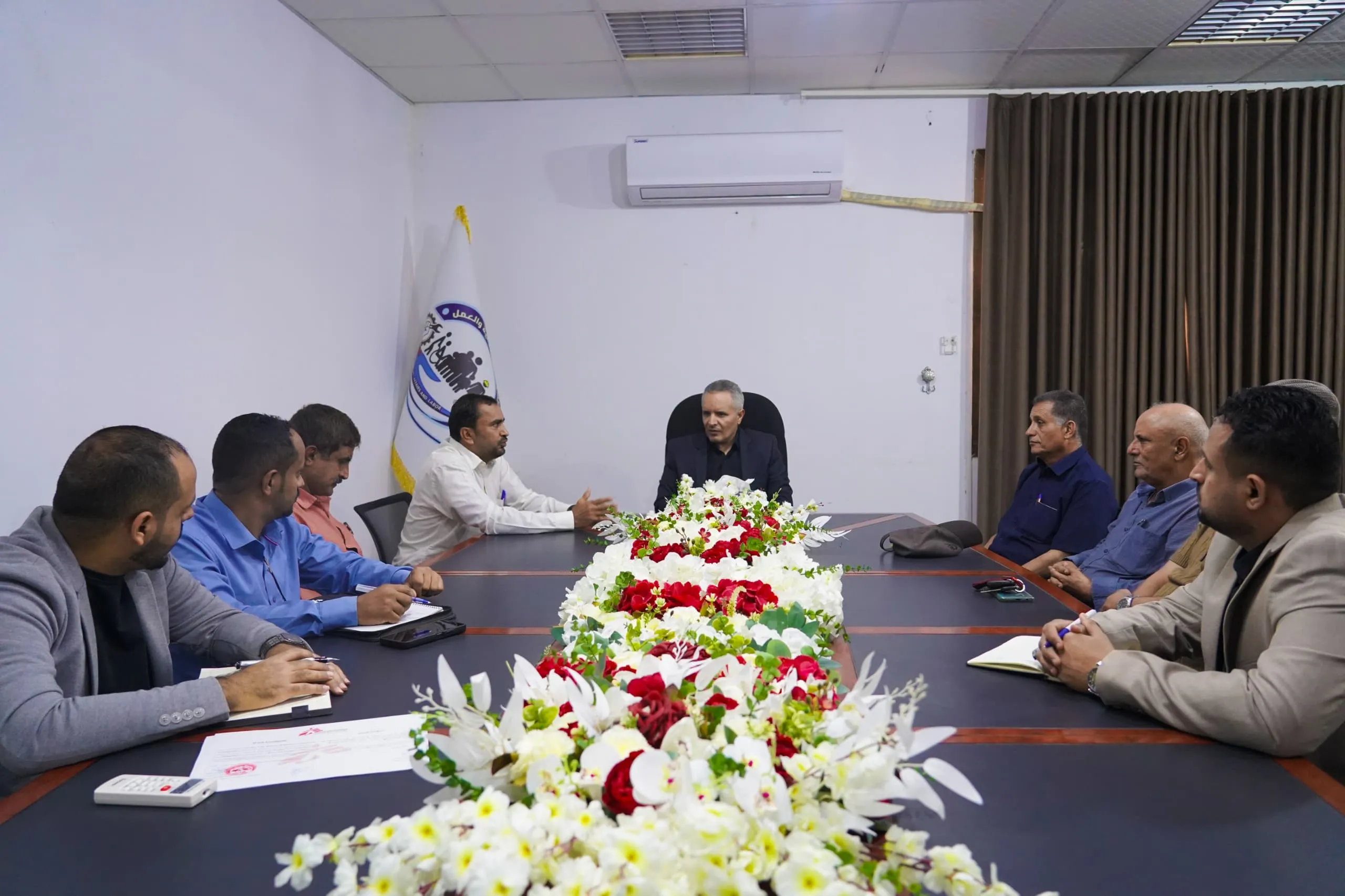
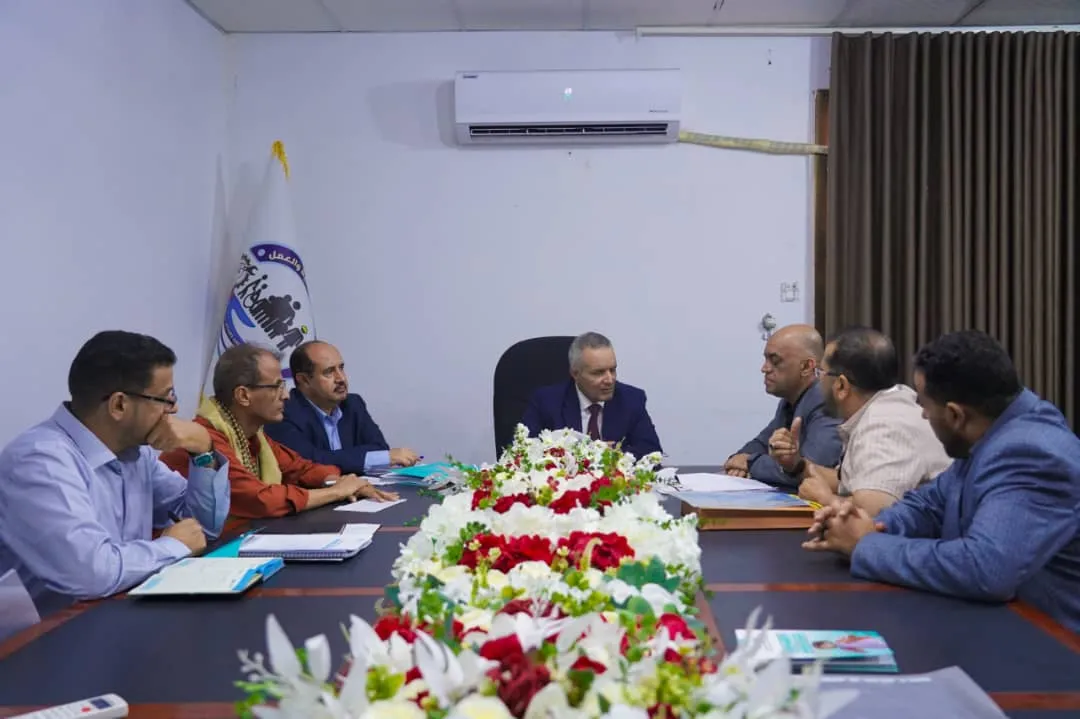
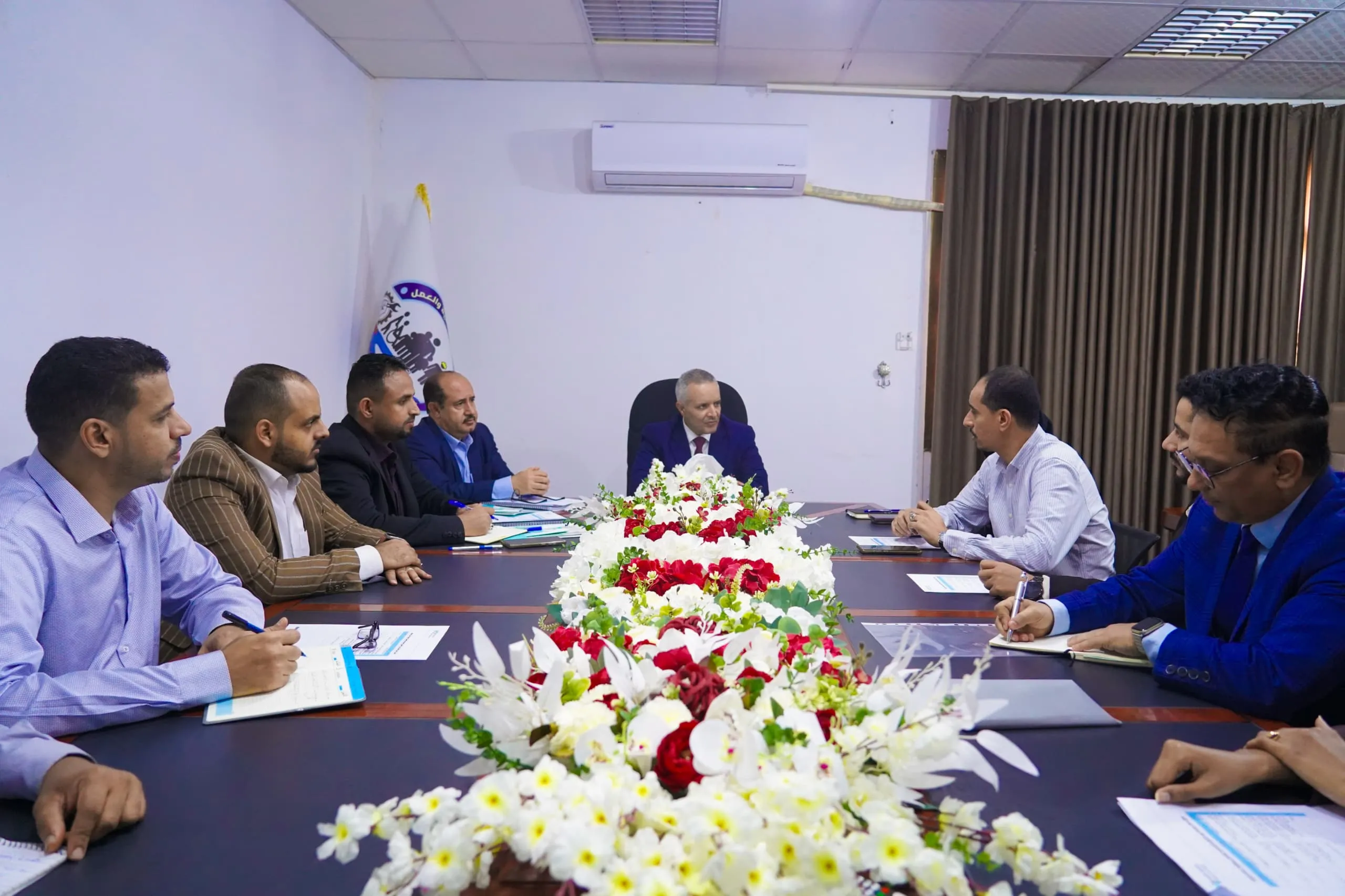
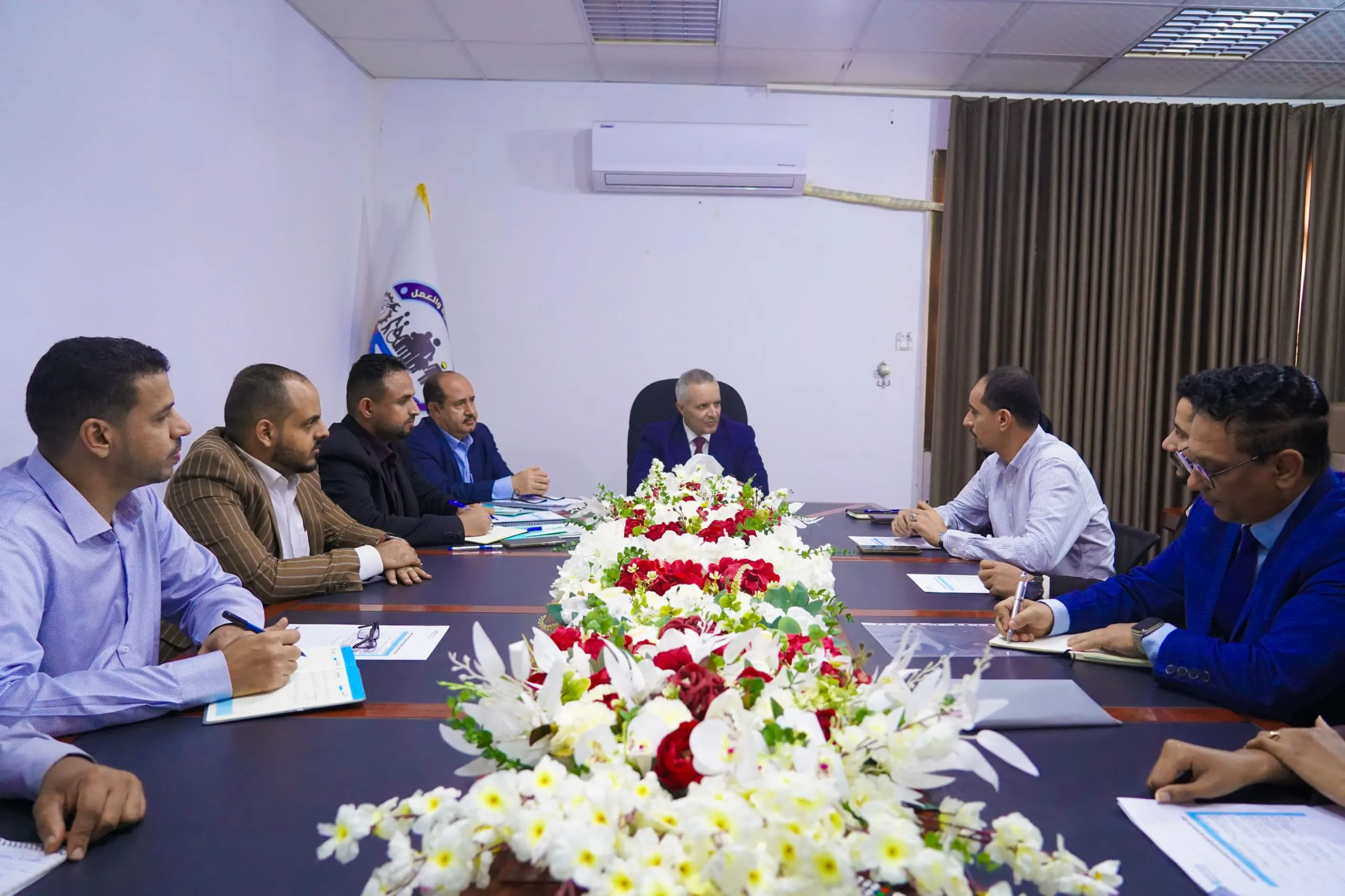
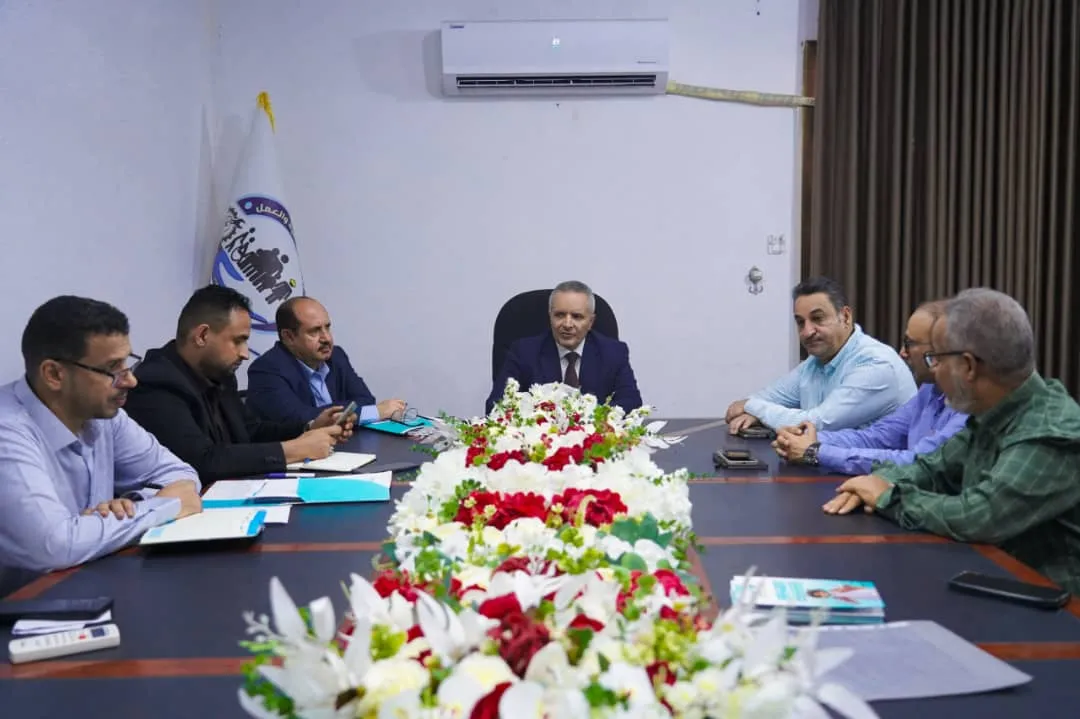
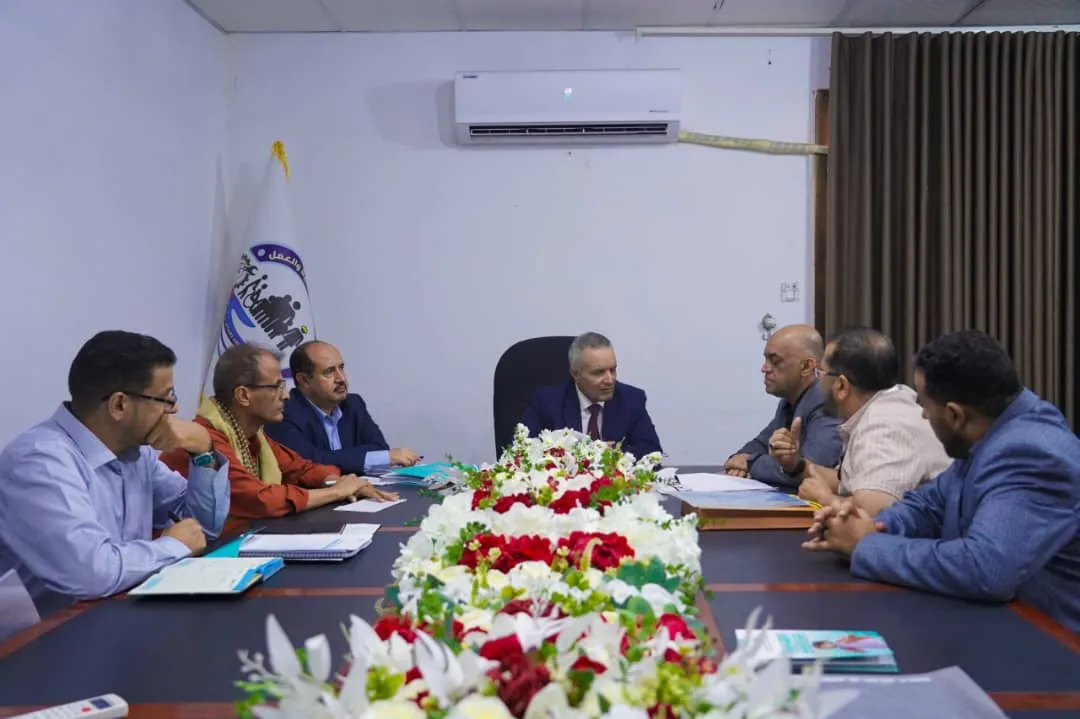
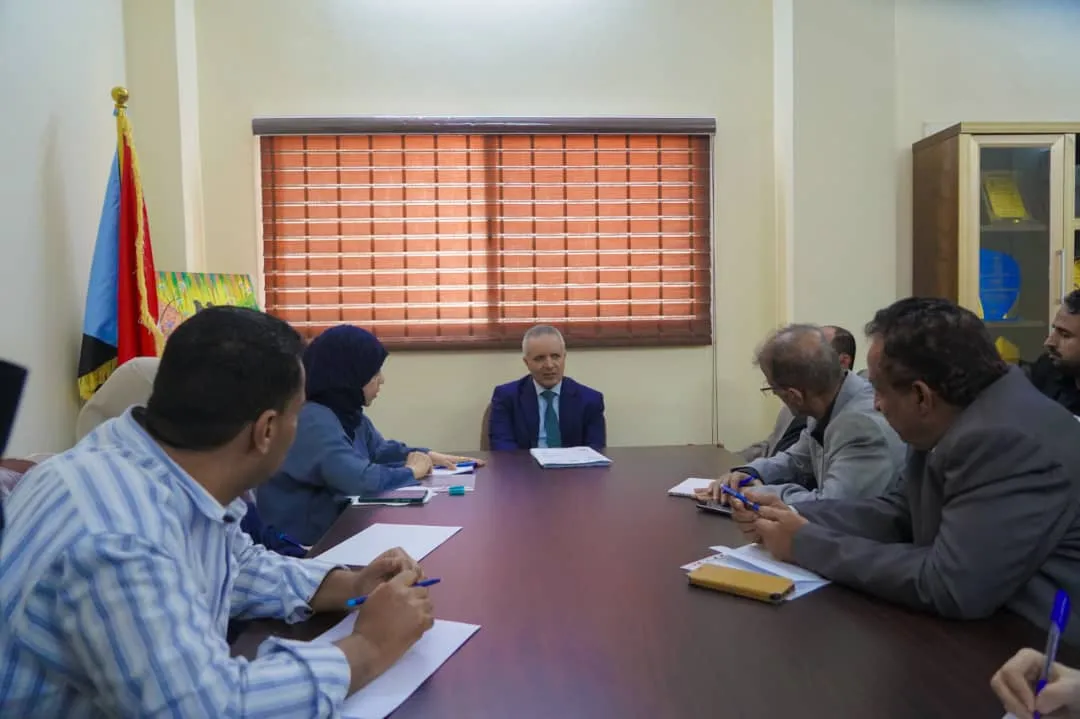
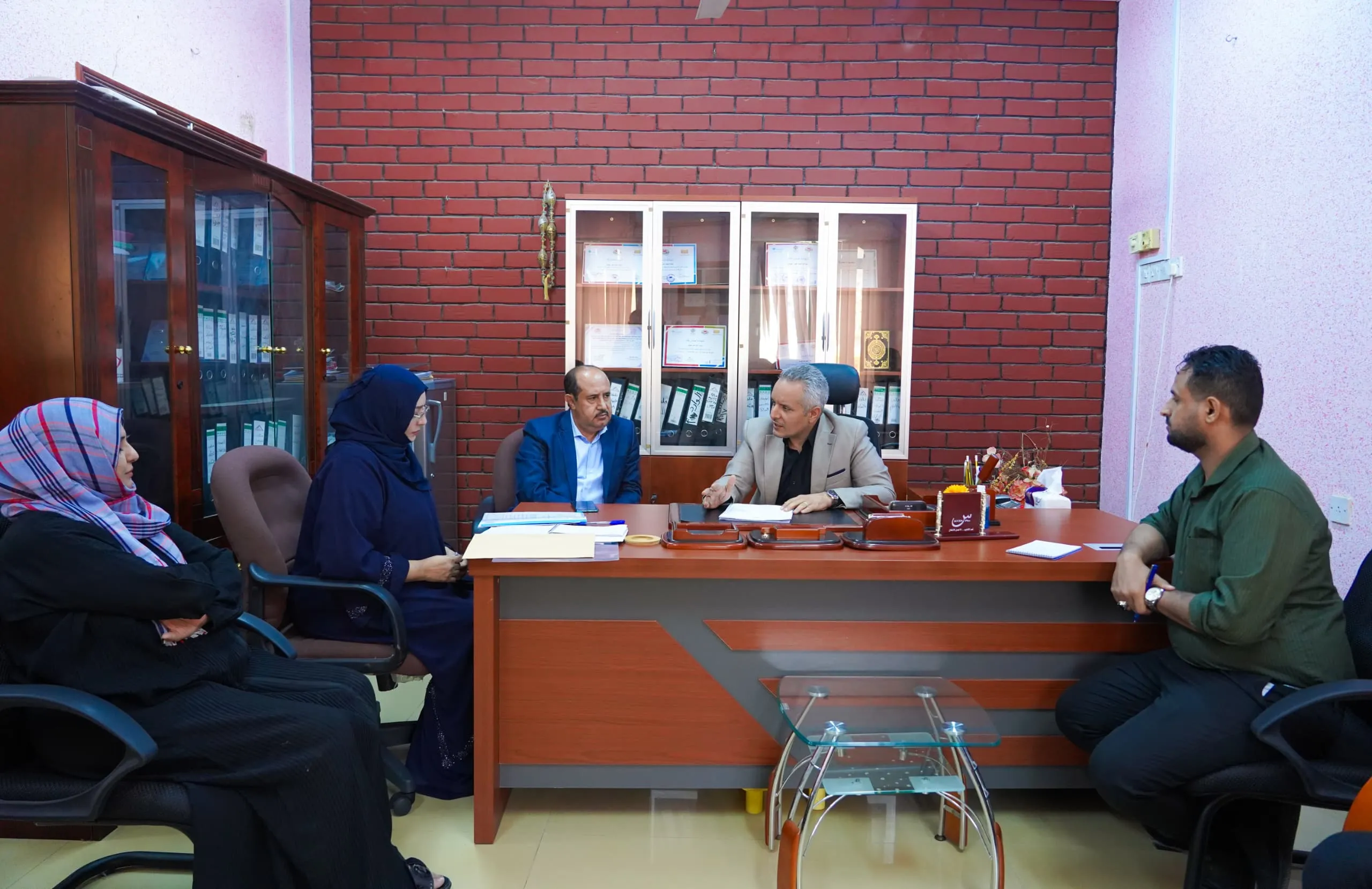
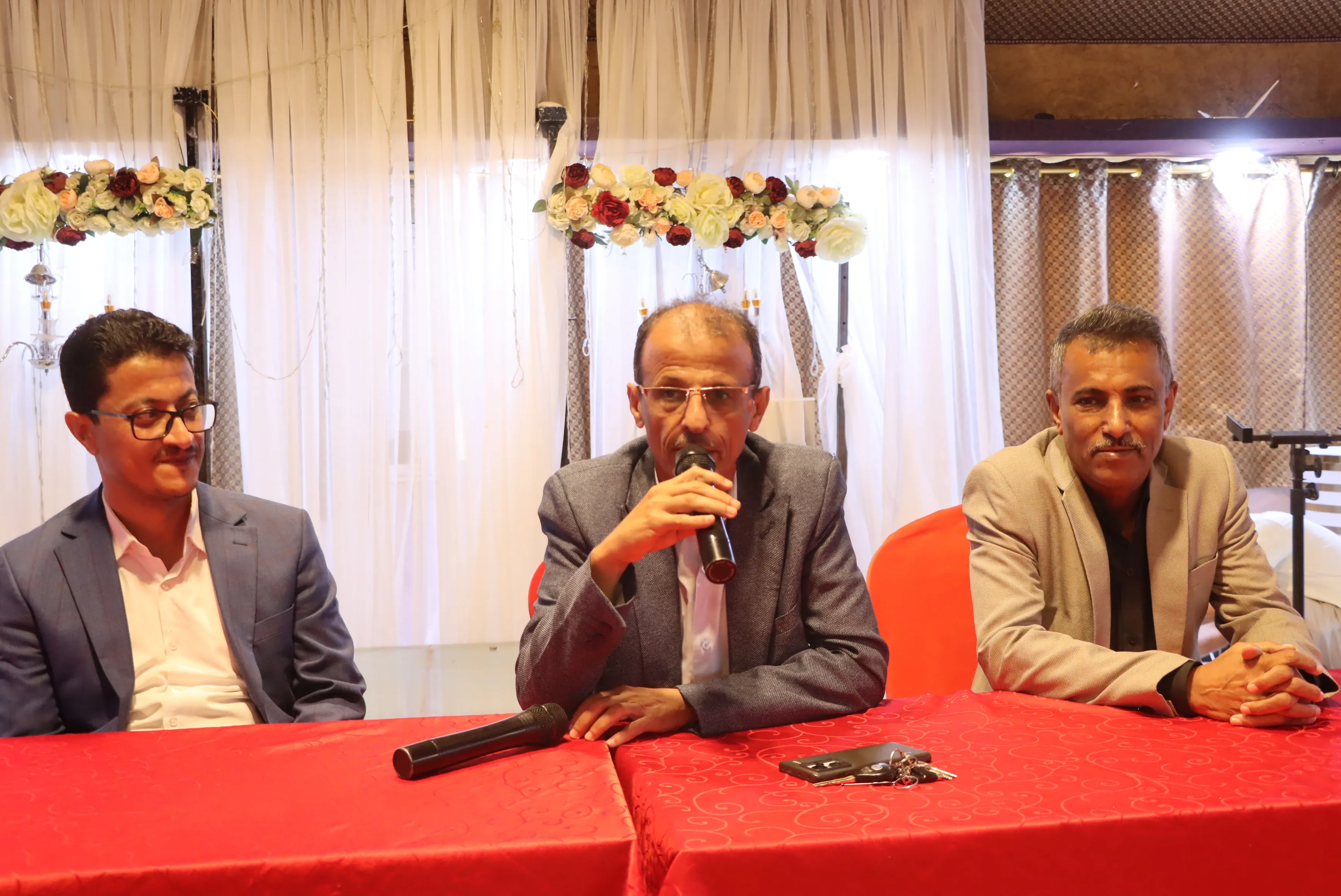
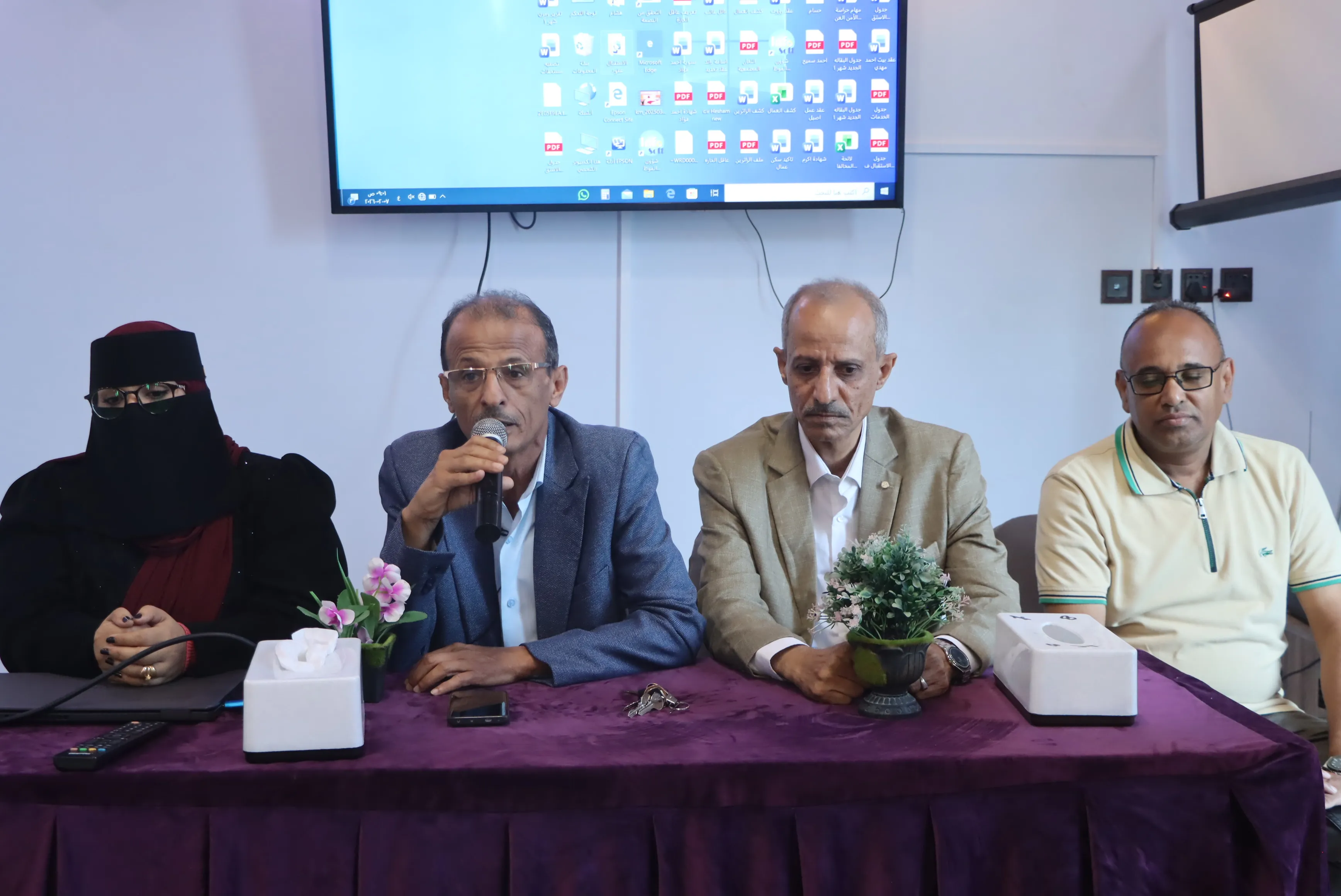
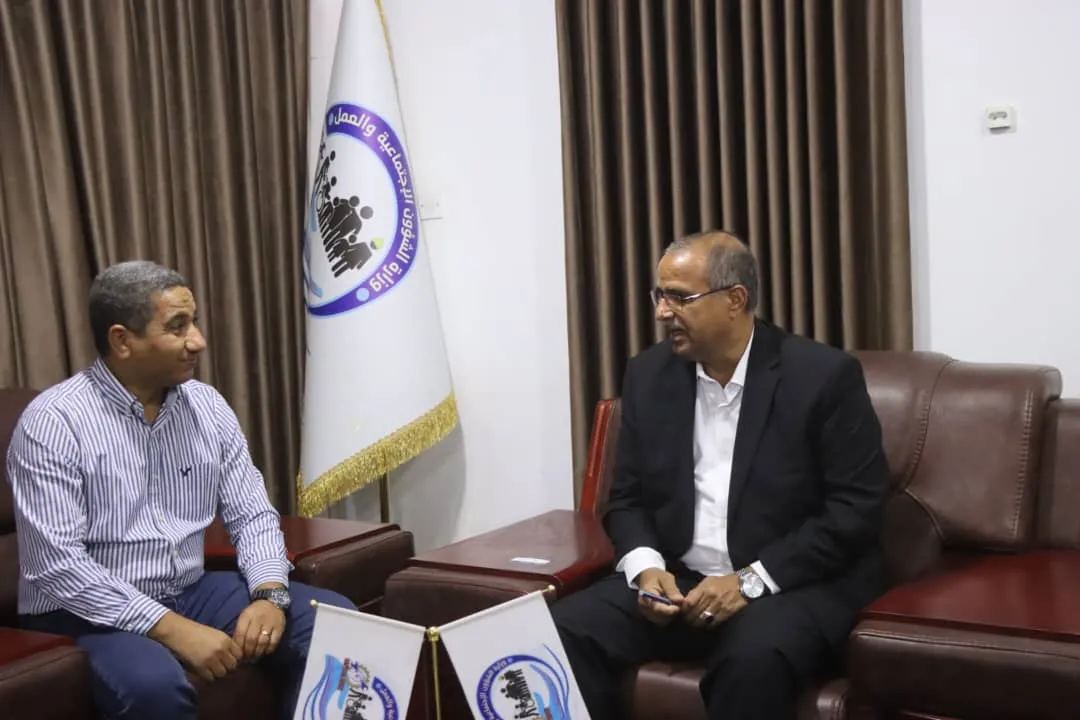
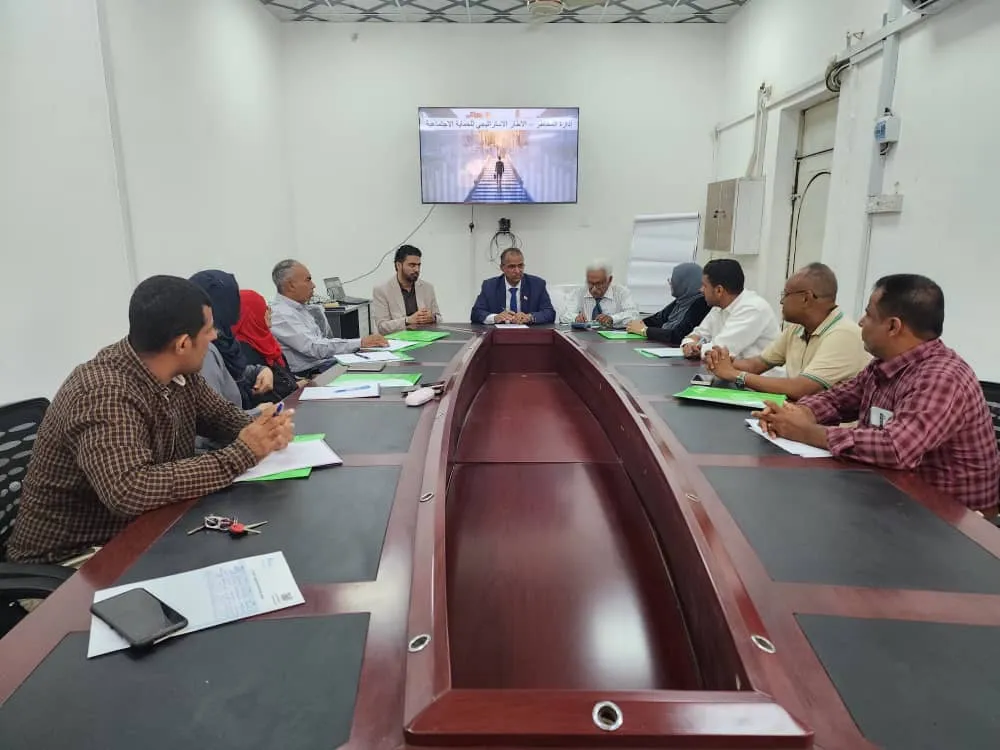
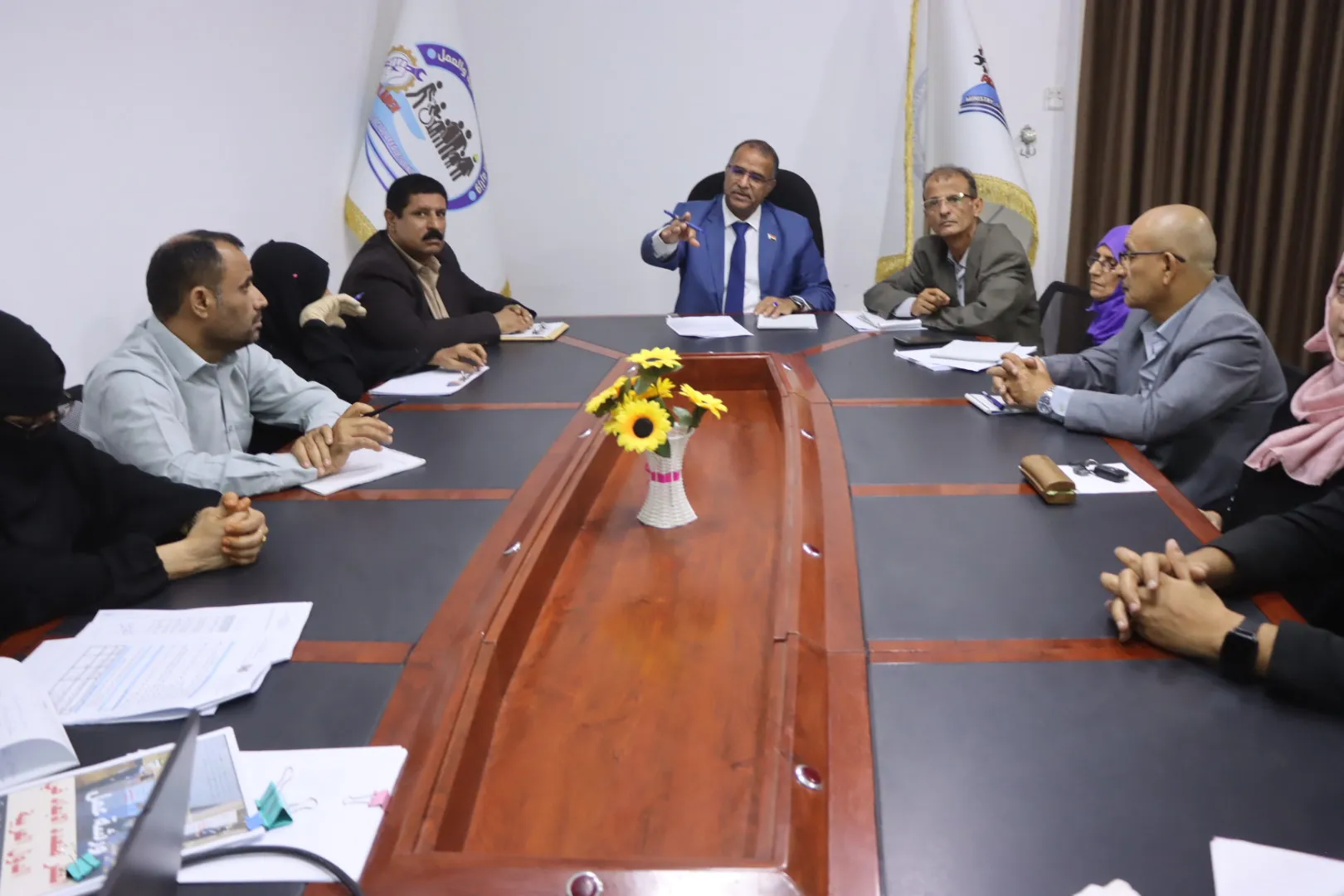
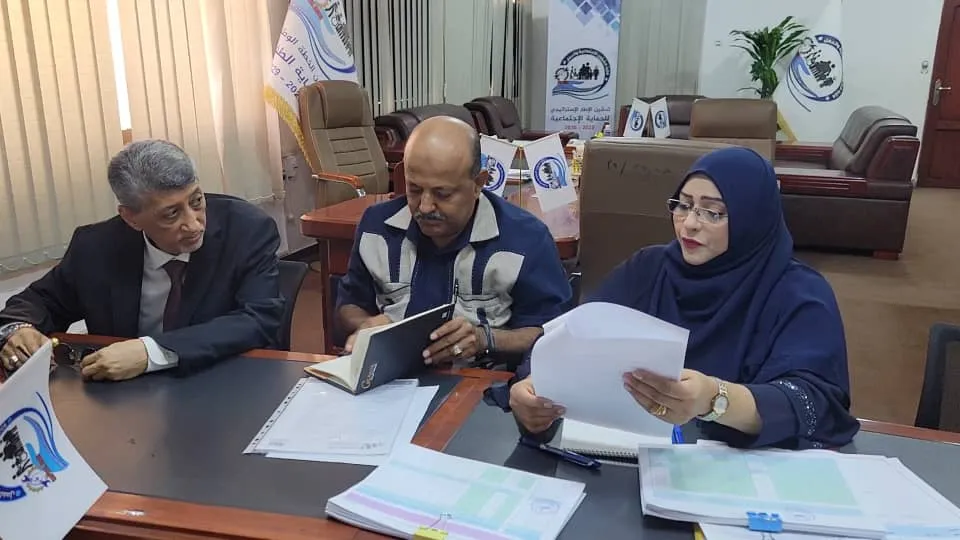
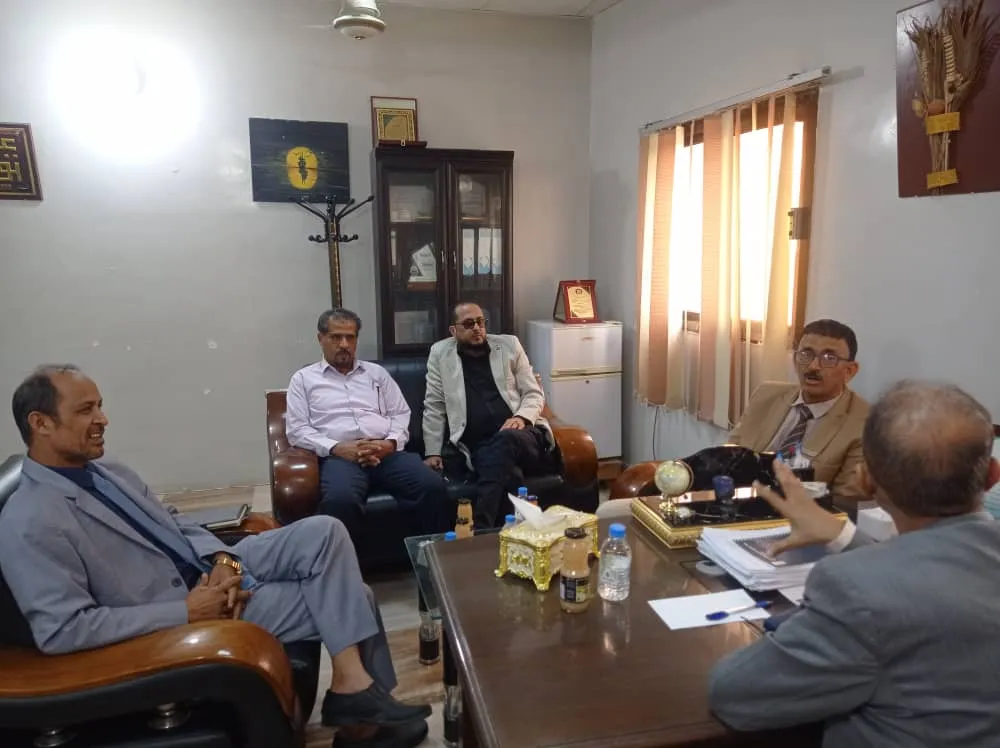
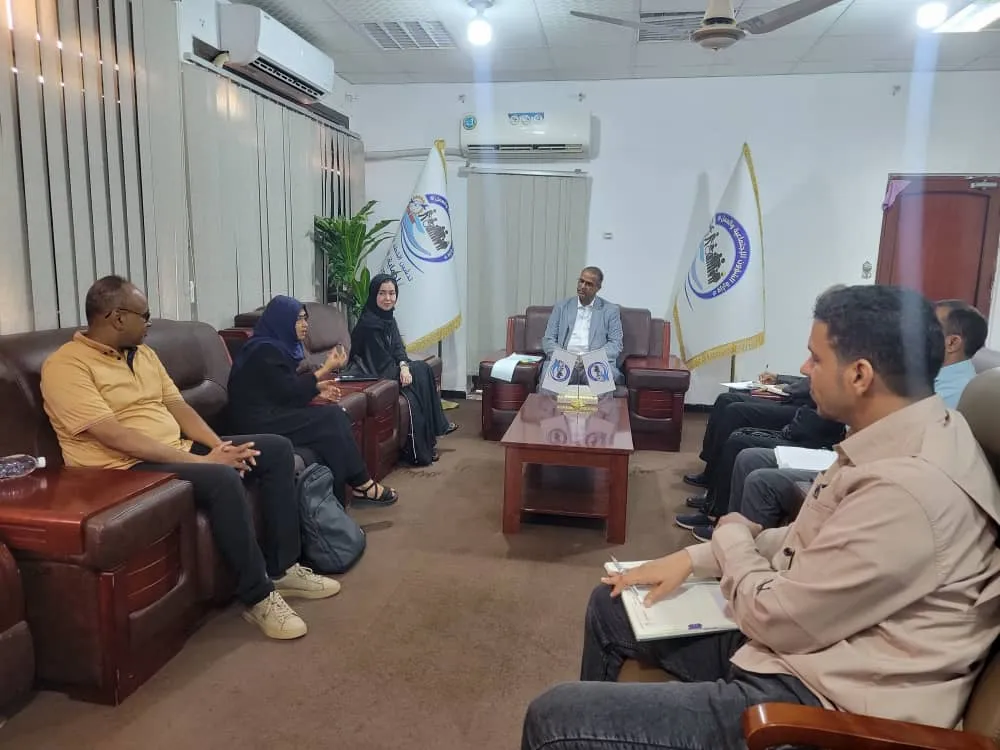
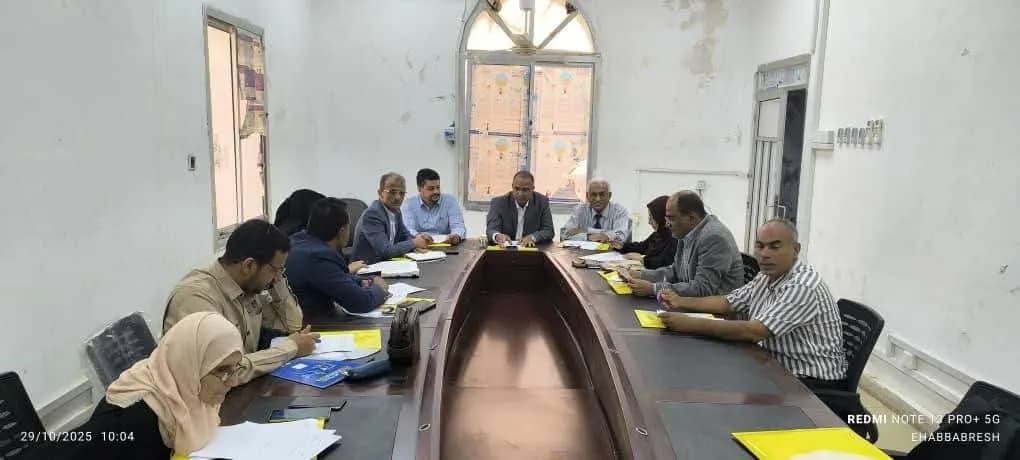
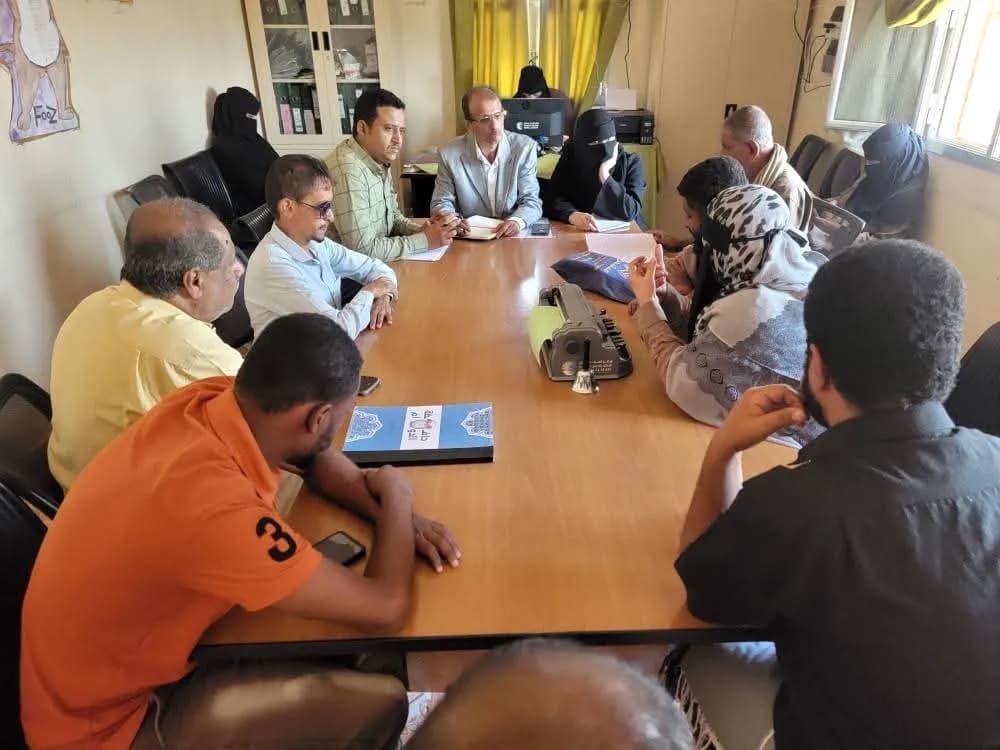
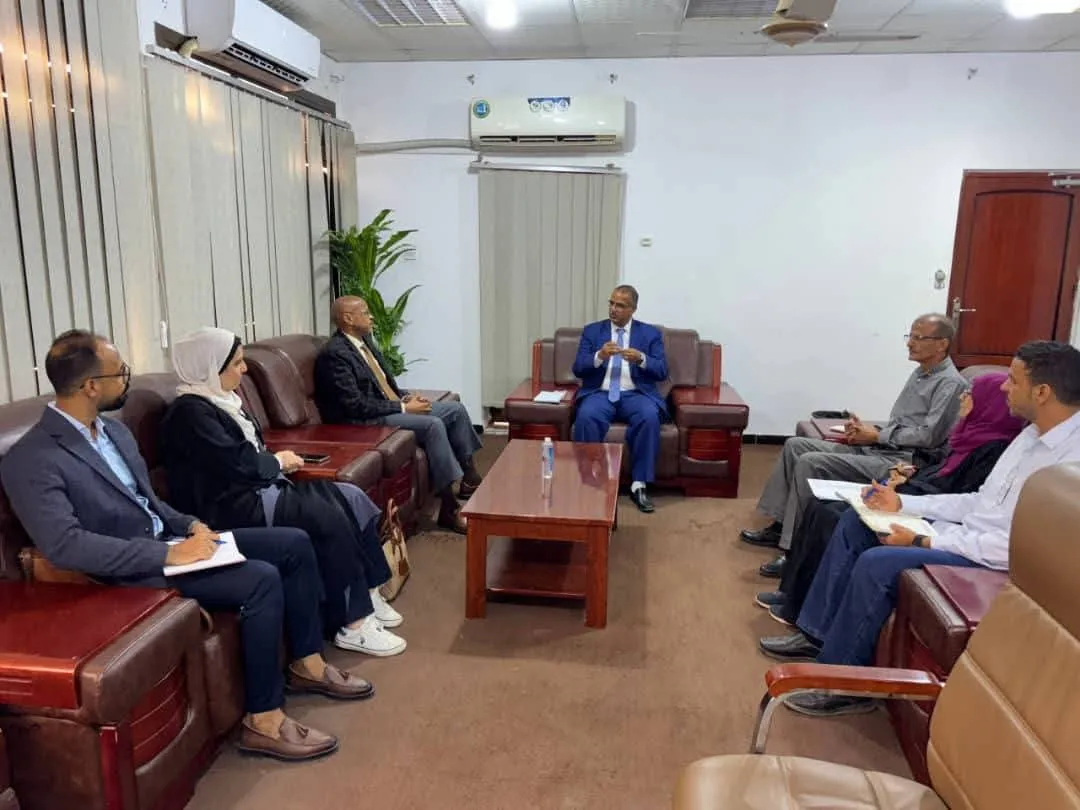
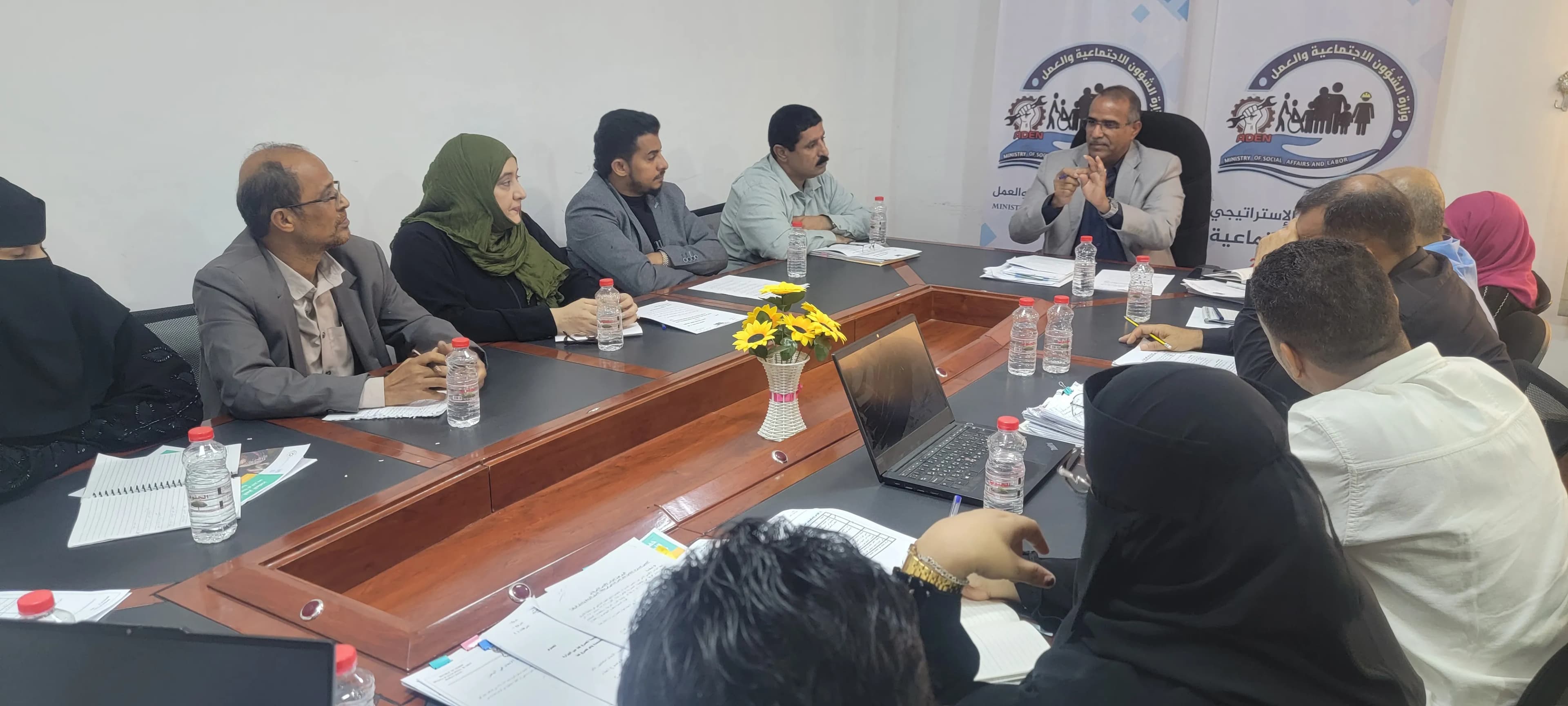
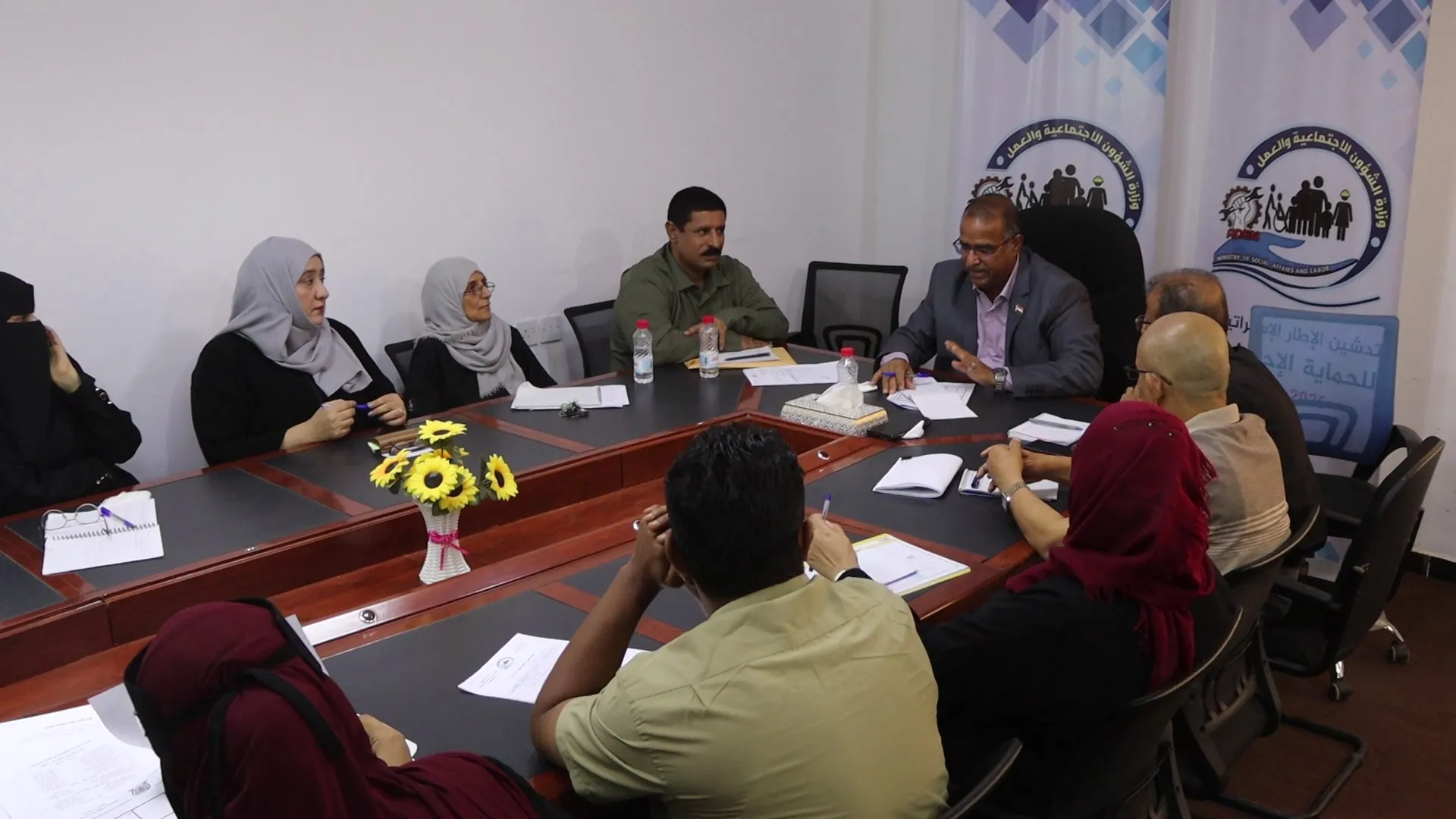
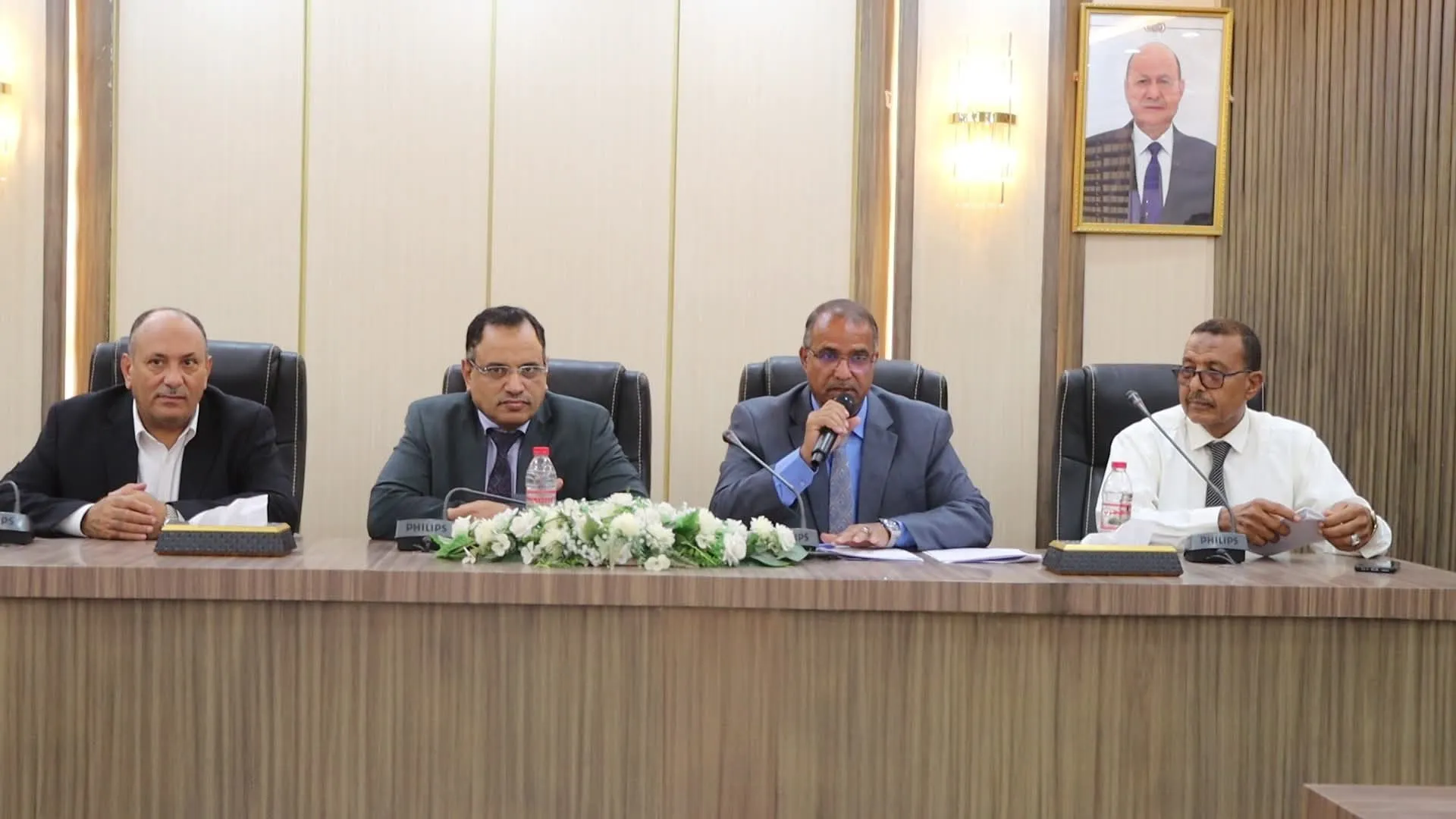
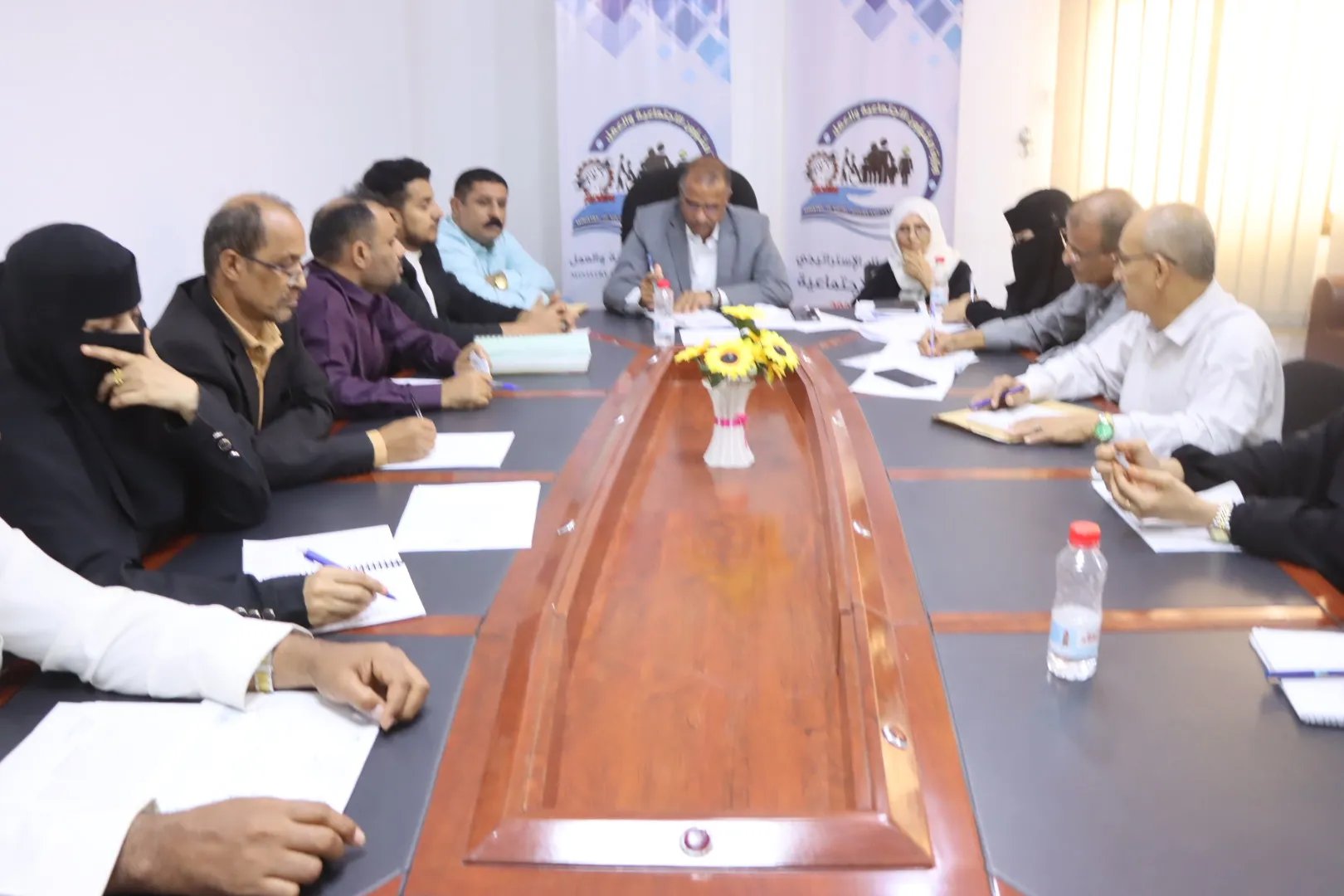
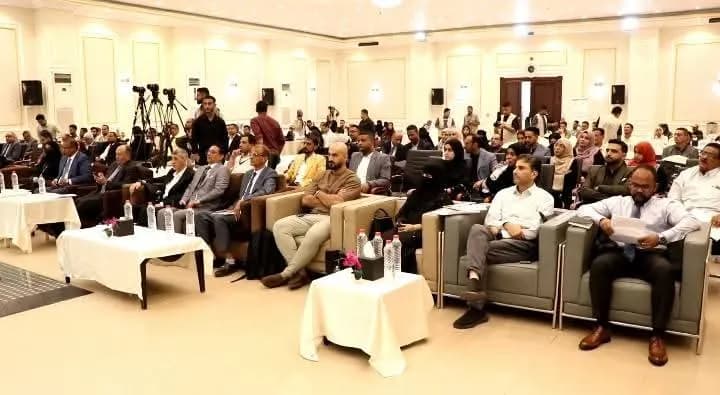
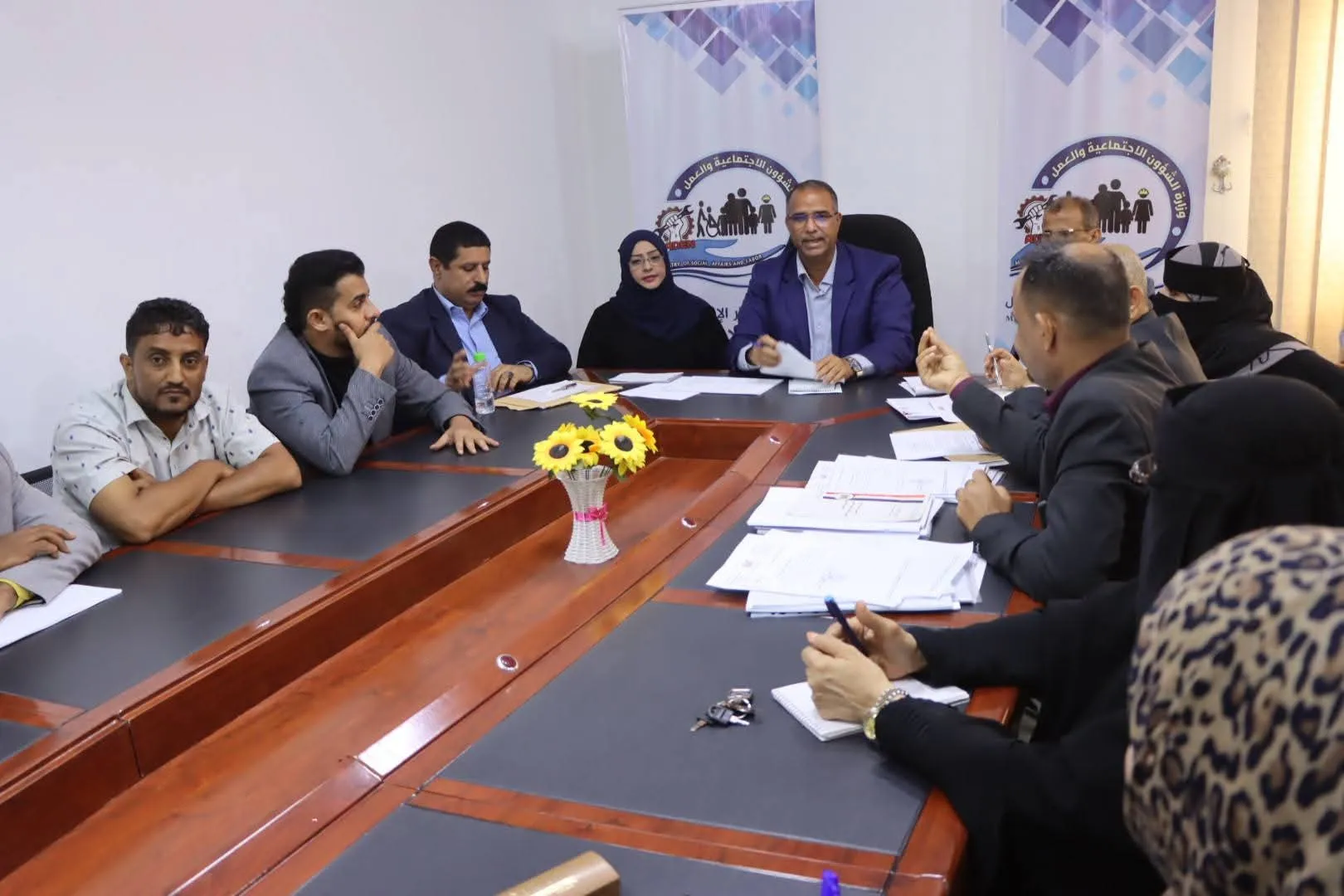
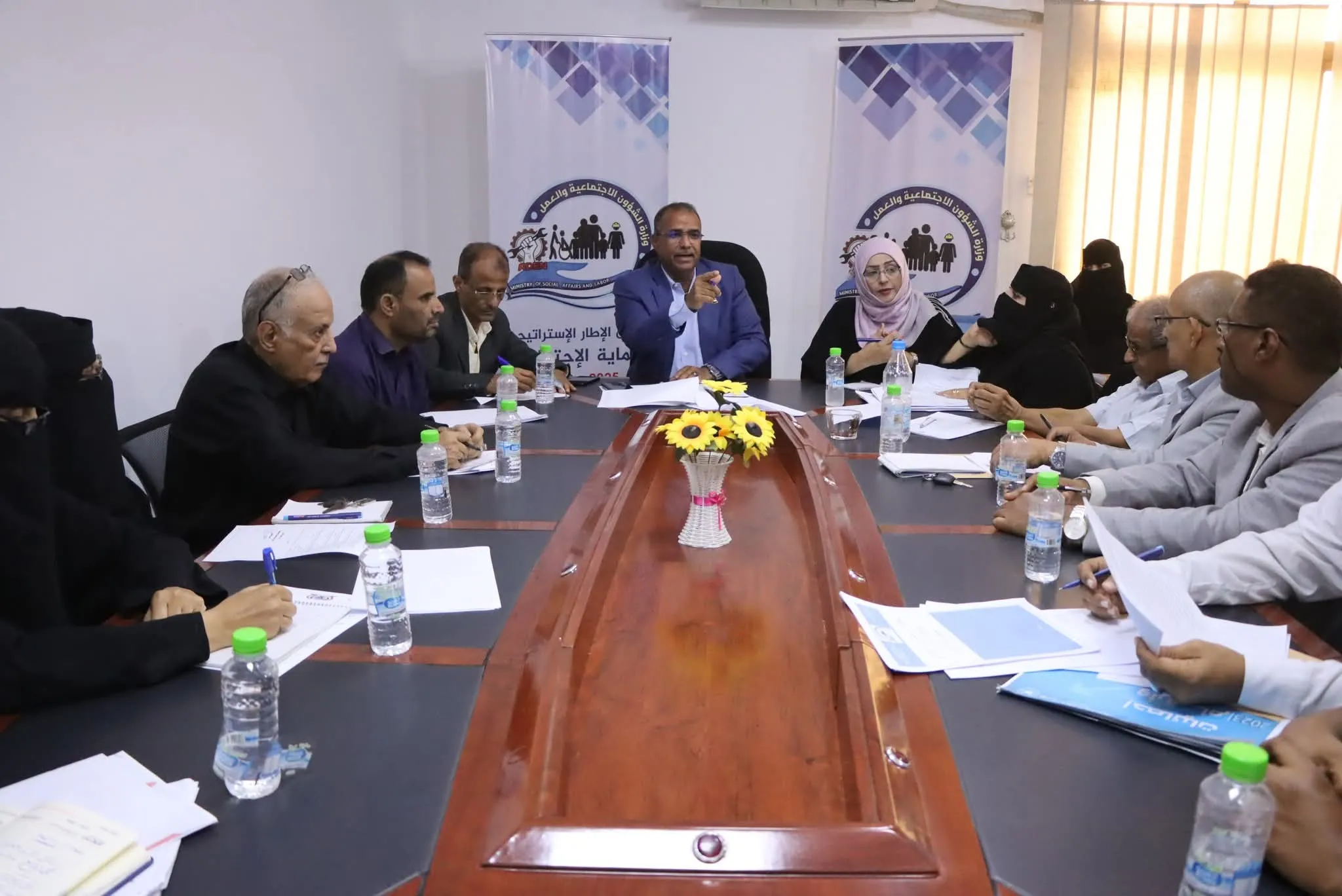
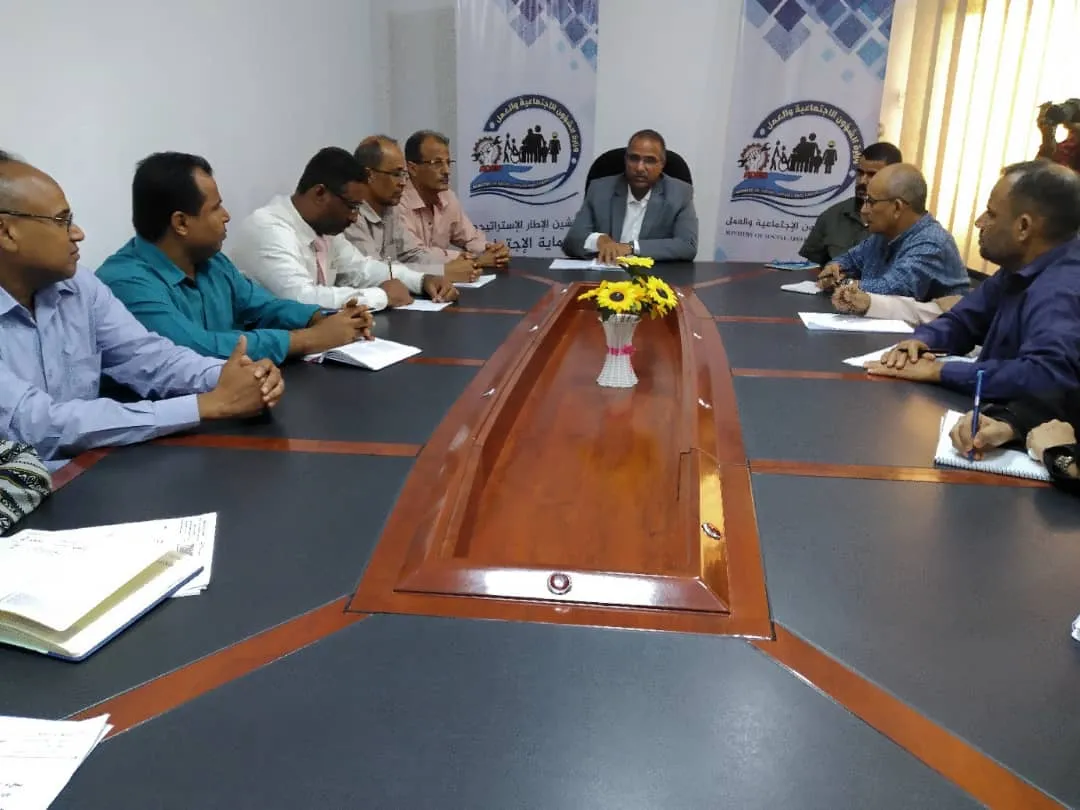
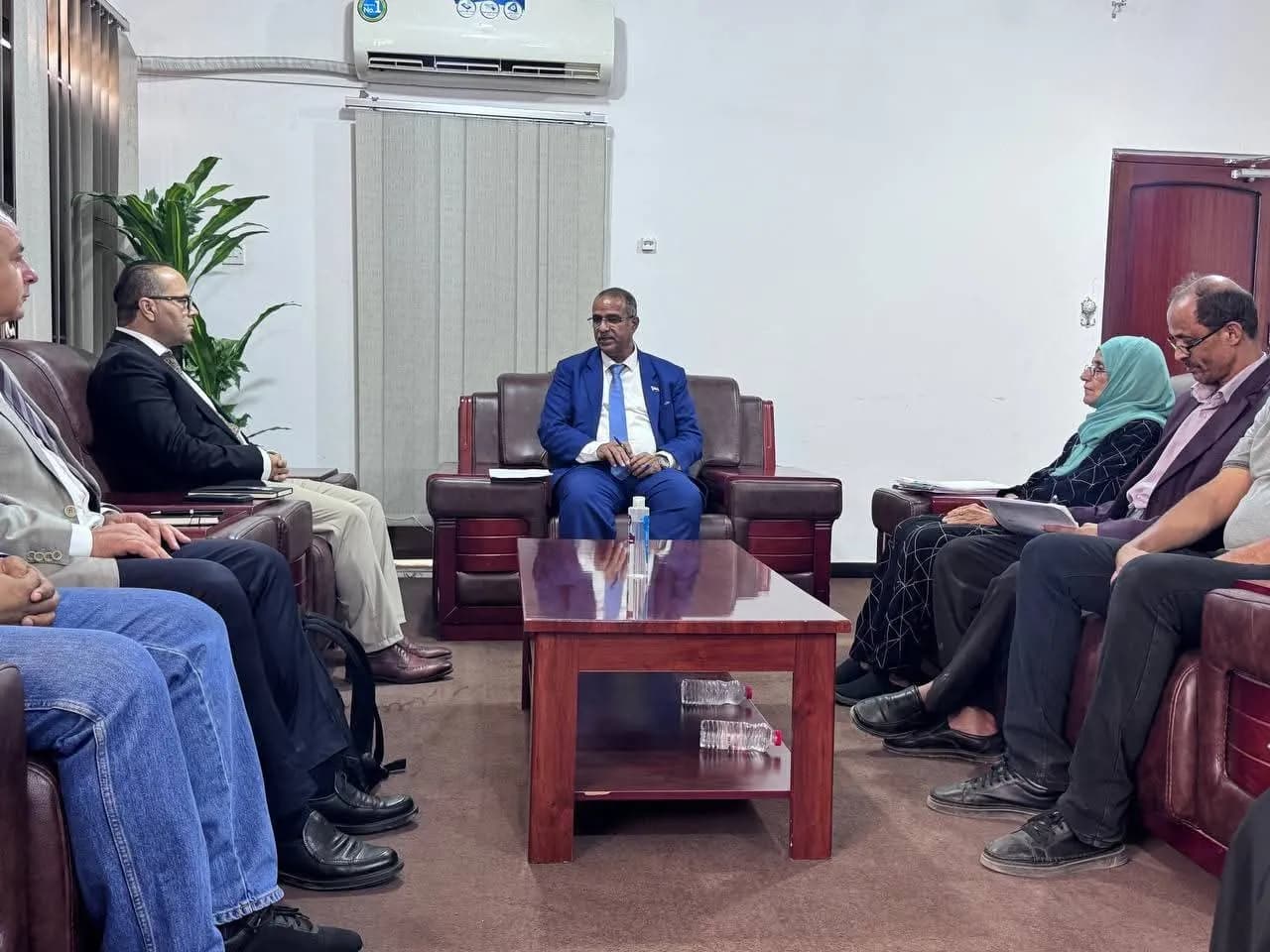
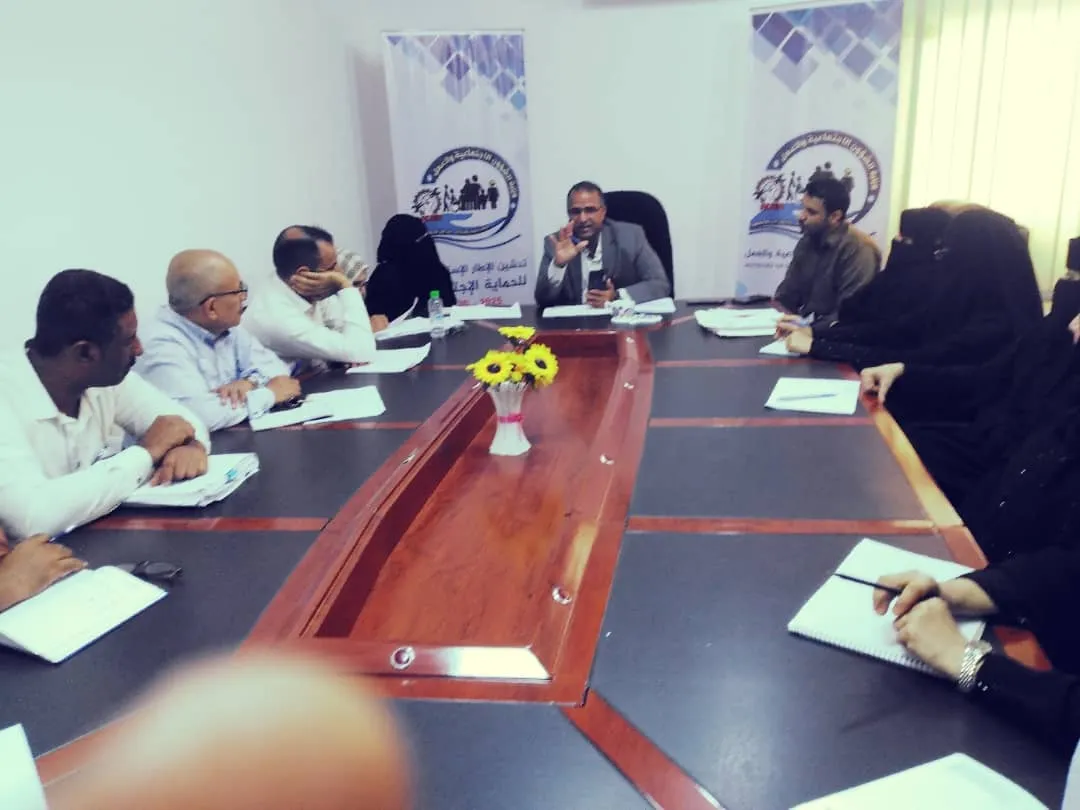
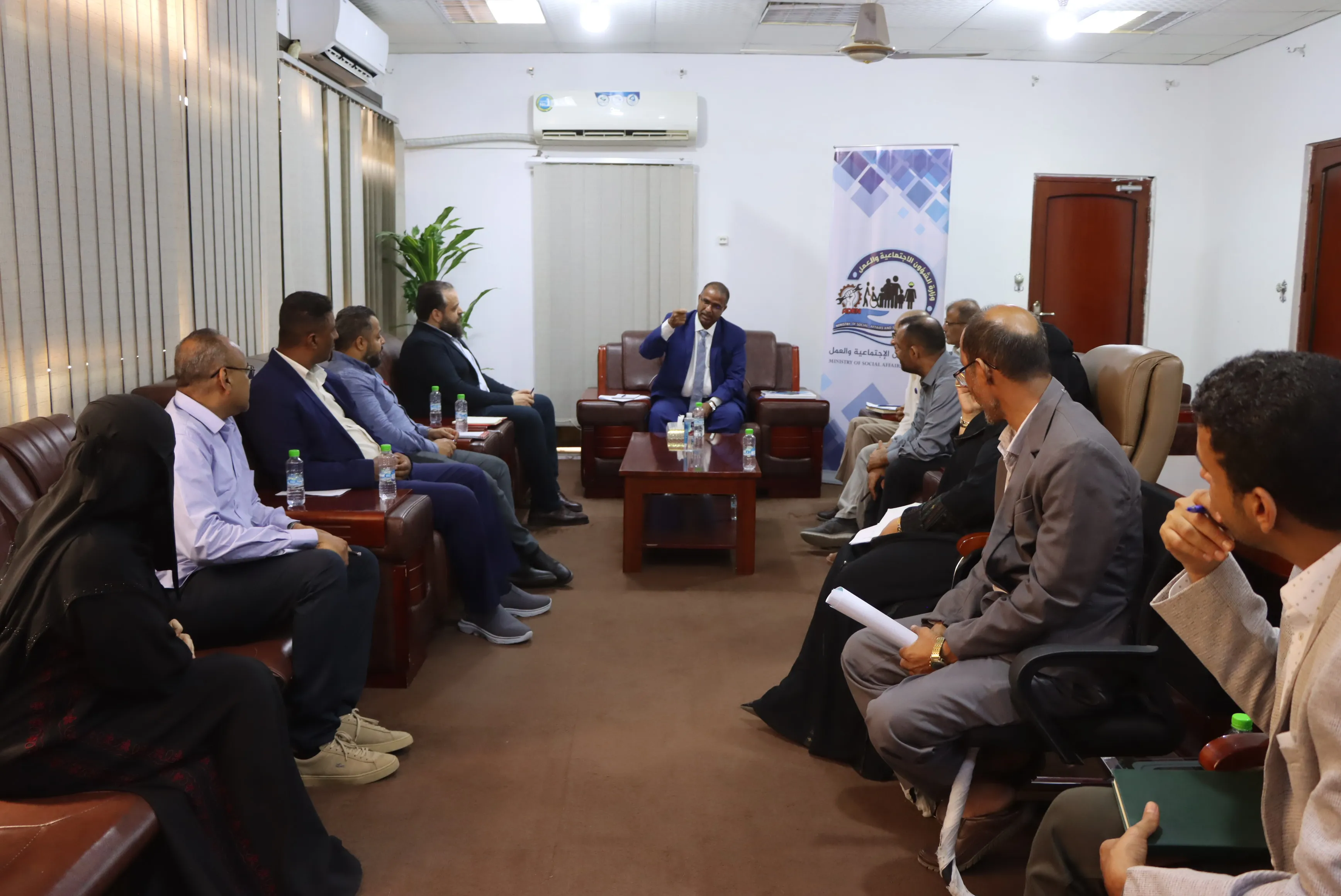
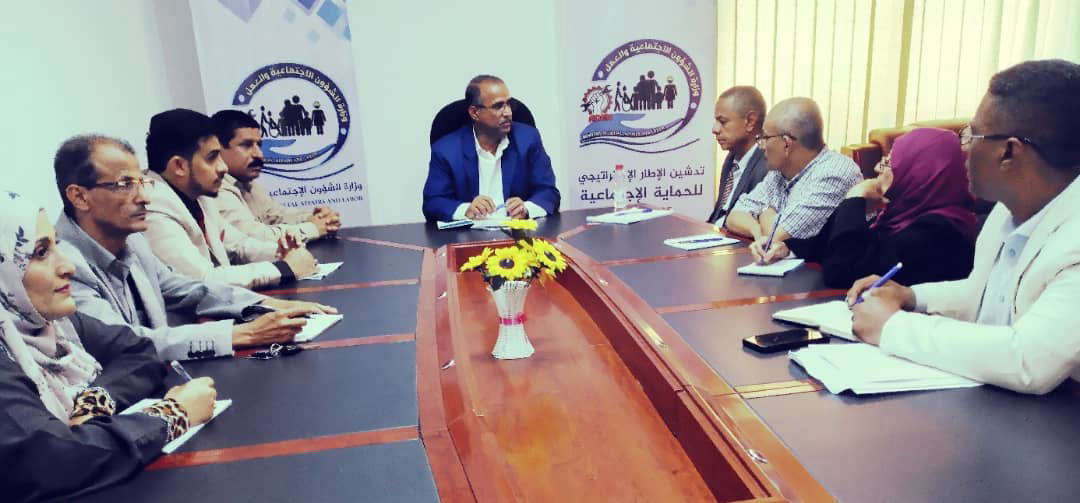
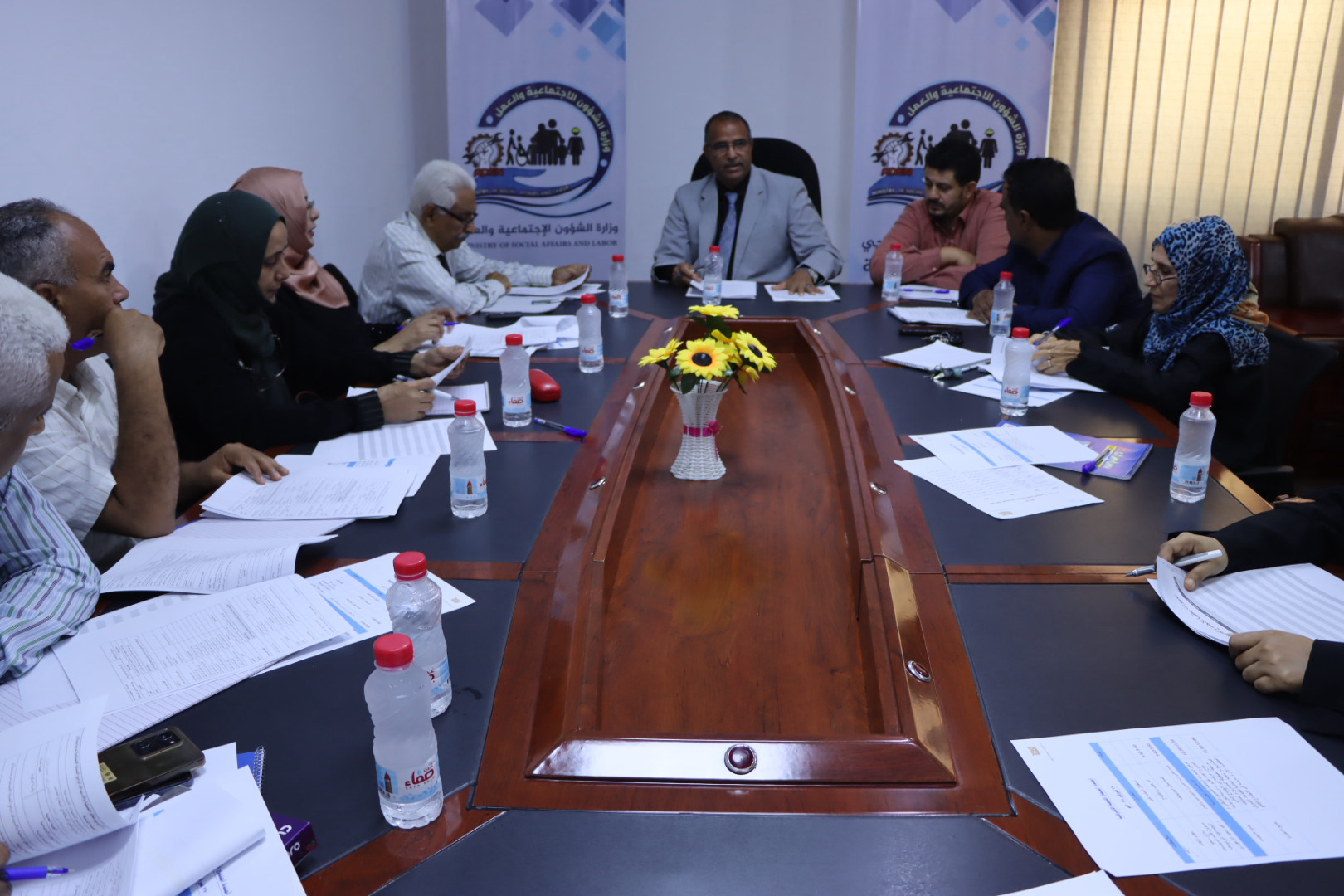
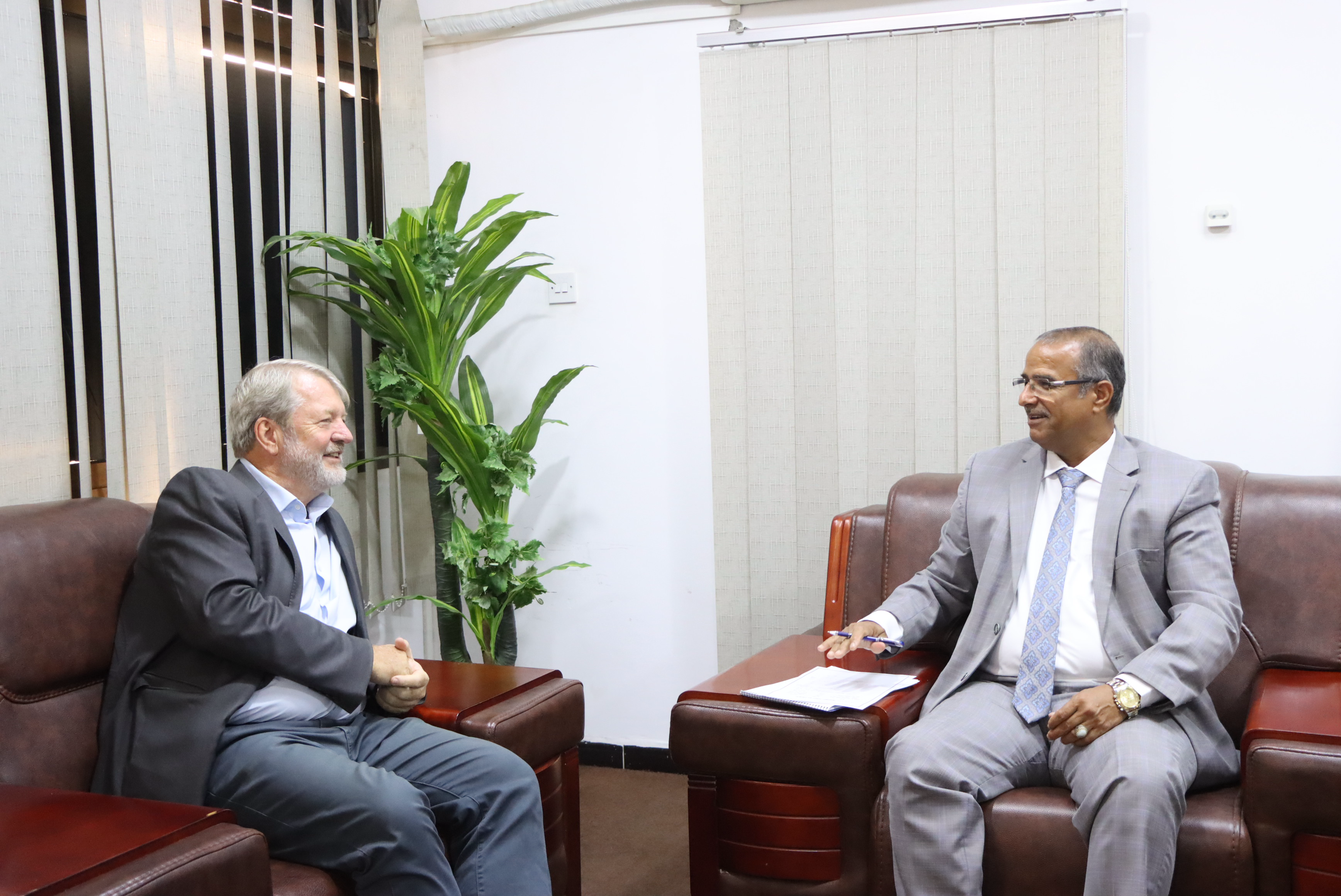
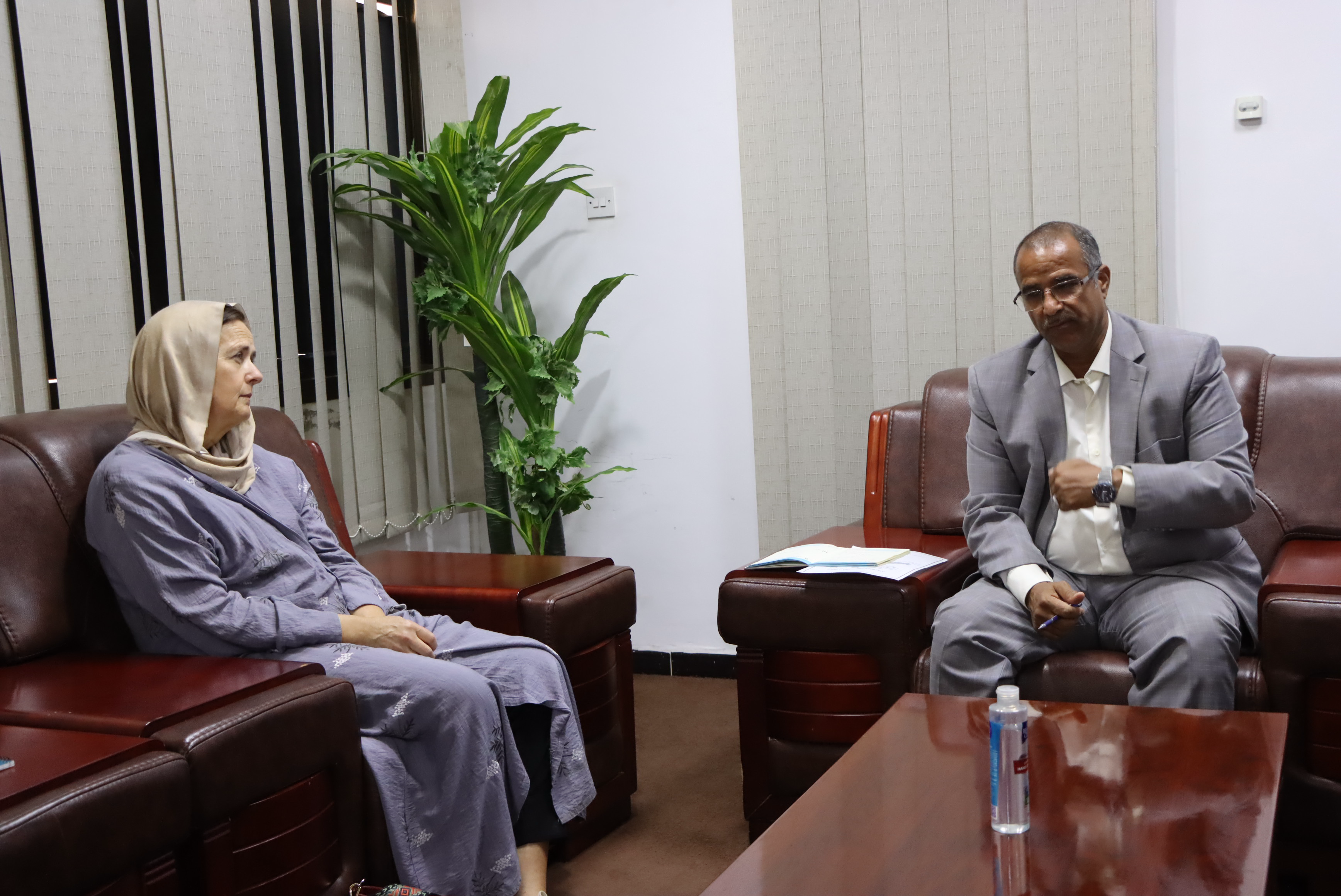
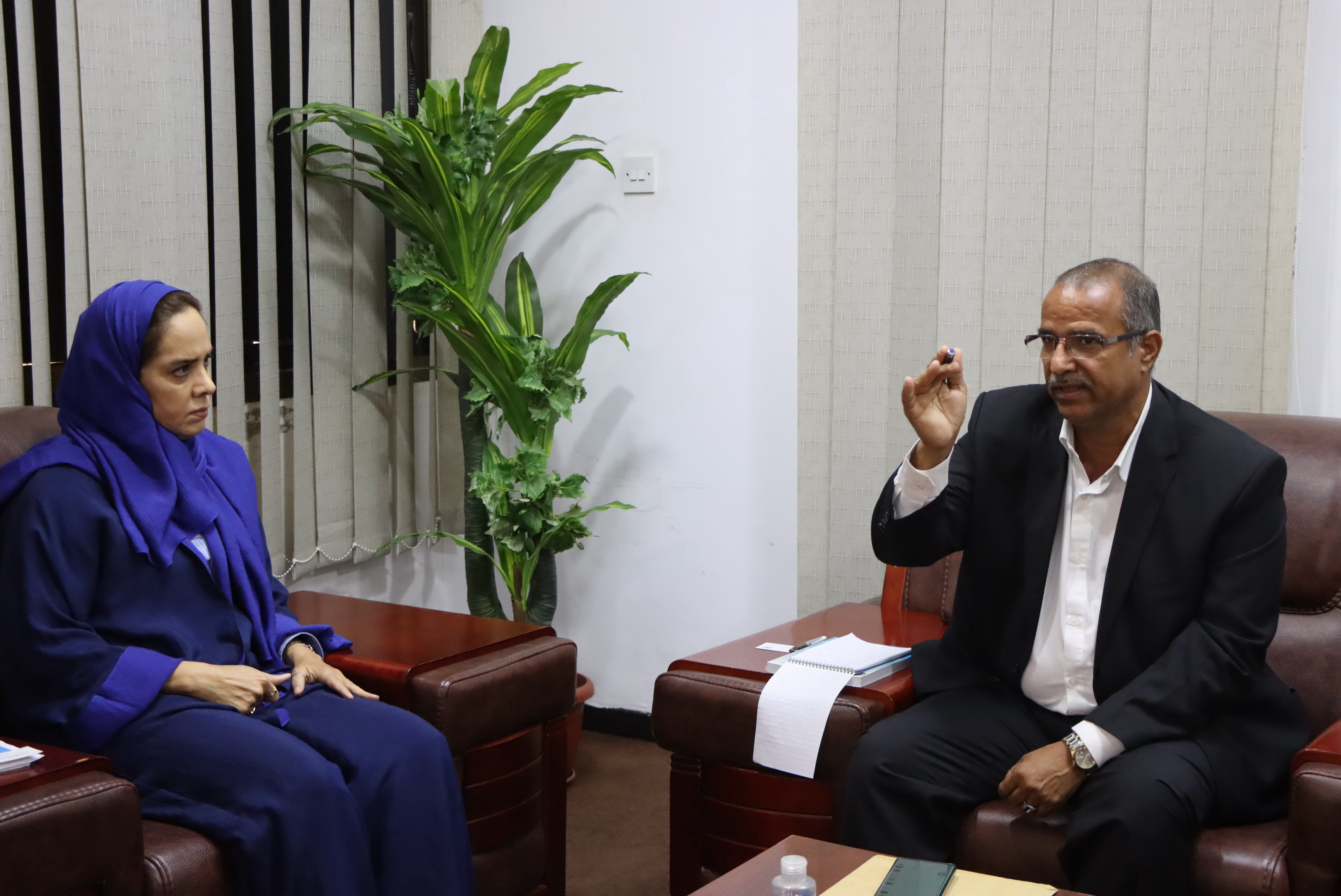
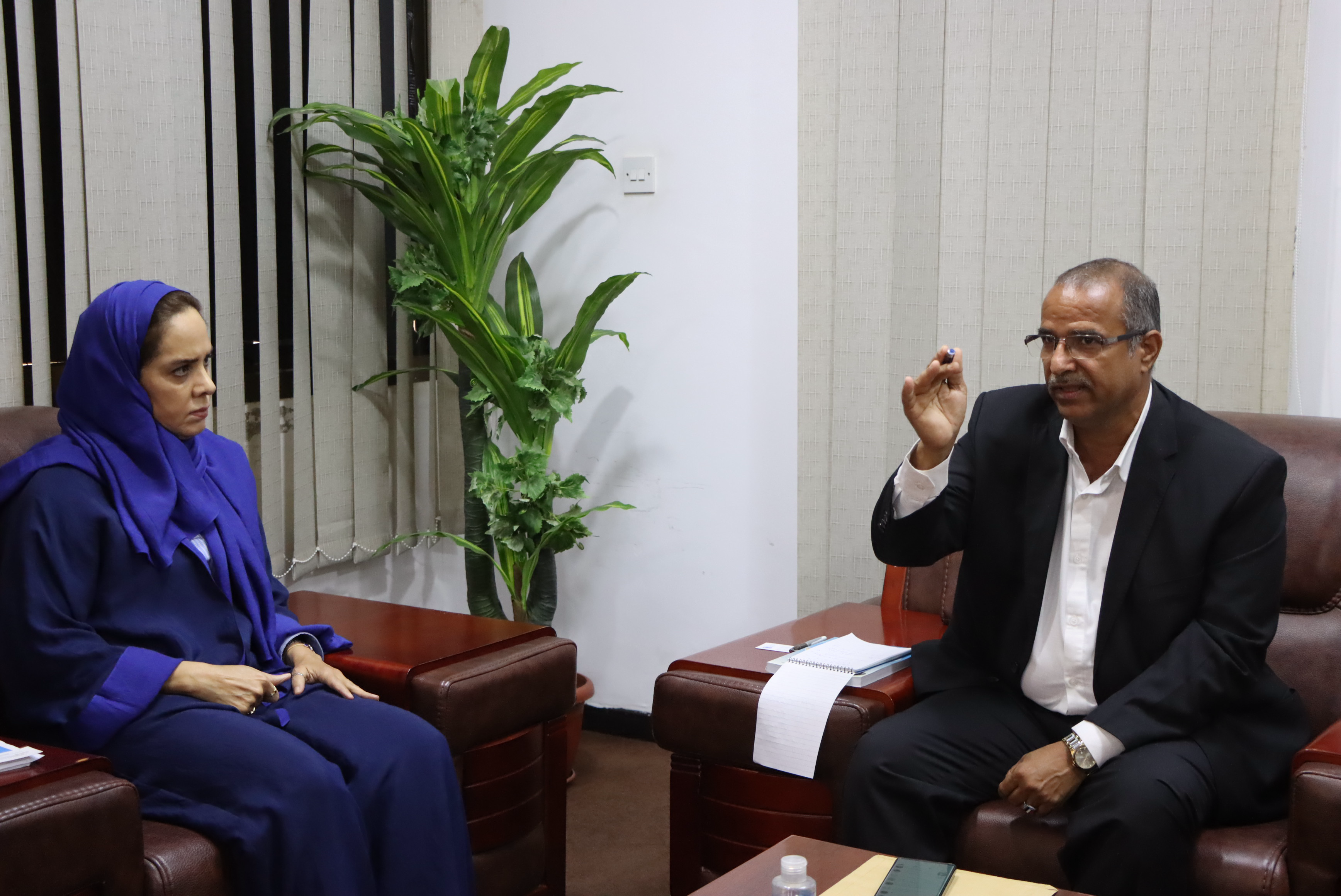
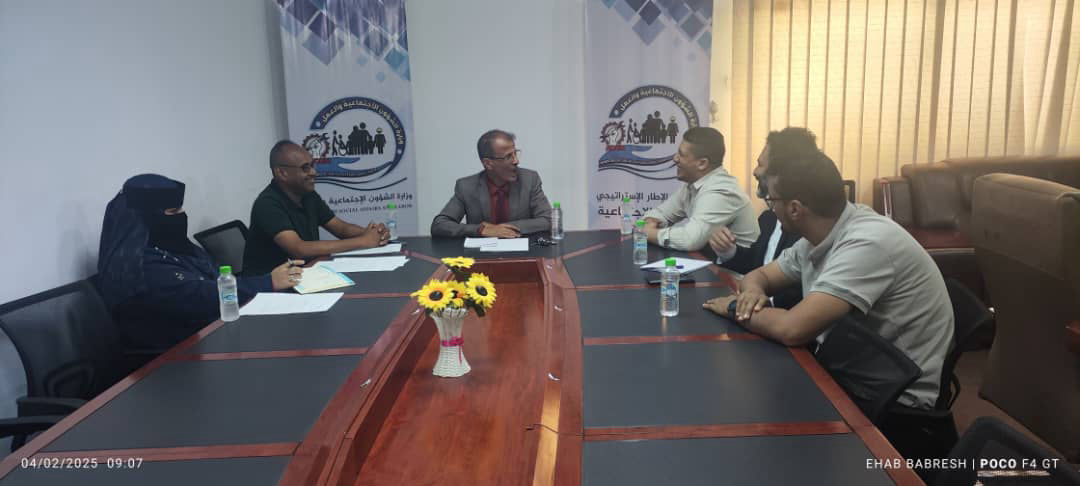
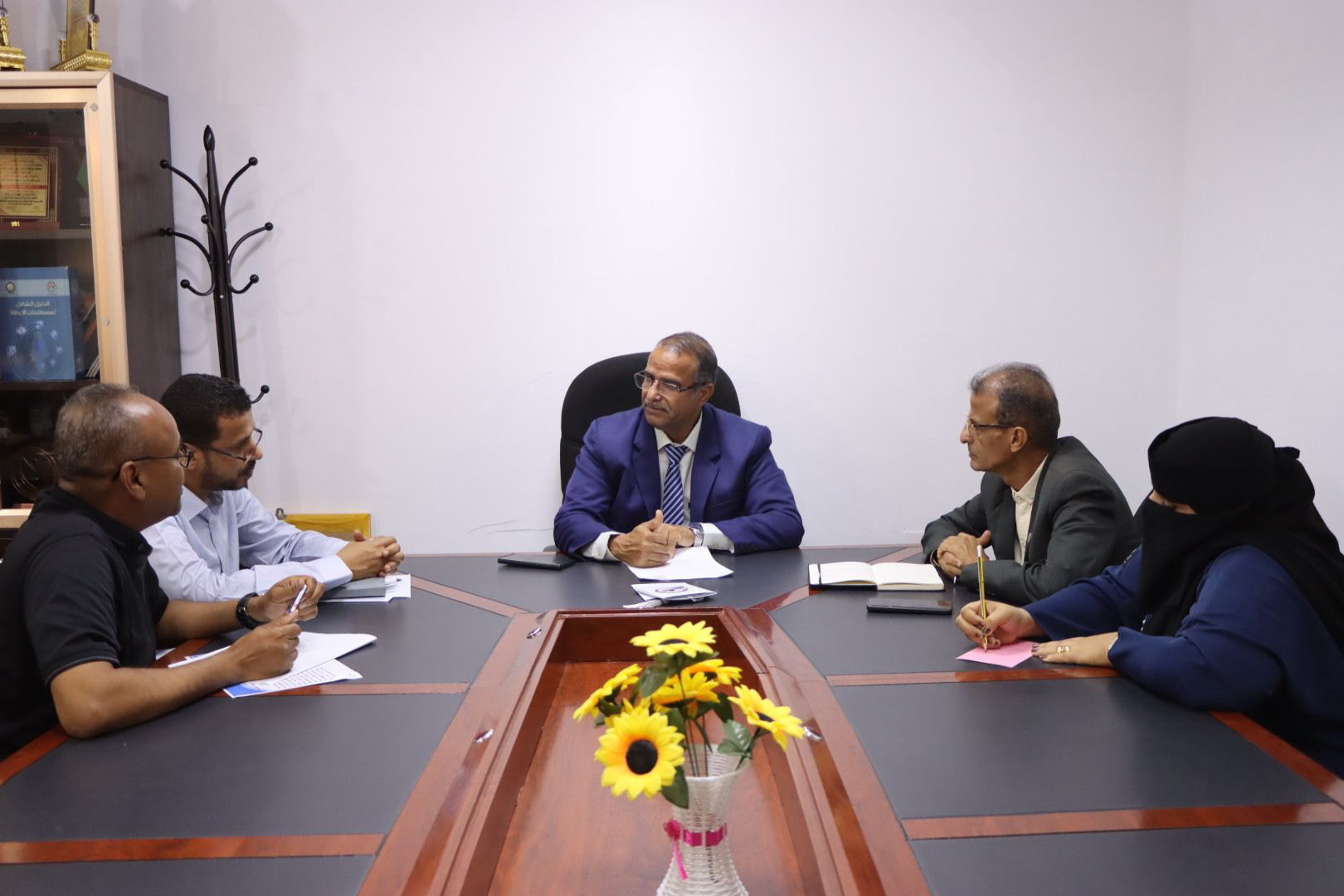
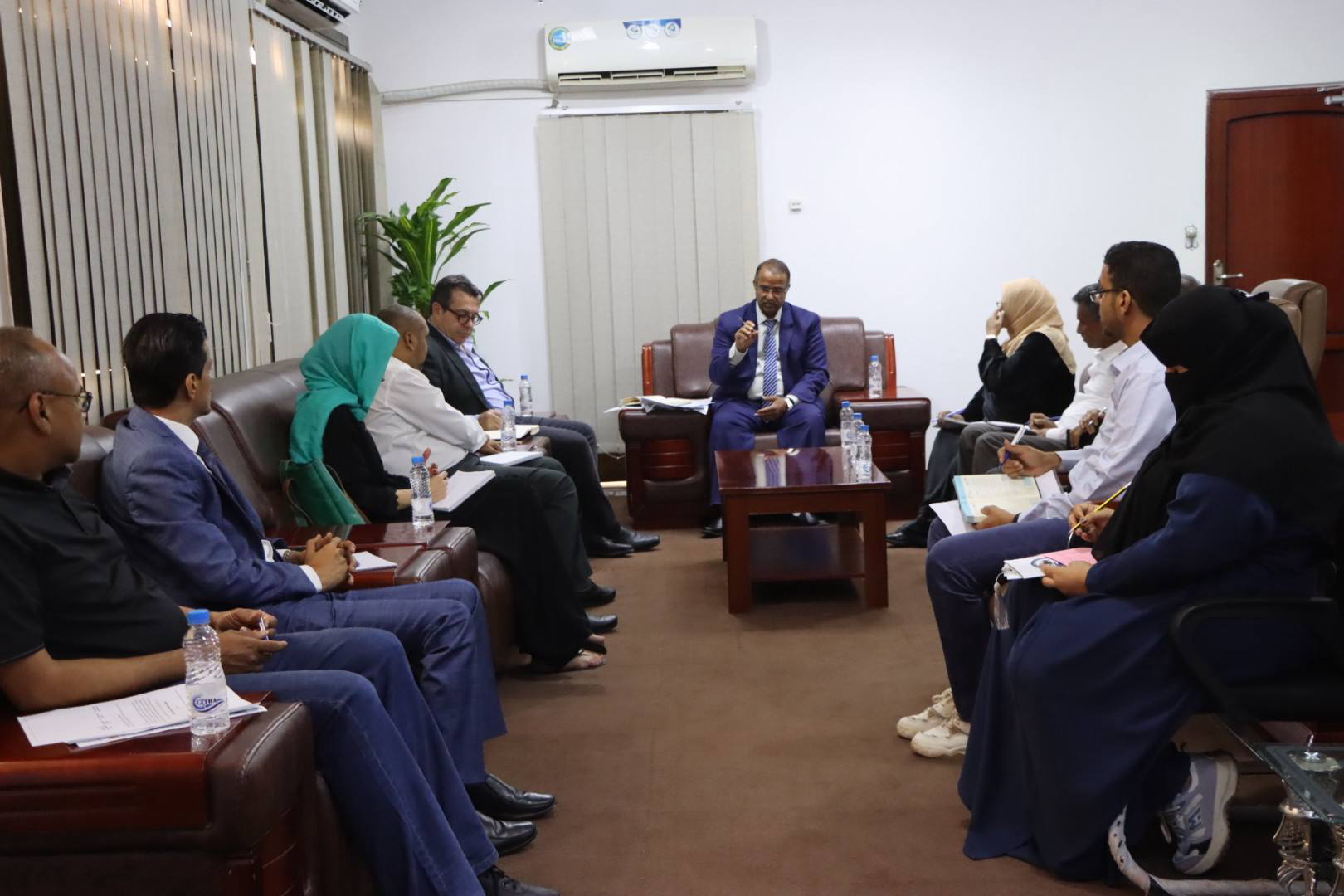
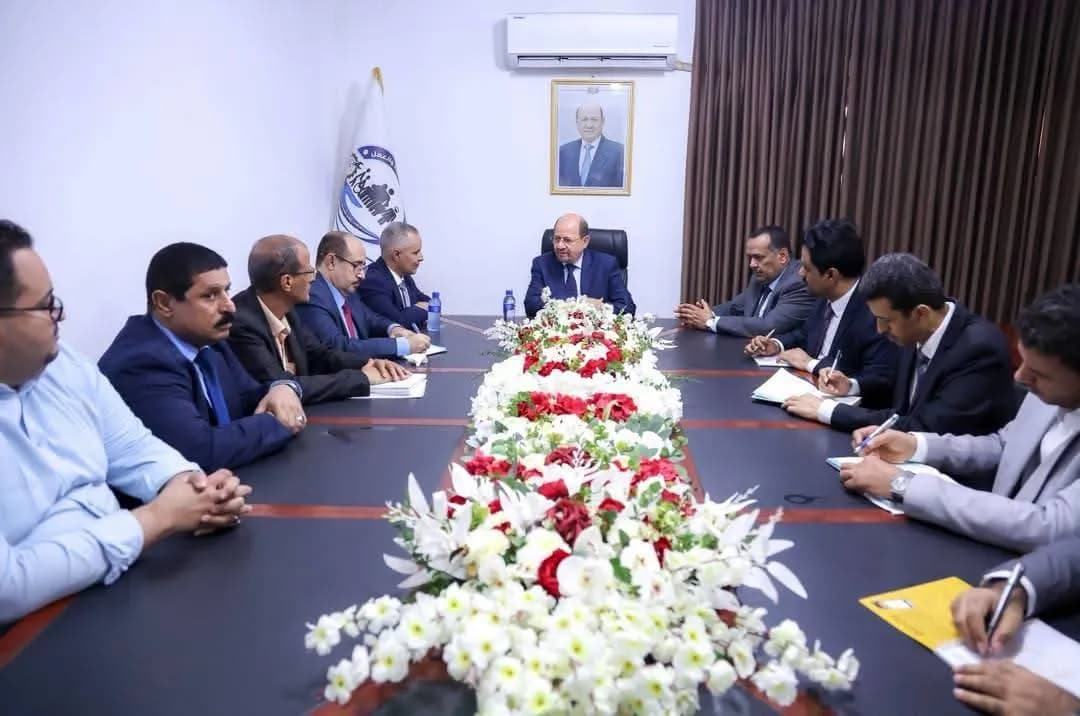
The Prime Minister chaired a meeting with the Ministry's leadership to discuss priorities for the next phase, plans to improve institutional performance and service delivery, the challenges facing the Ministry in implementing its mandate, and proposed solutions to overcome them.
Addressing the meeting, Dr. Al-Zindani highlighted the Ministry's broad responsibilities, which directly affect citizens, trade unions, civil society organizations, associations, and vulnerable groups. He stressed that these responsibilities require intensified efforts and a strong spirit of teamwork. He reaffirmed the Government's full support for the Ministry in enabling it to implement its programmes and fulfill its mandate, recognizing it as a key partner in strengthening social protection and promoting social stability.
The Prime Minister emphasized that the Government is moving forward with a comprehensive reform programme aimed at rebuilding state institutions on the foundations of efficiency, integrity, and the rule of law, while addressing the structural weaknesses and irregularities that have undermined institutional performance in recent years. He noted that the Government has entered a new phase focused on institutional development and has established a High Committee for Institutional Reform to address longstanding deficiencies. He underscored that the practices and irregularities of the past would no longer be tolerated, and that success would be measured by adherence to the law, competence, transparency, and accountability.
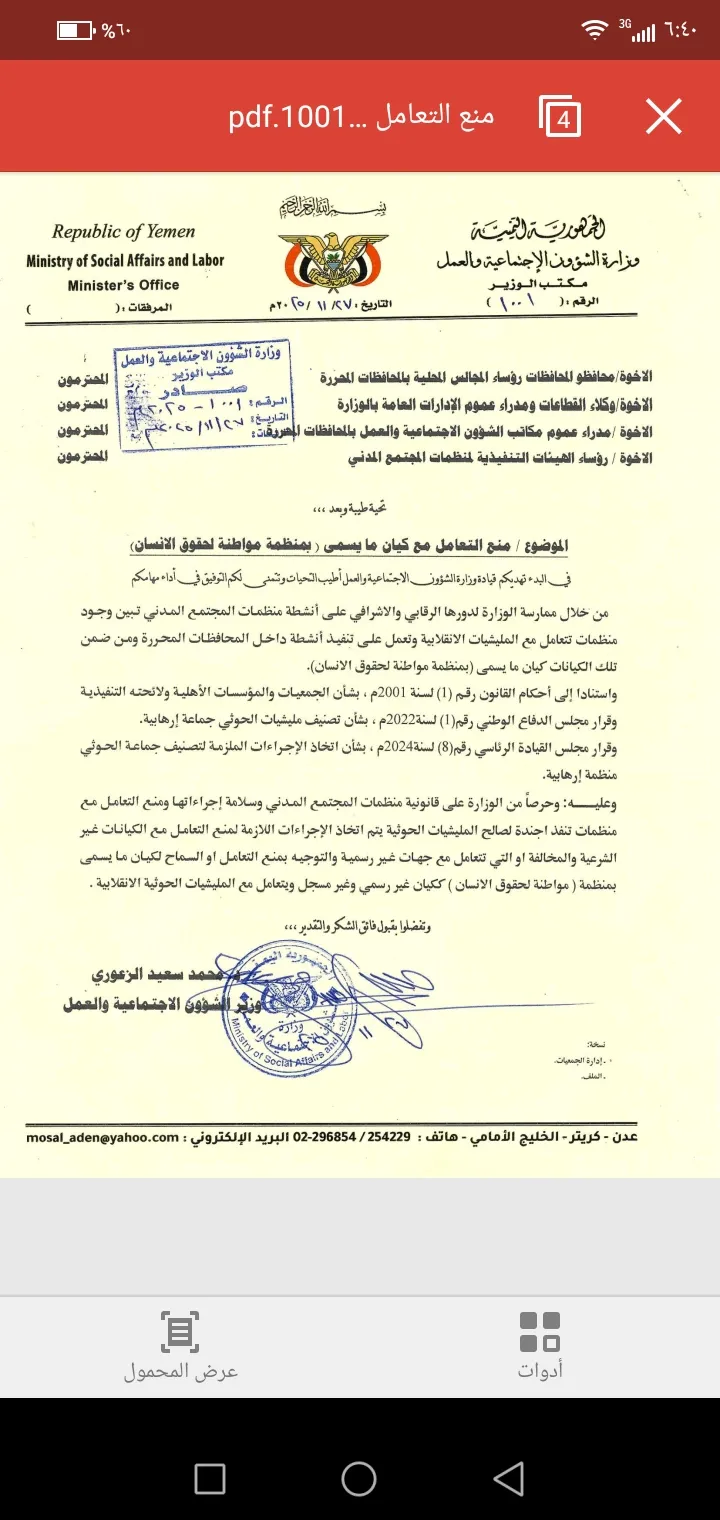
Dr. Al-Zindani further stated that citizens' legitimate demands for their rights and improved living conditions are recognized by the Government, which is committed to addressing them within available resources. However, he stressed that such issues should not be exploited for political purposes or in ways that undermine the public interest. He affirmed that the responsibility of all state institutions is to serve the nation and its citizens above all other considerations.
The Prime Minister directed the Ministry of Social Affairs and Labour to develop a comprehensive National Social Policy that responds to ongoing economic and social transformations. He also instructed the Ministry to accelerate the legislative reforms necessary to modernize its institutional framework, enabling it to keep pace with emerging challenges and strengthen its developmental and social role.
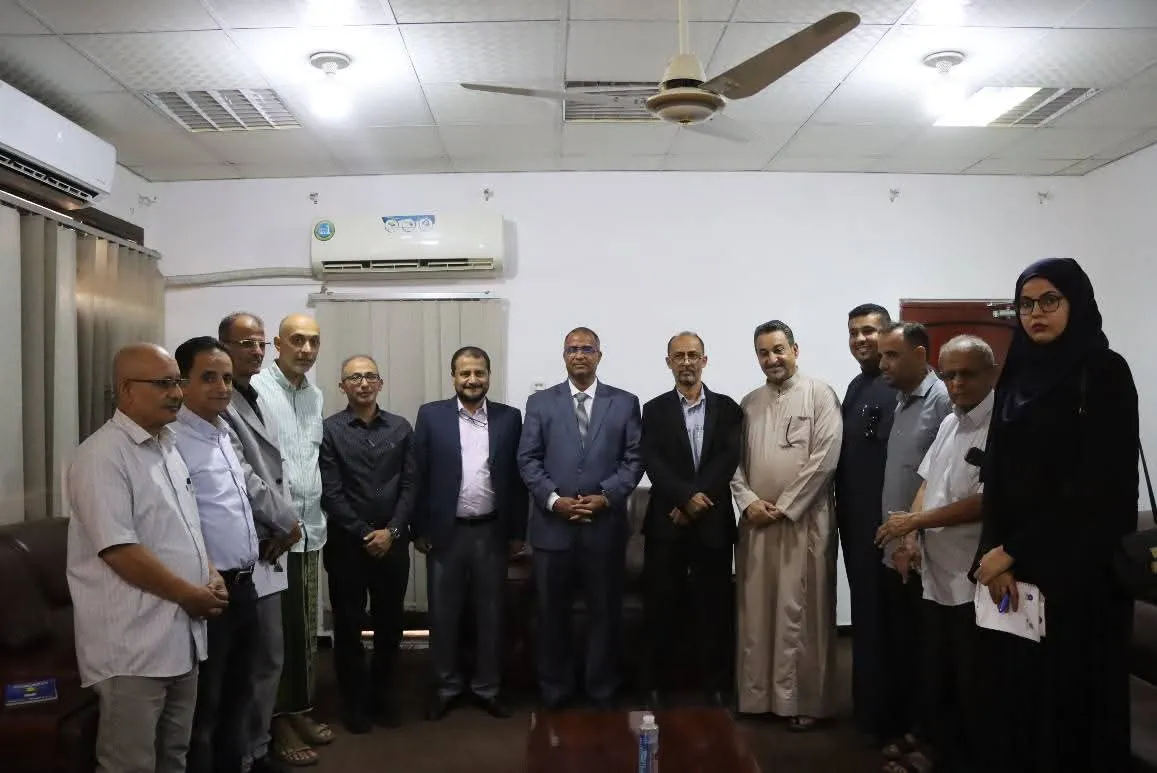
For their part, the Minister of Social Affairs and Labour and the Ministry's leadership expressed their appreciation for the Prime Minister's visit, describing it as a reflection of the Government's commitment to enhancing the Ministry's performance. They affirmed their determination to translate the Prime Minister's directives into a practical roadmap for the Ministry's work during the coming phase.
The Ministry's leadership also presented an overview of its key ongoing initiatives, including its institutional reform programme, the development of a unified digital platform for the Ministry's services linked to its offices across the governorates to simplify procedures and improve operational efficiency, as well as the preparation of a strategic framework for social protection and a National Child Protection Plan.