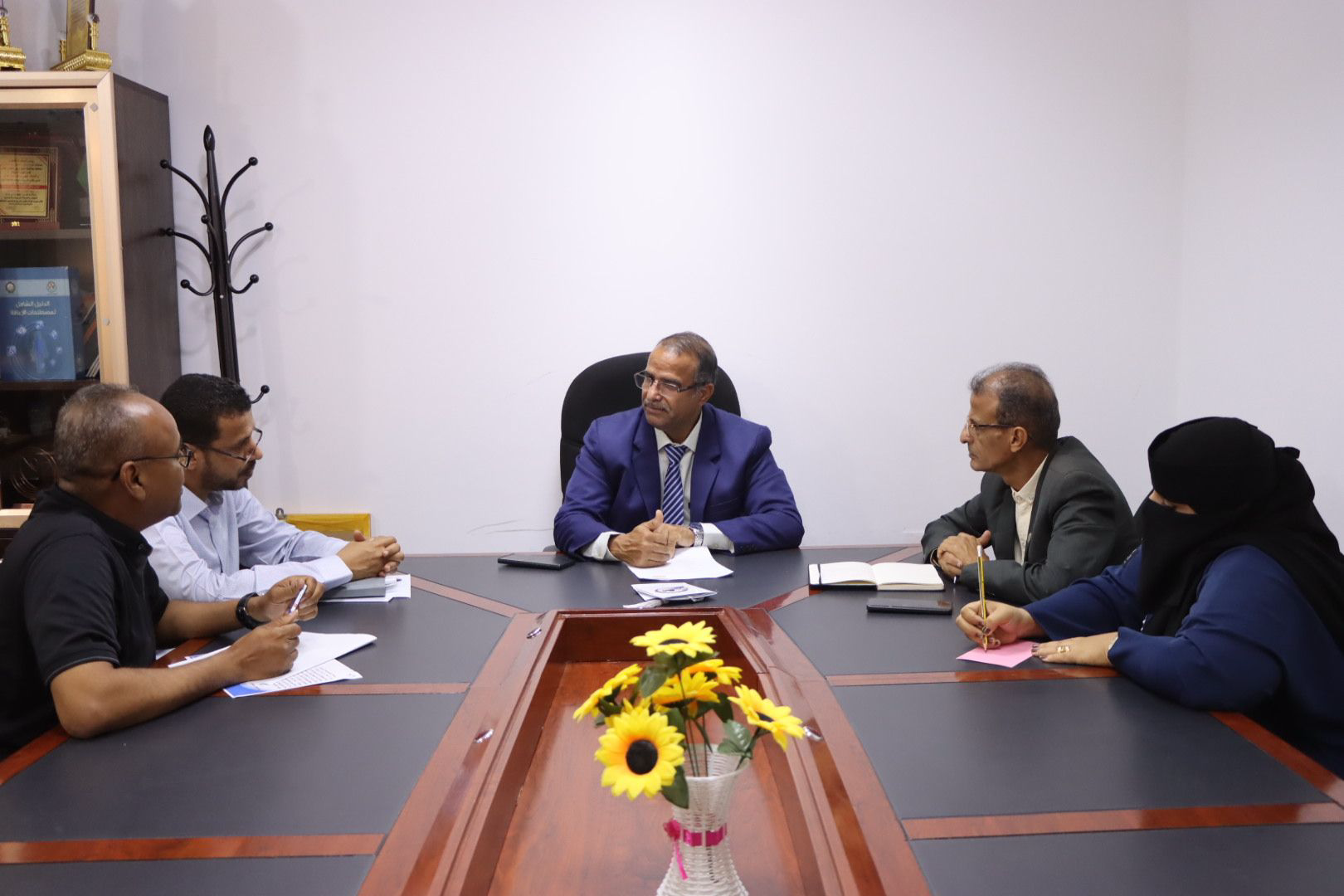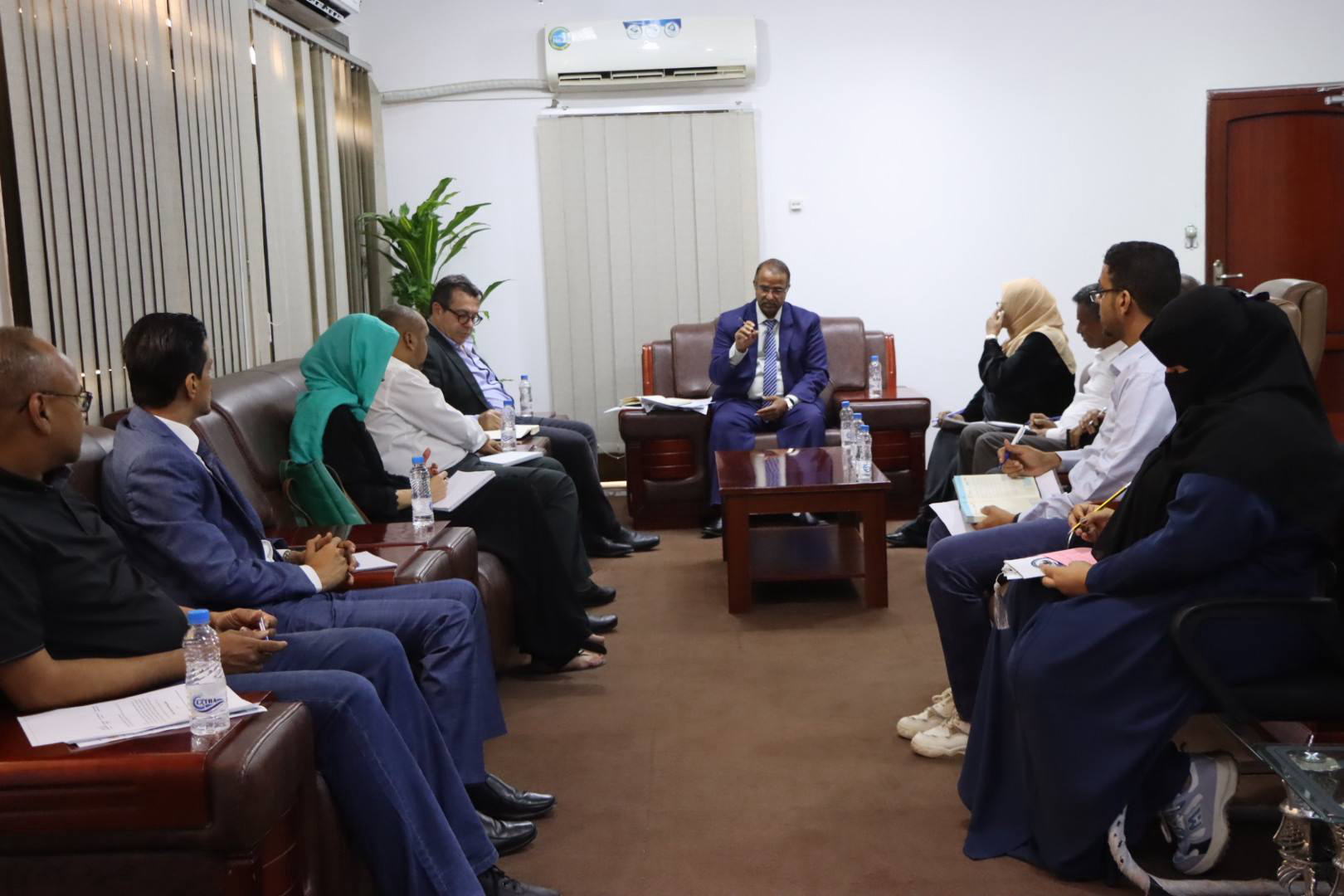

Al-Yafaei and Kalshat Discuss Aligning Training and Qualification Programs with Labor Market Needs
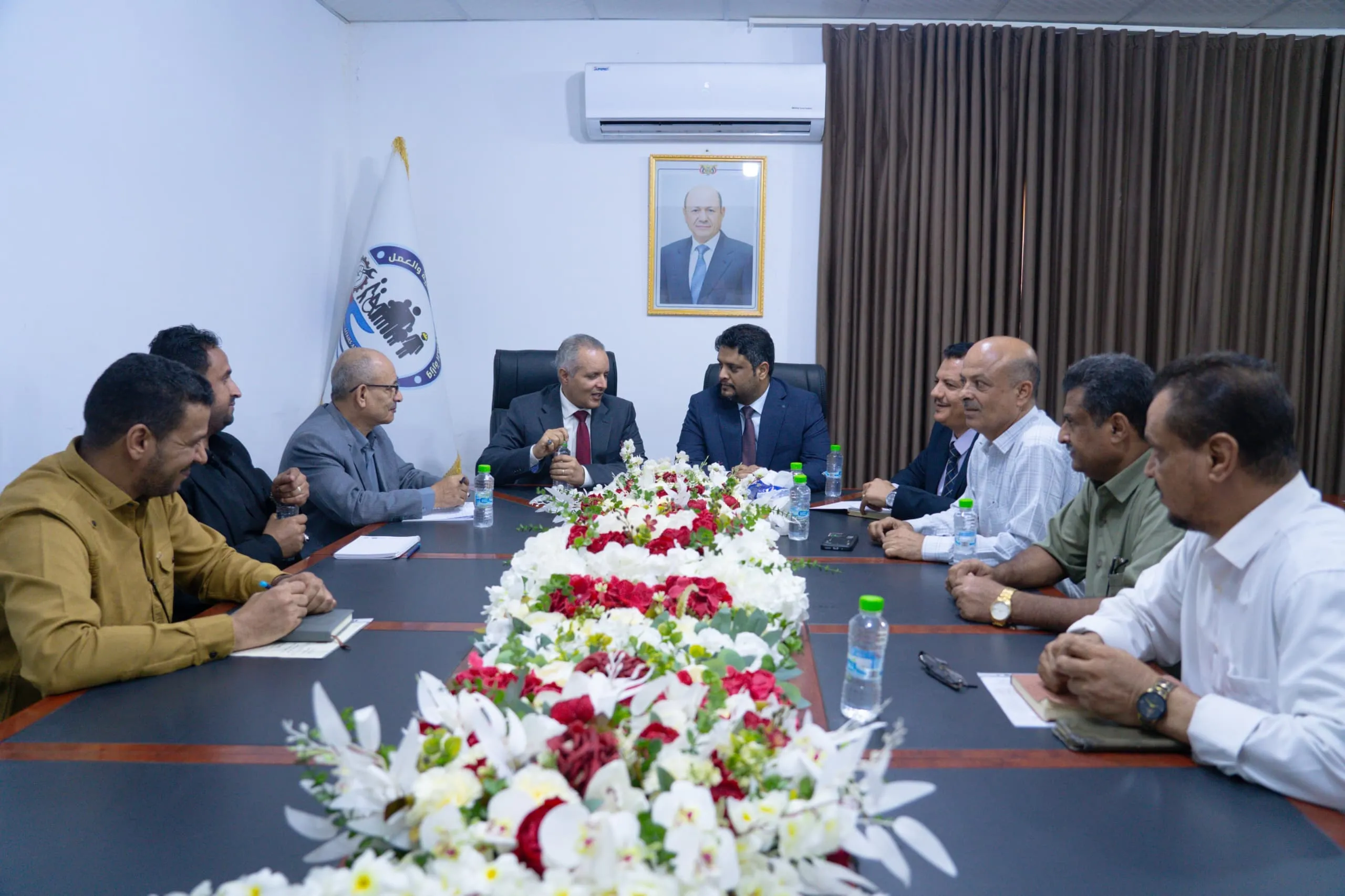
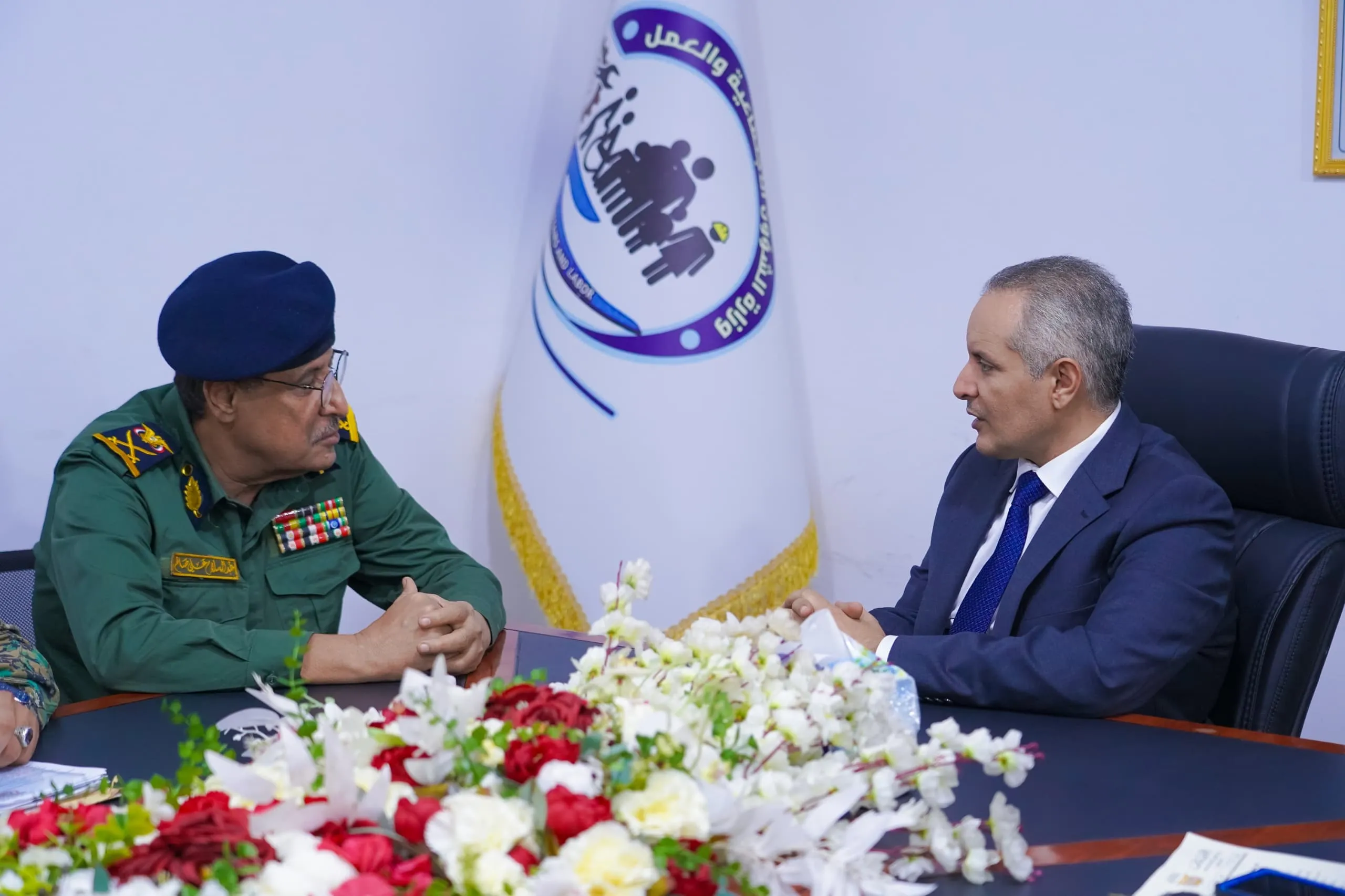
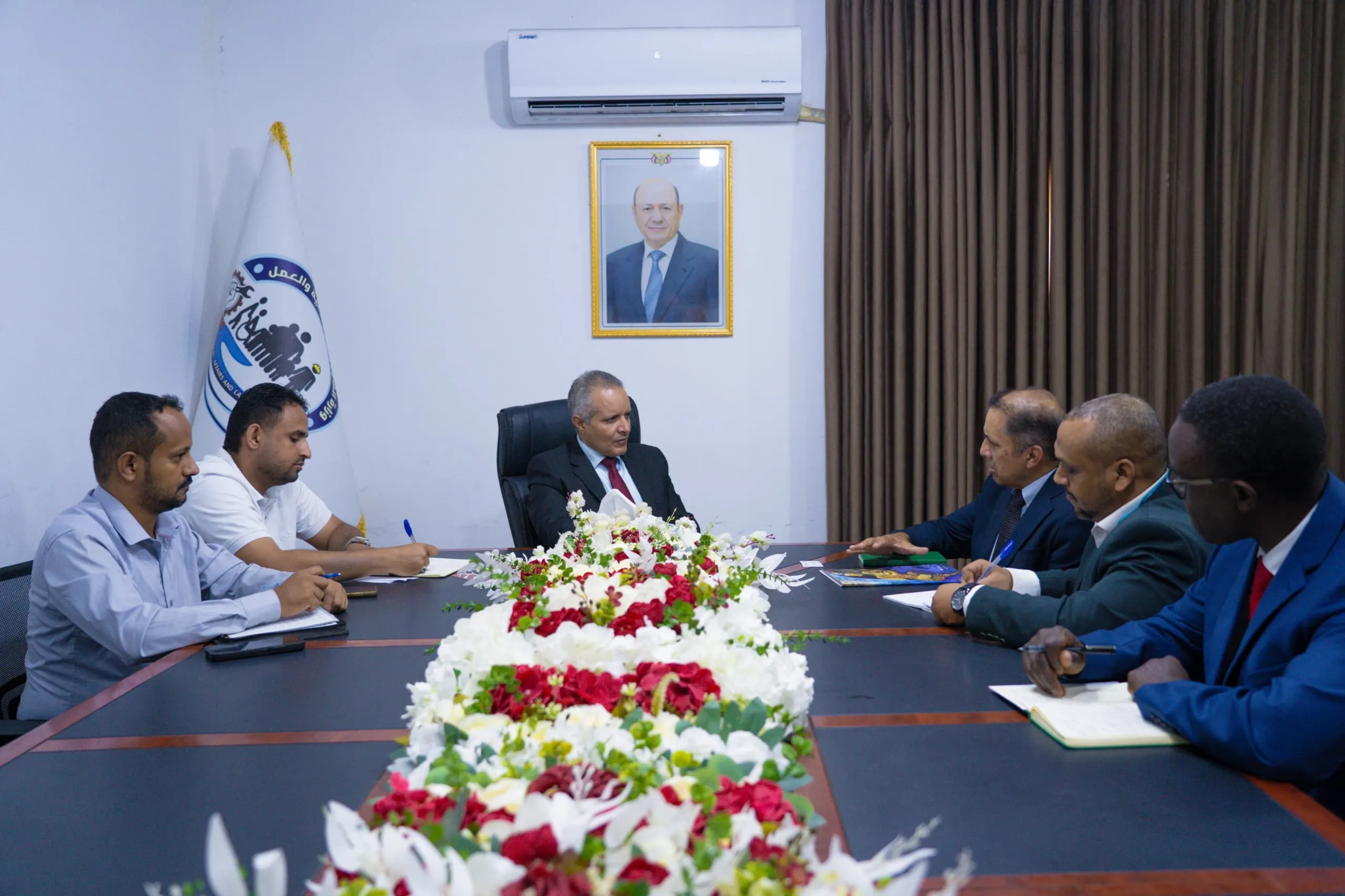
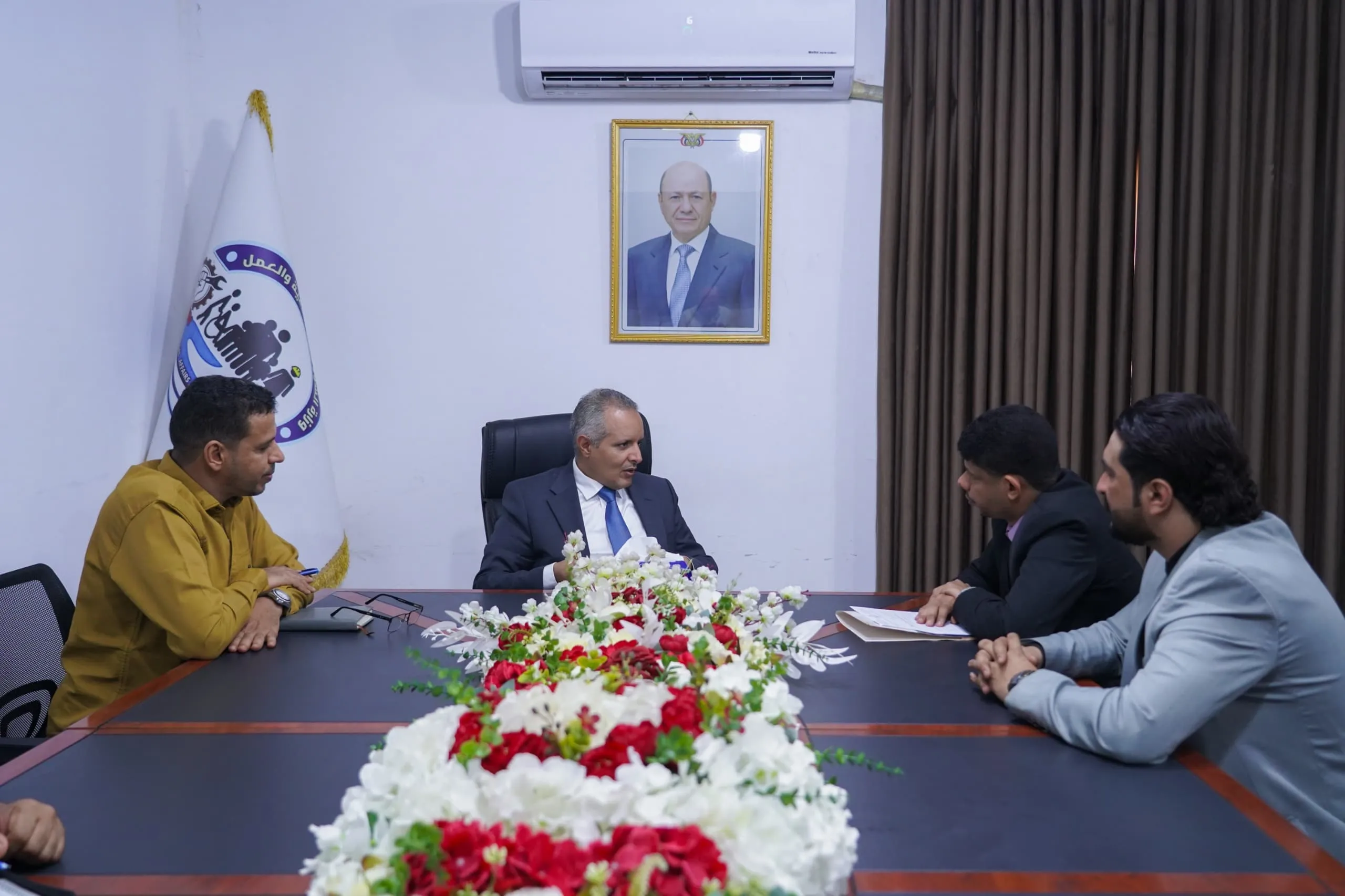
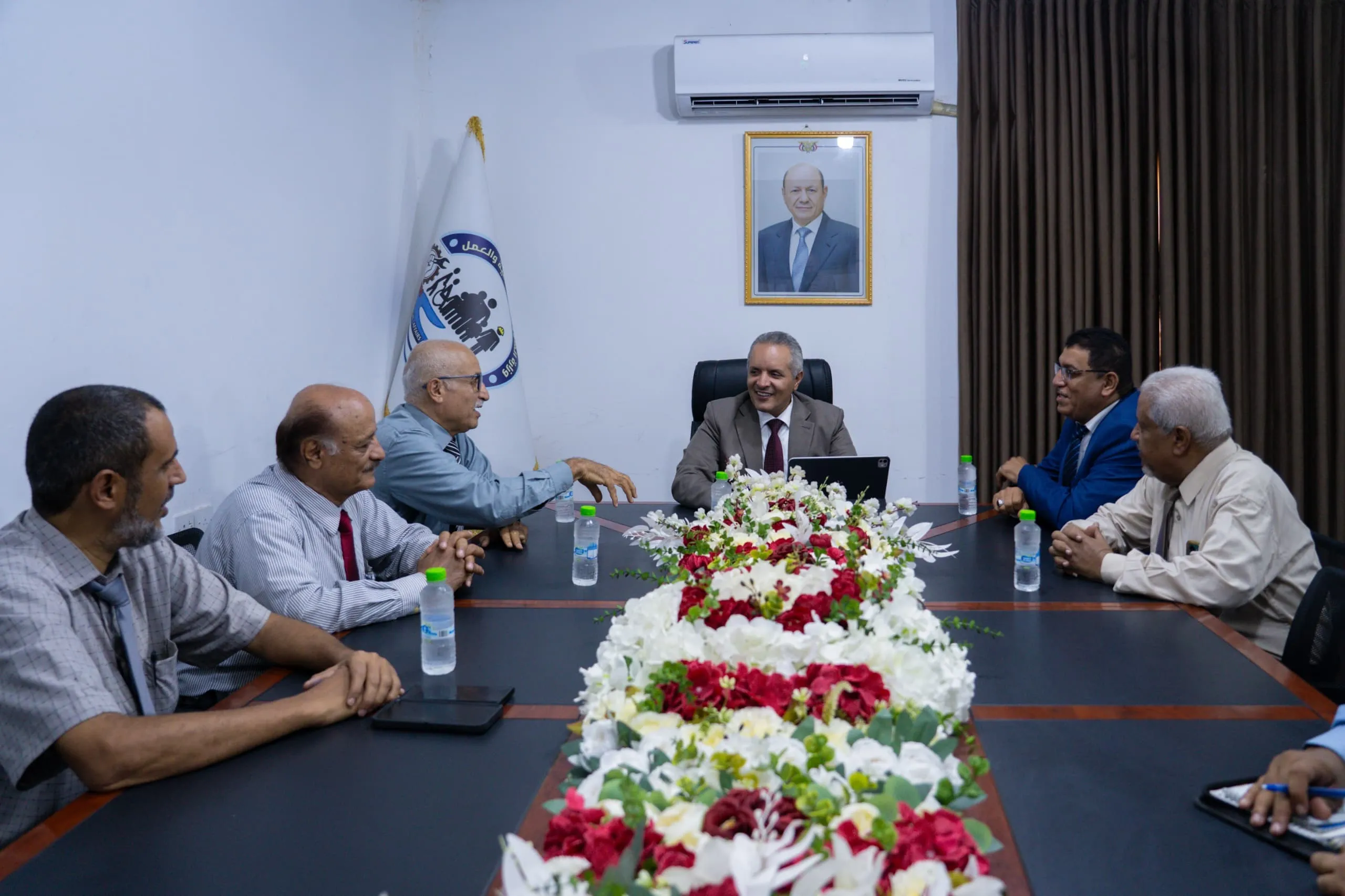
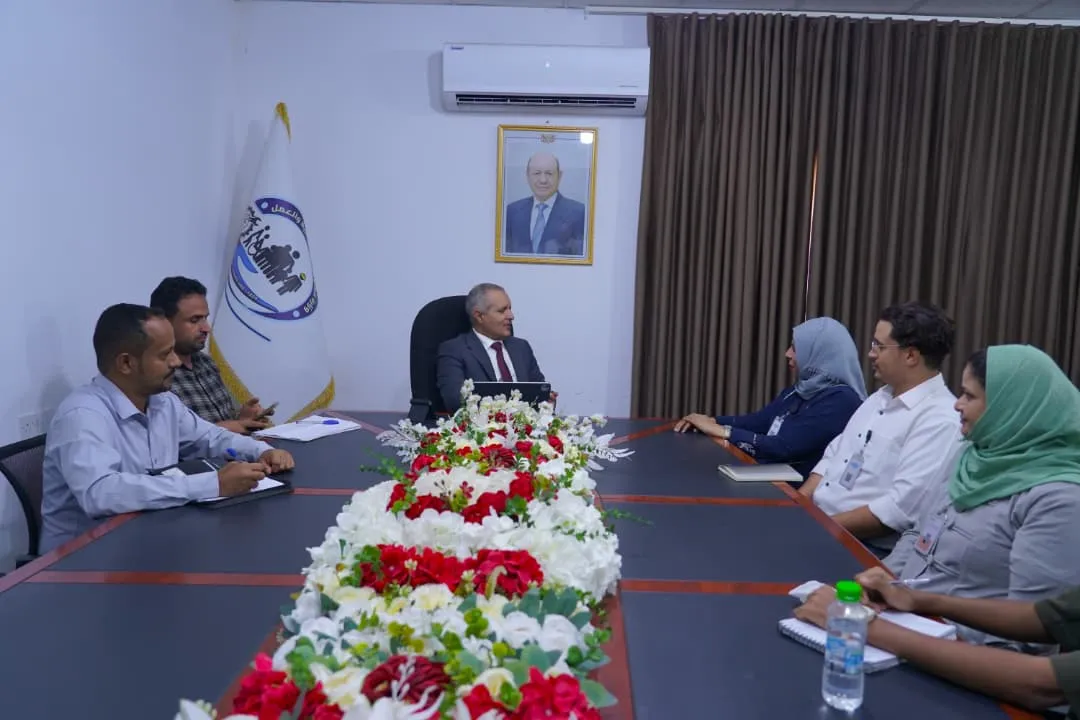
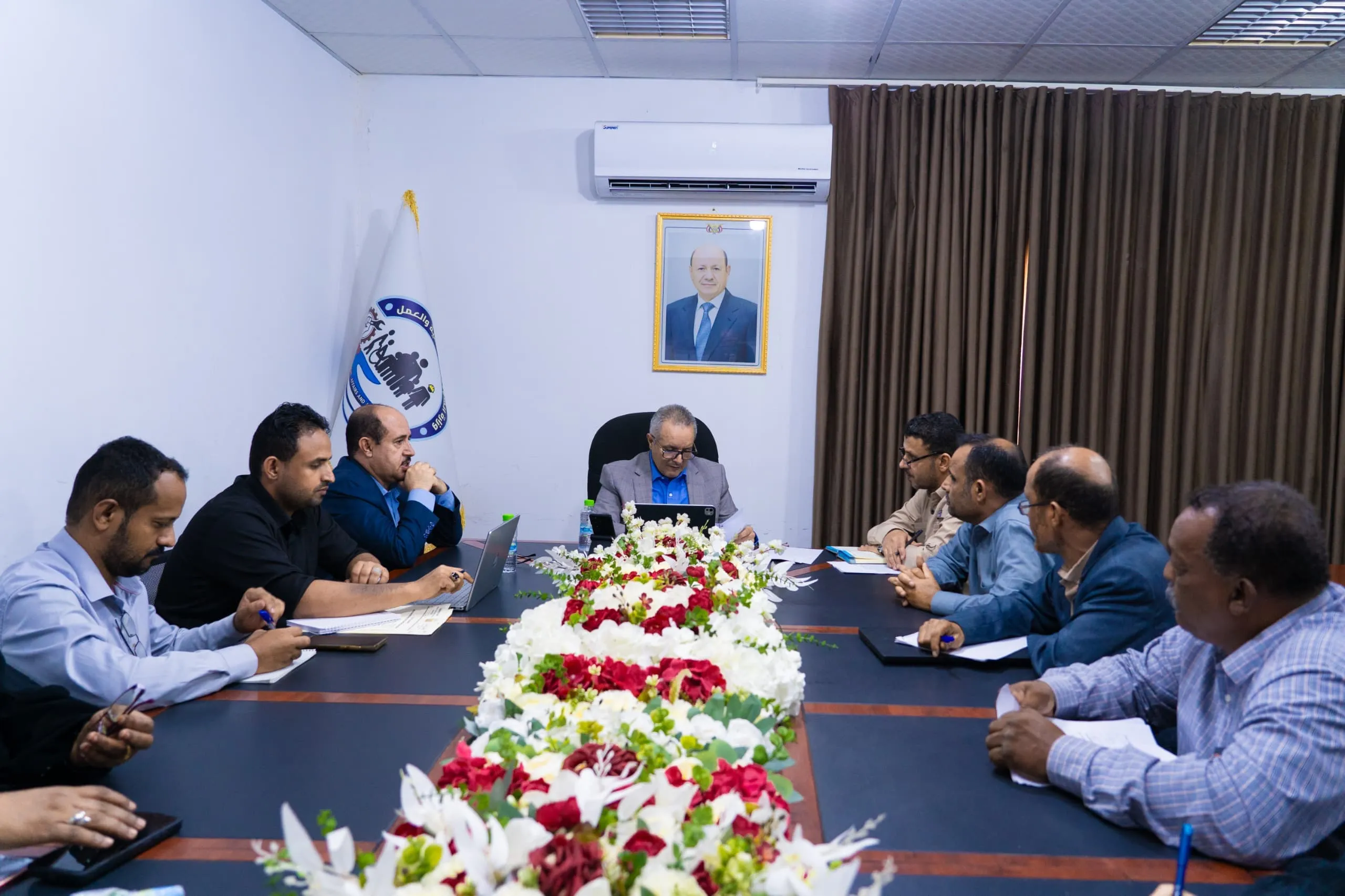
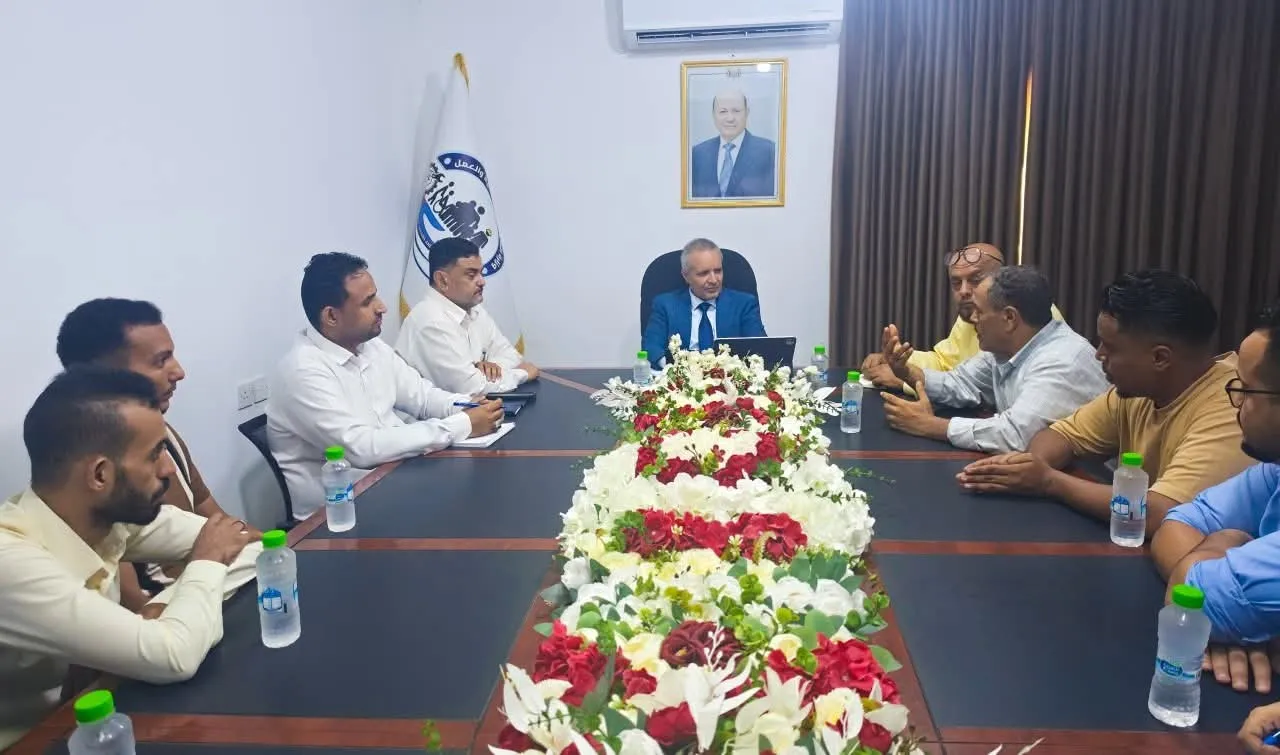
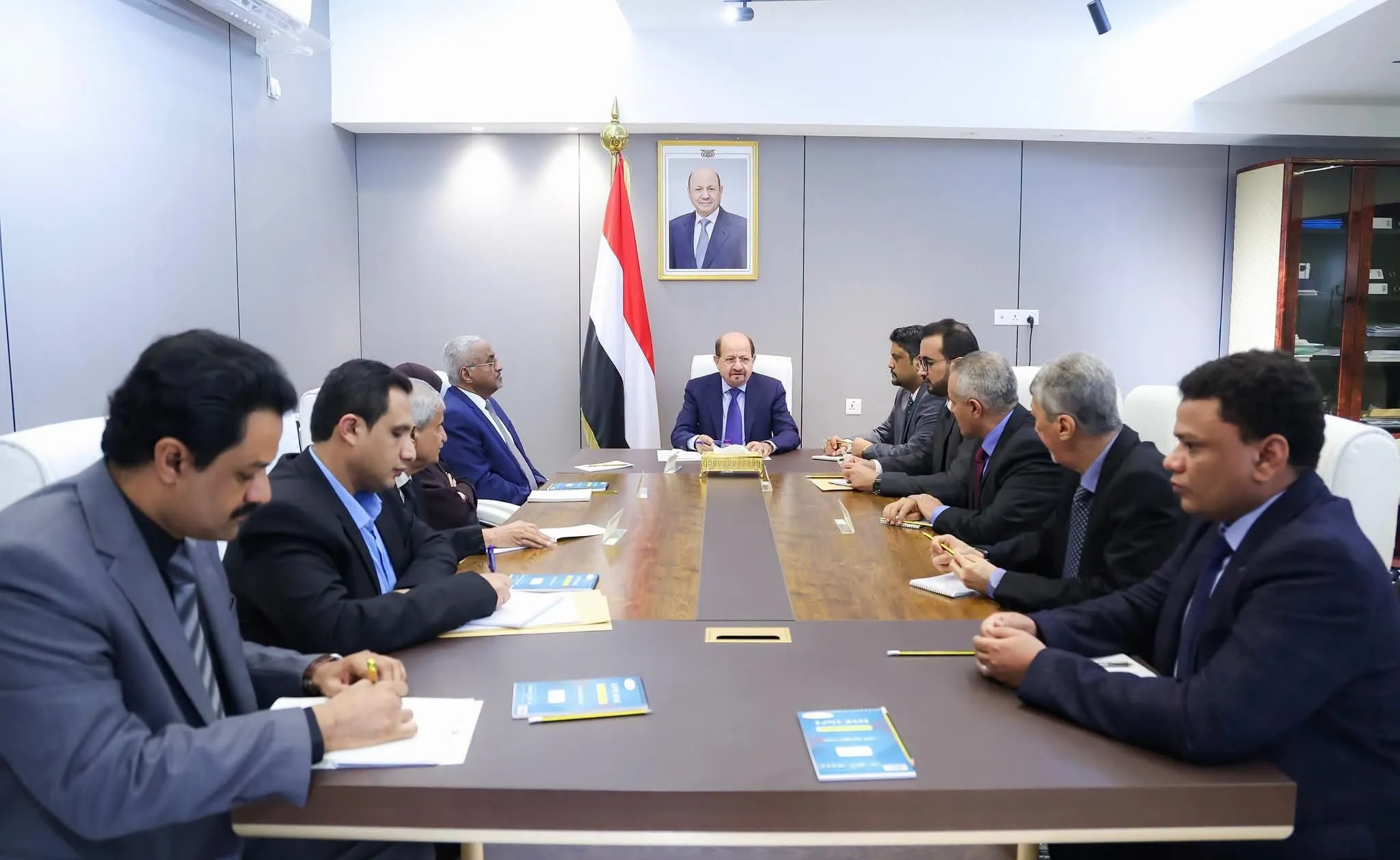
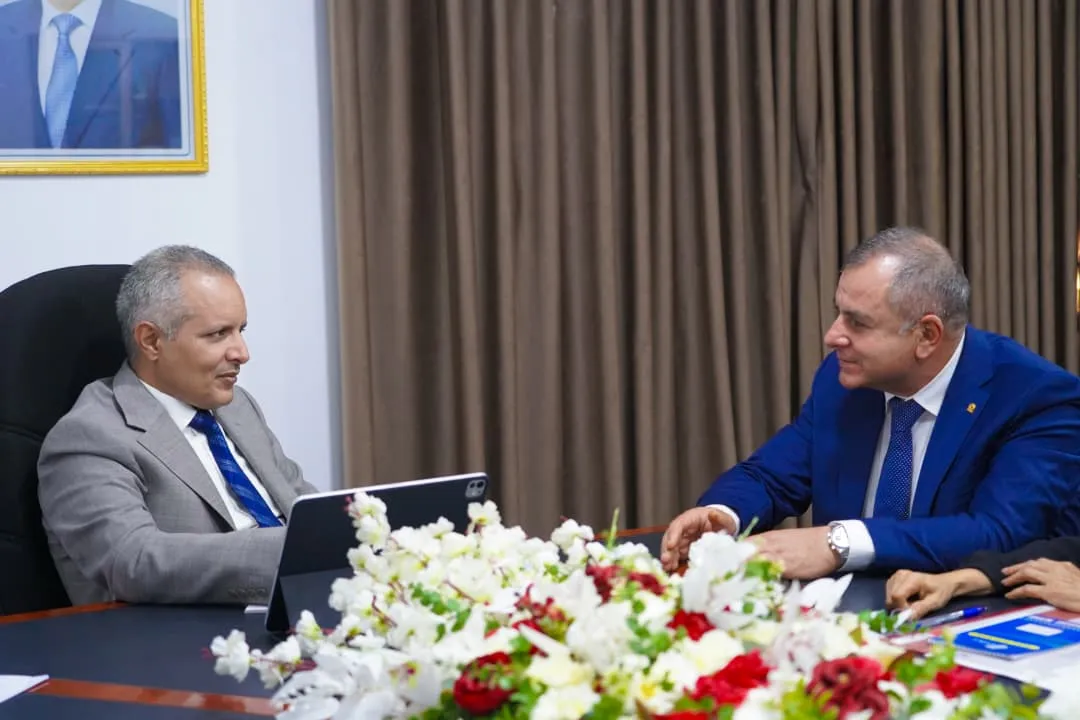
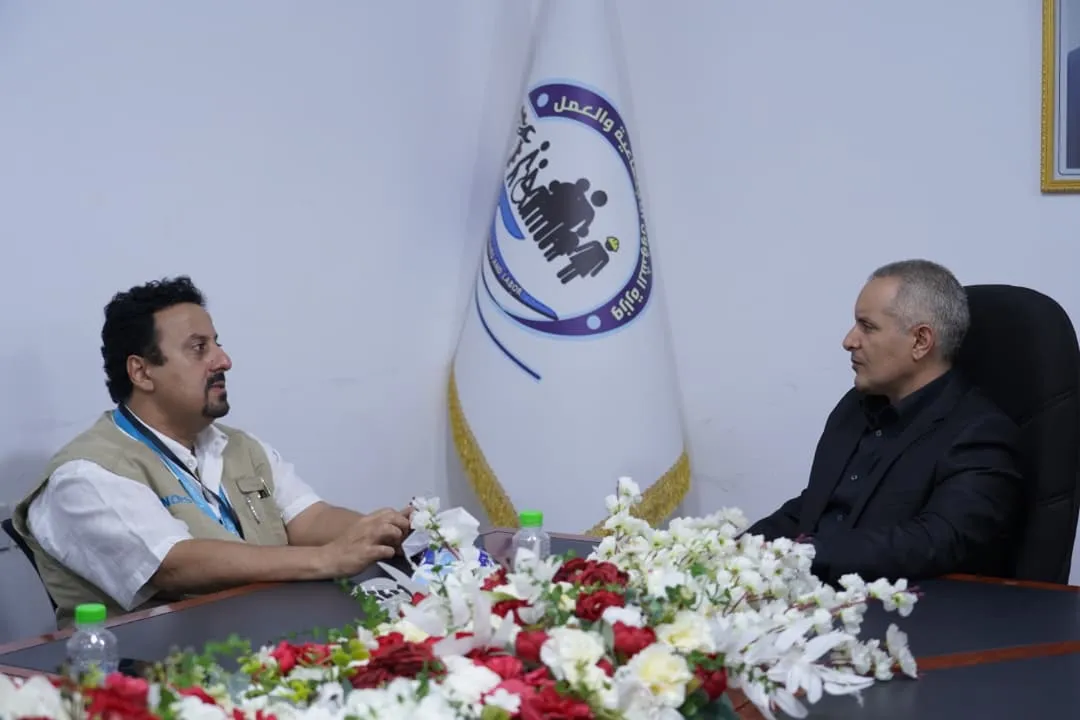
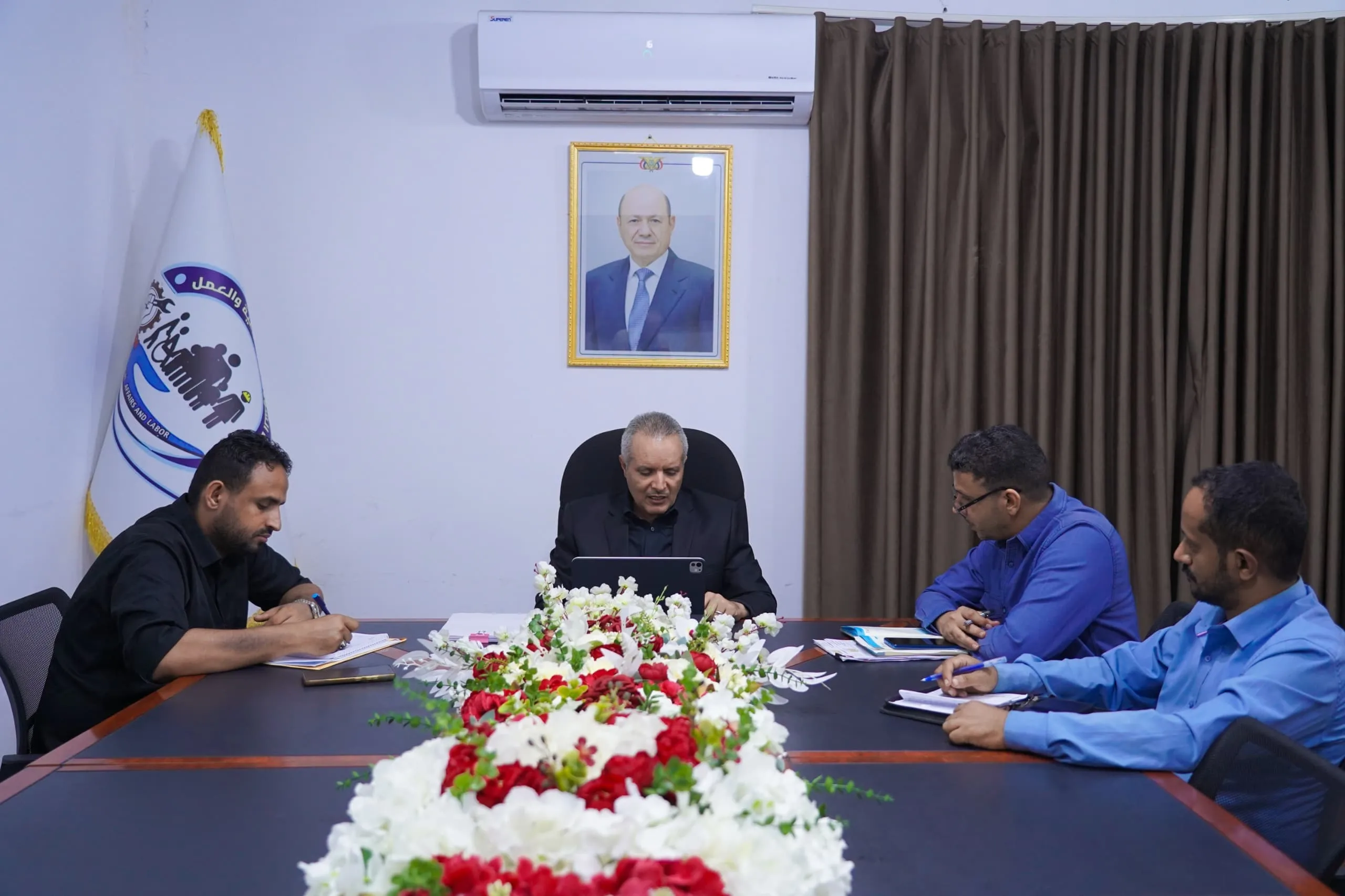
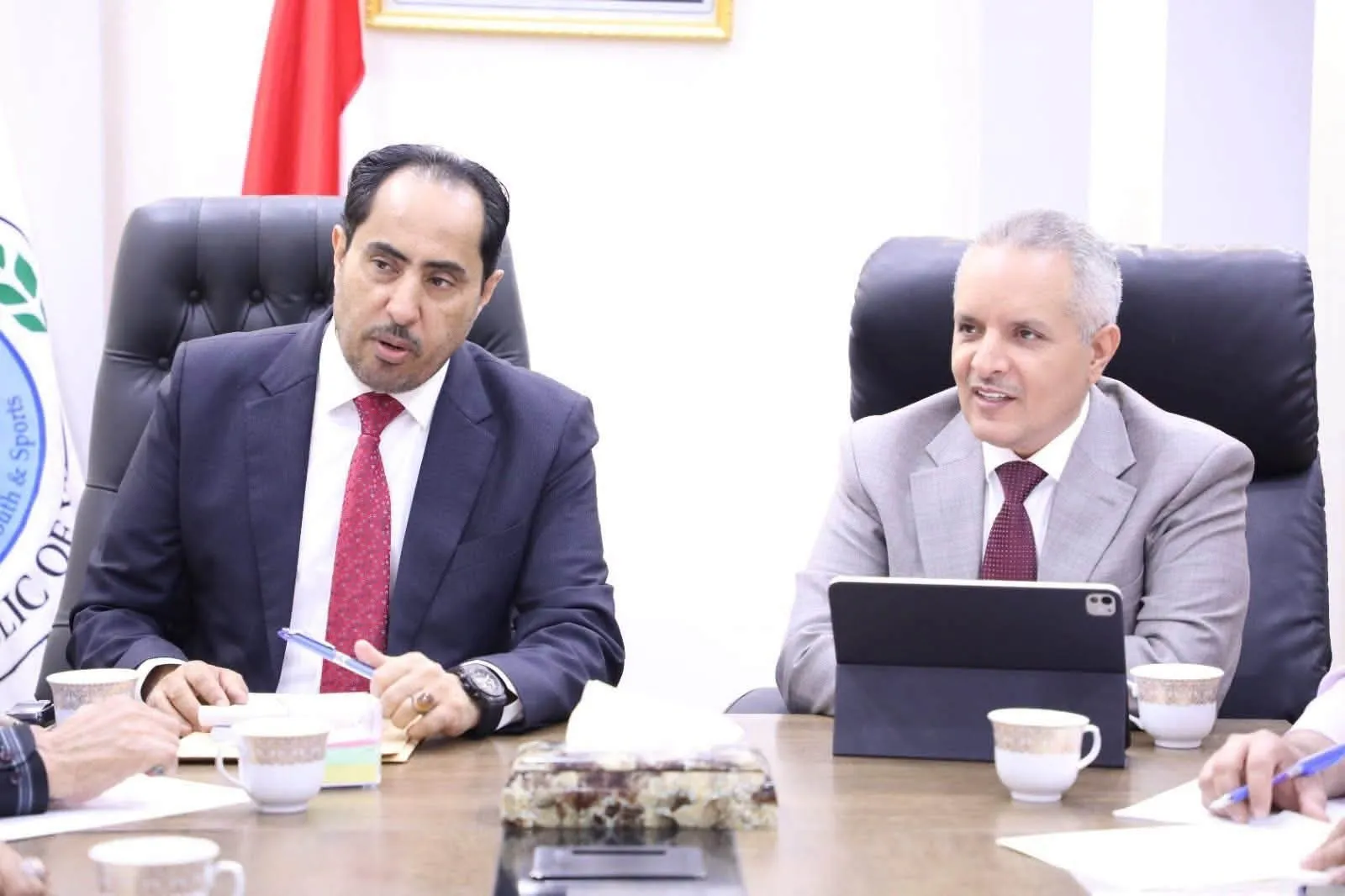
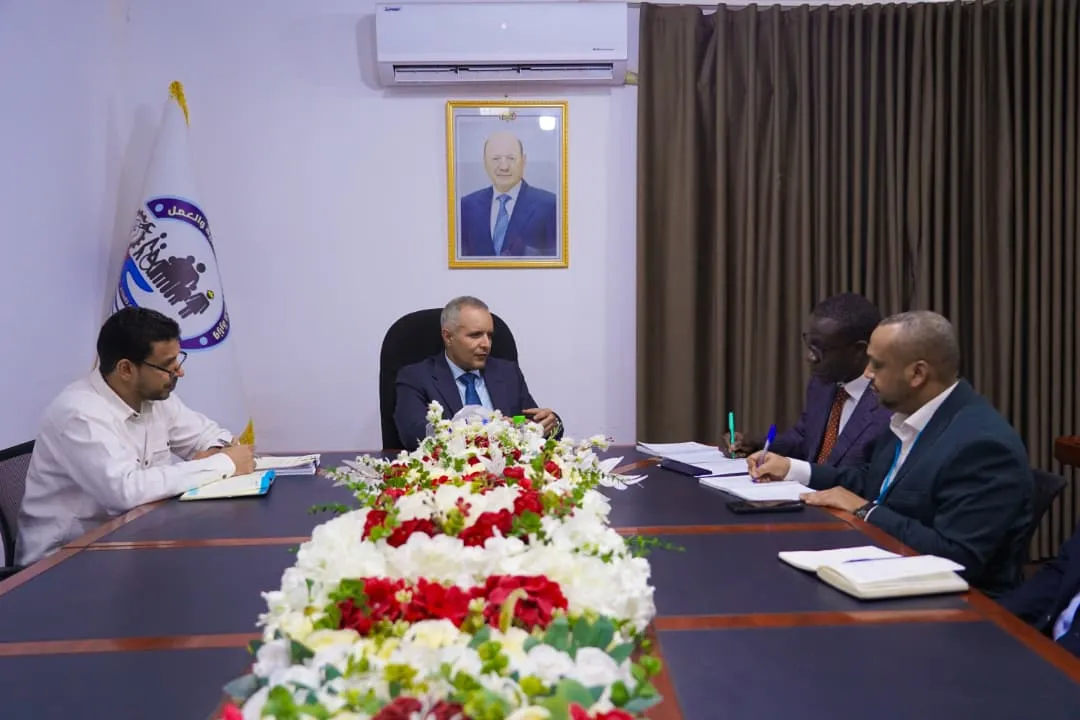
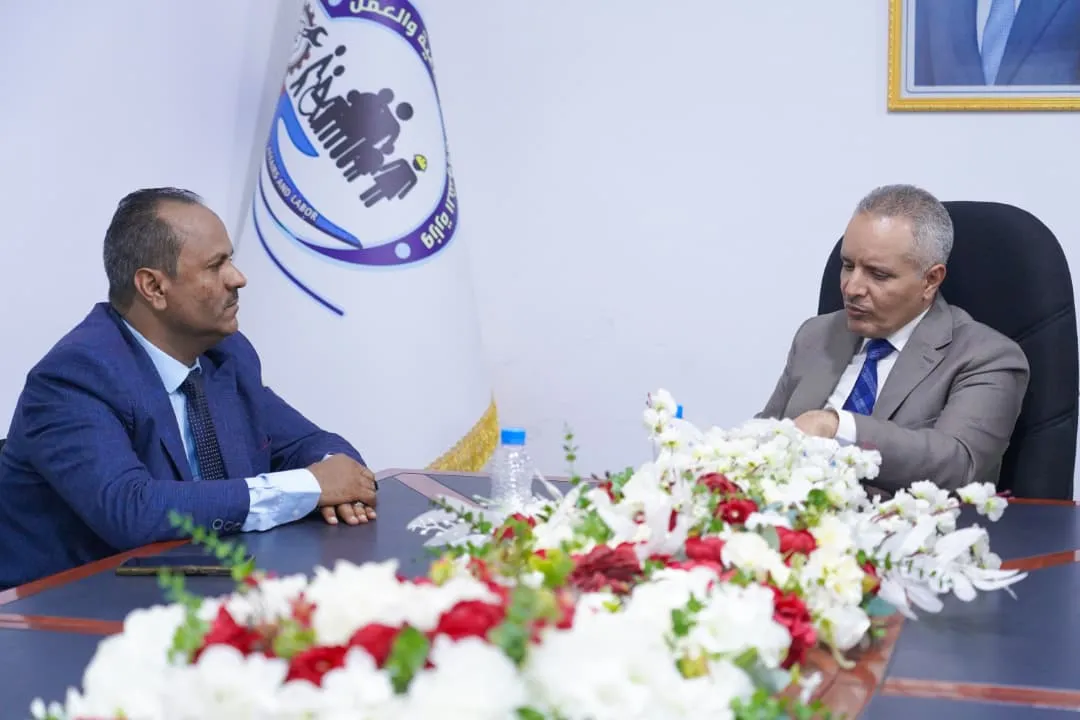
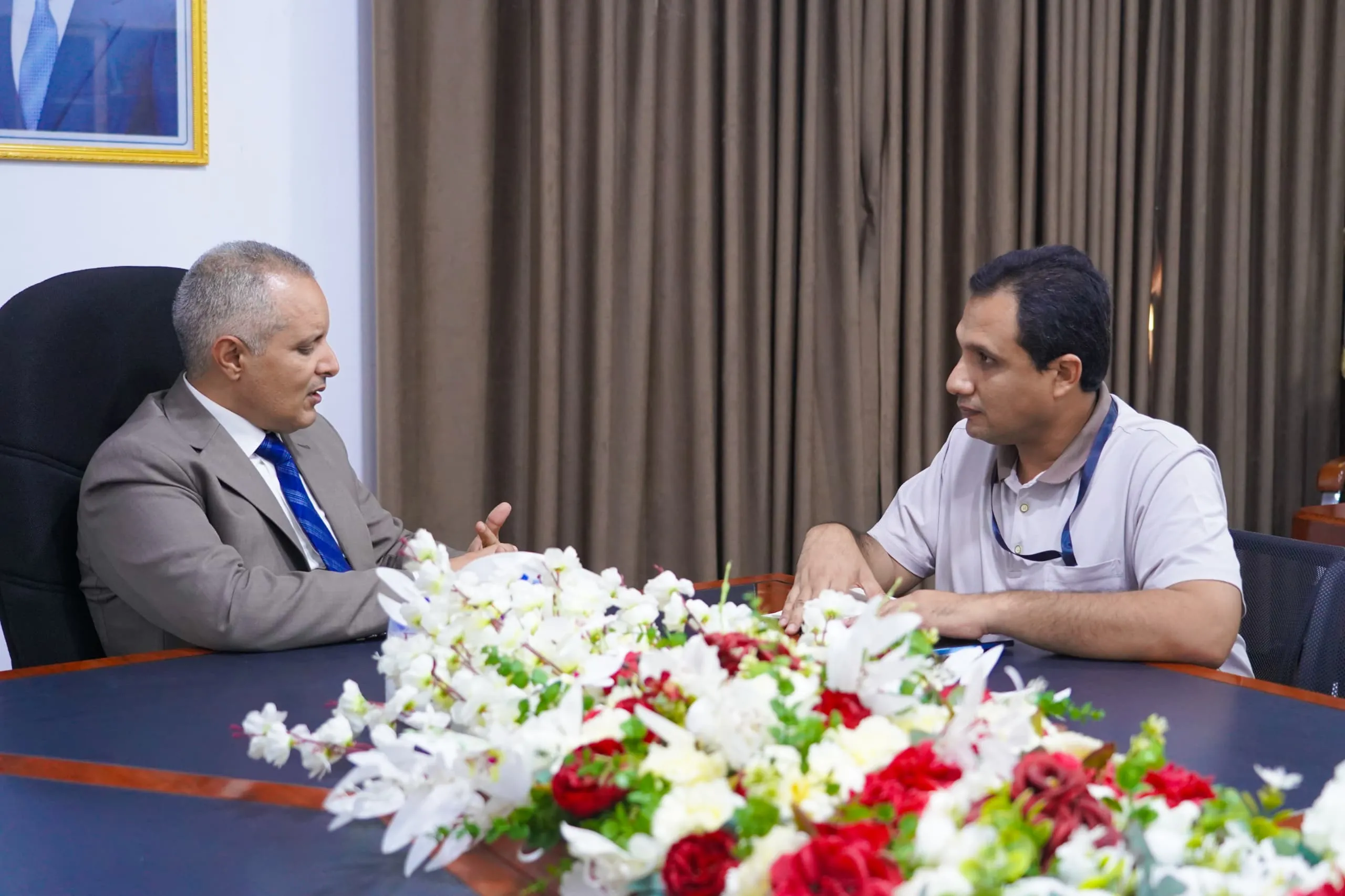
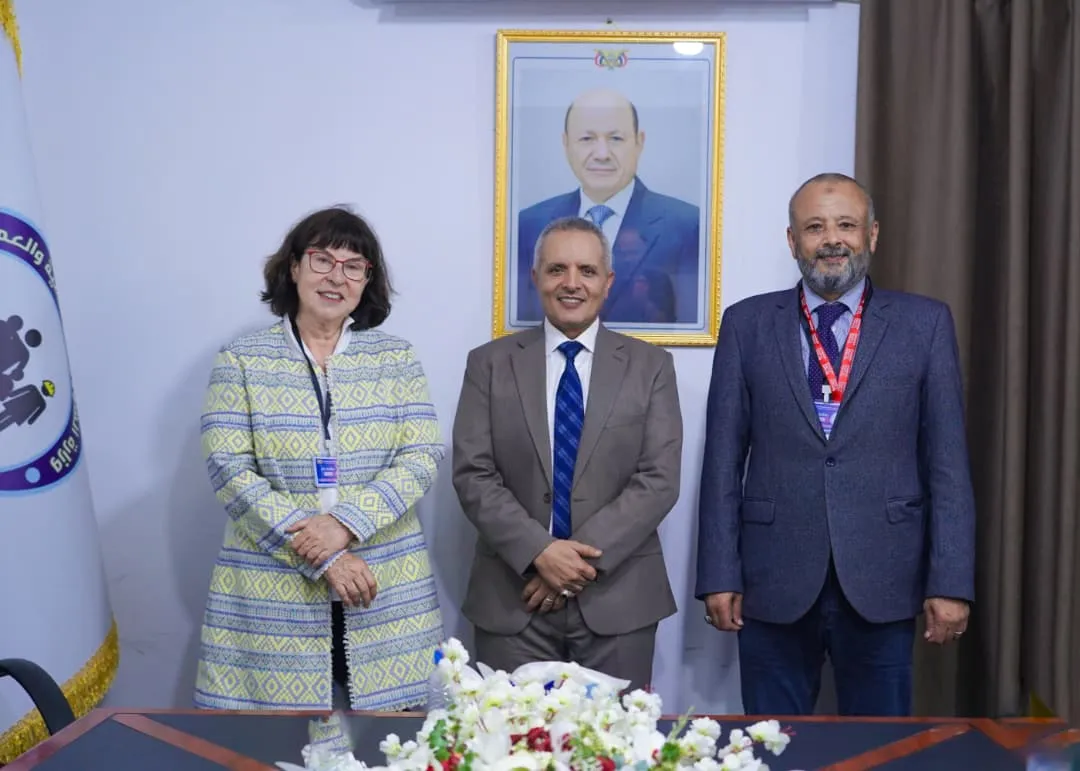
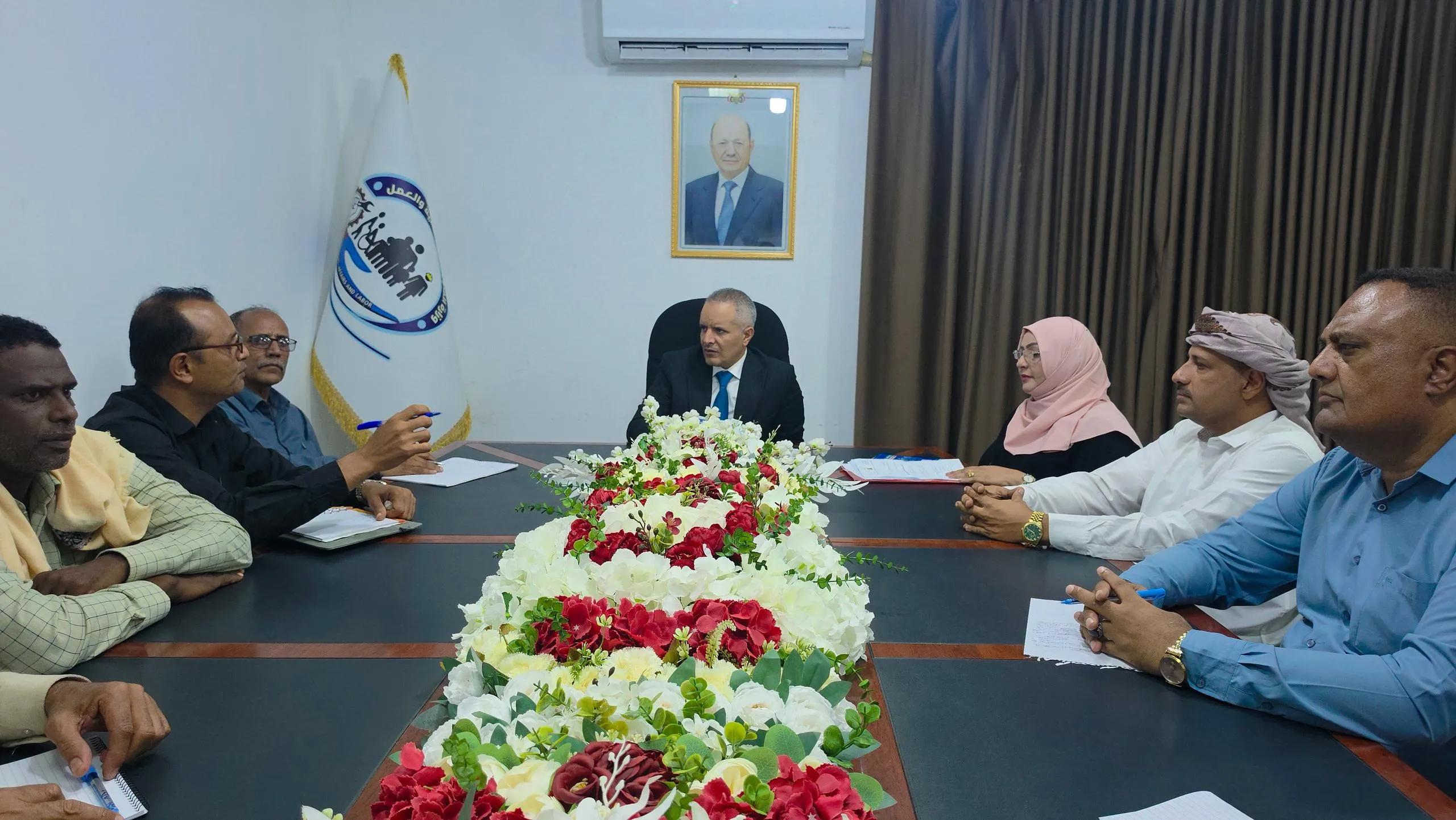
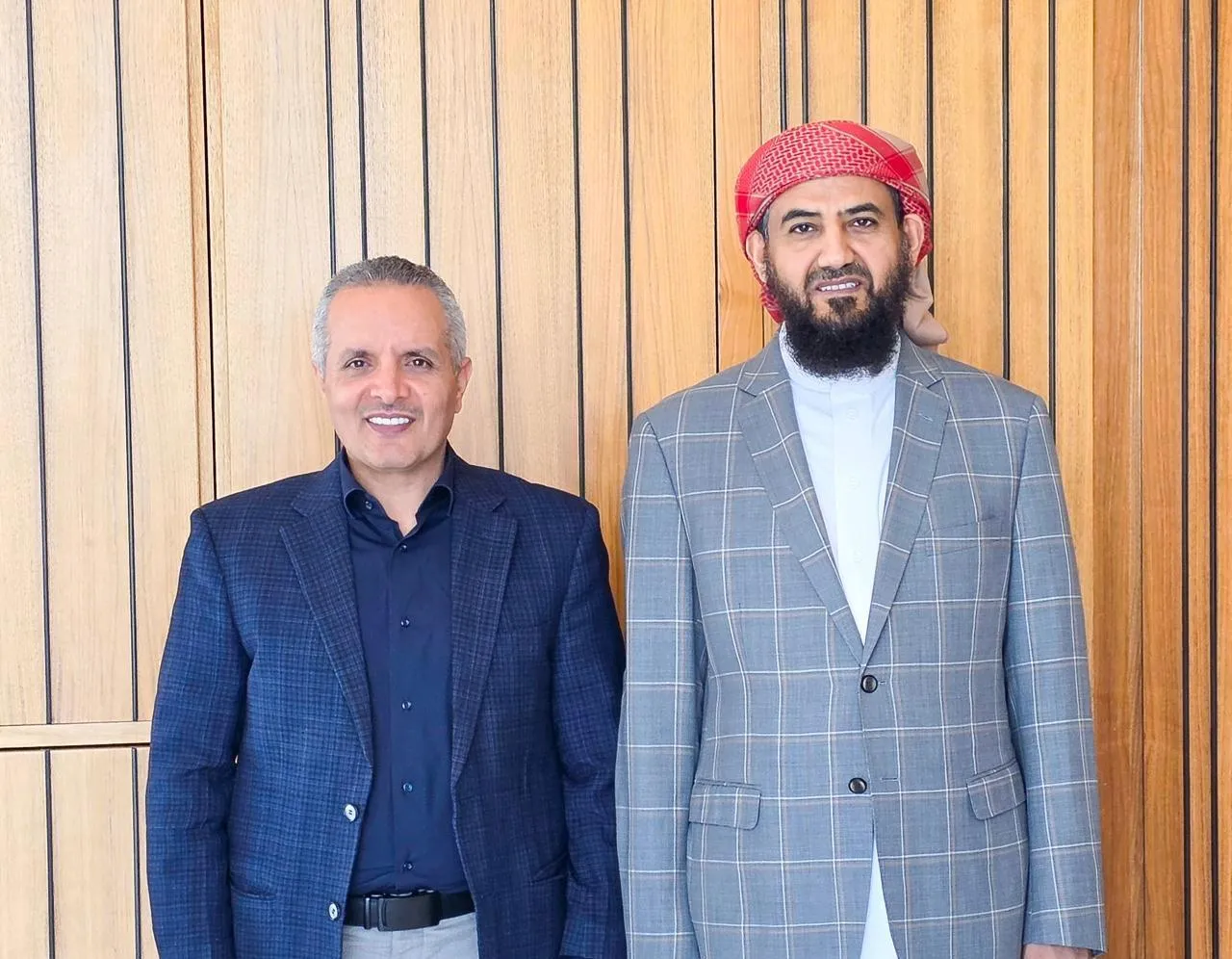
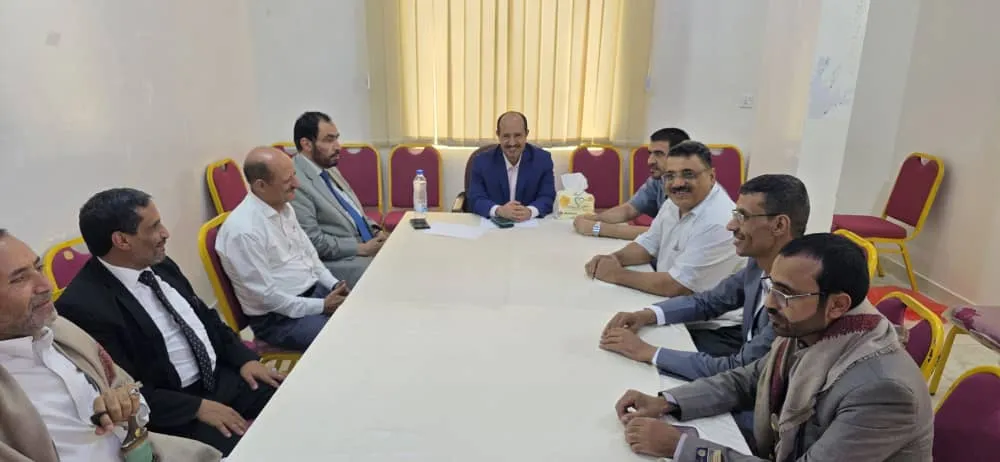
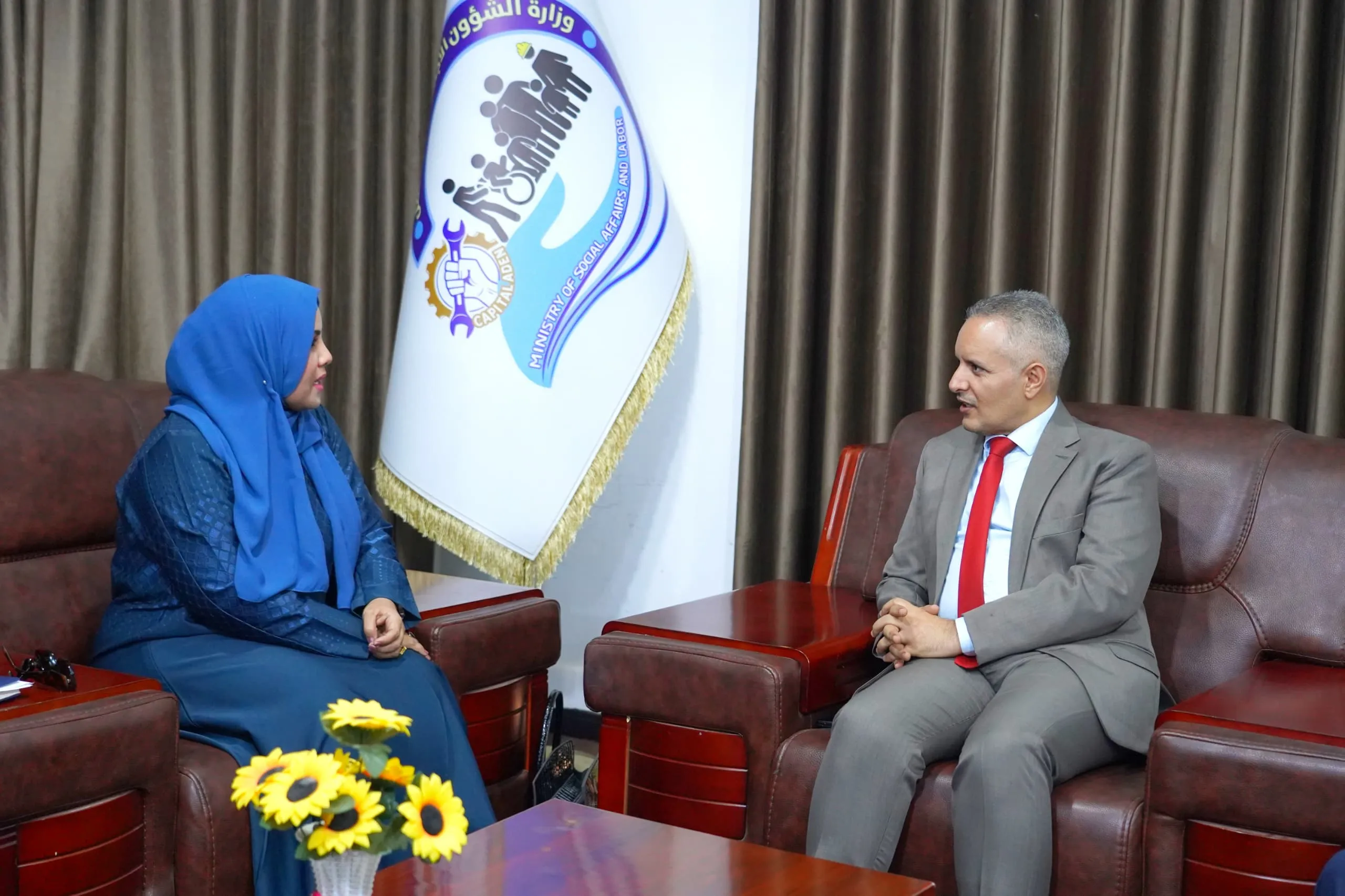
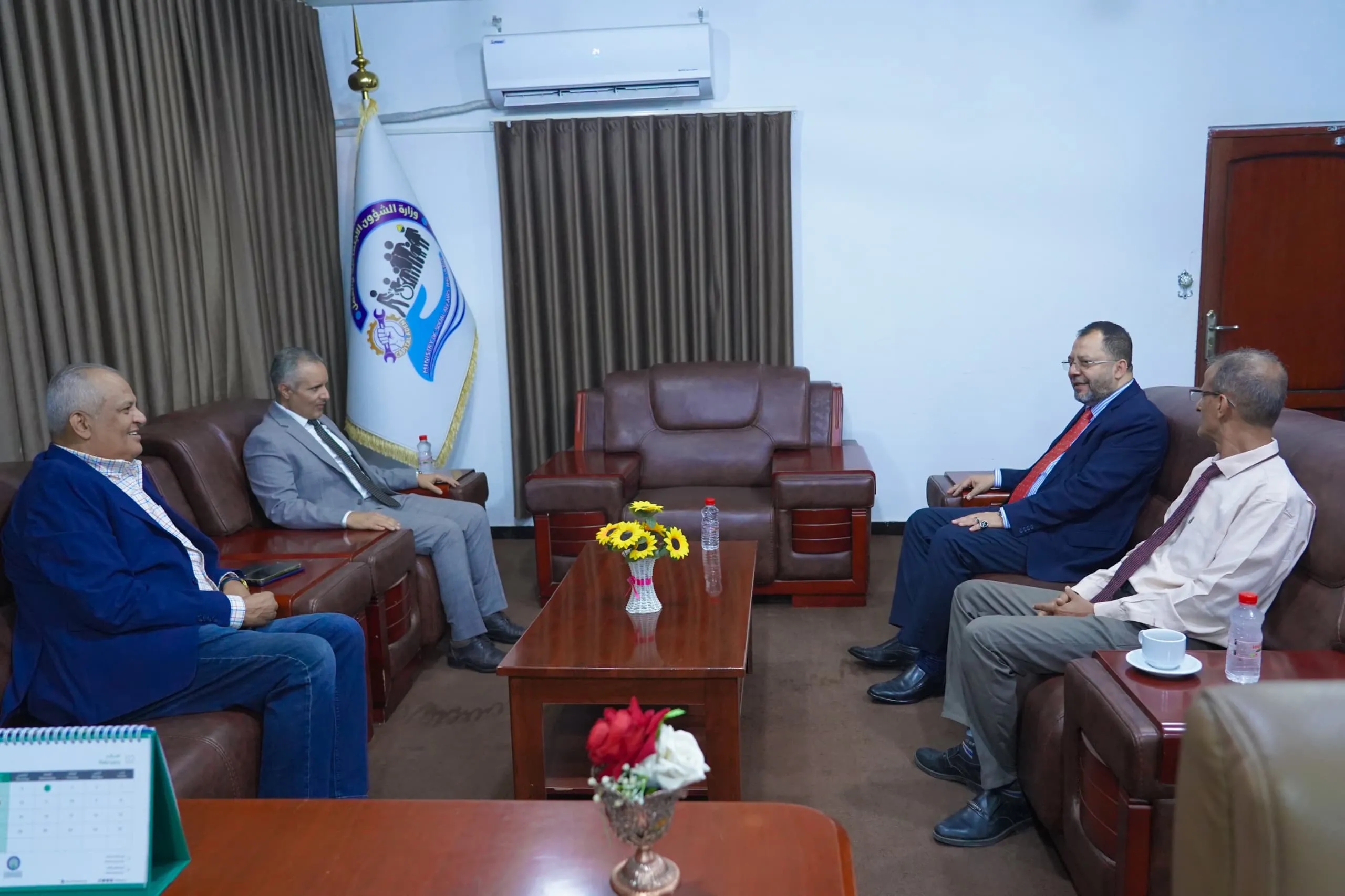
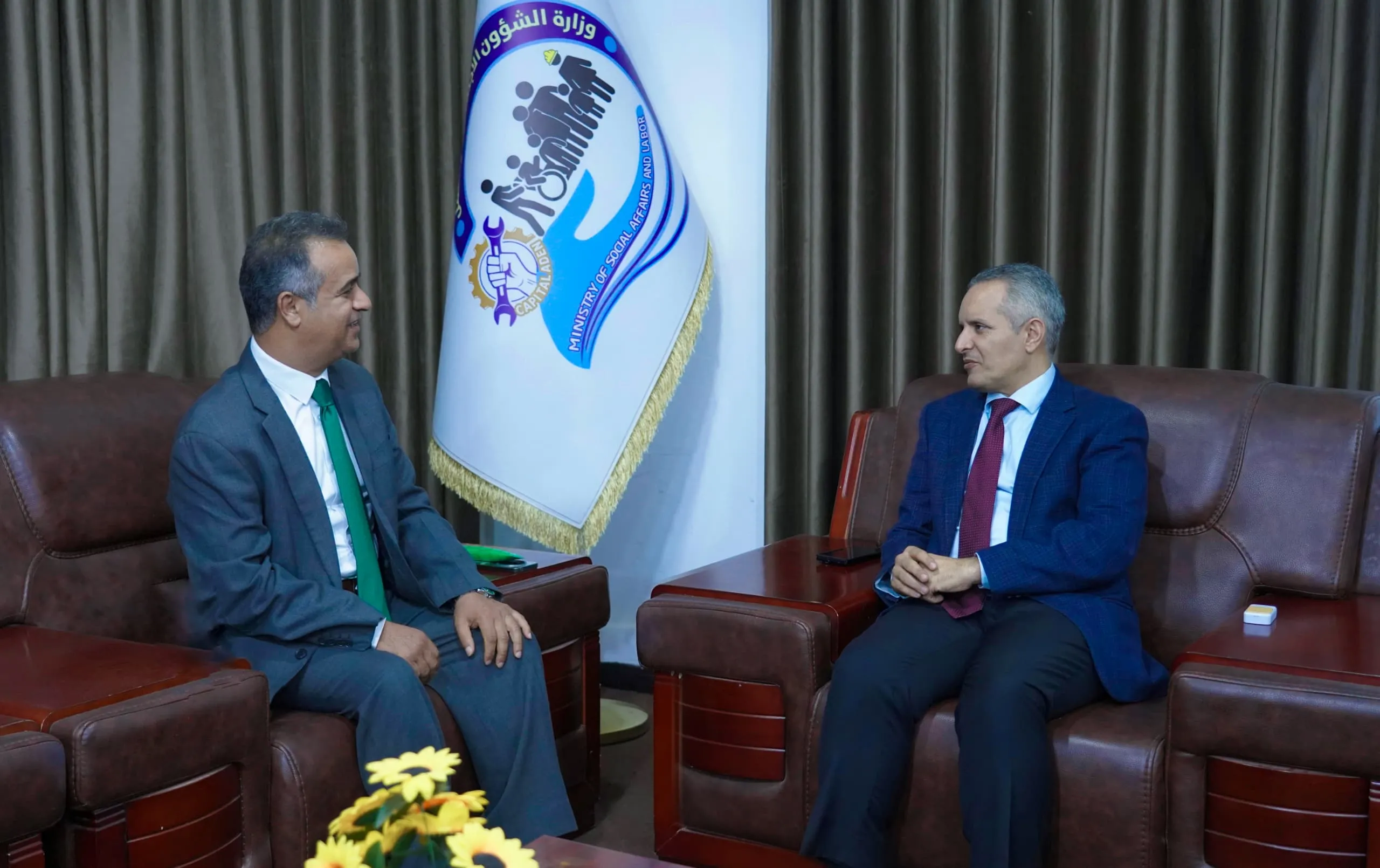
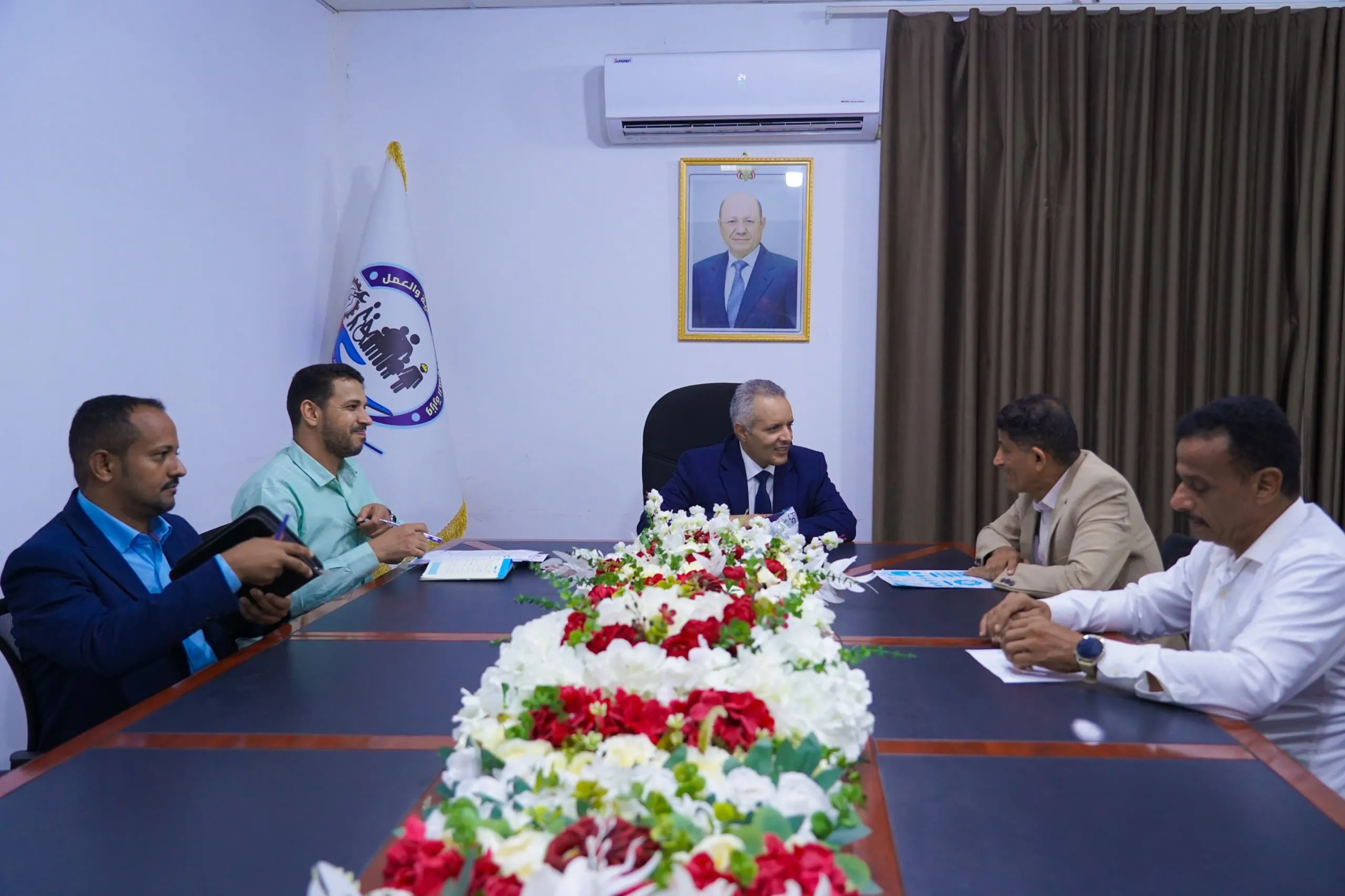
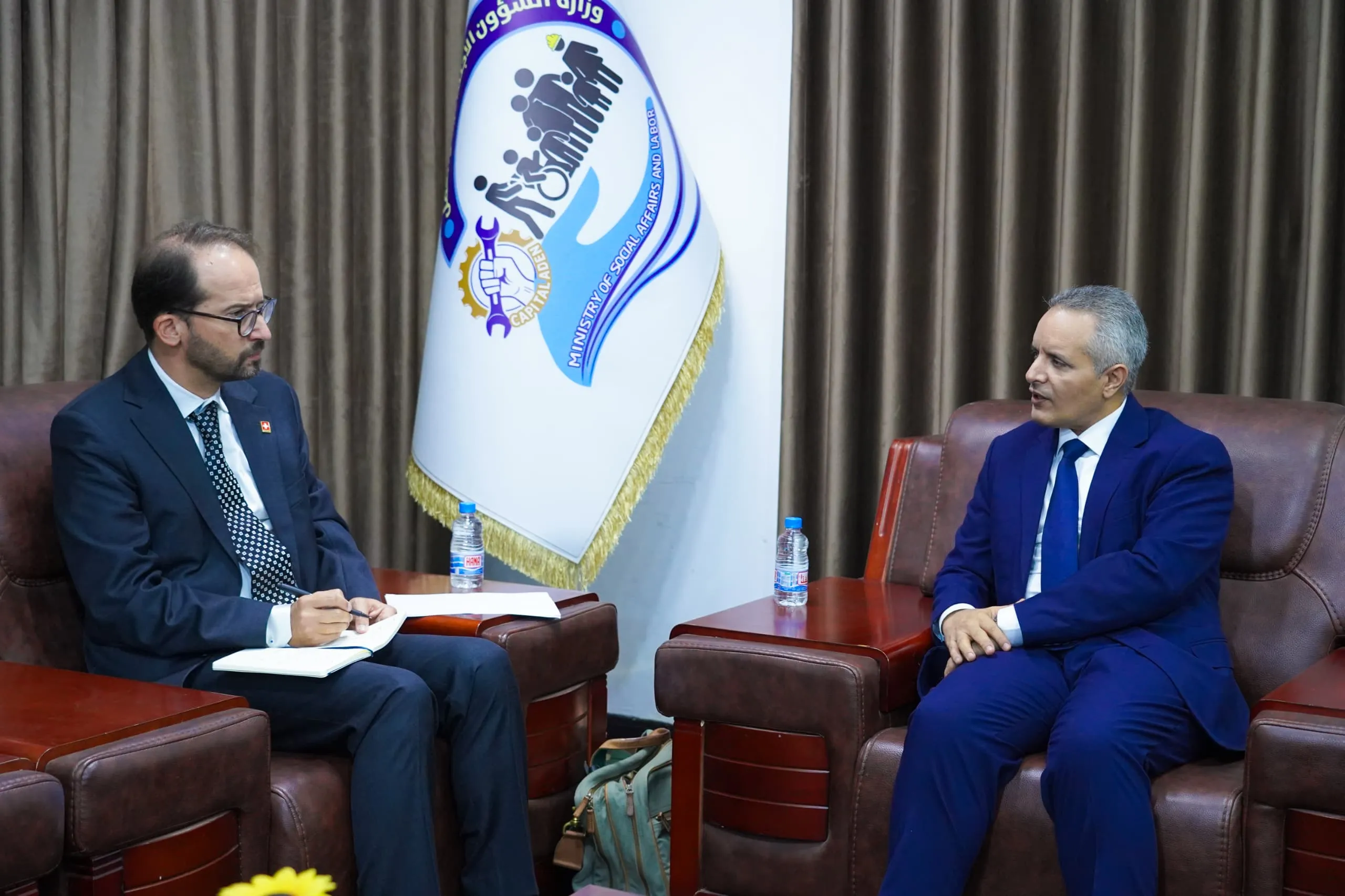
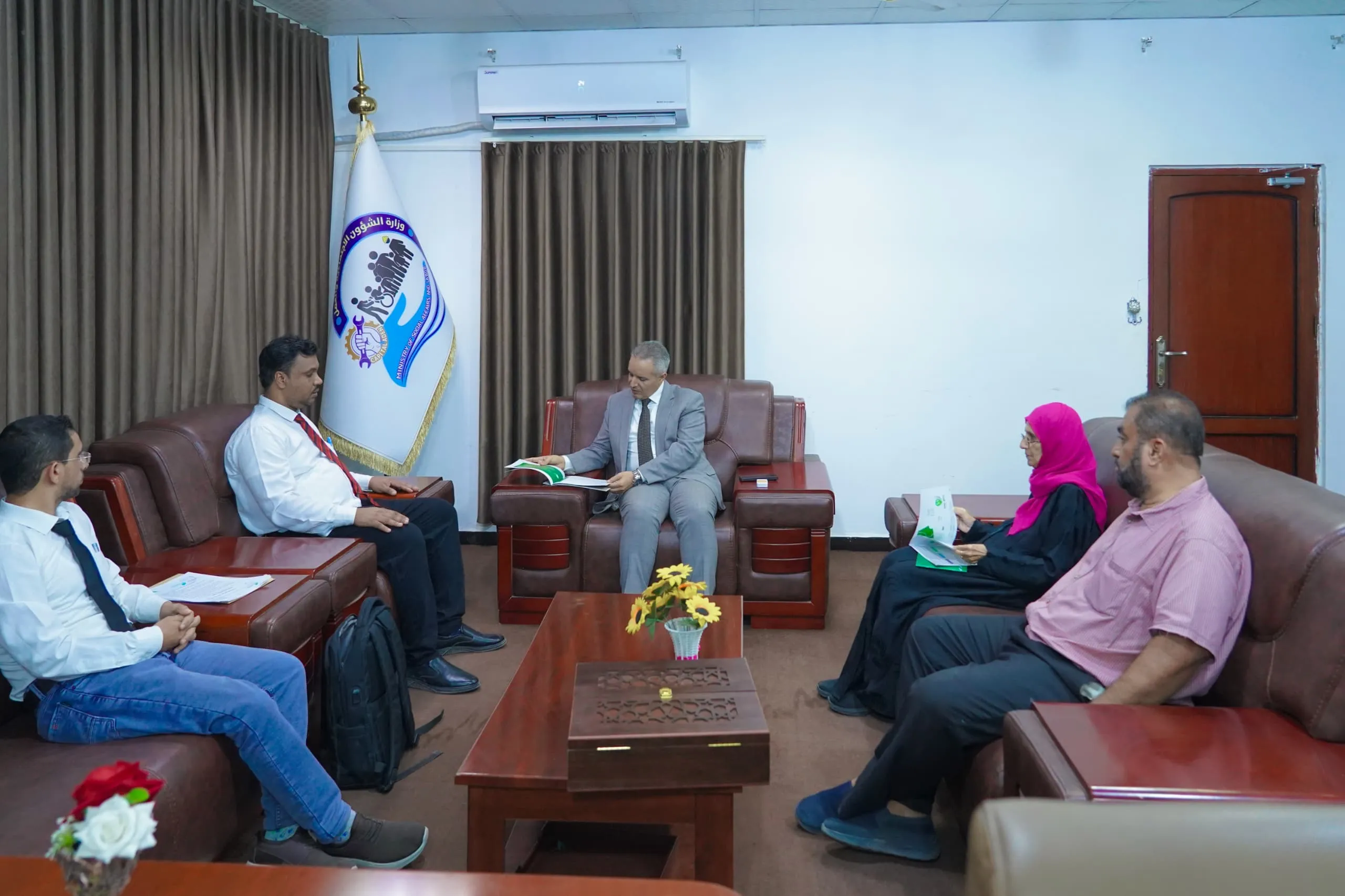
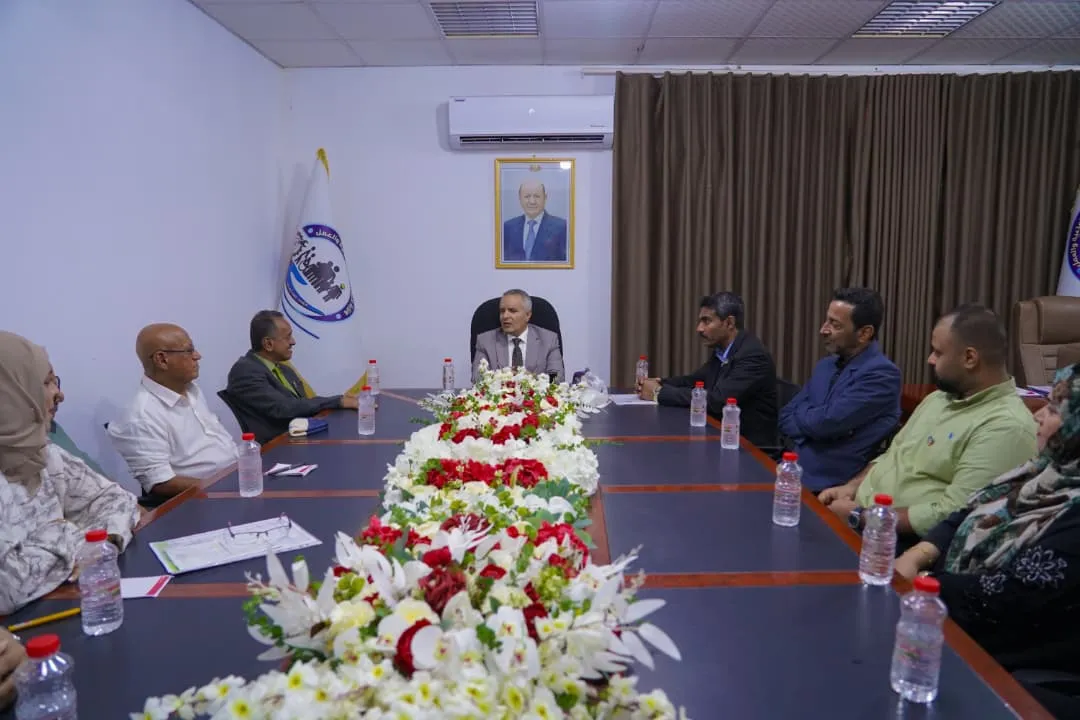
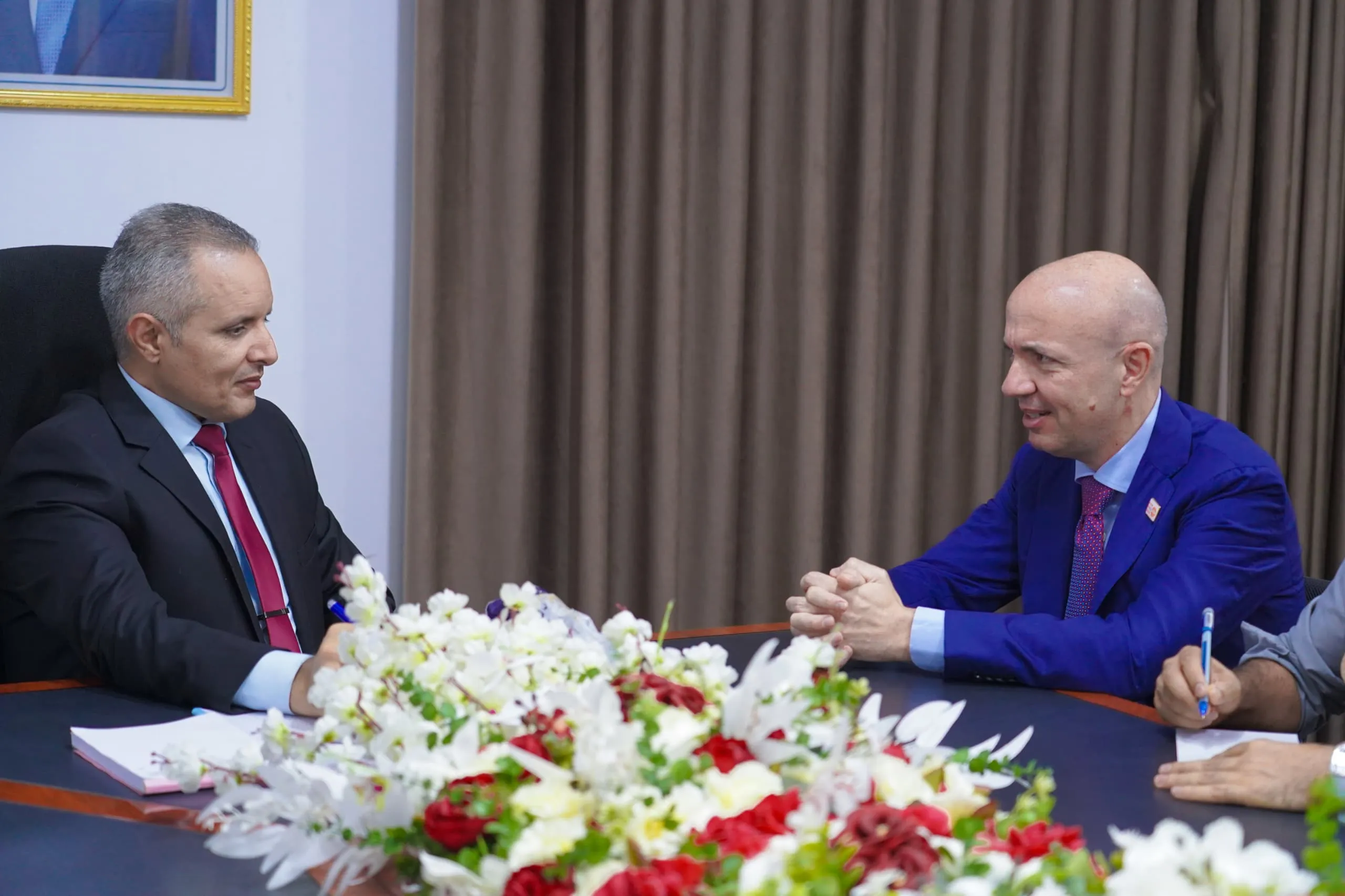
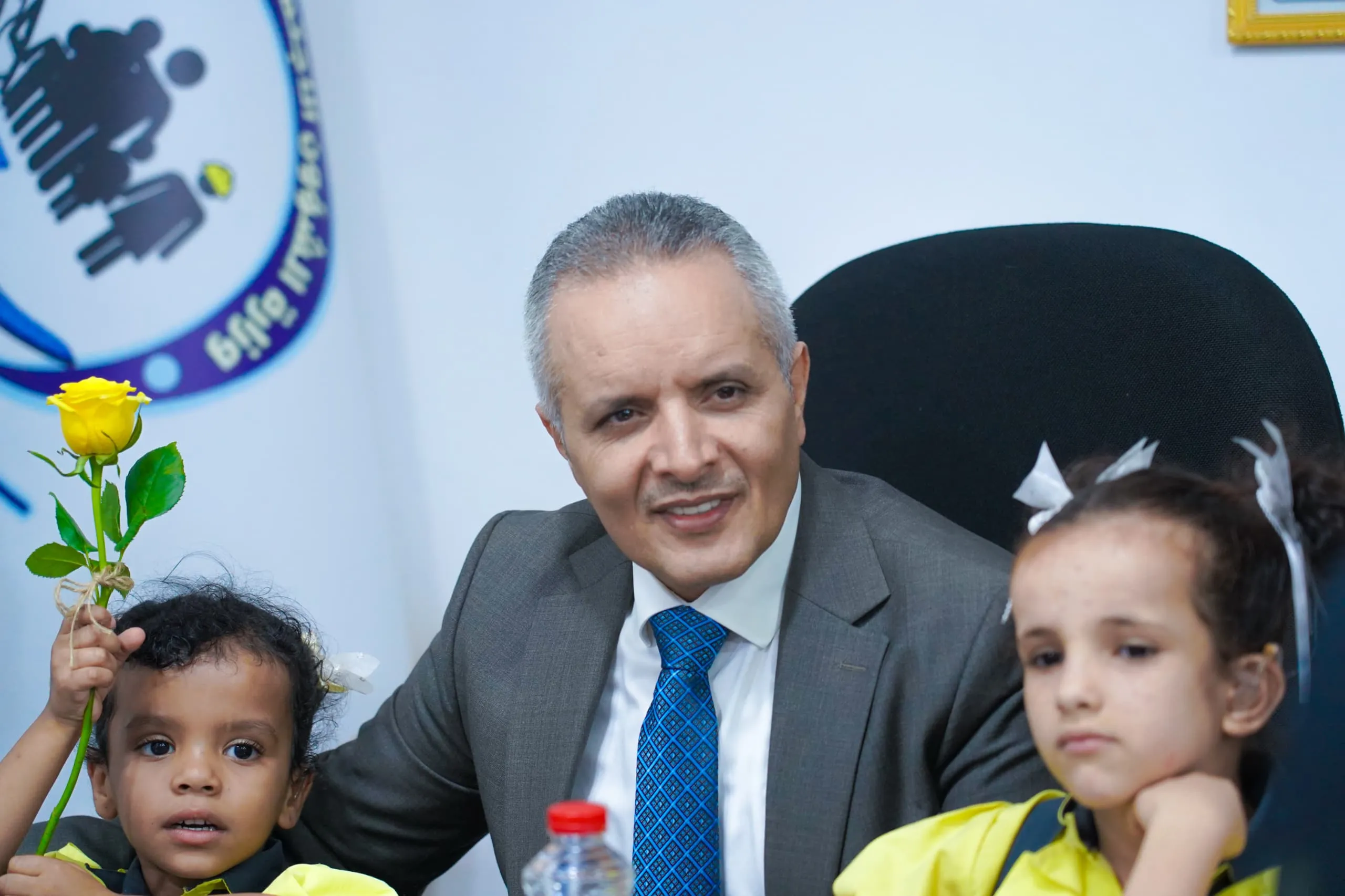
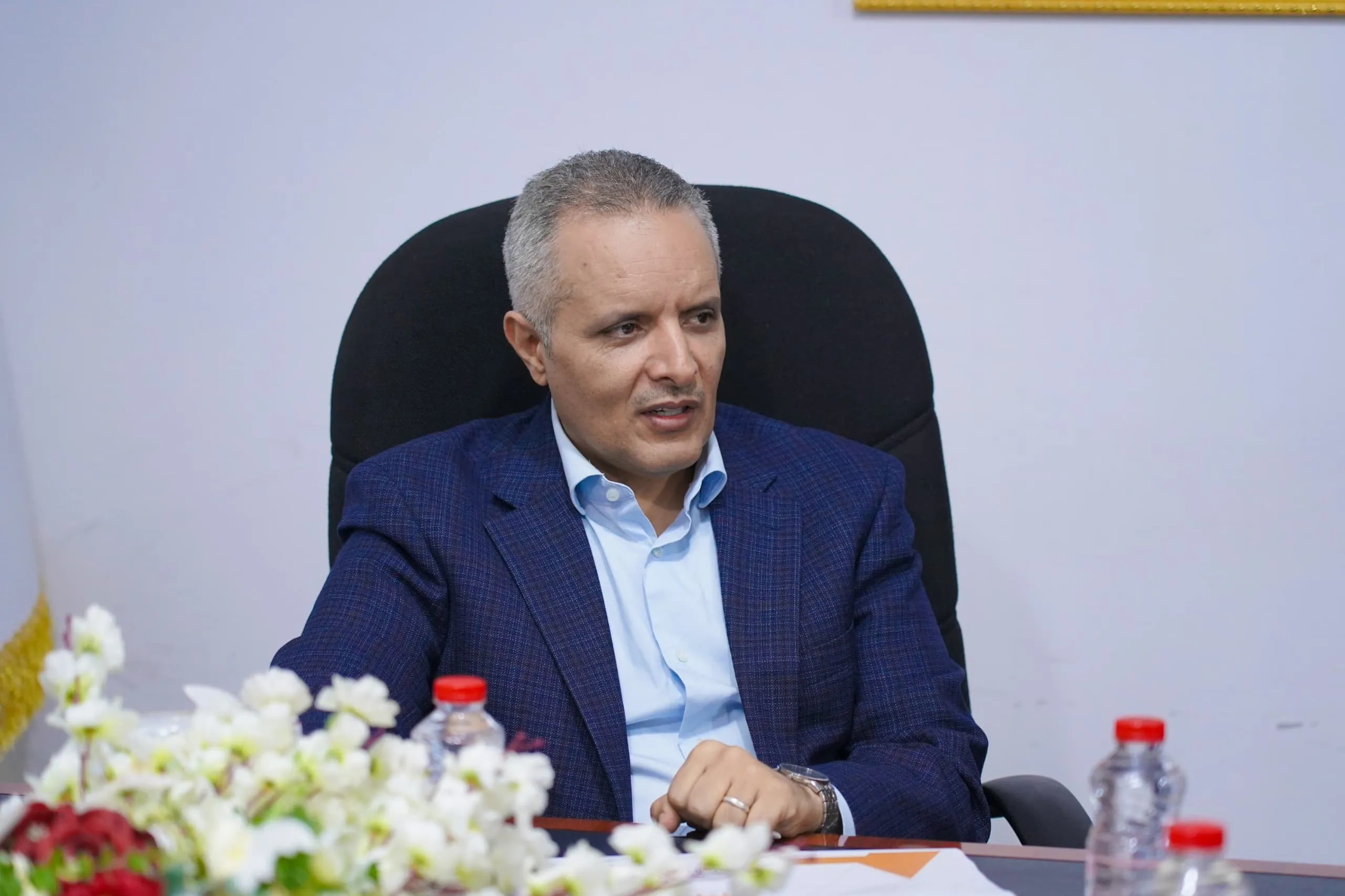
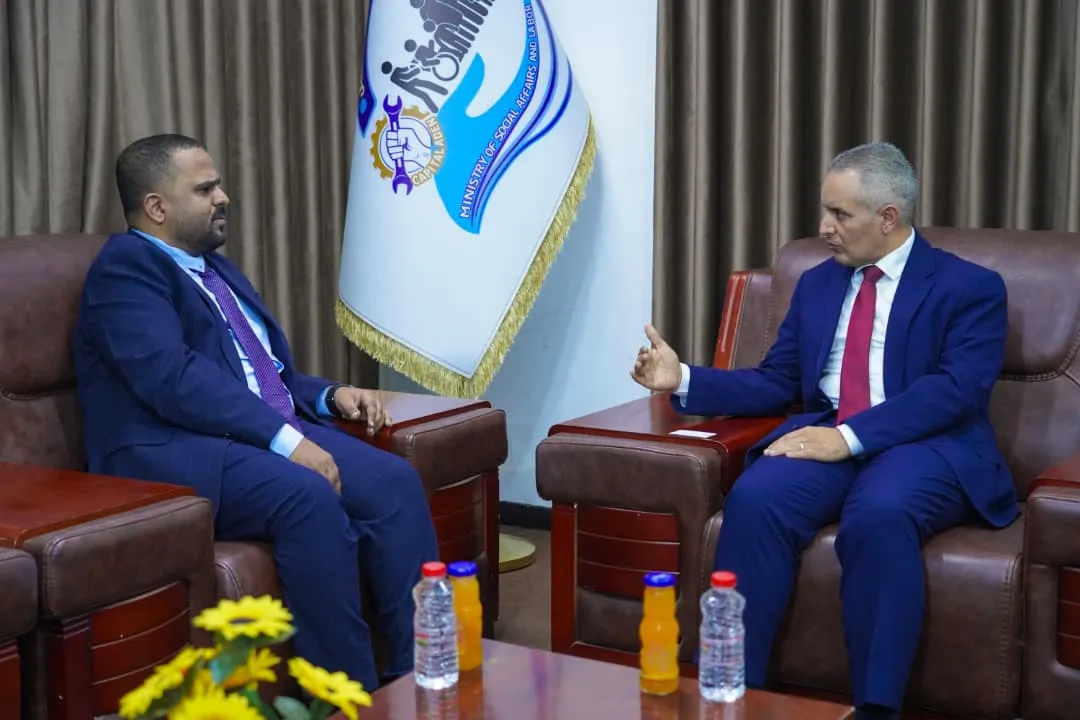
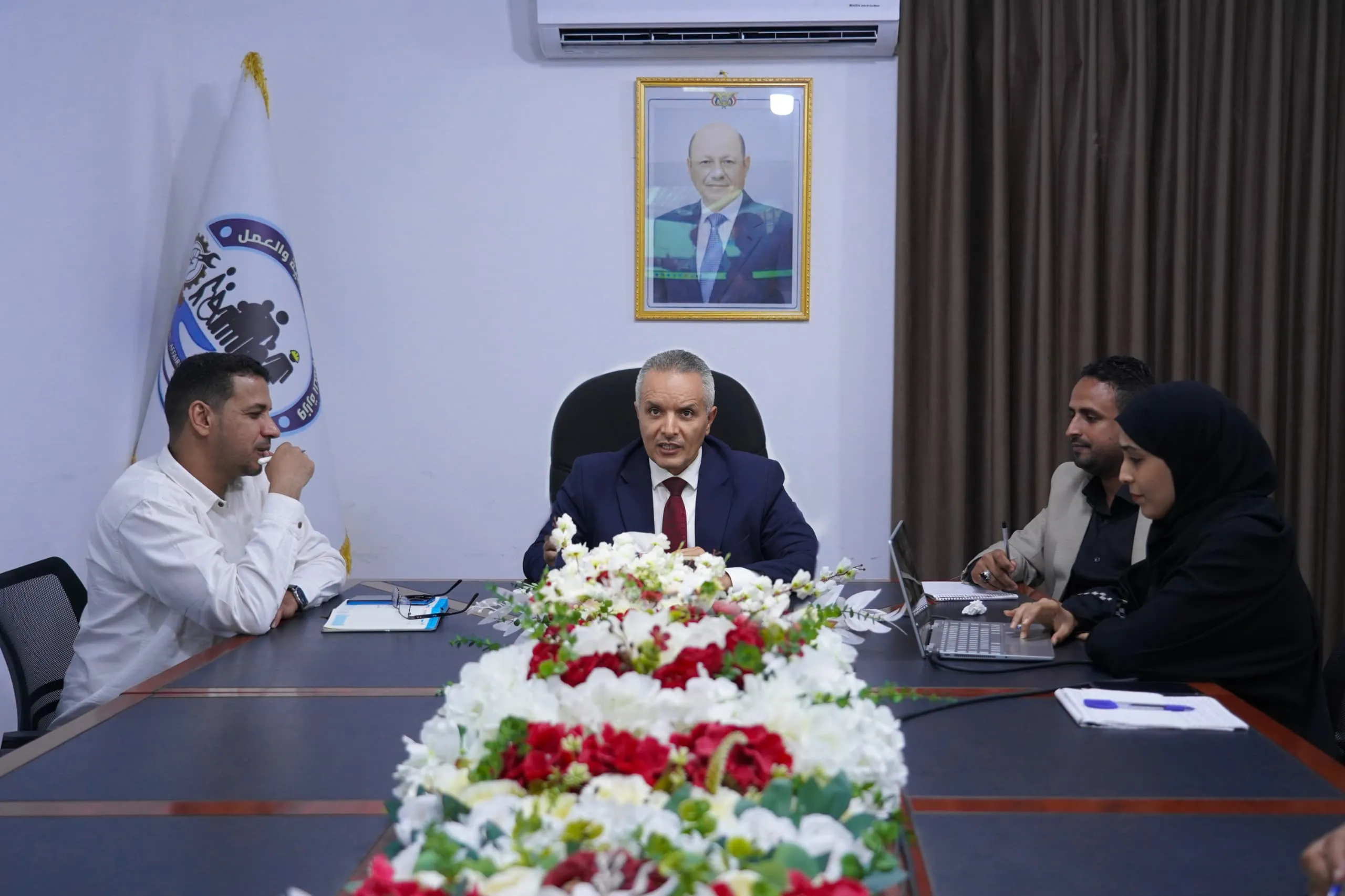
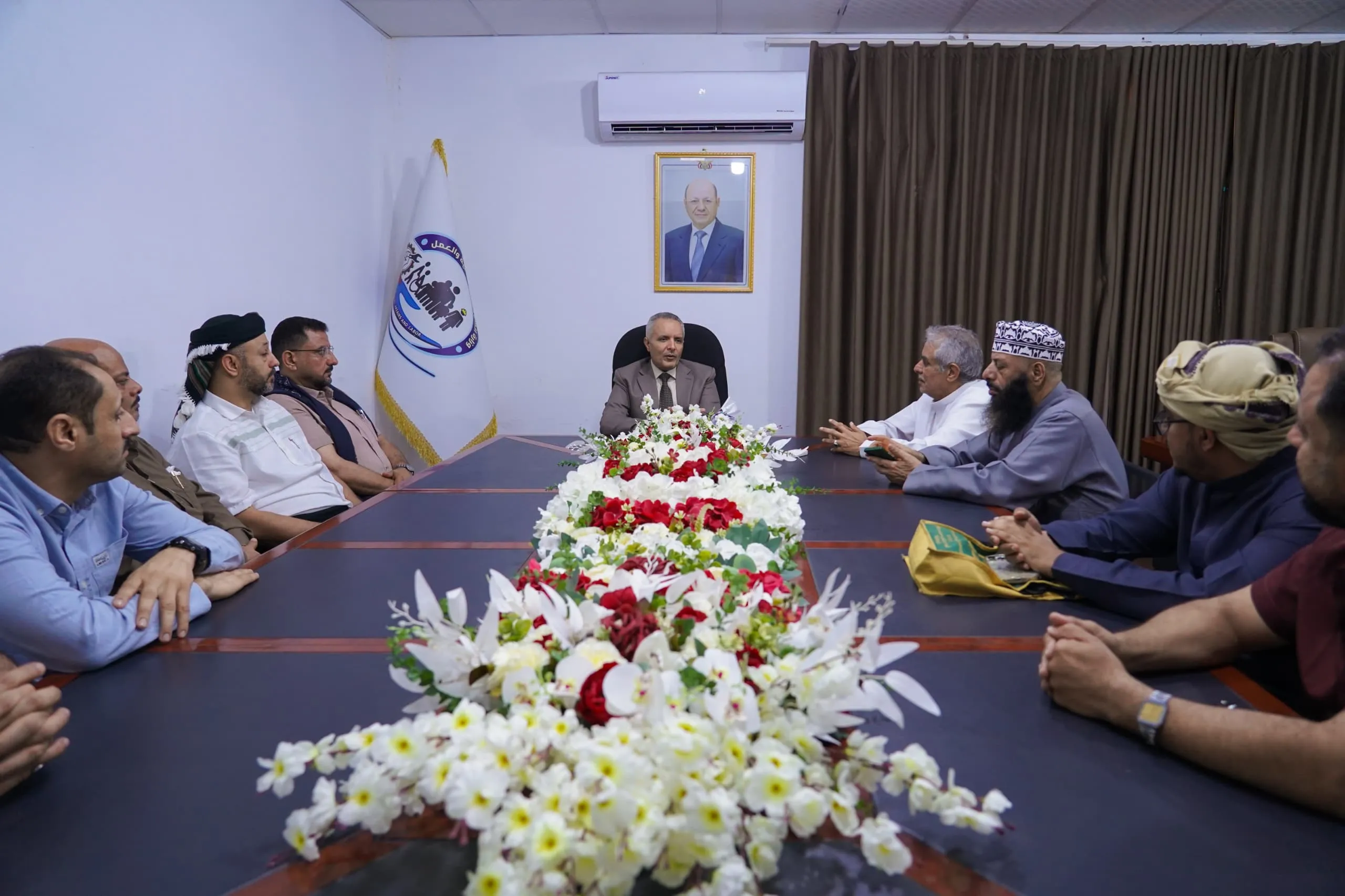
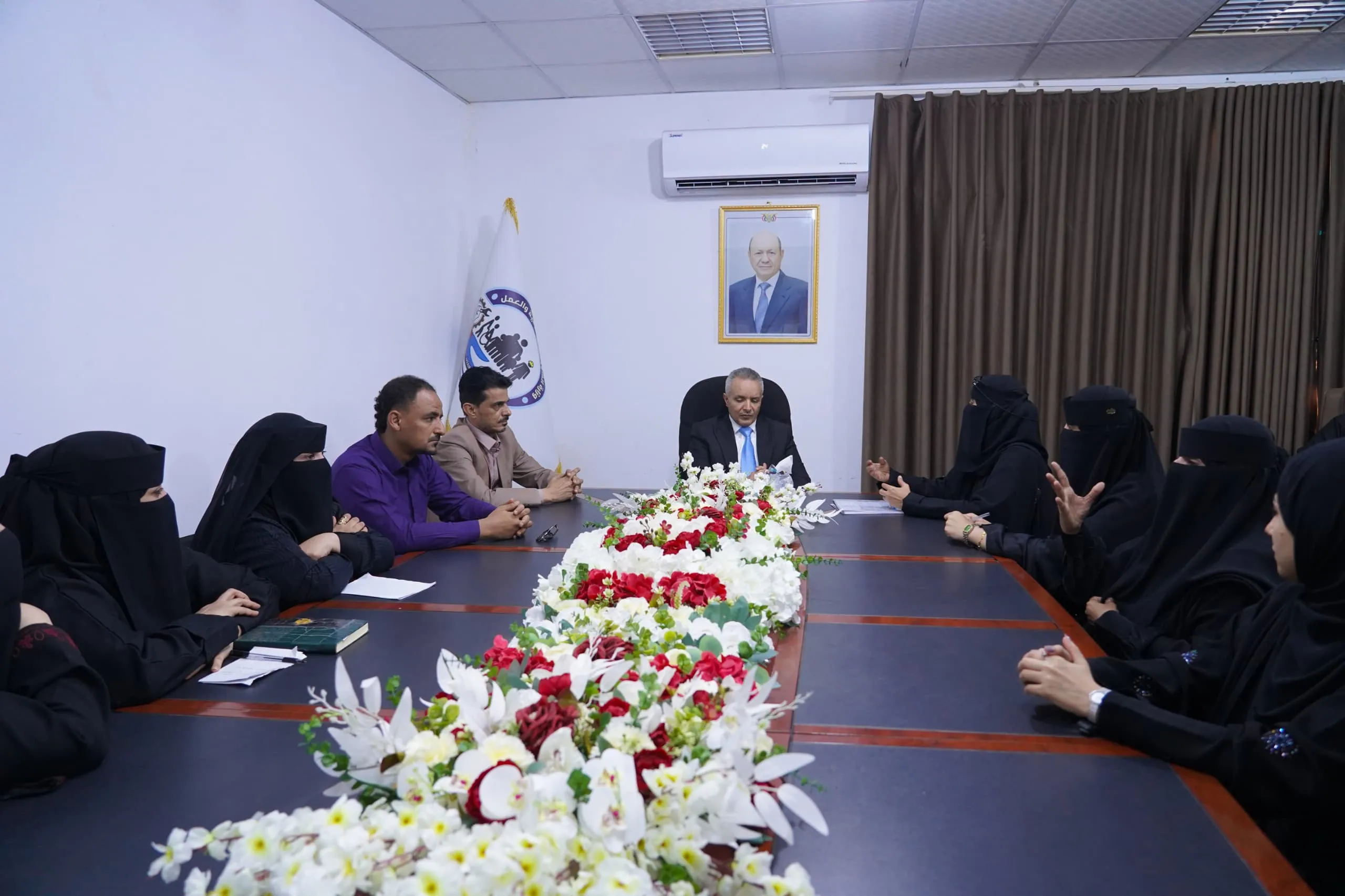
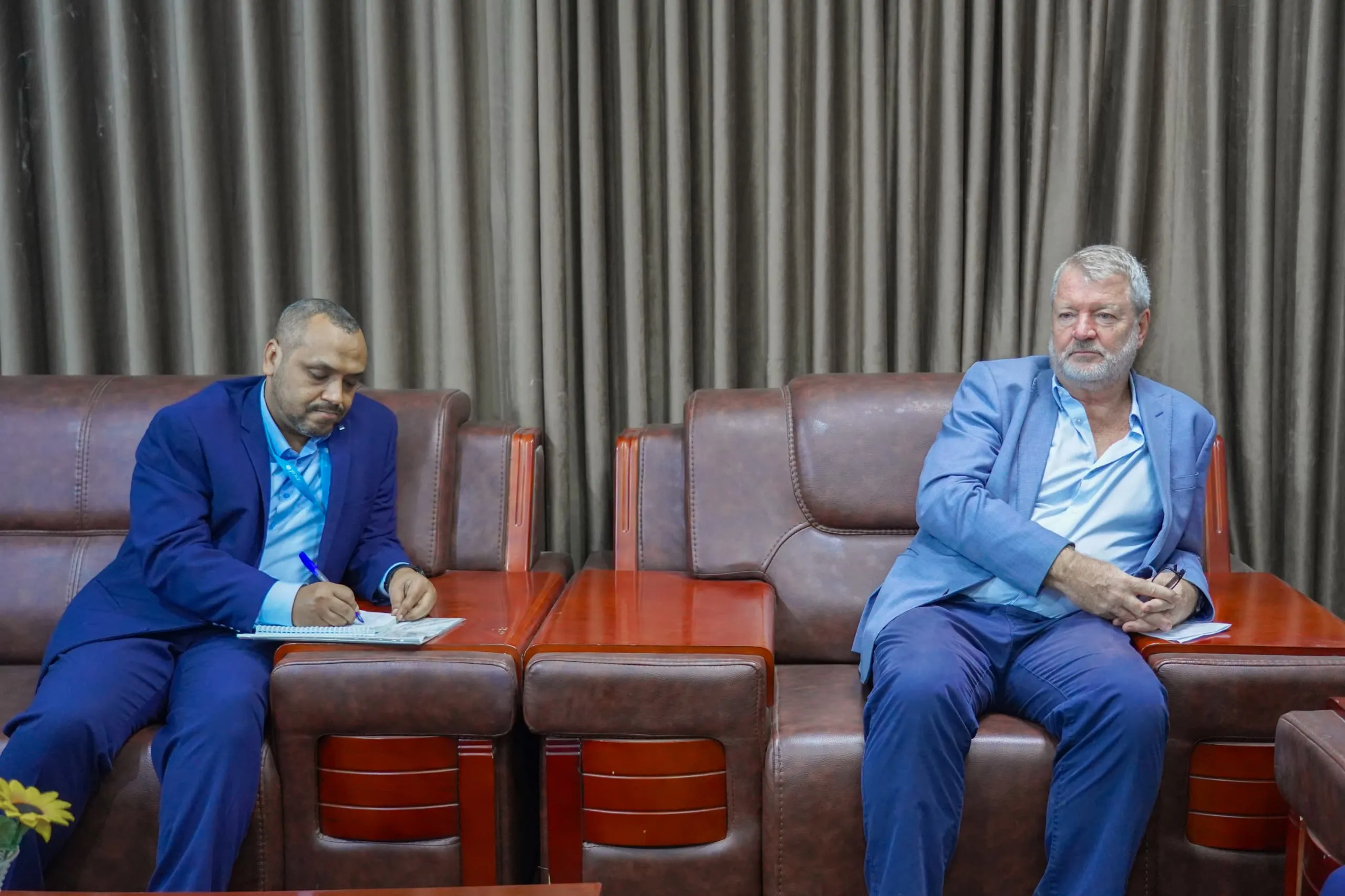
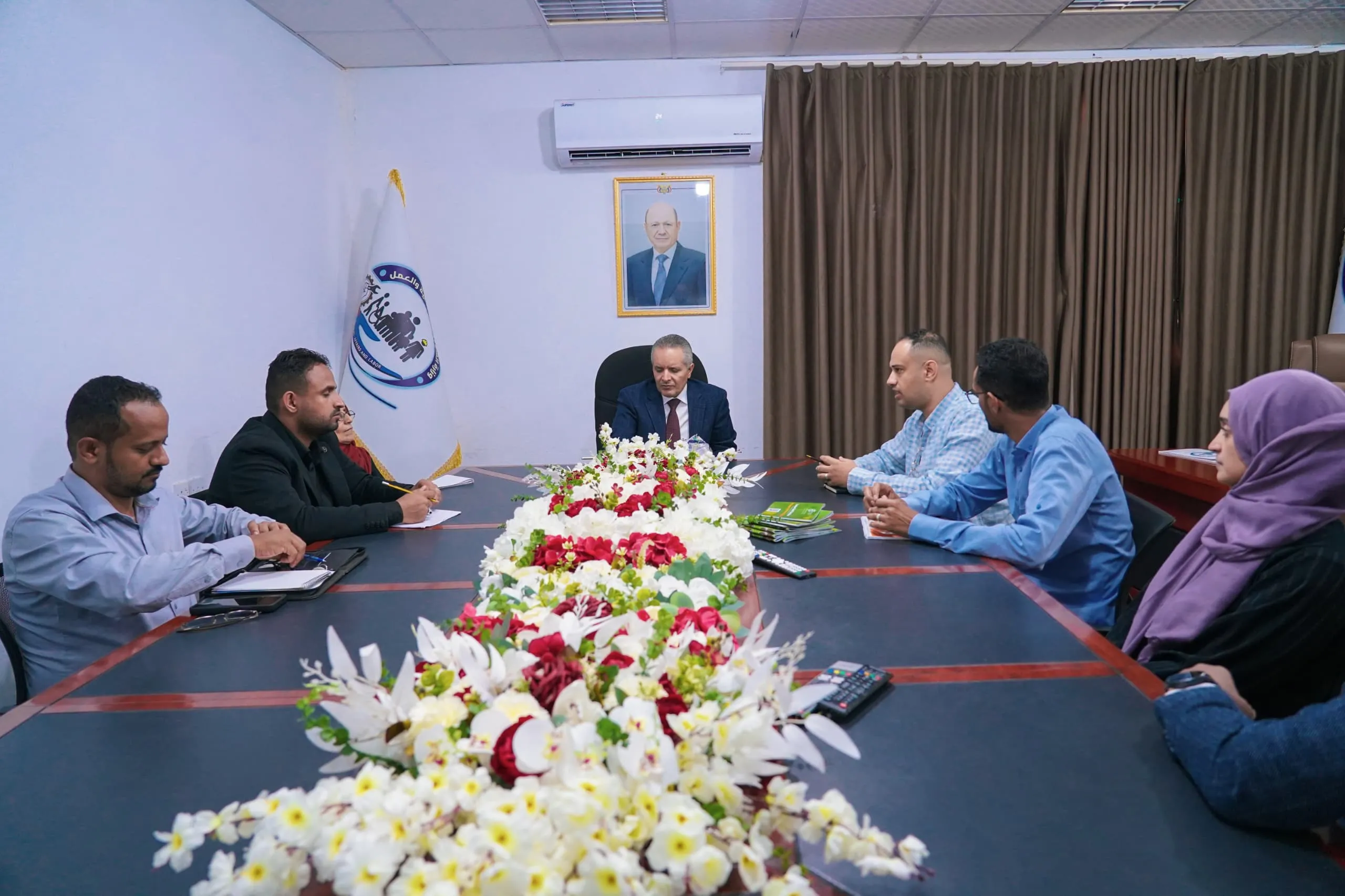
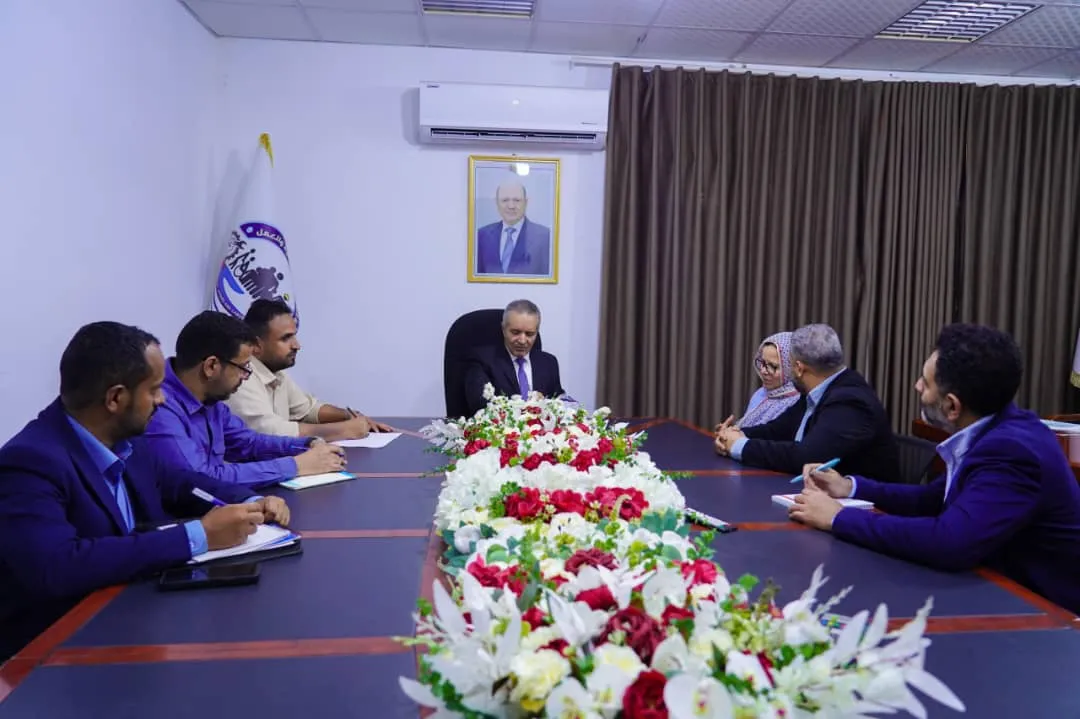
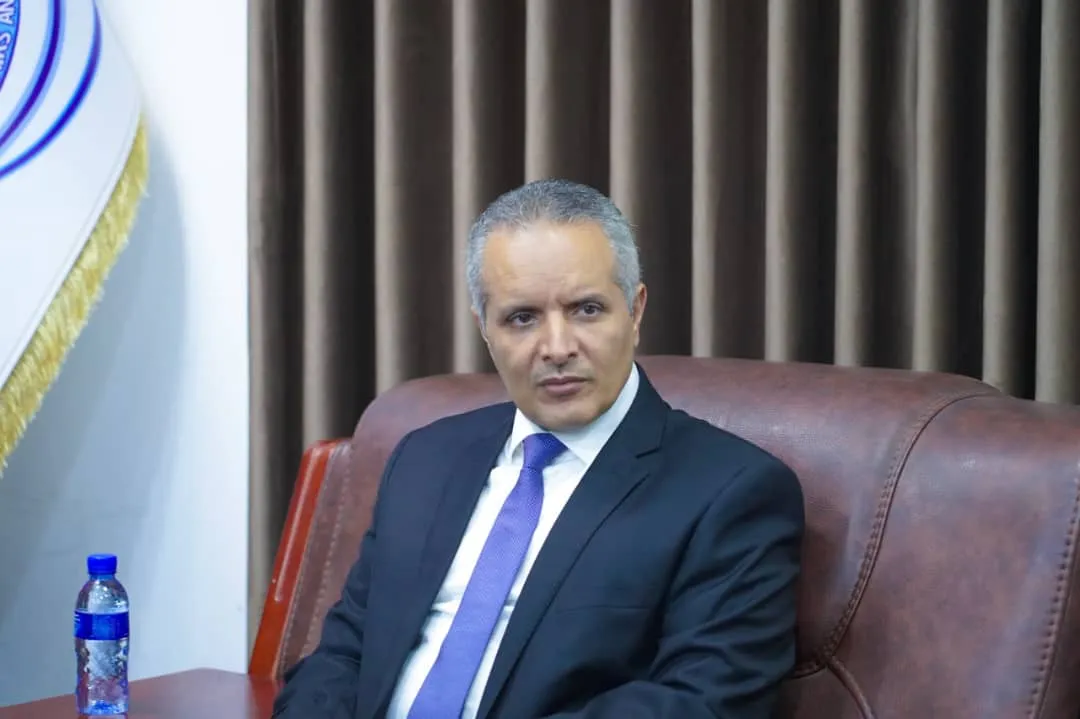
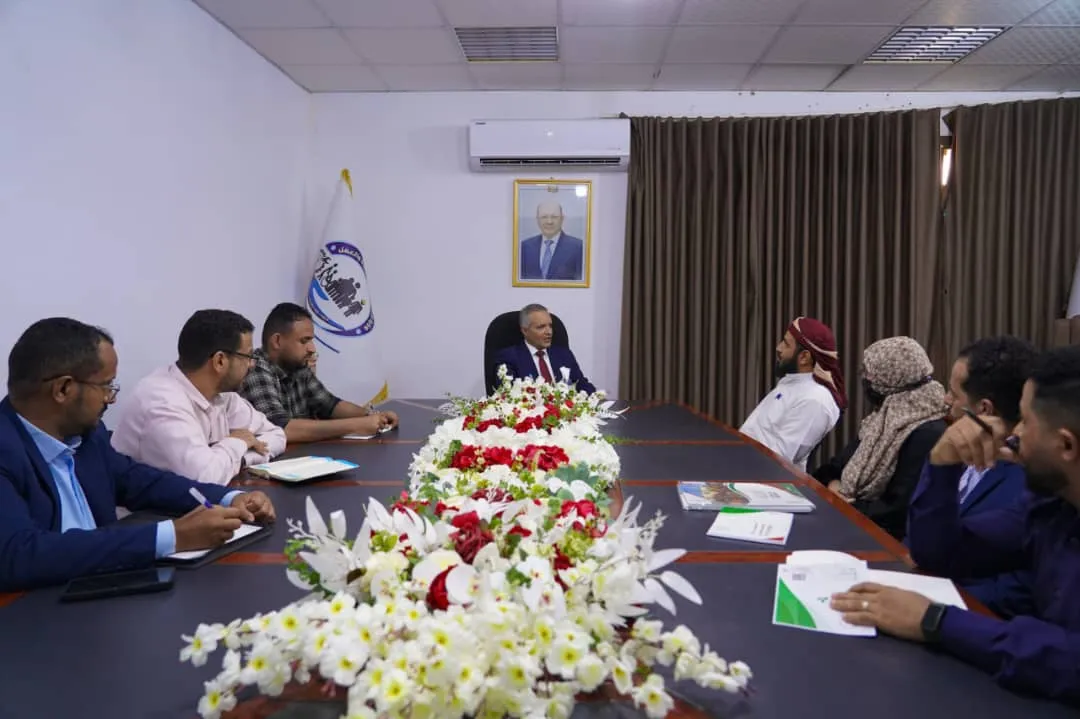
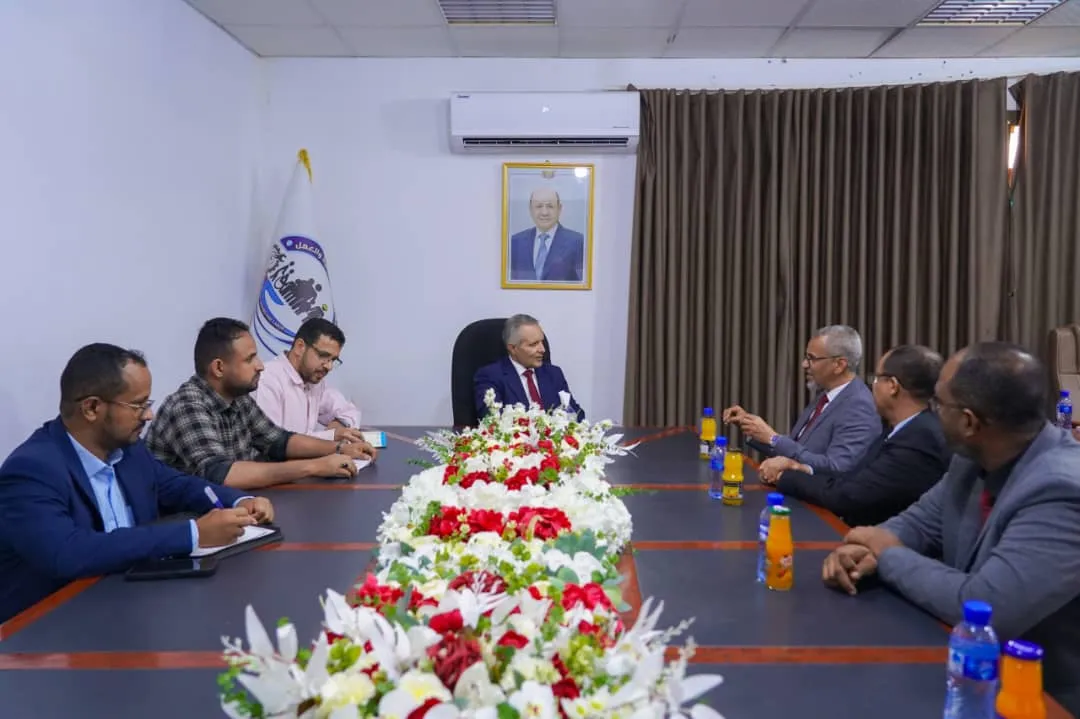
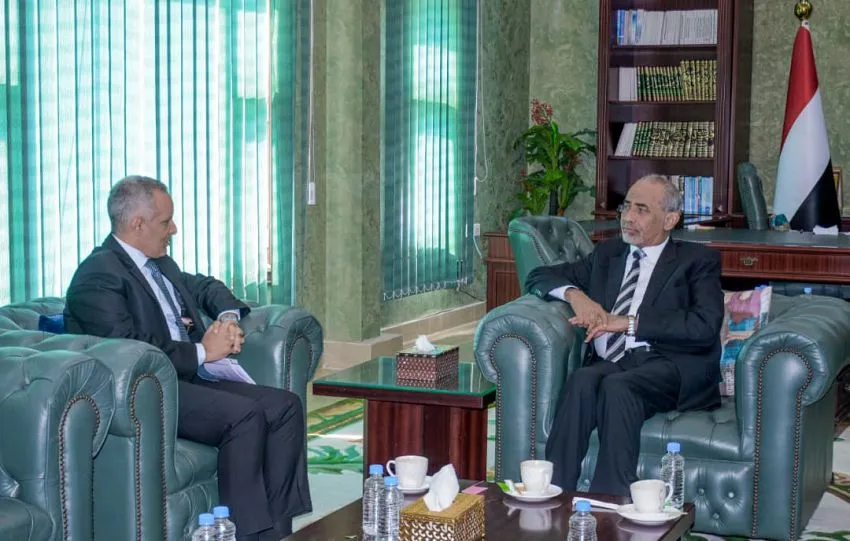
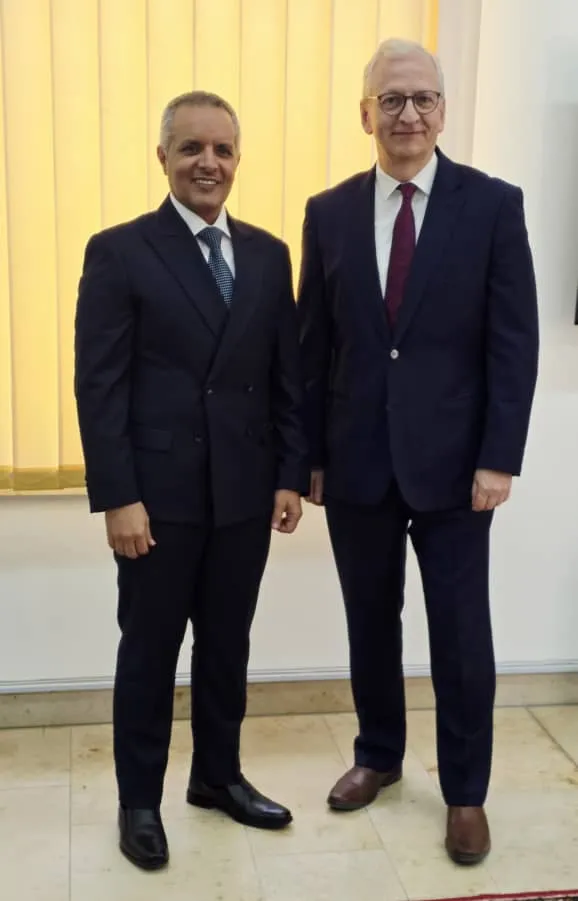
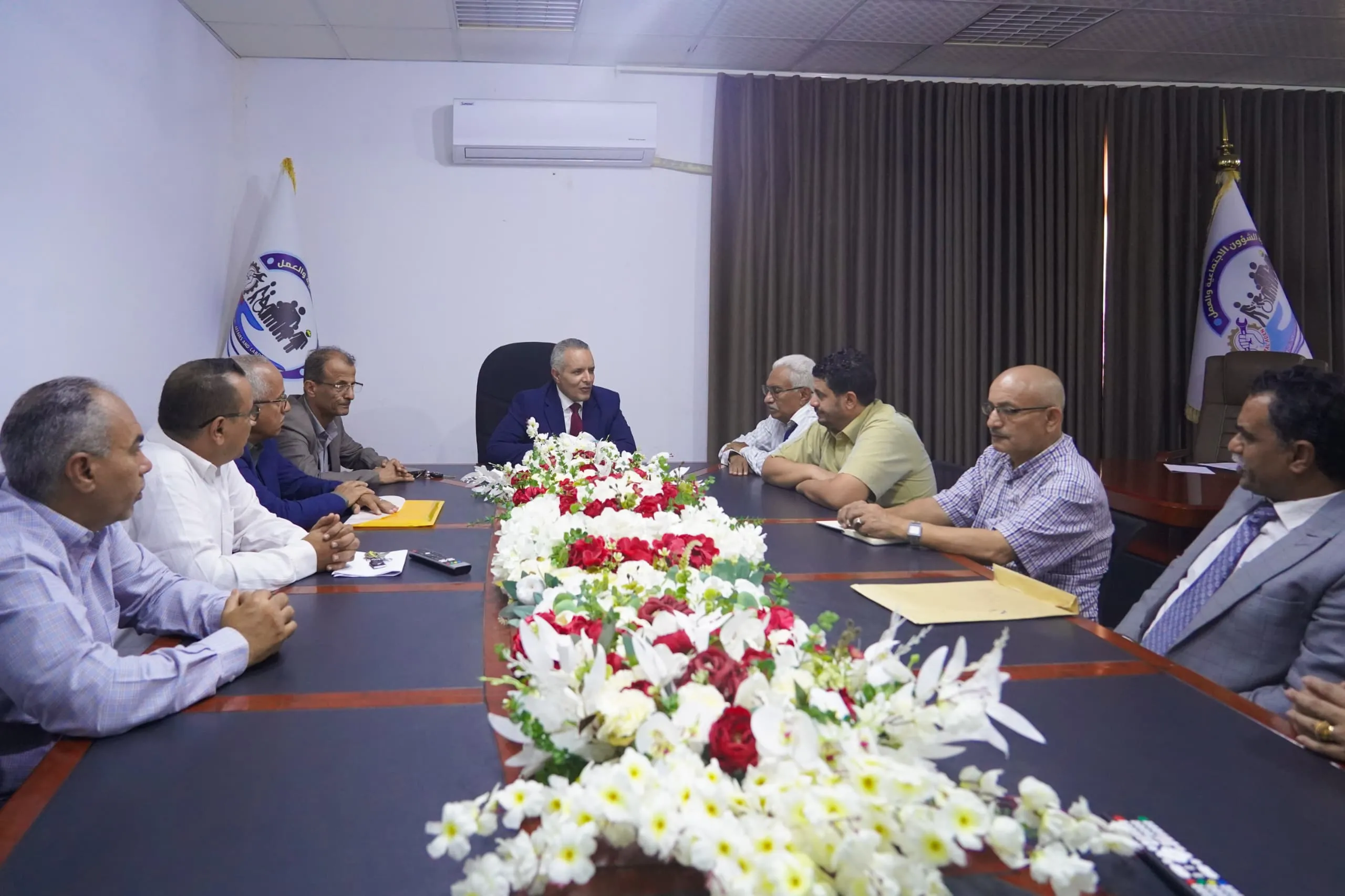
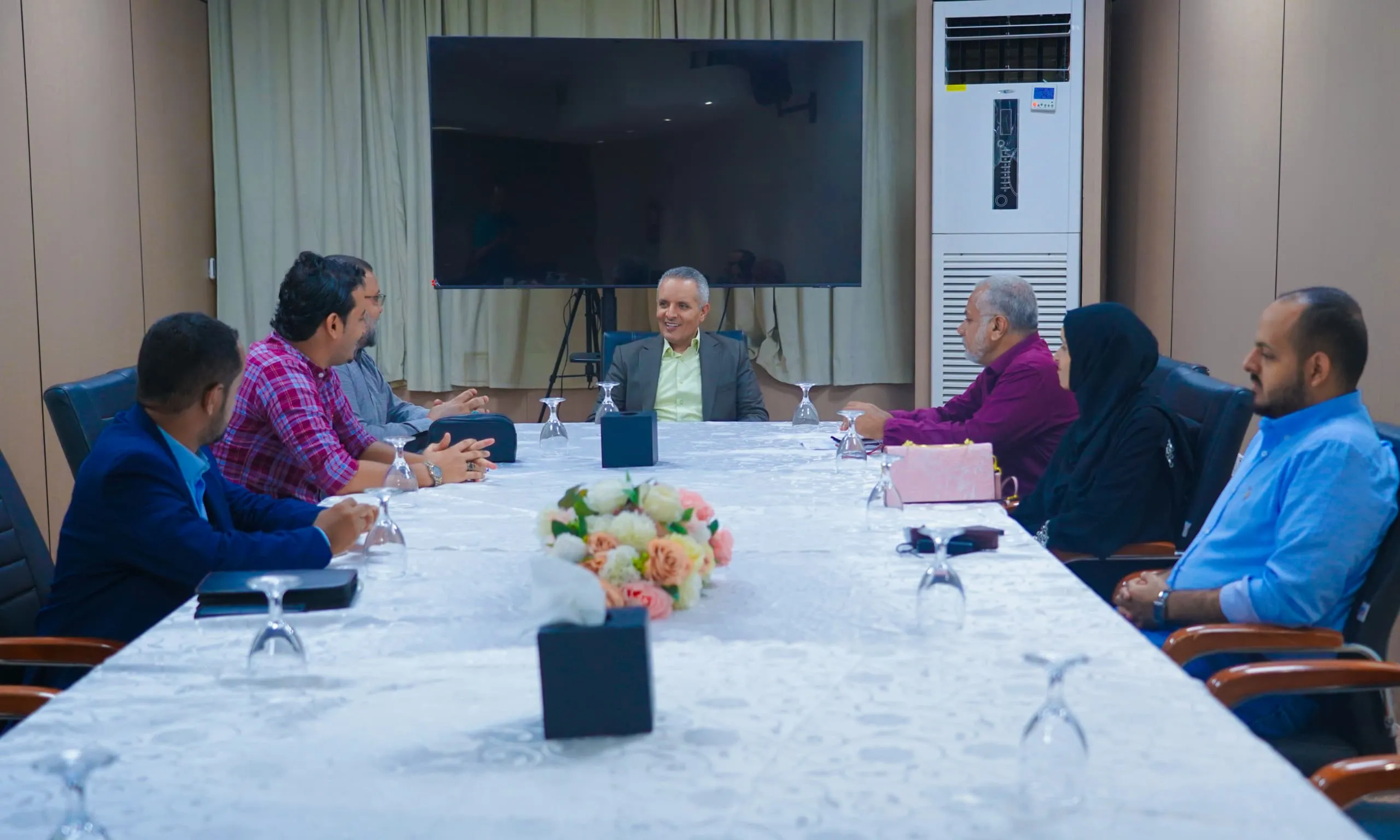
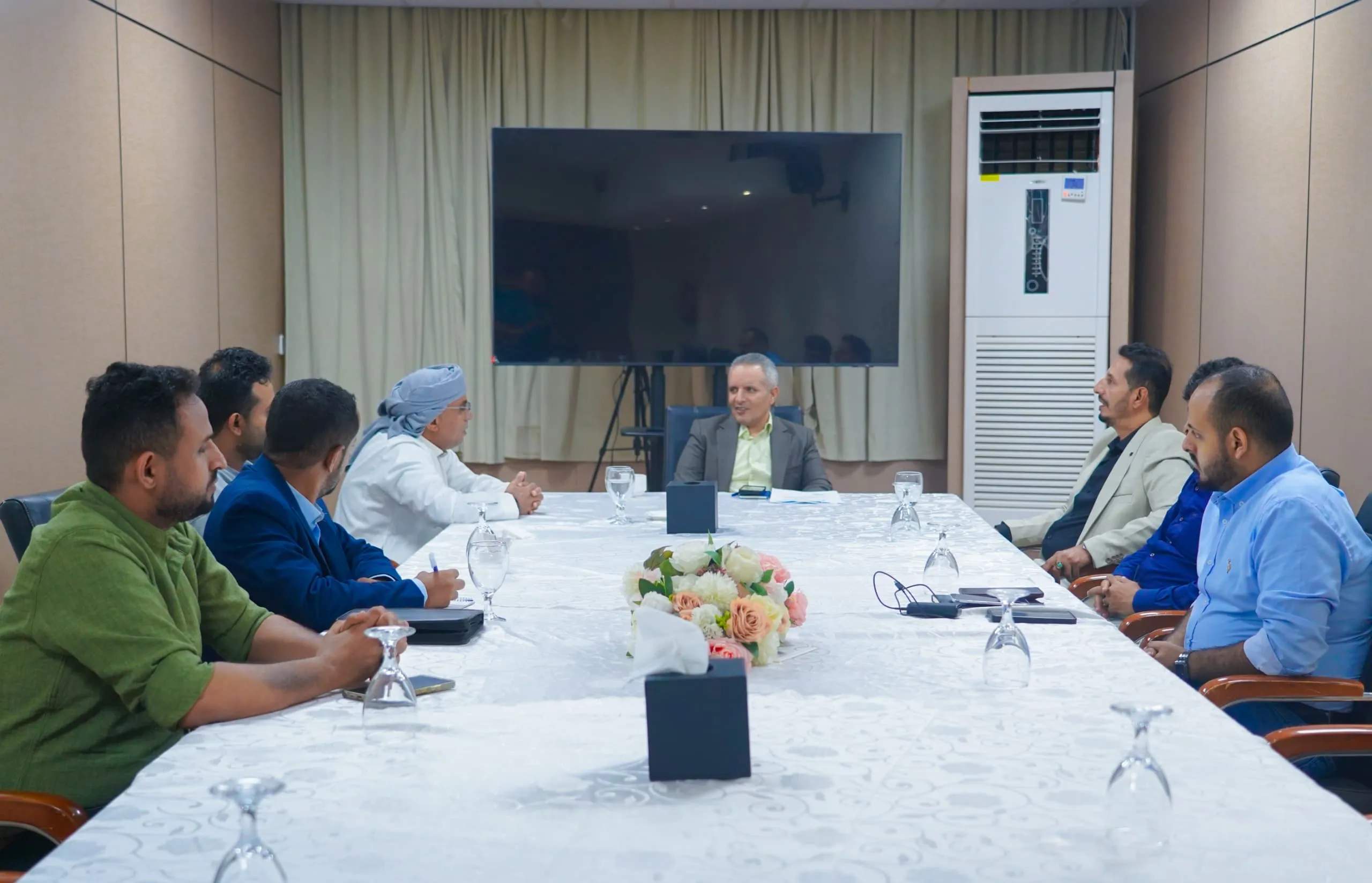
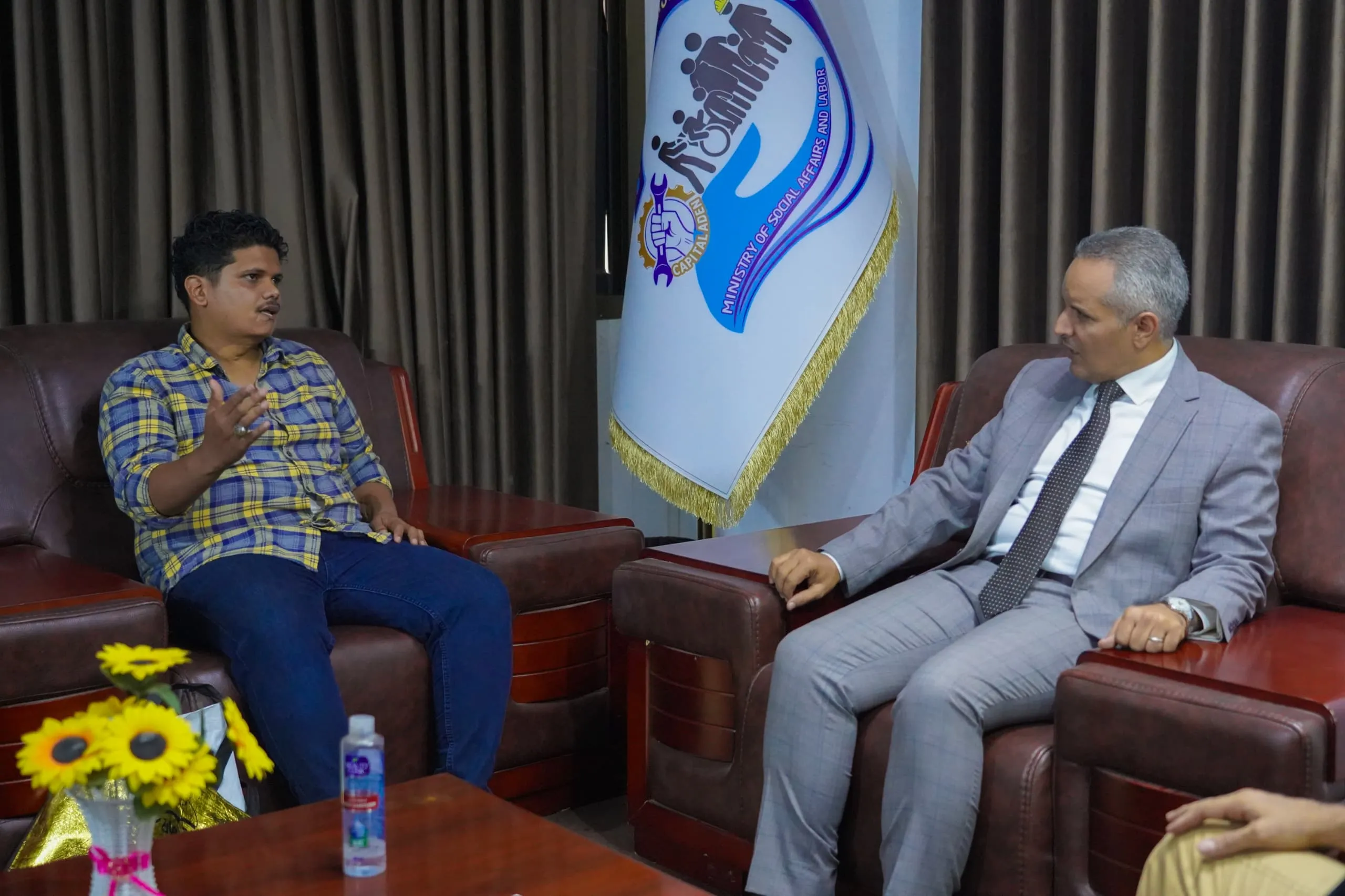
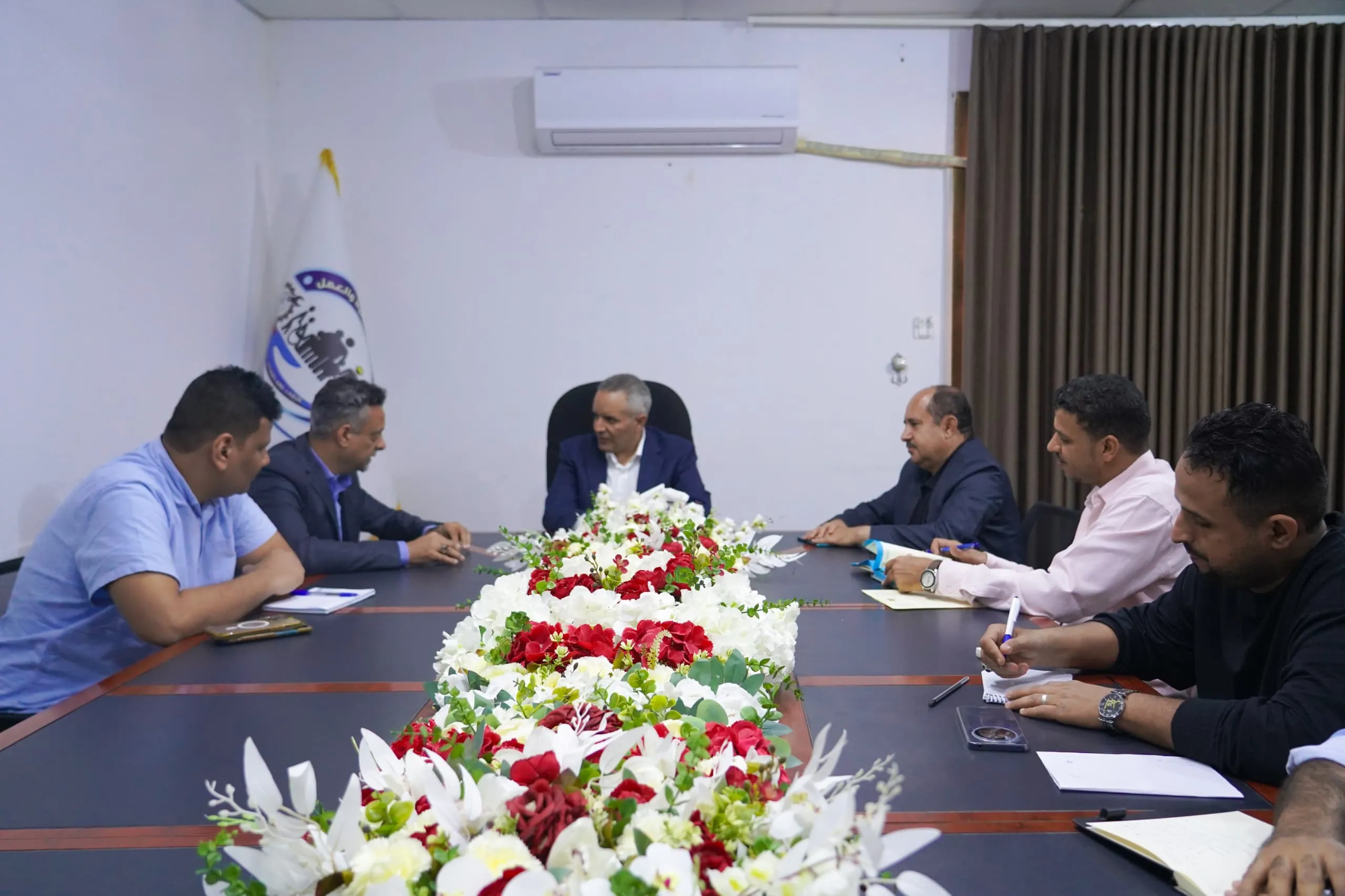
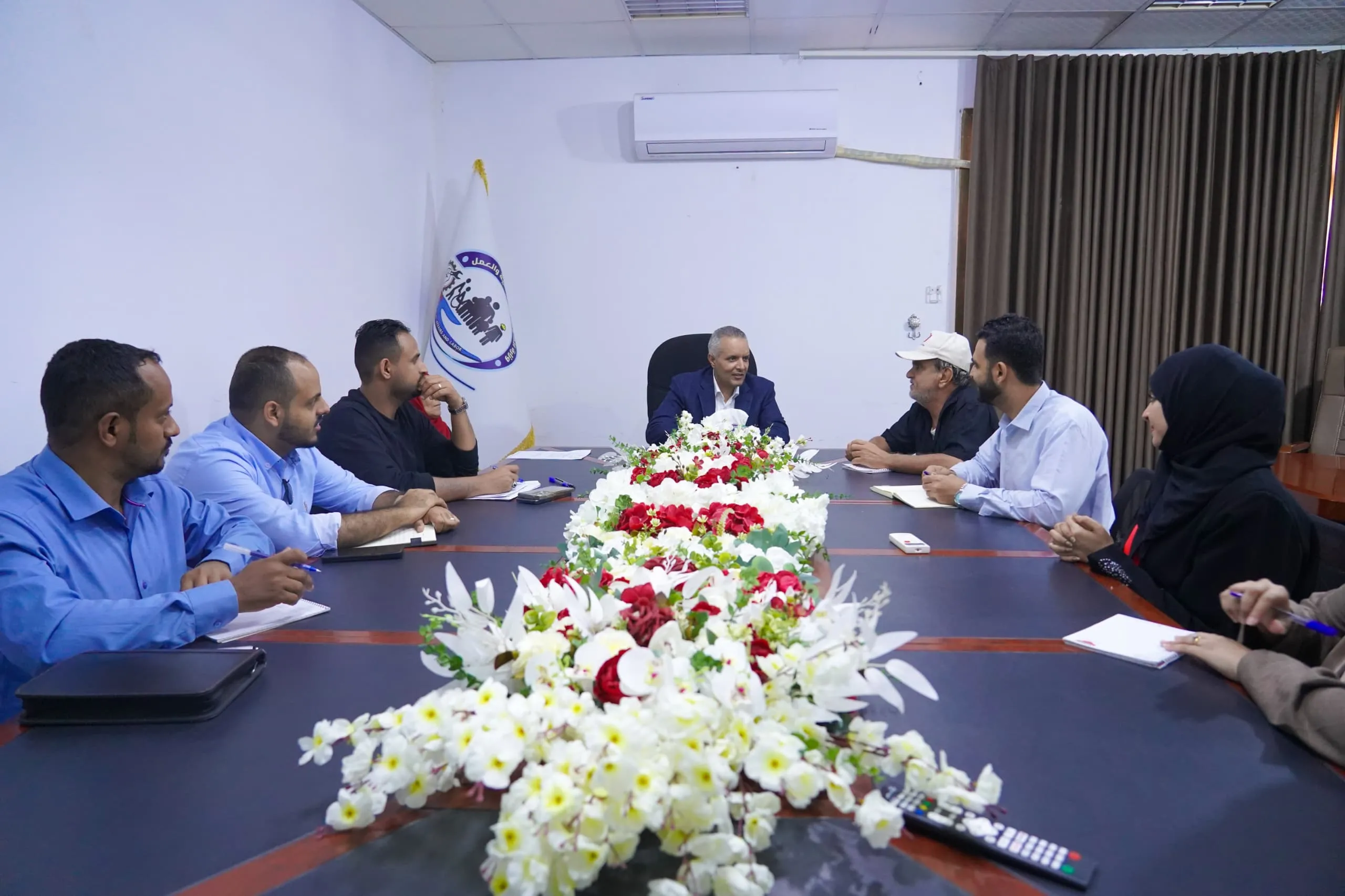
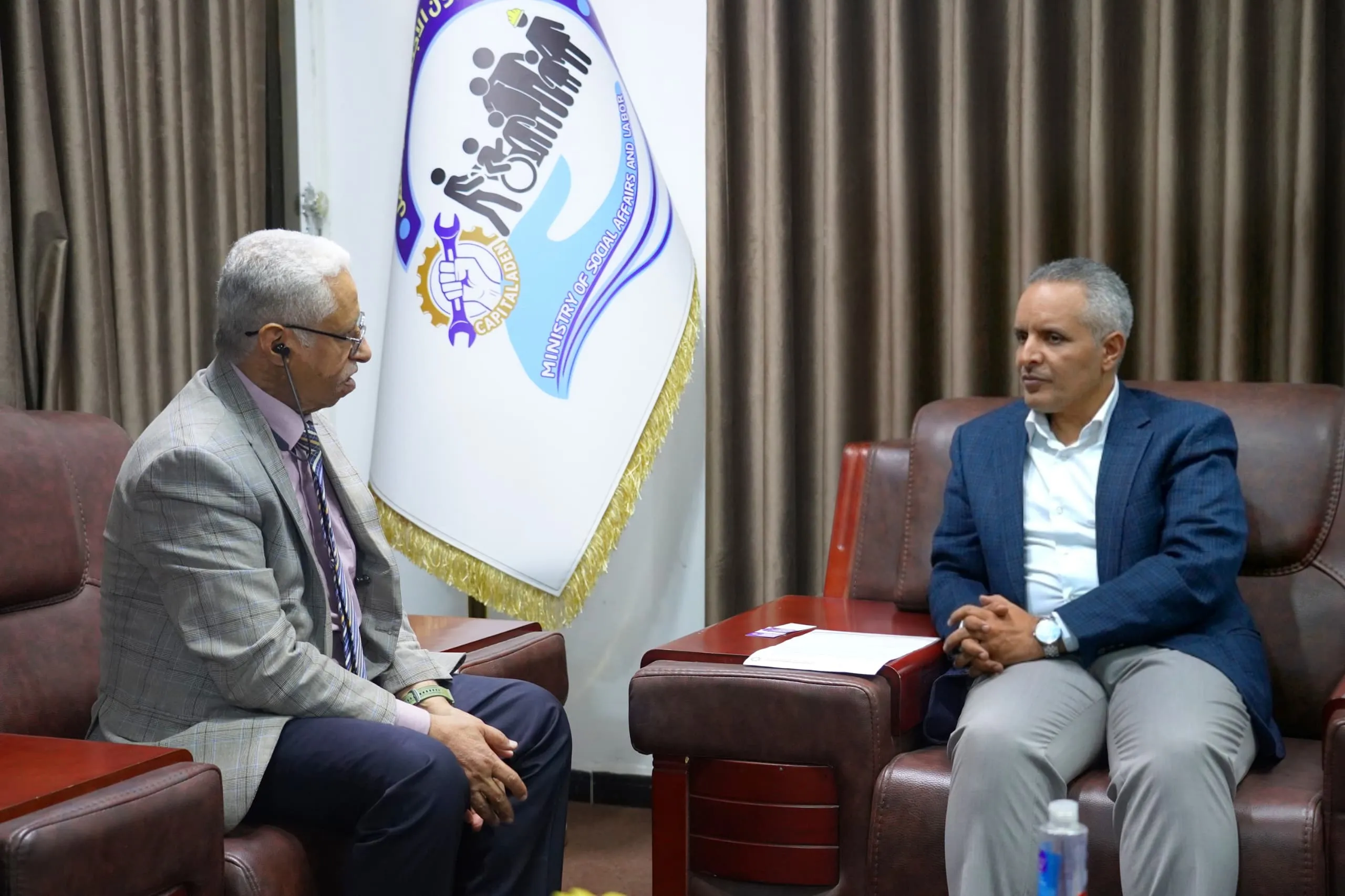
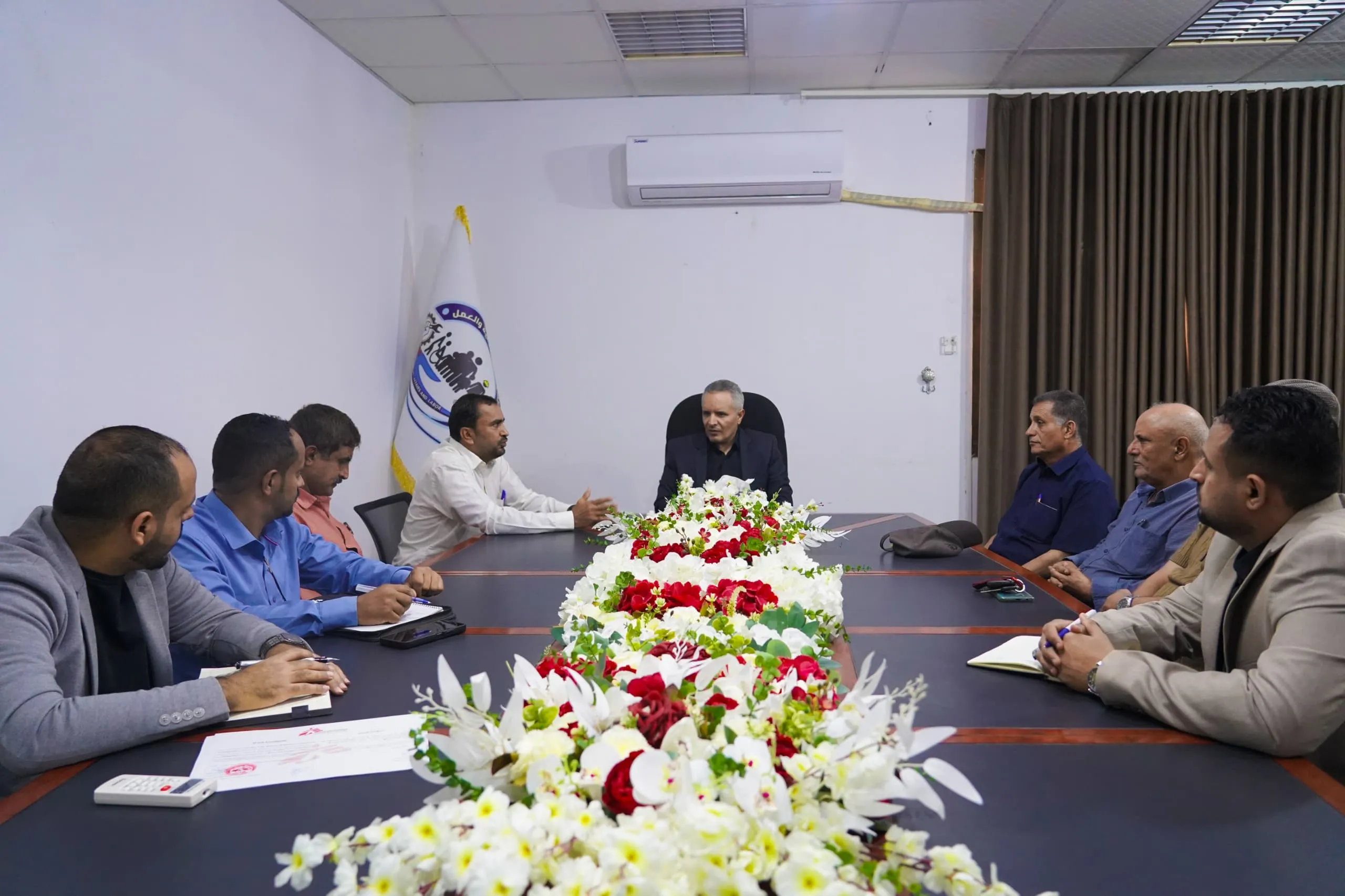
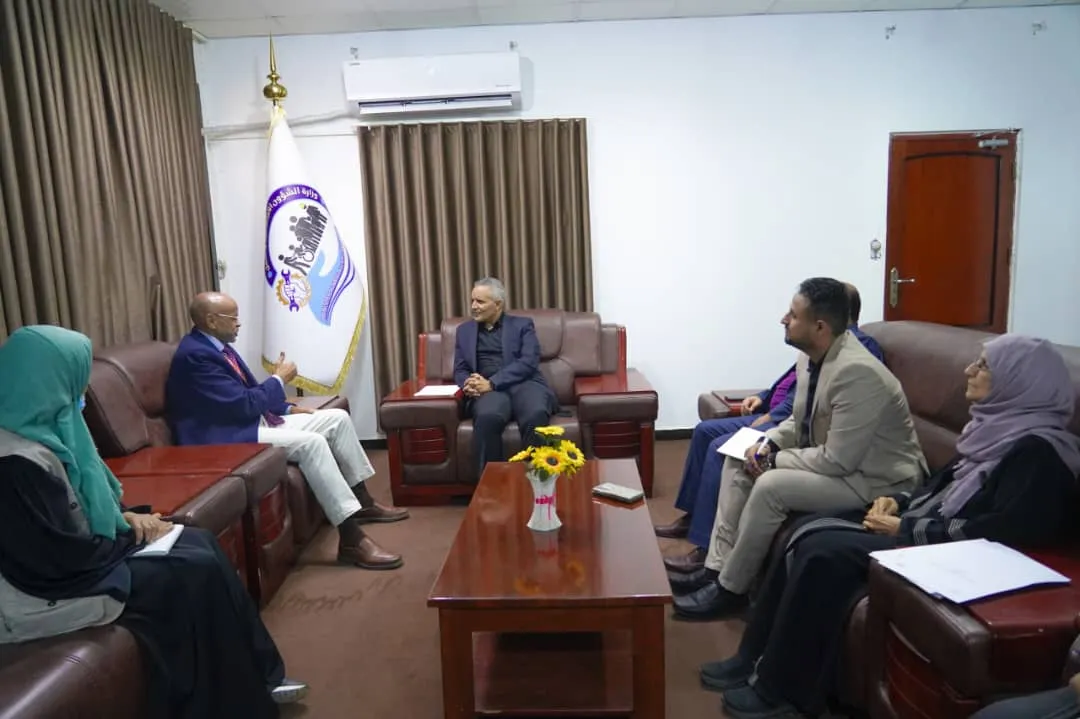
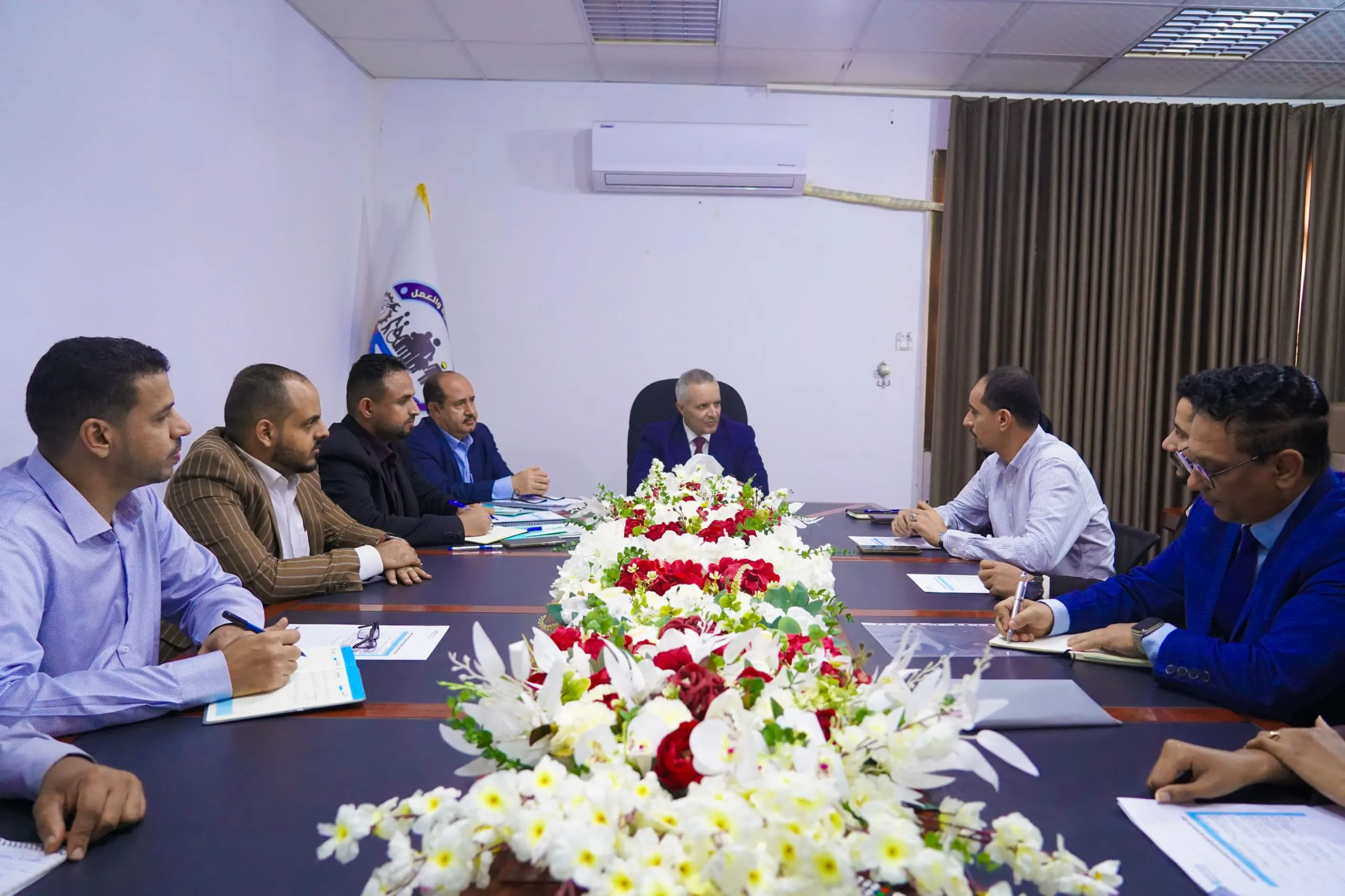
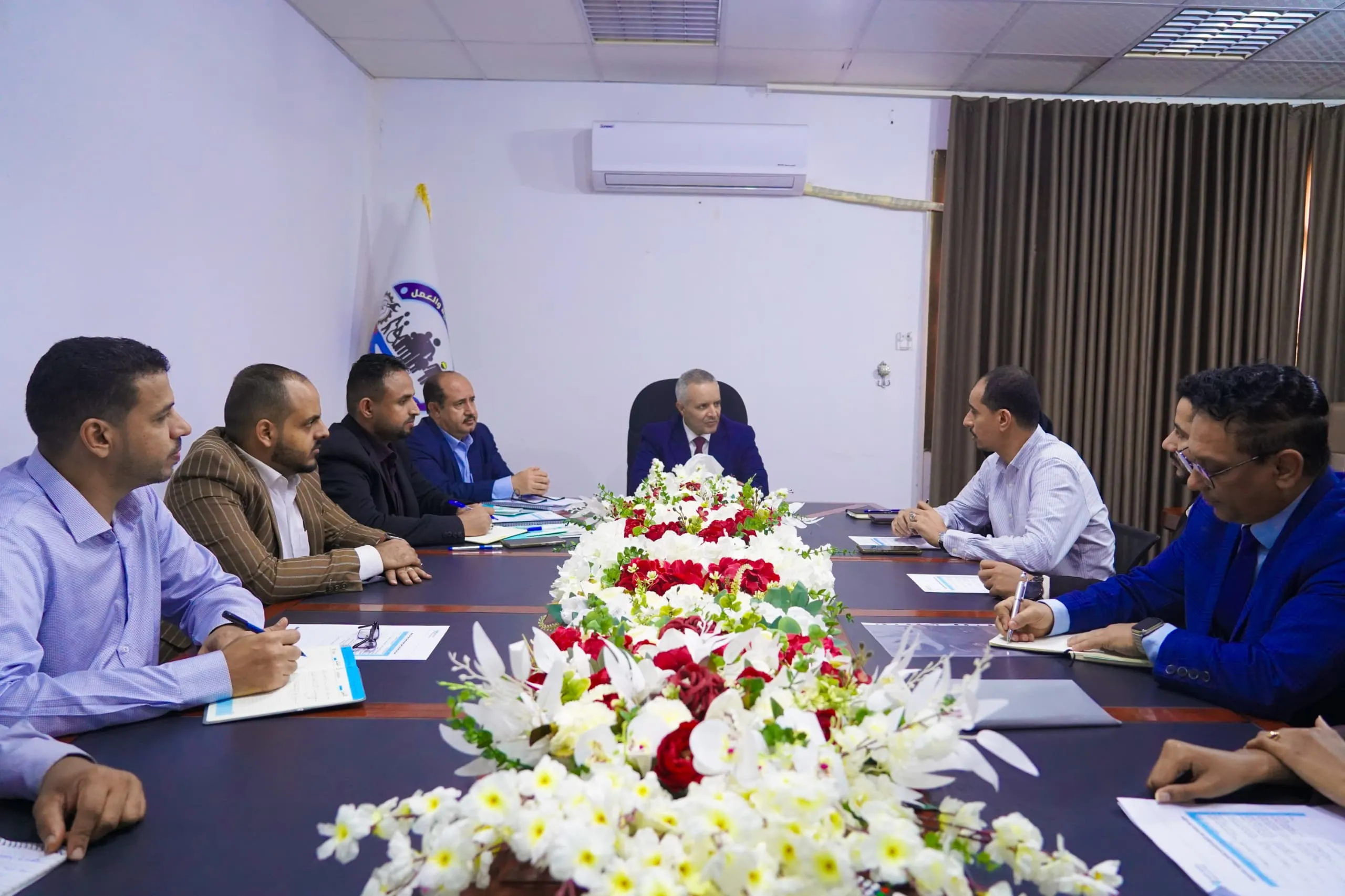
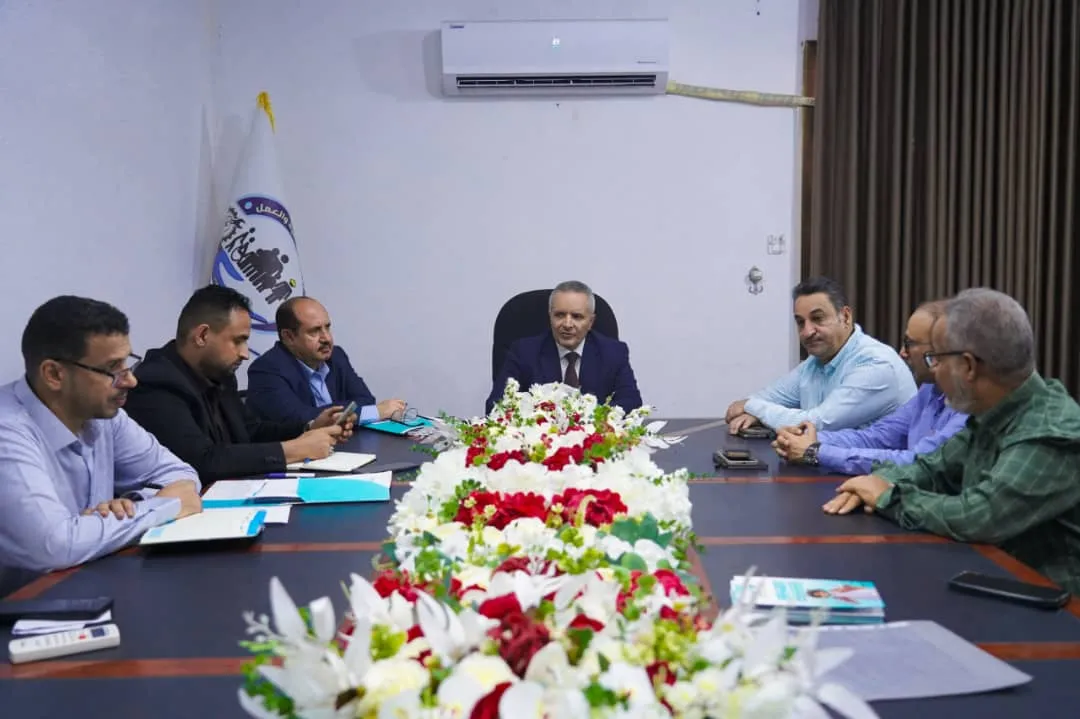
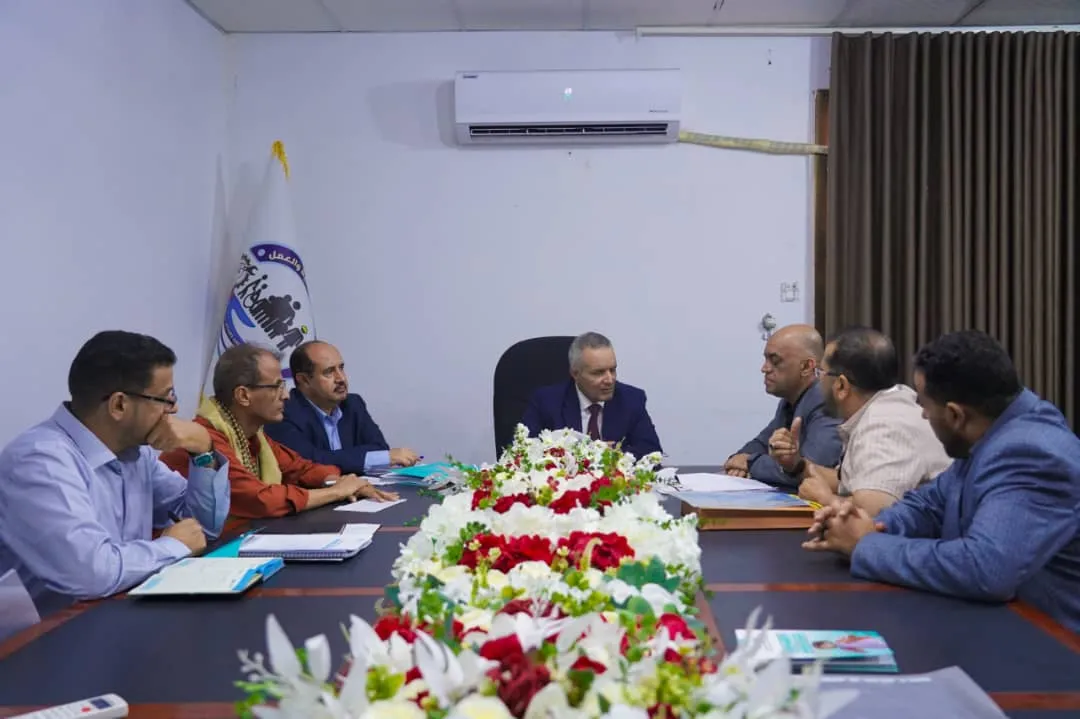
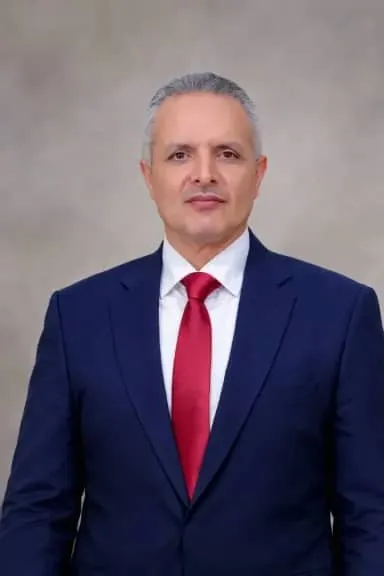
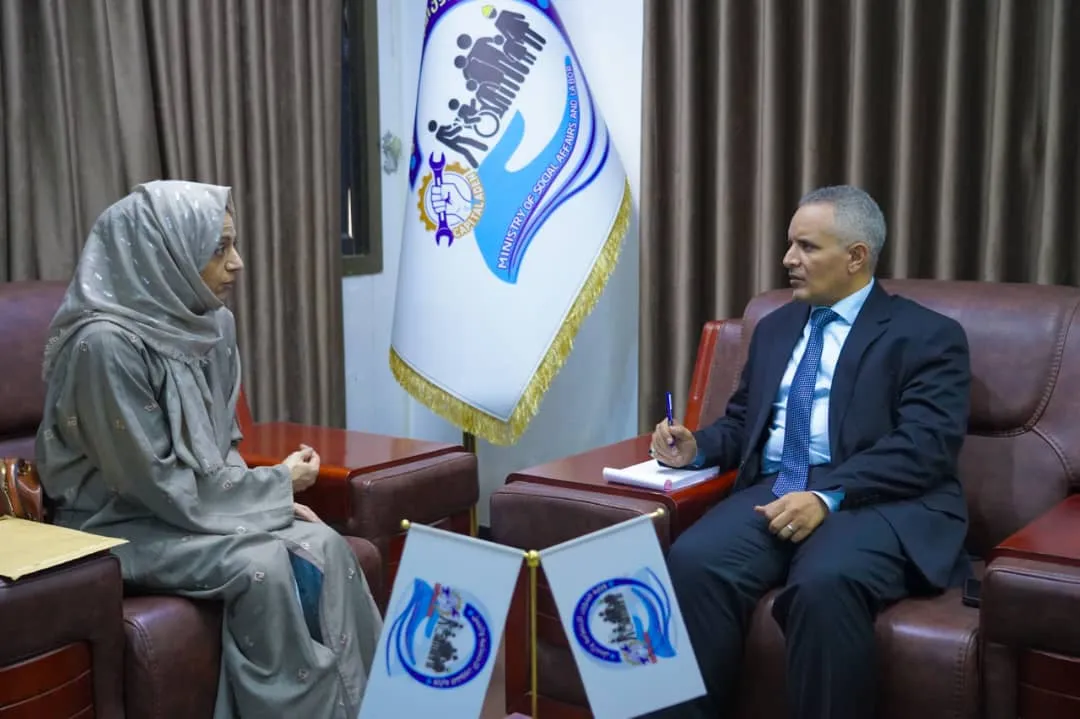
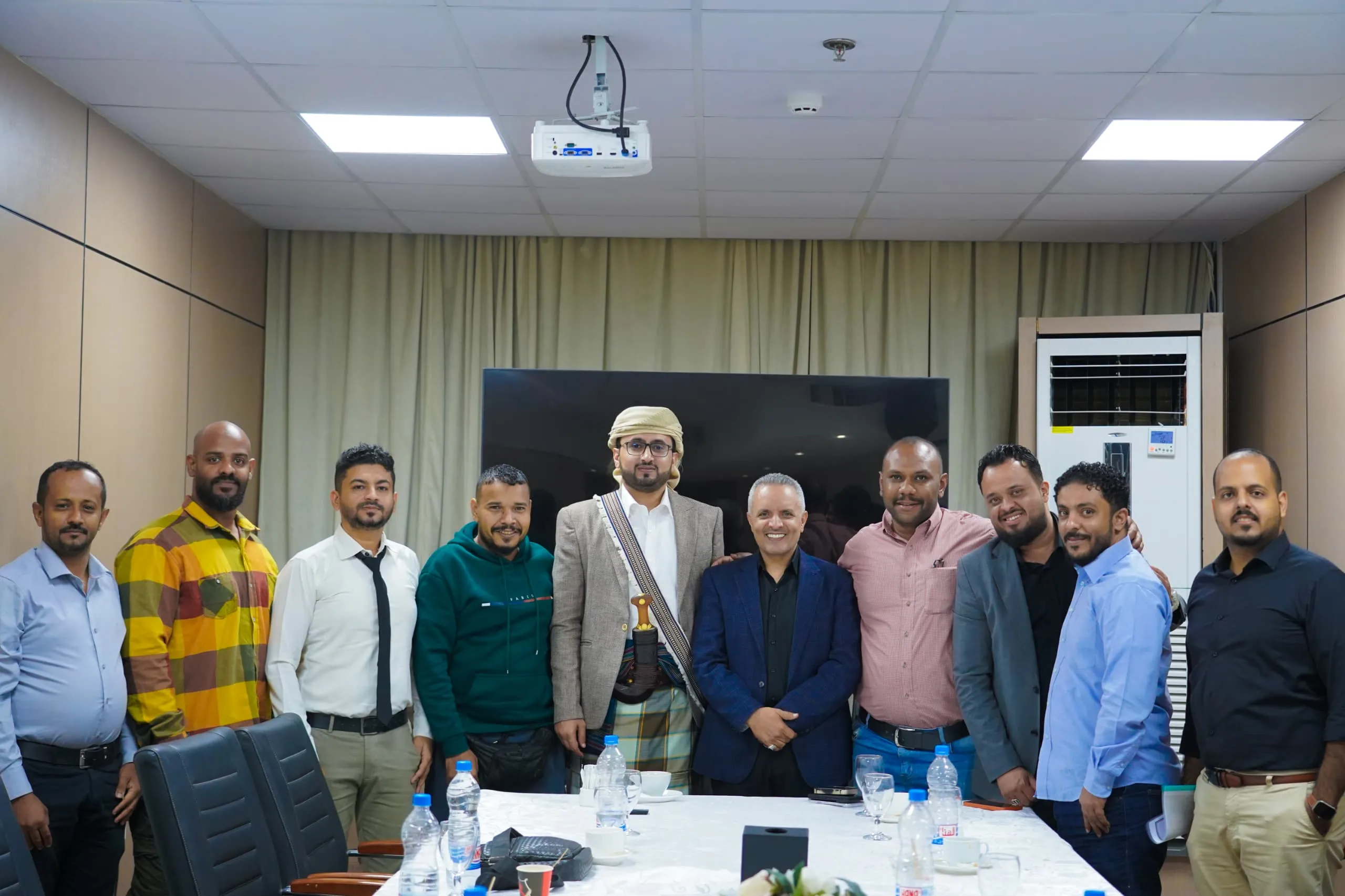
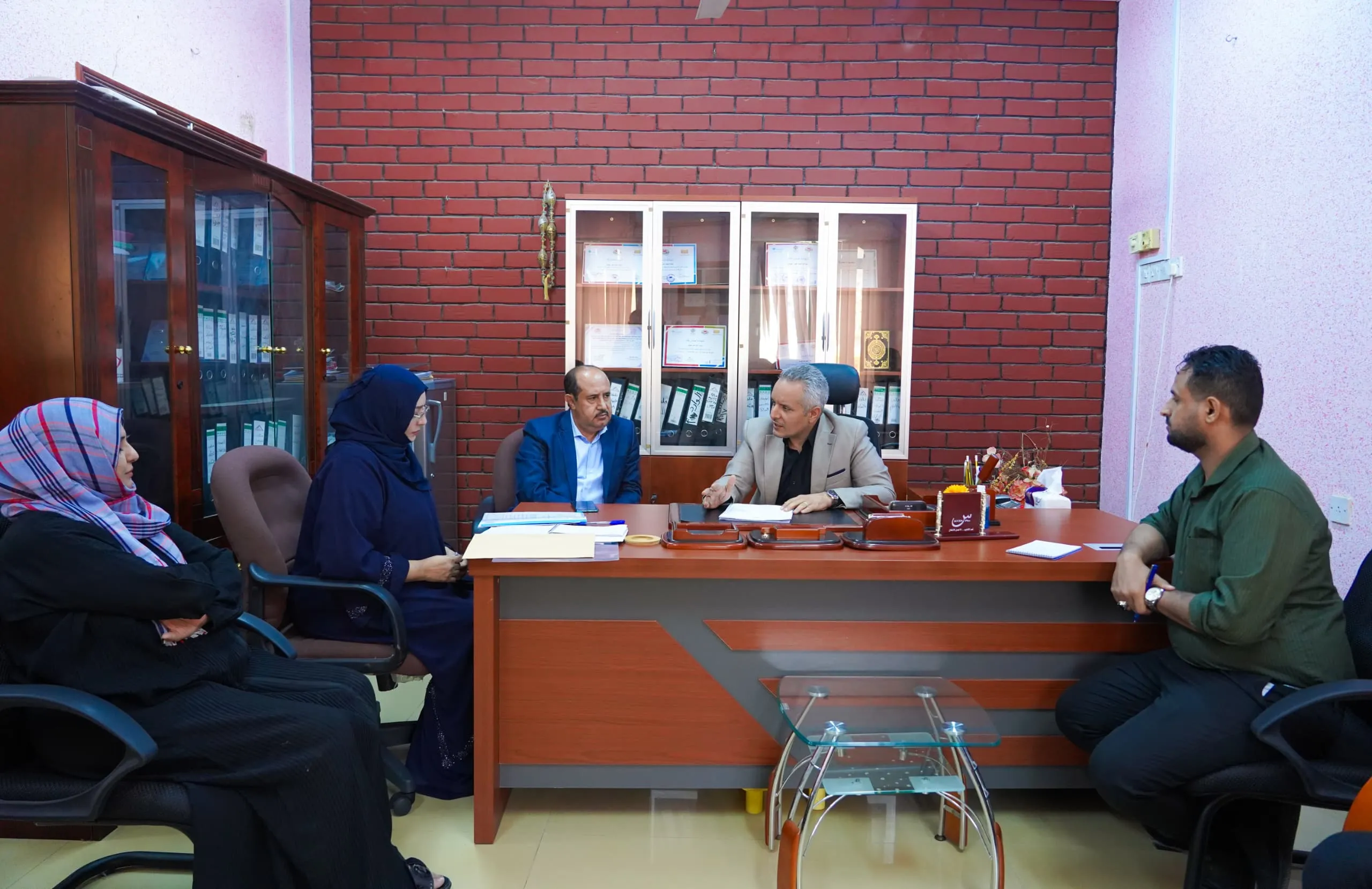
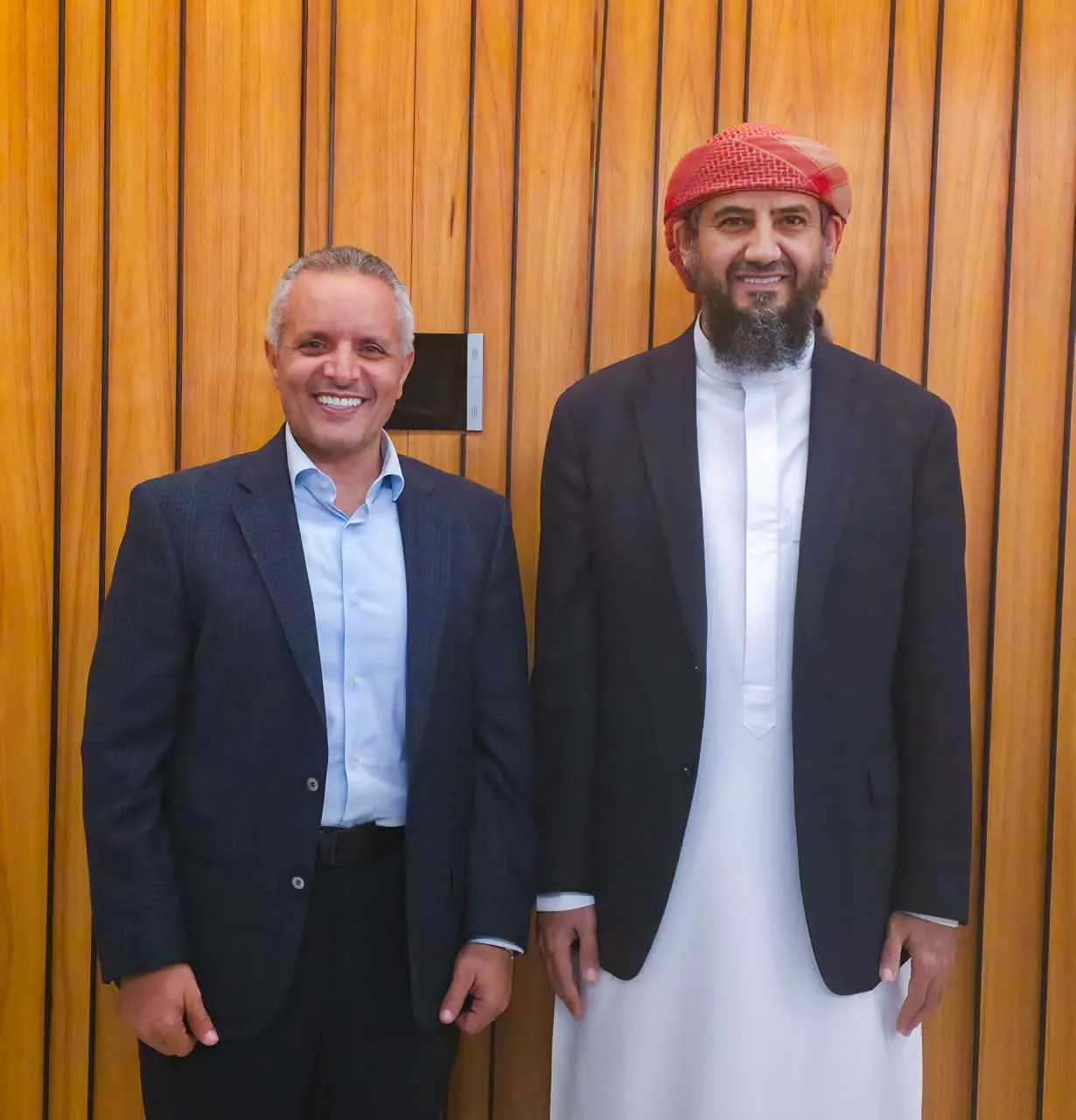
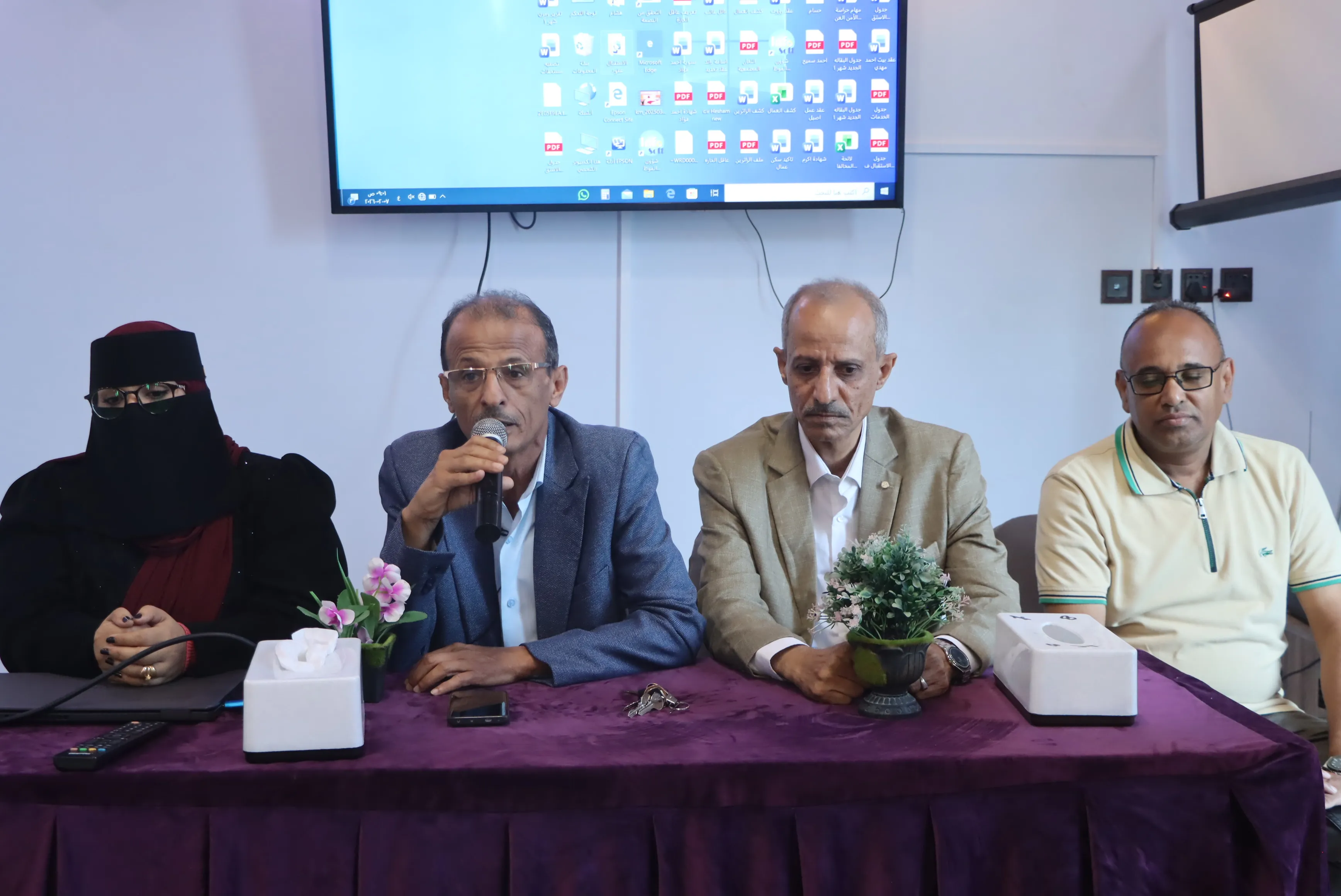
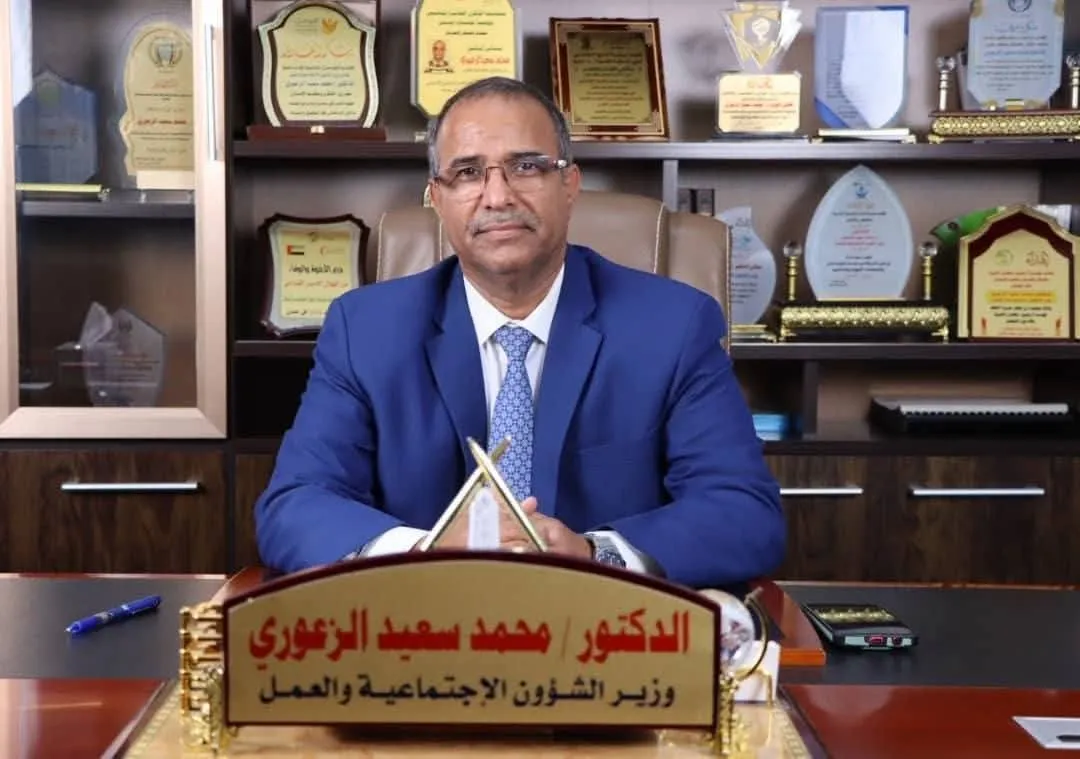
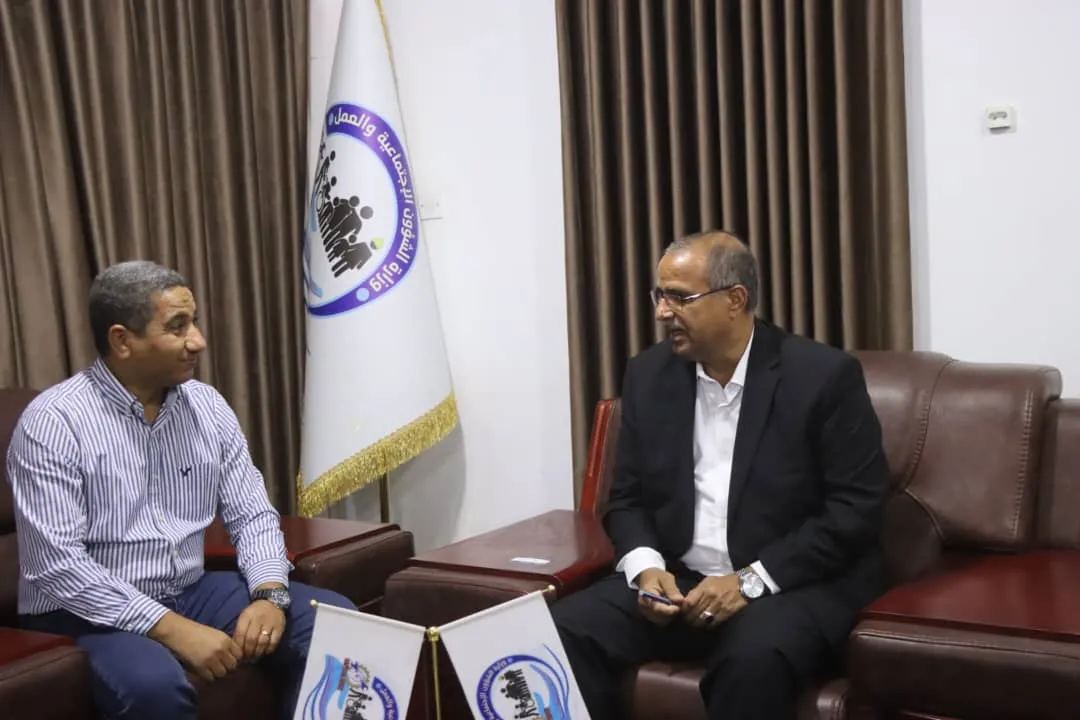
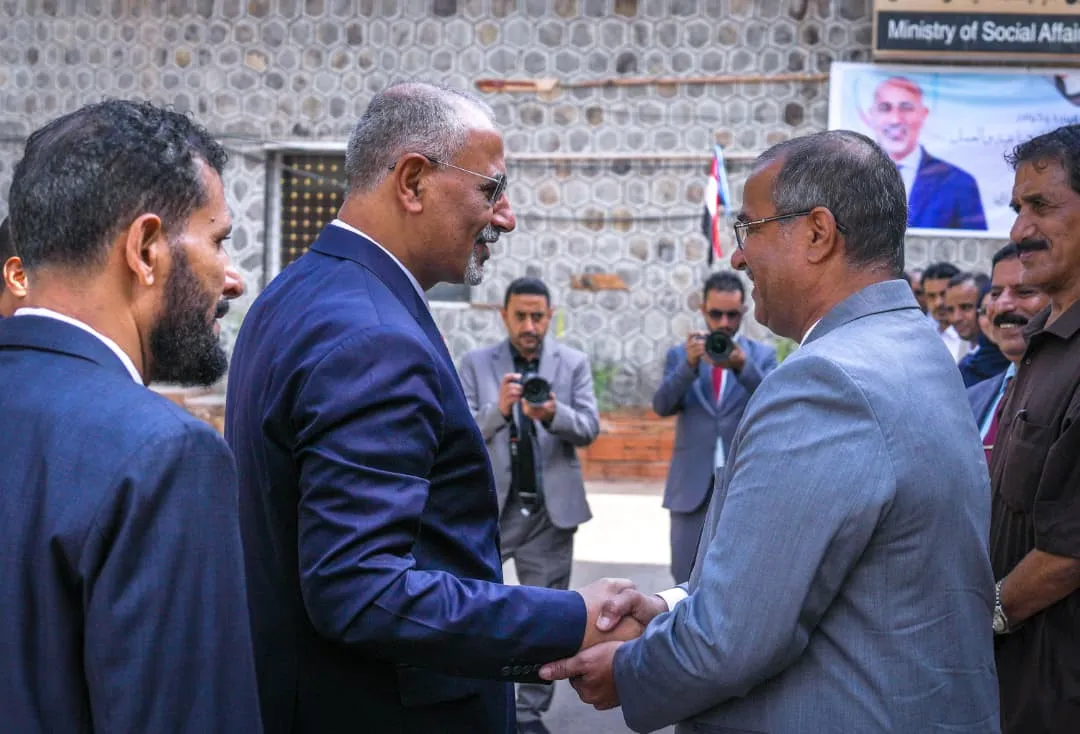
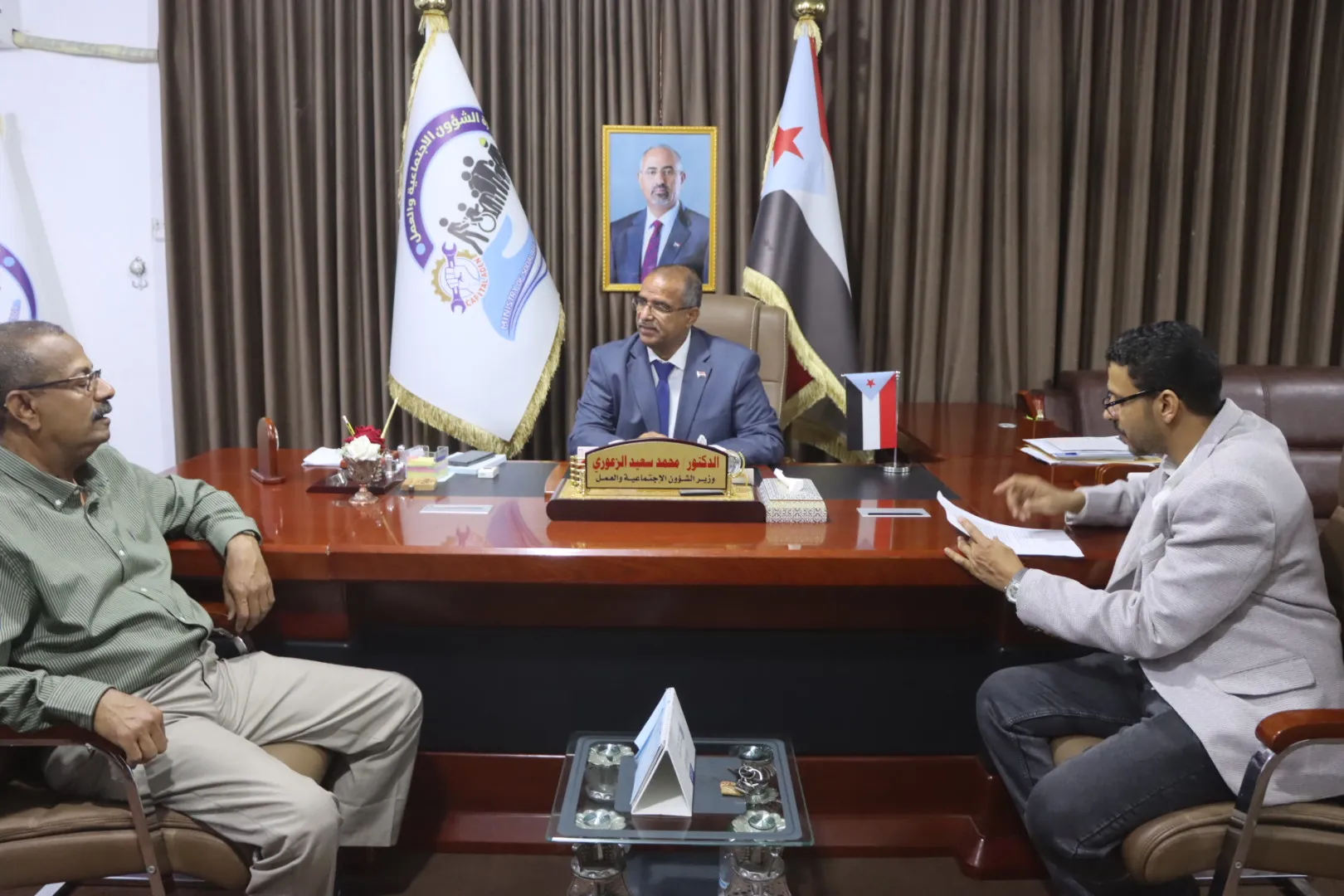
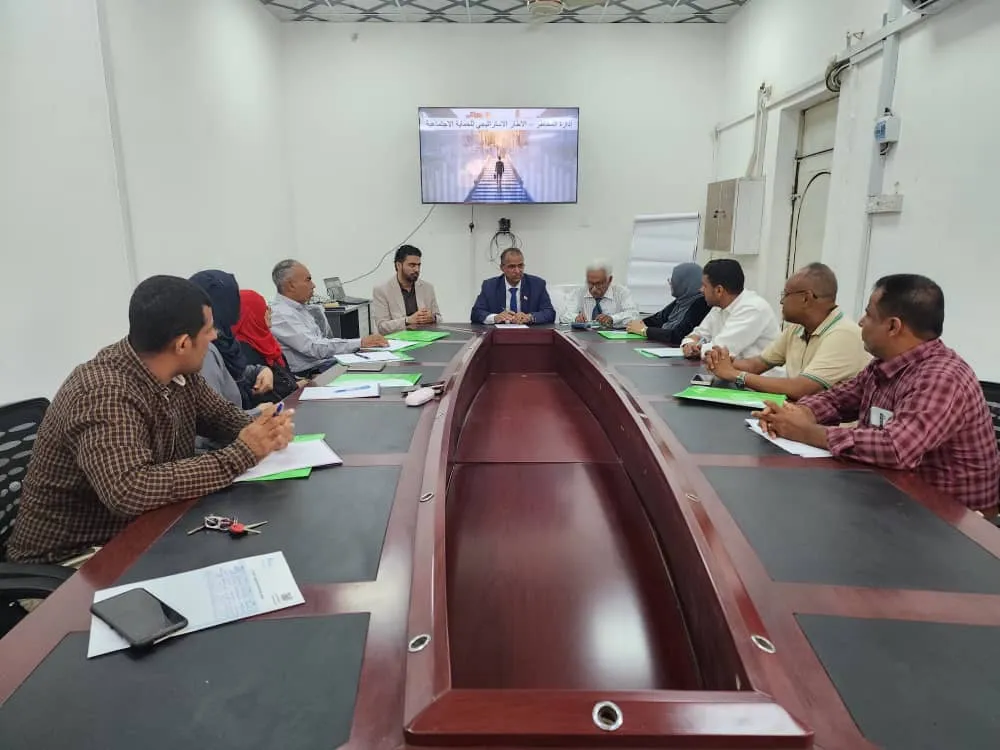
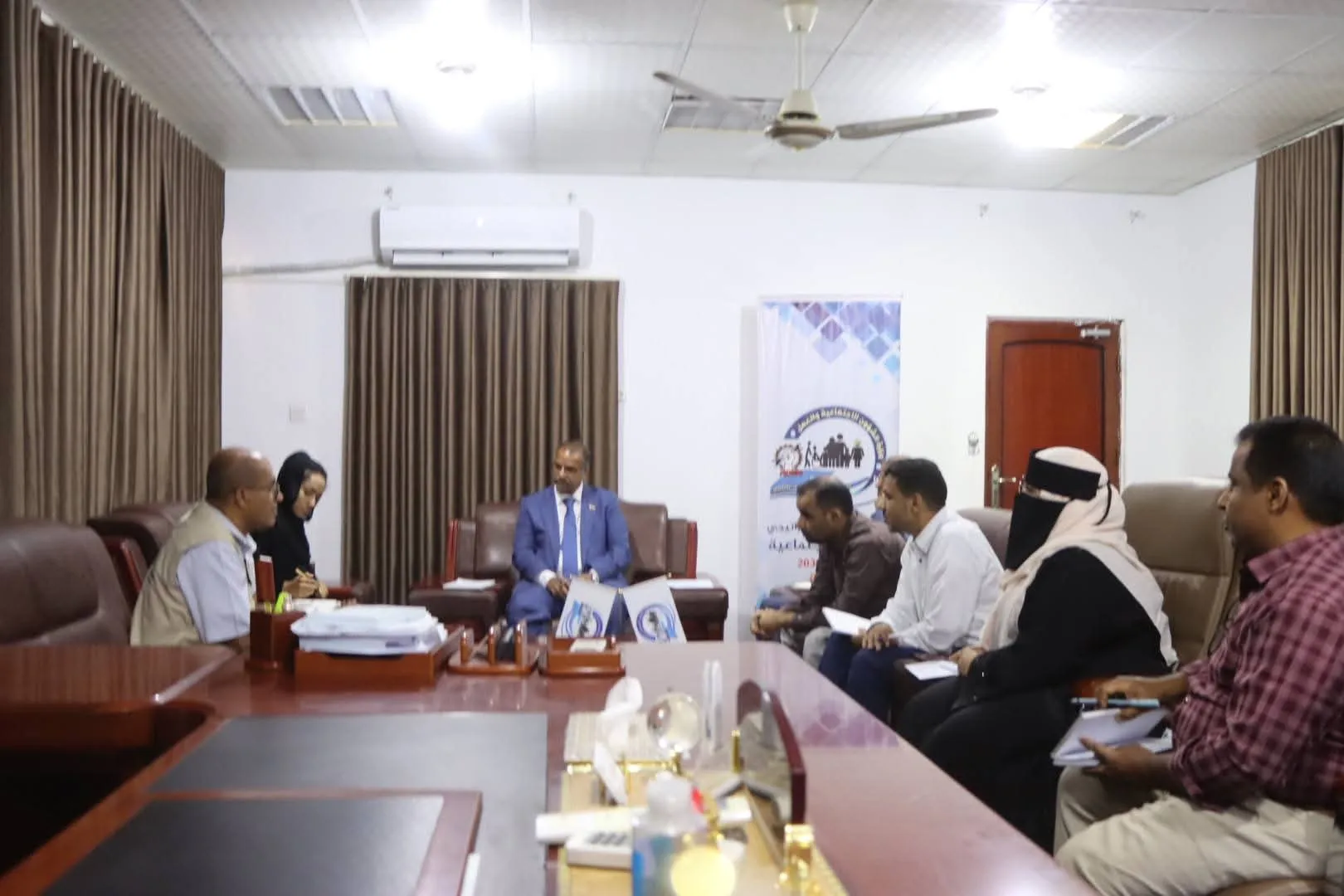
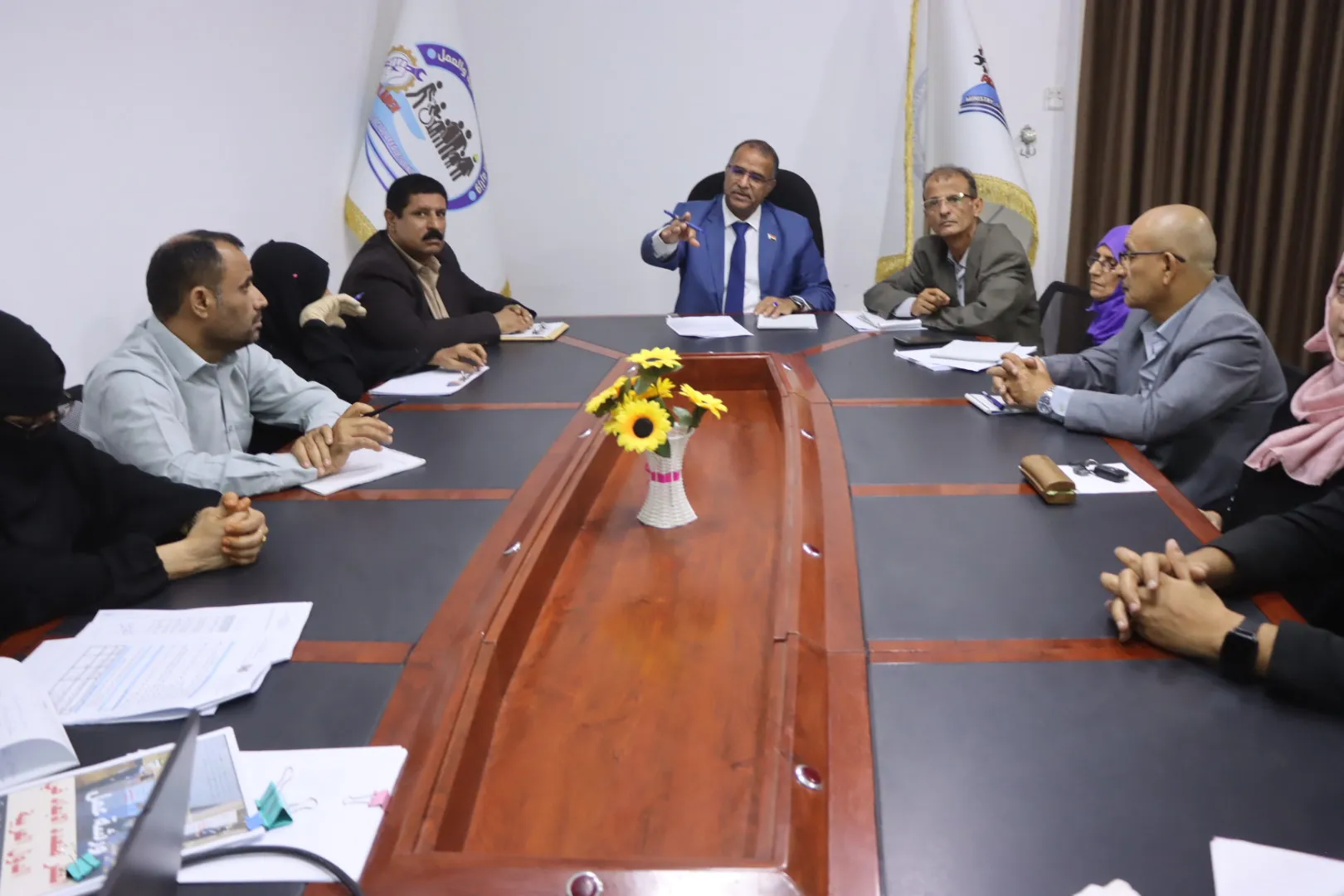
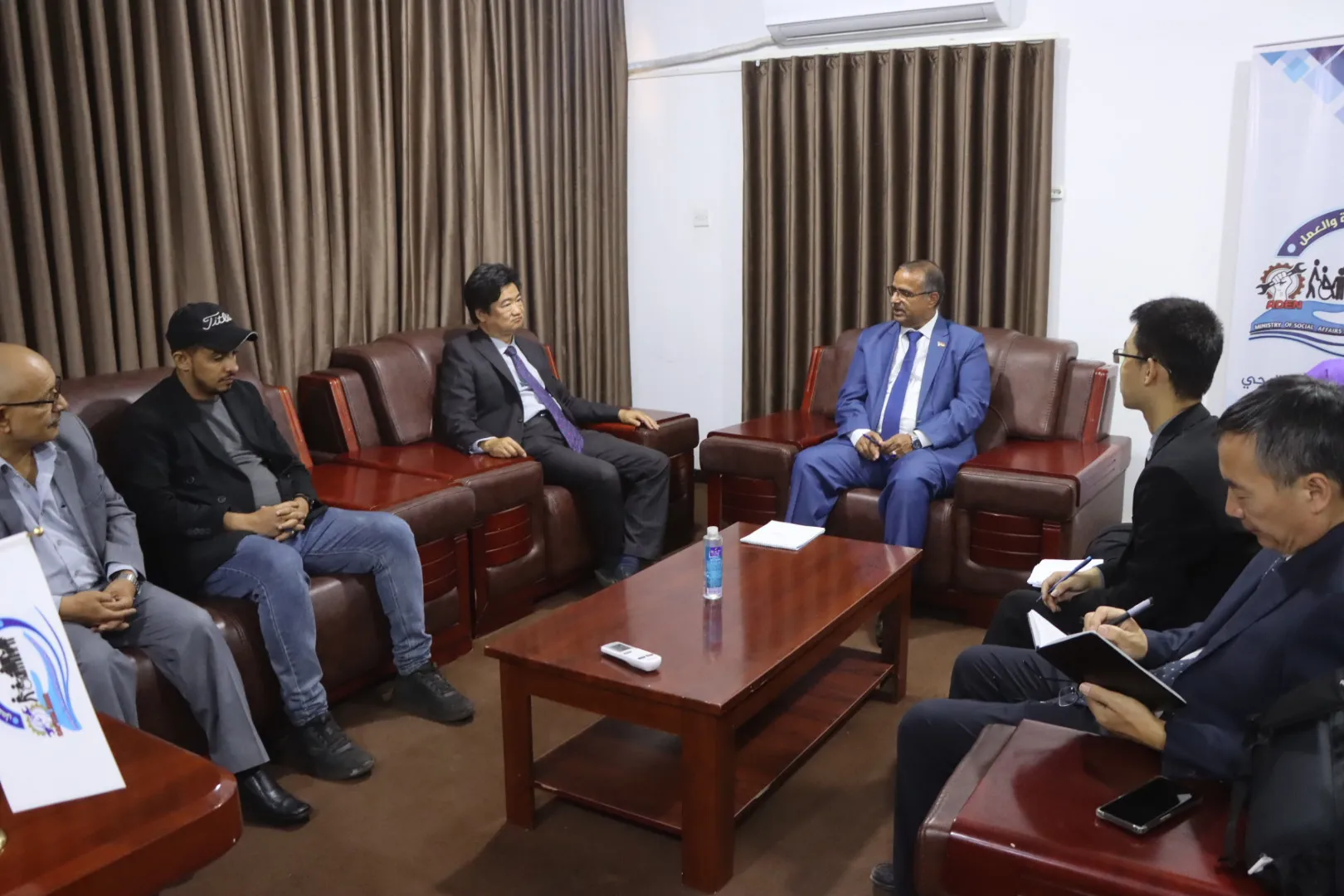
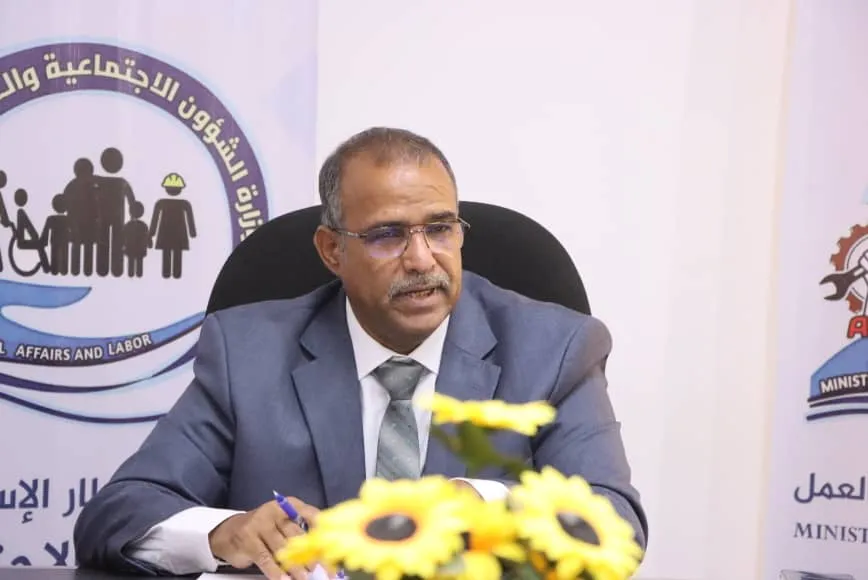
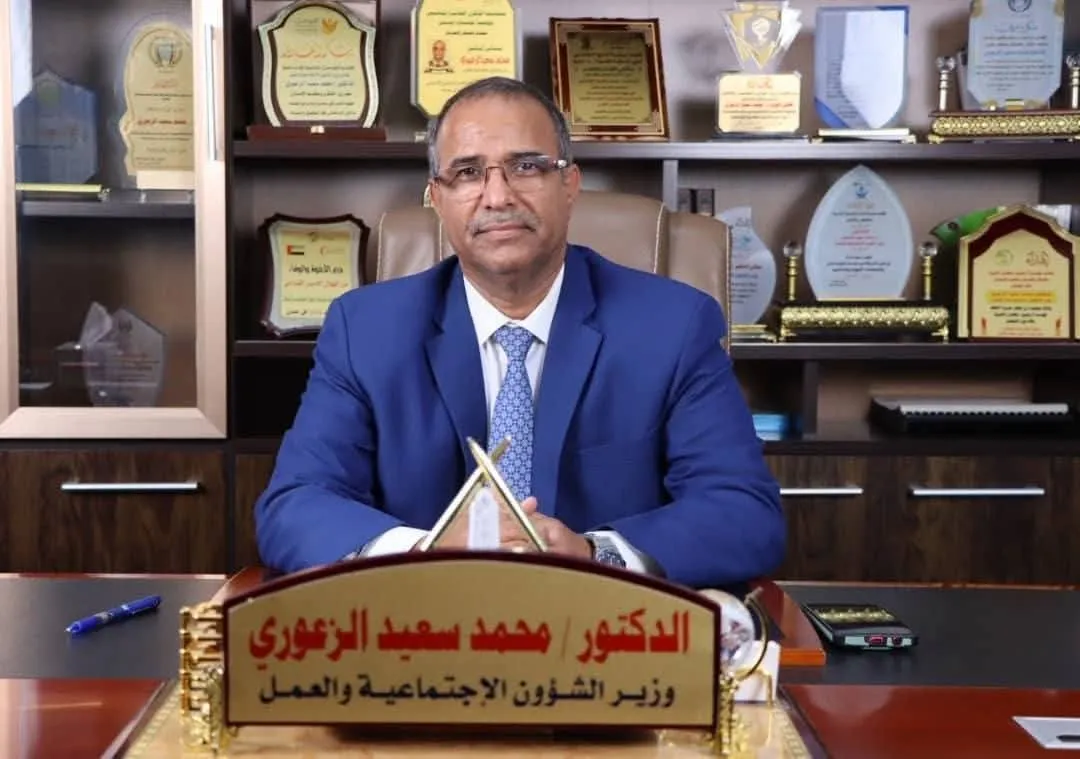
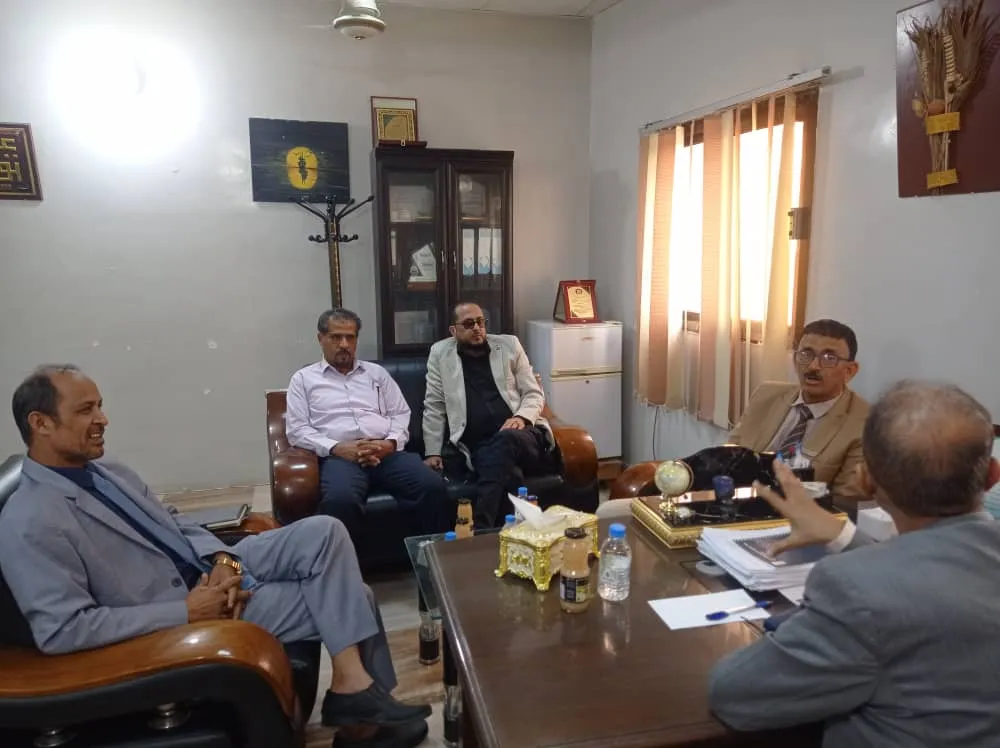
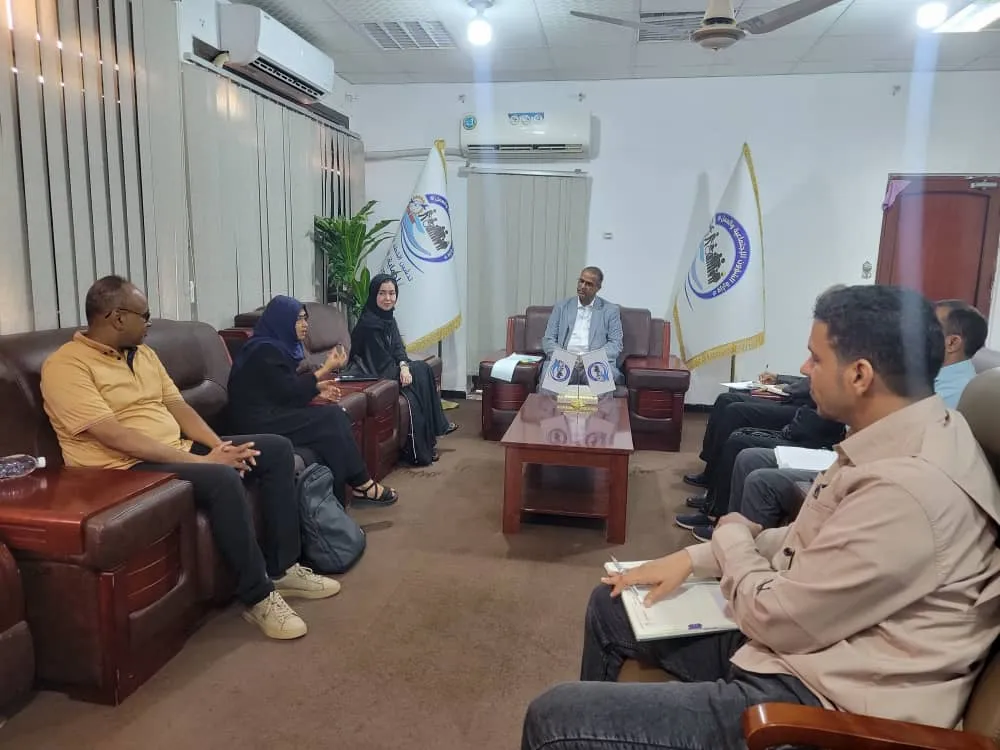
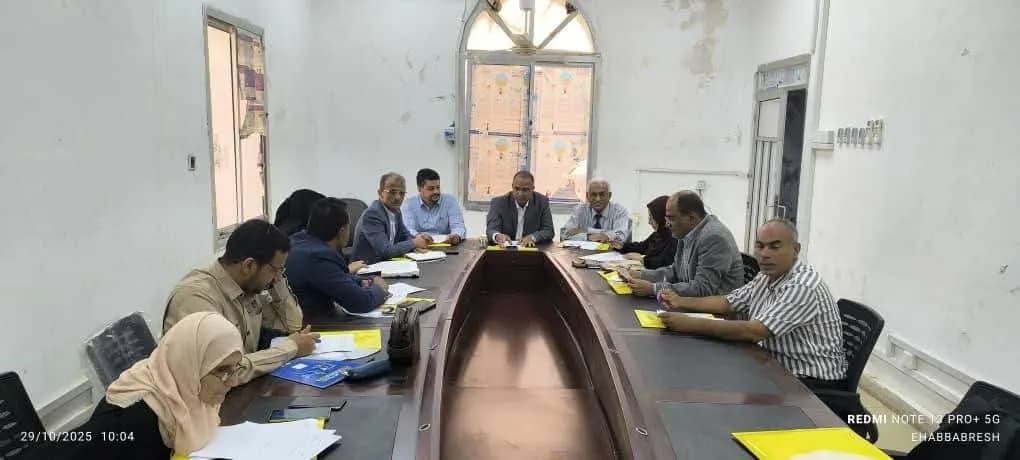
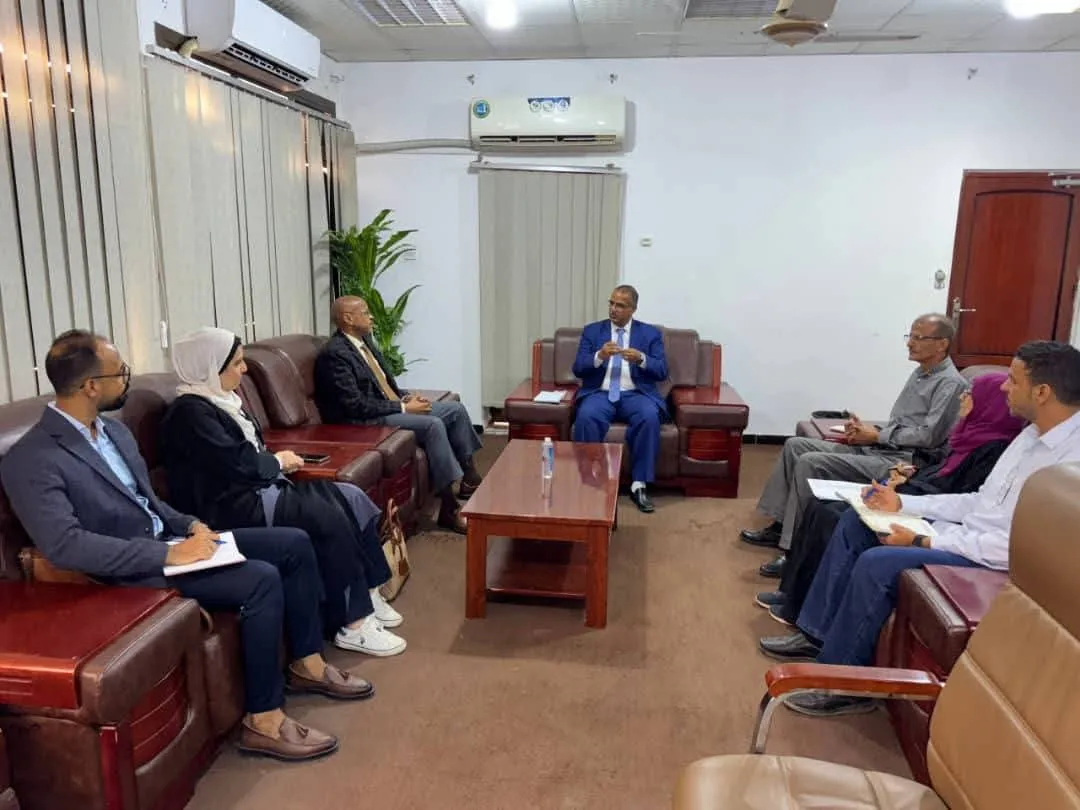
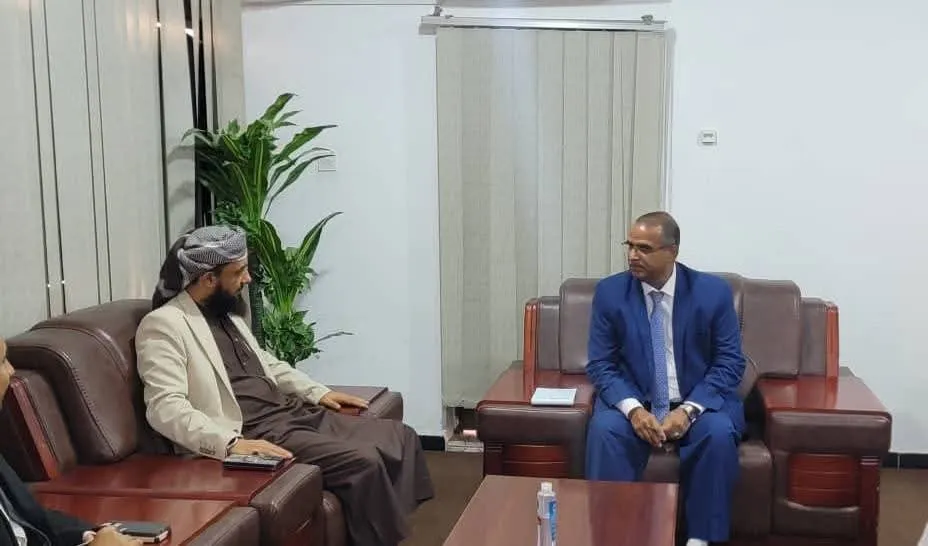
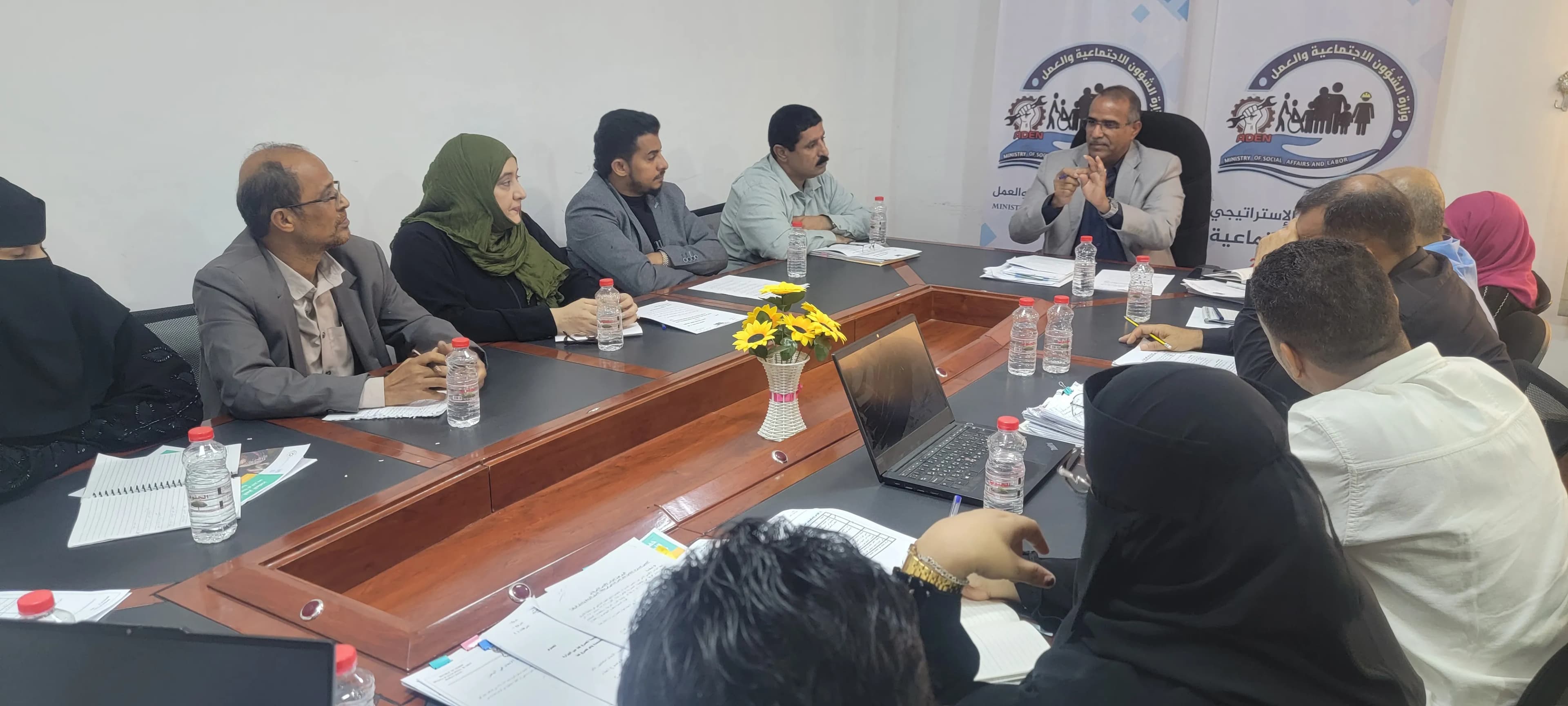
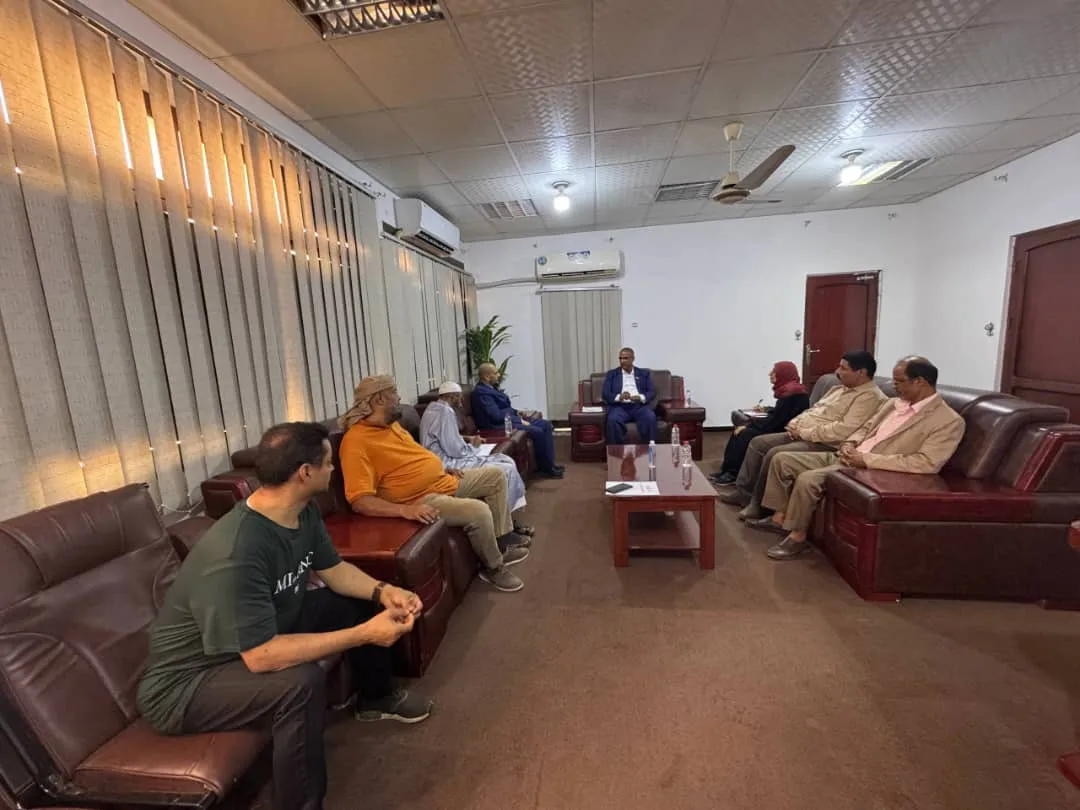
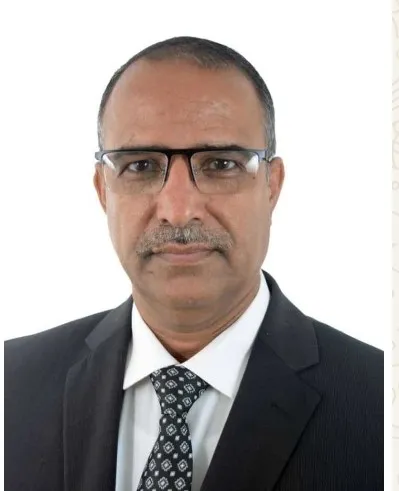
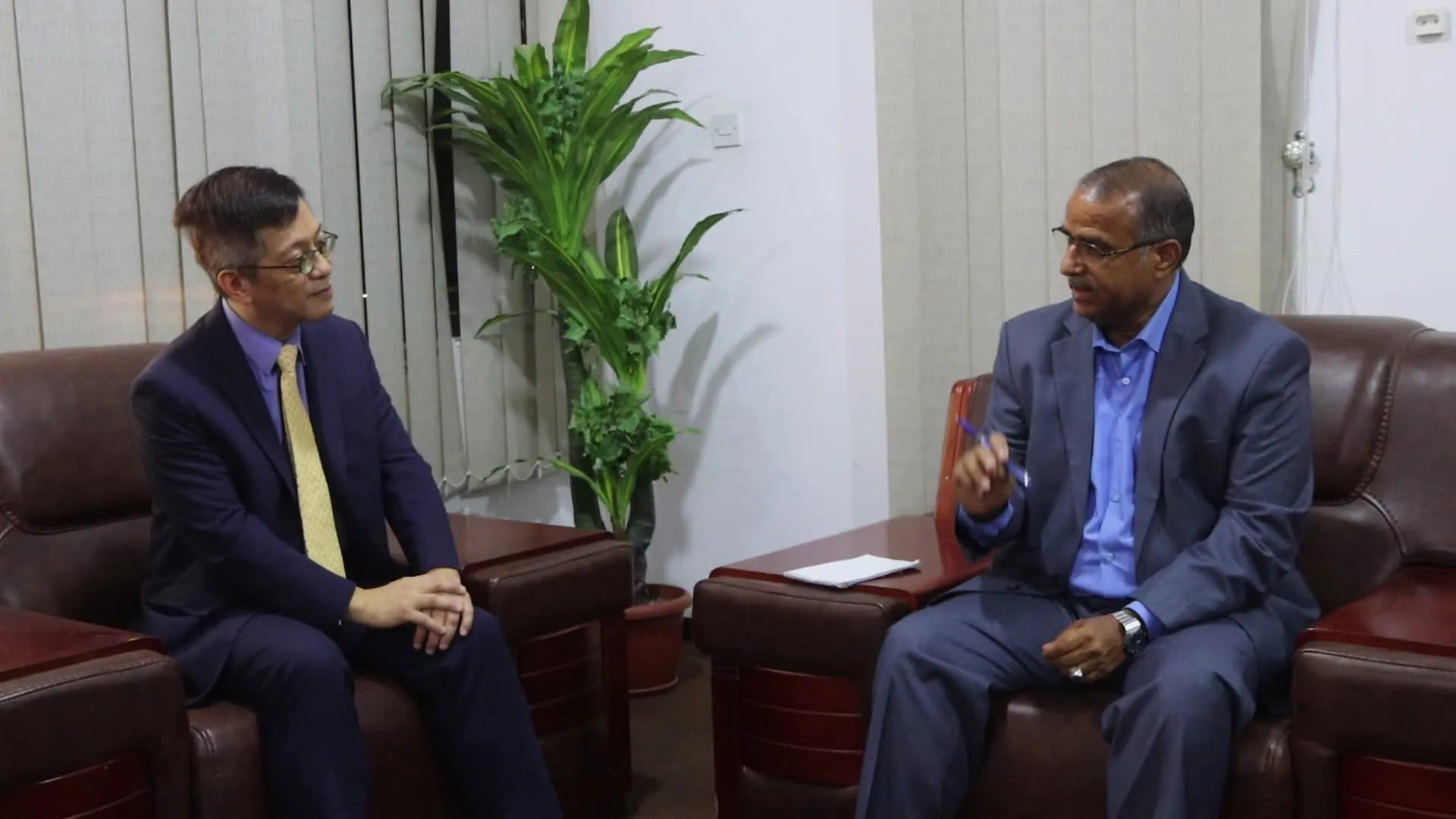
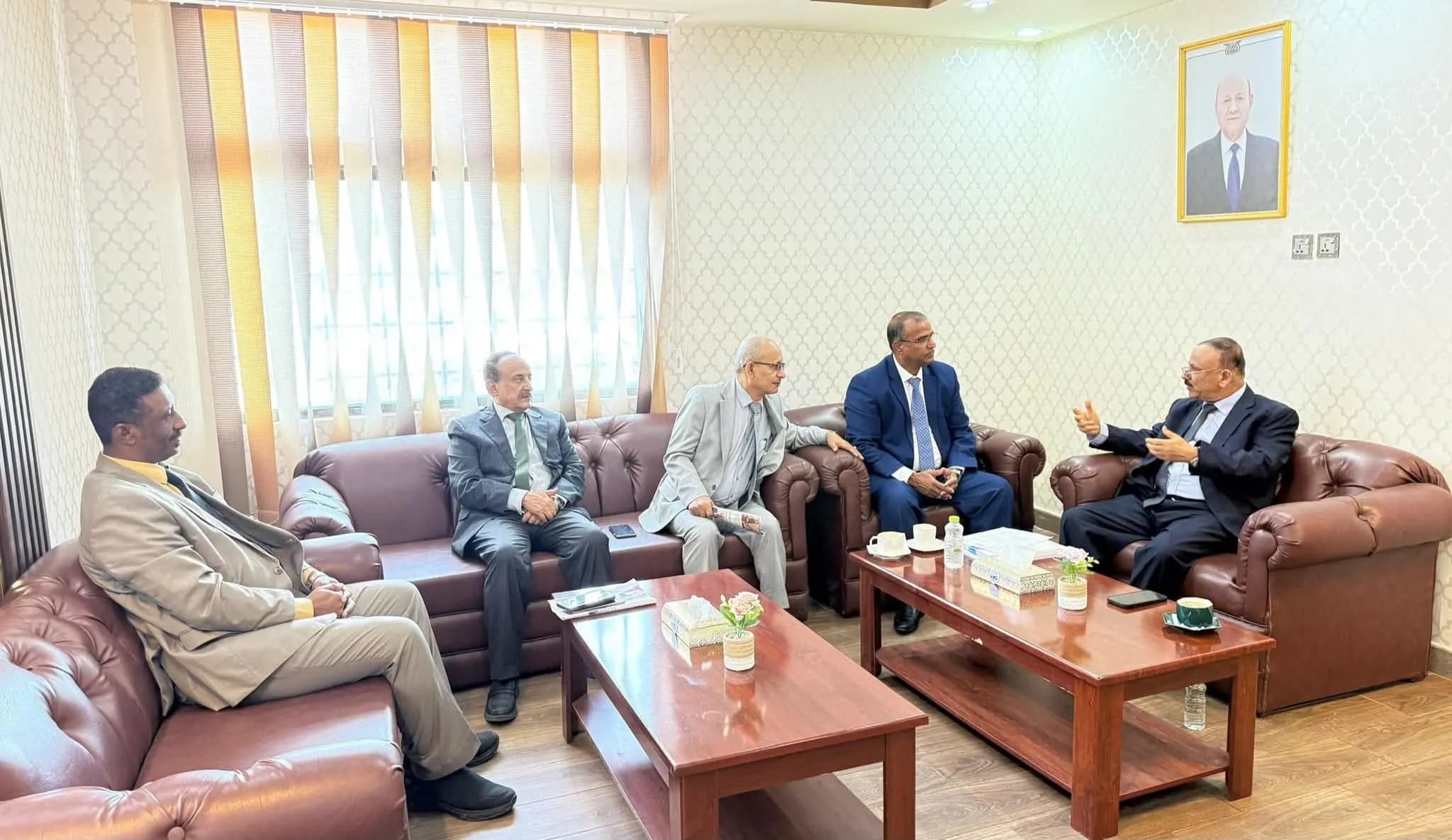
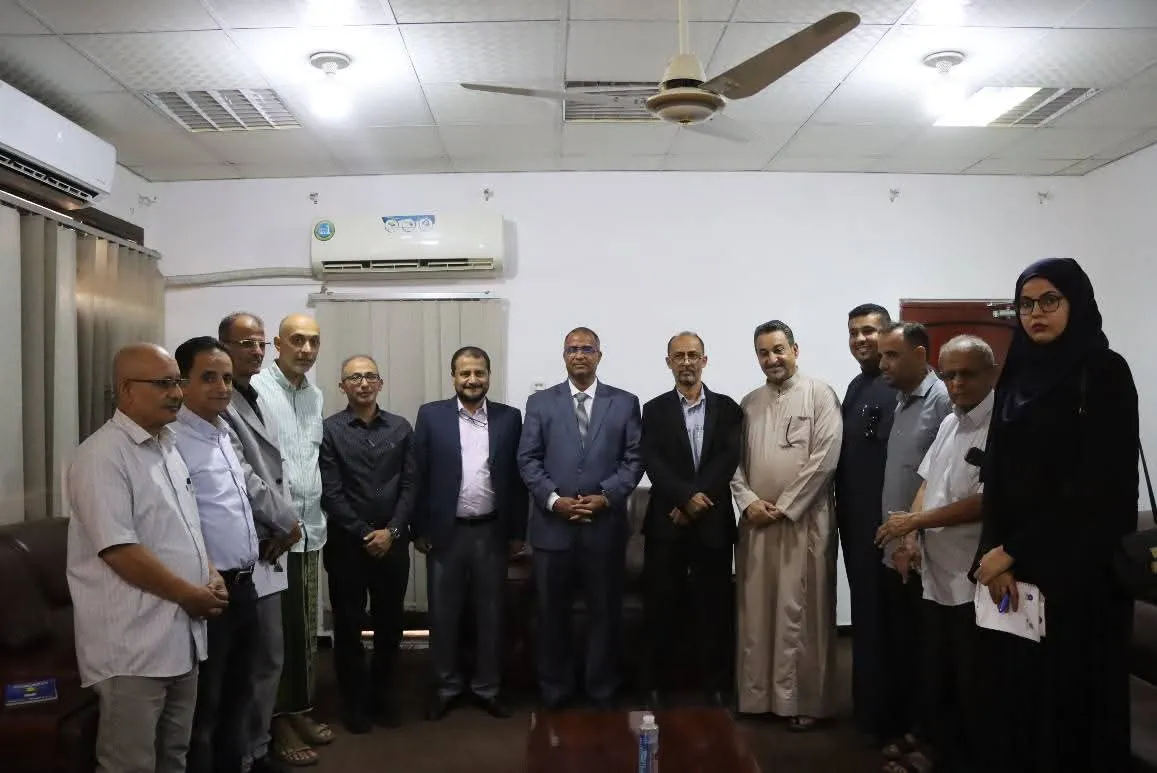
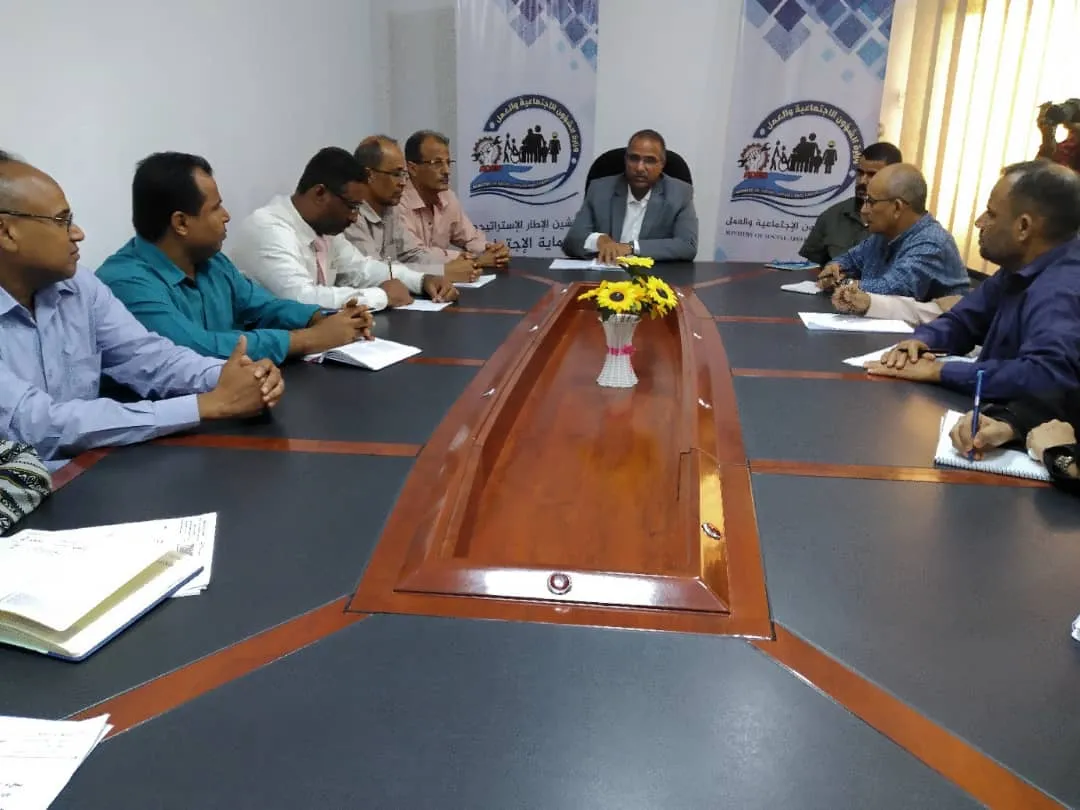
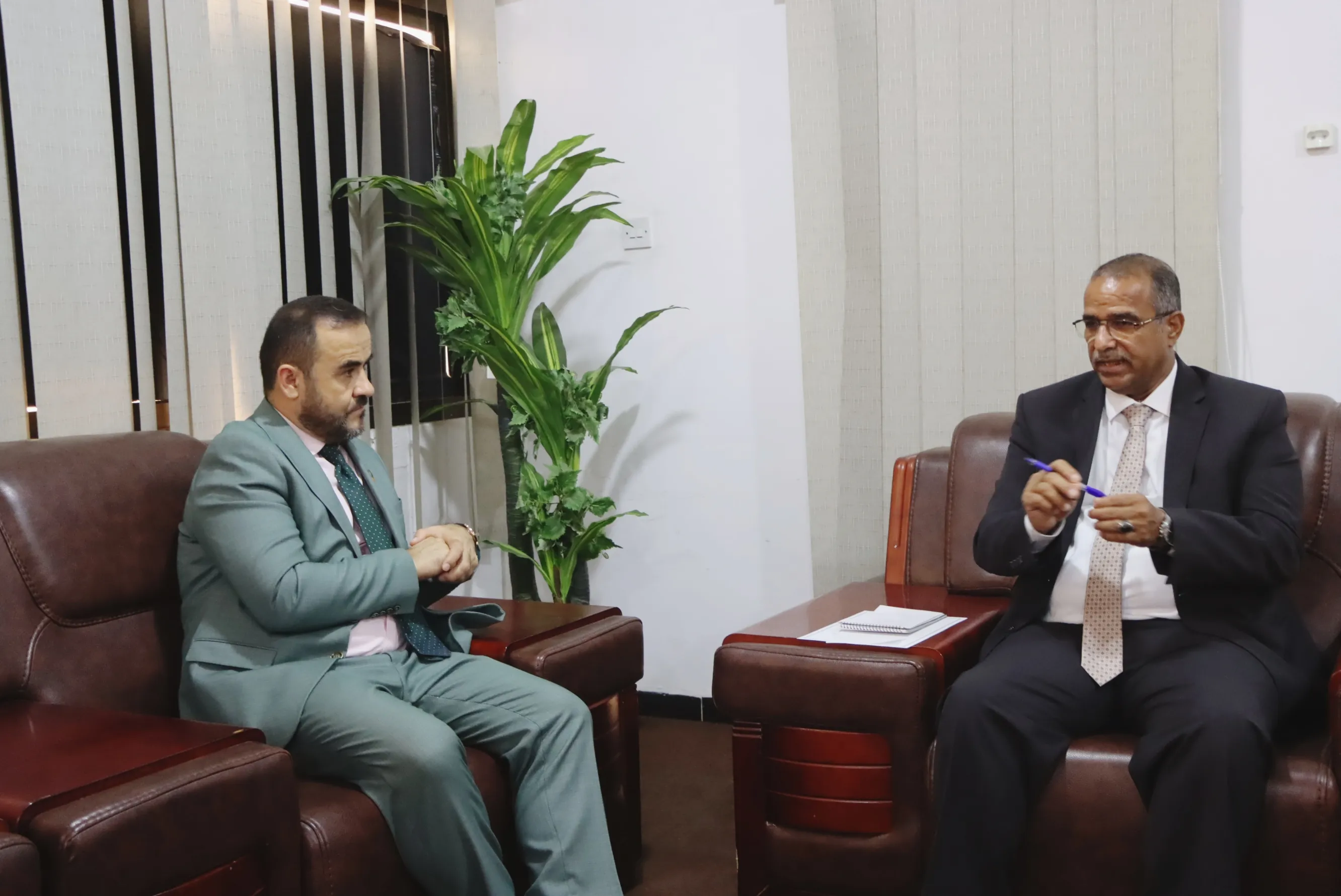
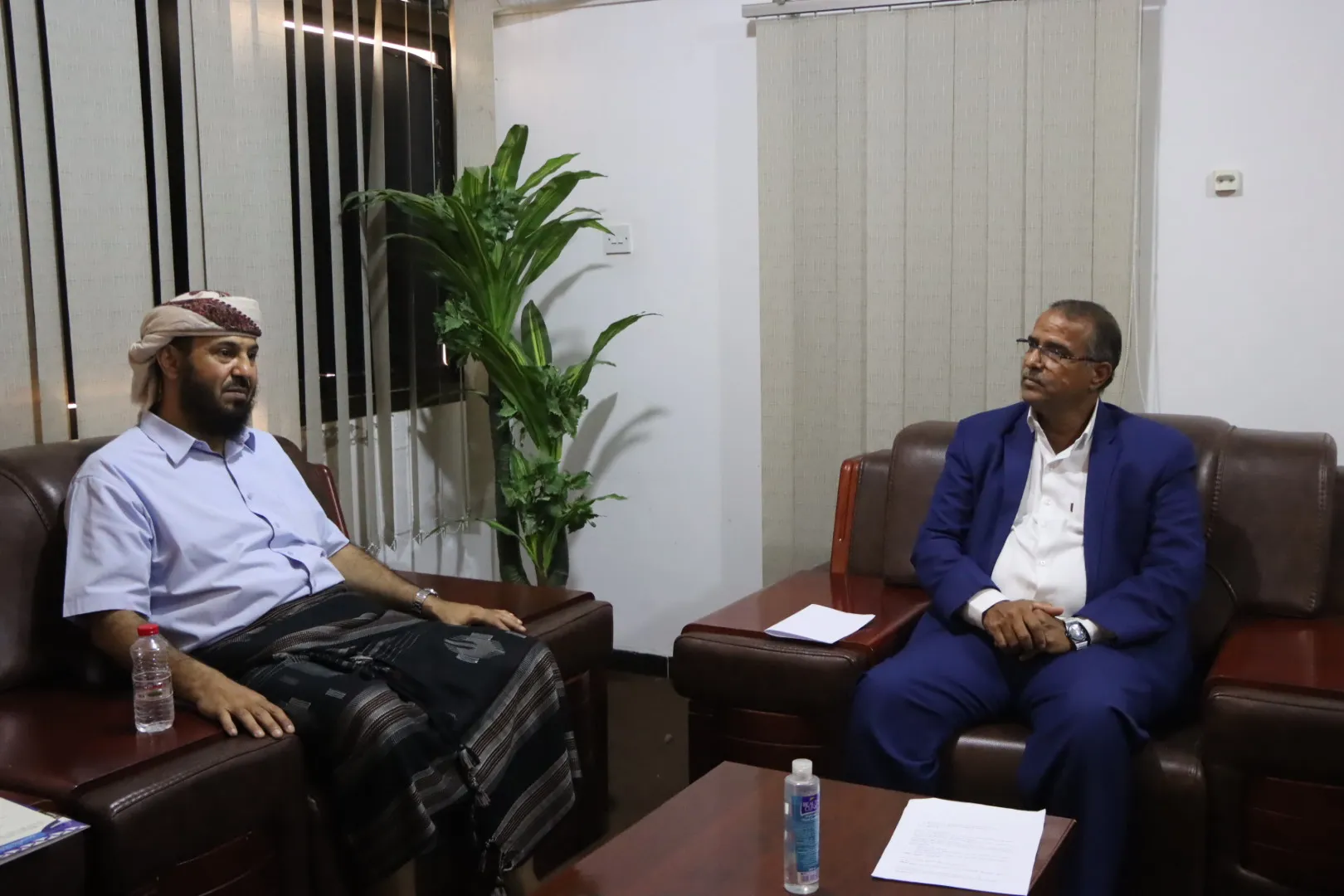
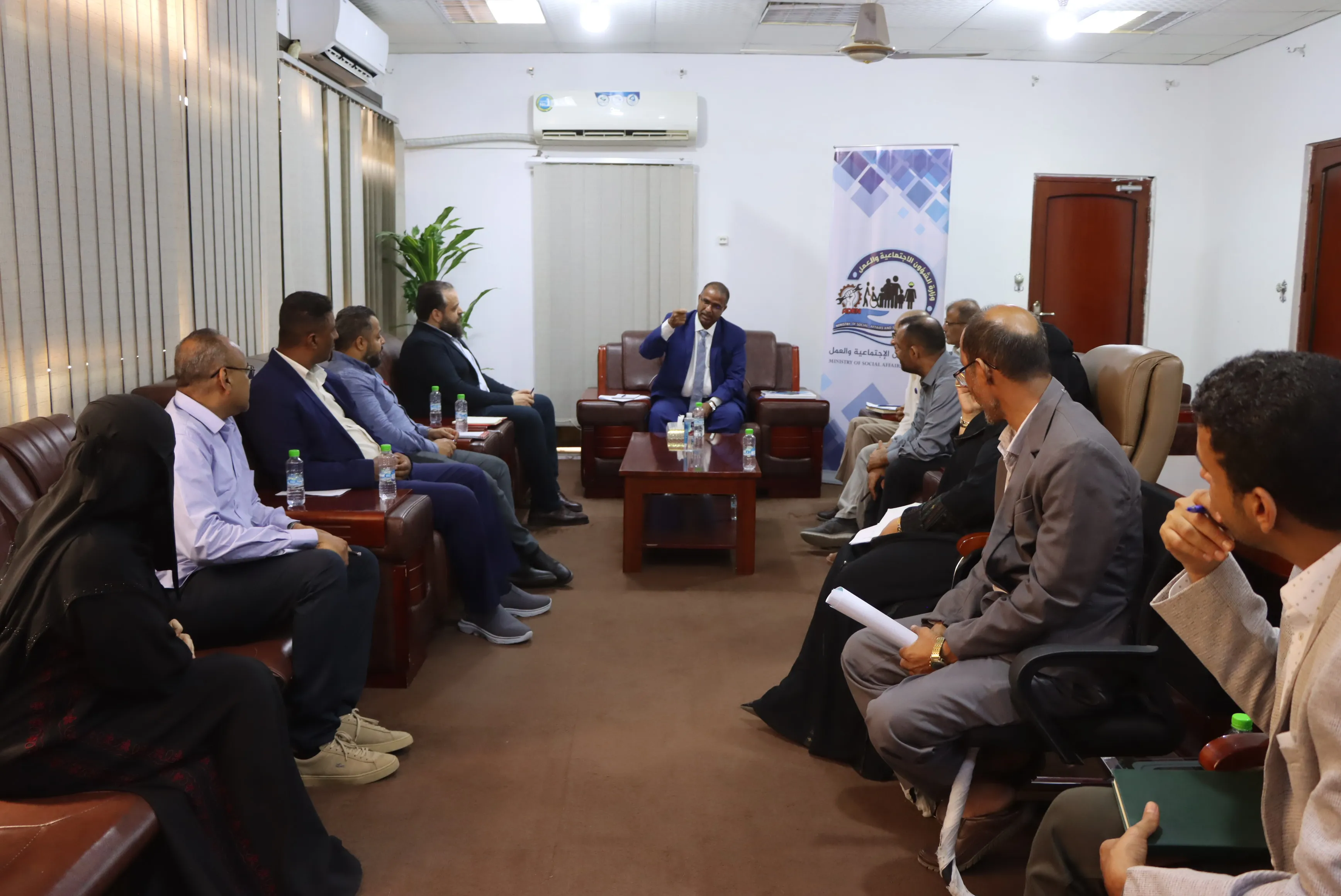
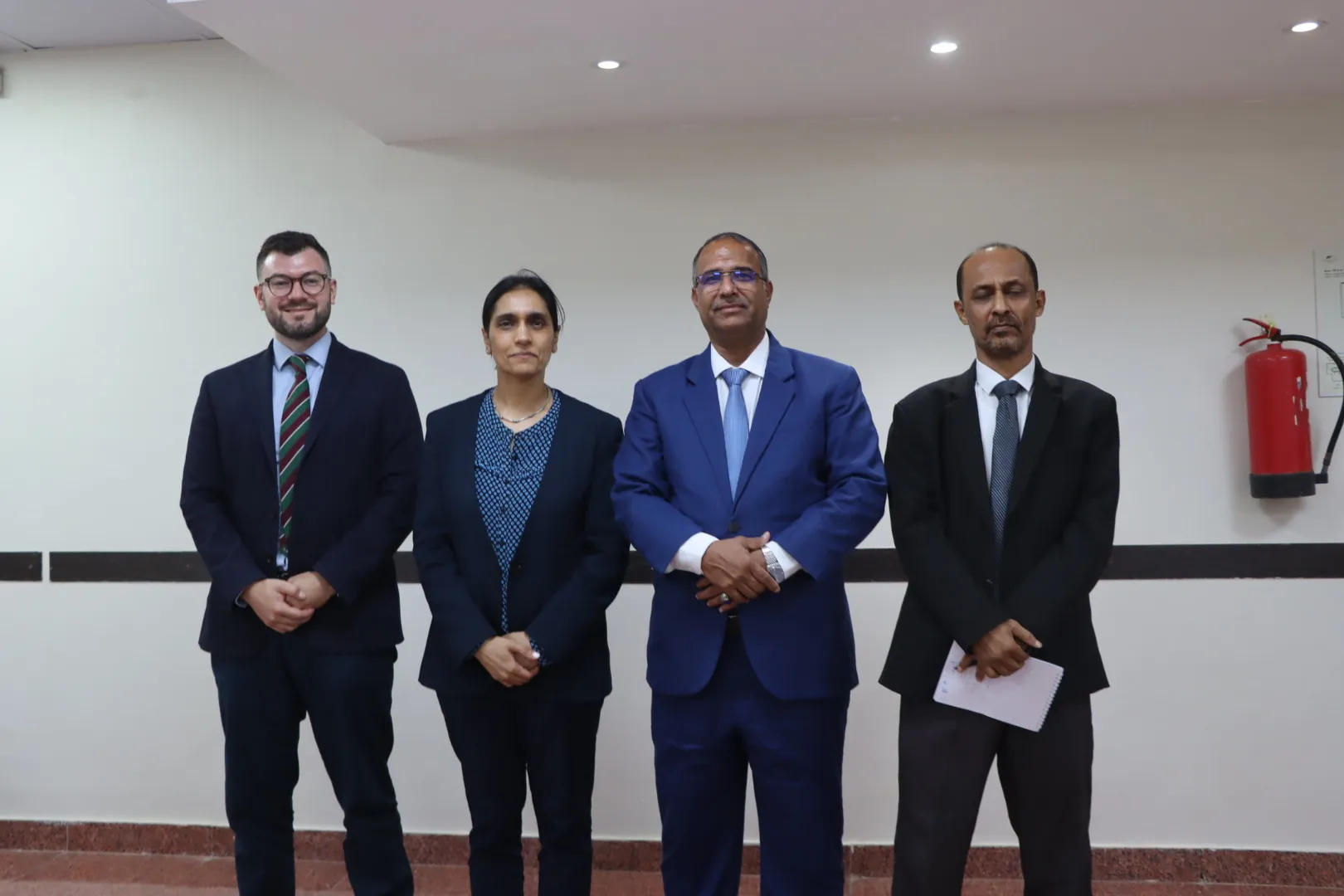
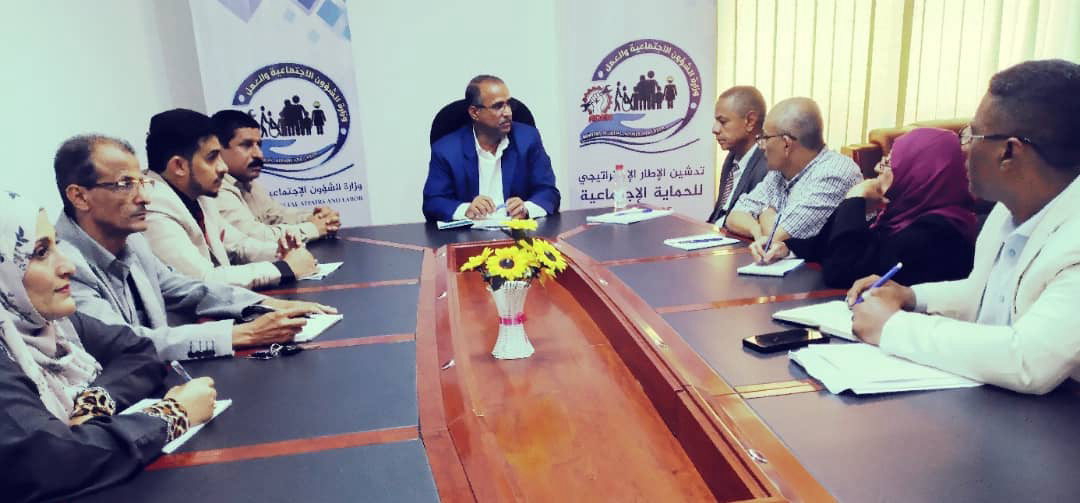
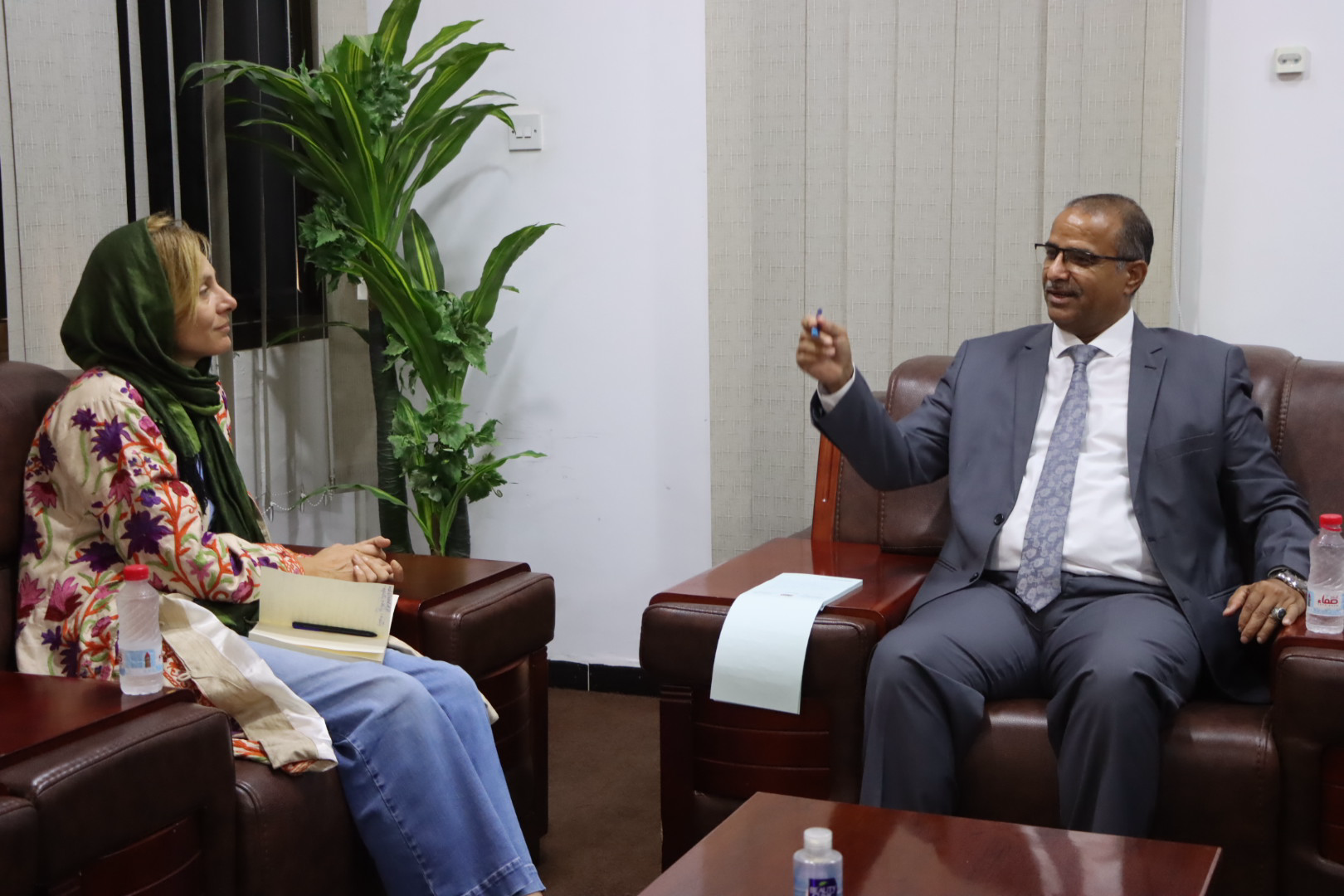
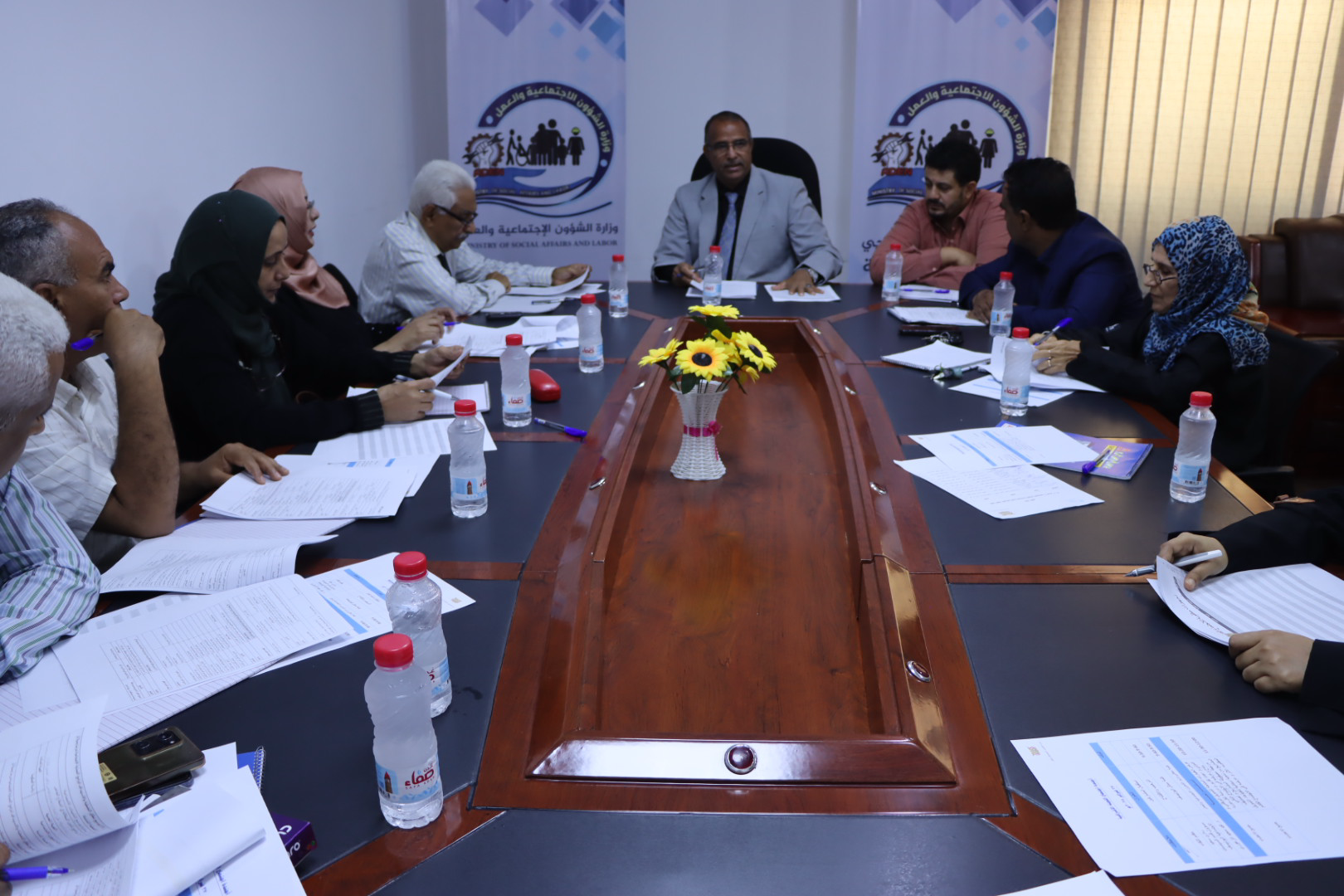
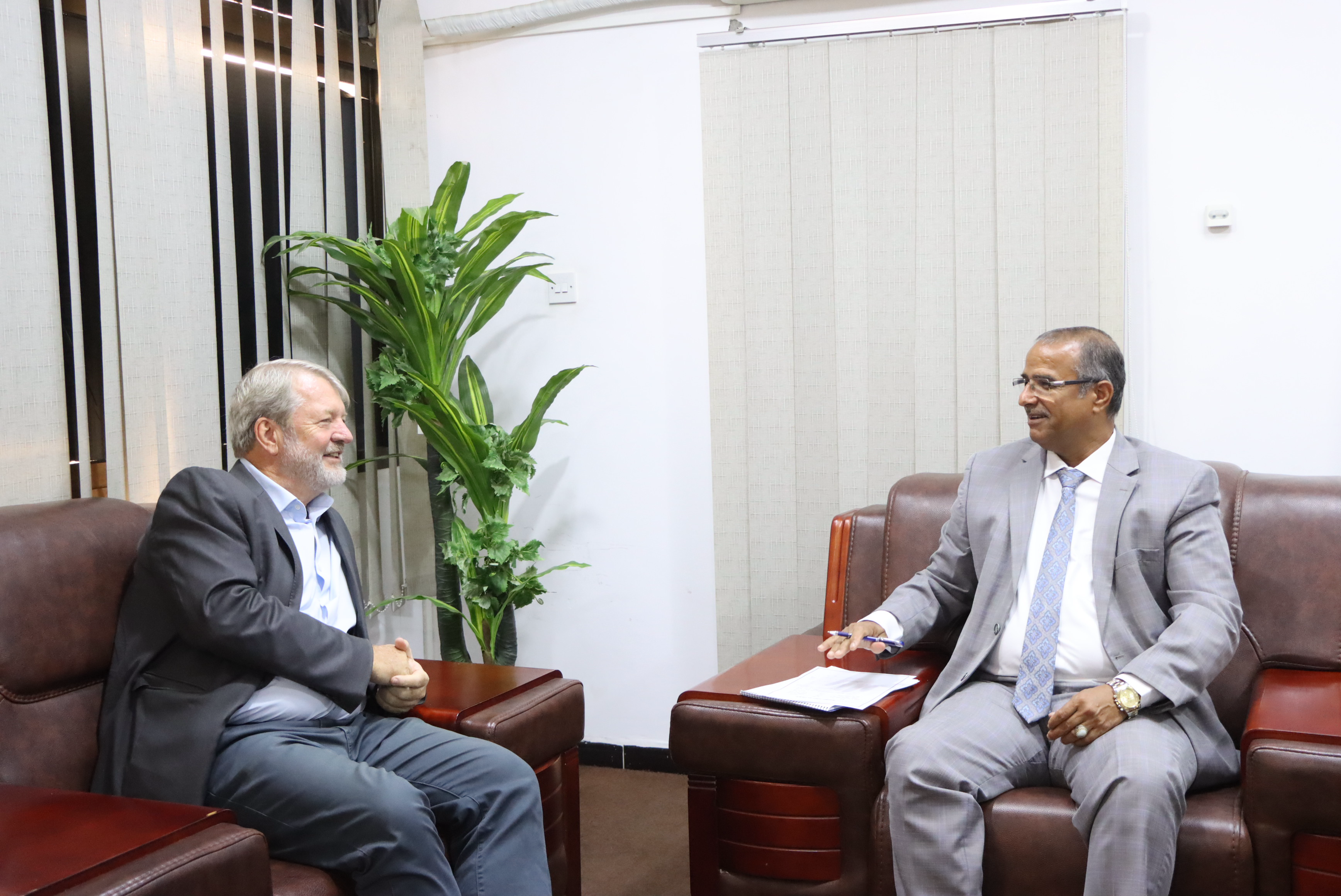
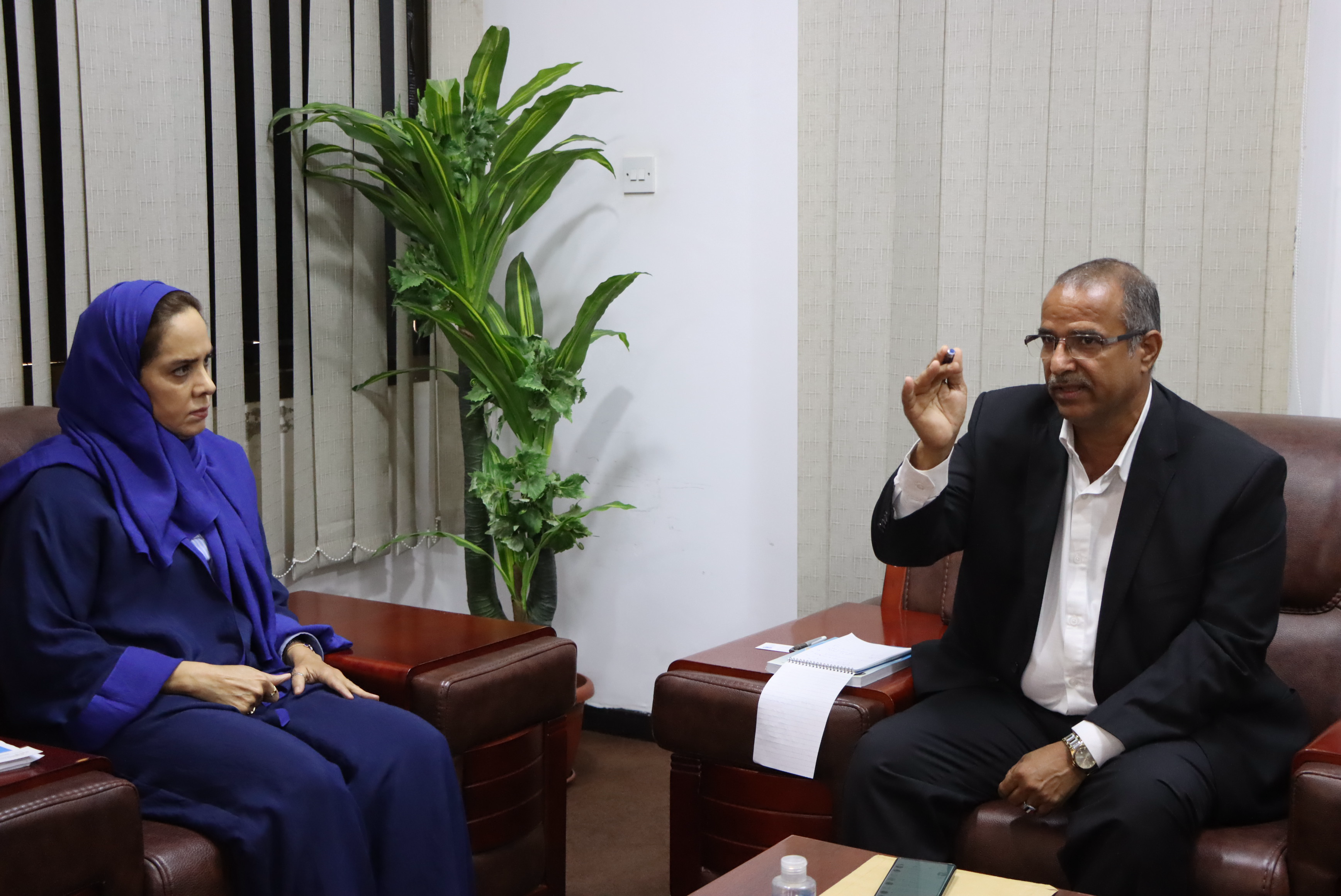
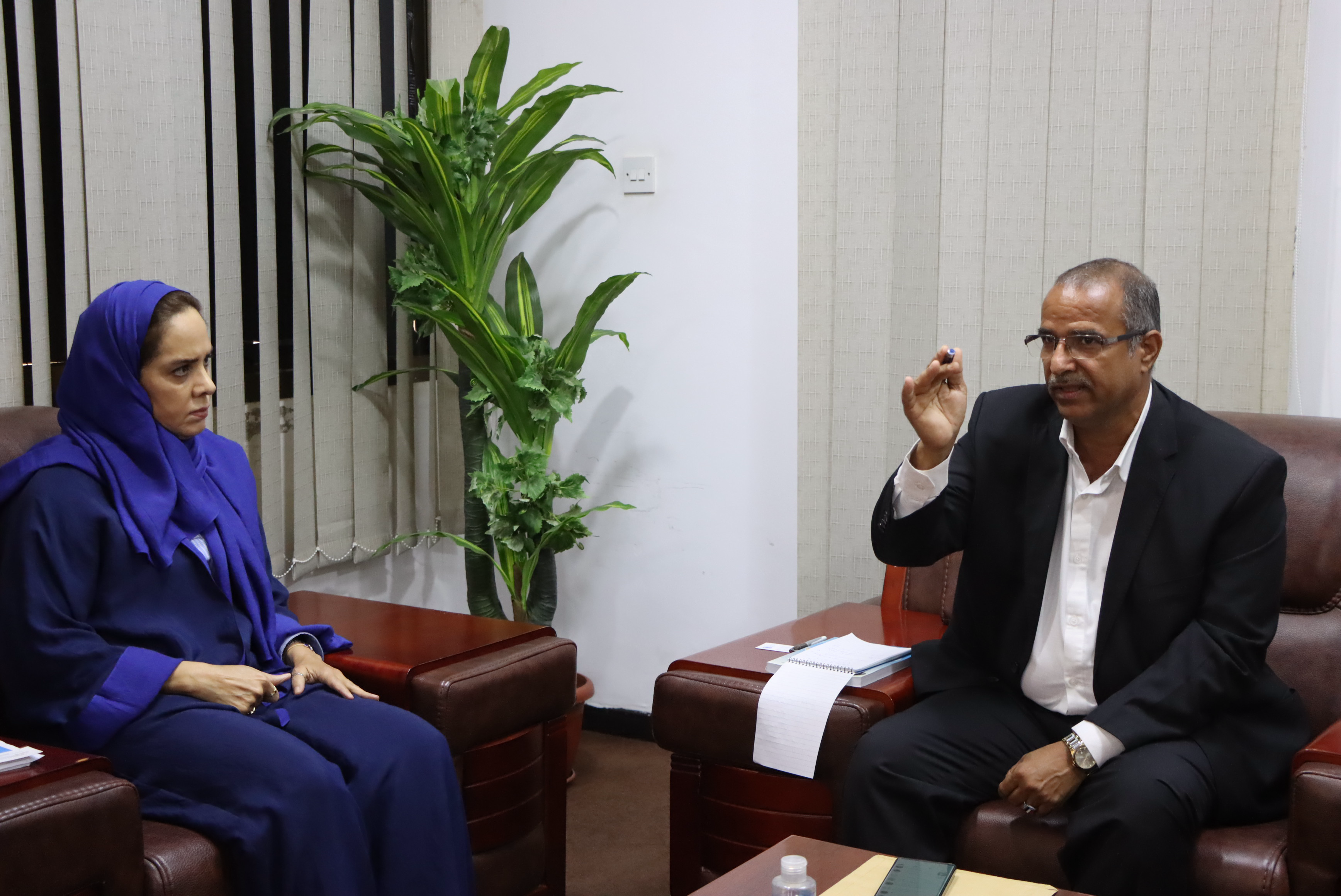
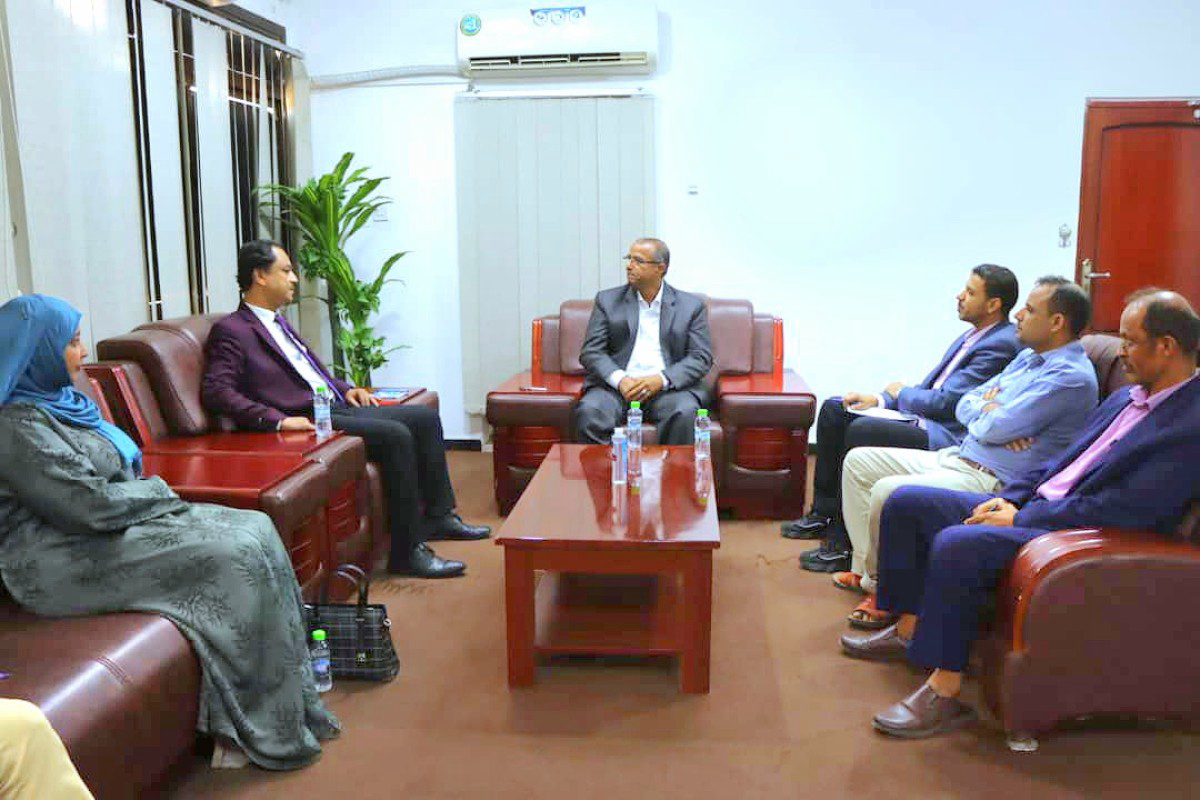
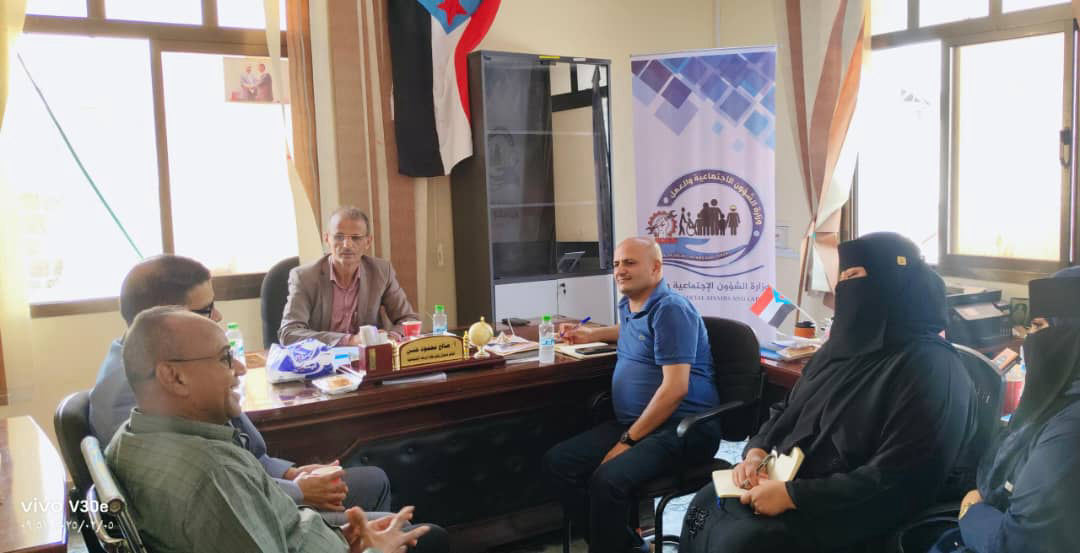
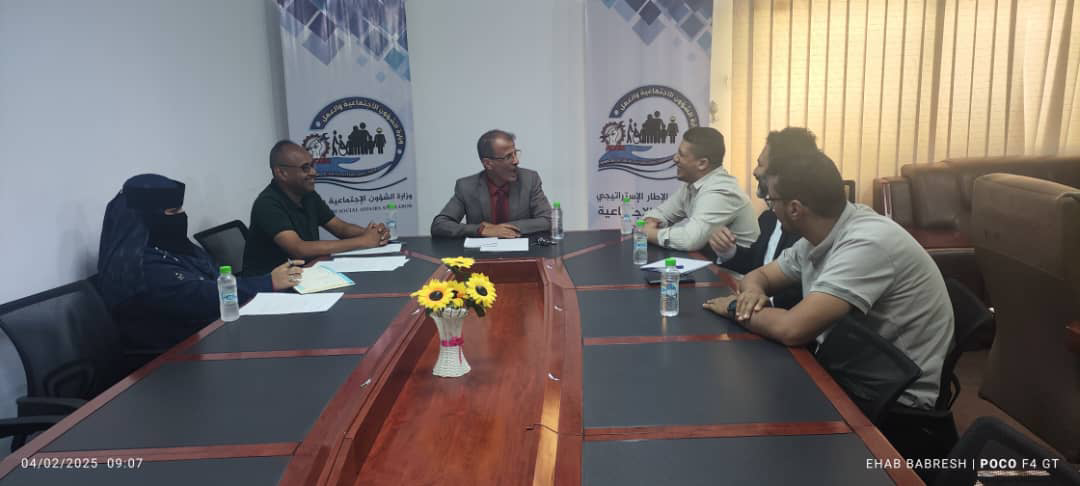
His Excellency the Minister of Social Affairs and Labor, Mukhtar Al-Yafaei, met today at the Ministry's headquarters in Aden with his counterpart, His Excellency the Minister of Technical Education and Vocational Training, Dr. Anwar Kalshat, to discuss mechanisms for strengthening coordination and institutional integration between the two ministries in the areas of training, skills development, and labor market regulation. The meeting also focused on directing training projects and programs in line with government priorities and the actual needs of domestic and international labor markets.
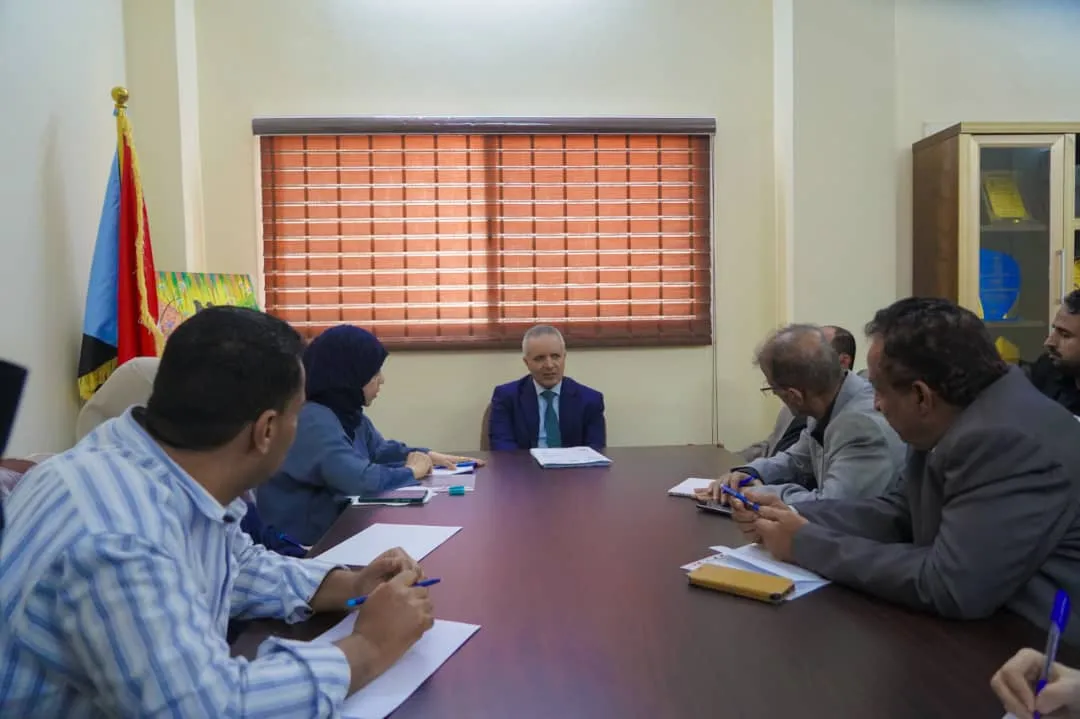
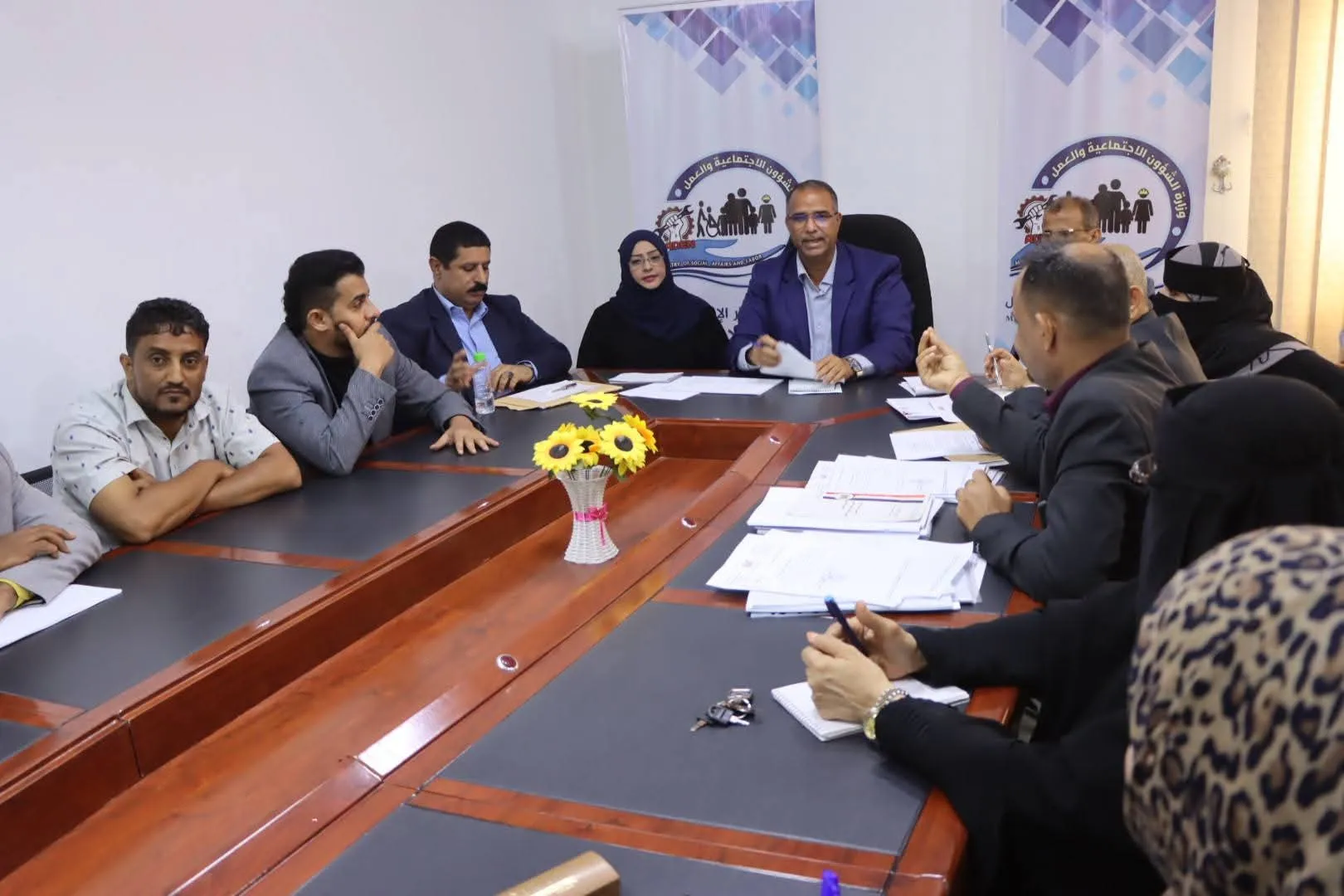
The discussions covered the preparation of a comprehensive matrix identifying labor market needs and priority vocational specializations, the adoption of training programs and curricula that reflect market requirements, and their continuous updating to keep pace with economic and technological developments. The two ministers also reviewed plans to rehabilitate existing technical and vocational institutes, upgrade their facilities and training programs, and enhance their role in supporting sustainable development and producing a qualified national workforce. At the conclusion of the meeting, they agreed to establish a joint technical committee tasked with developing practical proposals and translating the outcomes of the discussions into actionable implementation plans.
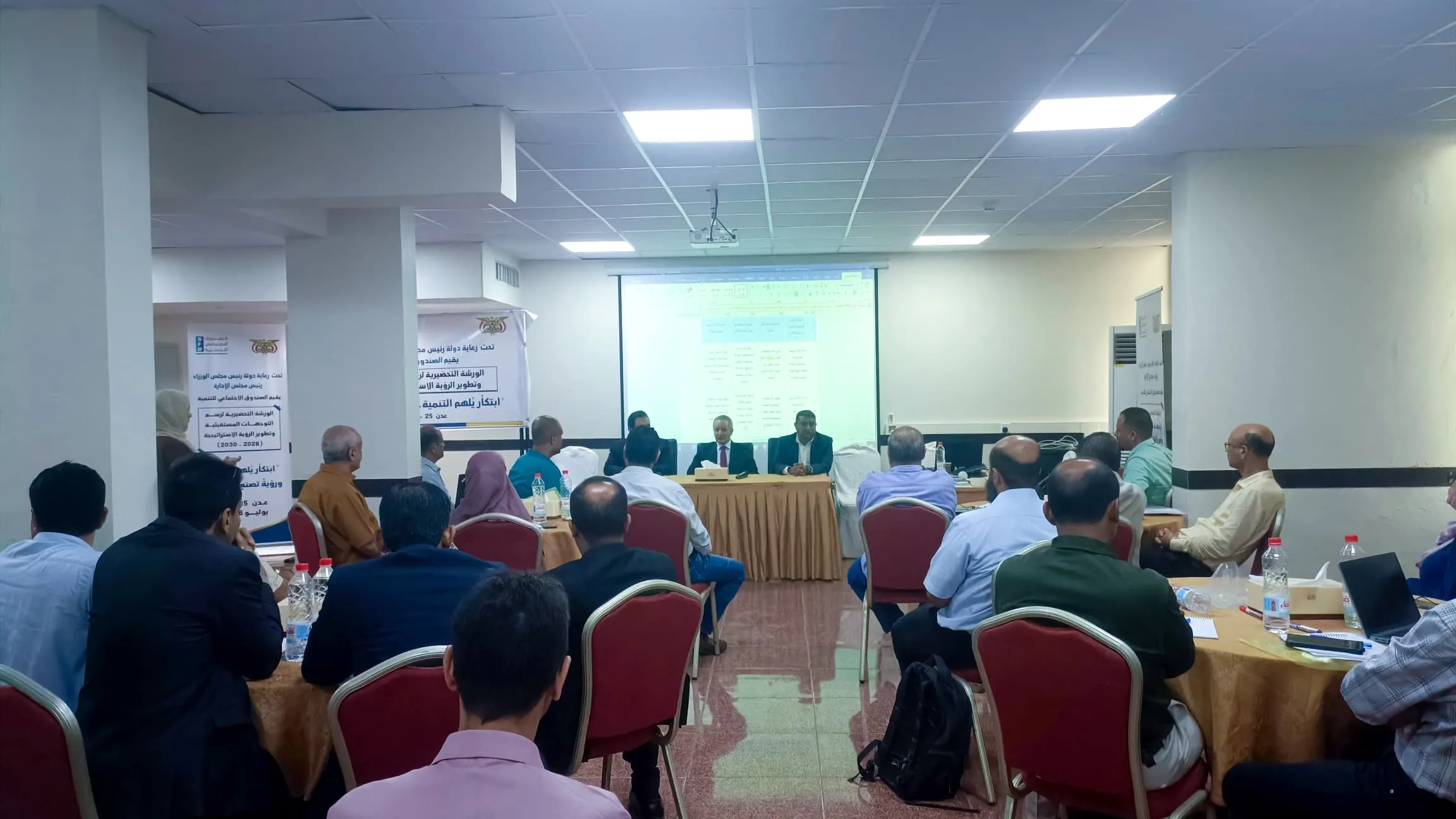
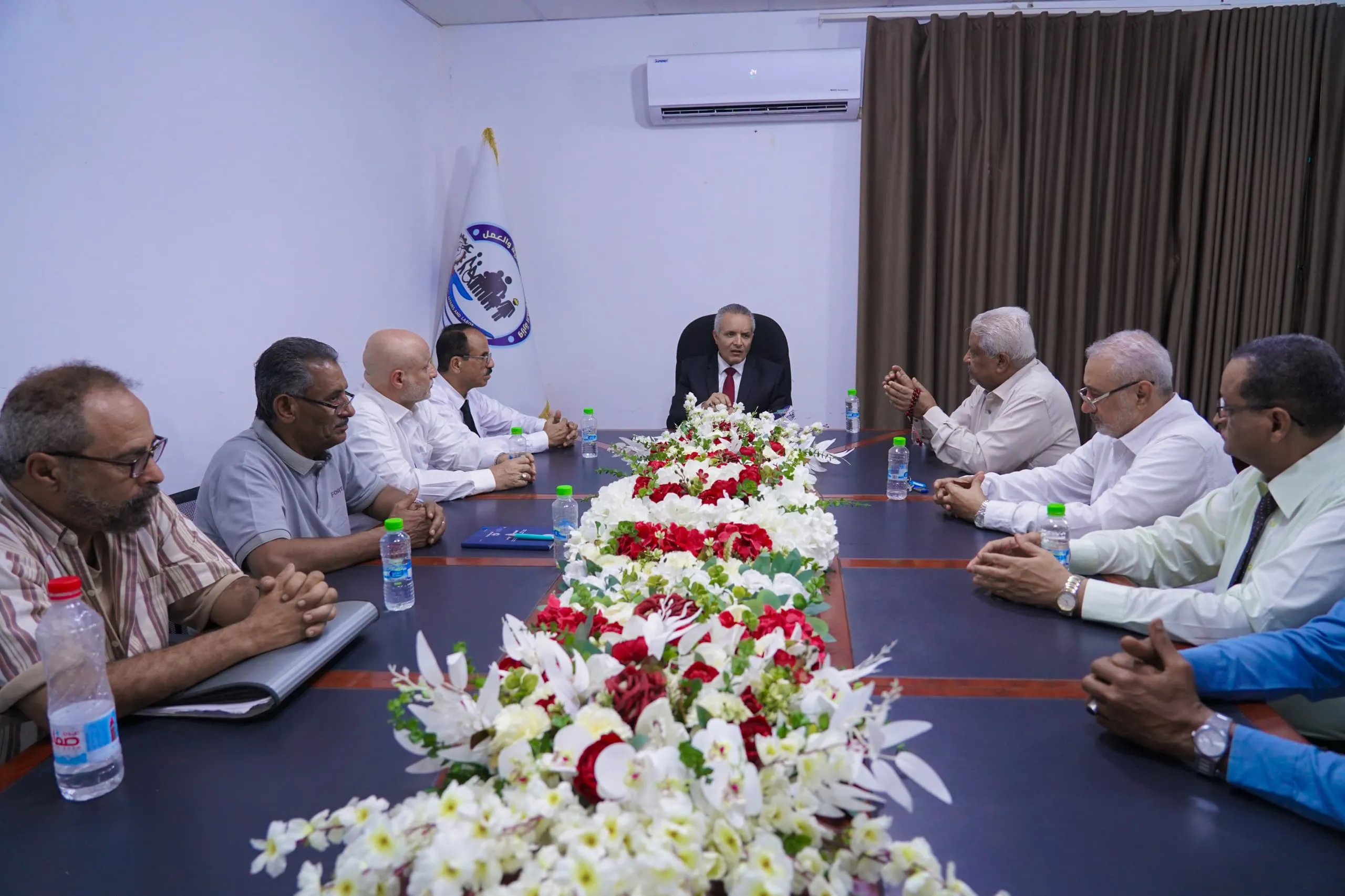
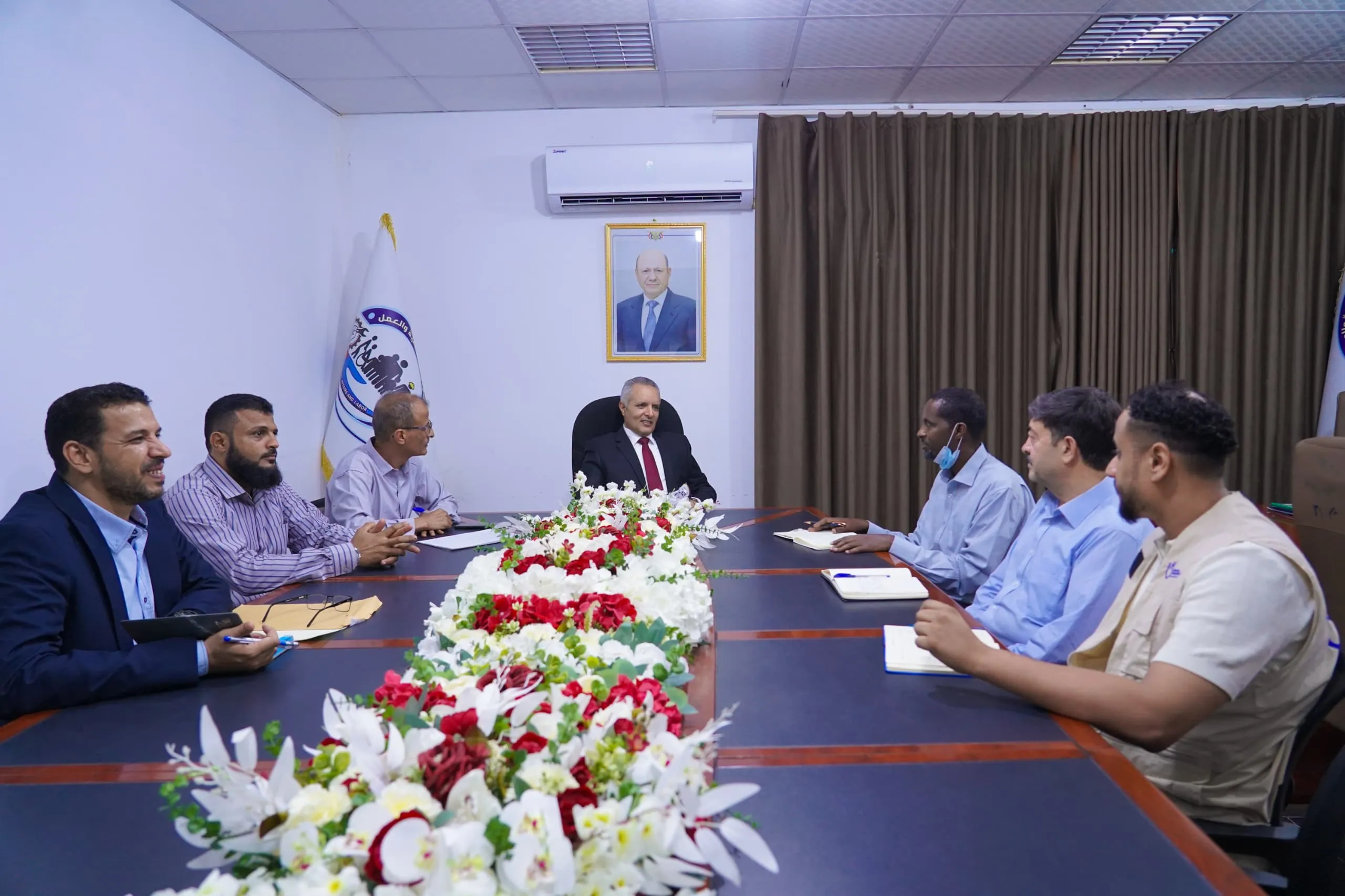
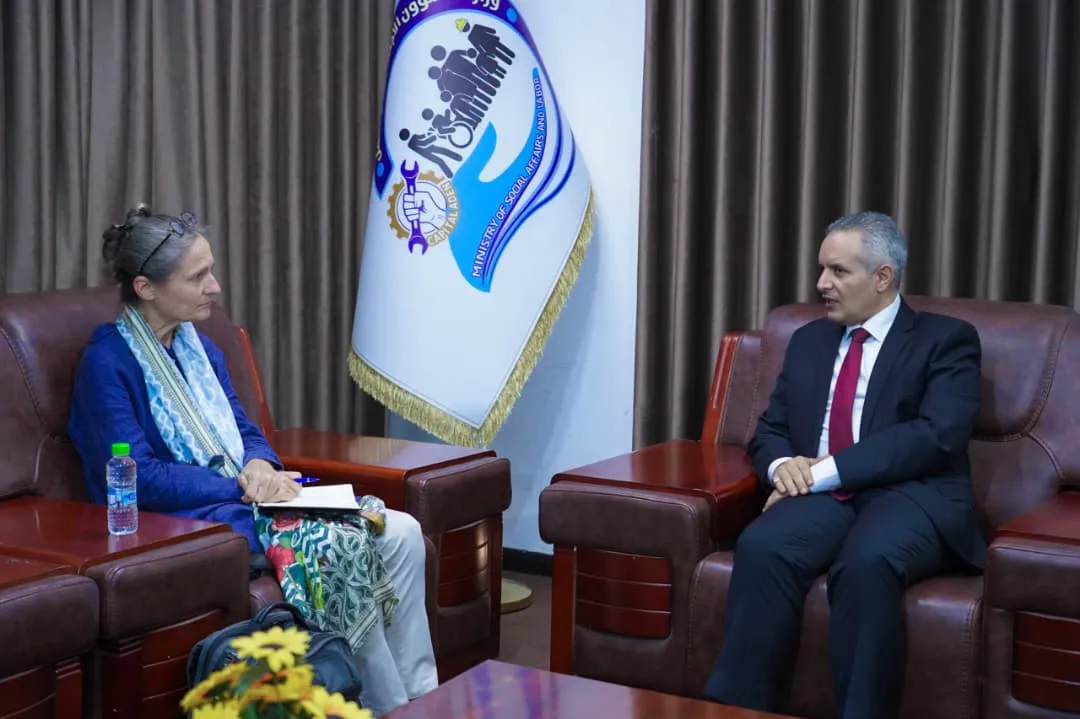
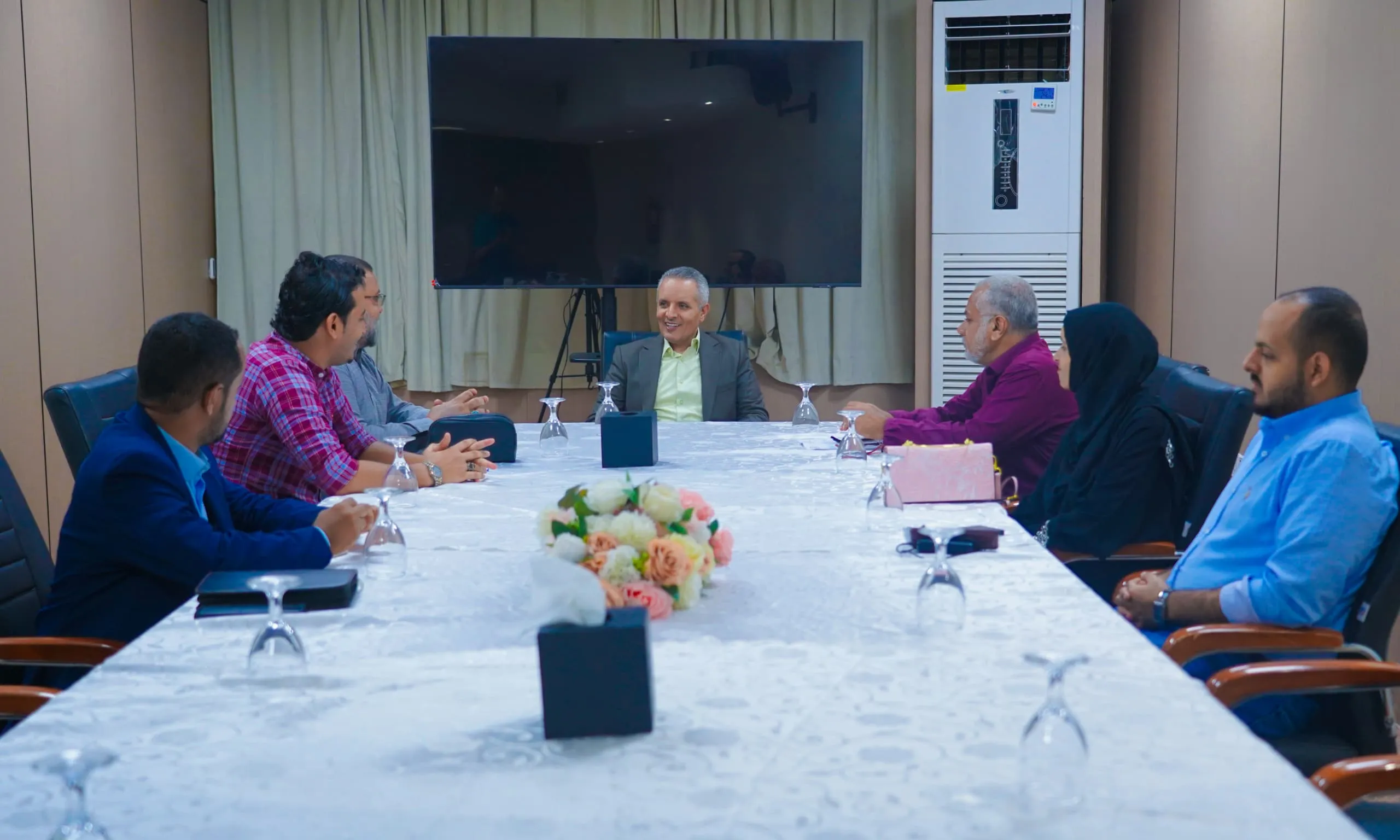
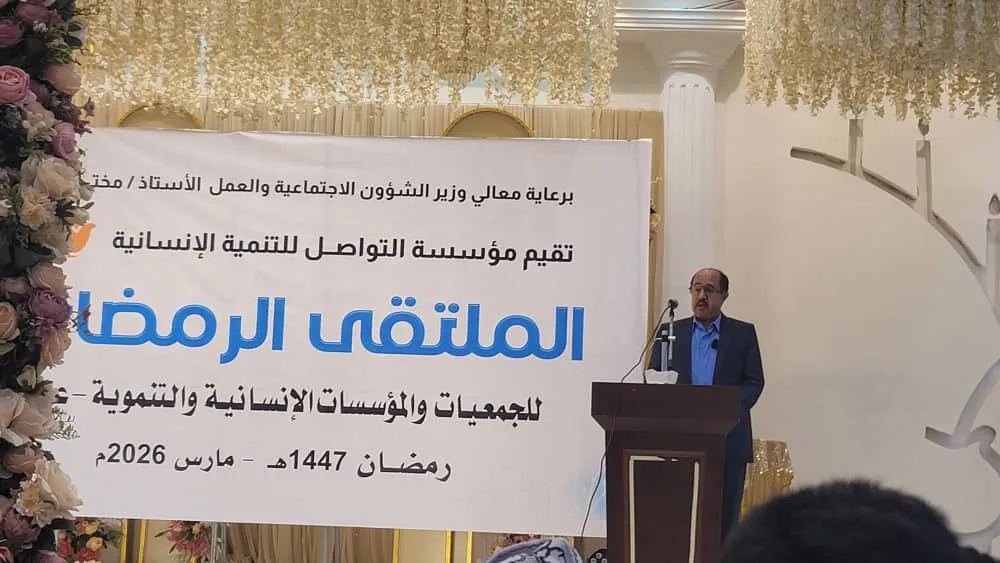
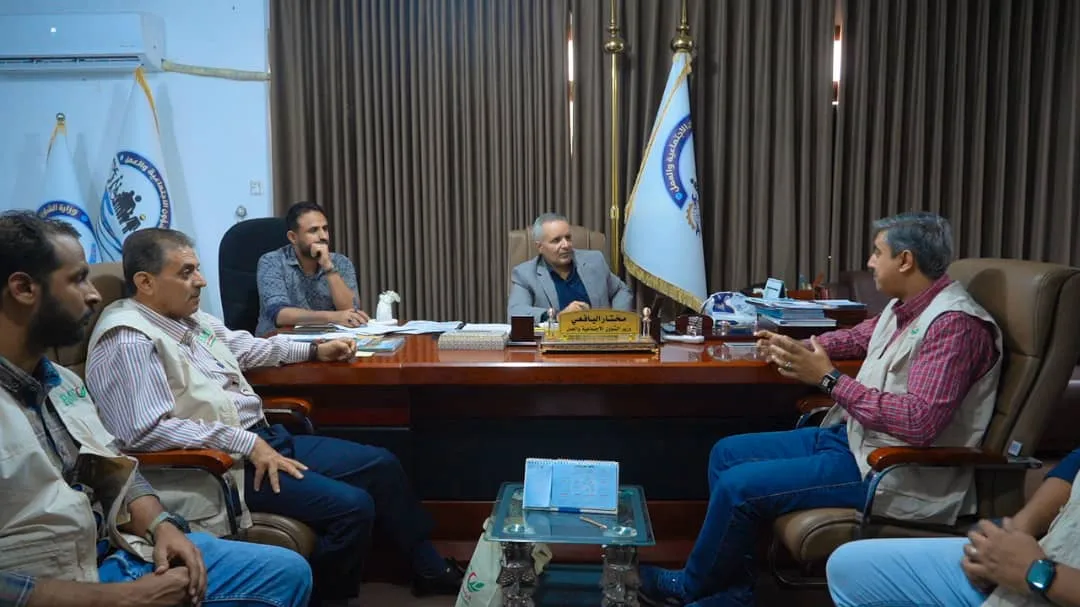
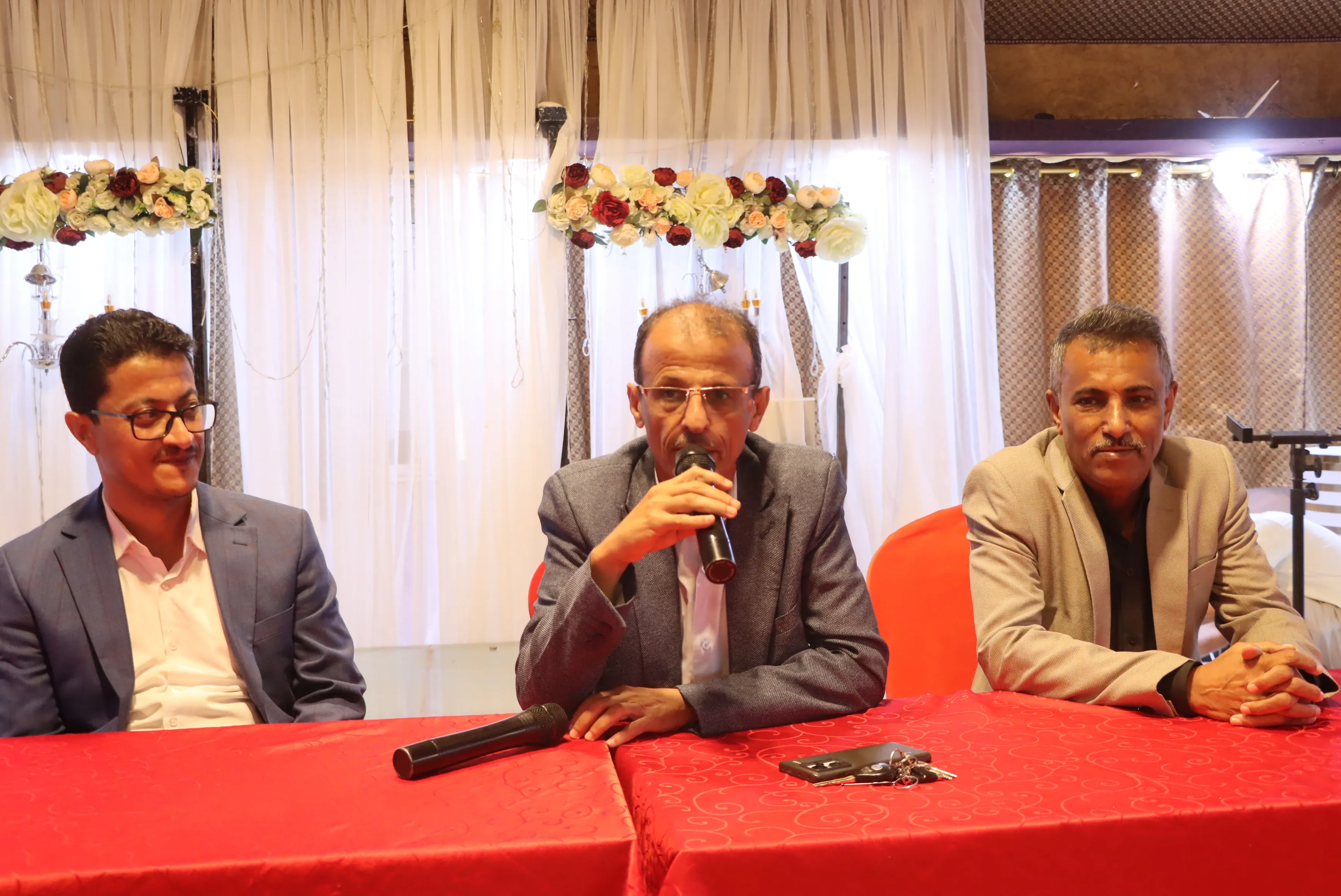
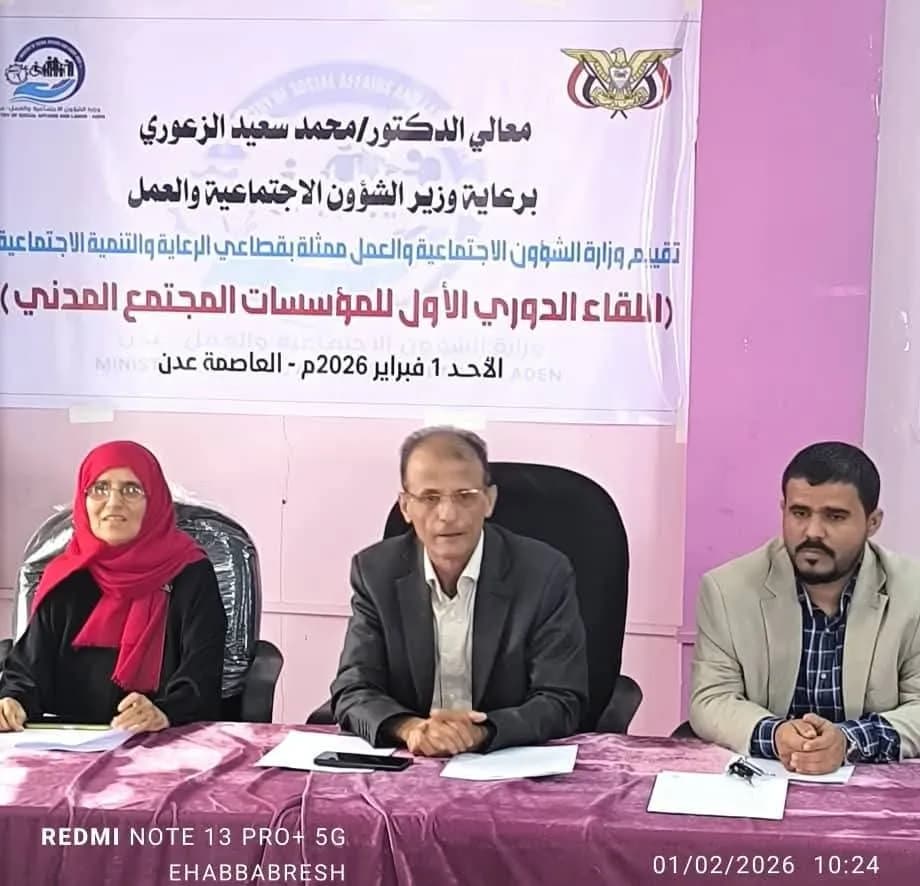
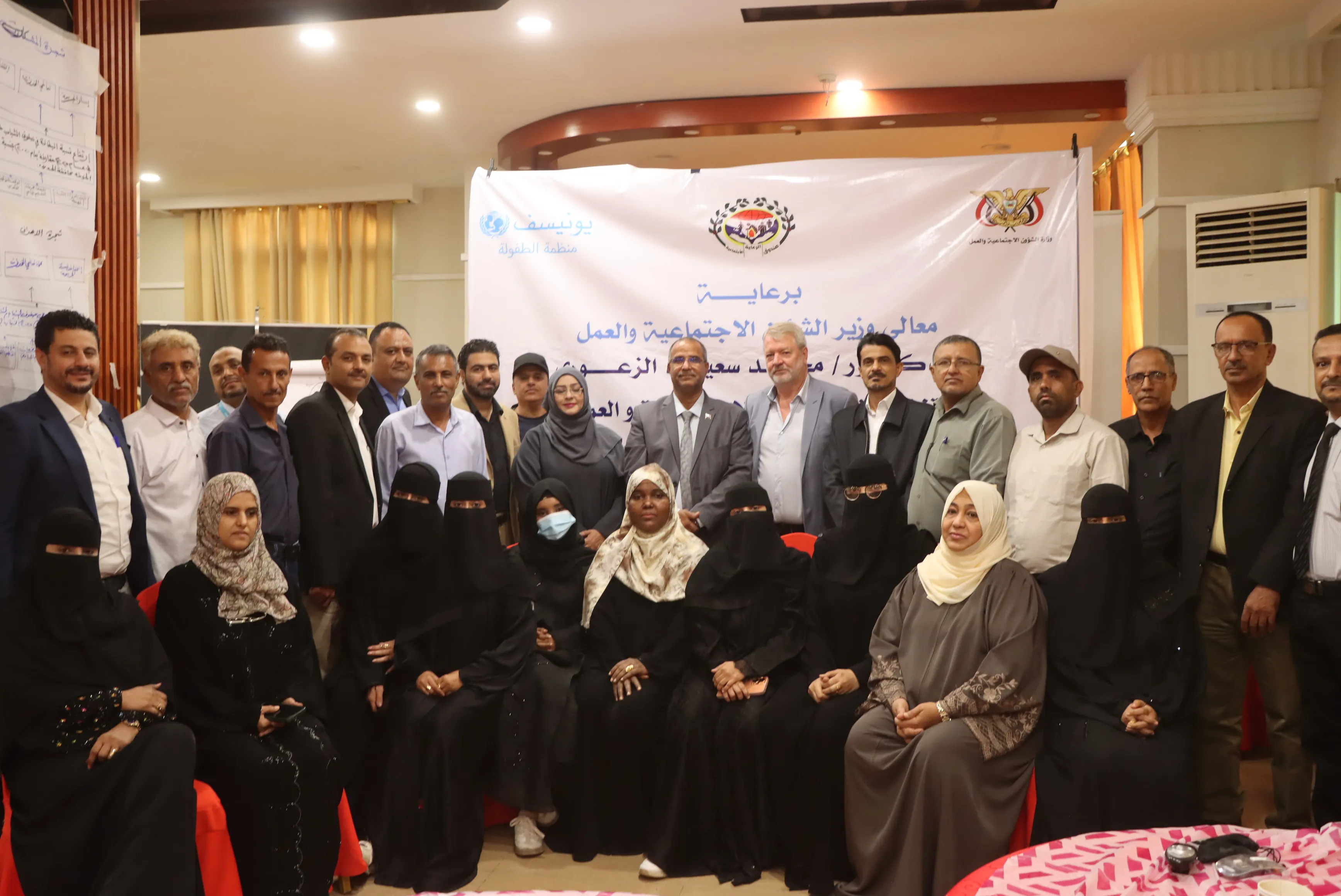
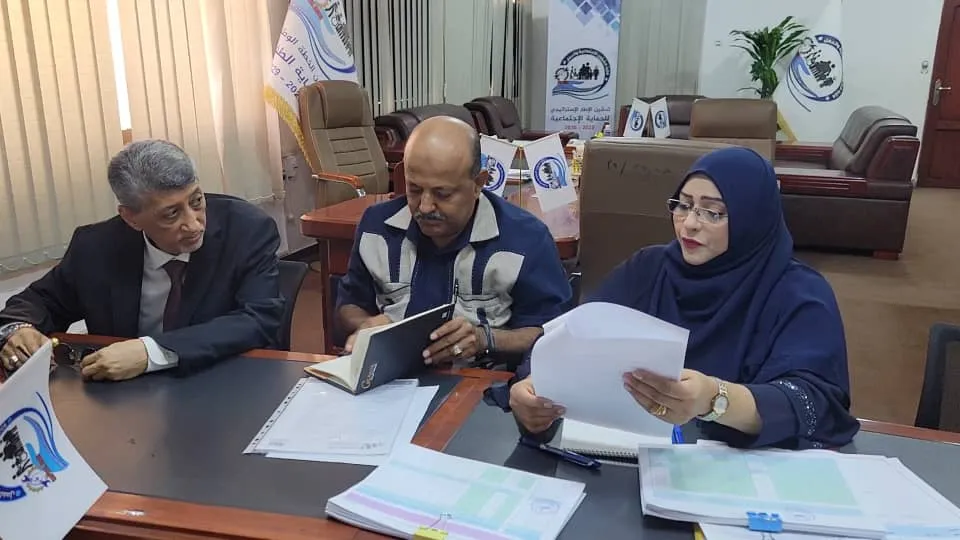
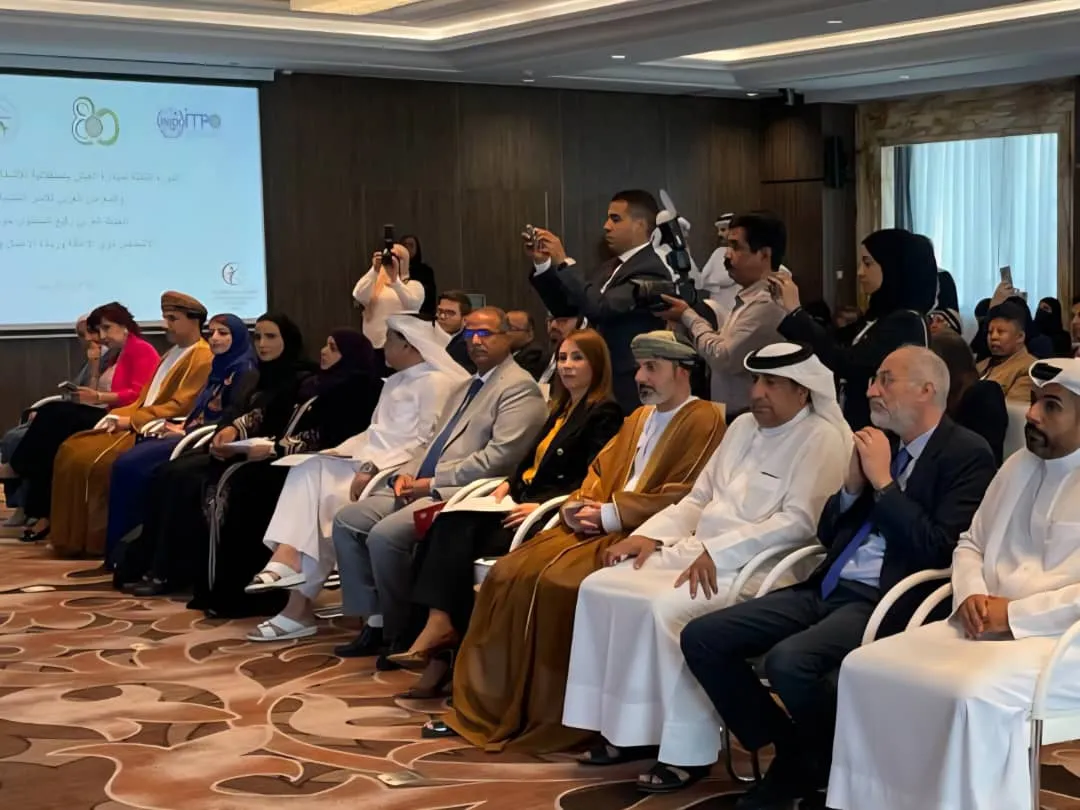
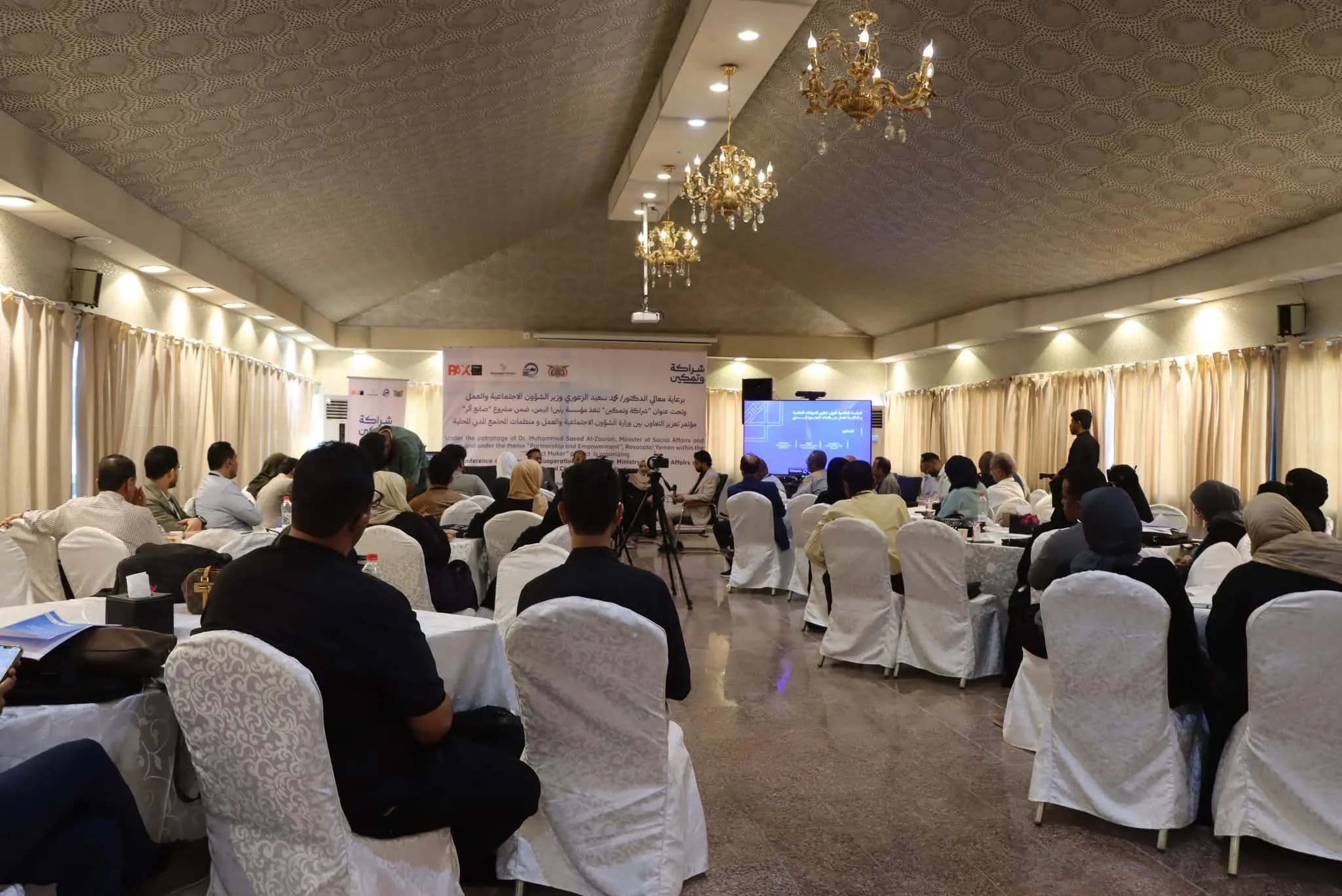
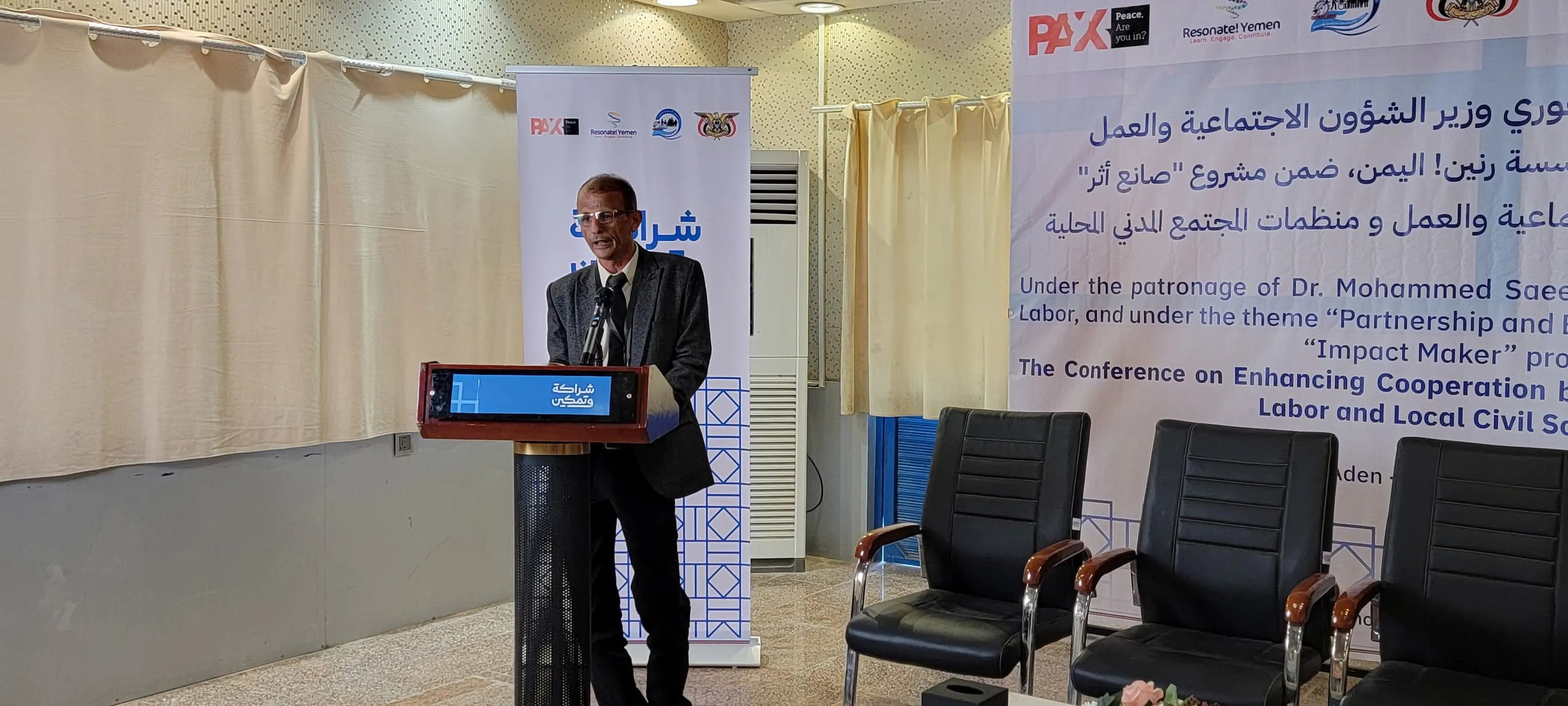
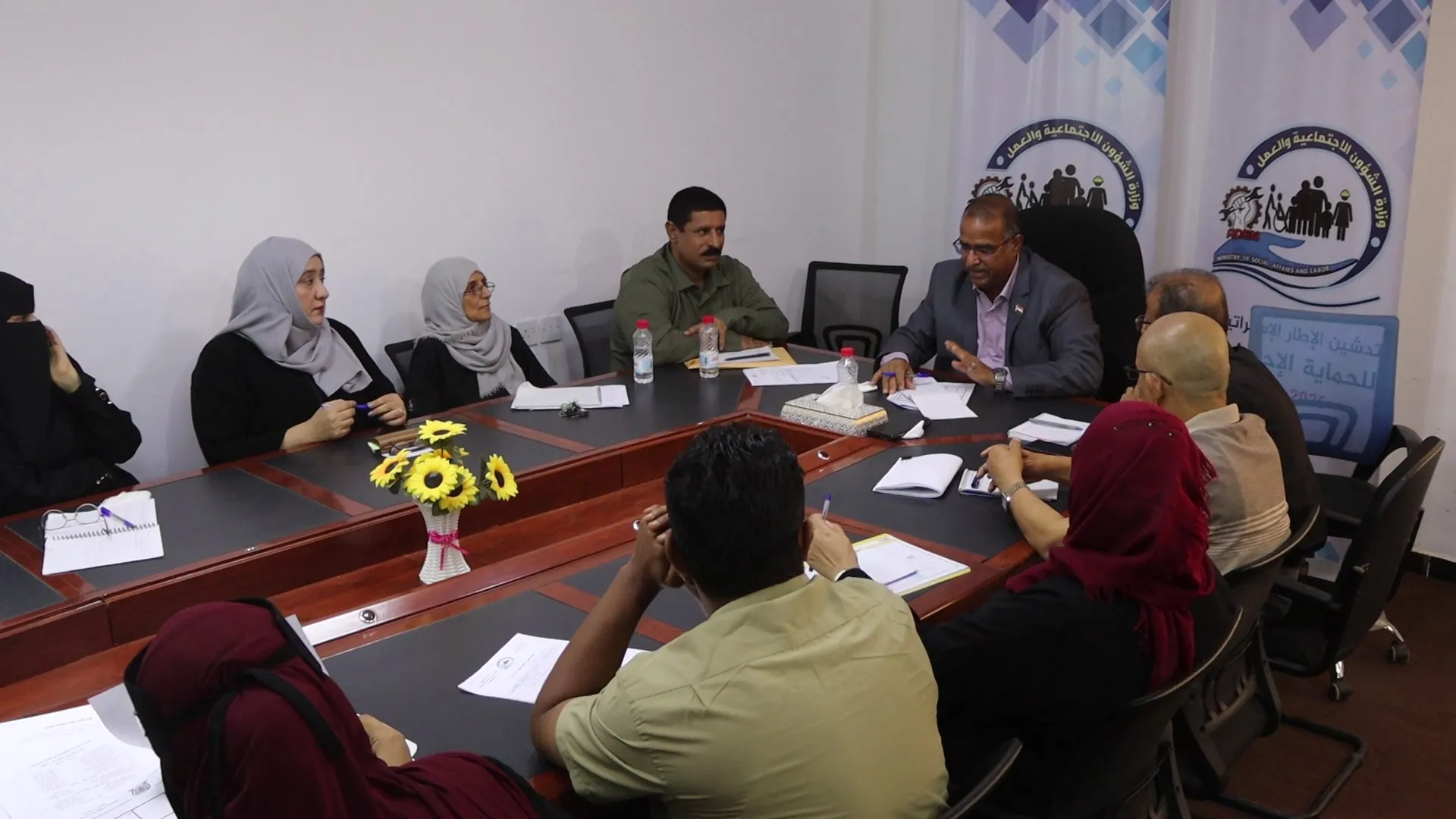
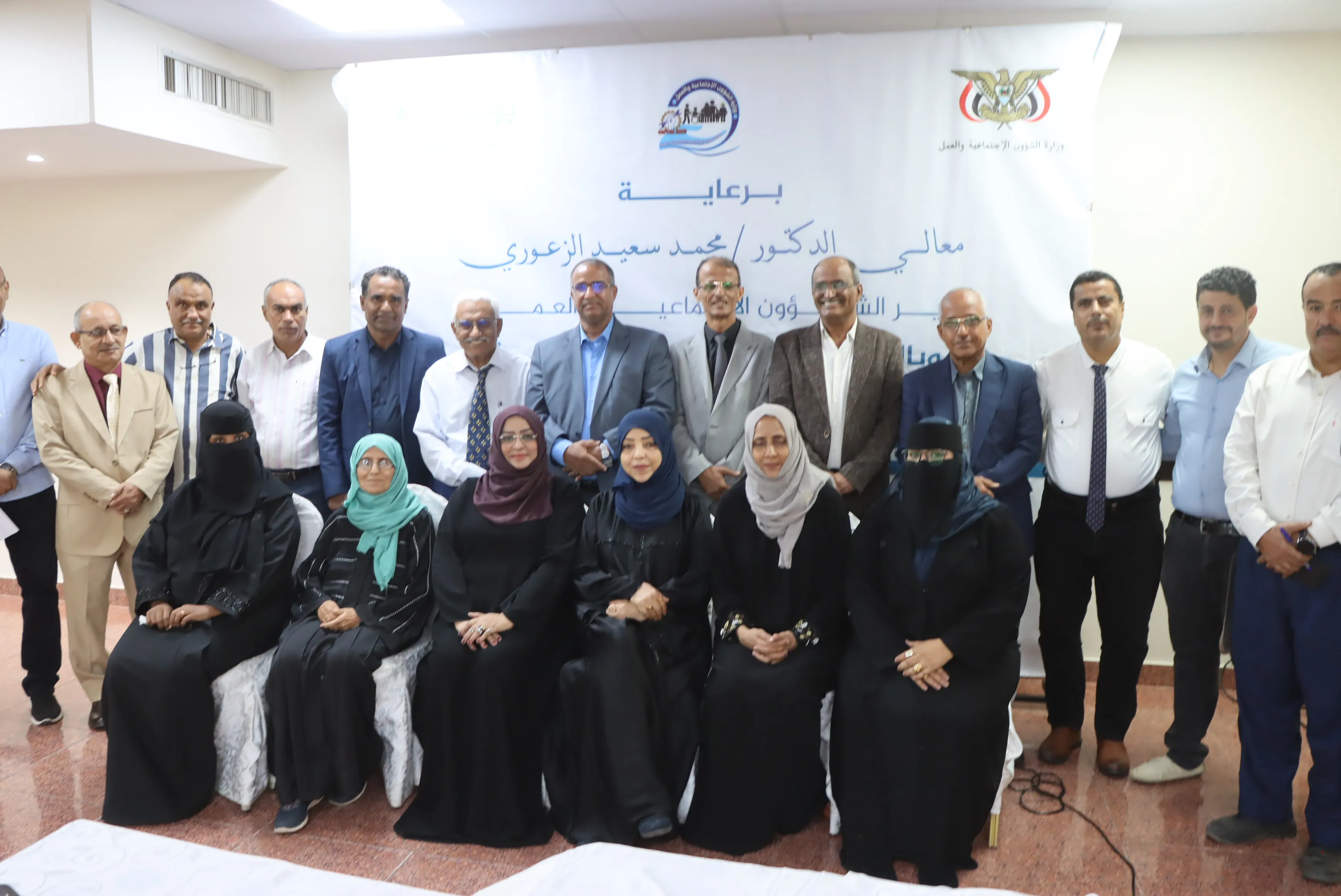
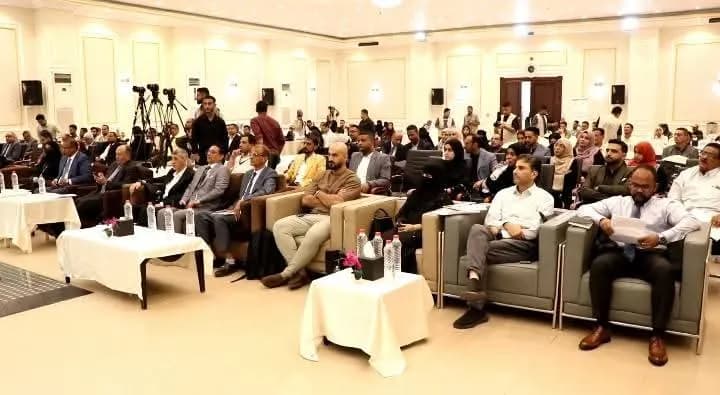
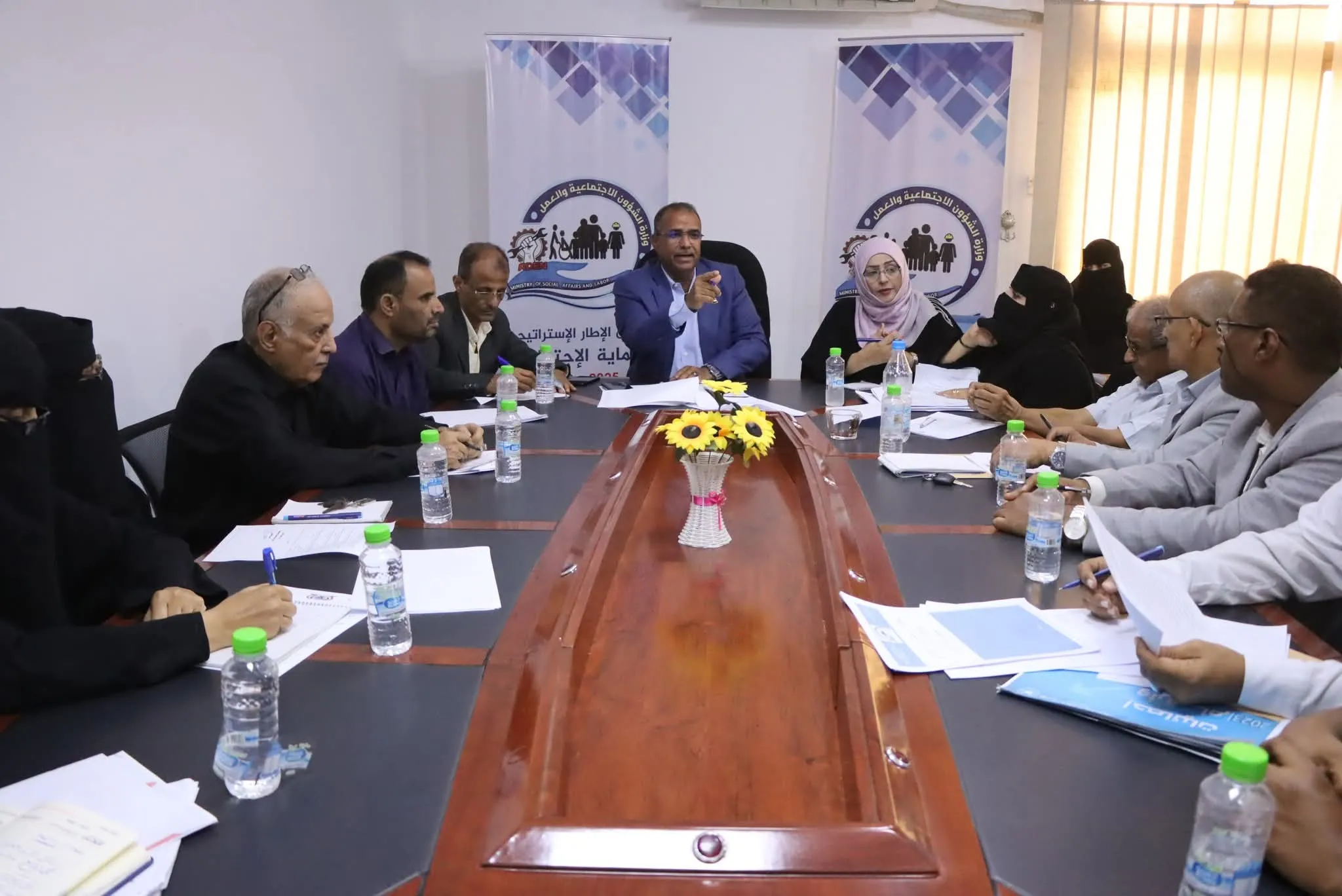
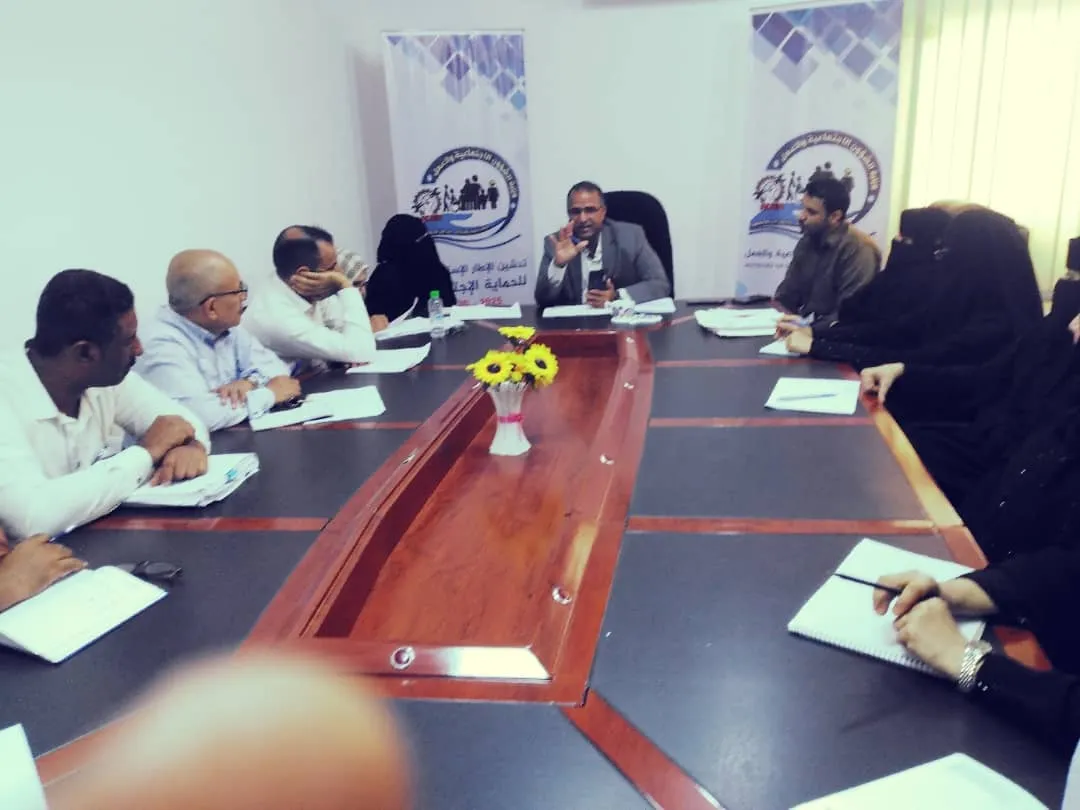
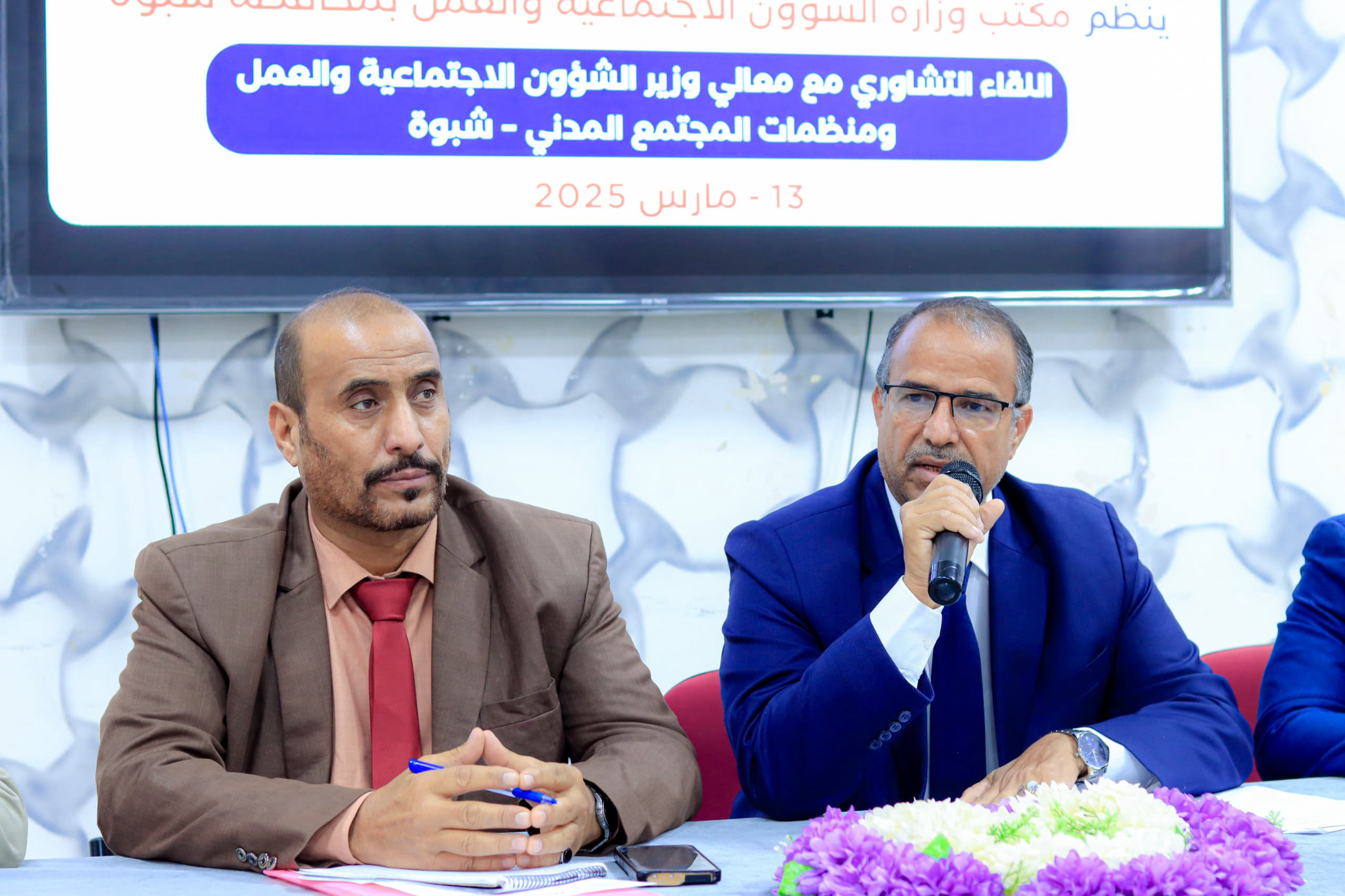
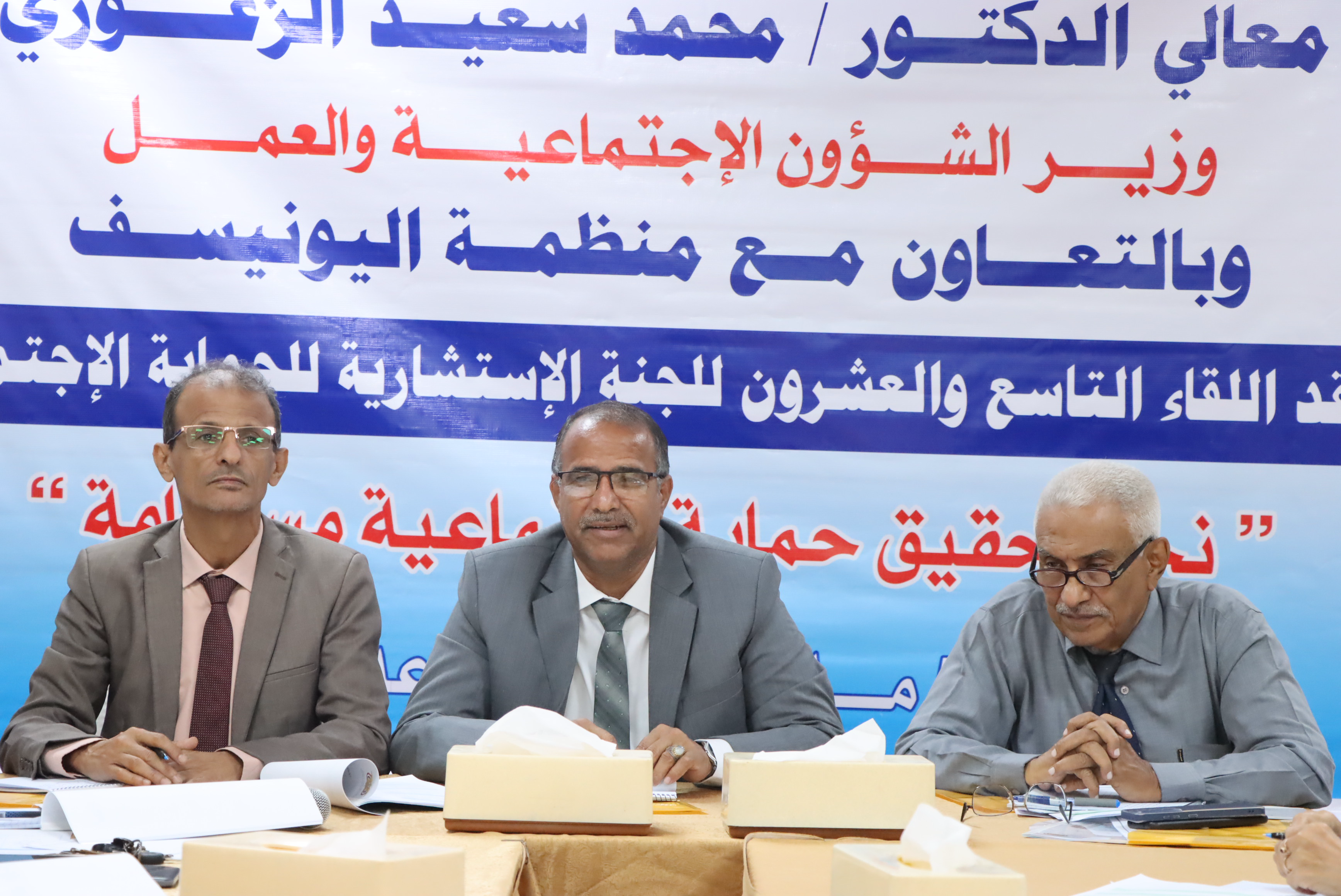
The meeting also addressed preparations for the upcoming broad consultative forum being organized by the Ministry of Social Affairs and Labor in Aden. The event will bring together relevant government entities, the Ministry's offices across the governorates, donors, international and local organizations, civil society institutions, and private sector companies and enterprises. The forum aims to develop practical solutions, unify strategic visions, coordinate efforts in social protection, humanitarian and development sectors, and ensure that training and qualification programs are aligned with actual labor market demands and national priorities.
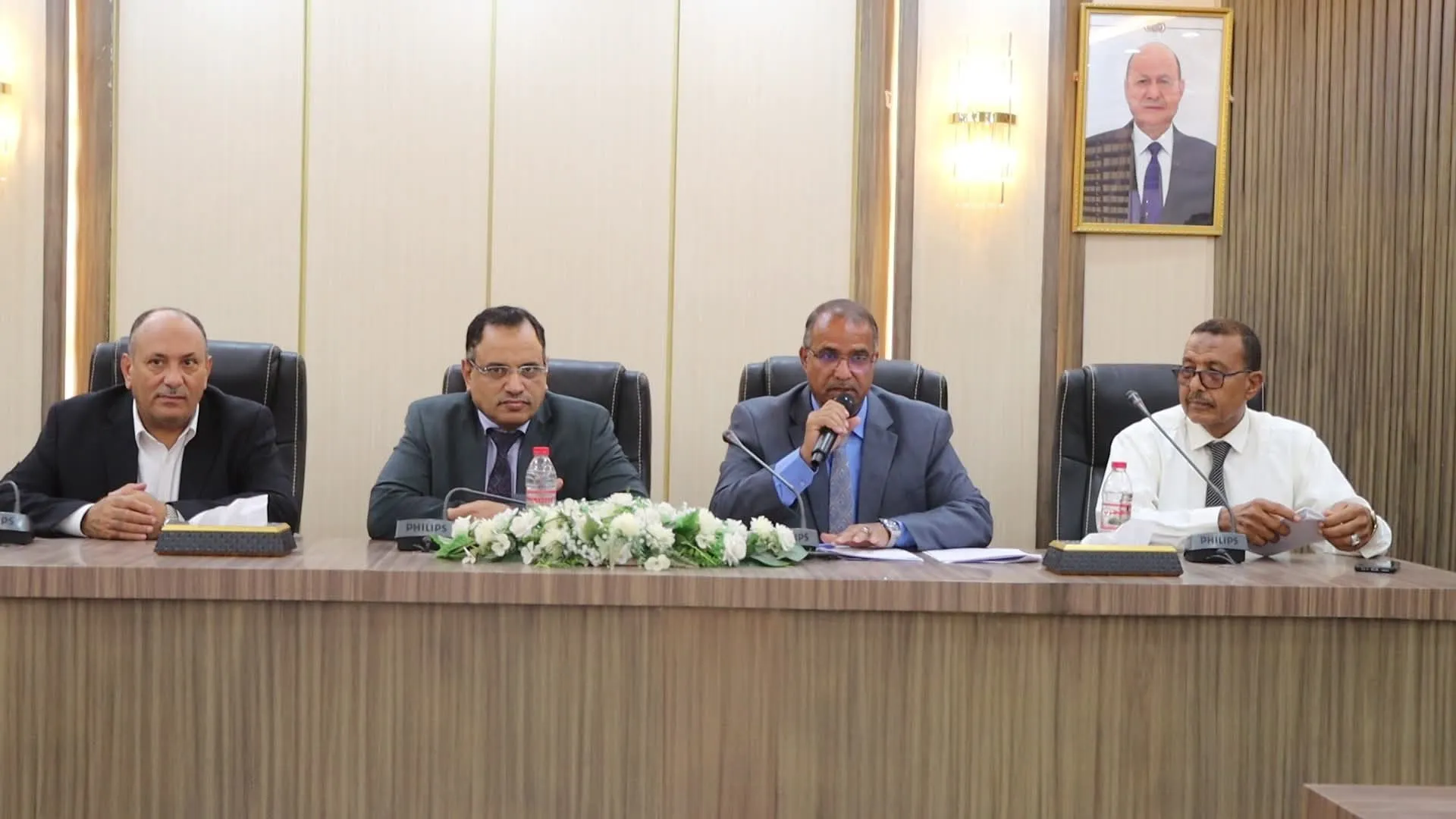
Minister Al-Yafaei underscored the importance of harmonized and integrated government action under a unified strategic framework through which relevant ministries identify and coordinate their priorities. Such an approach, he noted, would ensure that donor funding and partner-supported projects are directed toward high-impact programs while preventing valuable resources from being spent on activities that fail to address genuine labor market needs or generate sustainable employment opportunities.
He further emphasized that strengthening the training, qualification, and labor market regulation sectors within a coherent institutional framework would significantly contribute to addressing unemployment. He stressed that the proposed joint technical committee should formulate practical recommendations for regulating the labor market, identifying priority specializations, addressing deficiencies in existing training programs, and leveraging national expertise to shape effective policies and coordinated national initiatives.
For his part, Minister Kalshat reaffirmed the Ministry of Technical Education and Vocational Training's commitment to strengthening its institutional partnership with the Ministry of Social Affairs and Labor. He noted that the ministry is actively developing and accrediting training curricula and programs based on labor market demands while expanding into emerging fields such as renewable energy, digital technologies, artificial intelligence, and other disciplines experiencing growing demand.
Minister Kalshat added that revitalizing existing technical and vocational institutes and rehabilitating their infrastructure and equipment represents a long-term investment in the country's human capital. He emphasized the importance of deepening cooperation between the two ministries and engaging the private sector, development partners, and donor organizations in supporting clearly prioritized government programs that will produce a skilled workforce and improve employment opportunities for graduates and job seekers in both domestic and international labor markets.