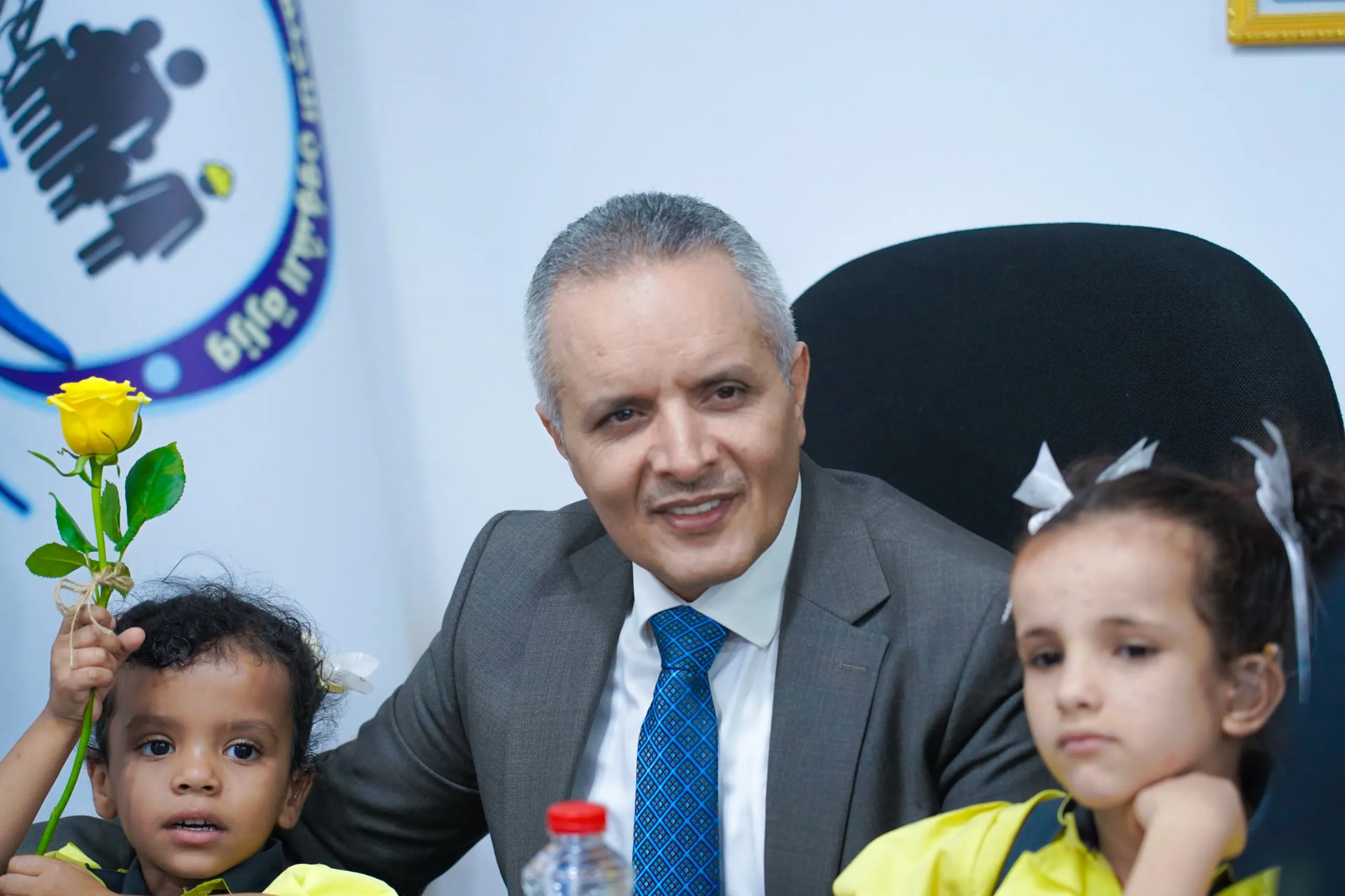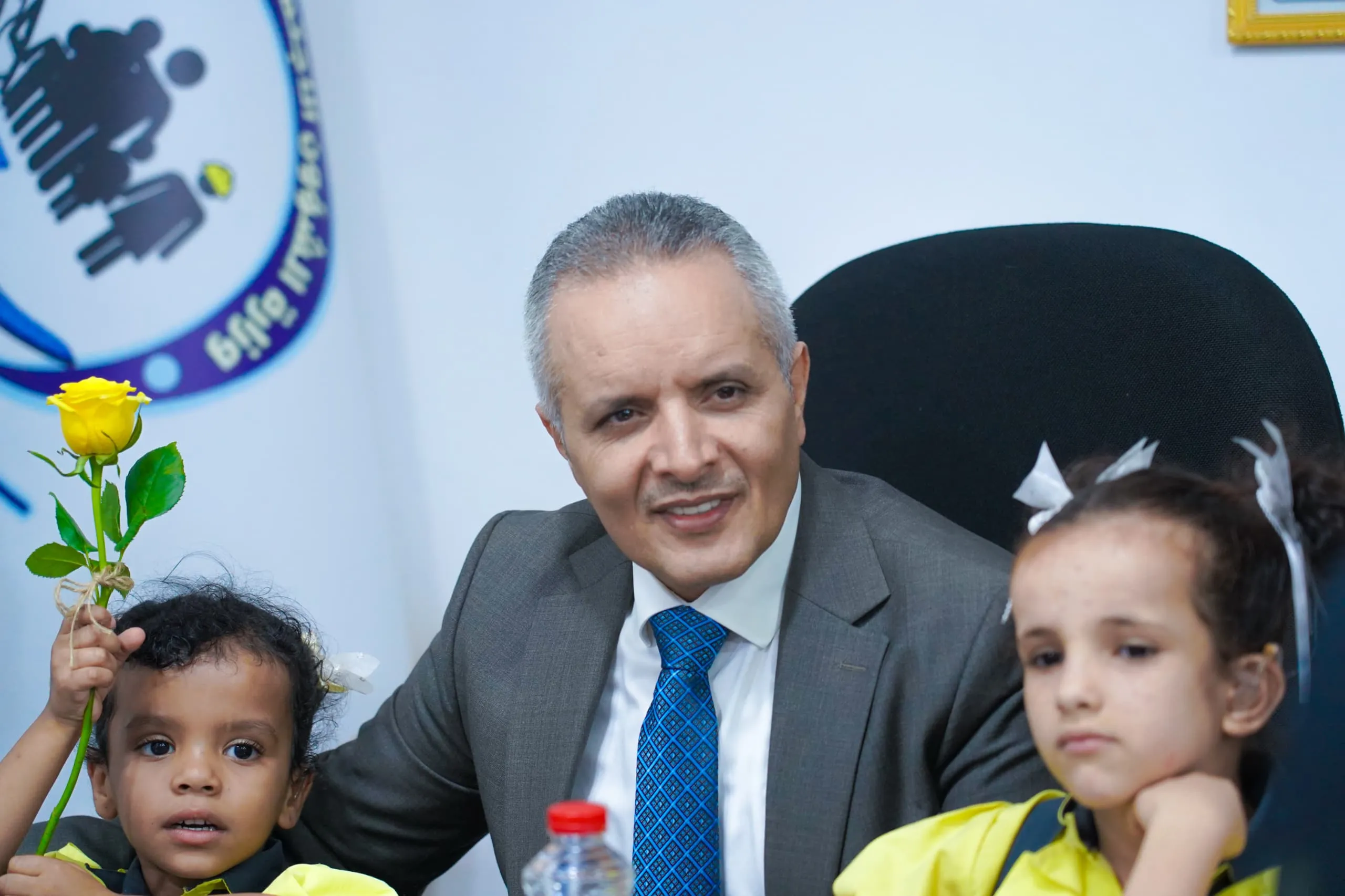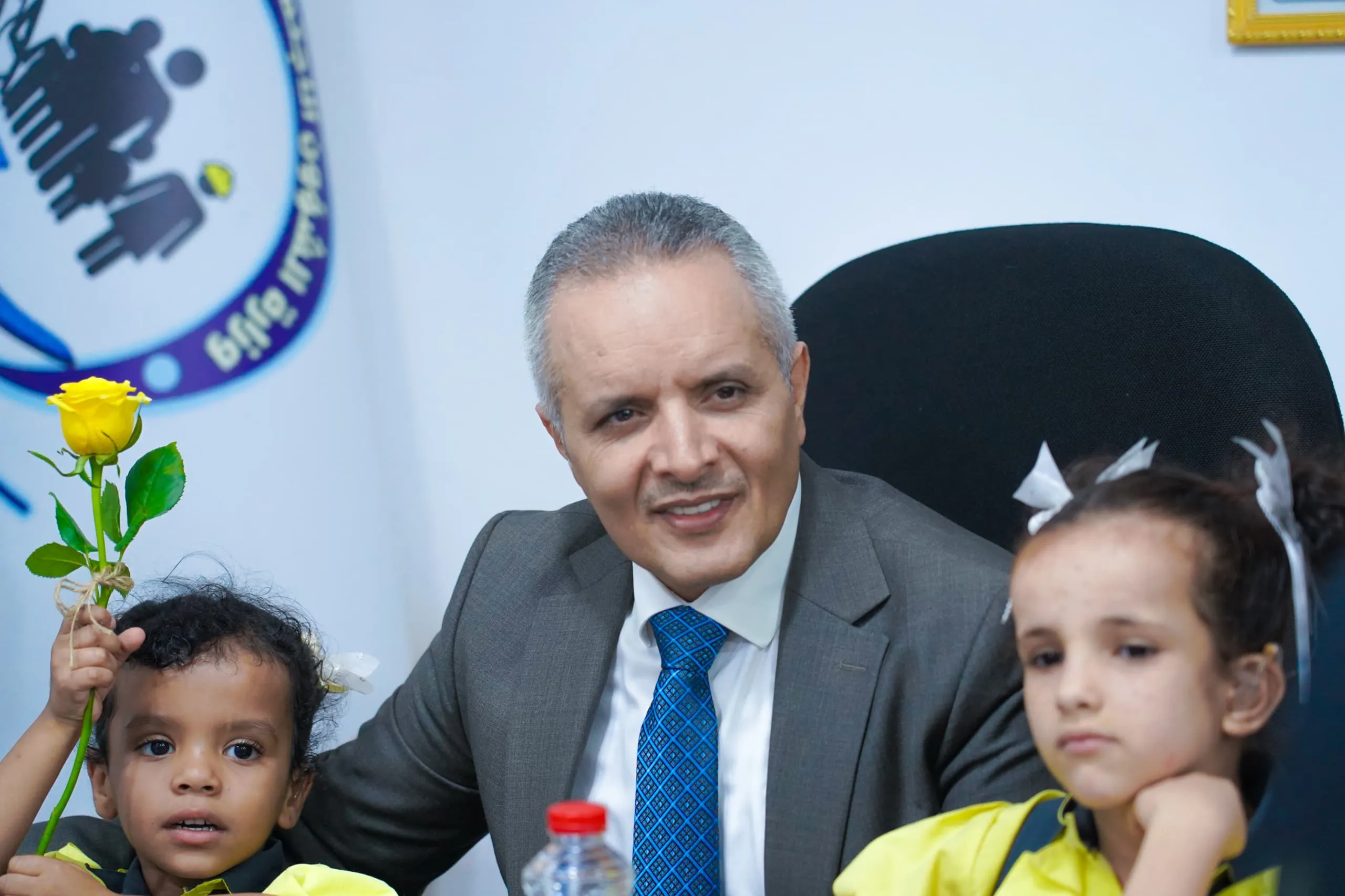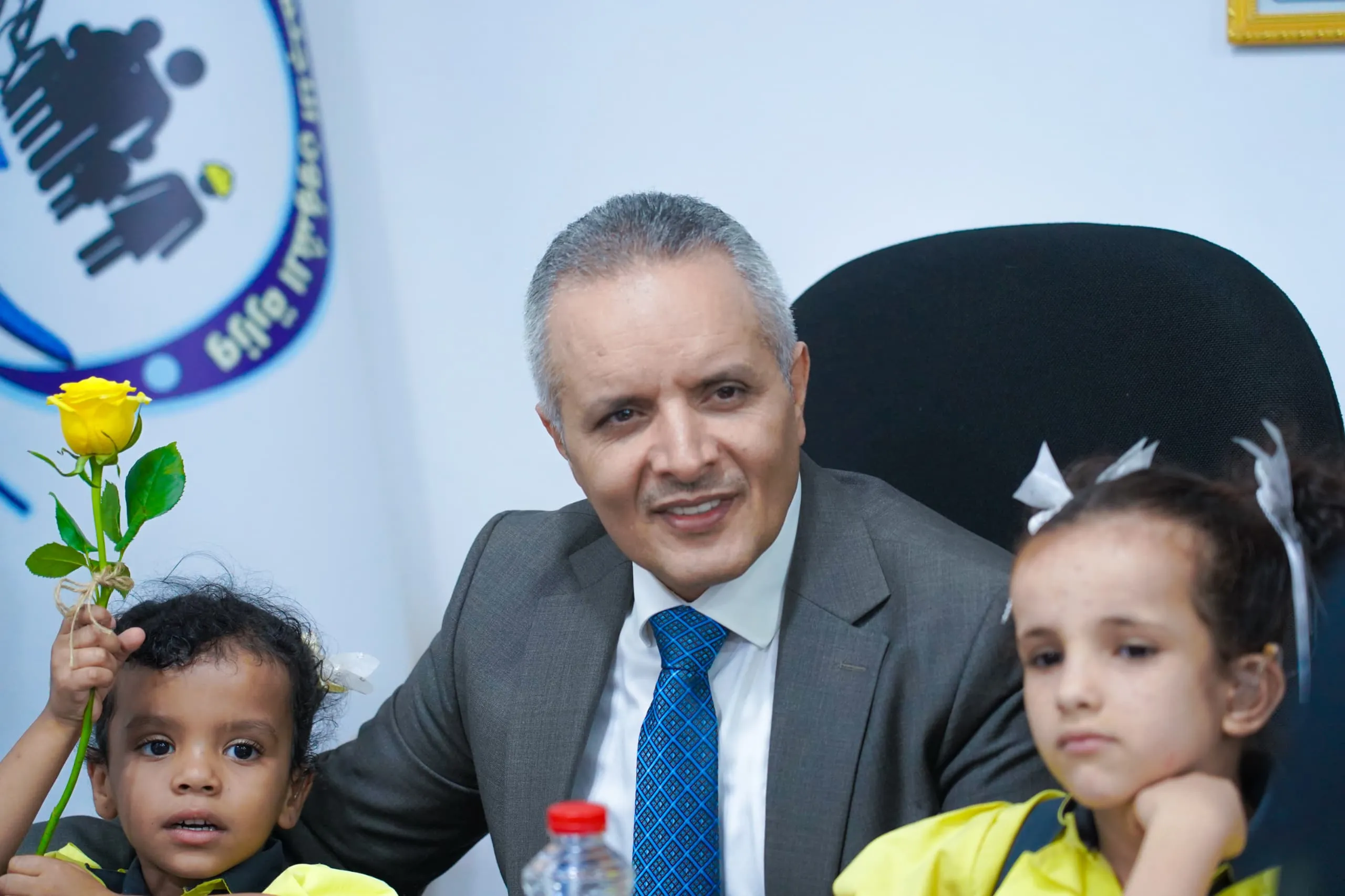

Presidential Leadership Council Member Mahmoud Al-Subaihi Stresses the Continuation of Administrative Reform and Institutional Modernization Programs
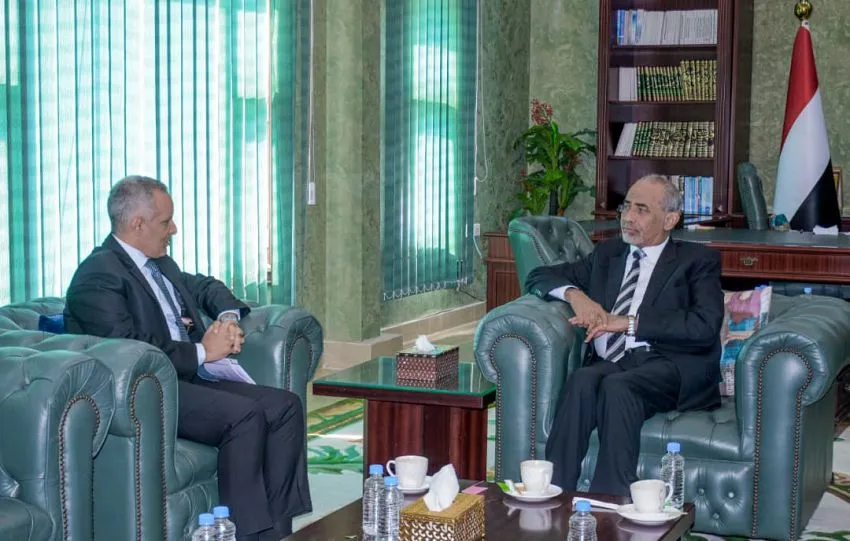
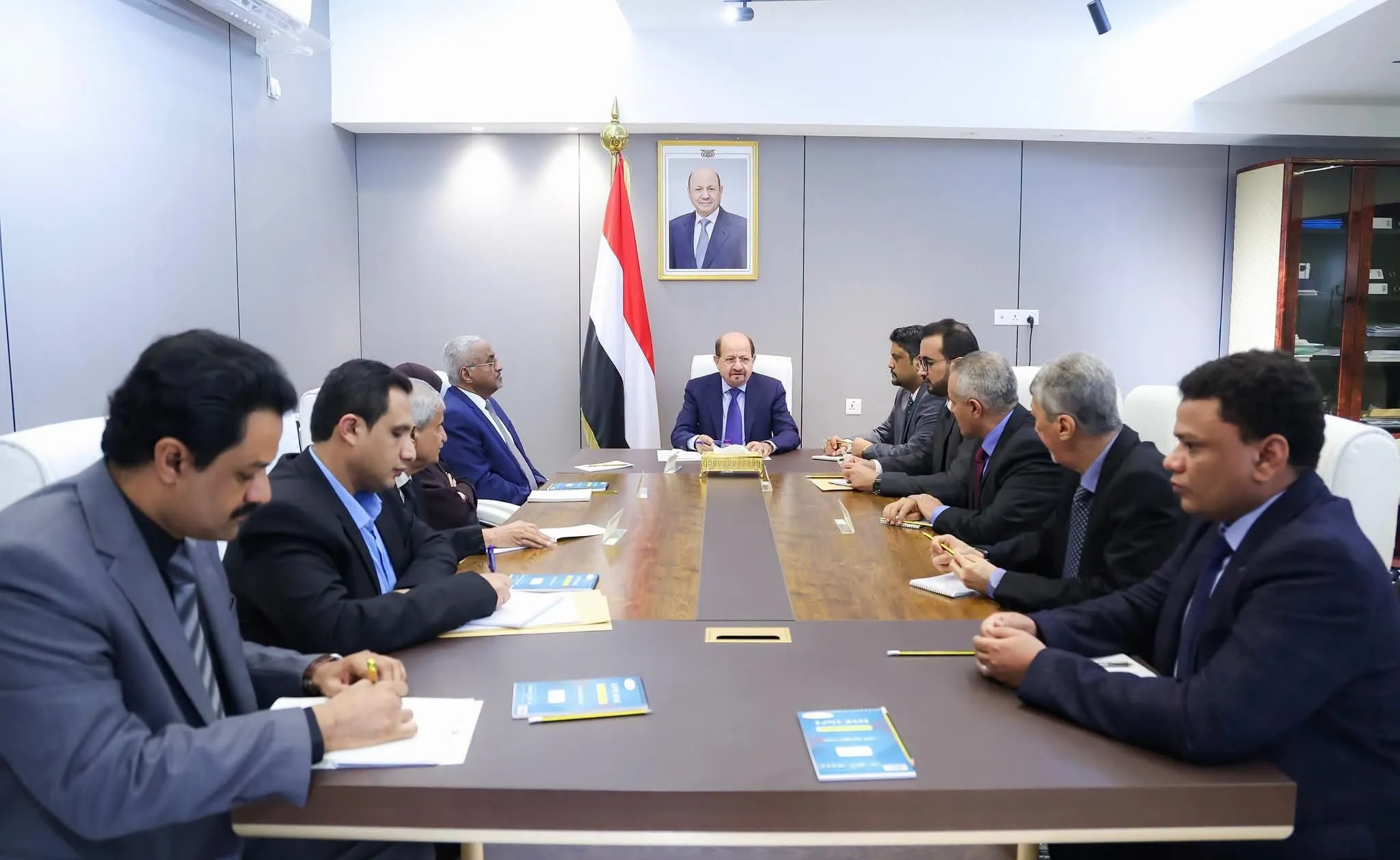
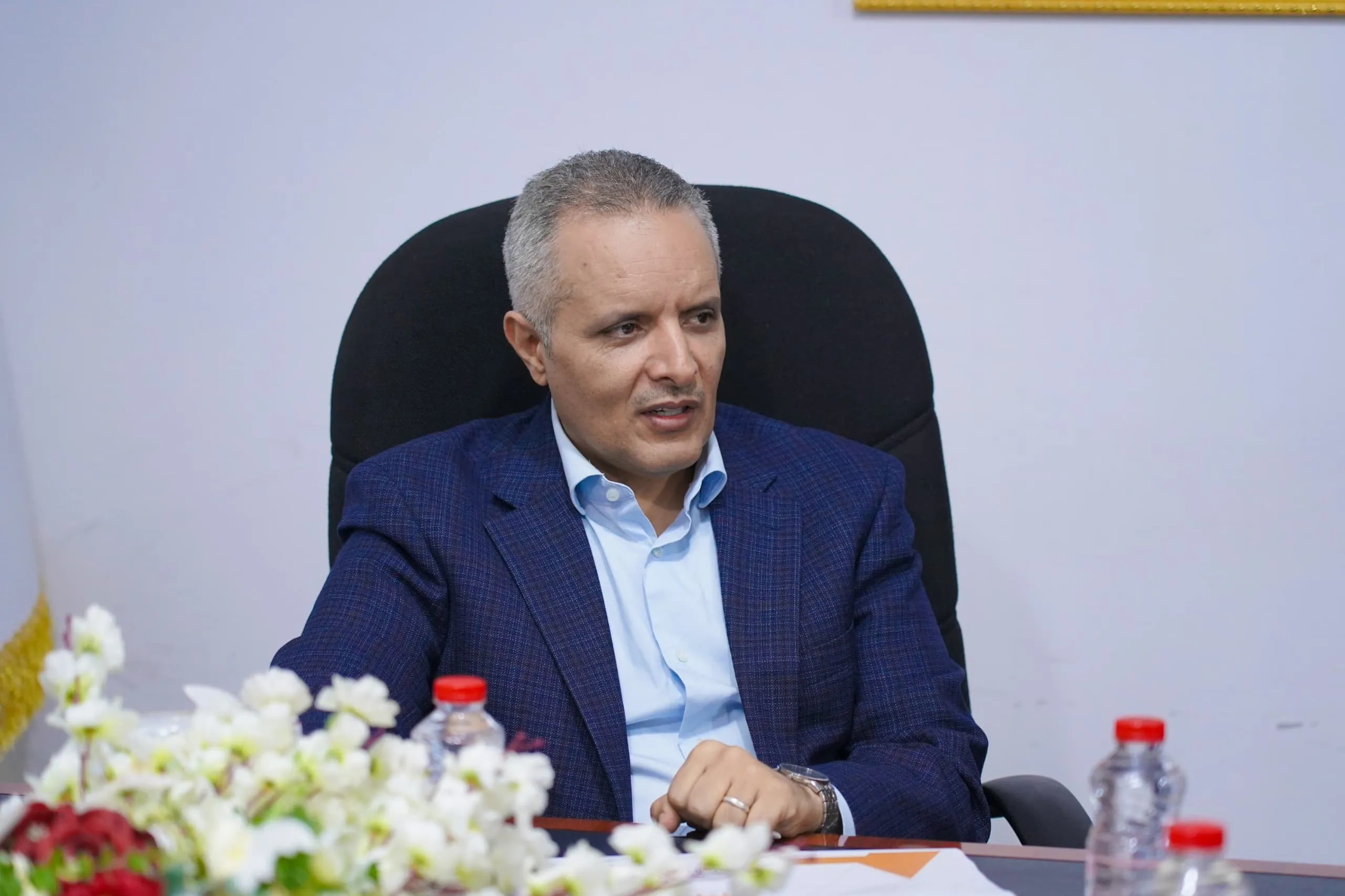
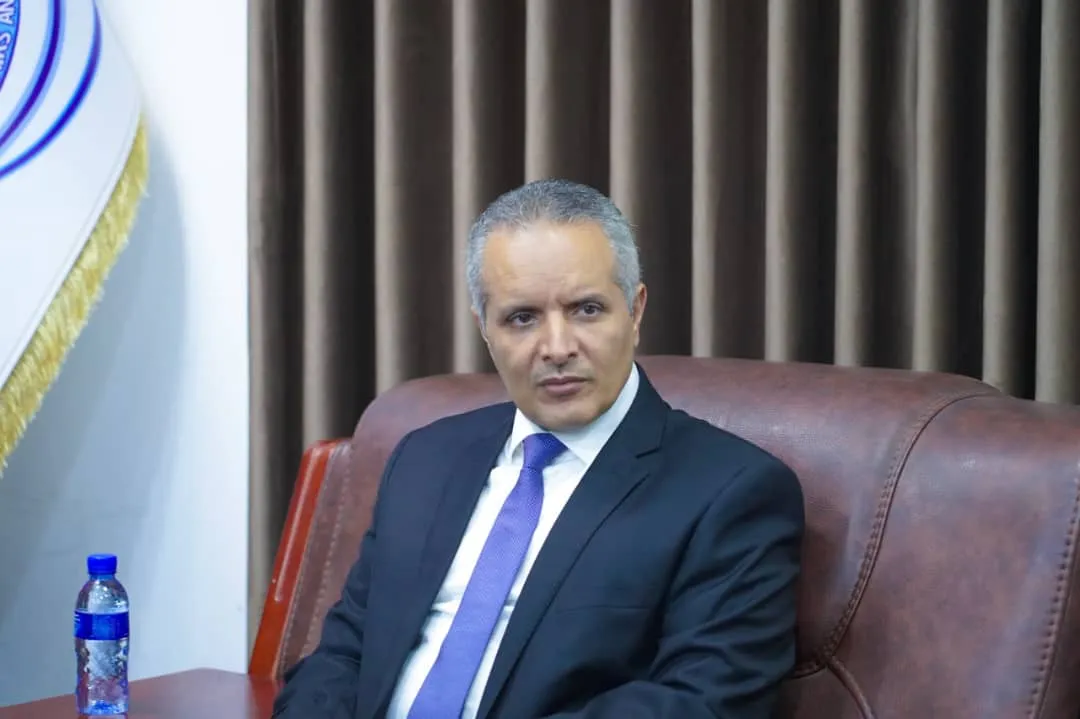
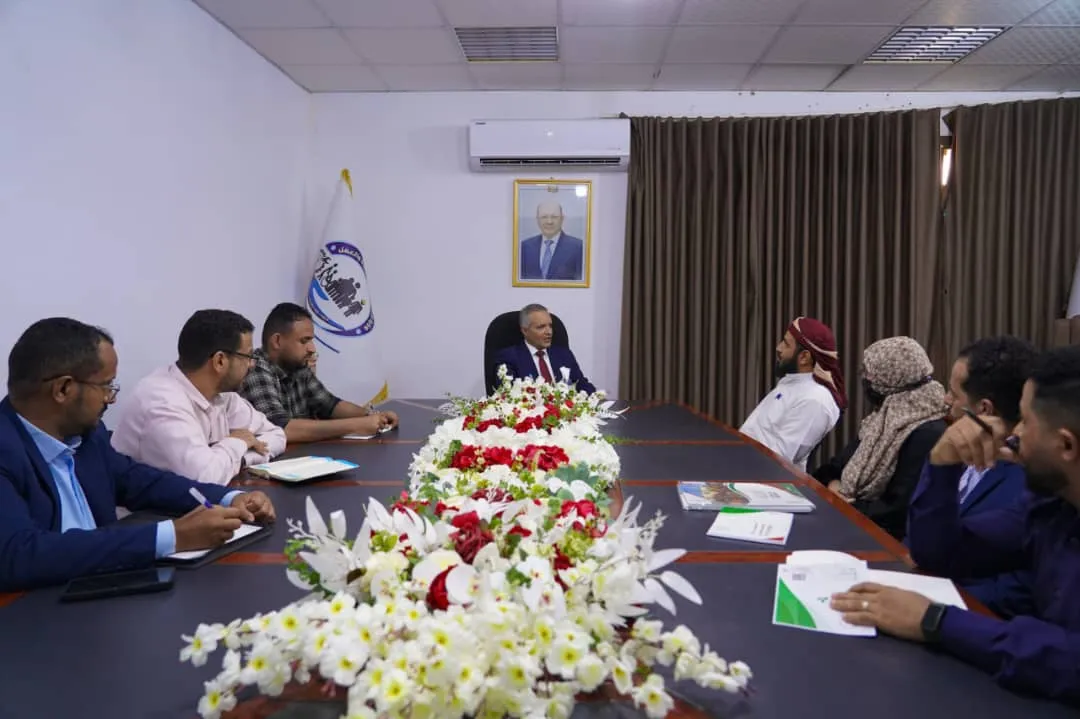
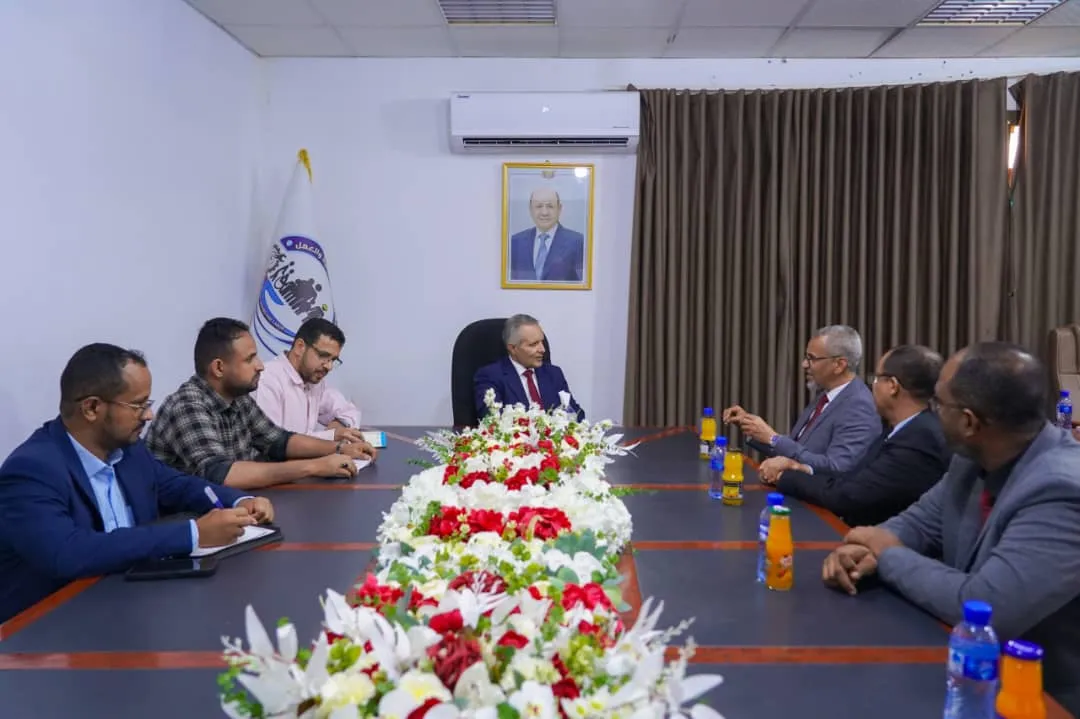
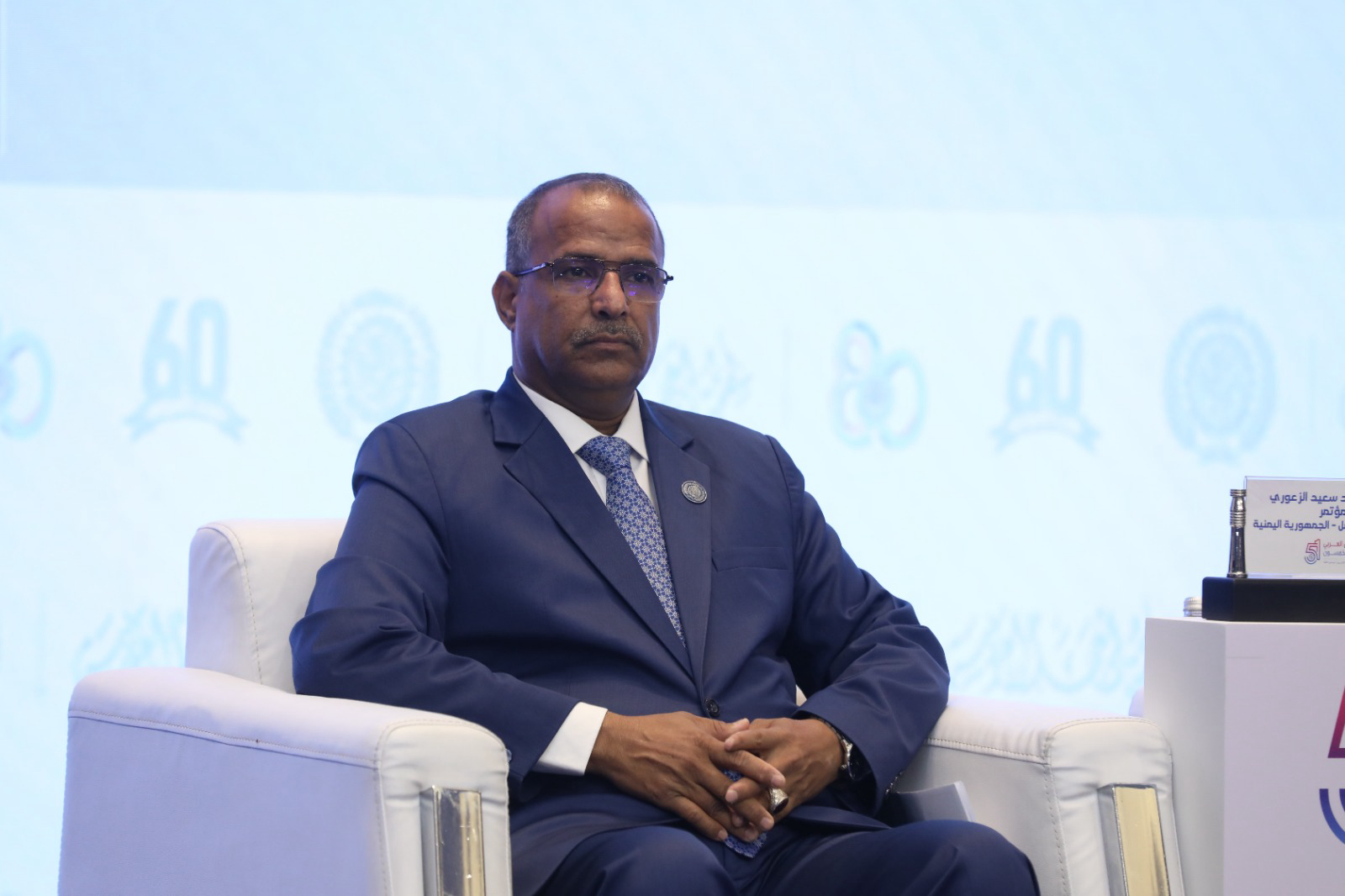
Member of the Presidential Leadership Council, Lieutenant General Mahmoud Salem Al-Subaihi, emphasized the importance of continuing the implementation of administrative reform and institutional modernization programs, as they contribute to improving performance efficiency, ensuring an effective response to citizens’ needs, and strengthening public trust in state institutions.
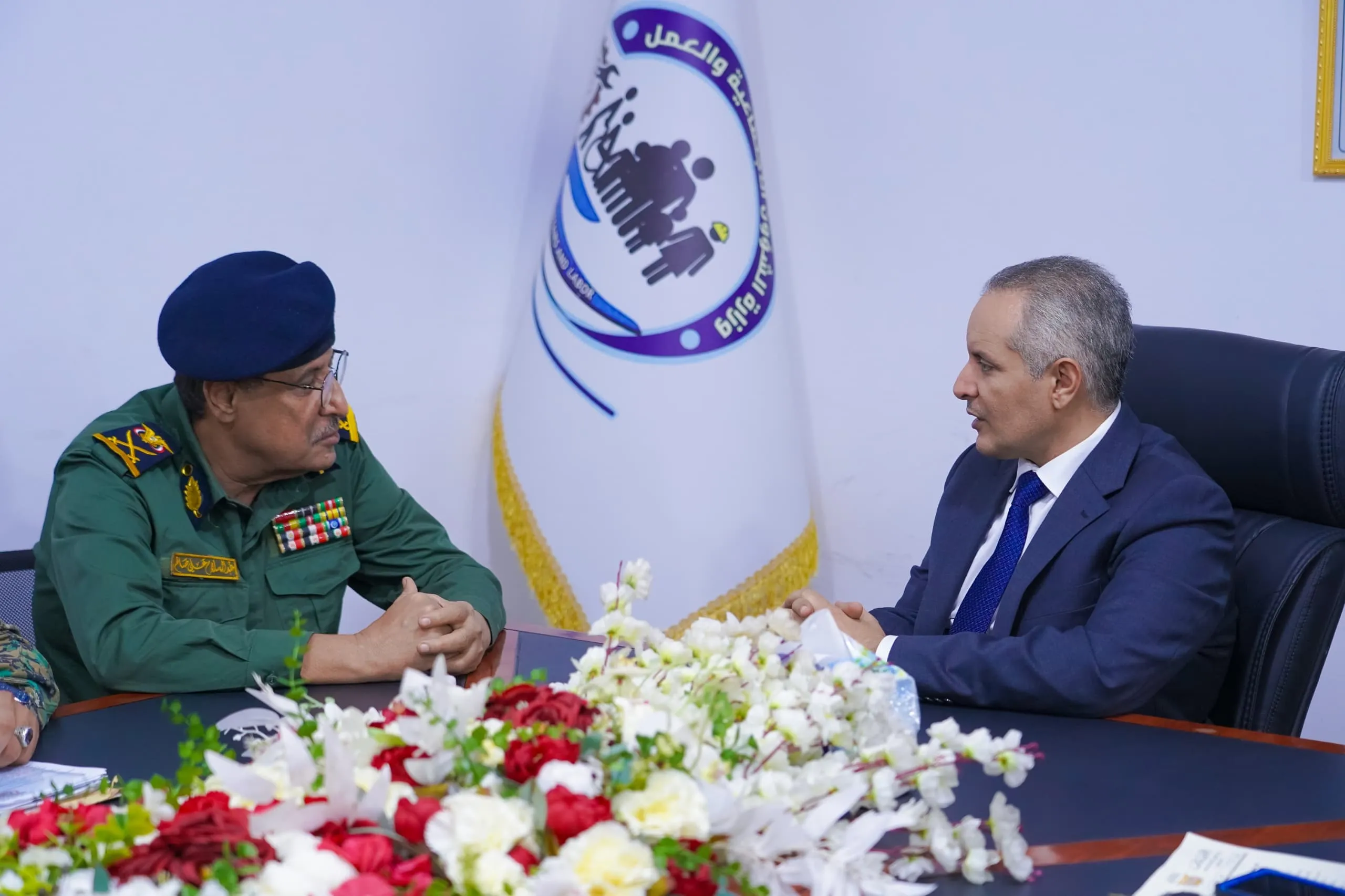
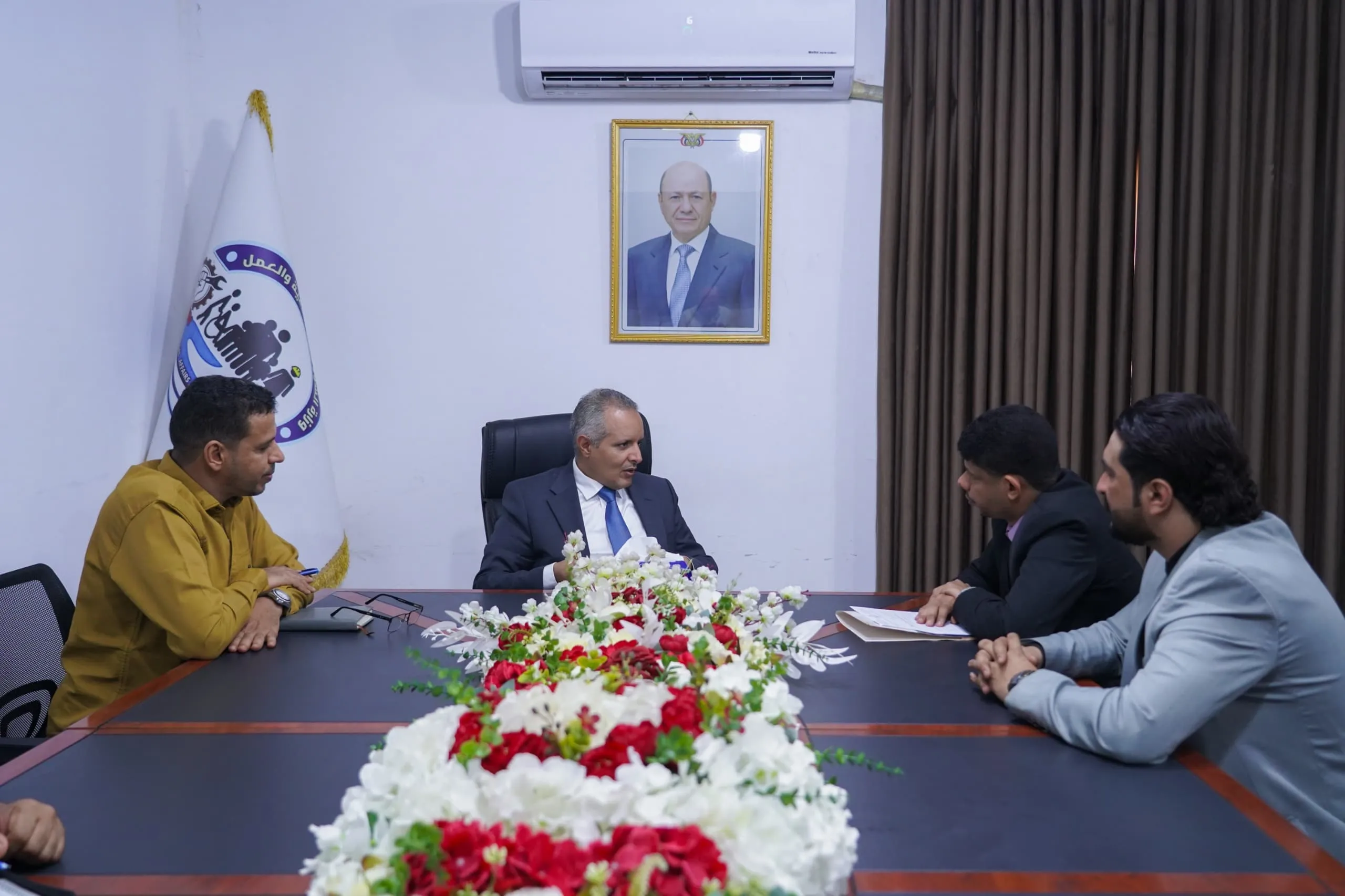
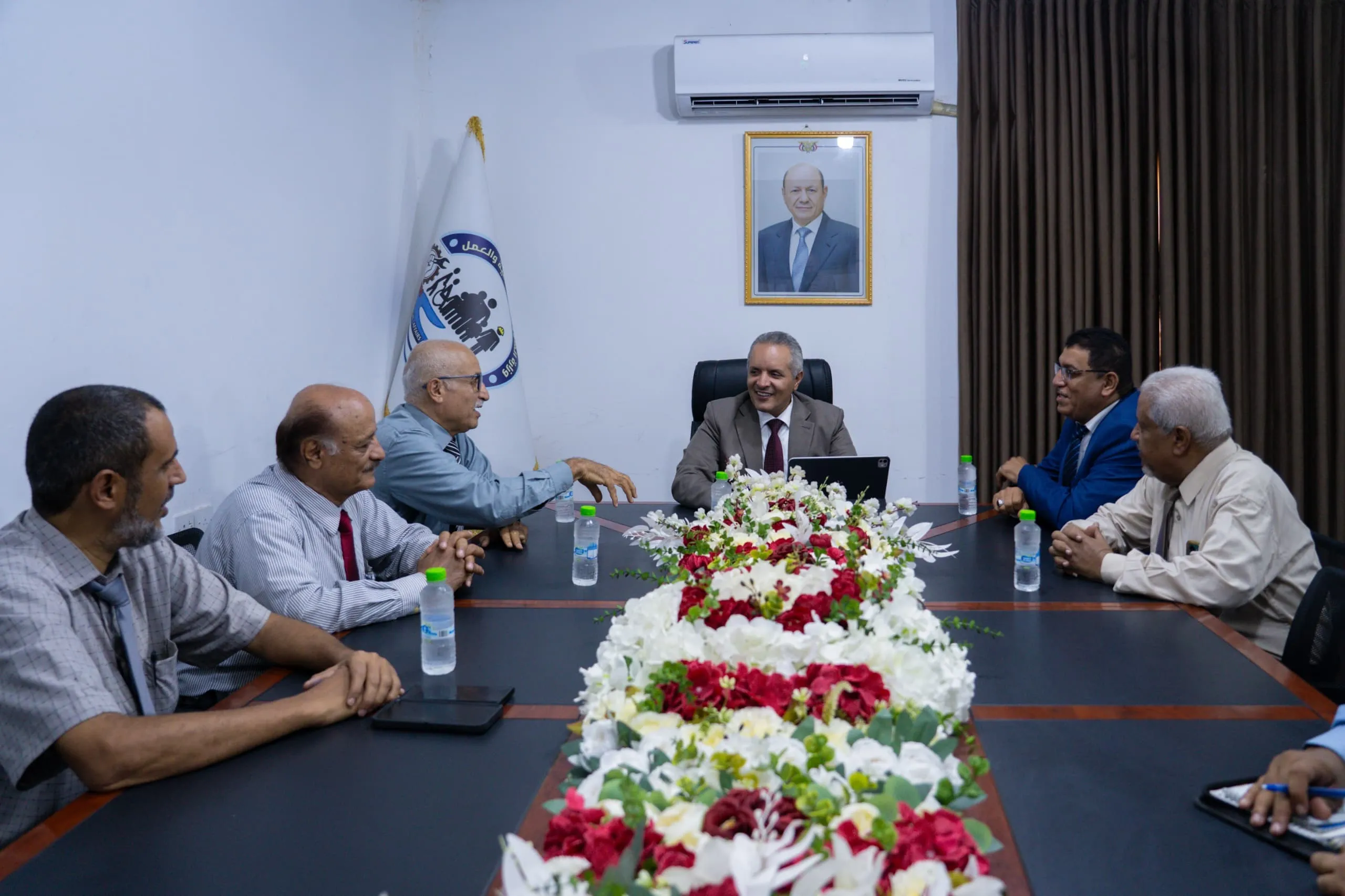
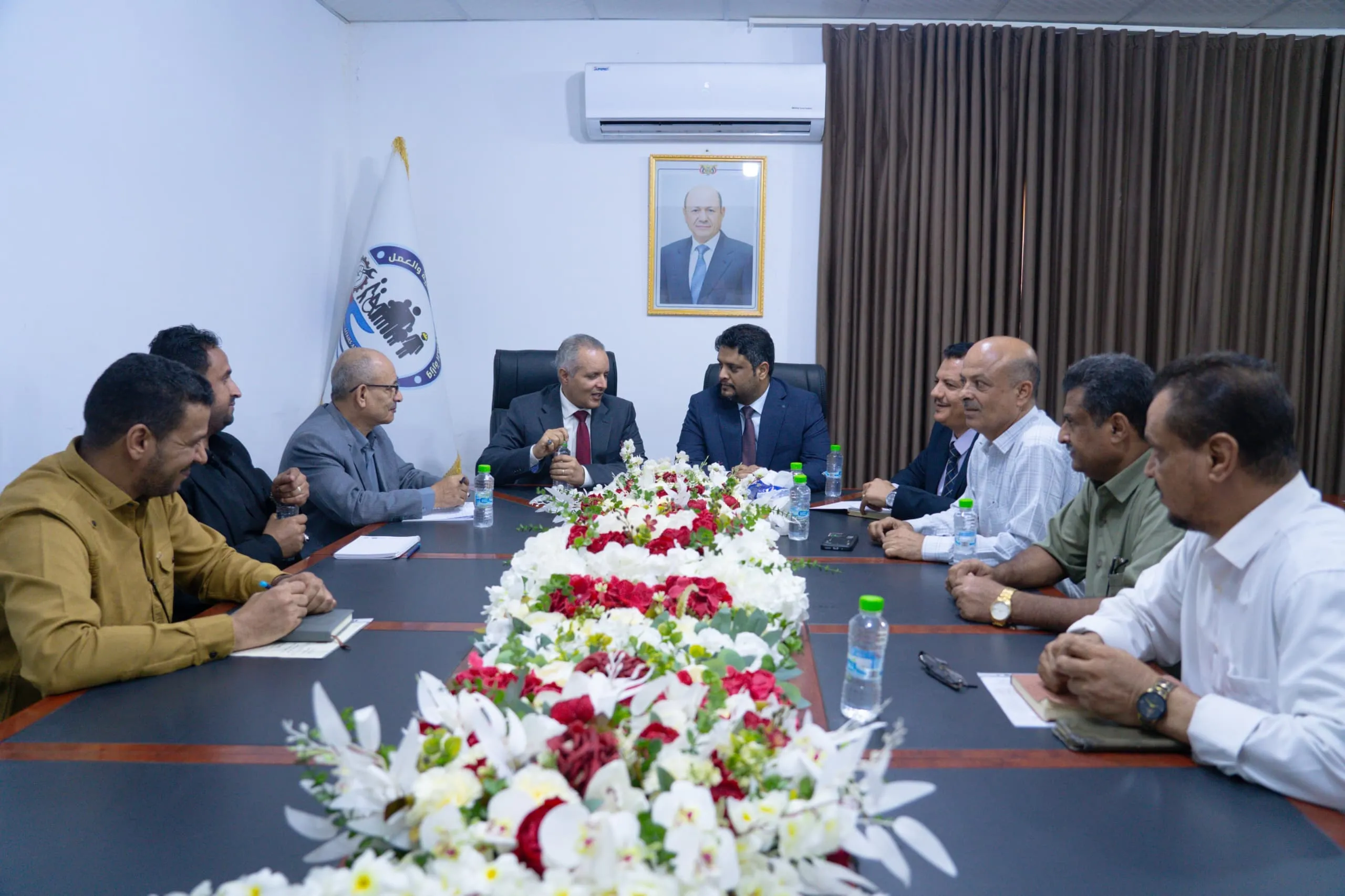
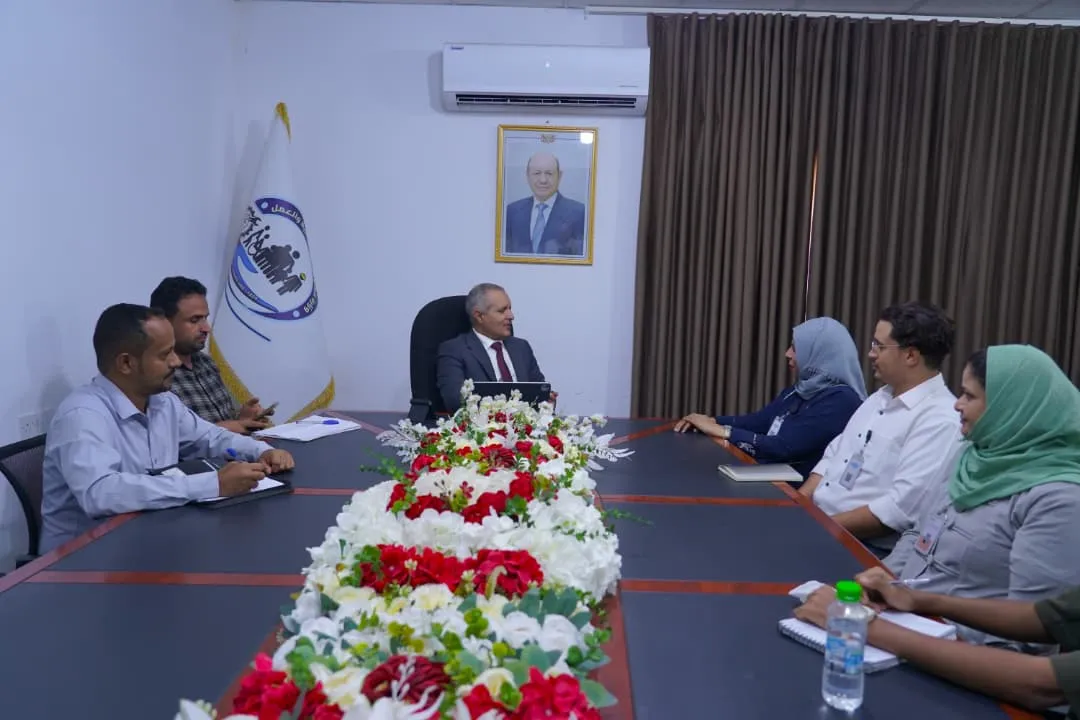
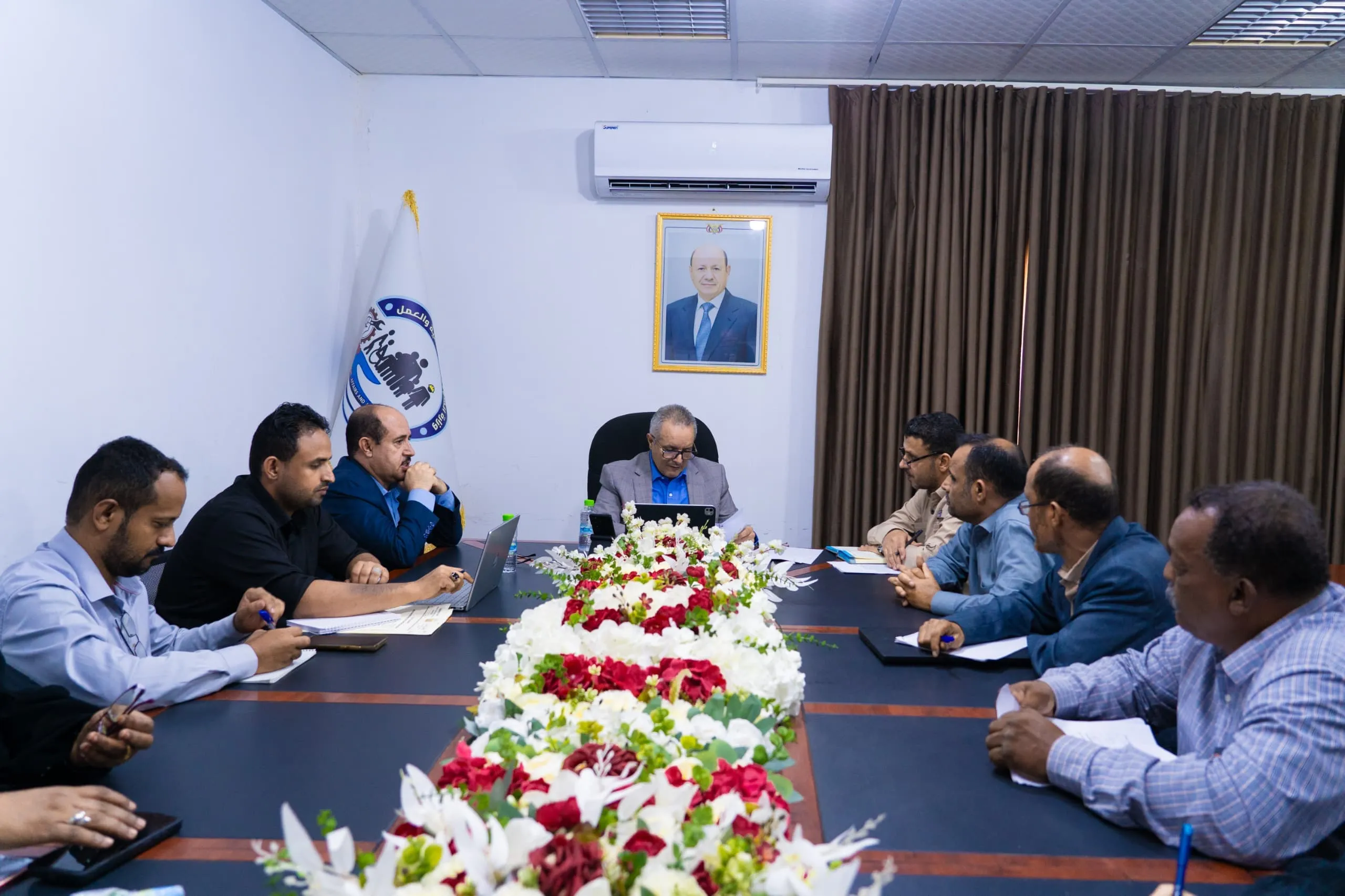
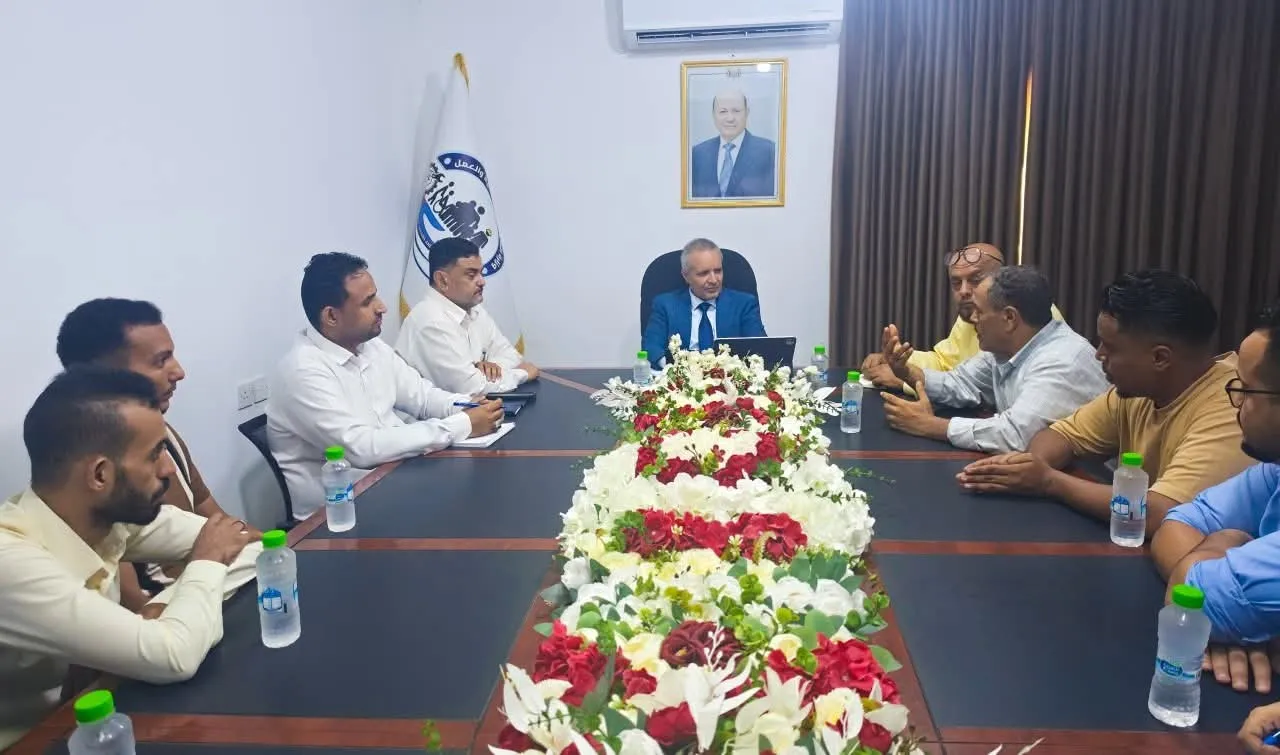
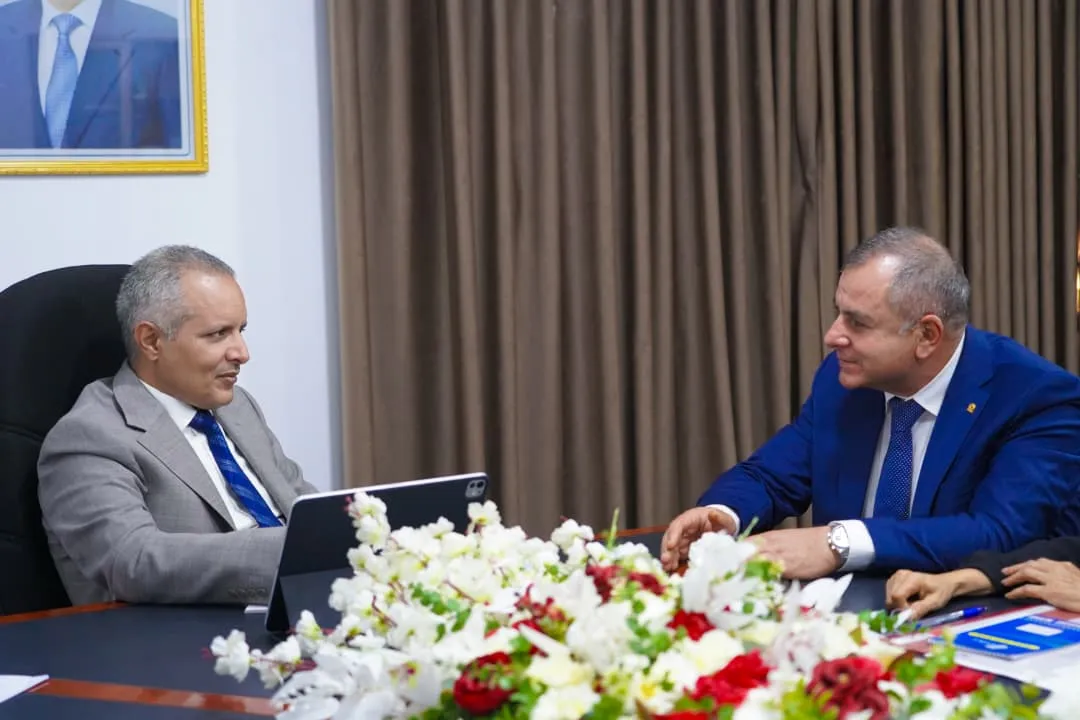
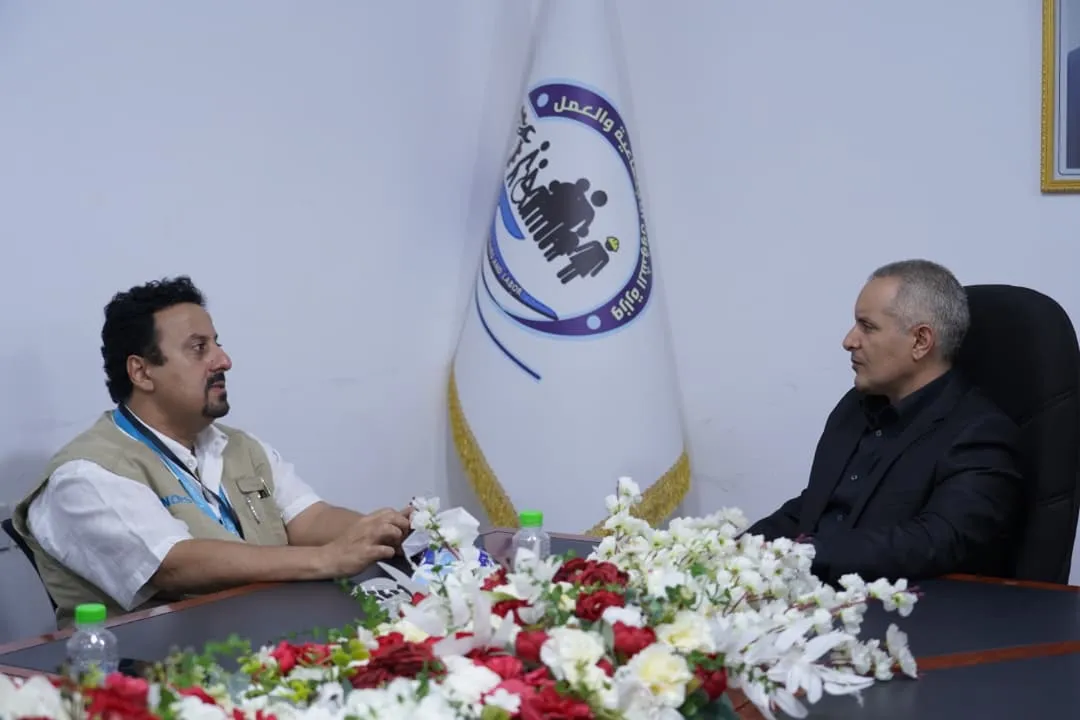
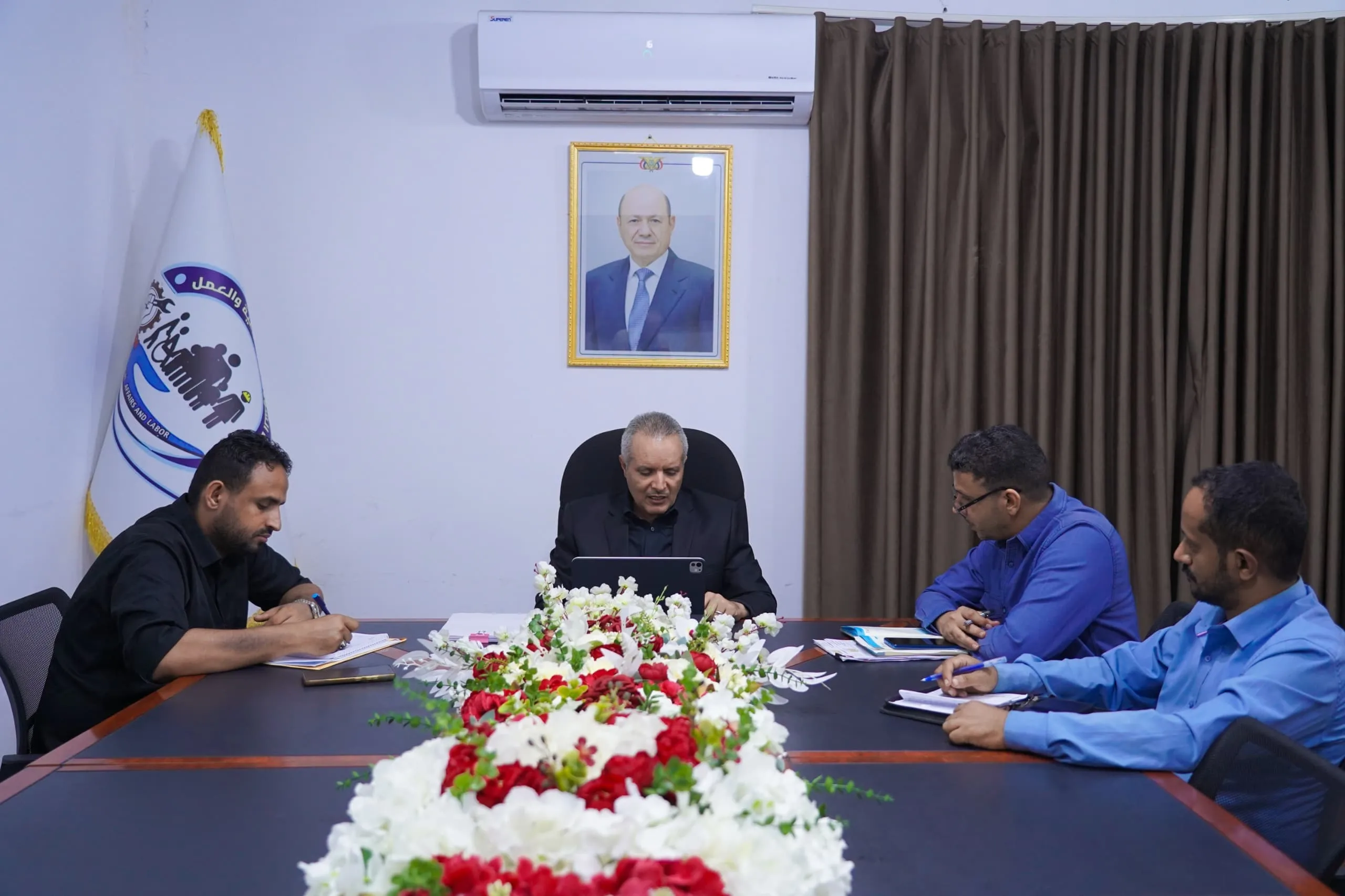
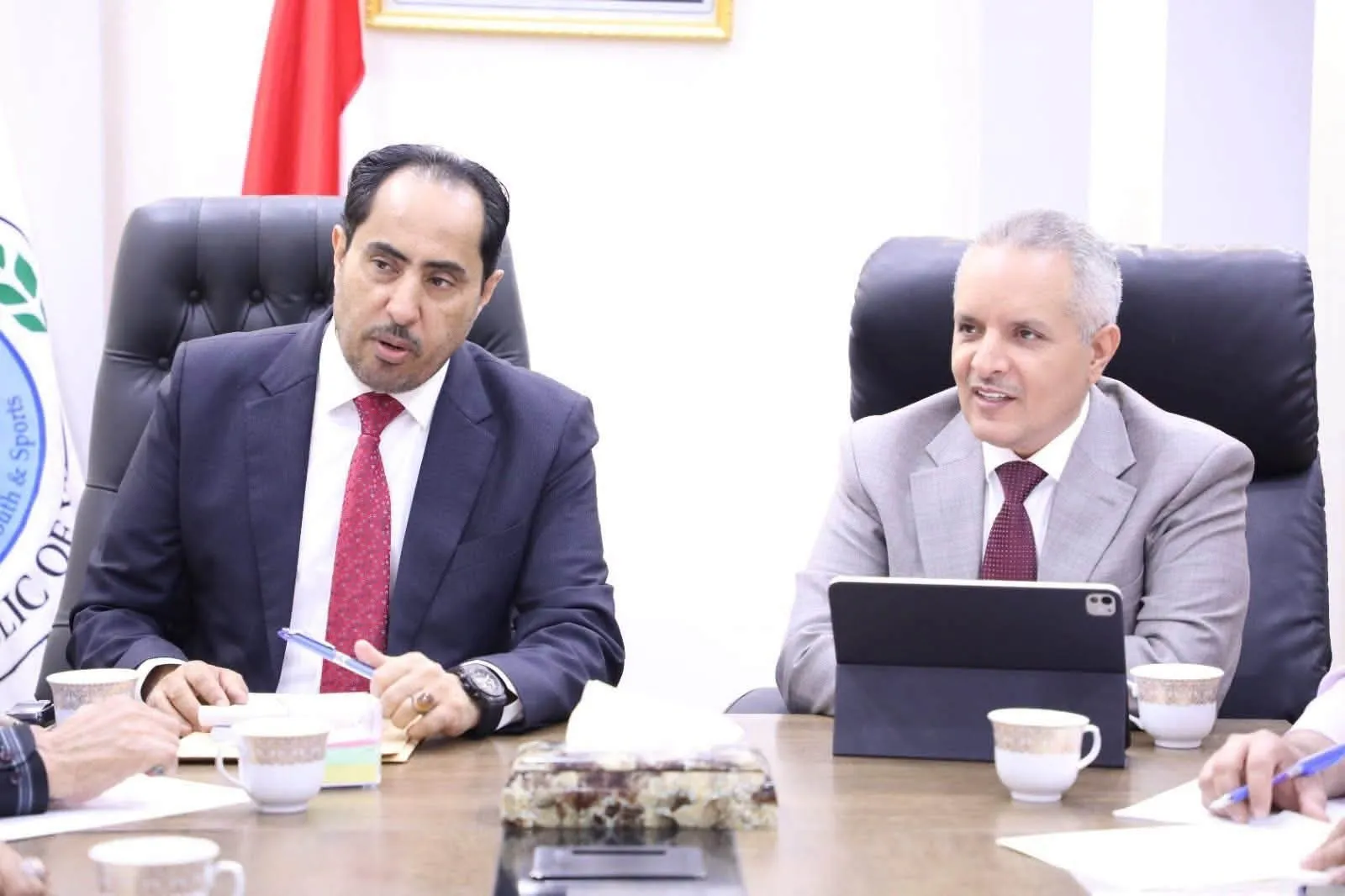
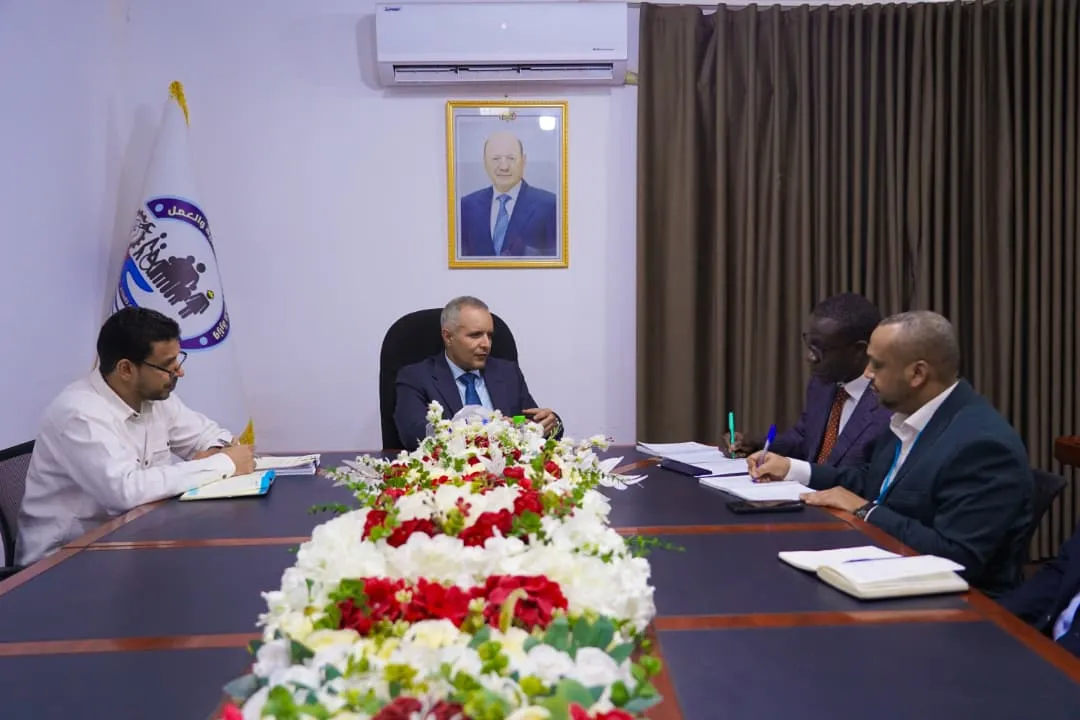
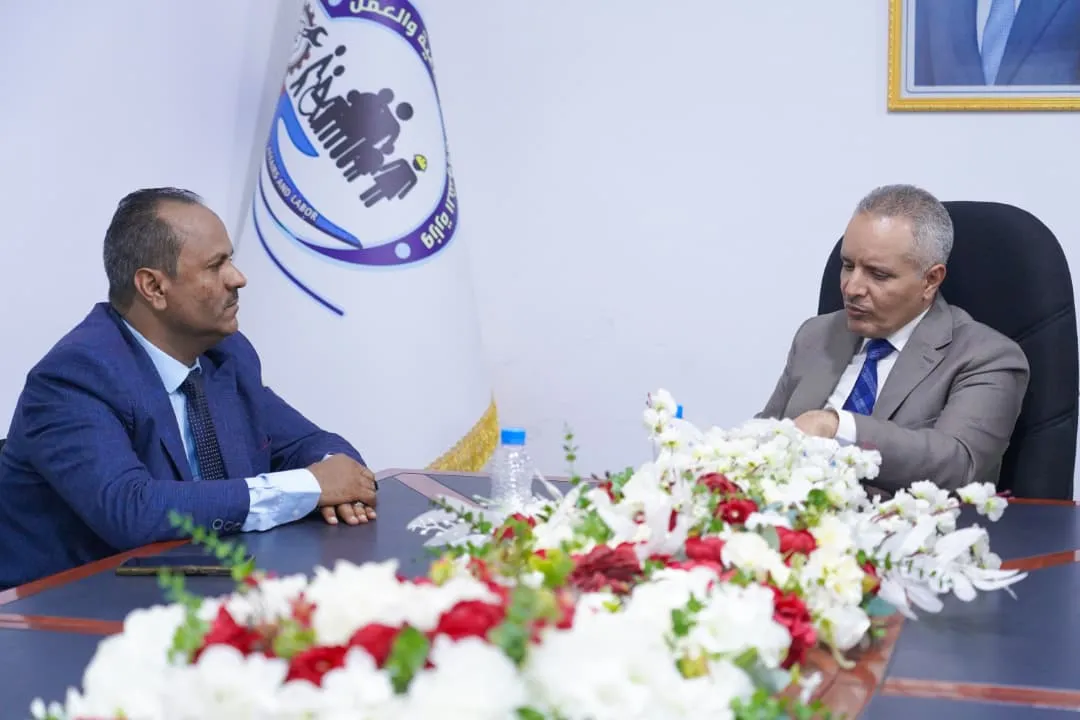
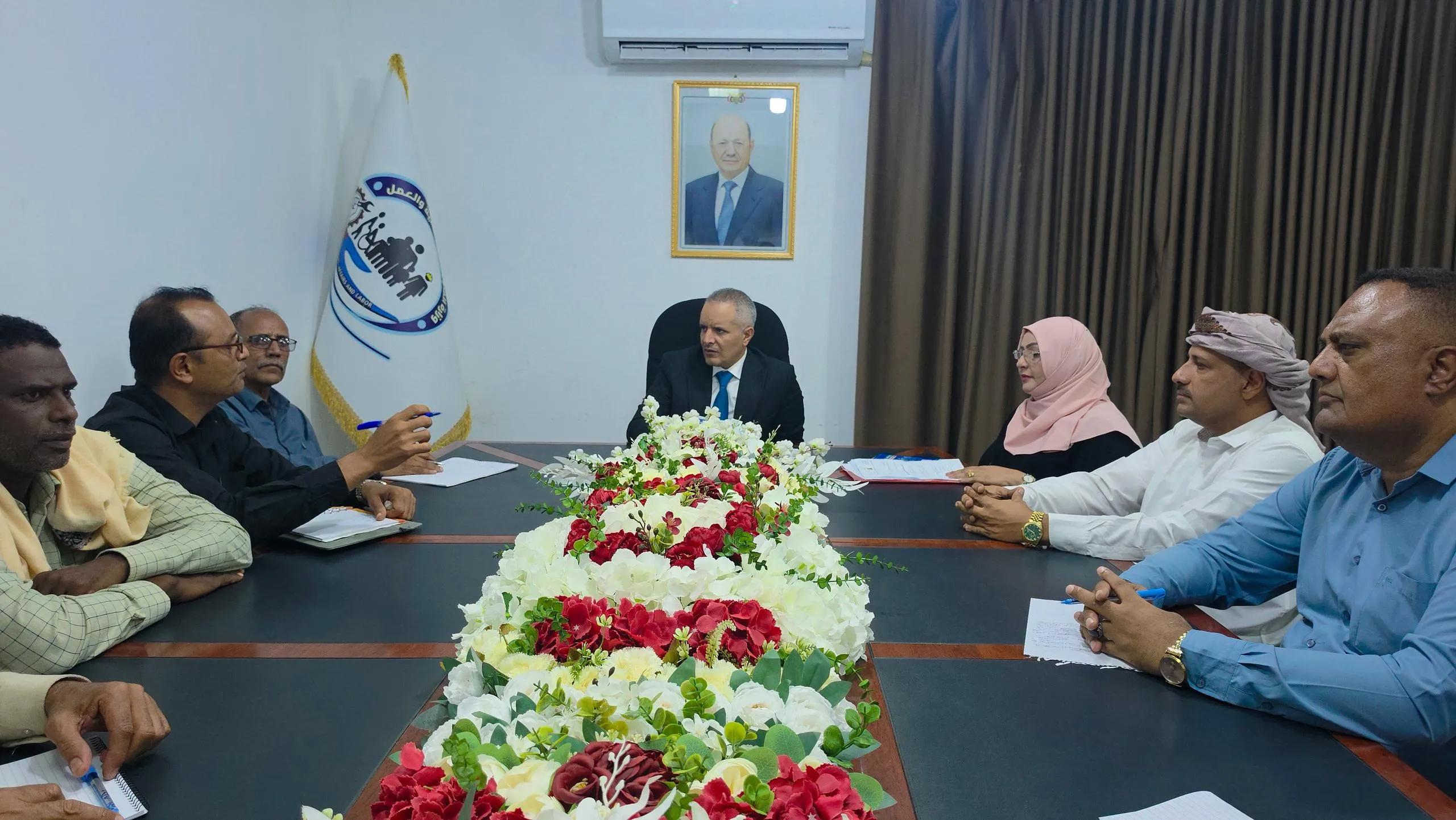
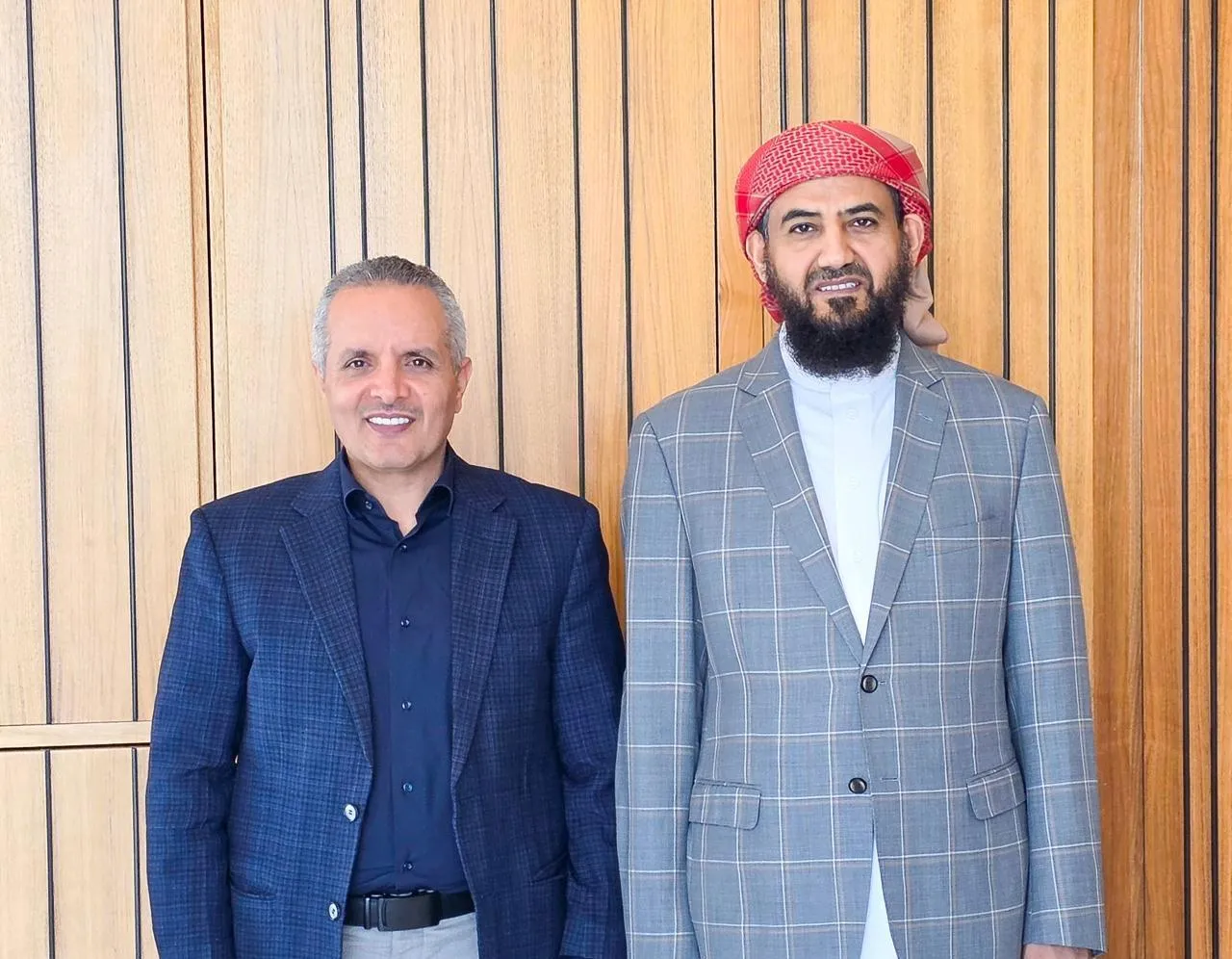
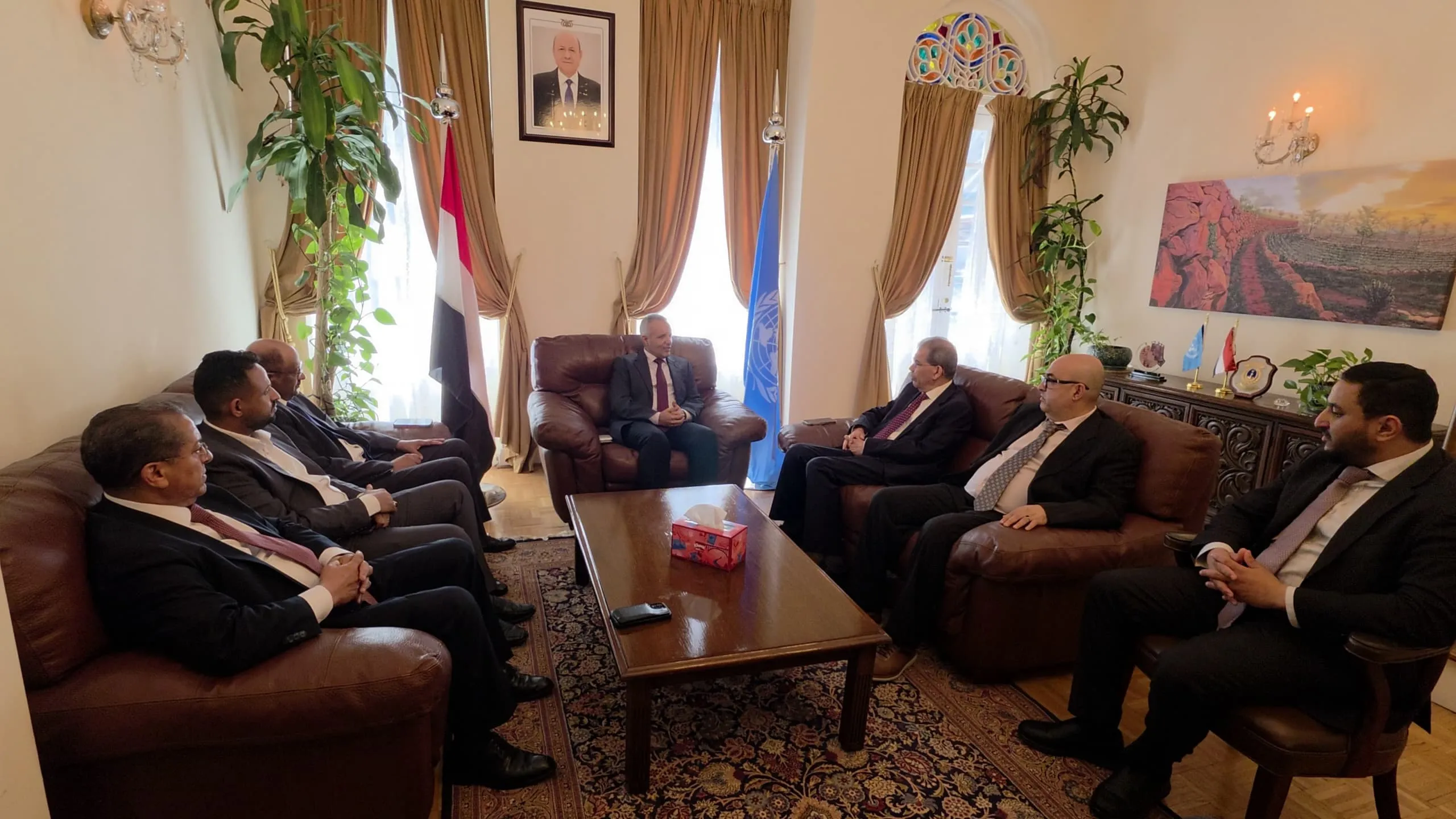
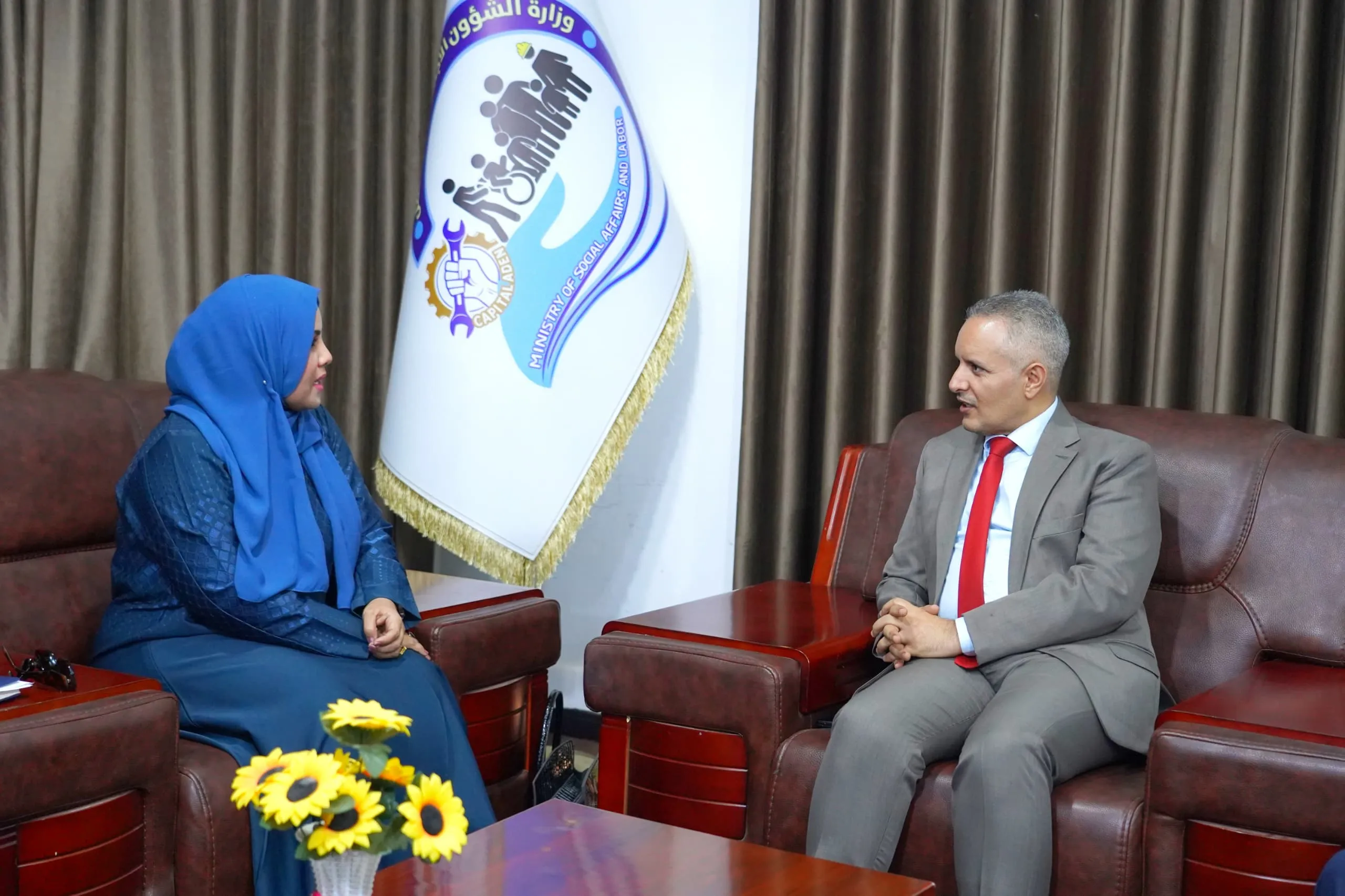
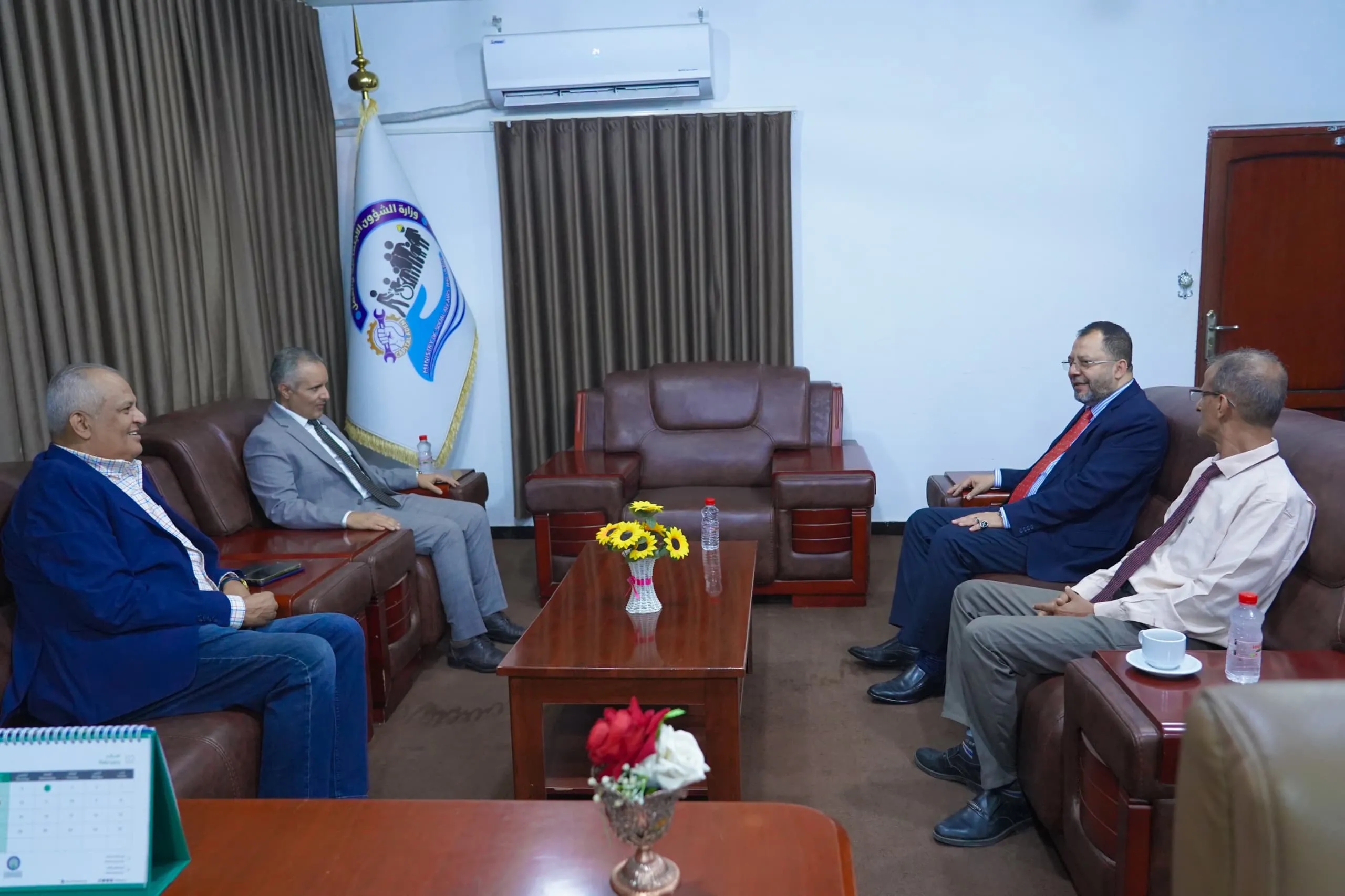
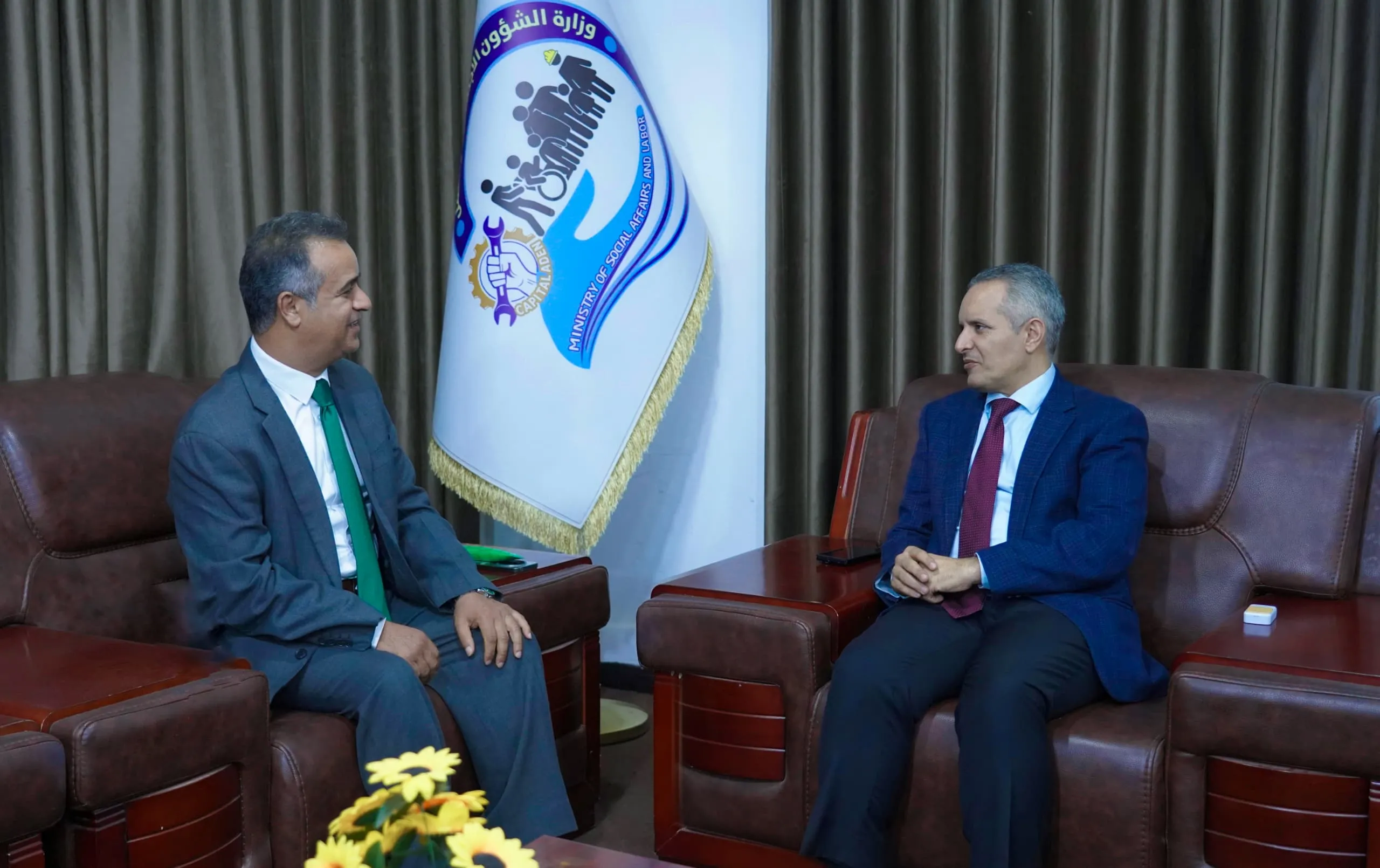
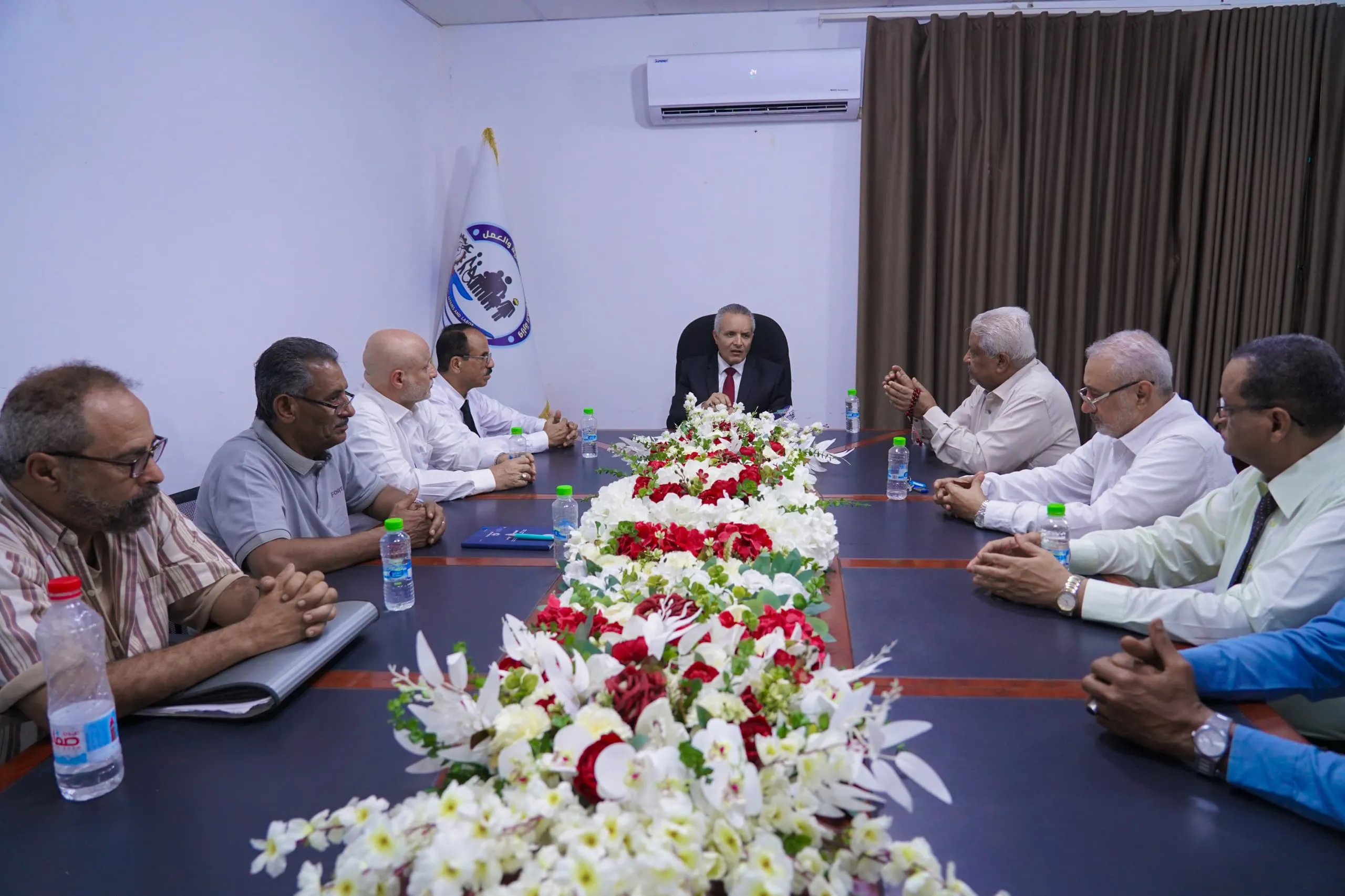
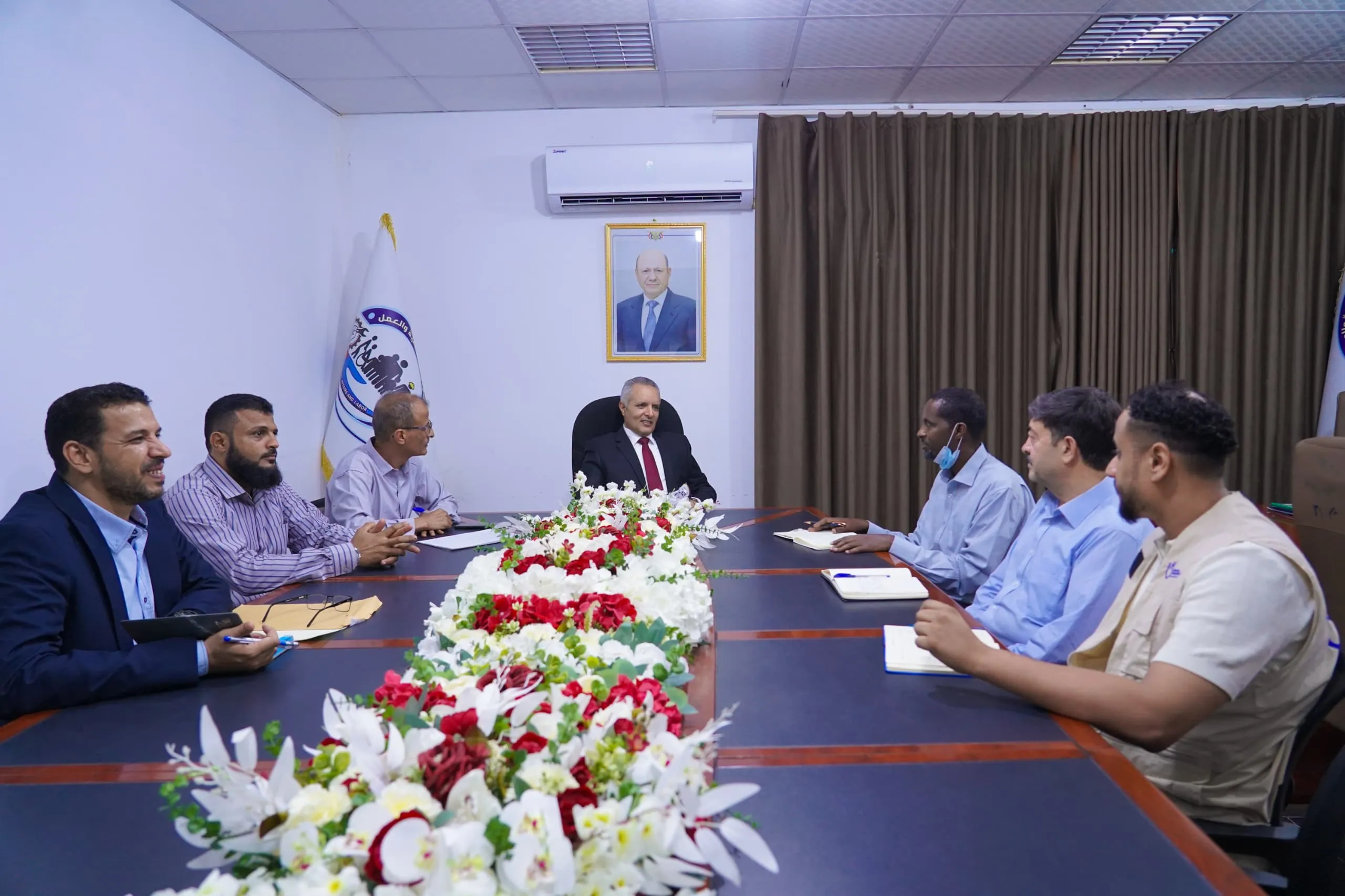
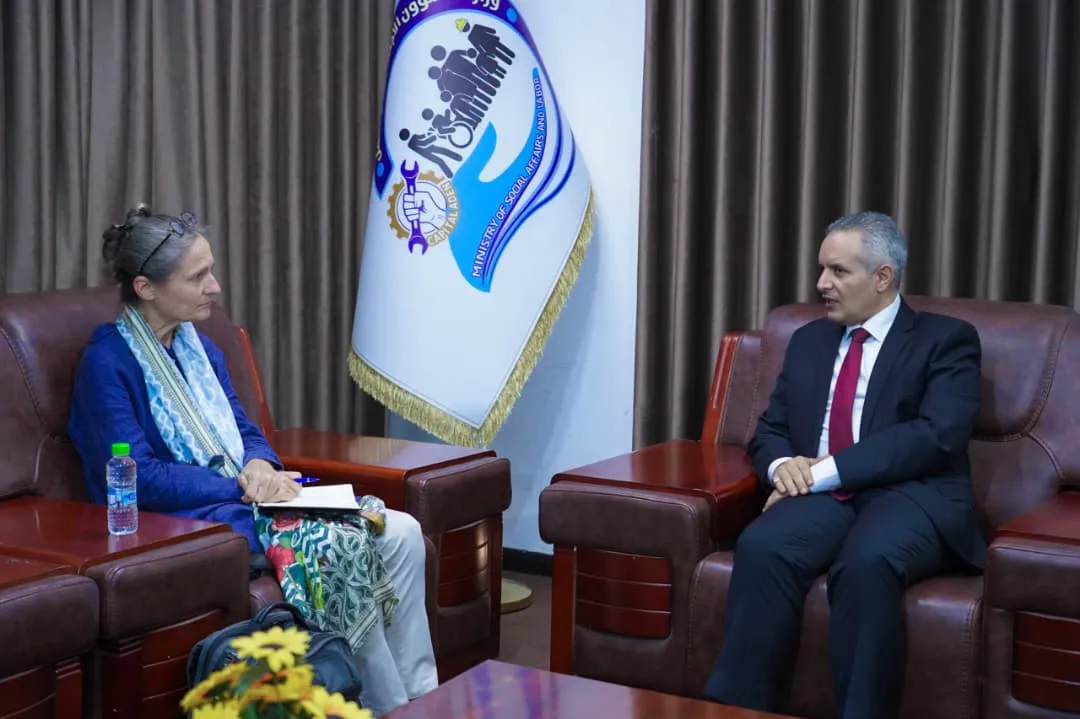
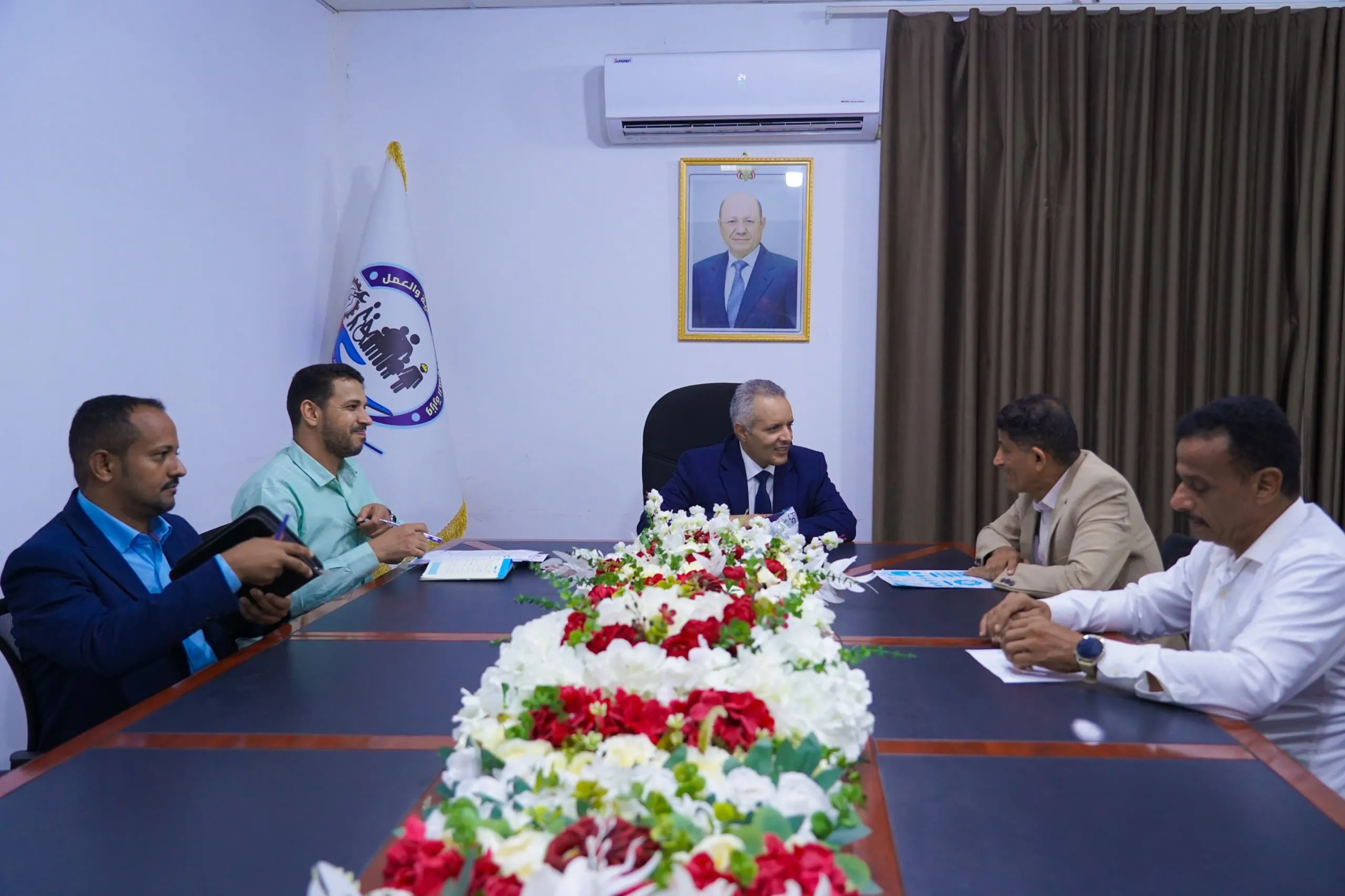
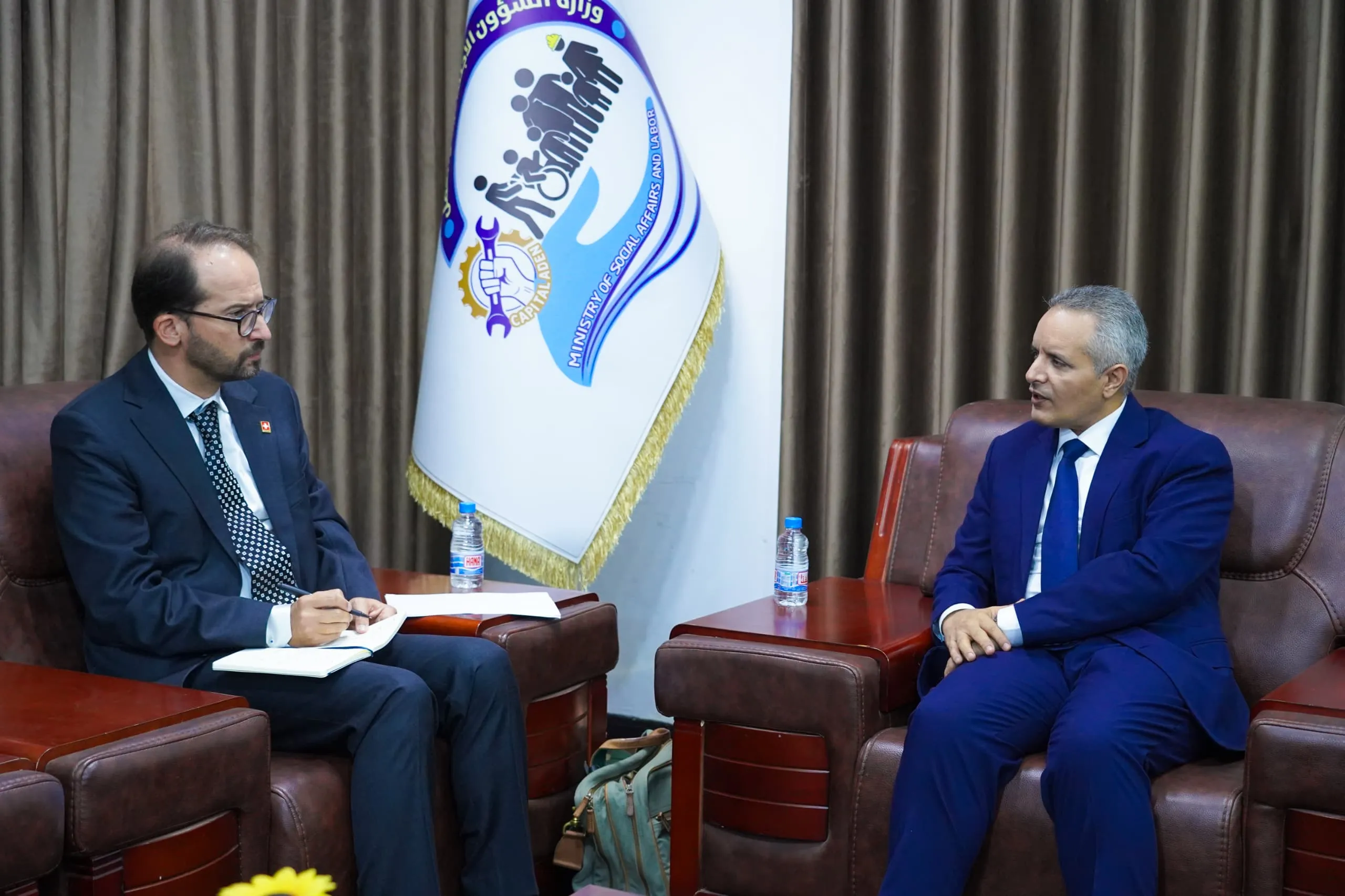
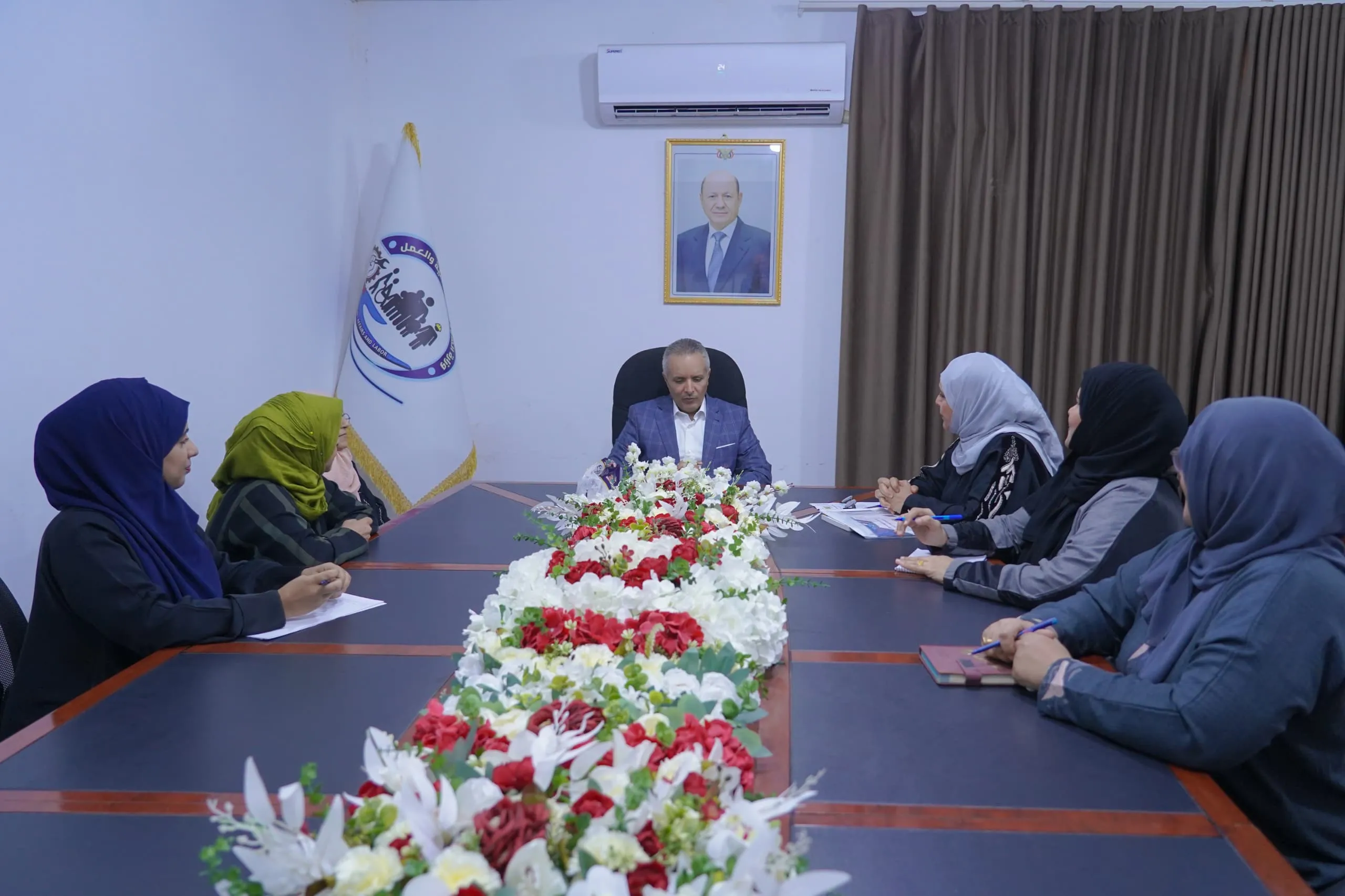
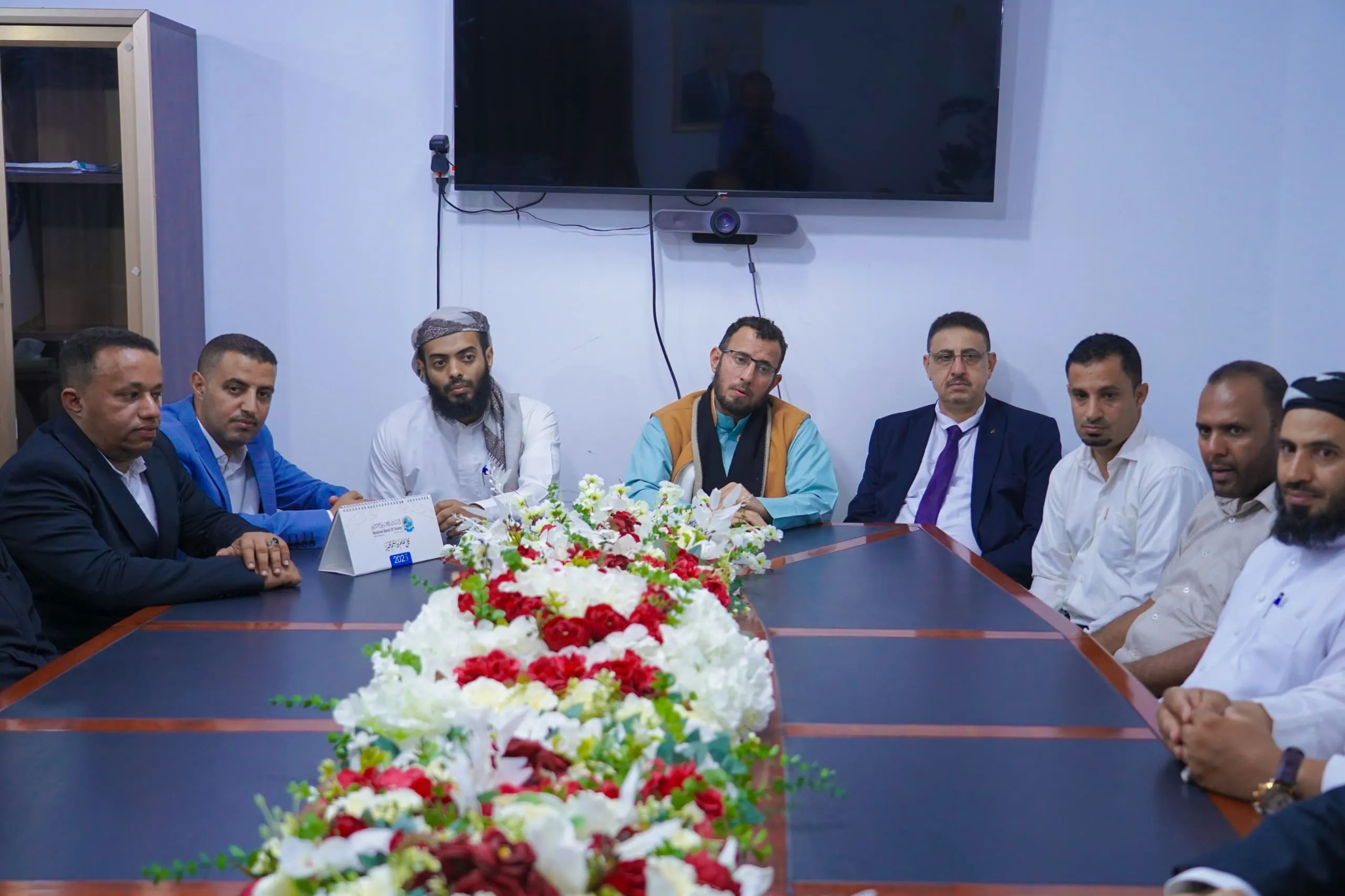
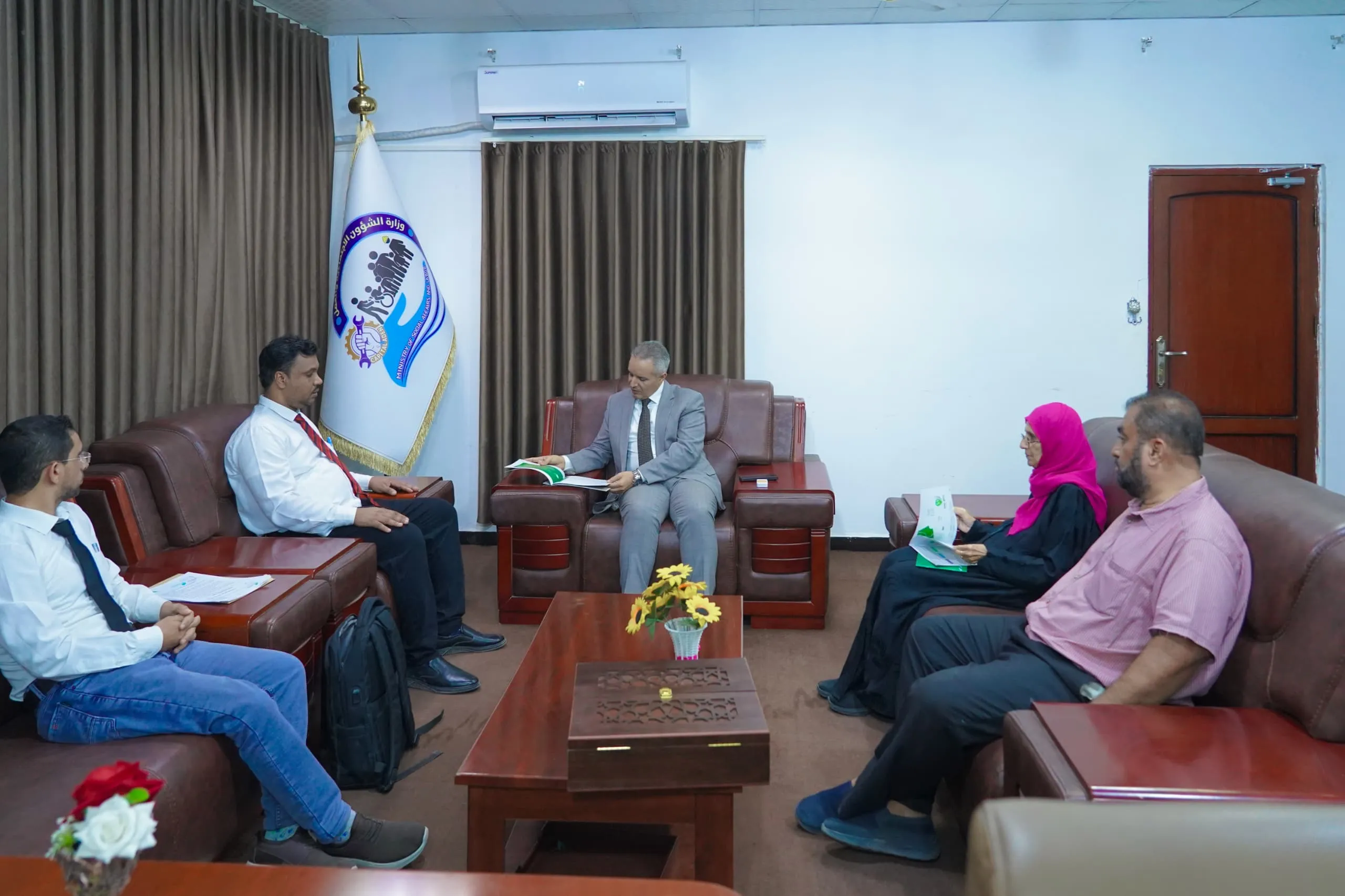
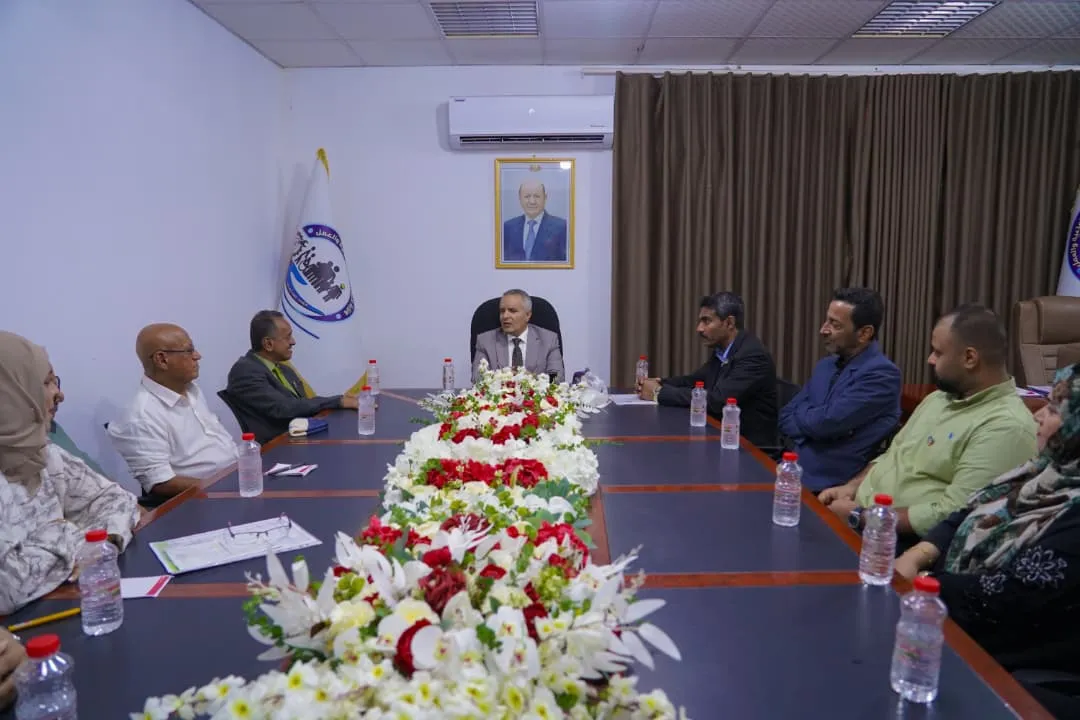
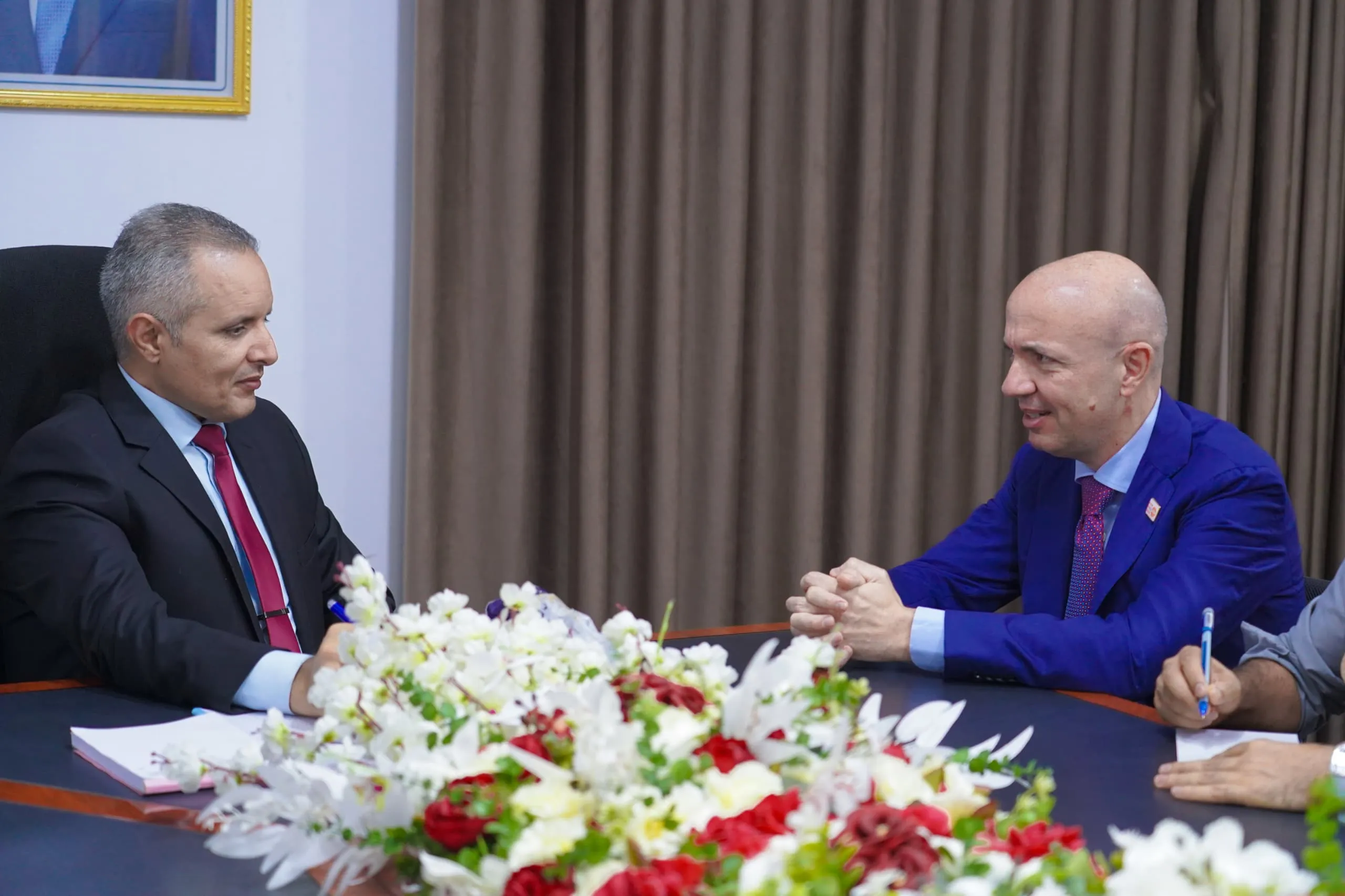
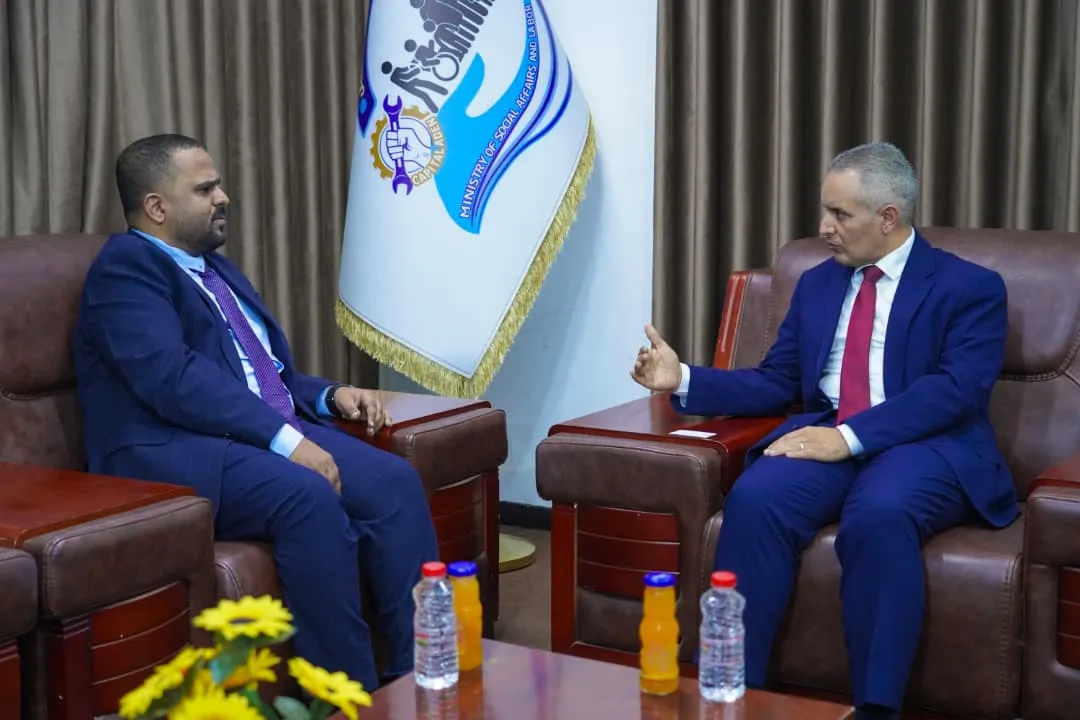
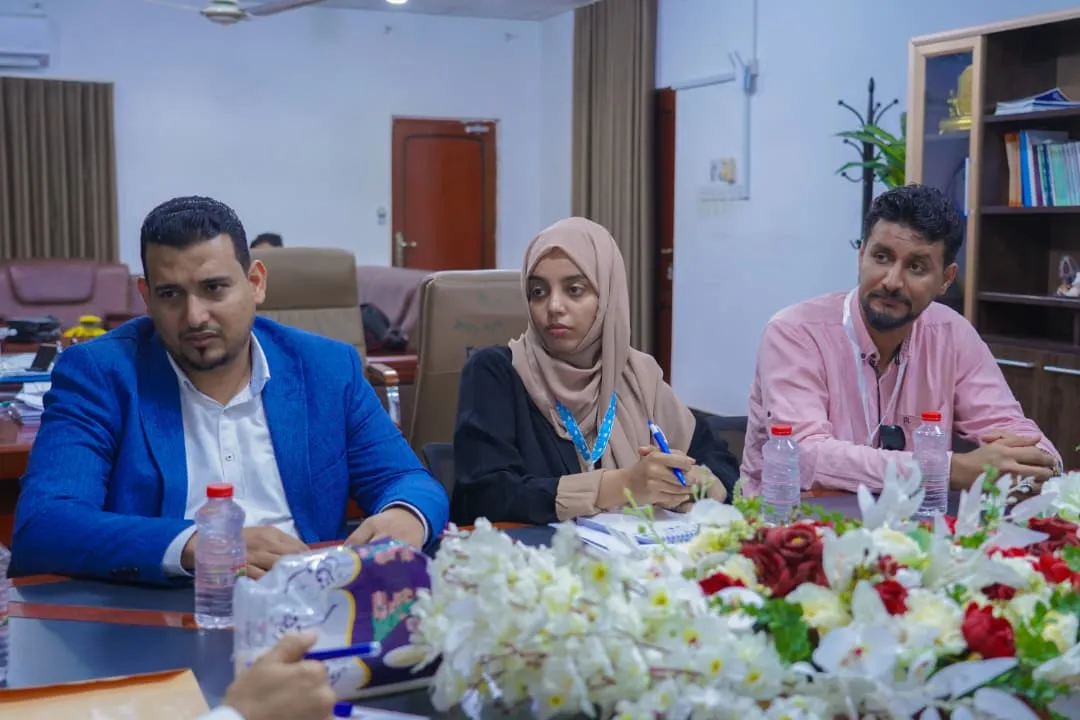
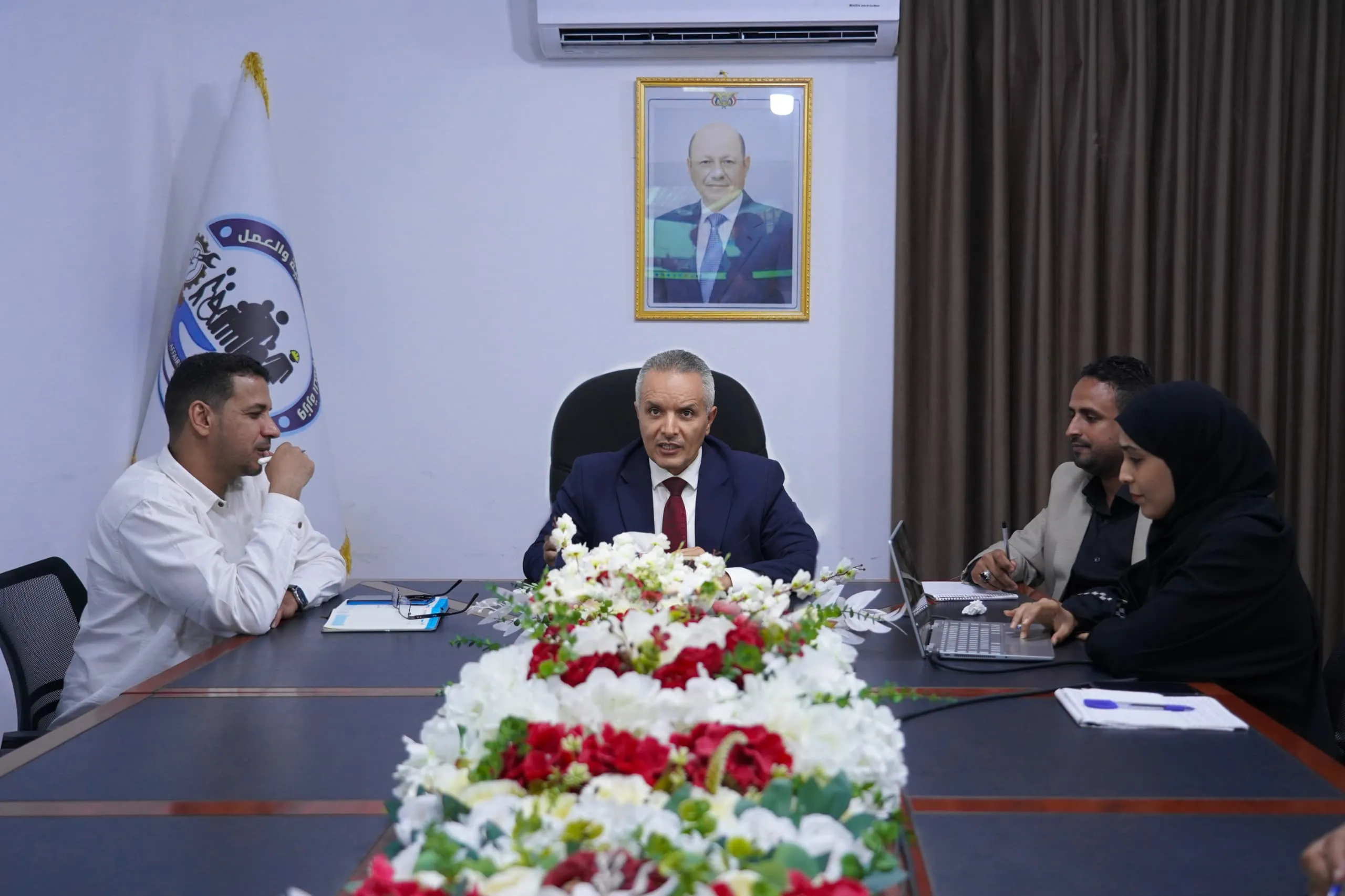
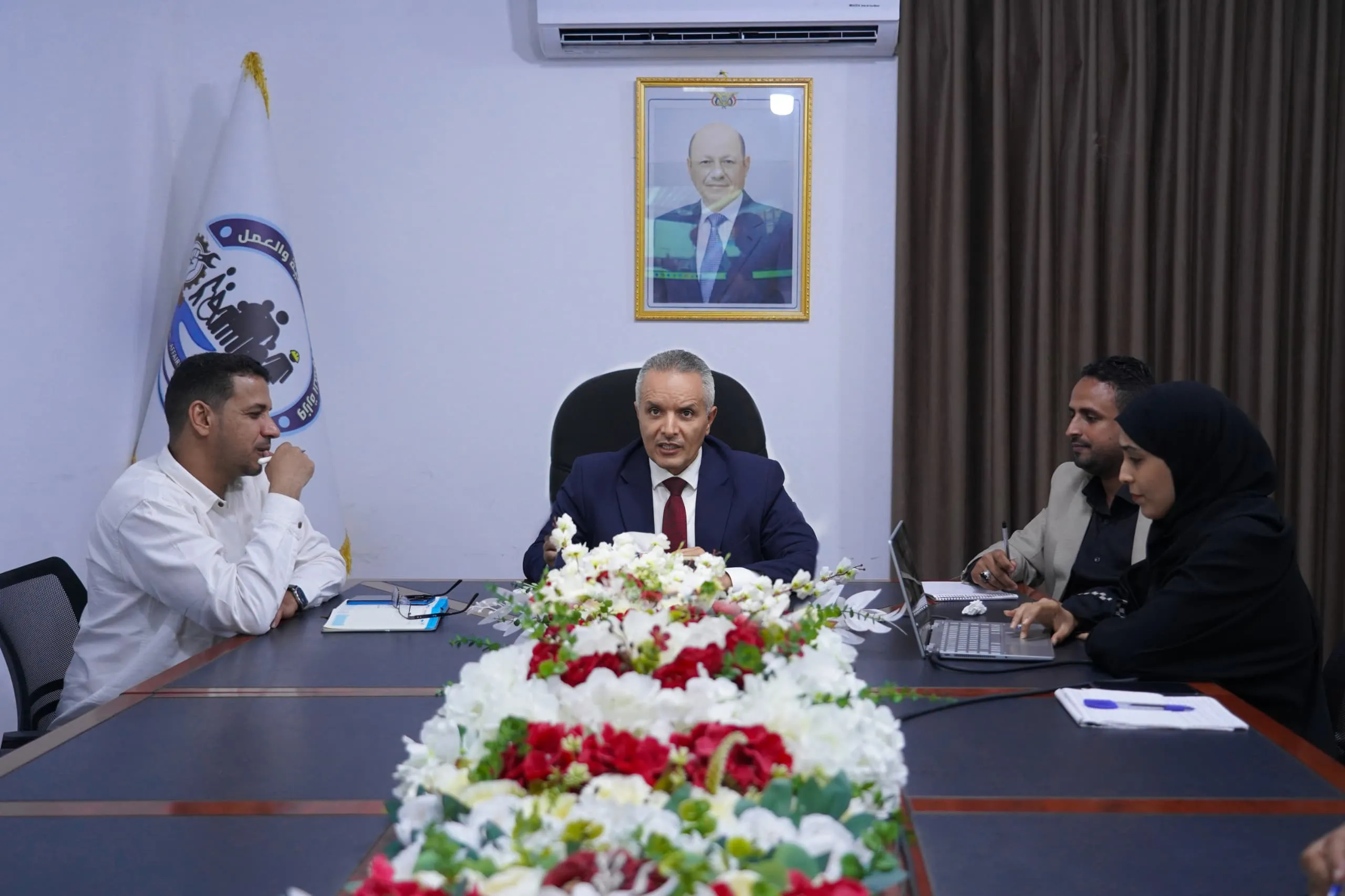
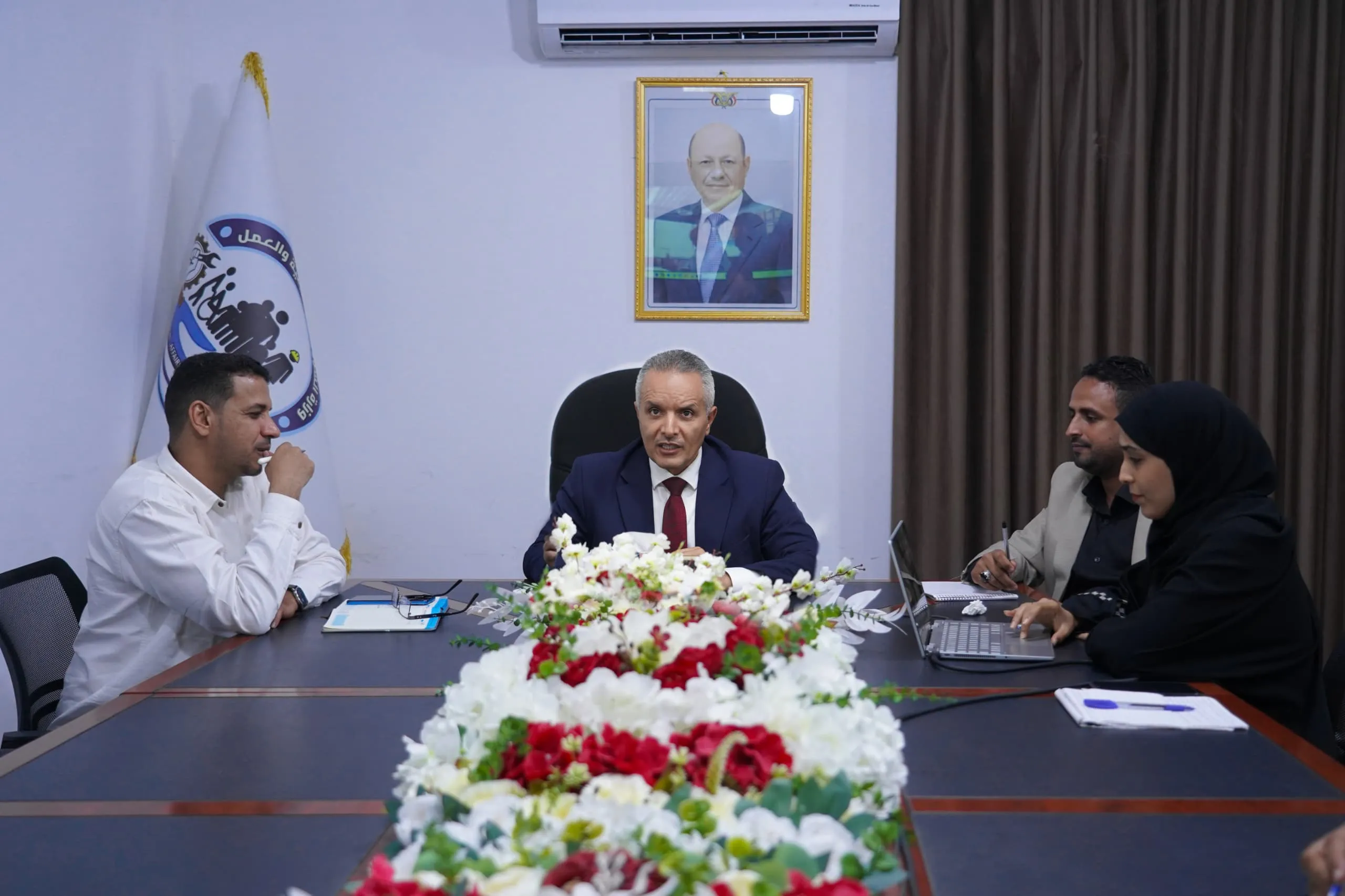
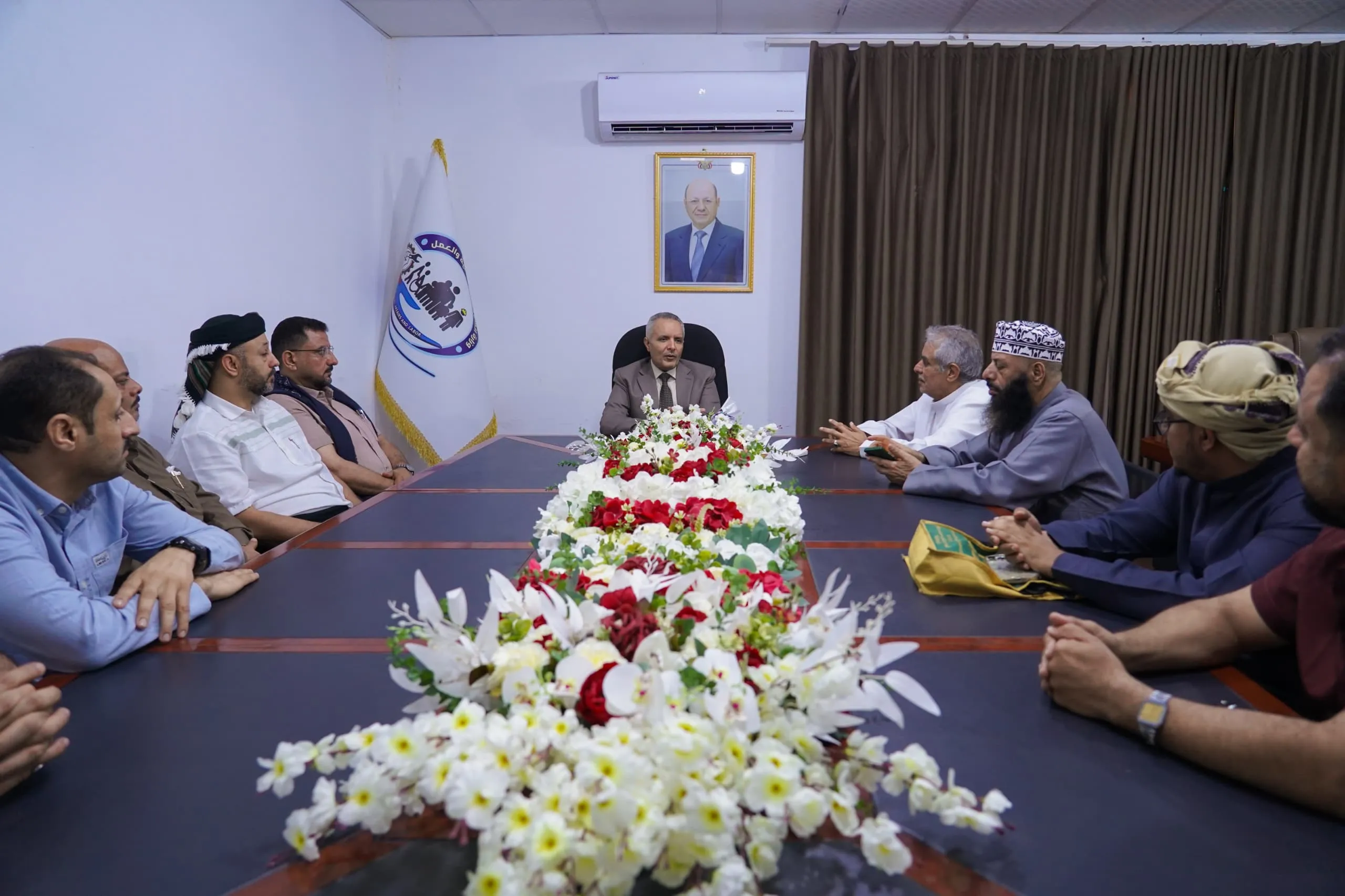
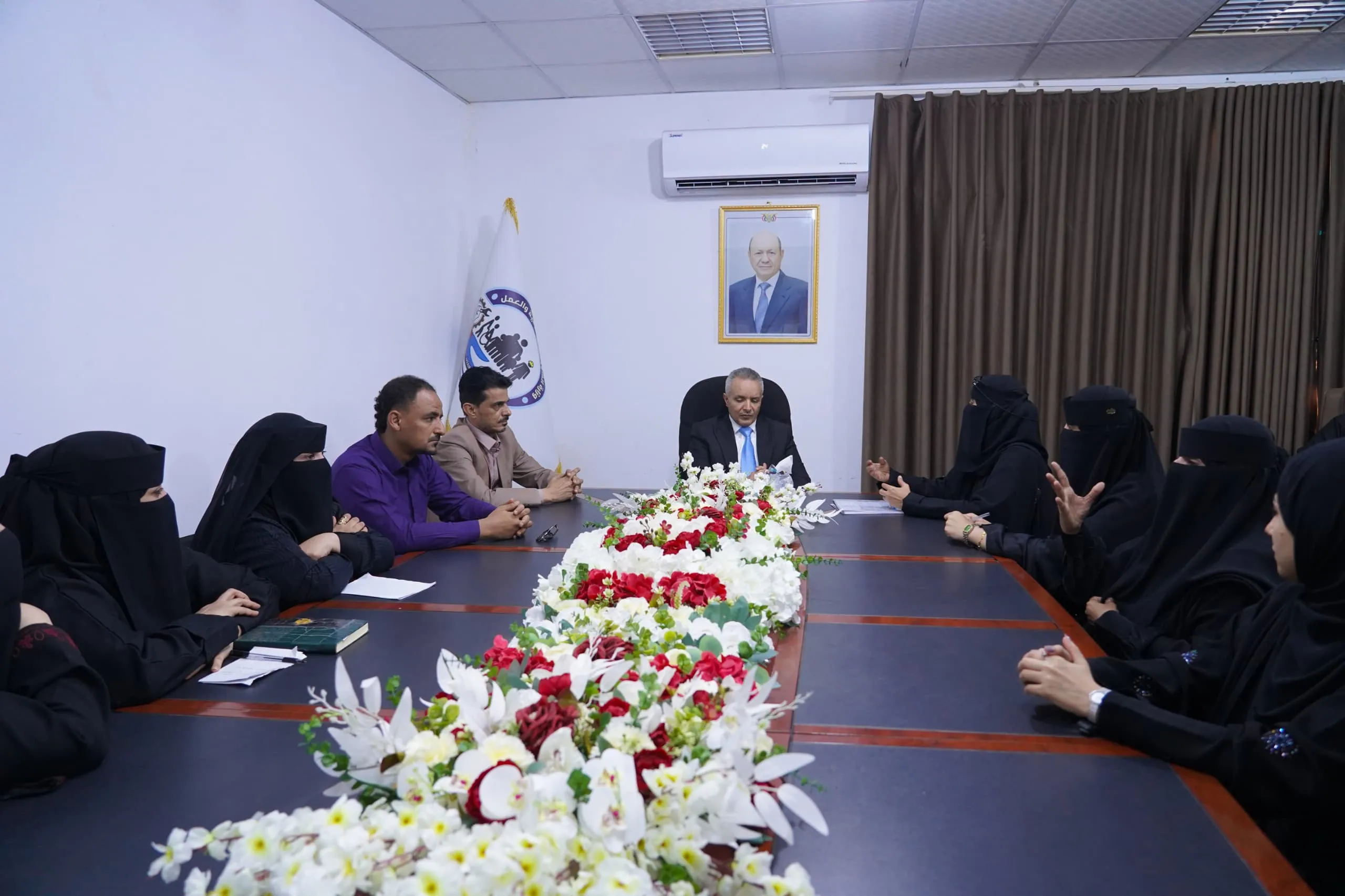
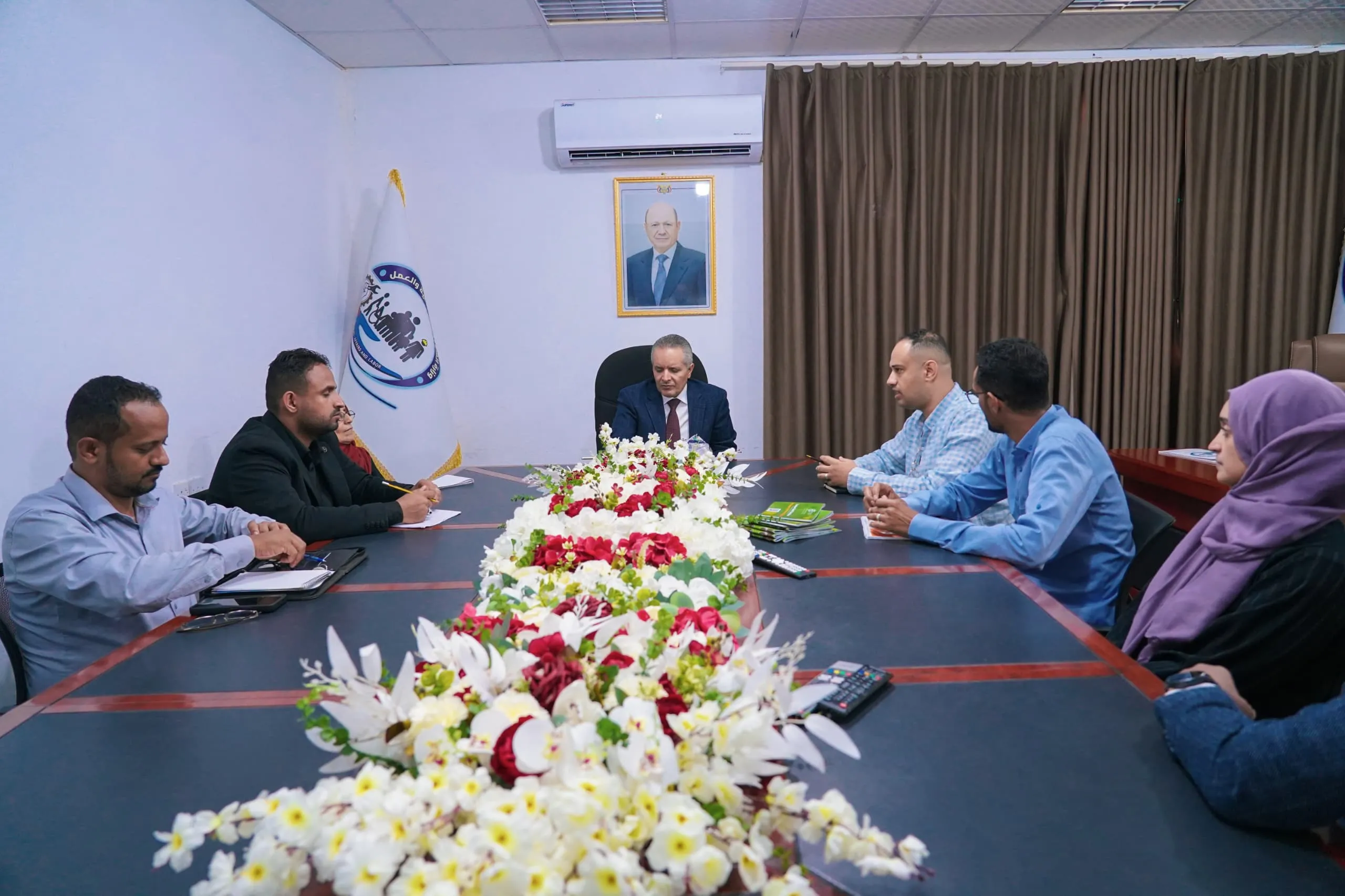
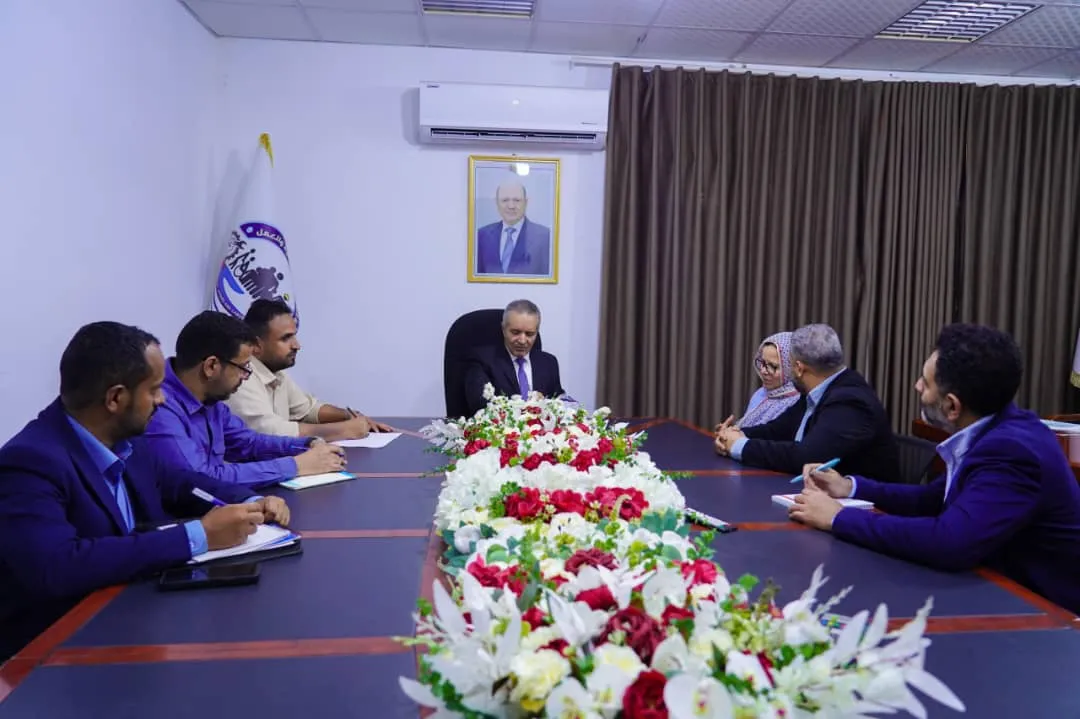
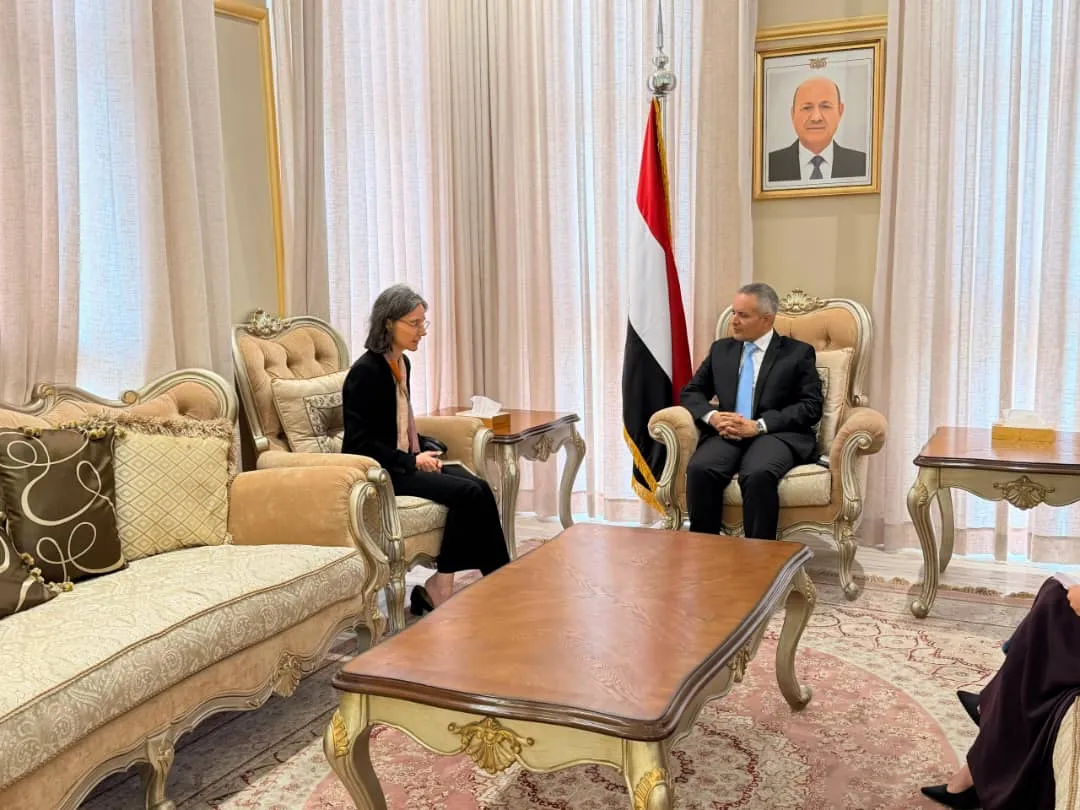
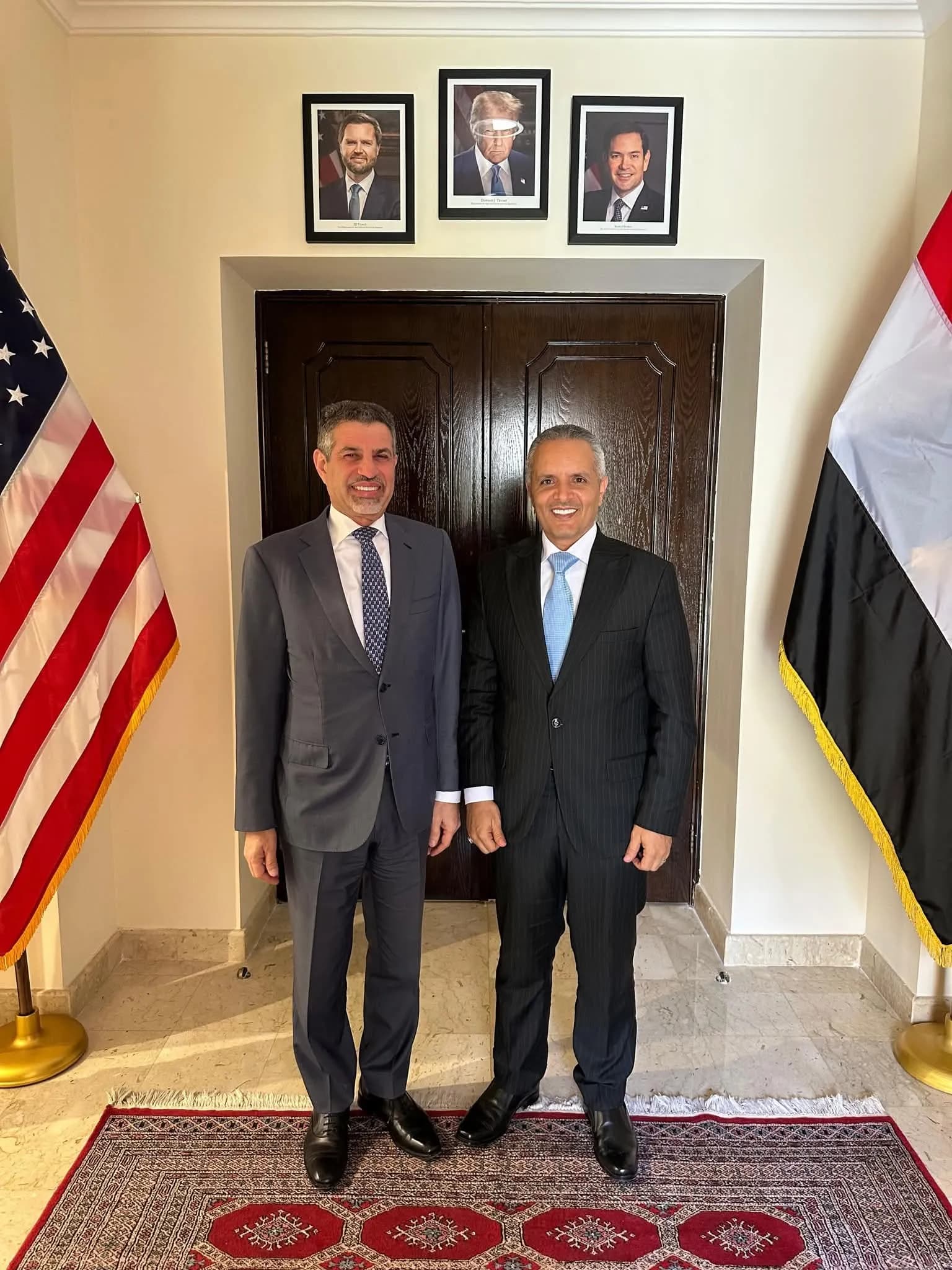
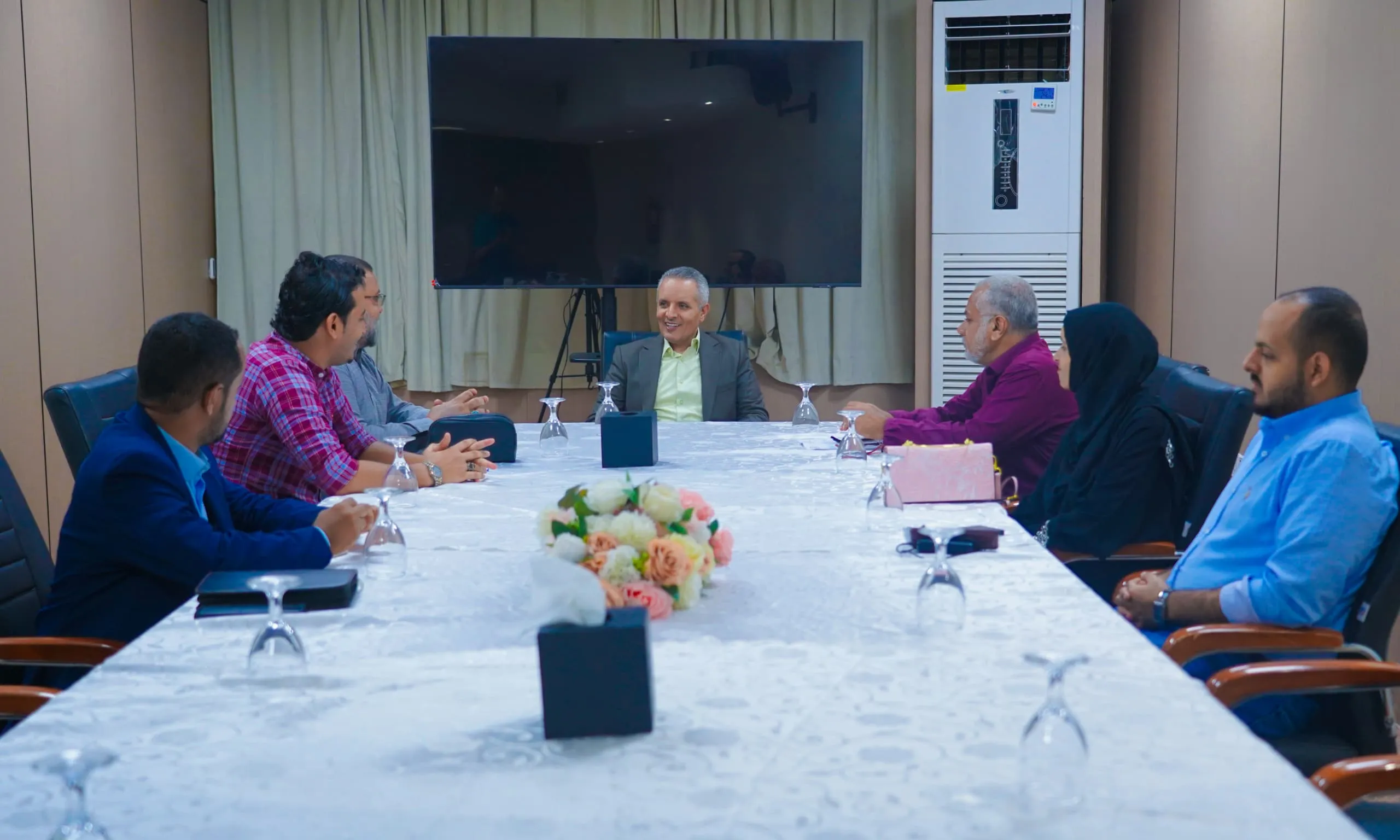
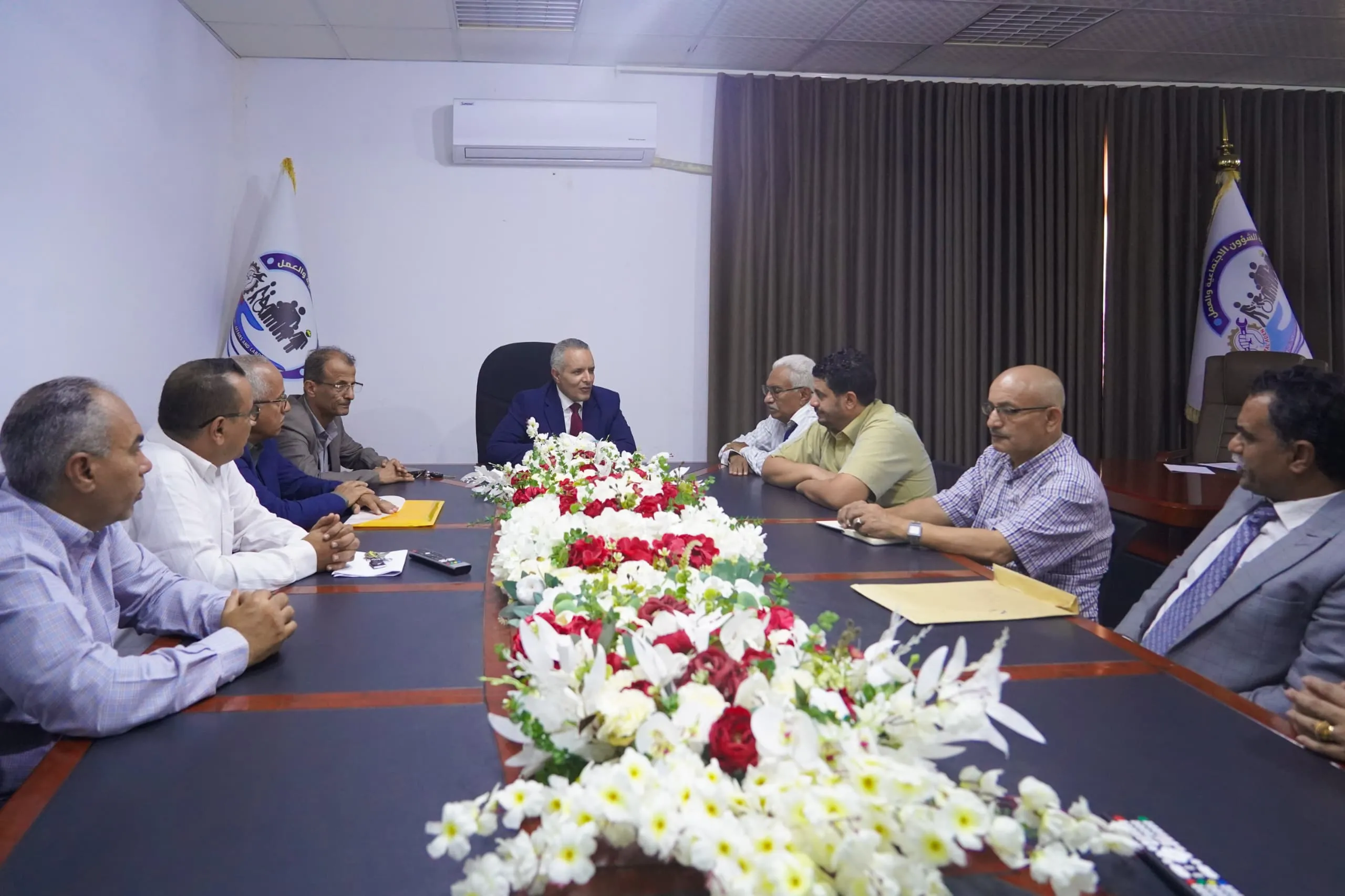
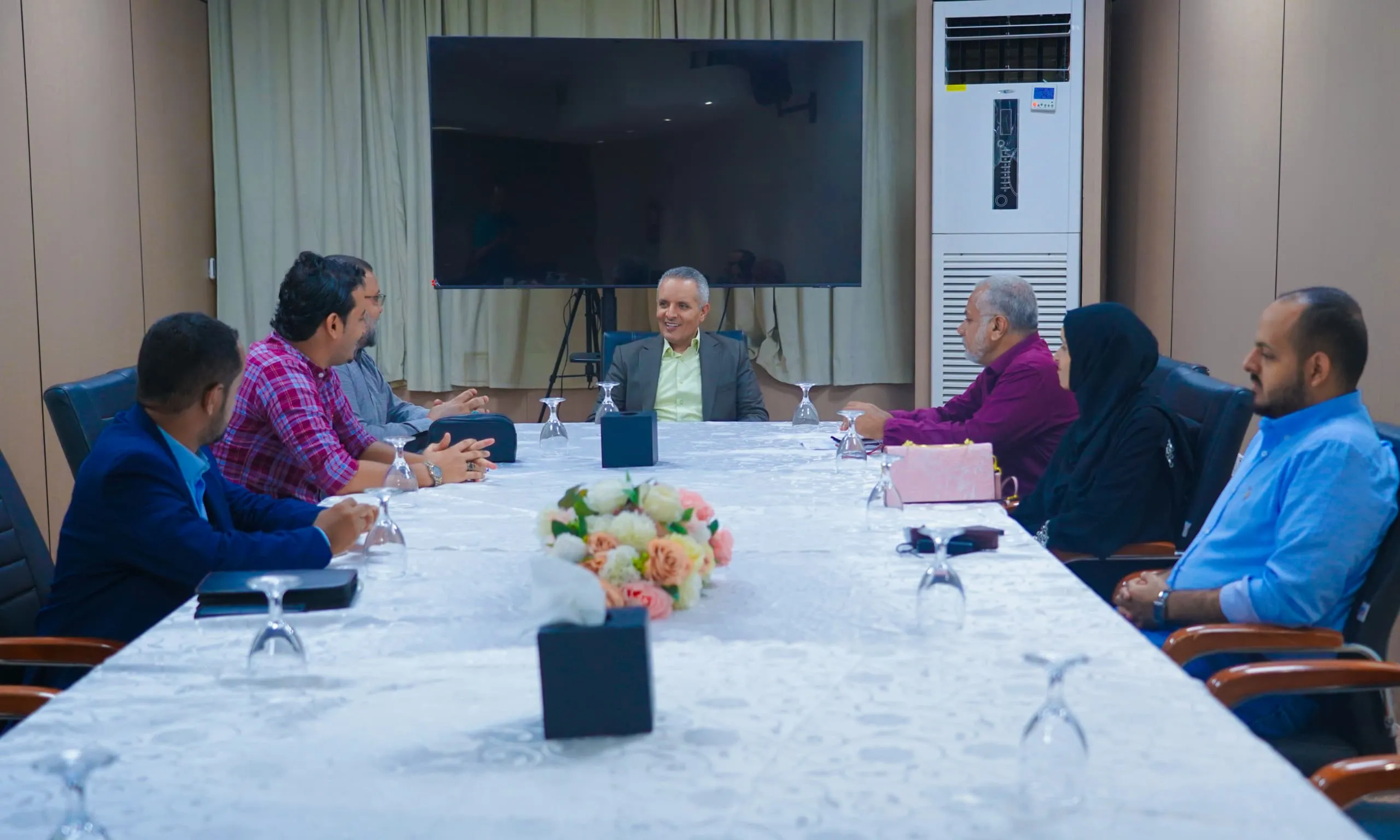
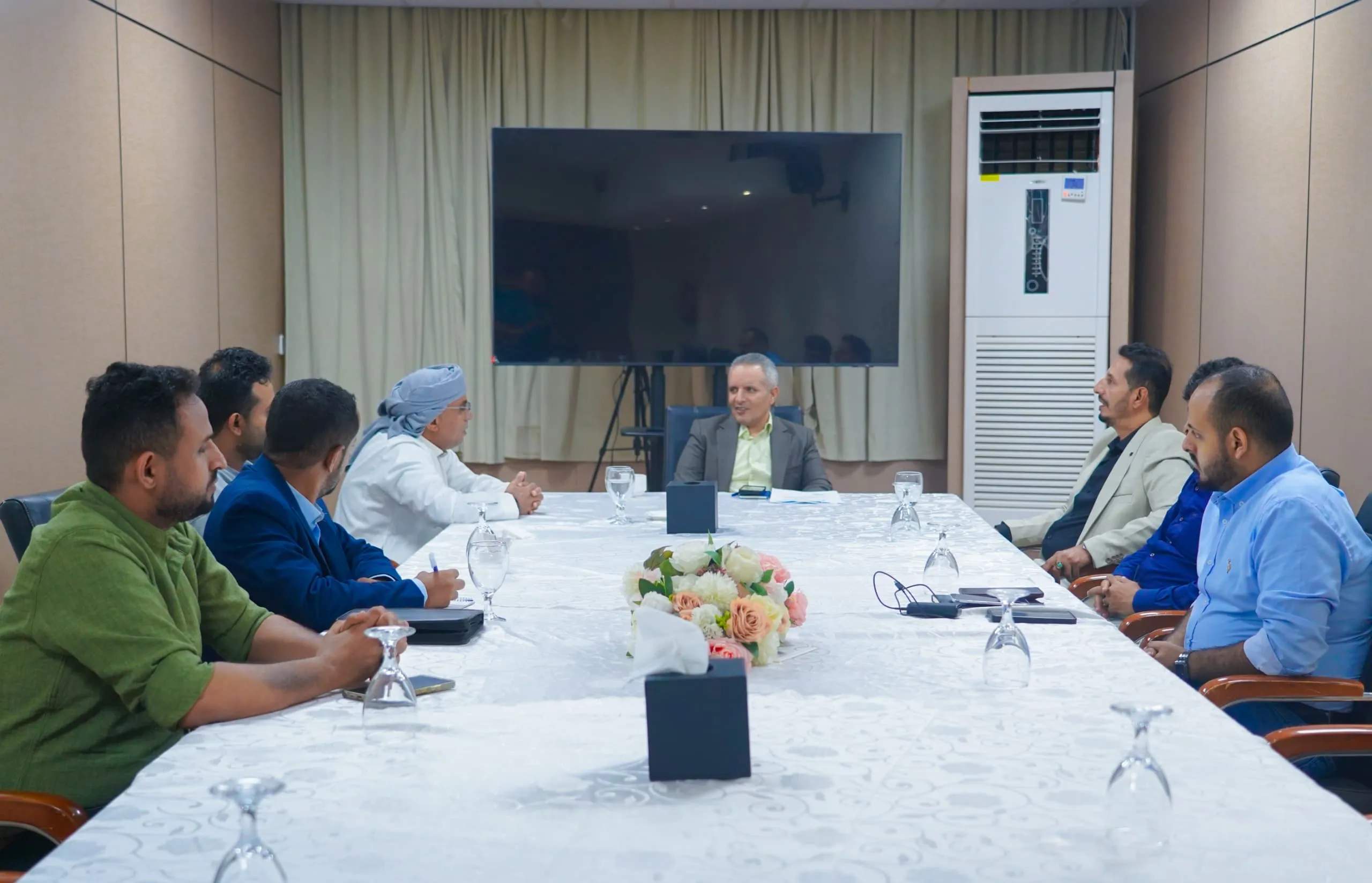
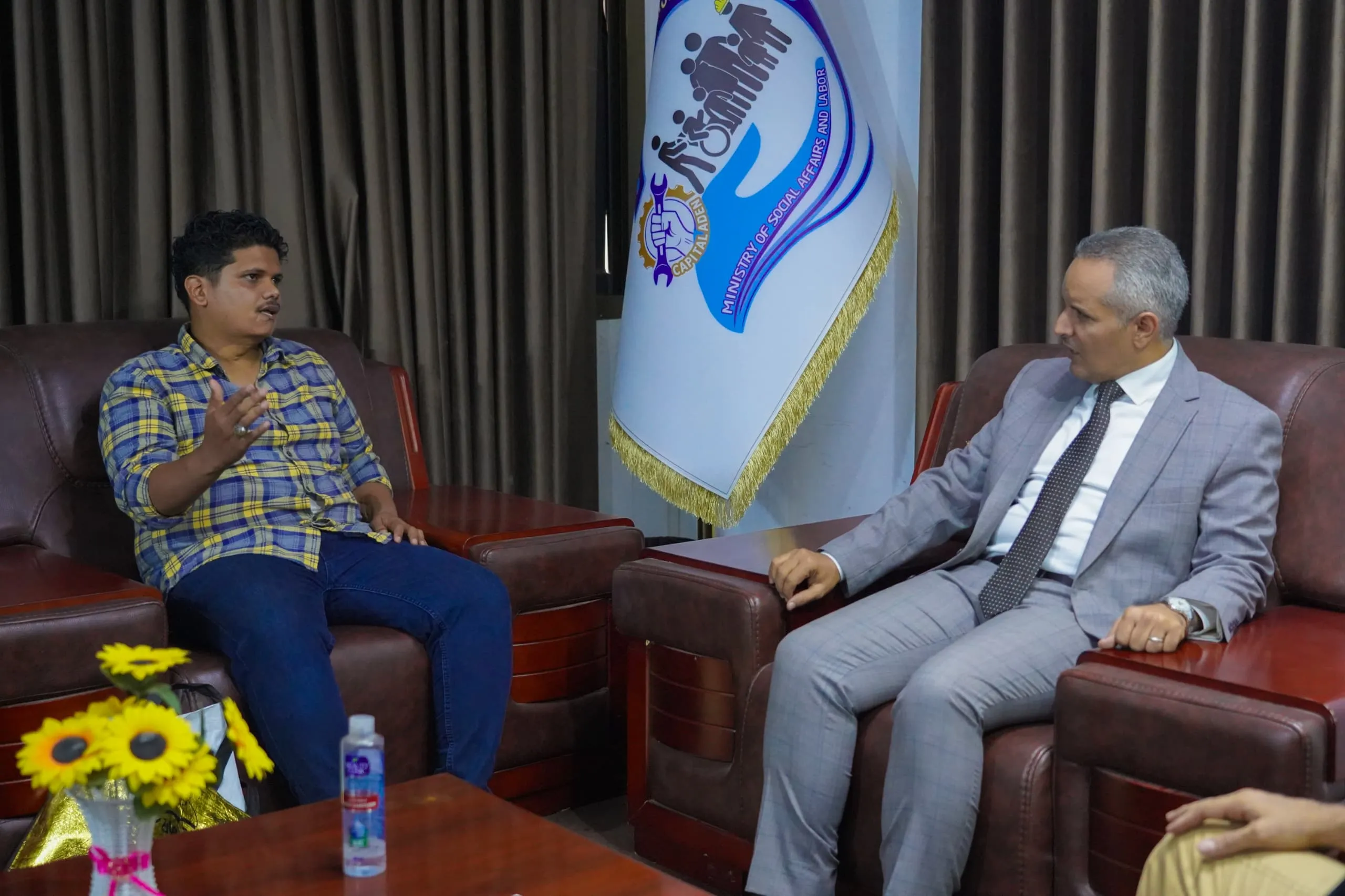
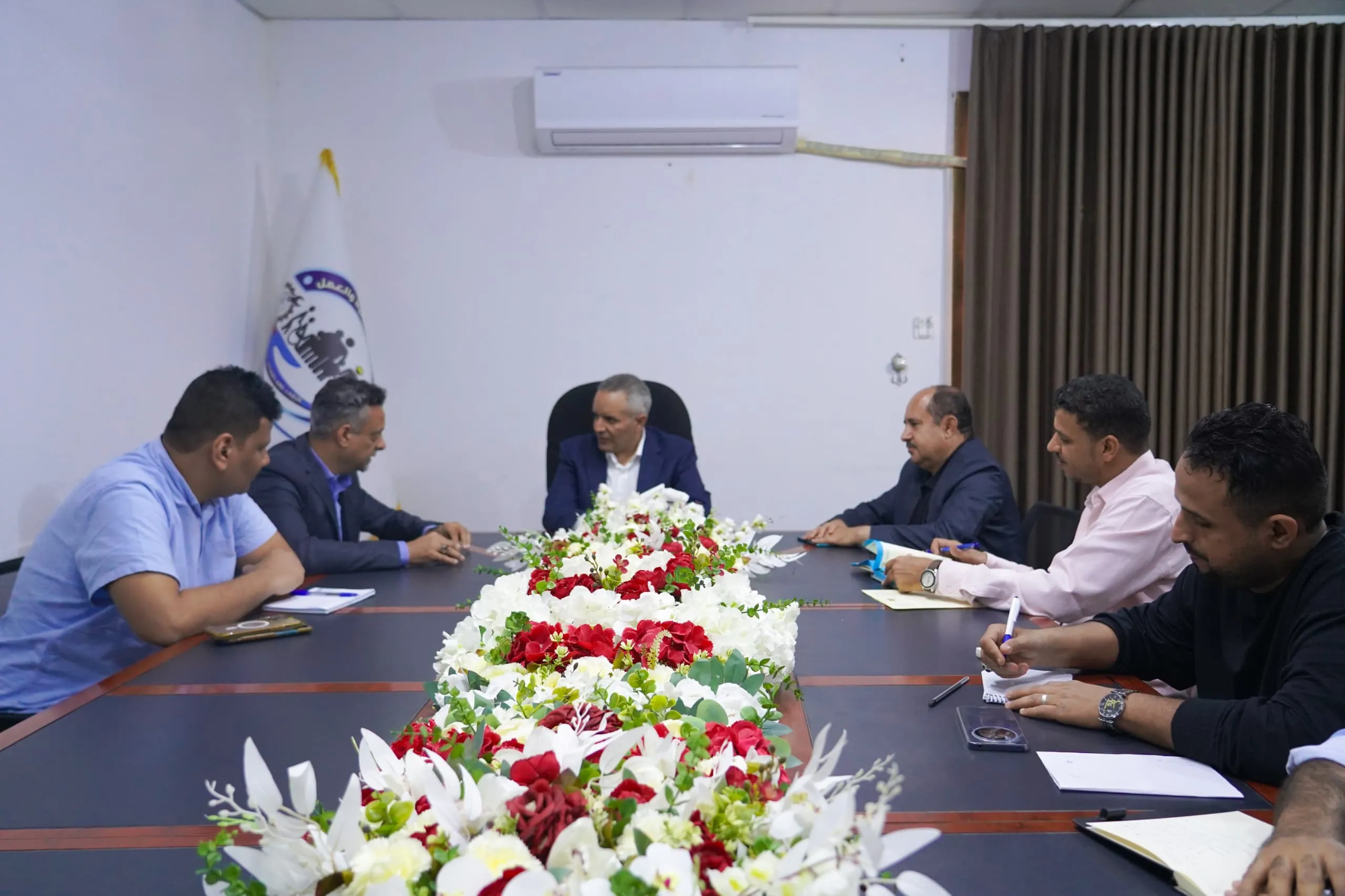
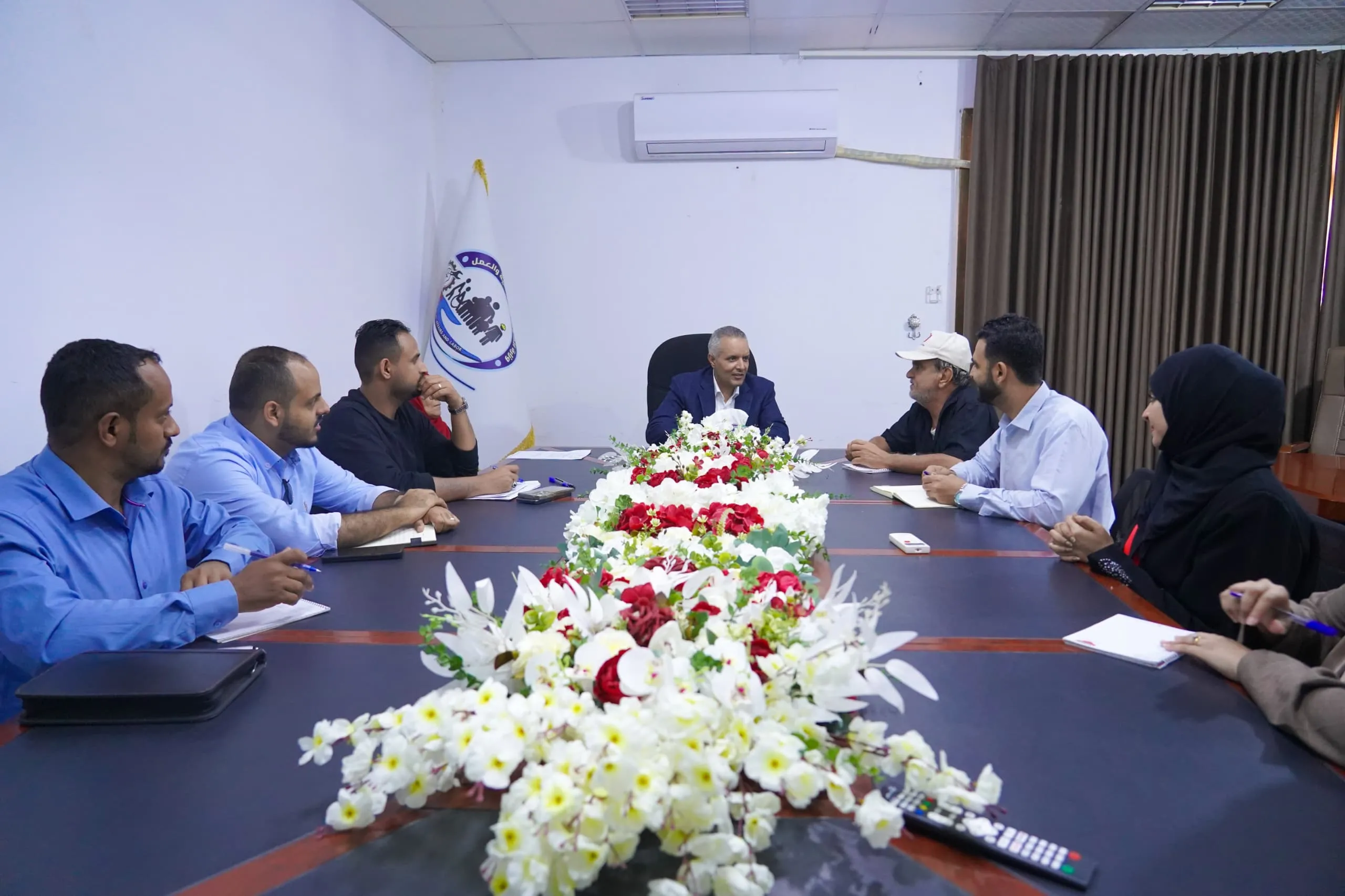
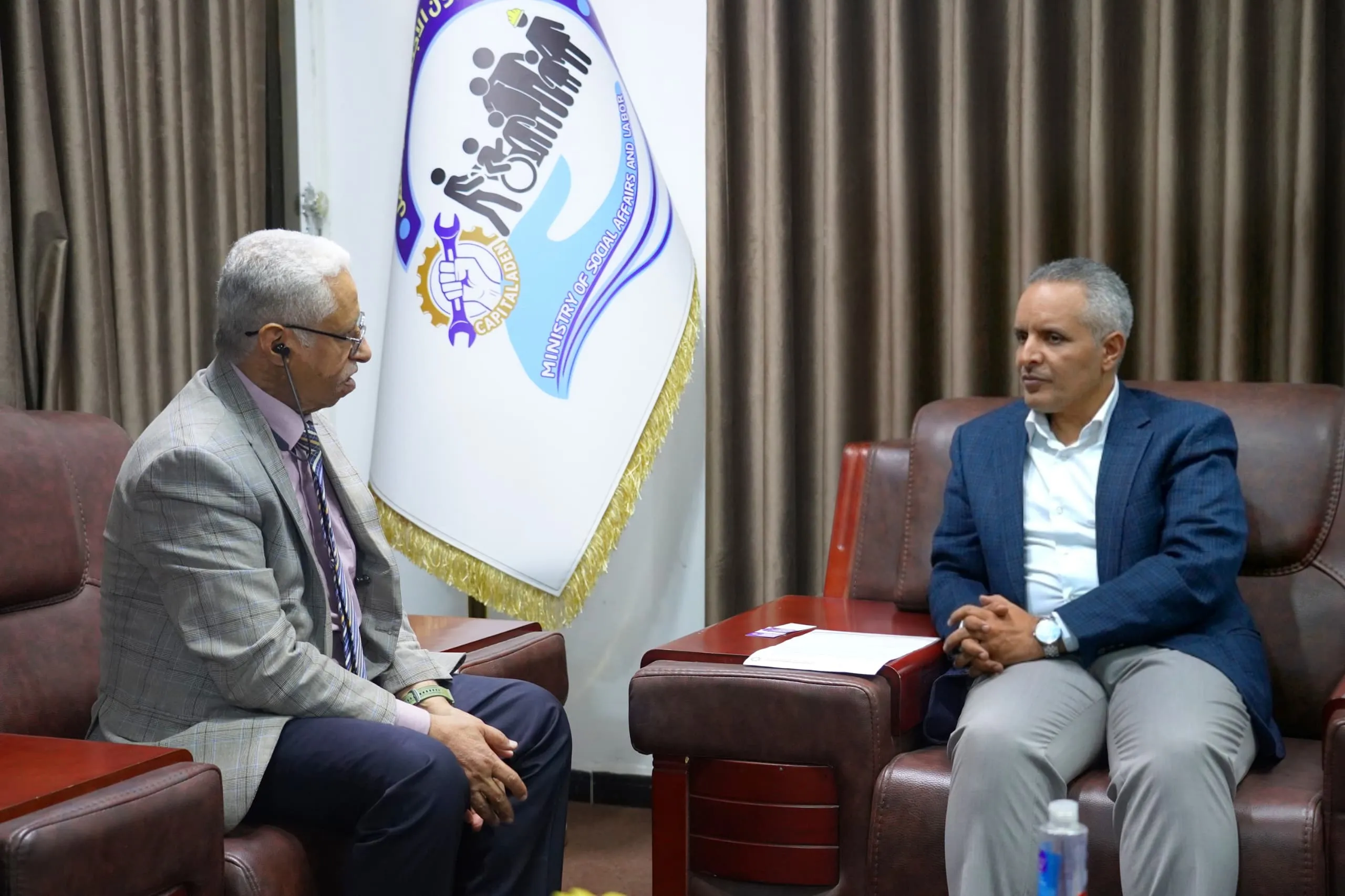
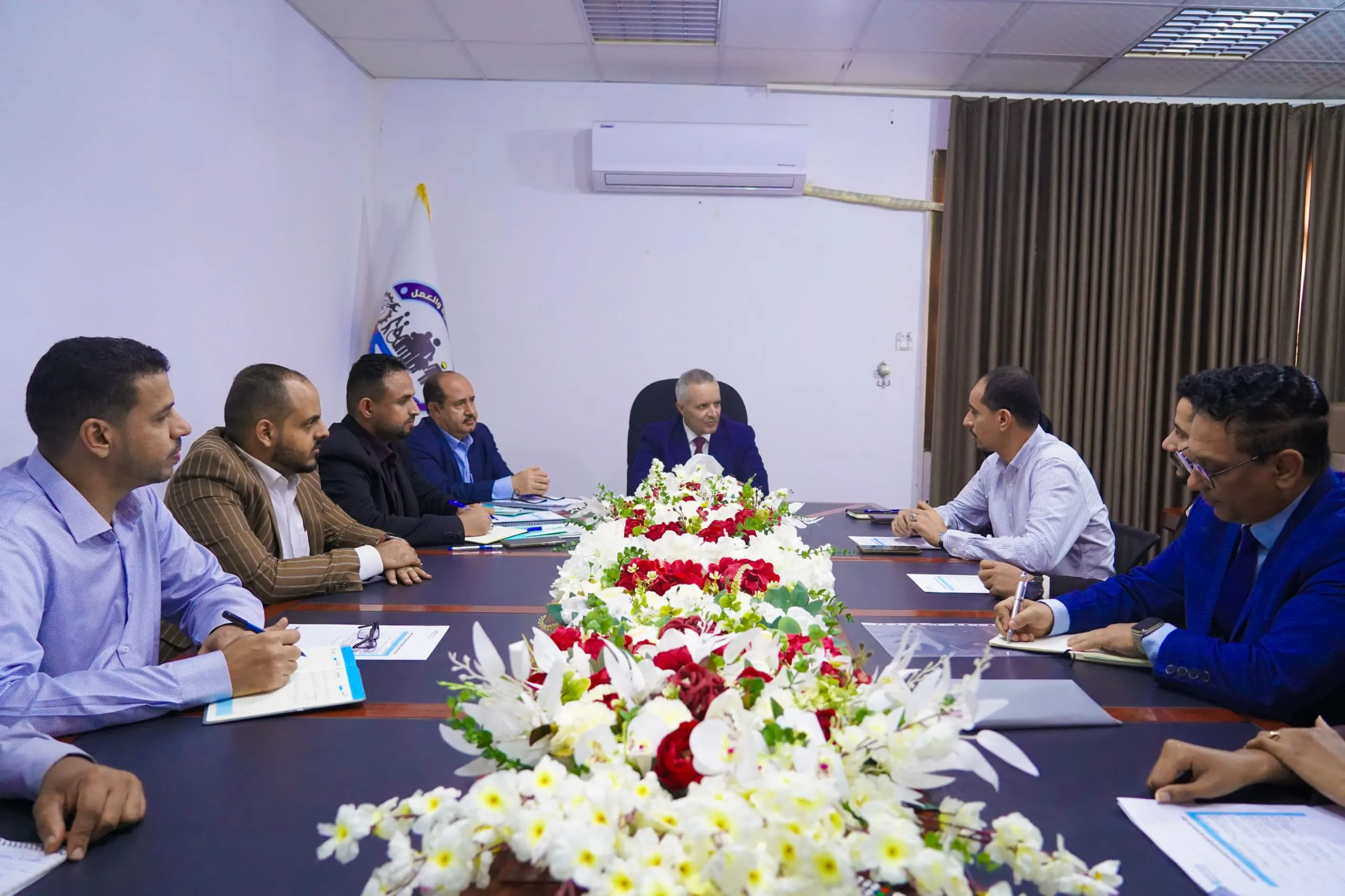
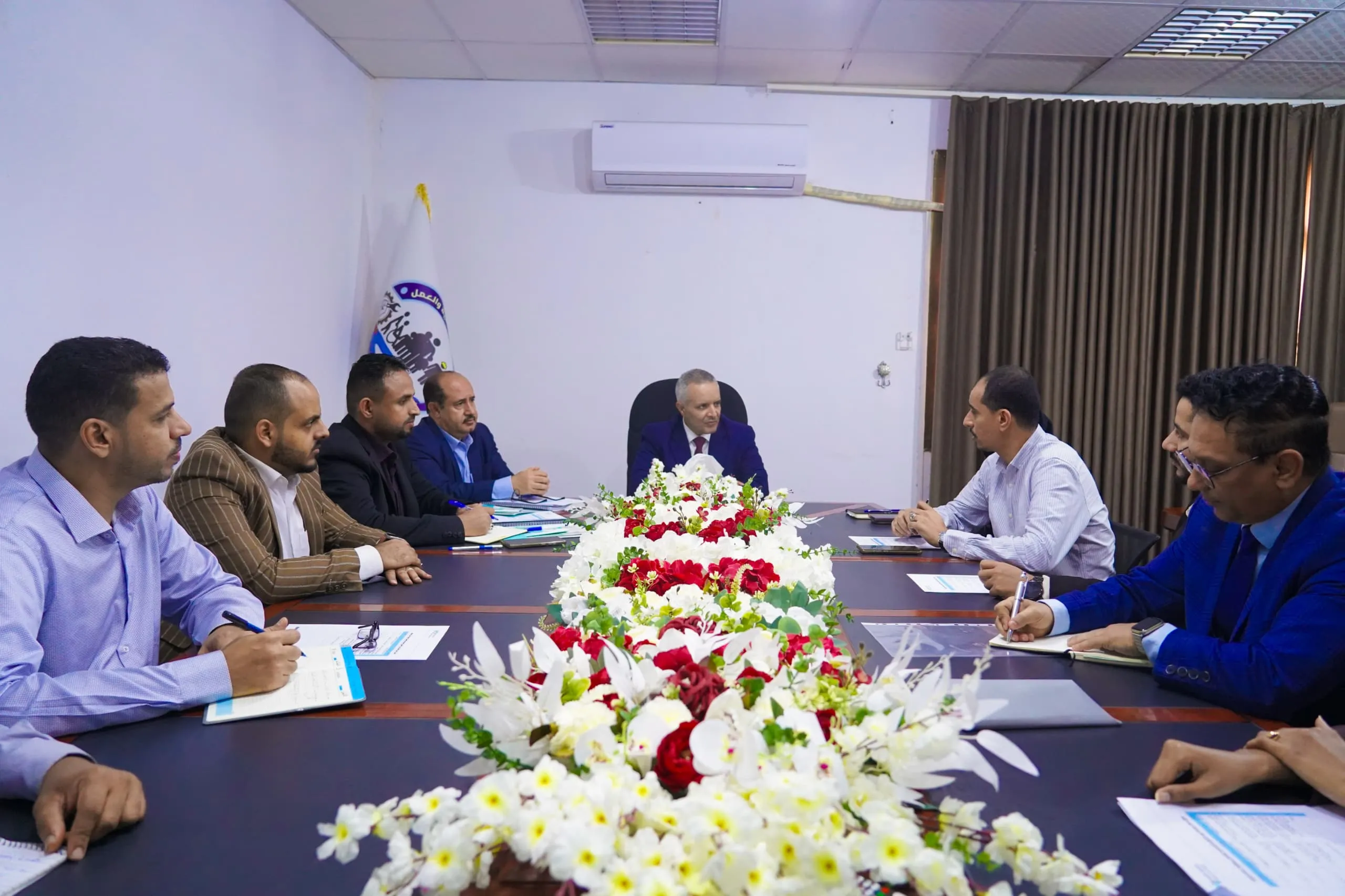
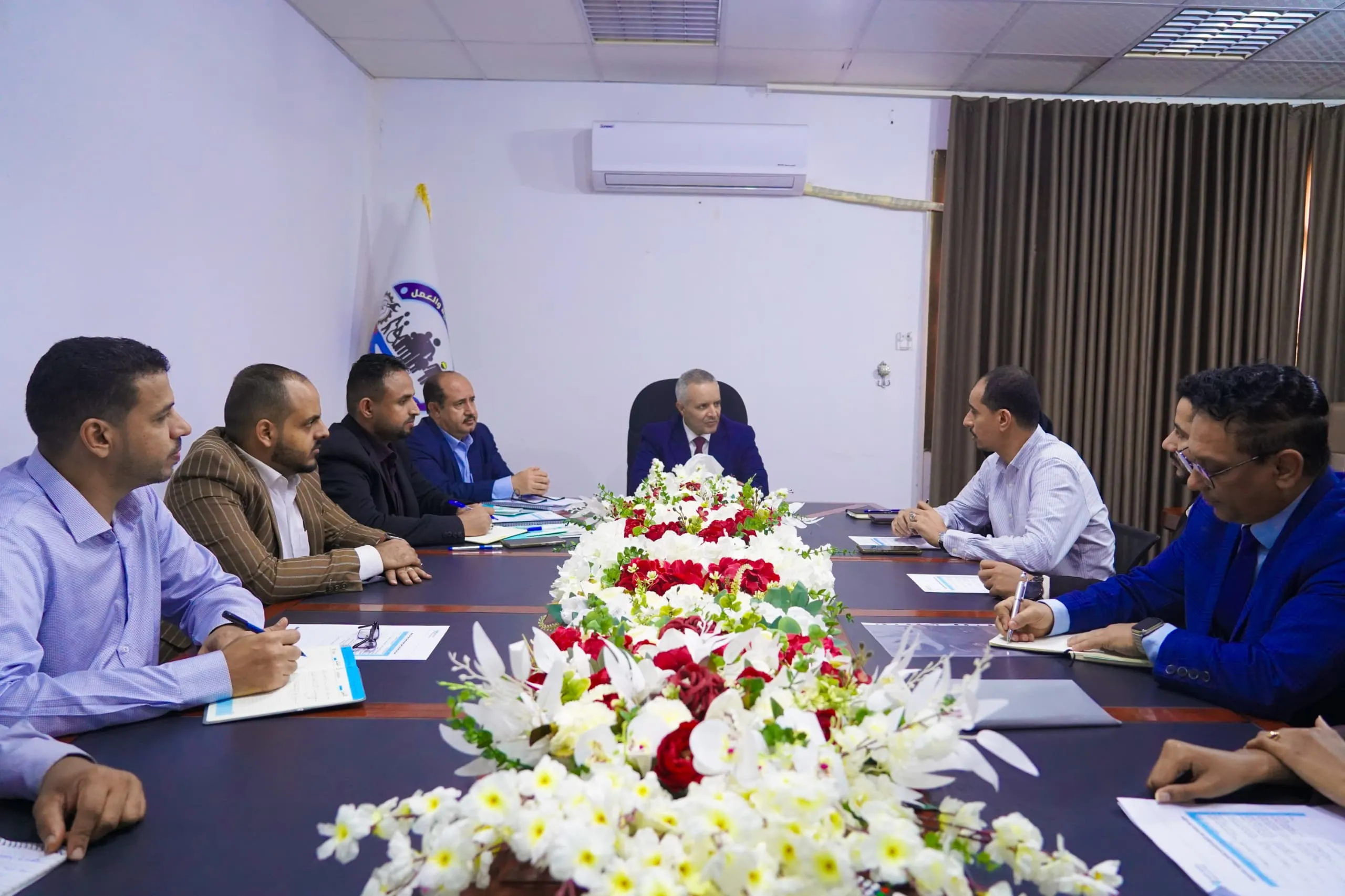
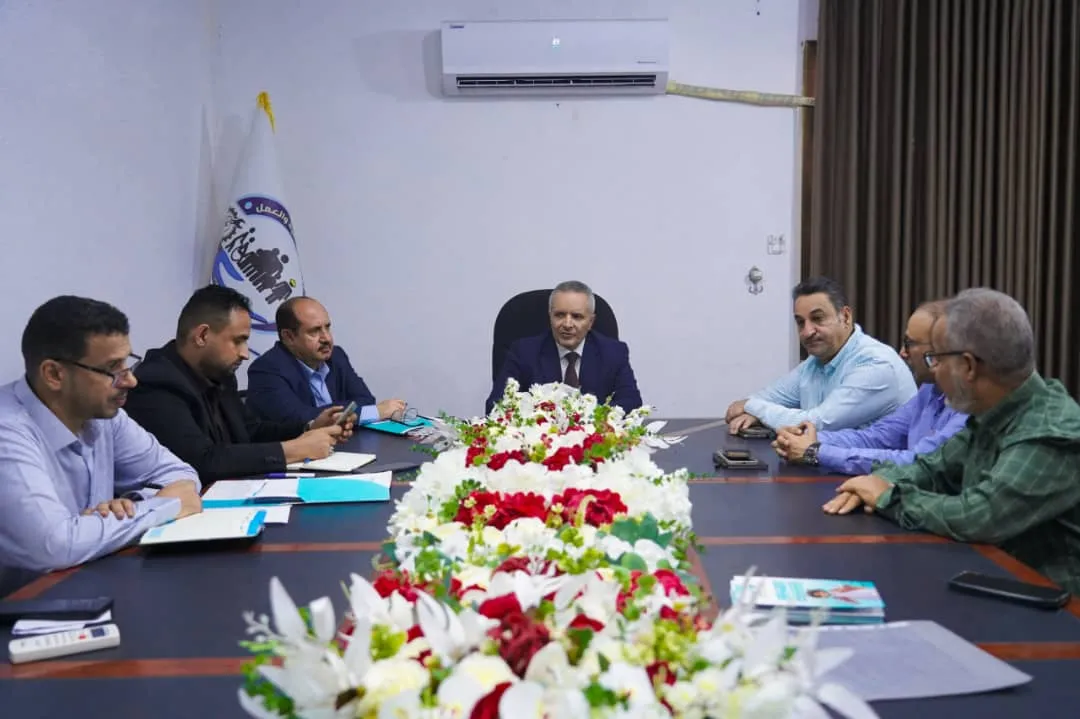
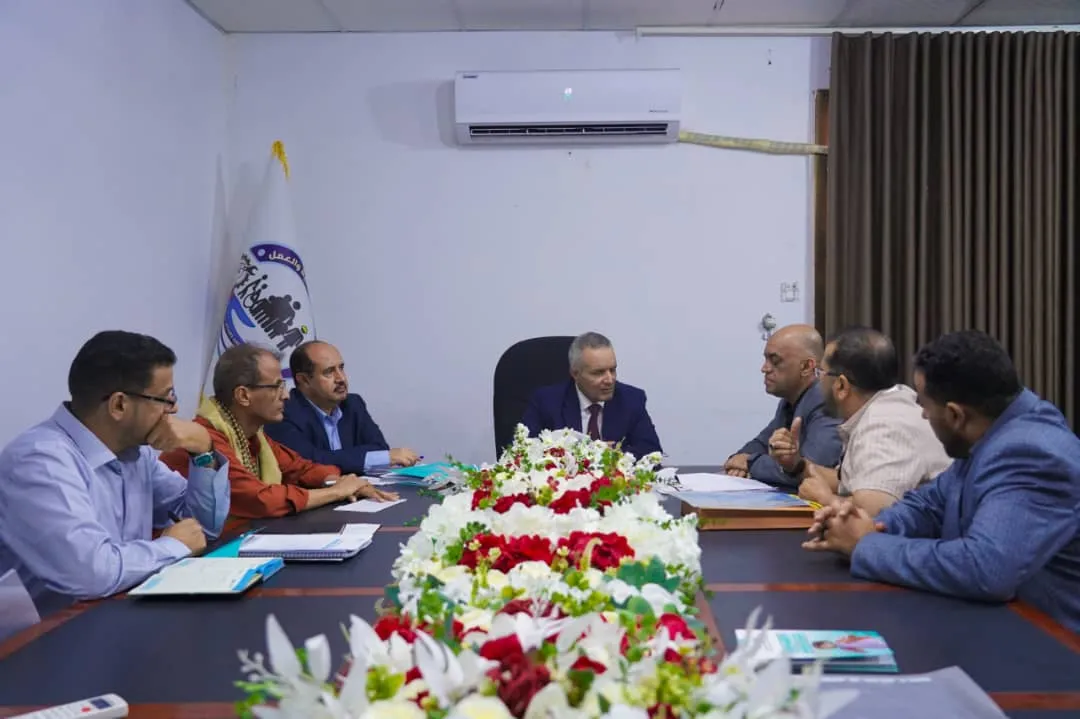
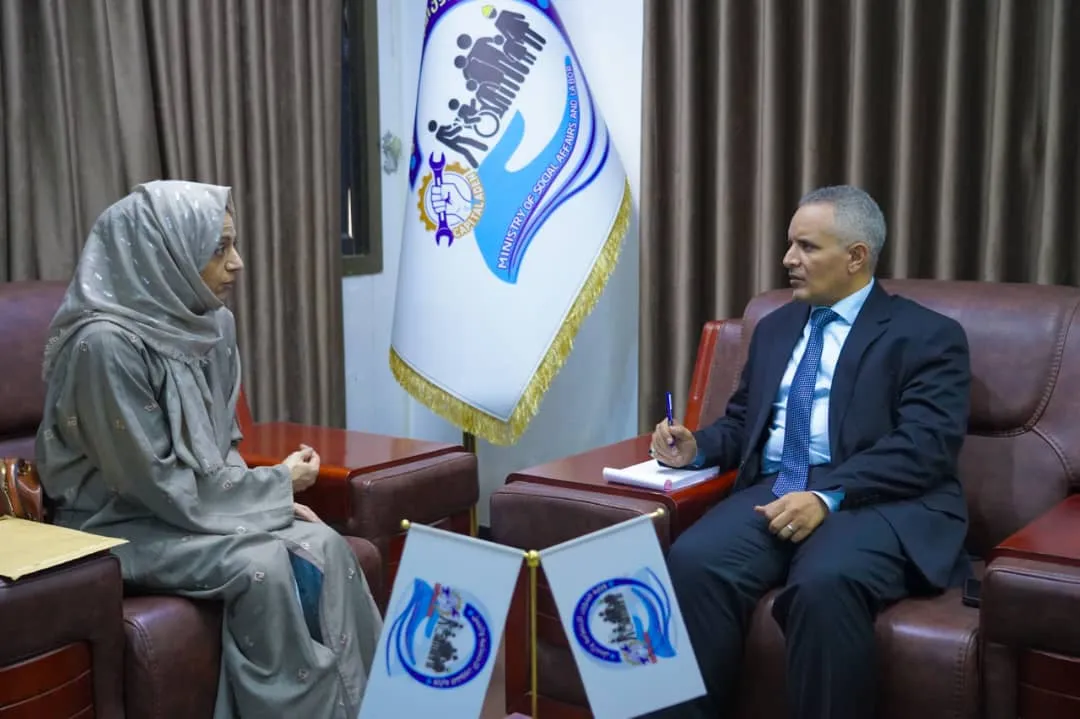
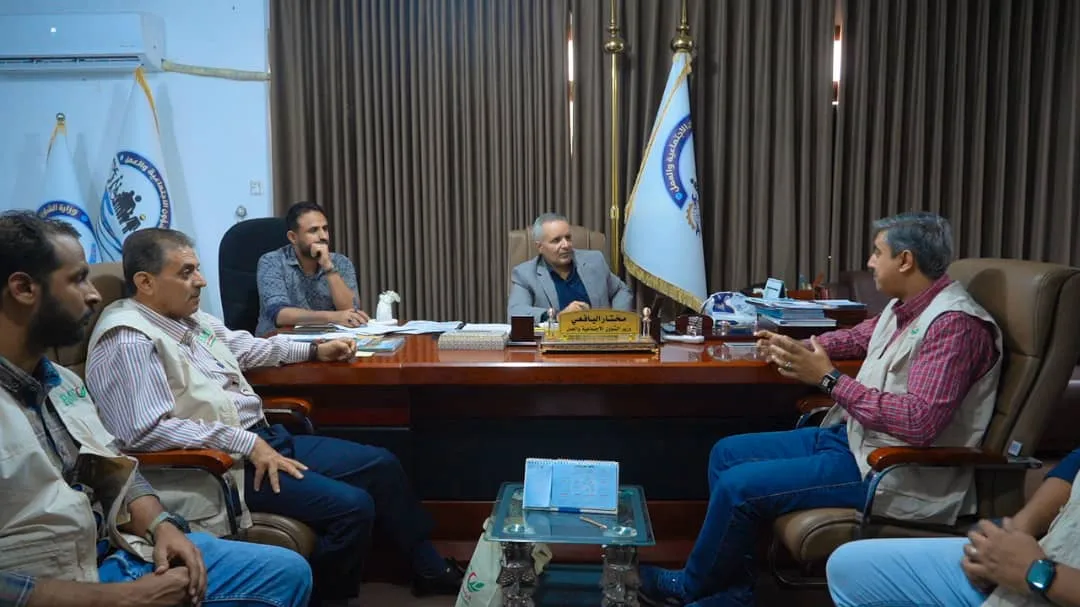
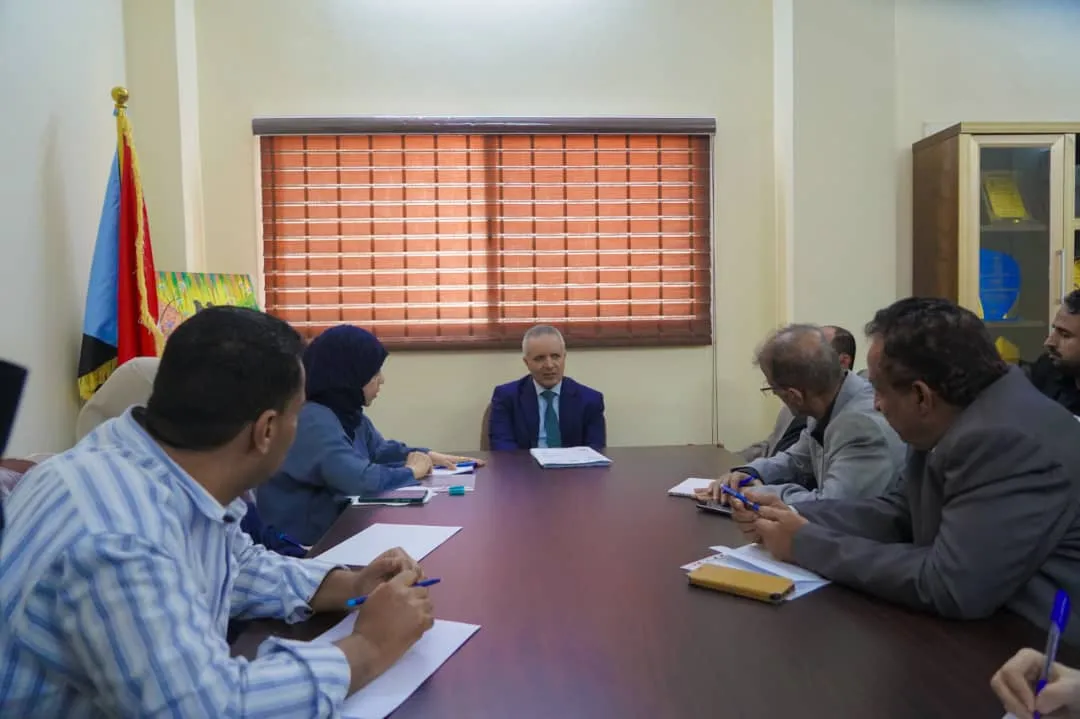
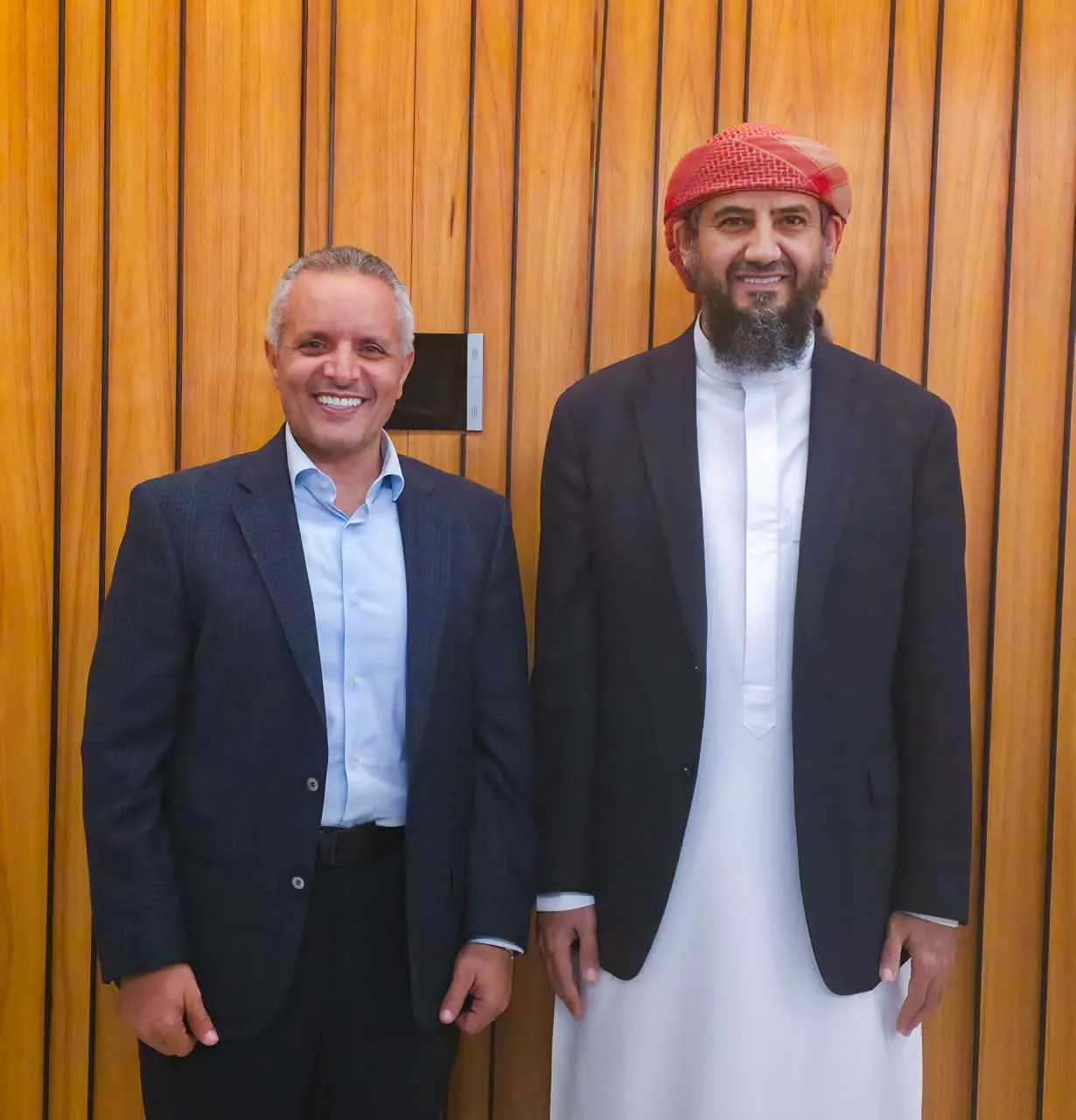
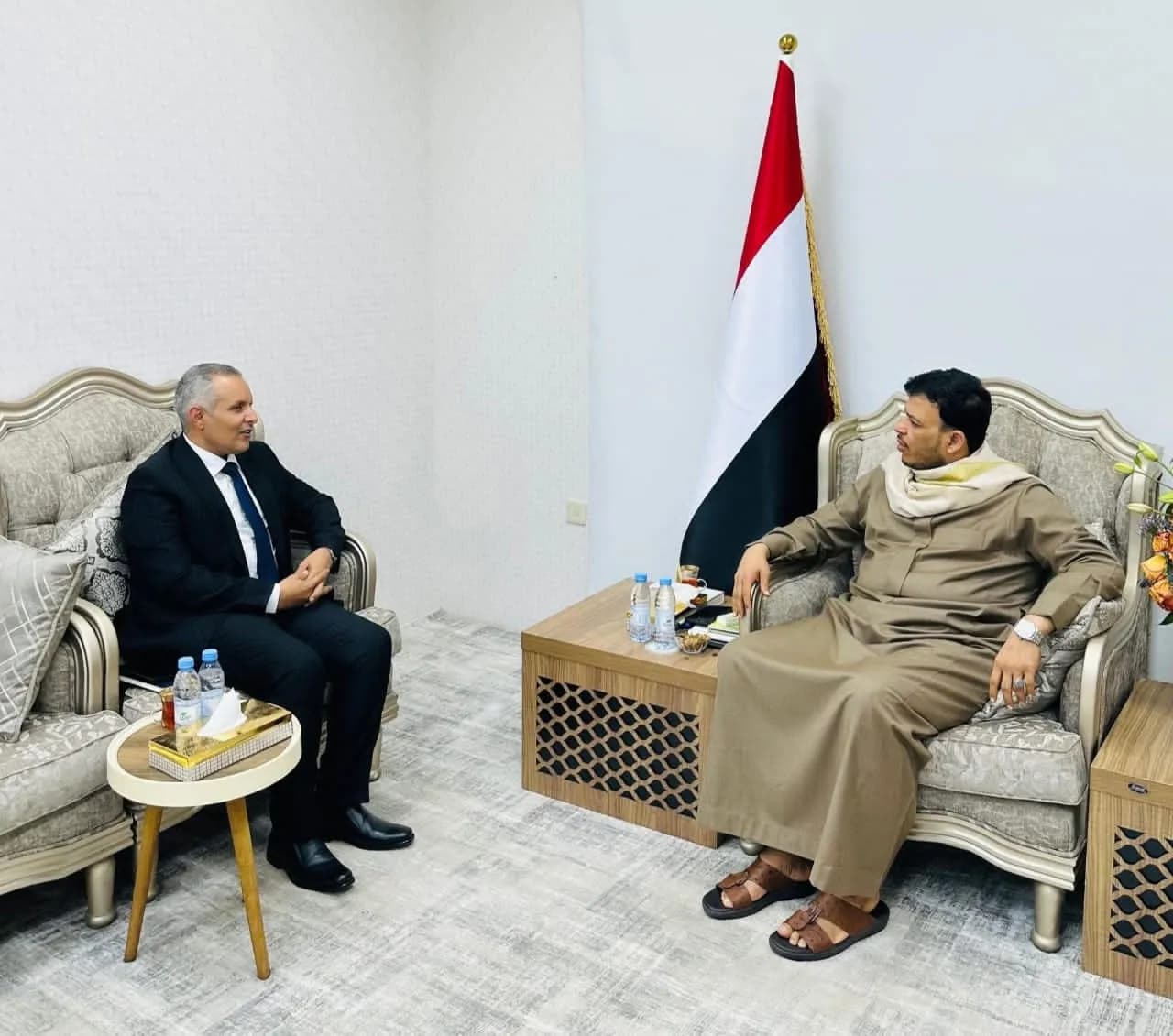
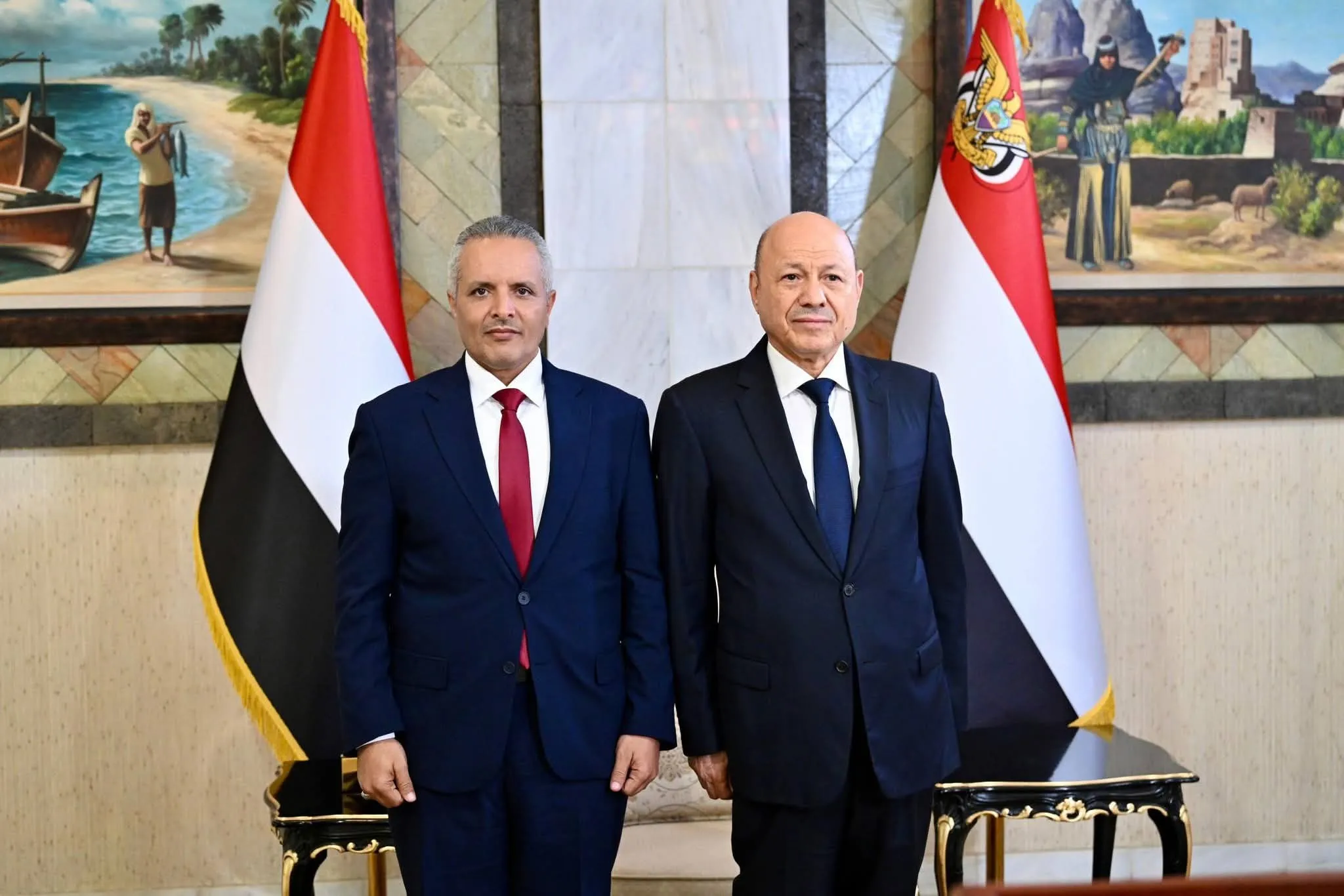
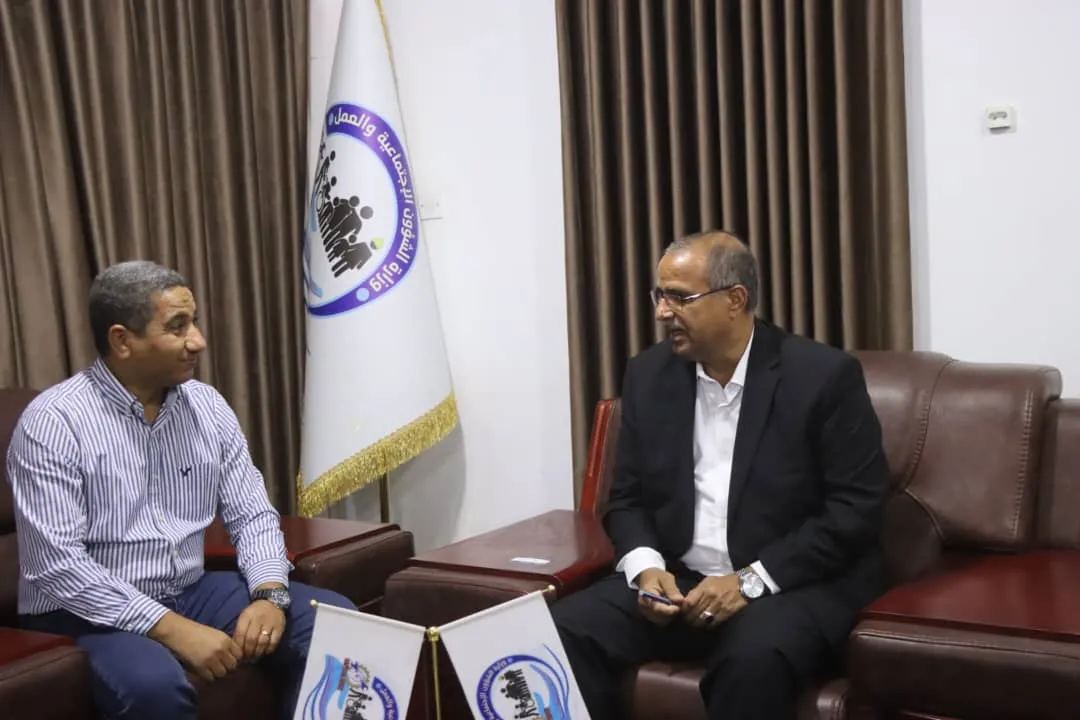
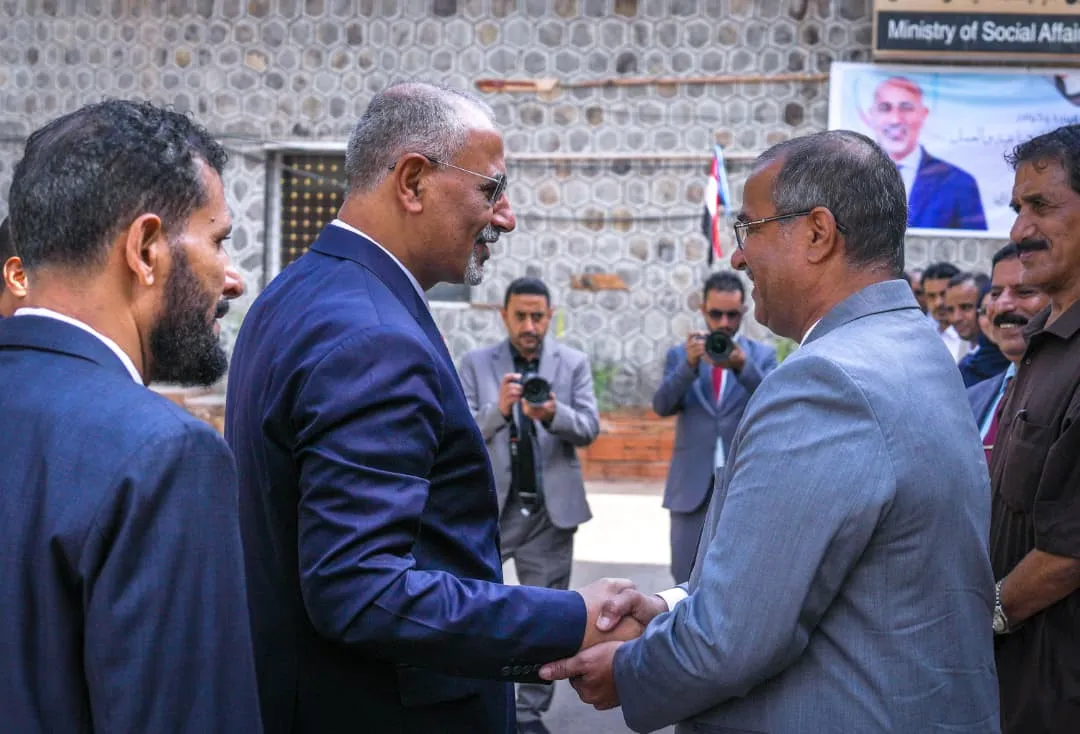
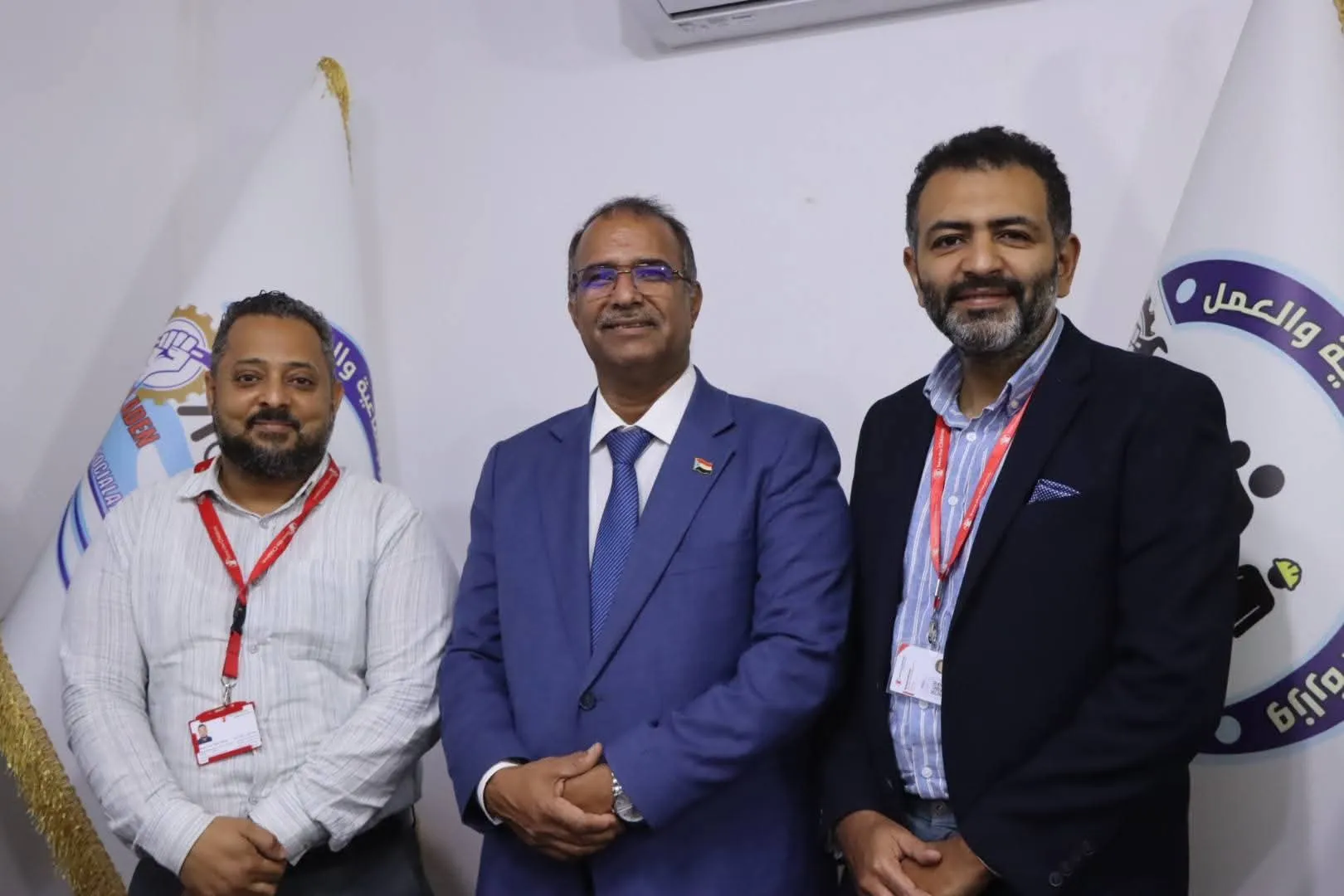
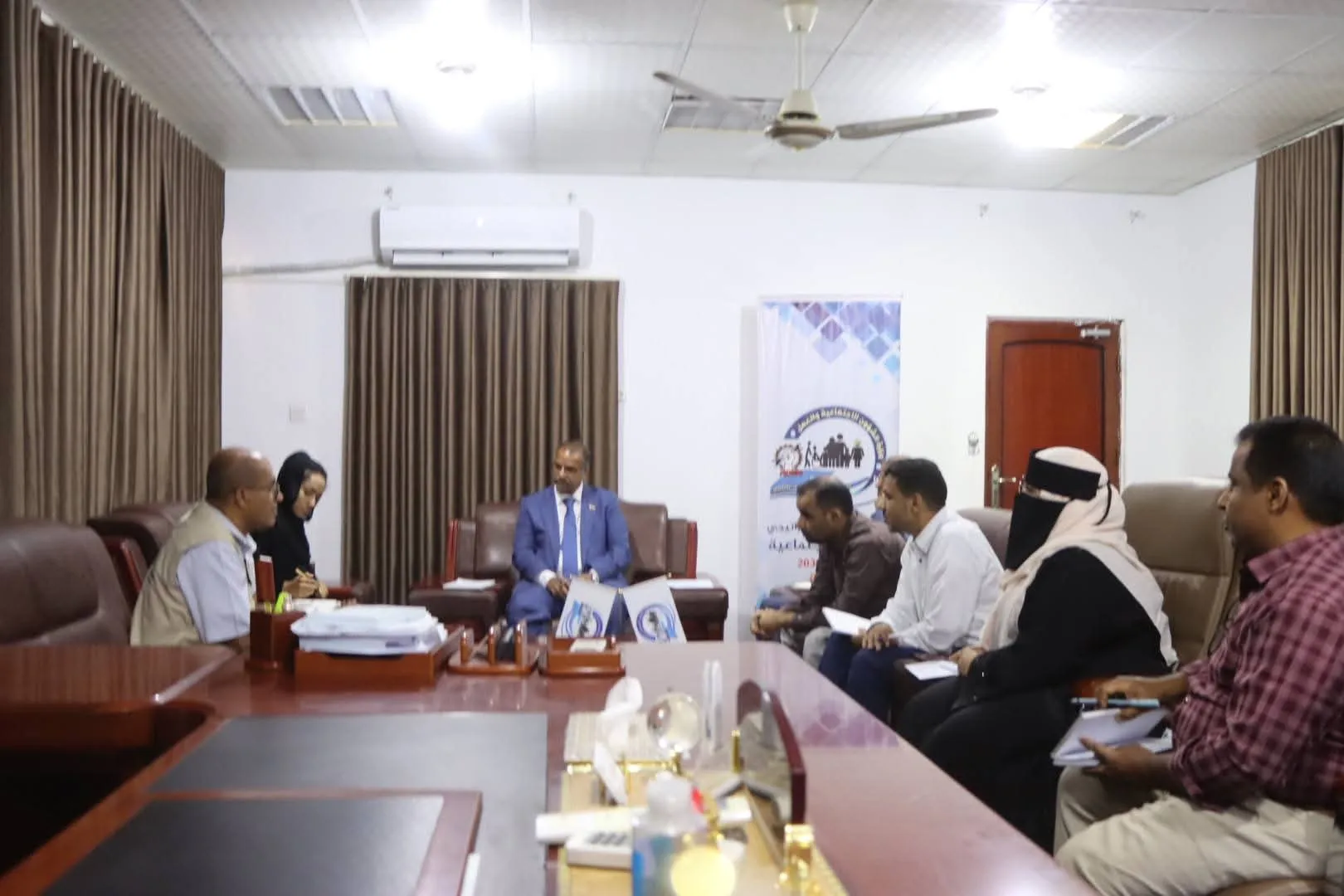
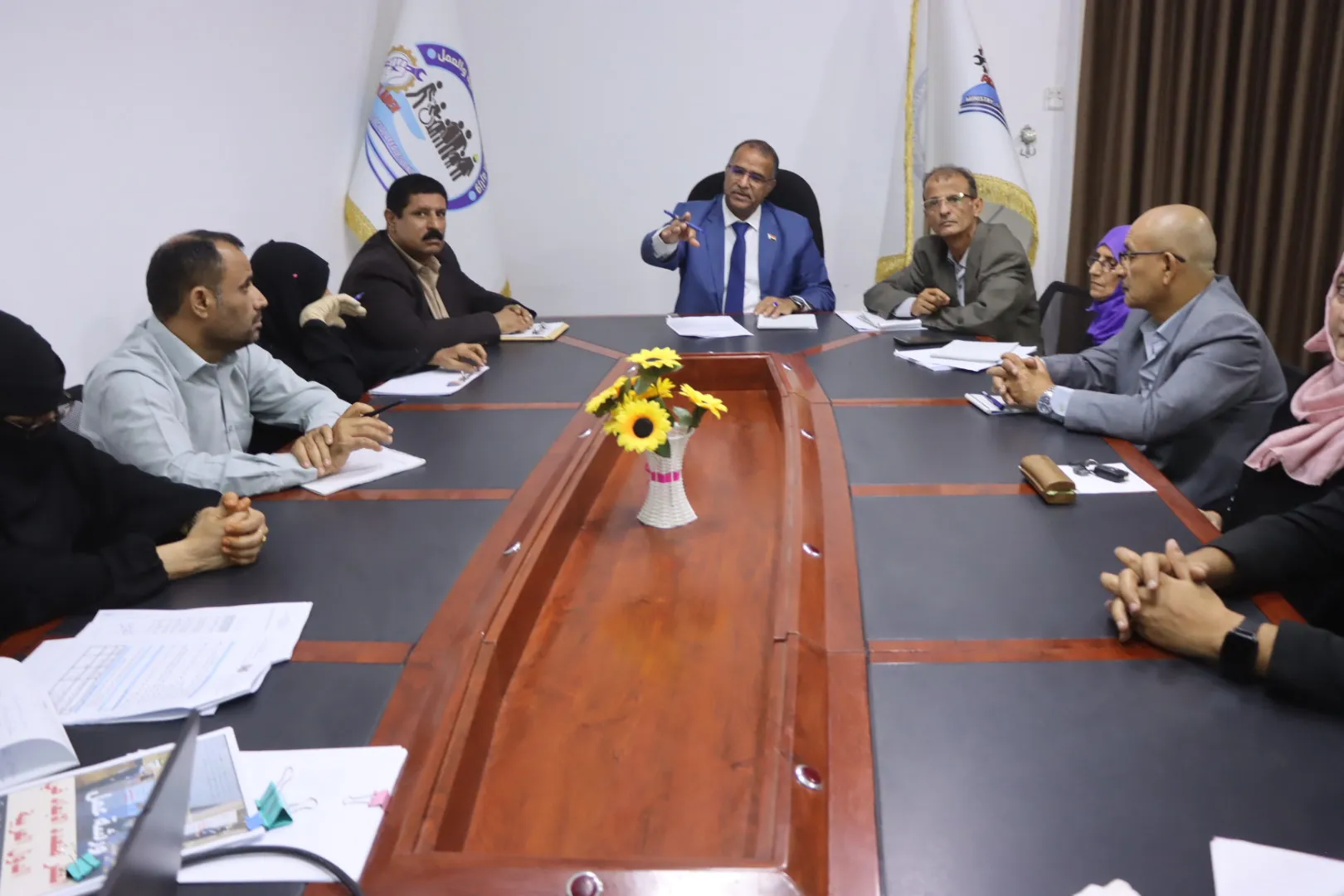
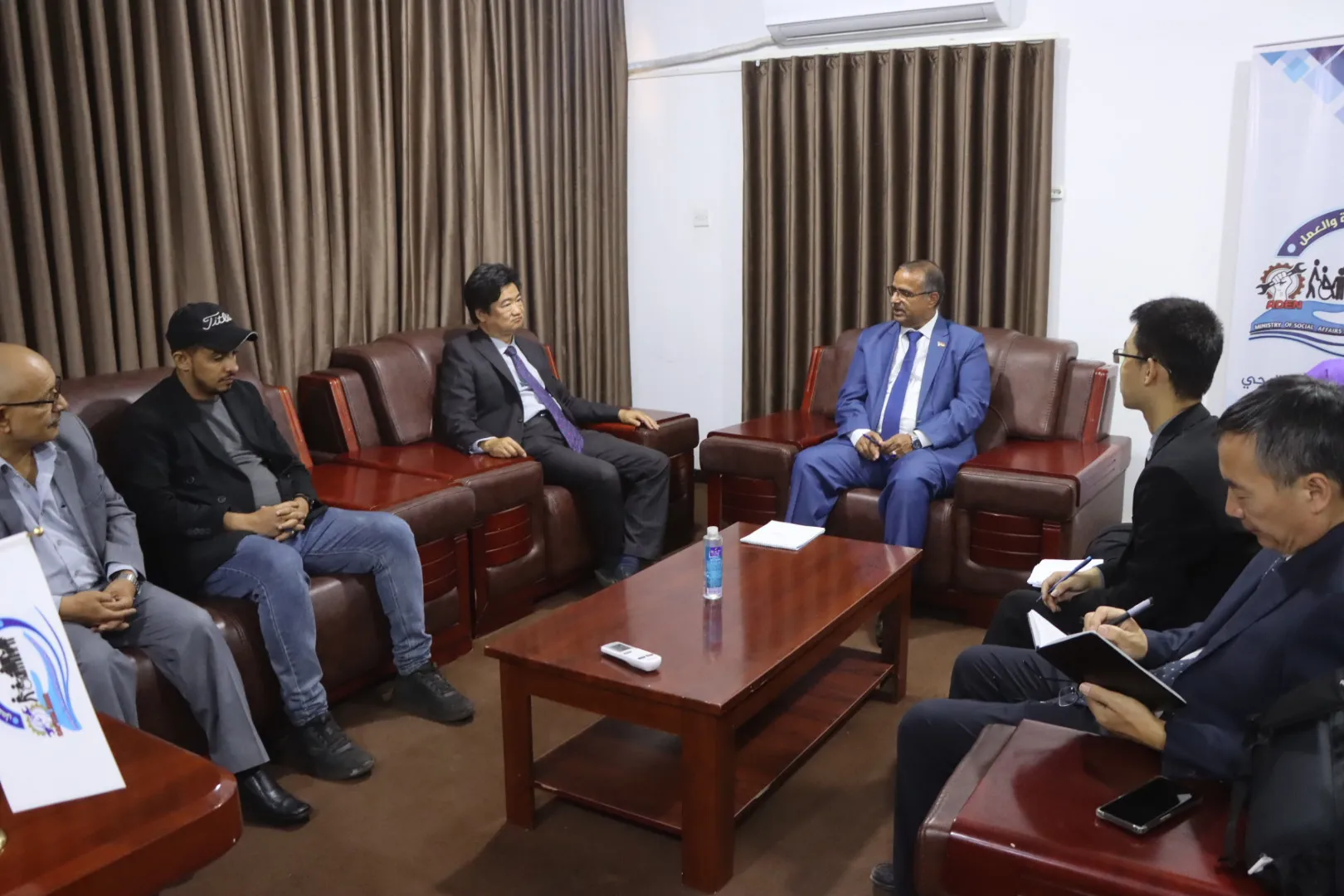
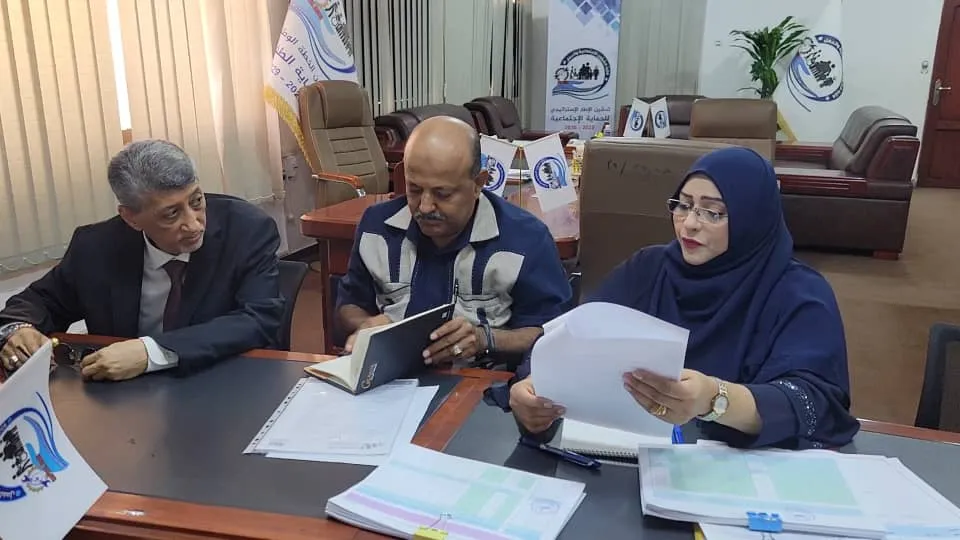
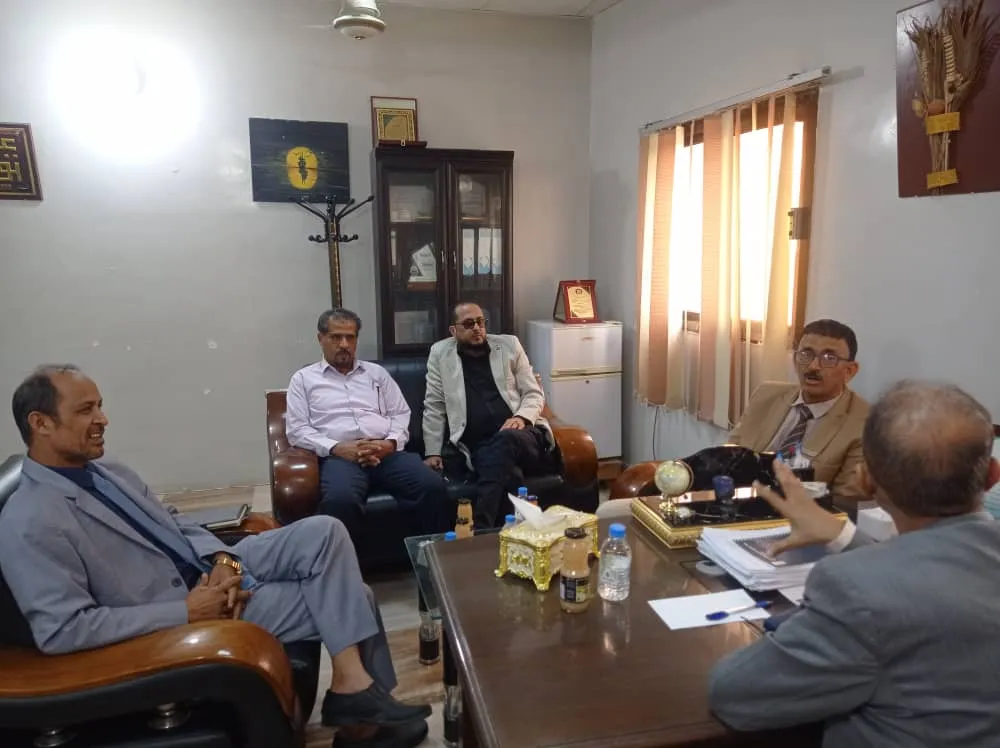
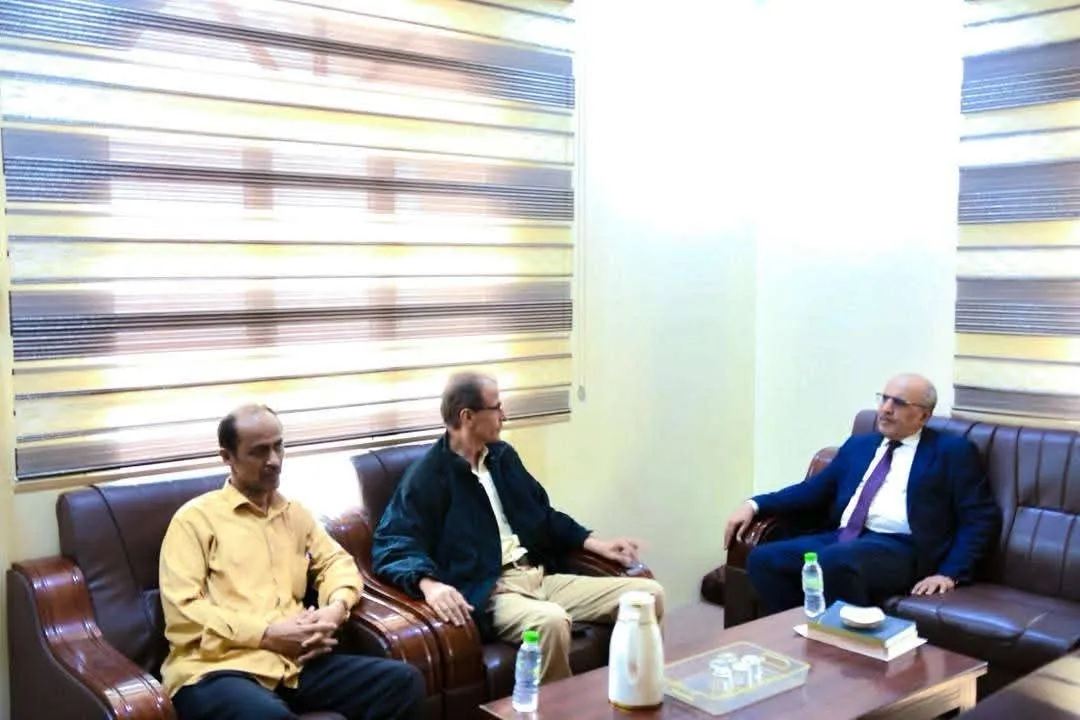
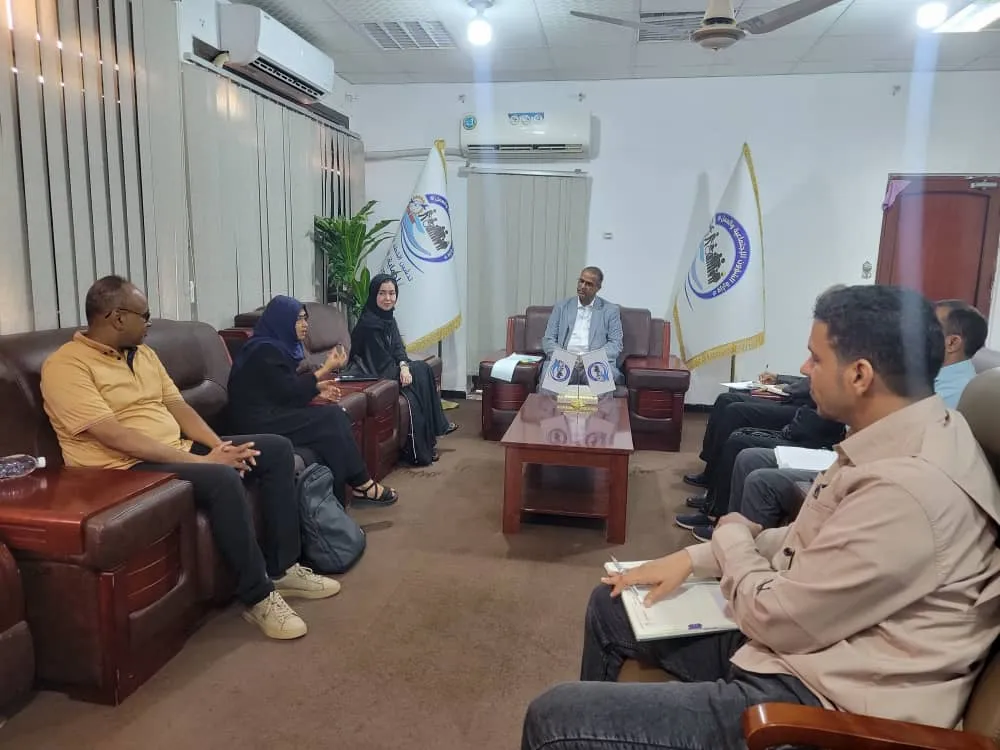
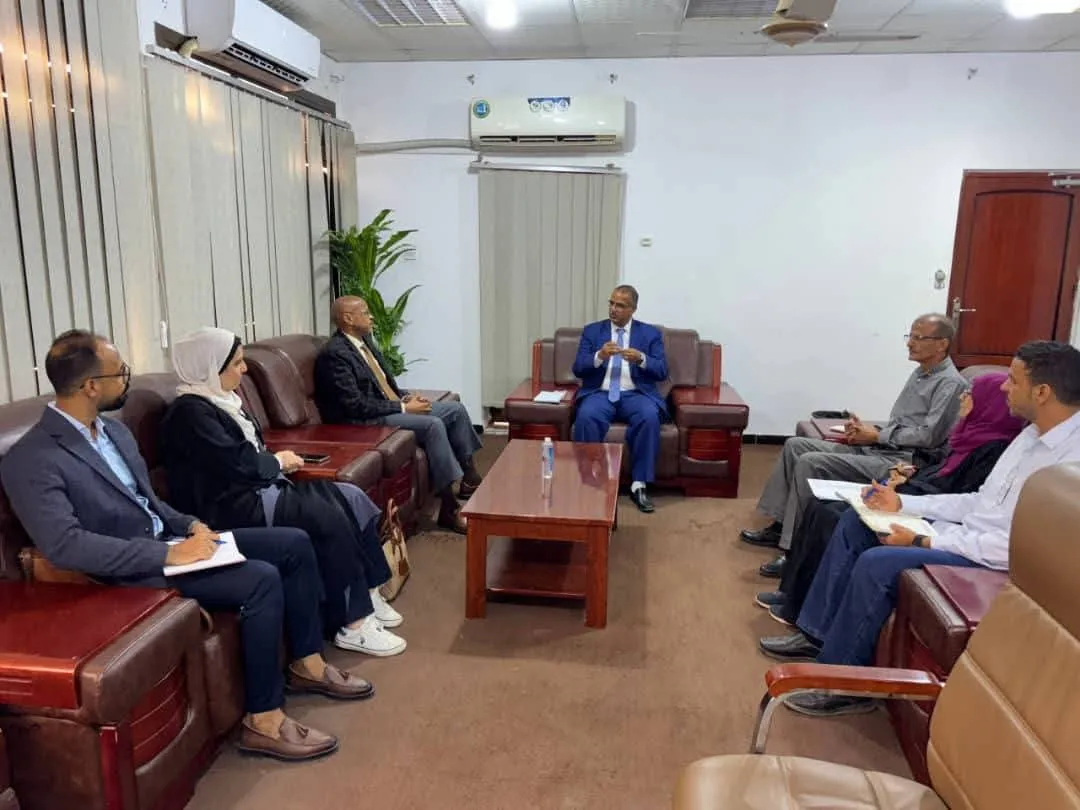
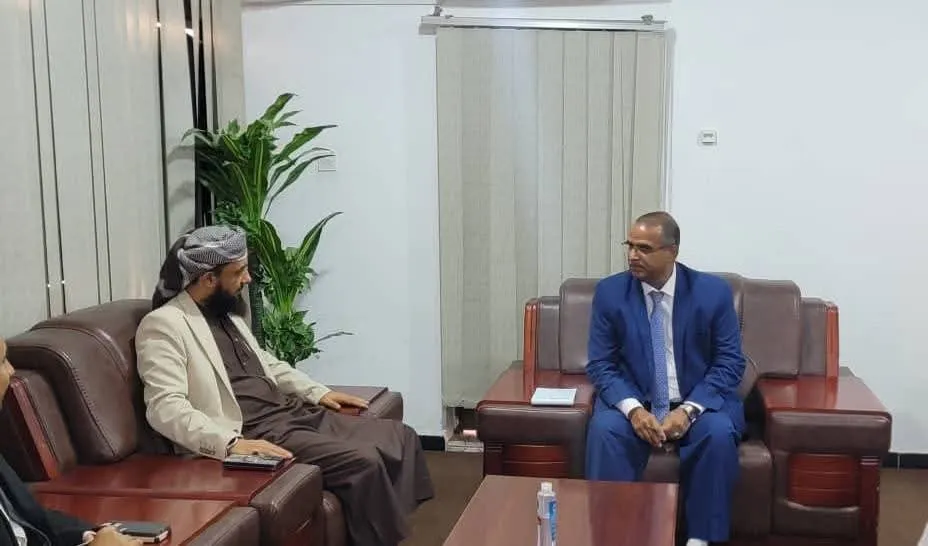
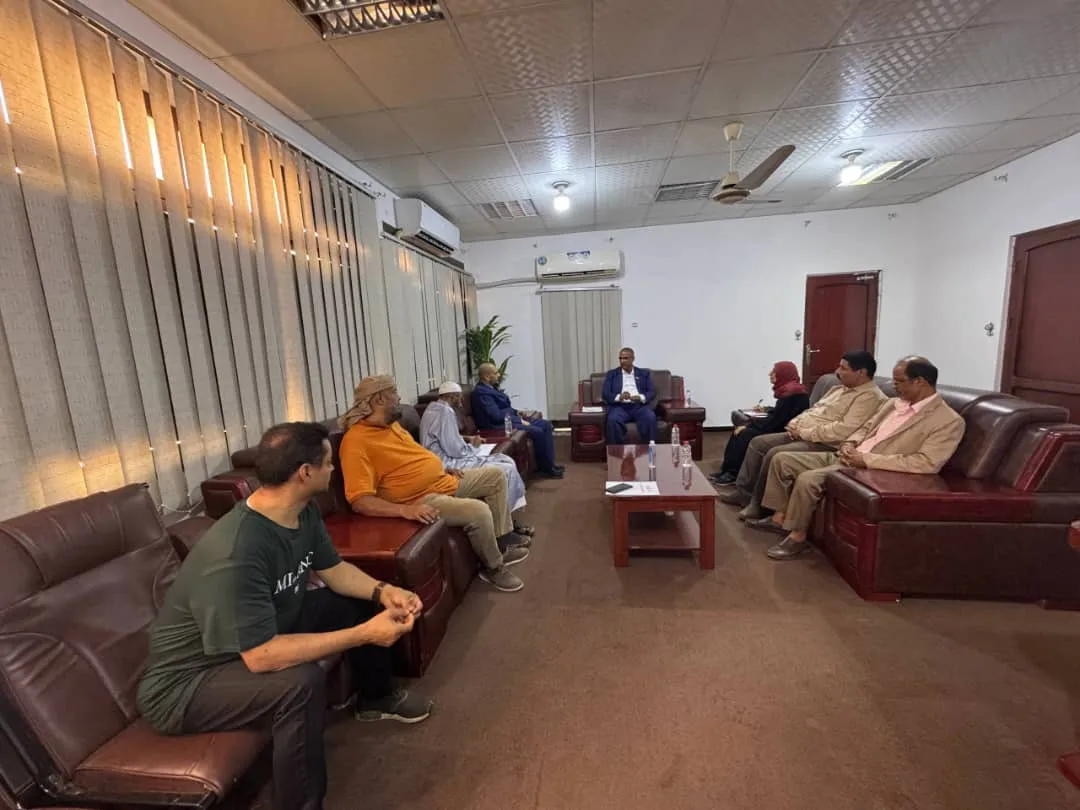
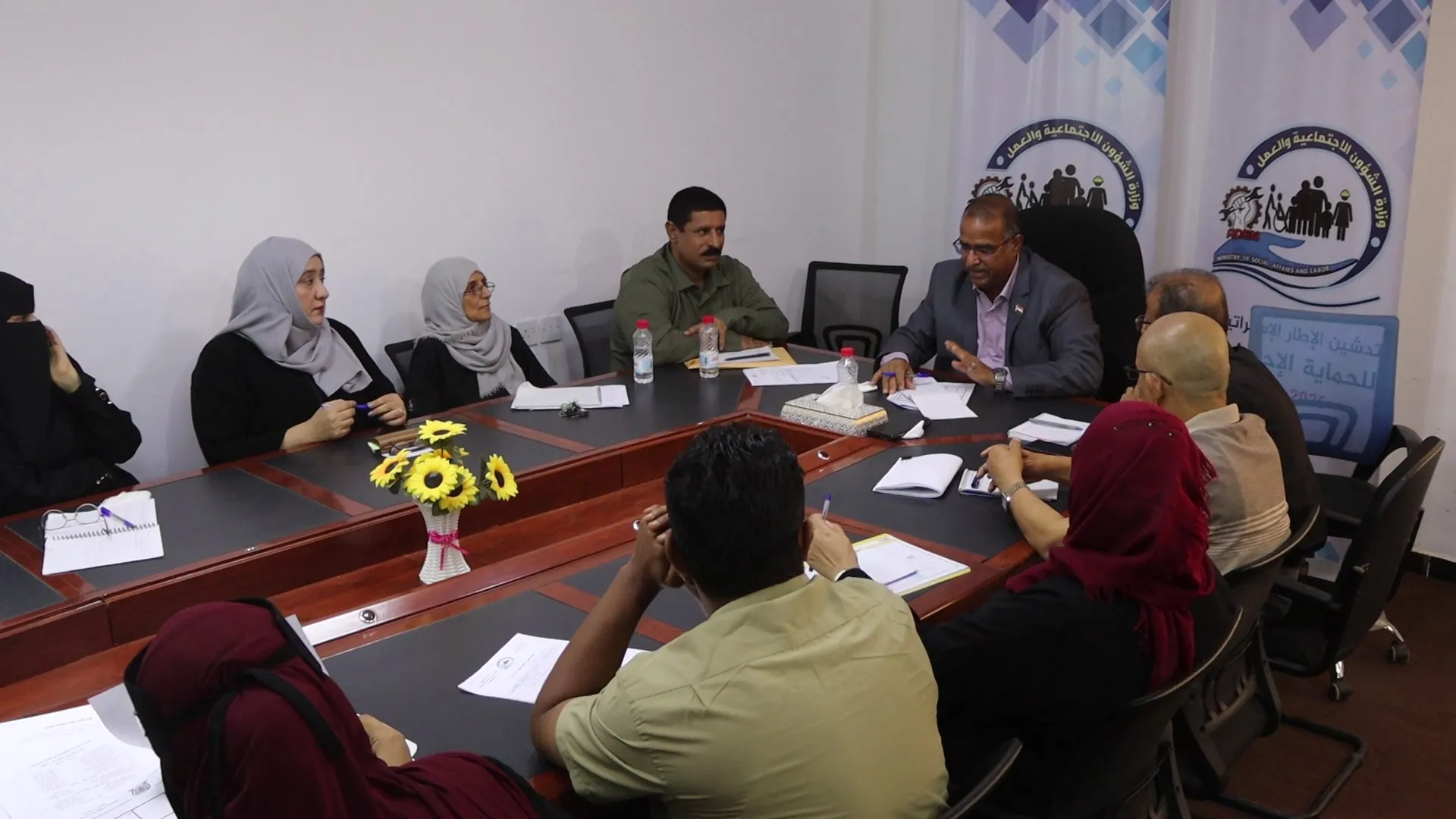
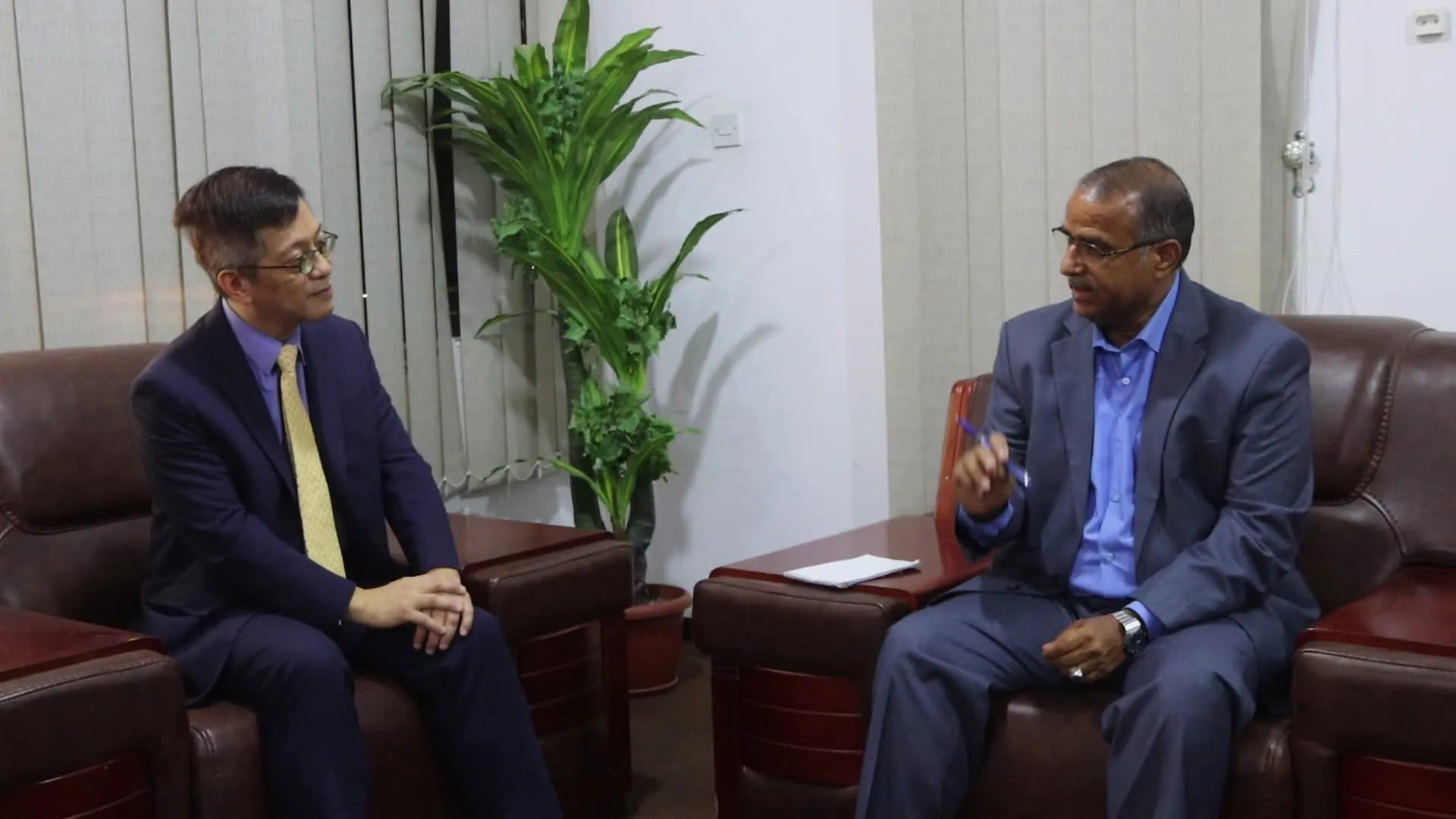
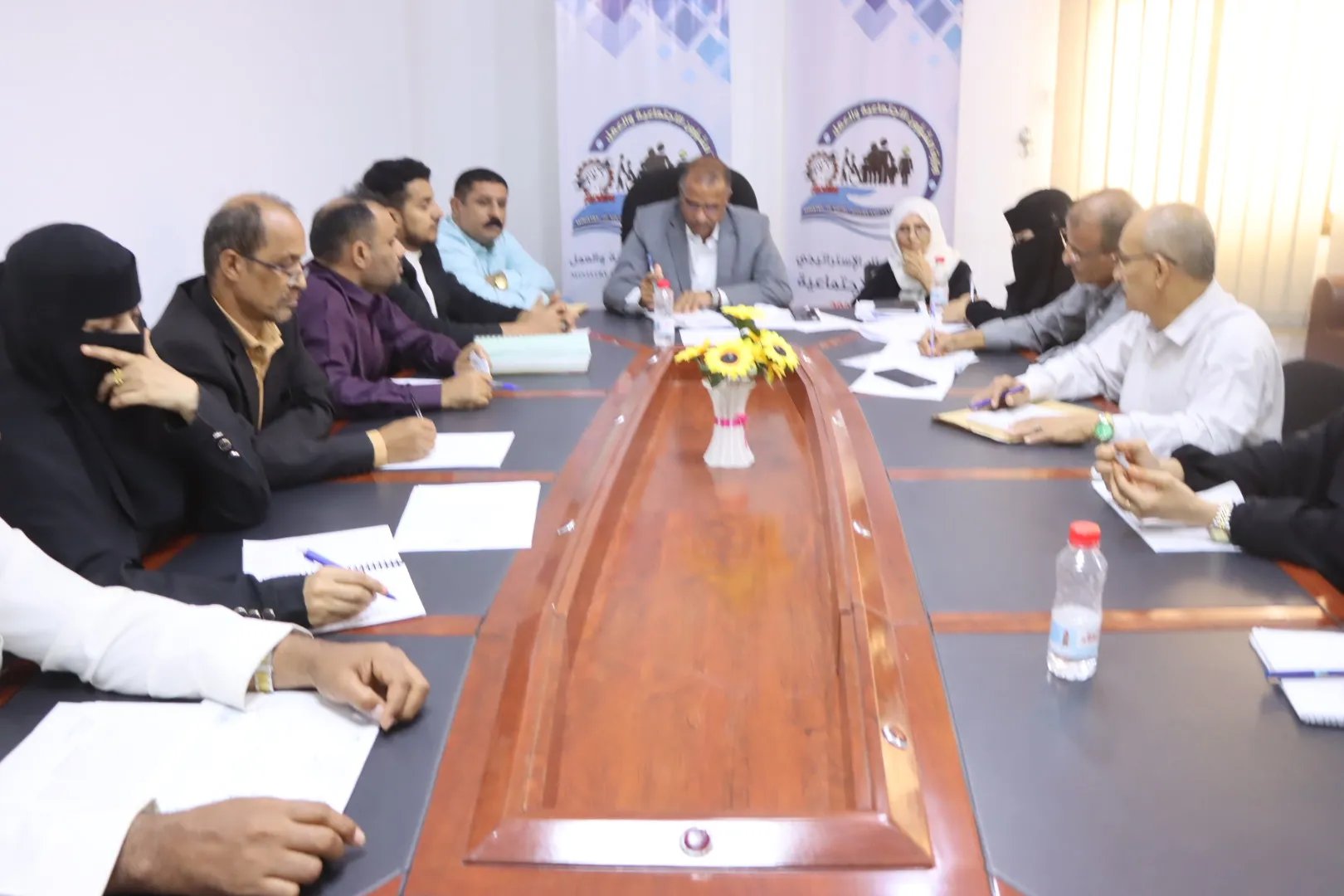
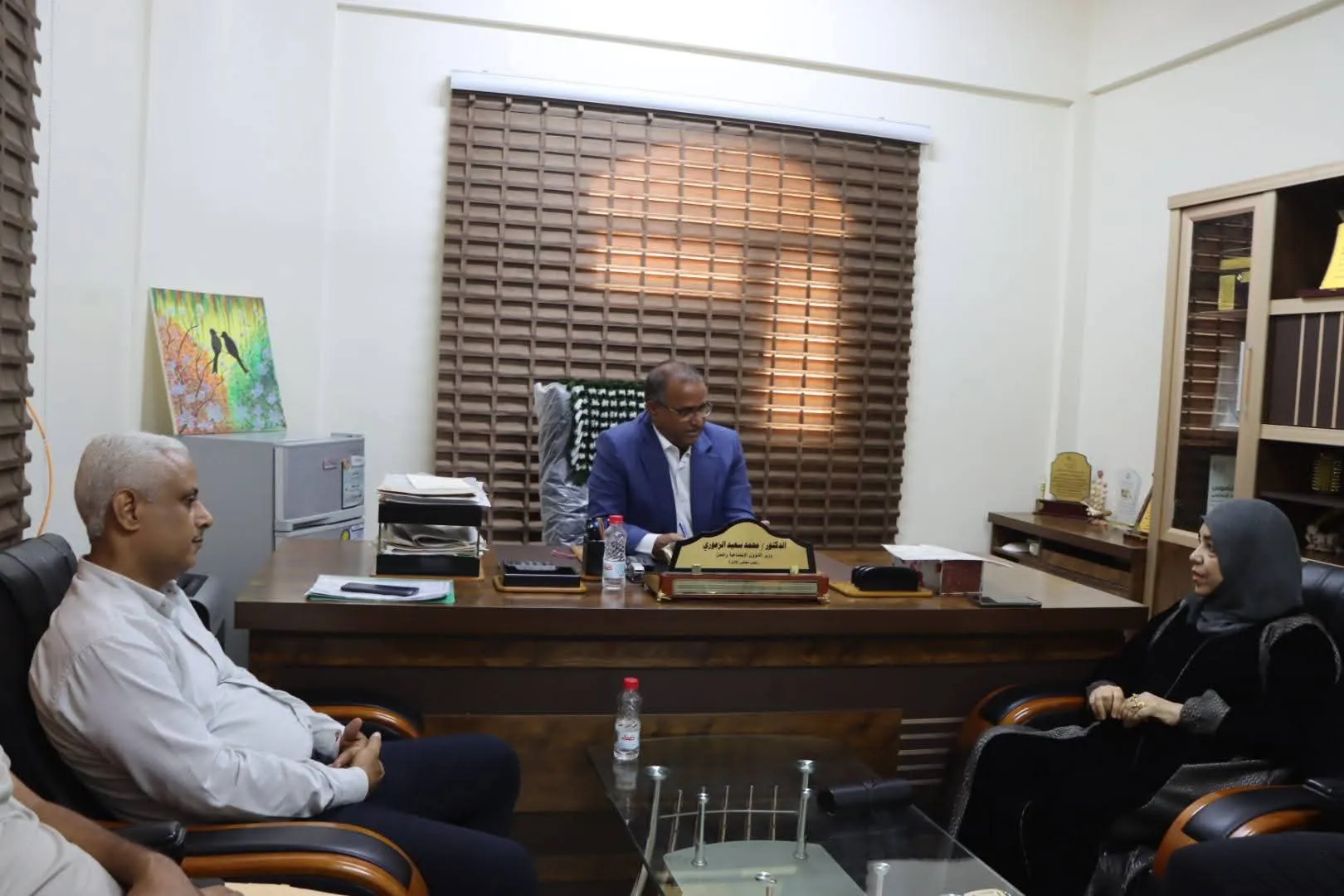
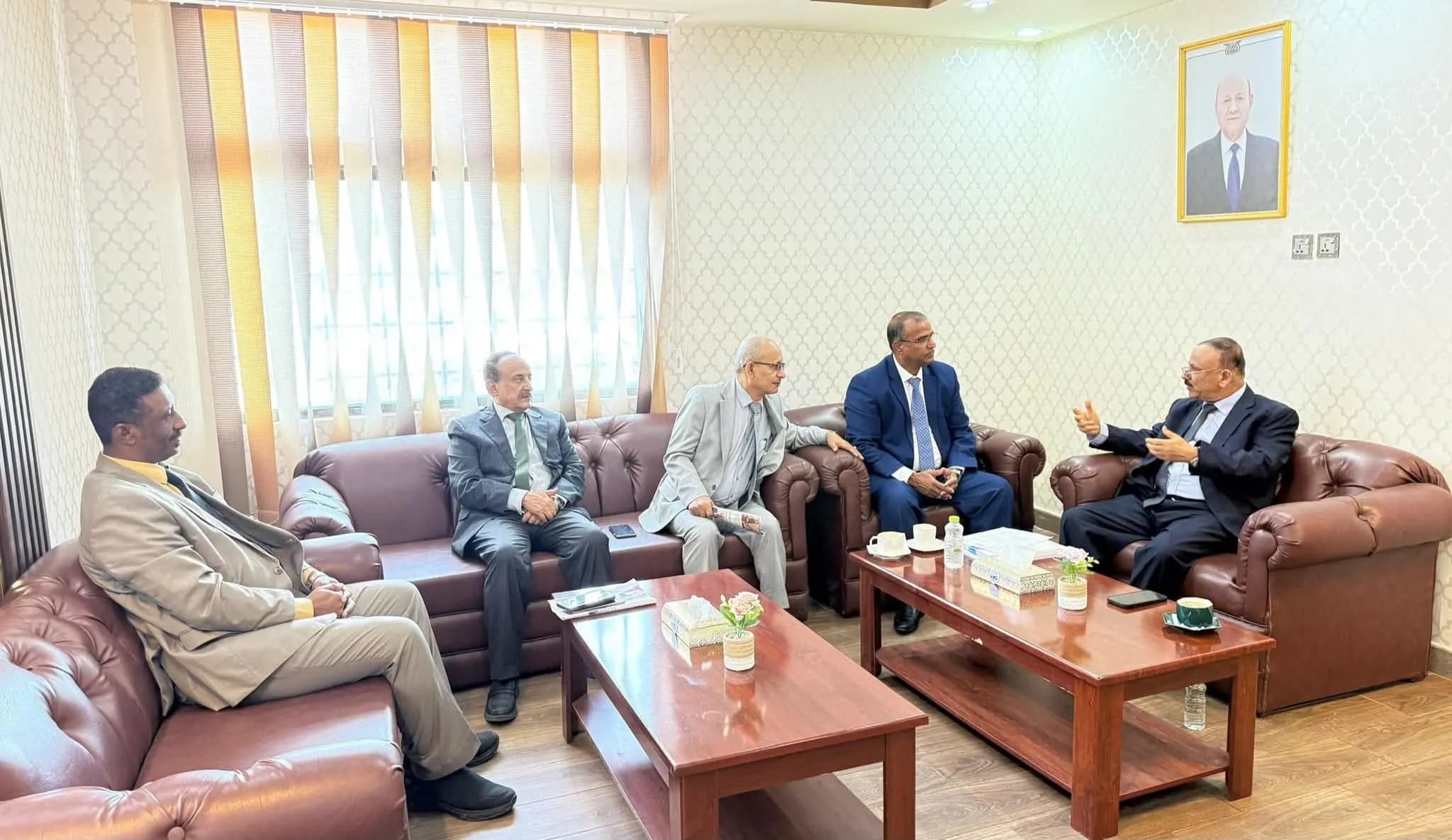
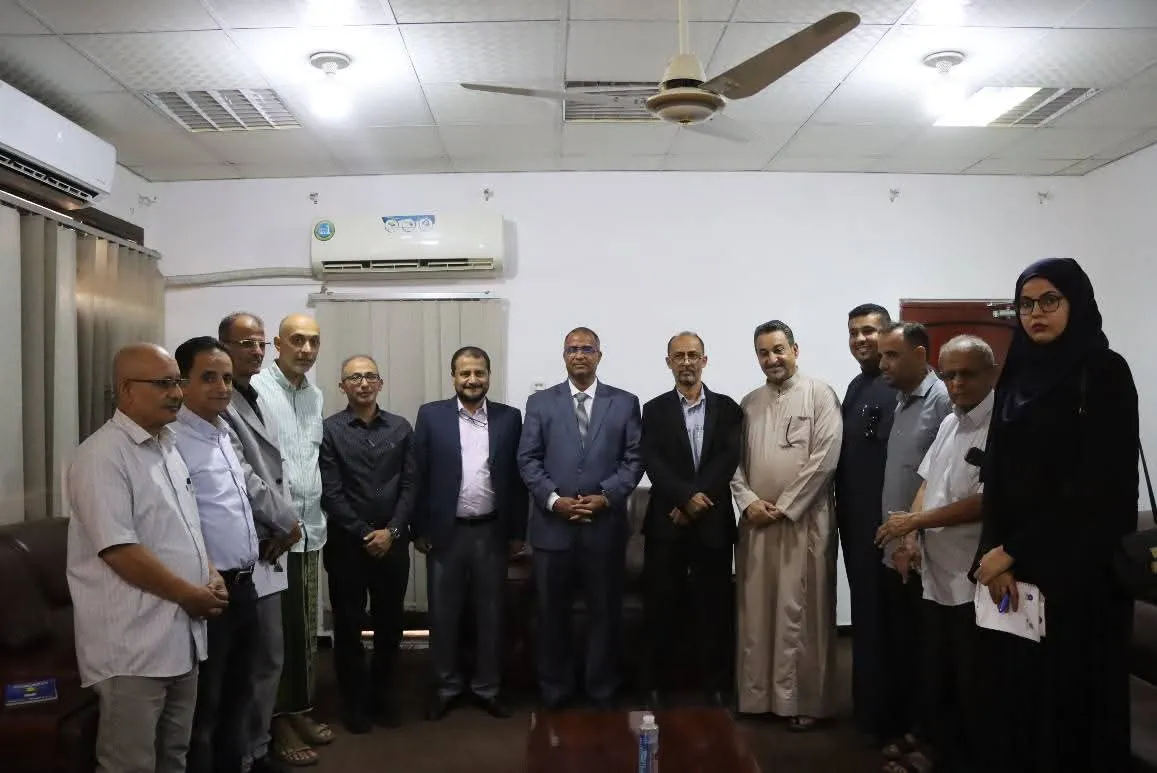
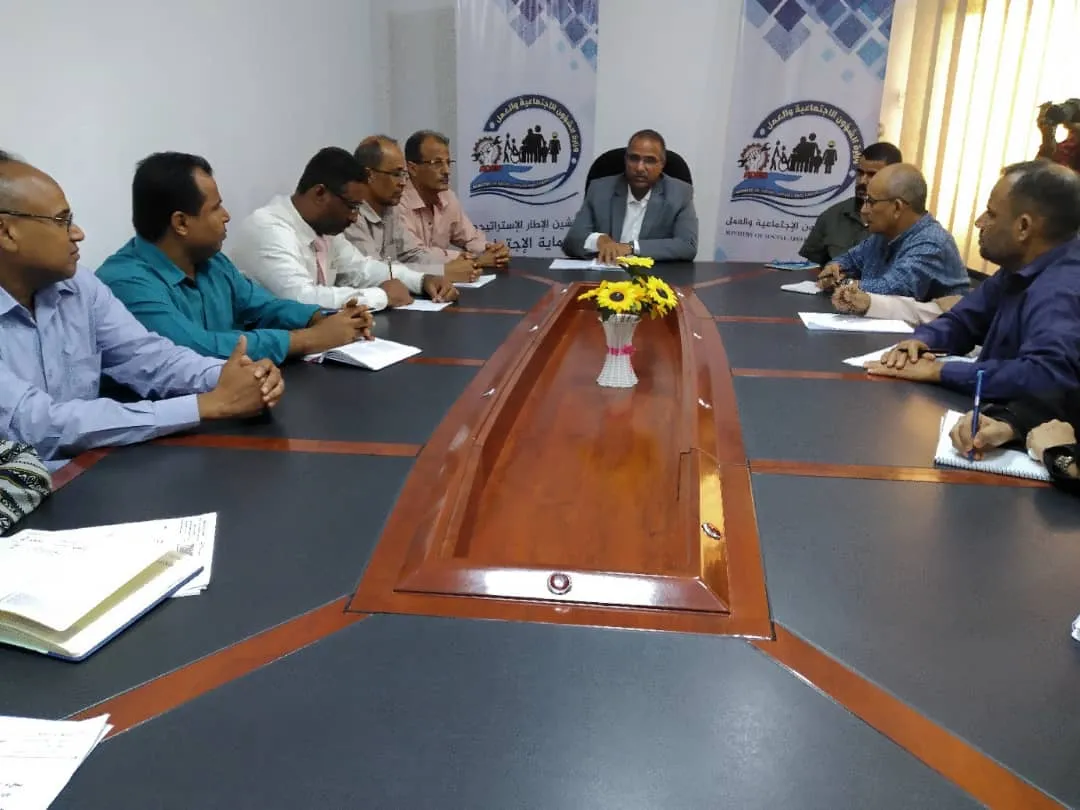
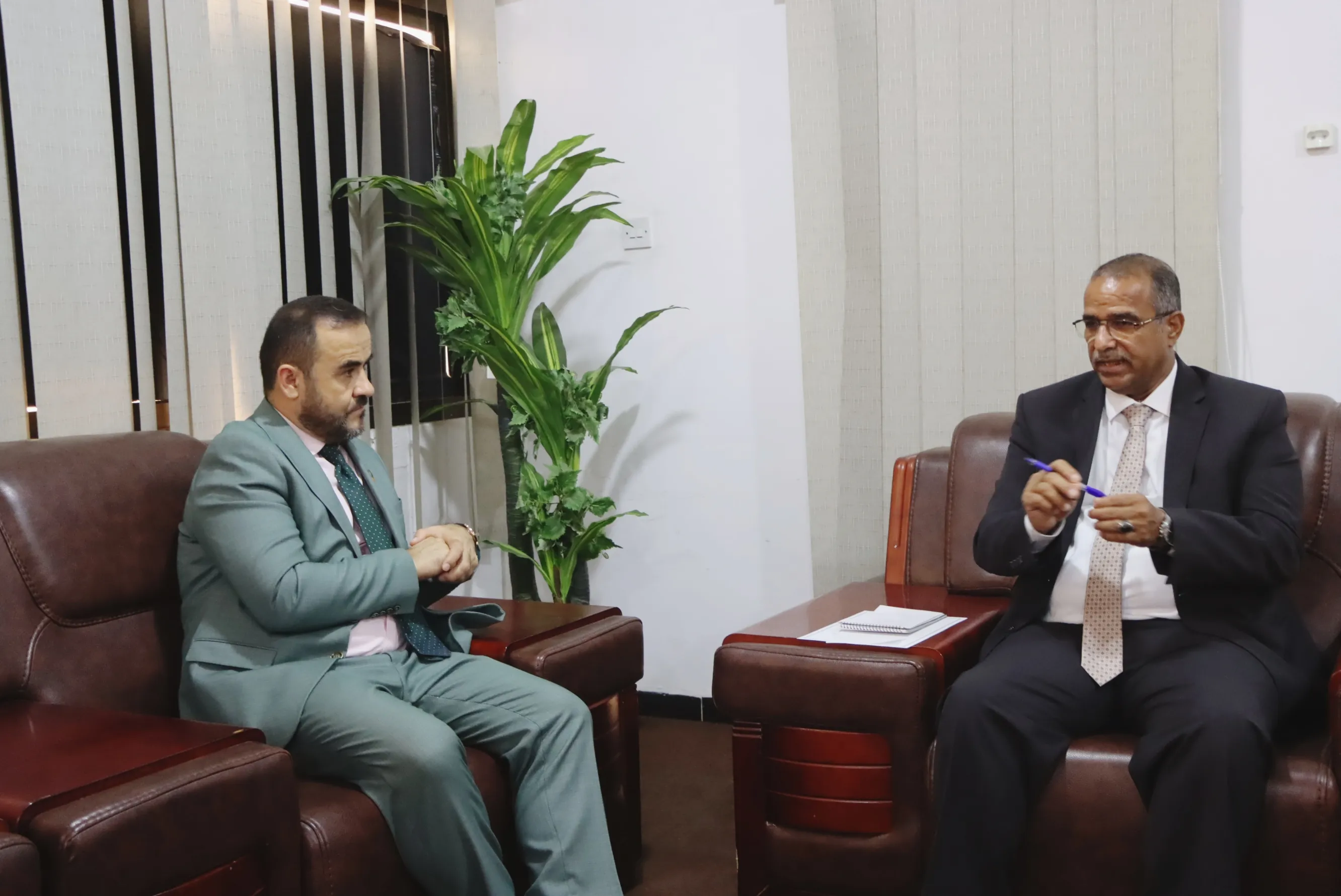
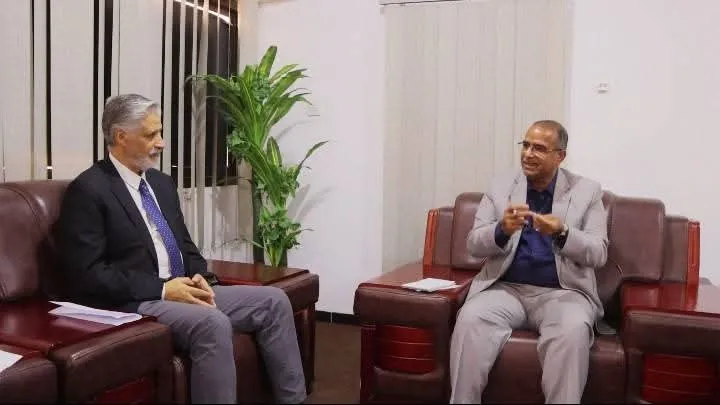
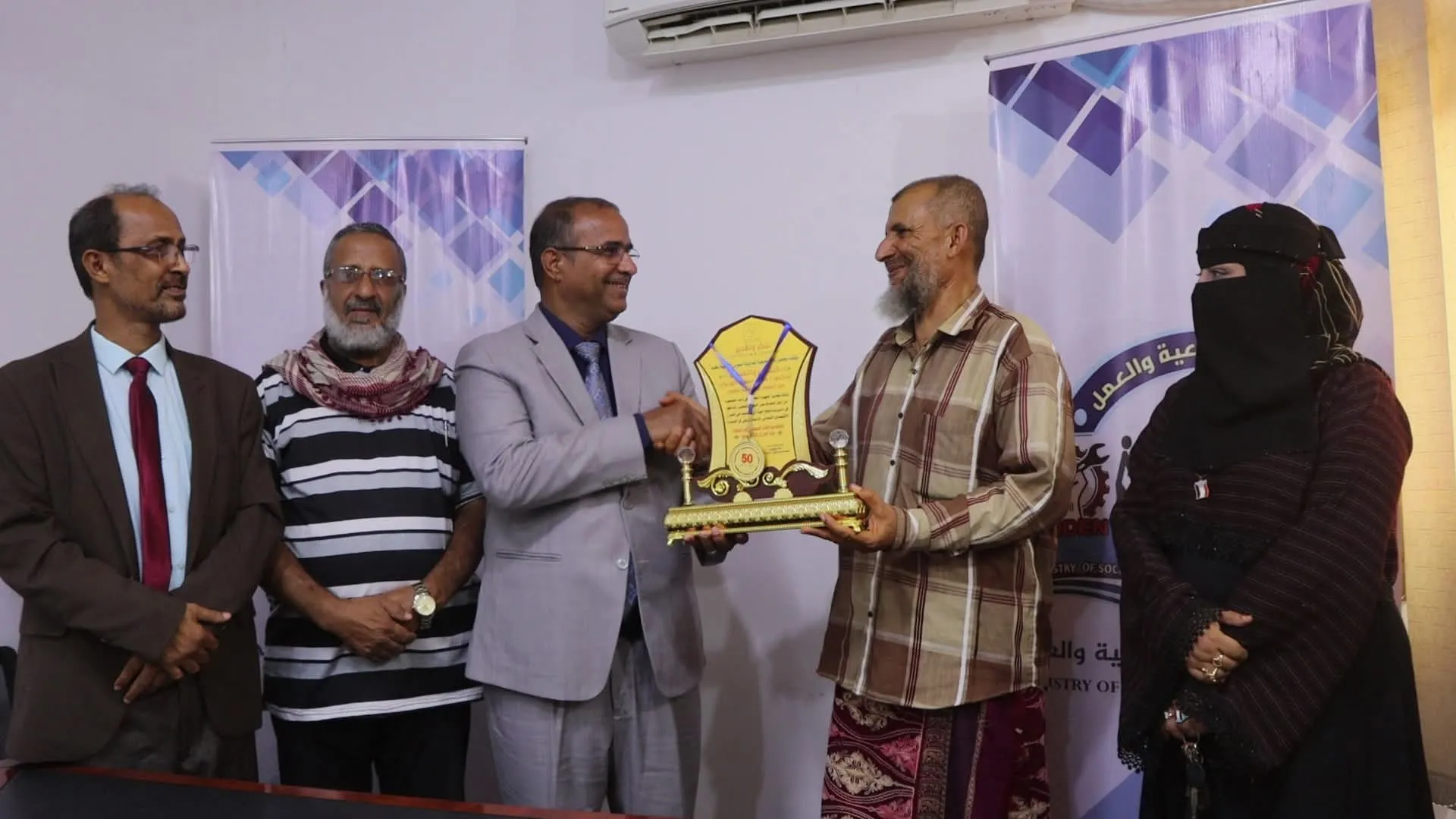
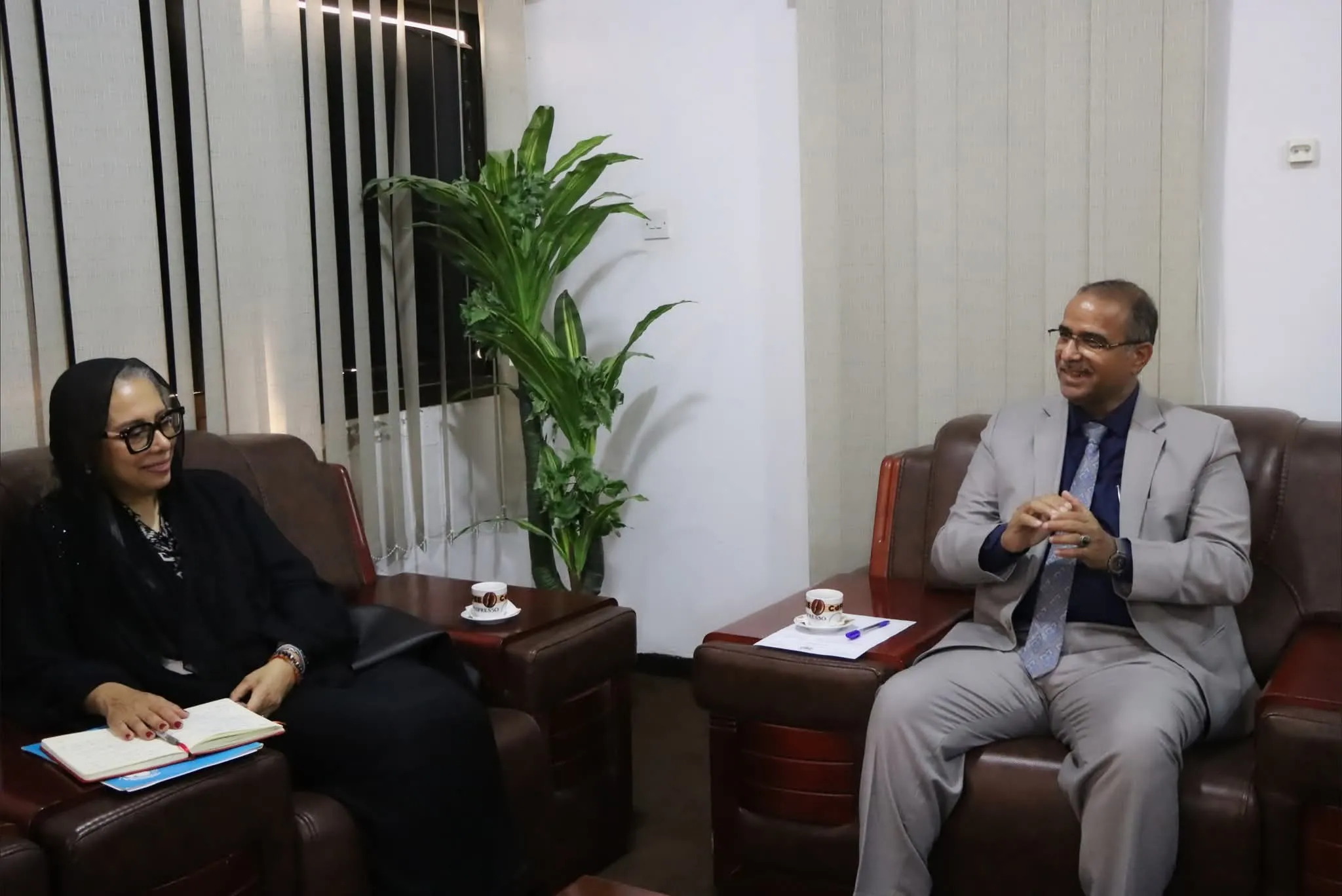
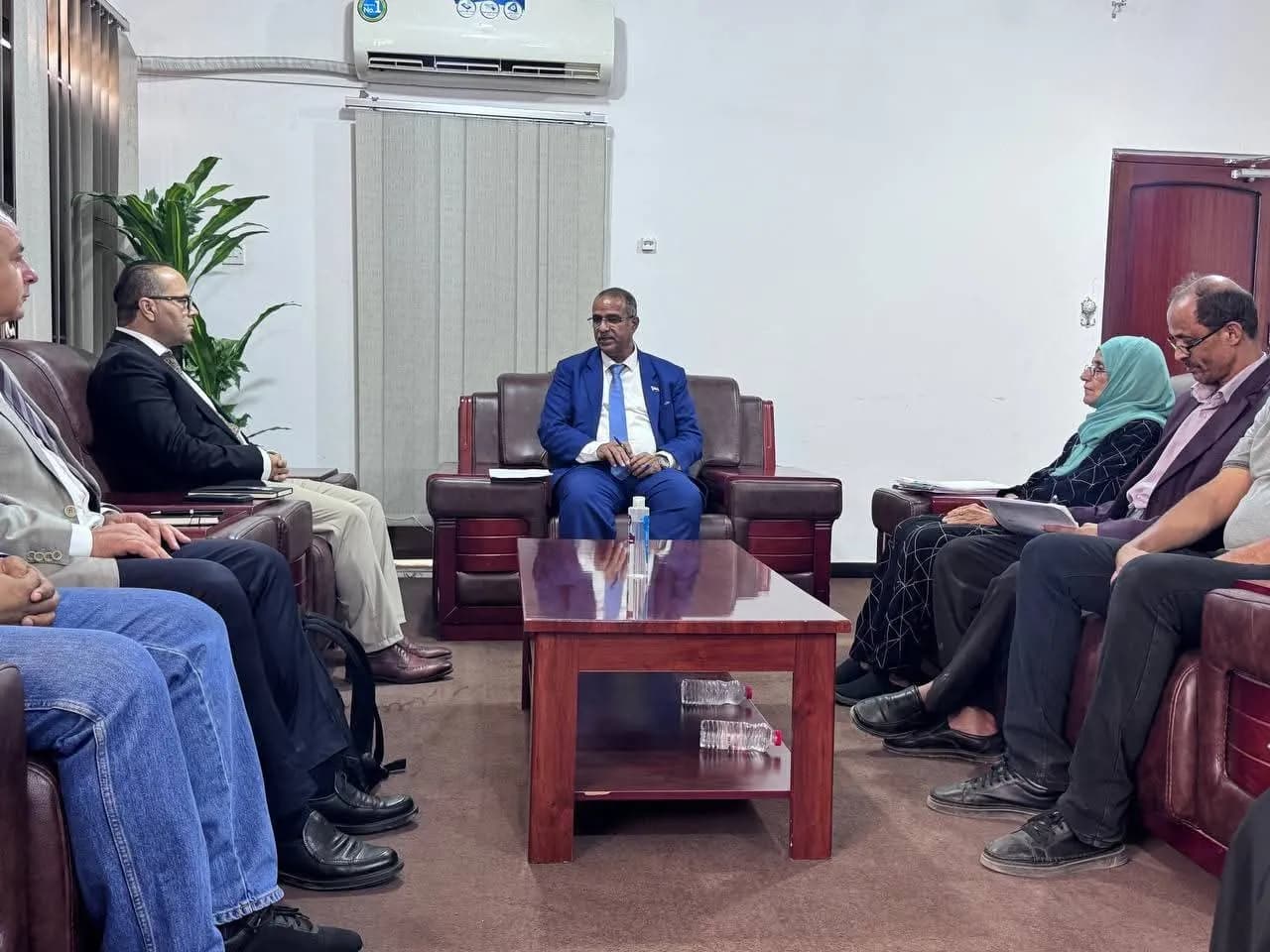
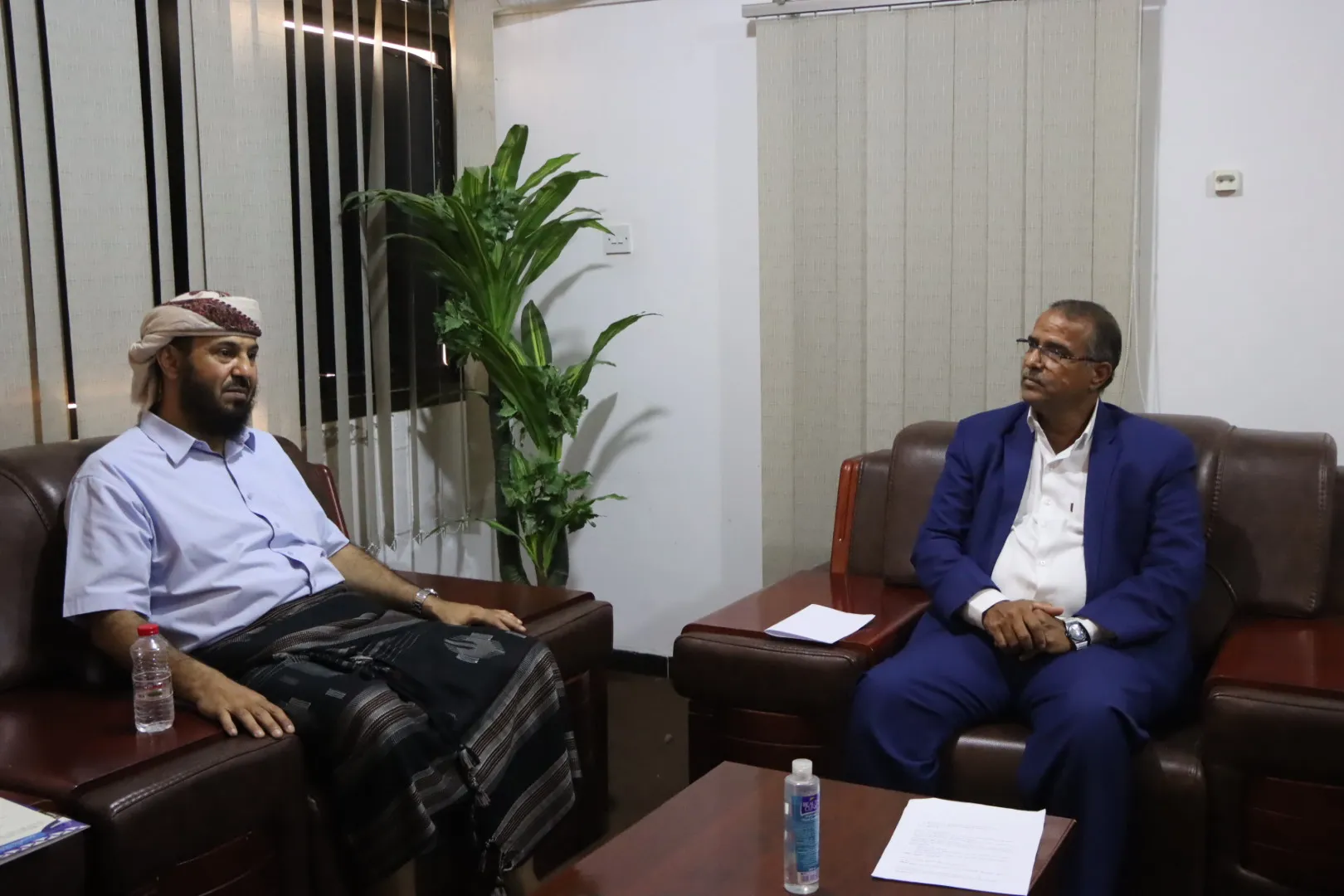
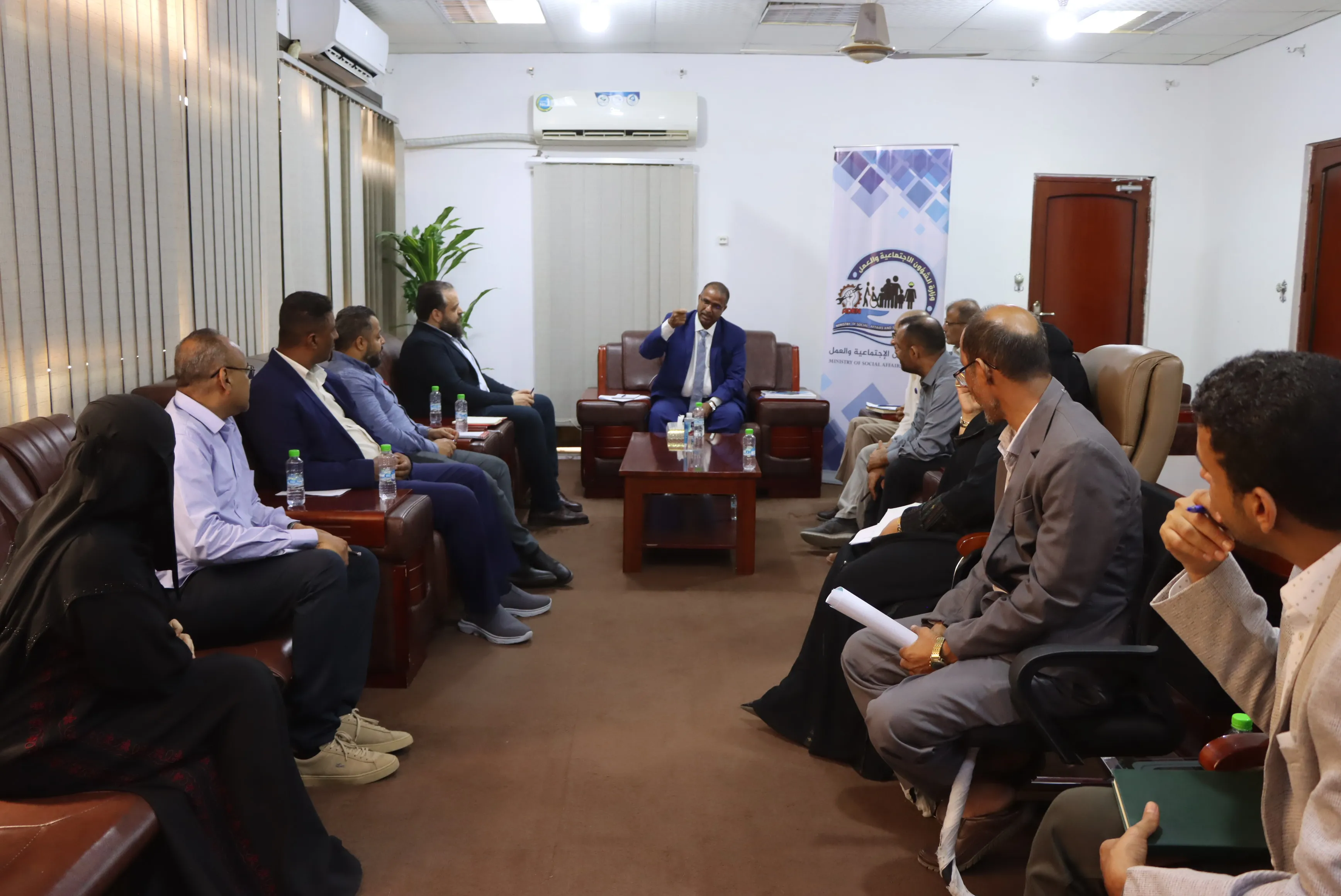
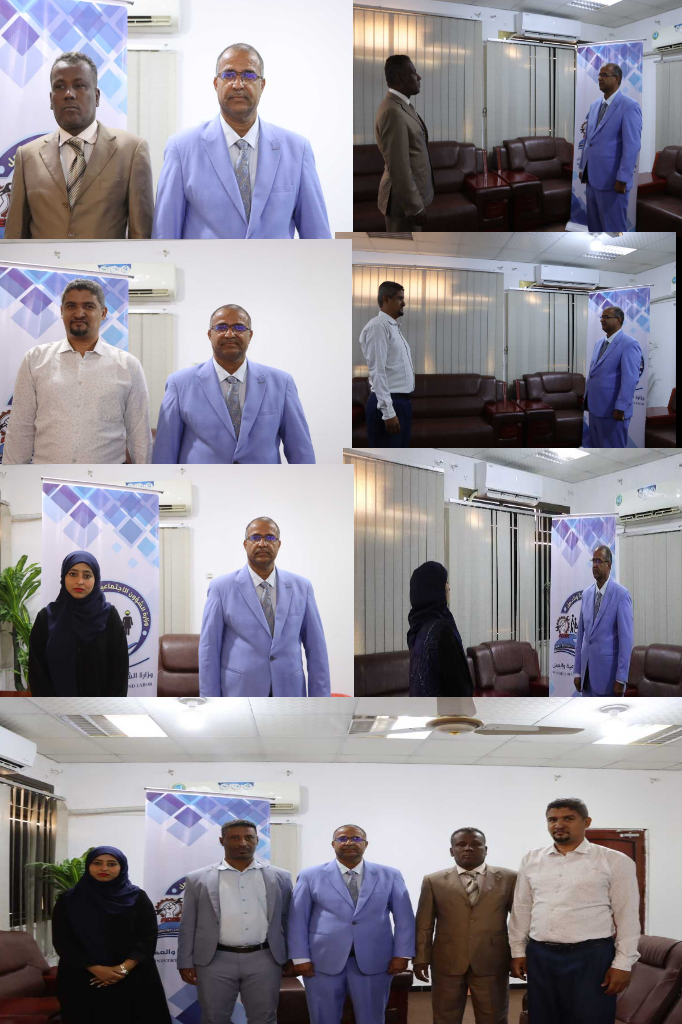
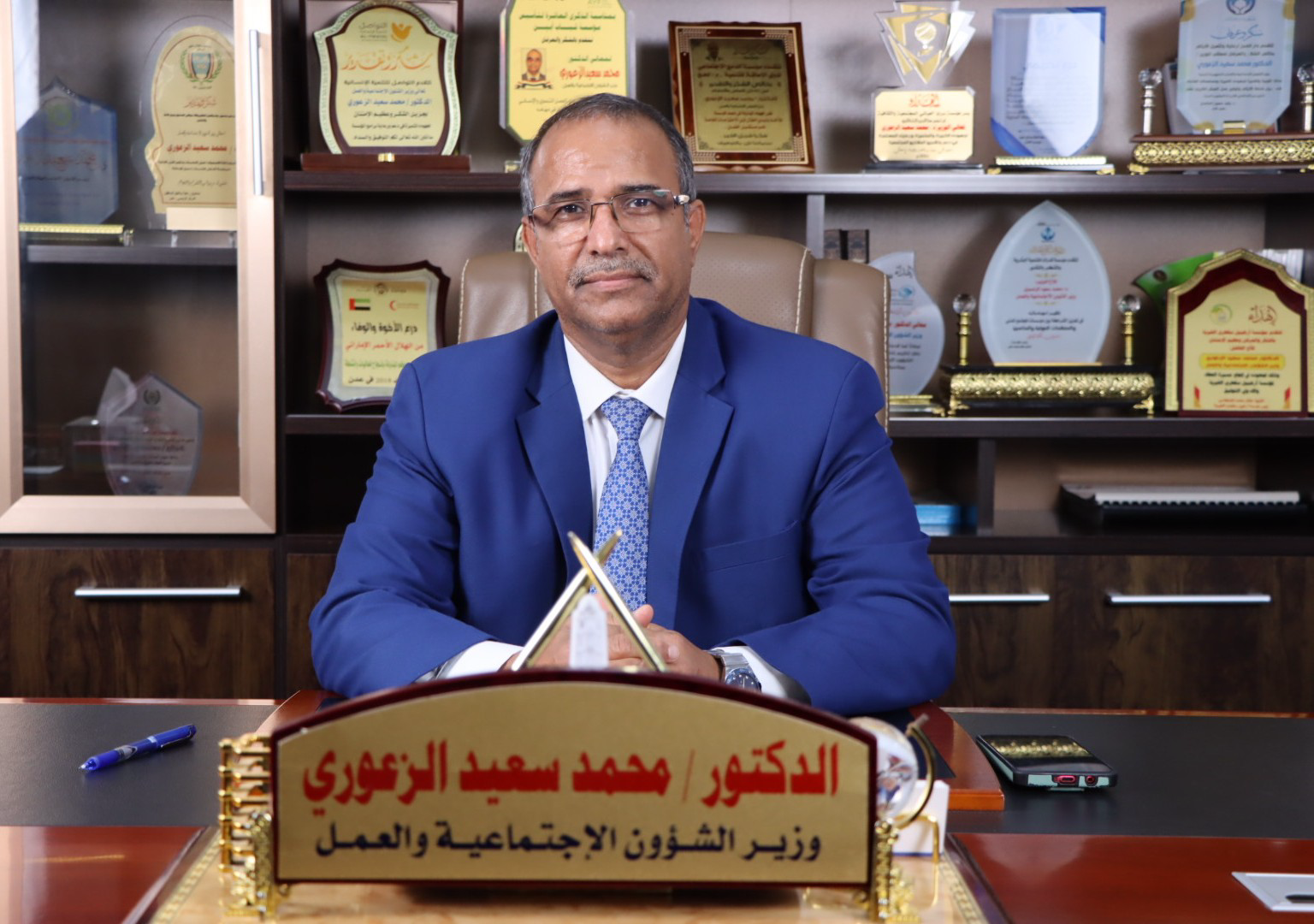
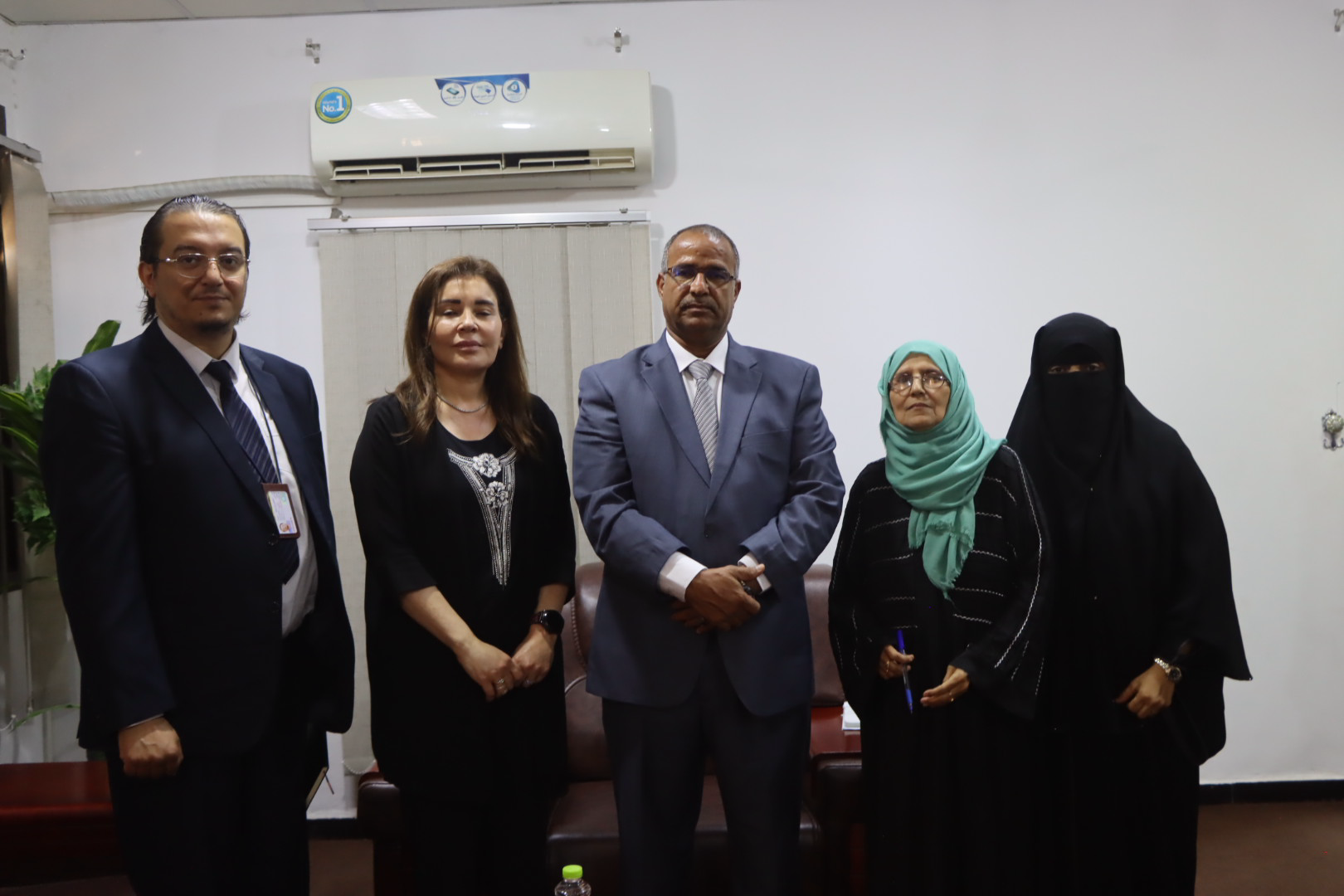
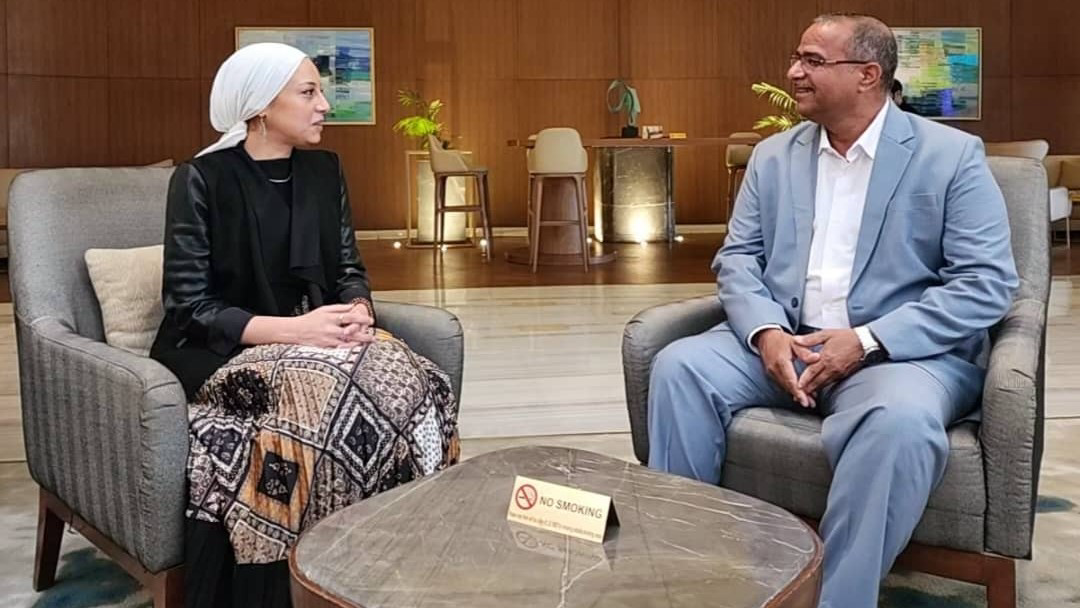
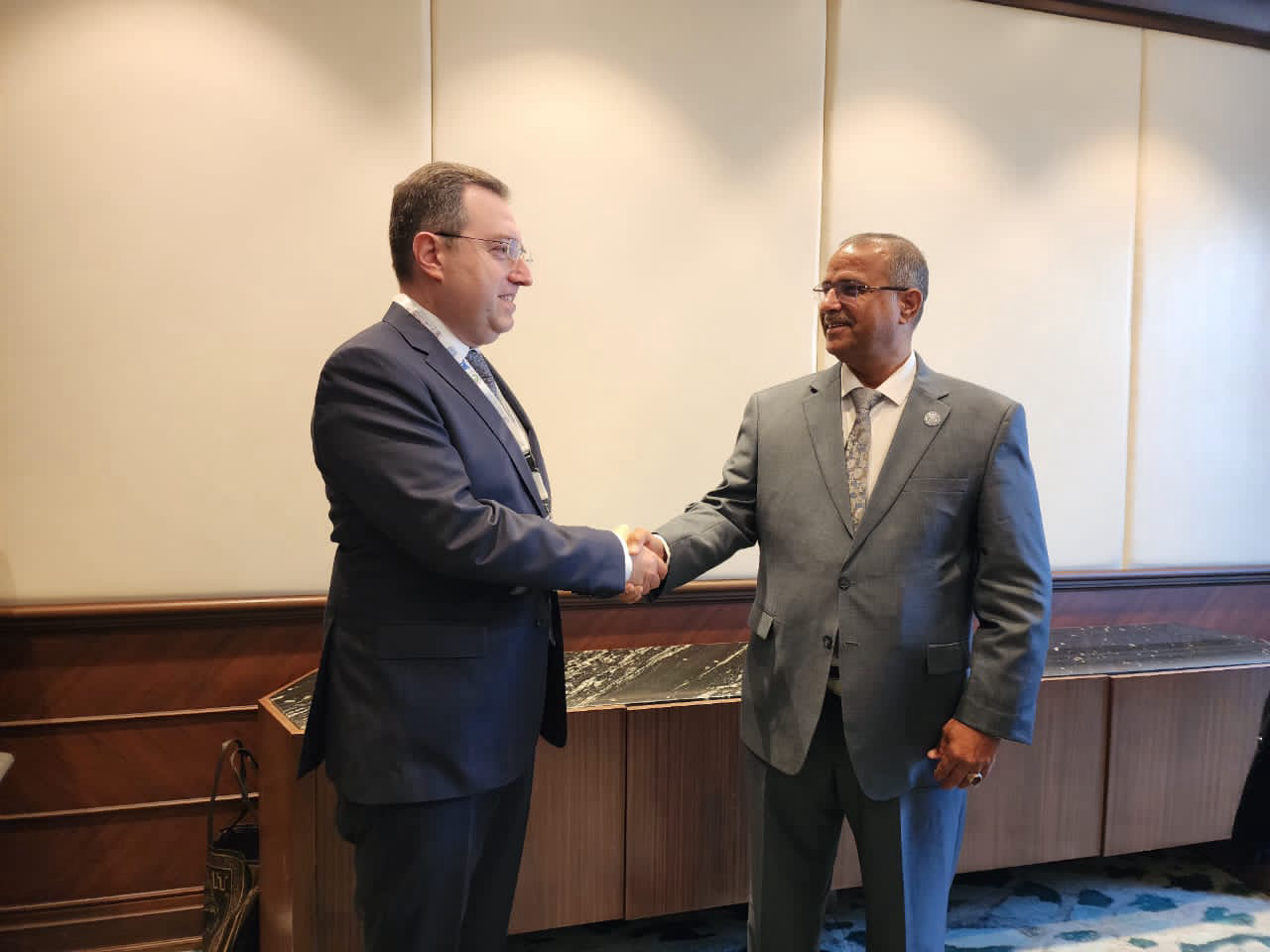
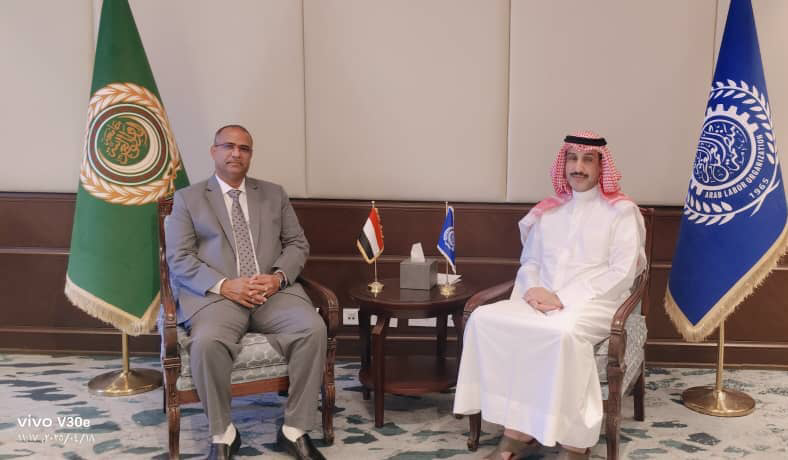
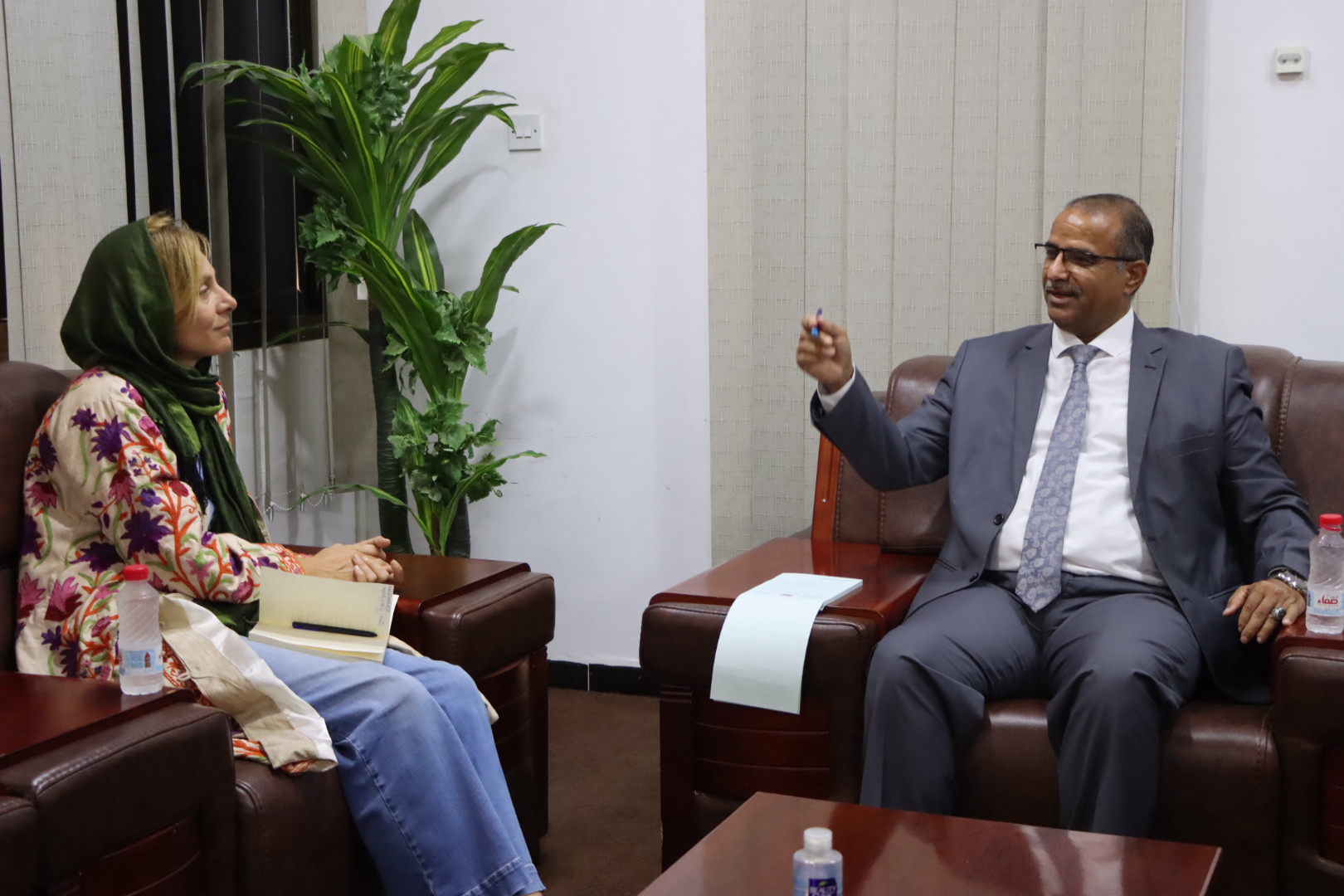
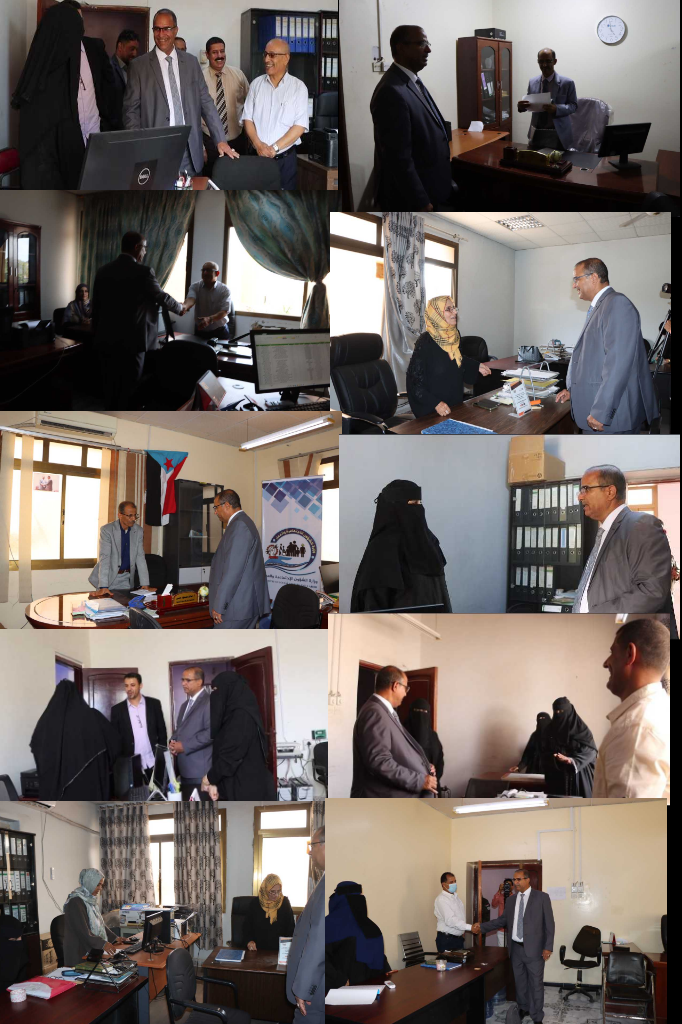
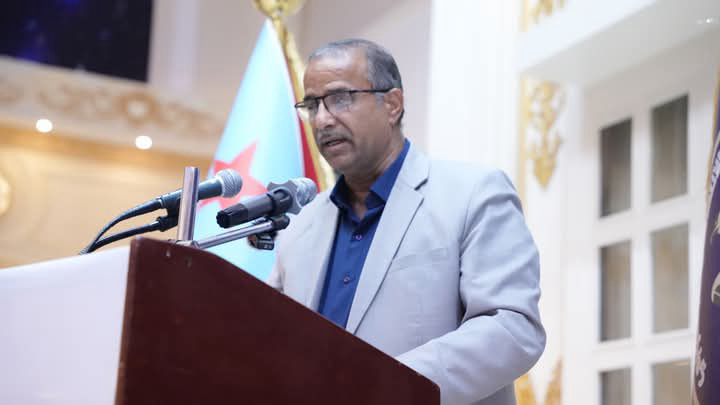
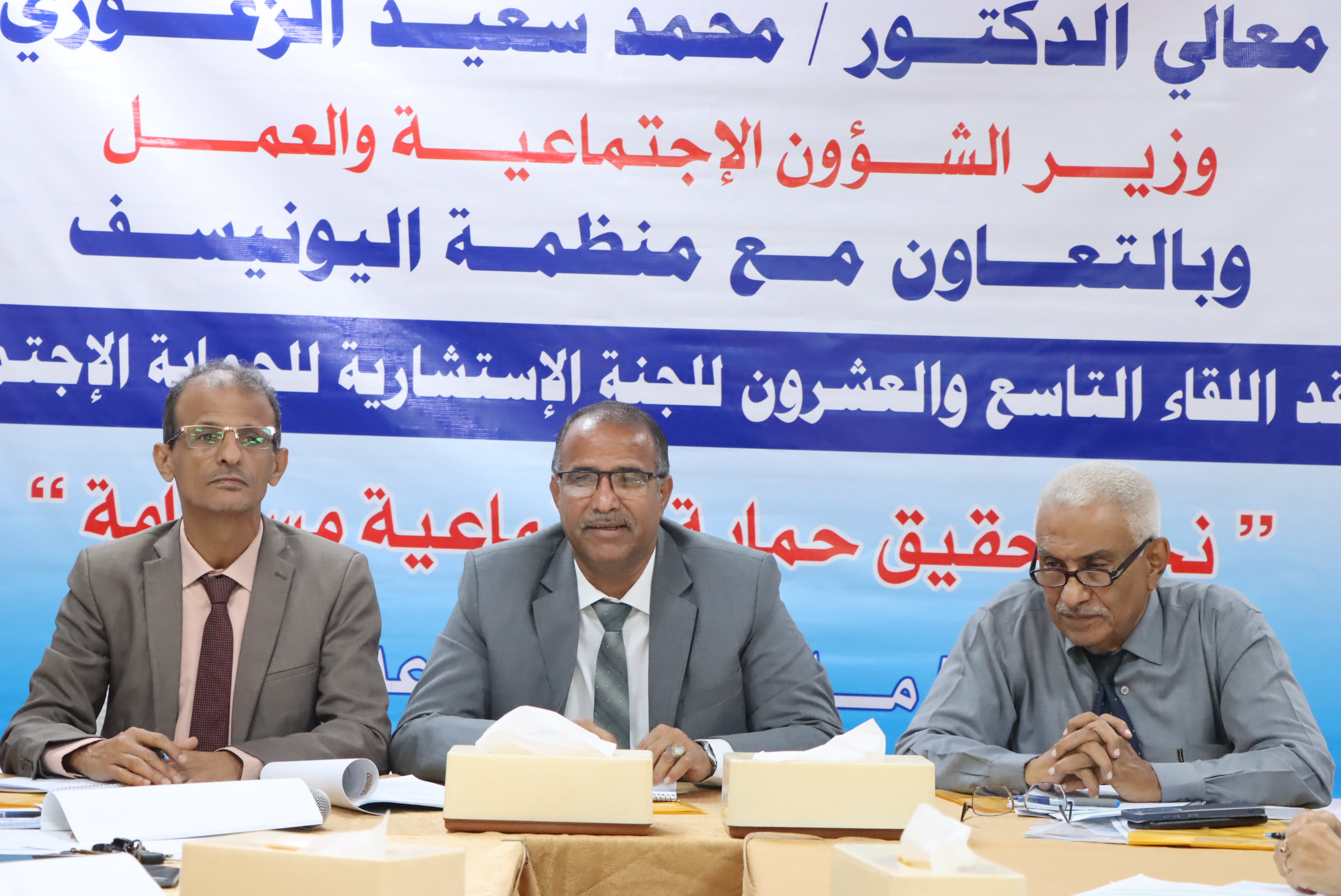
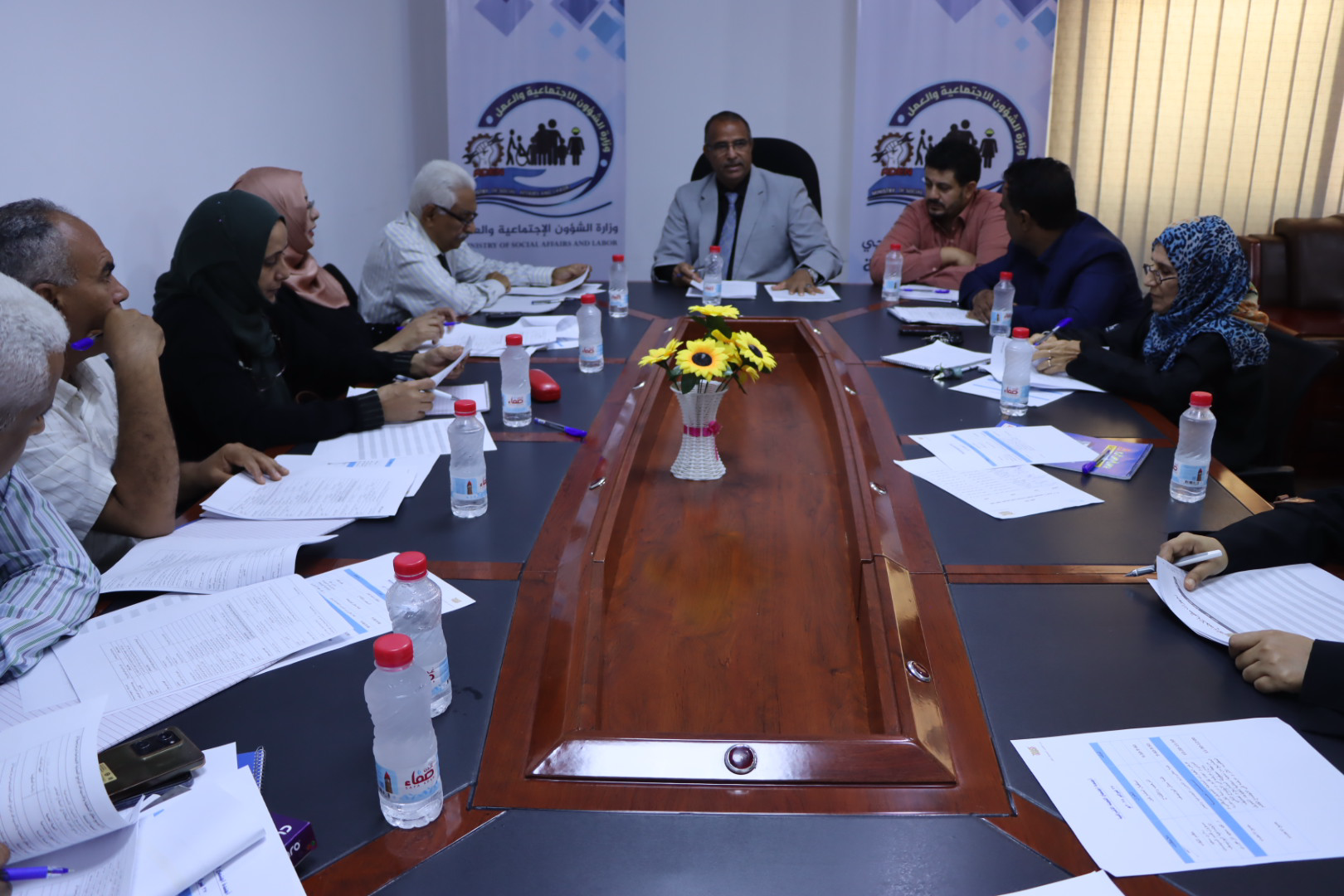
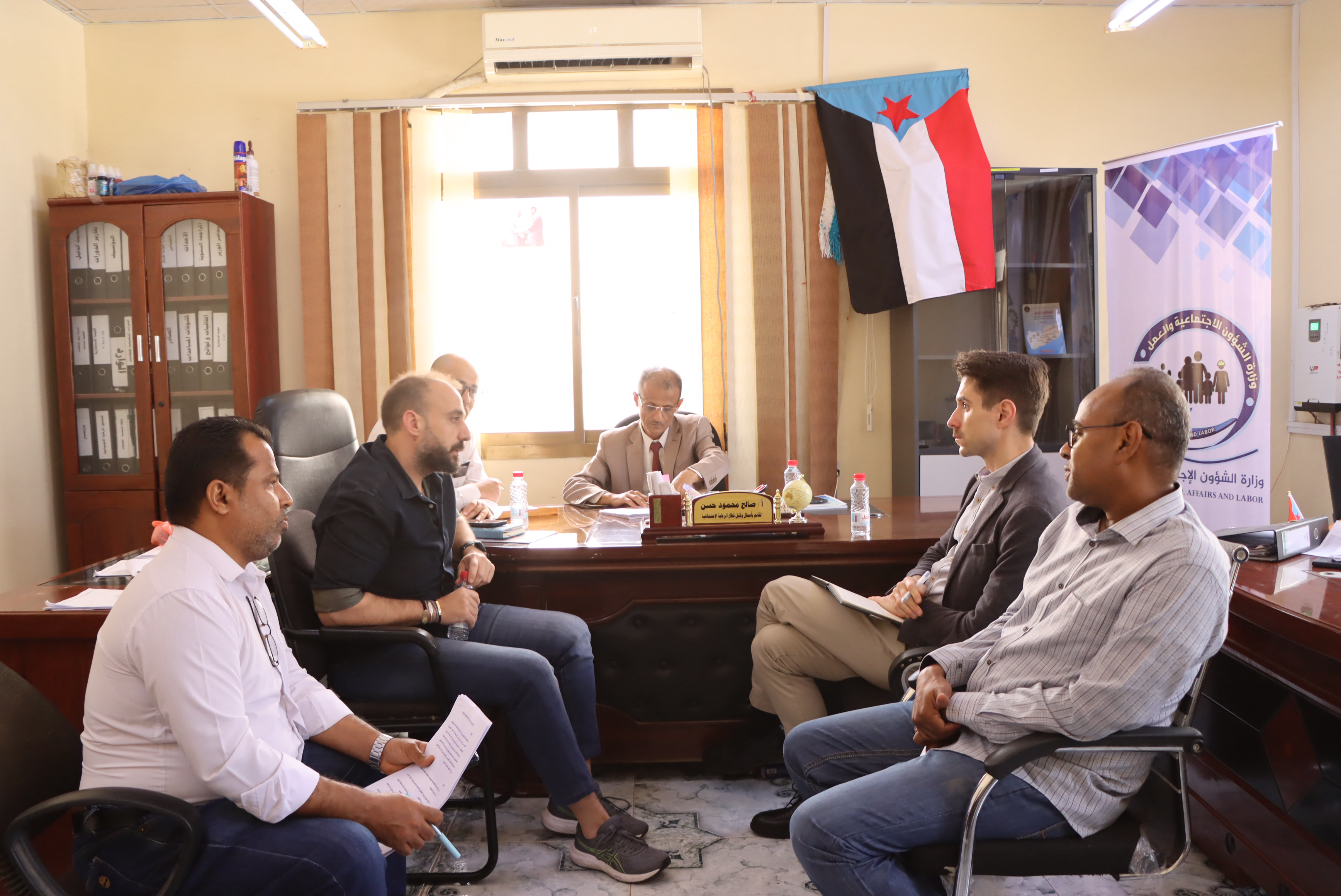
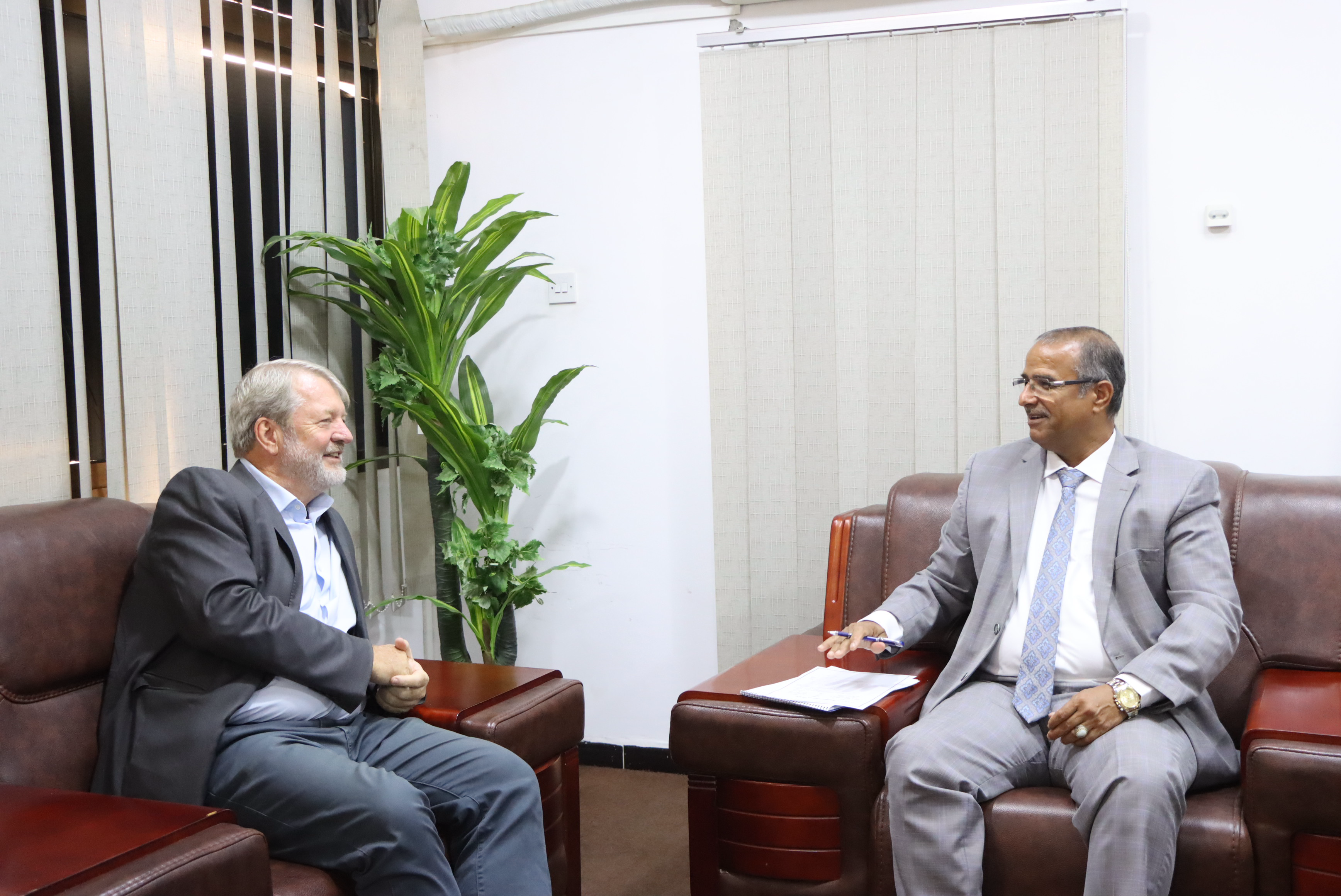
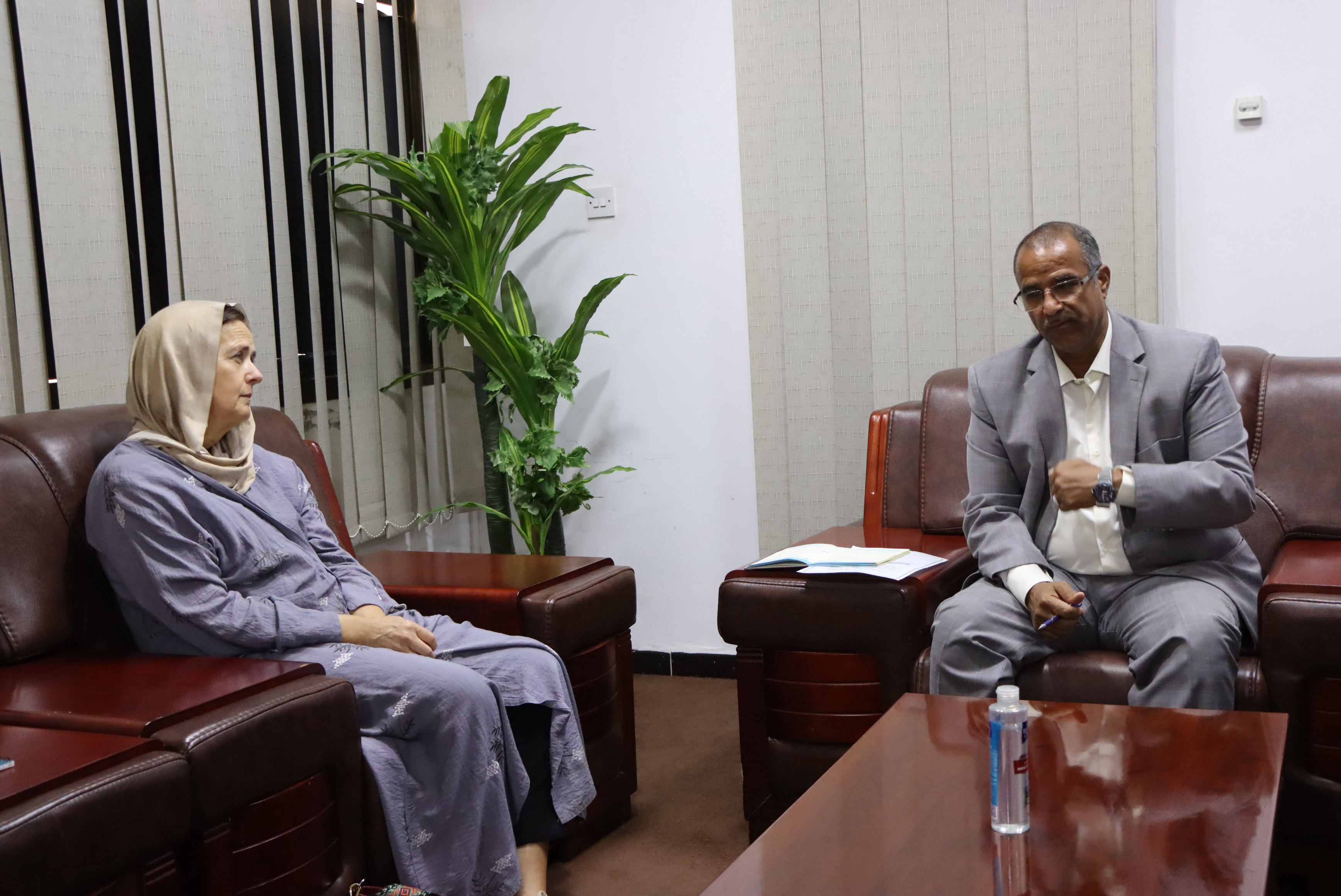
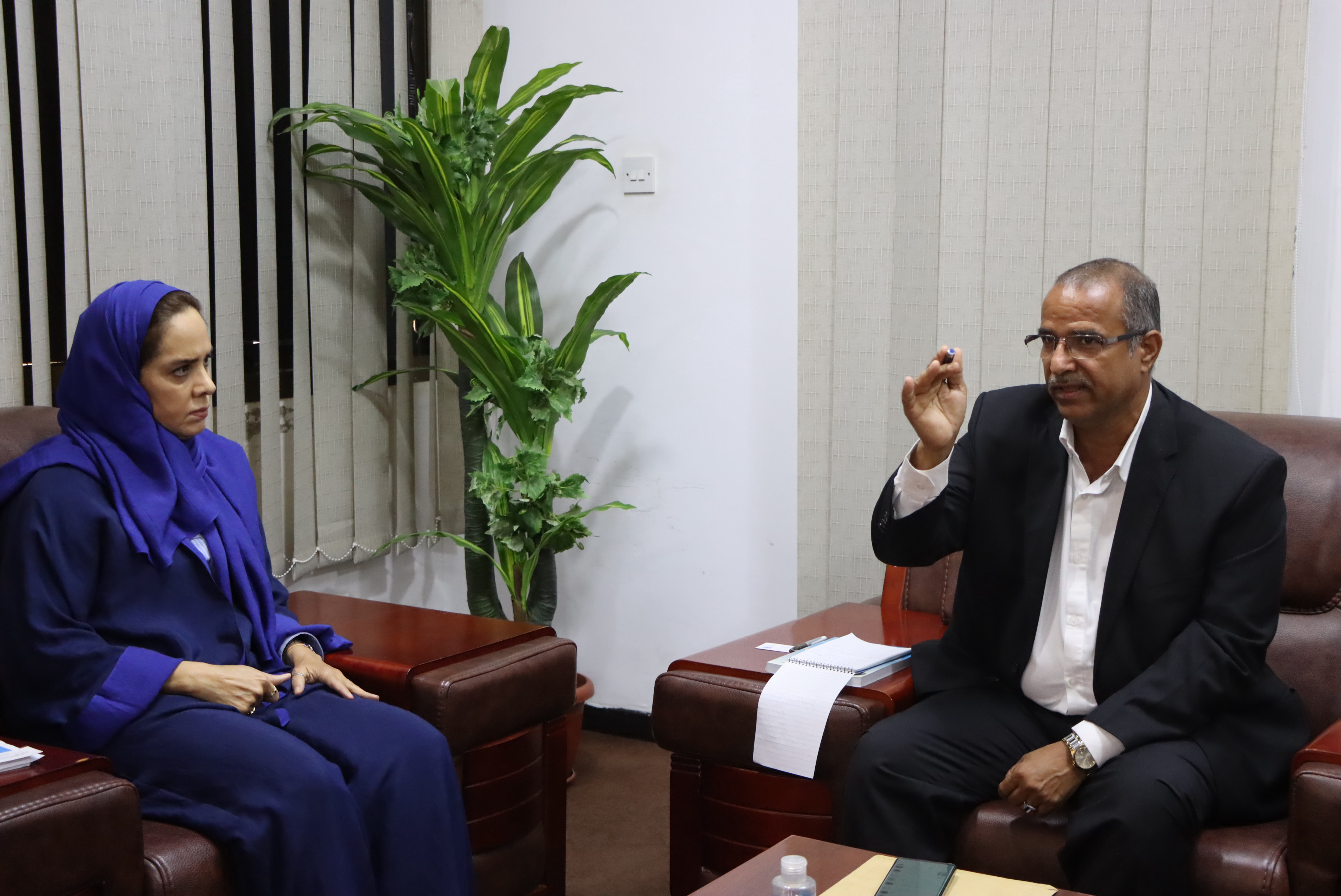
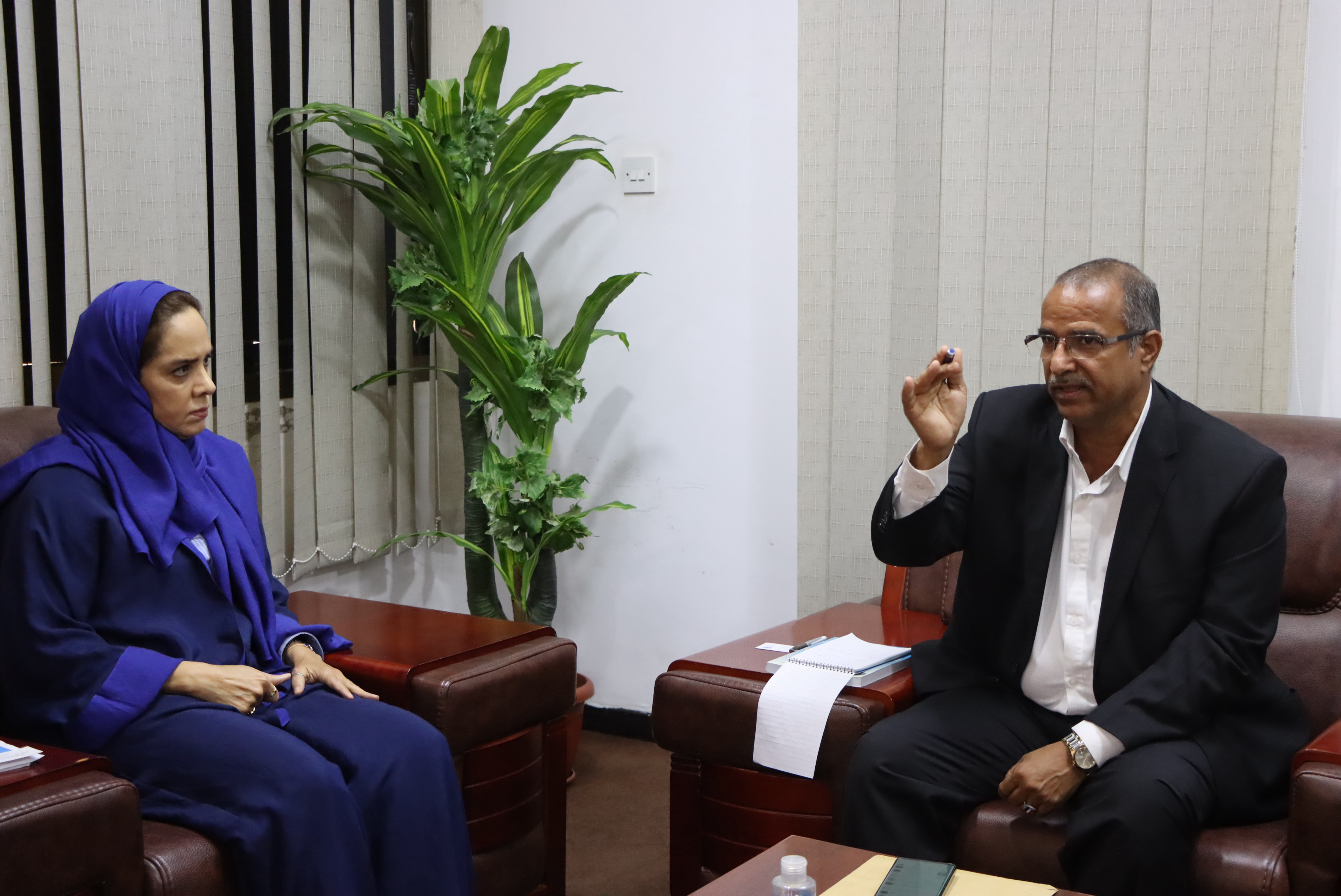
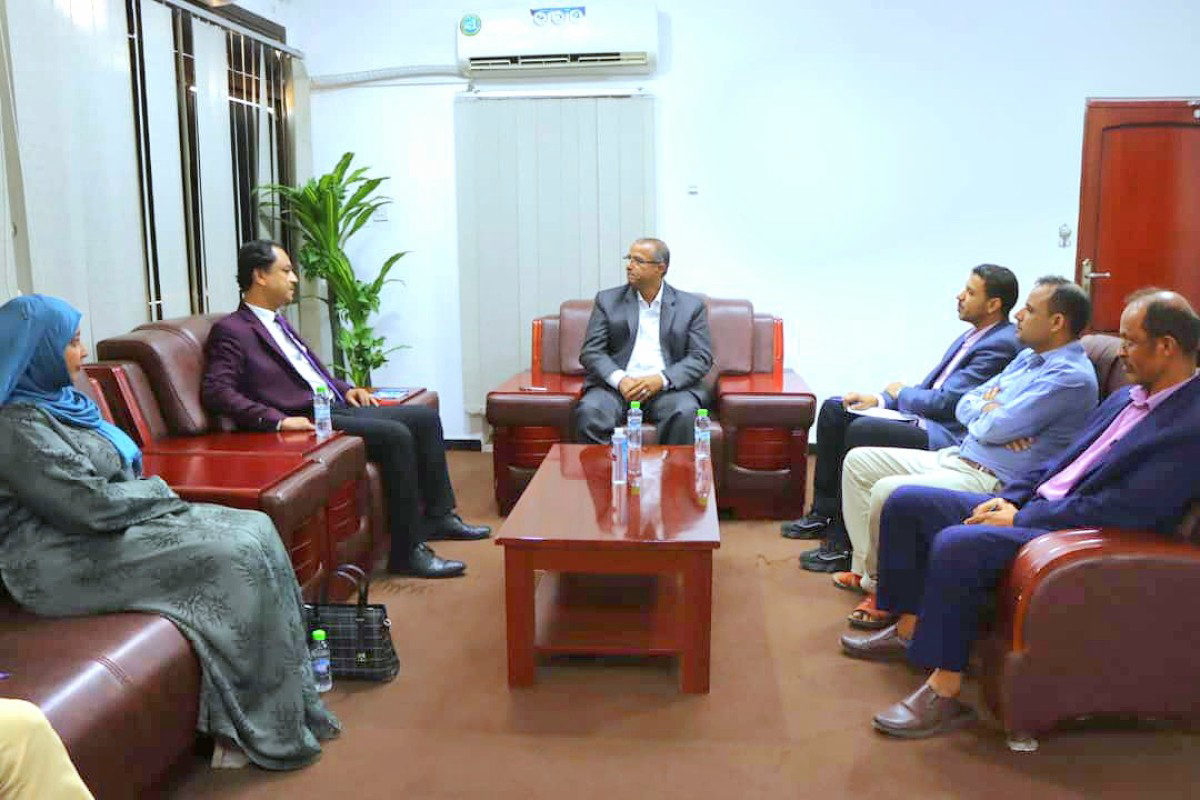
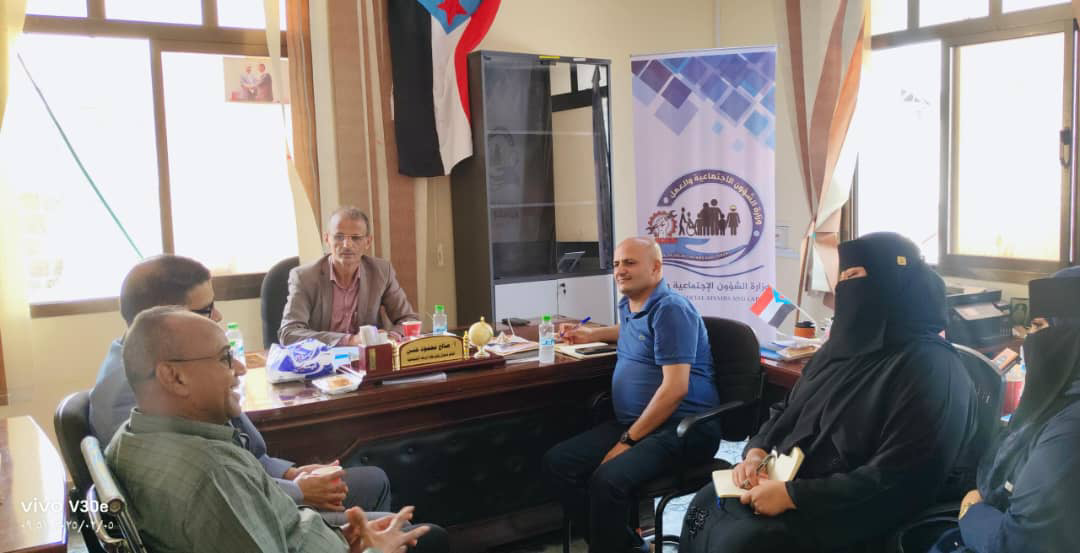
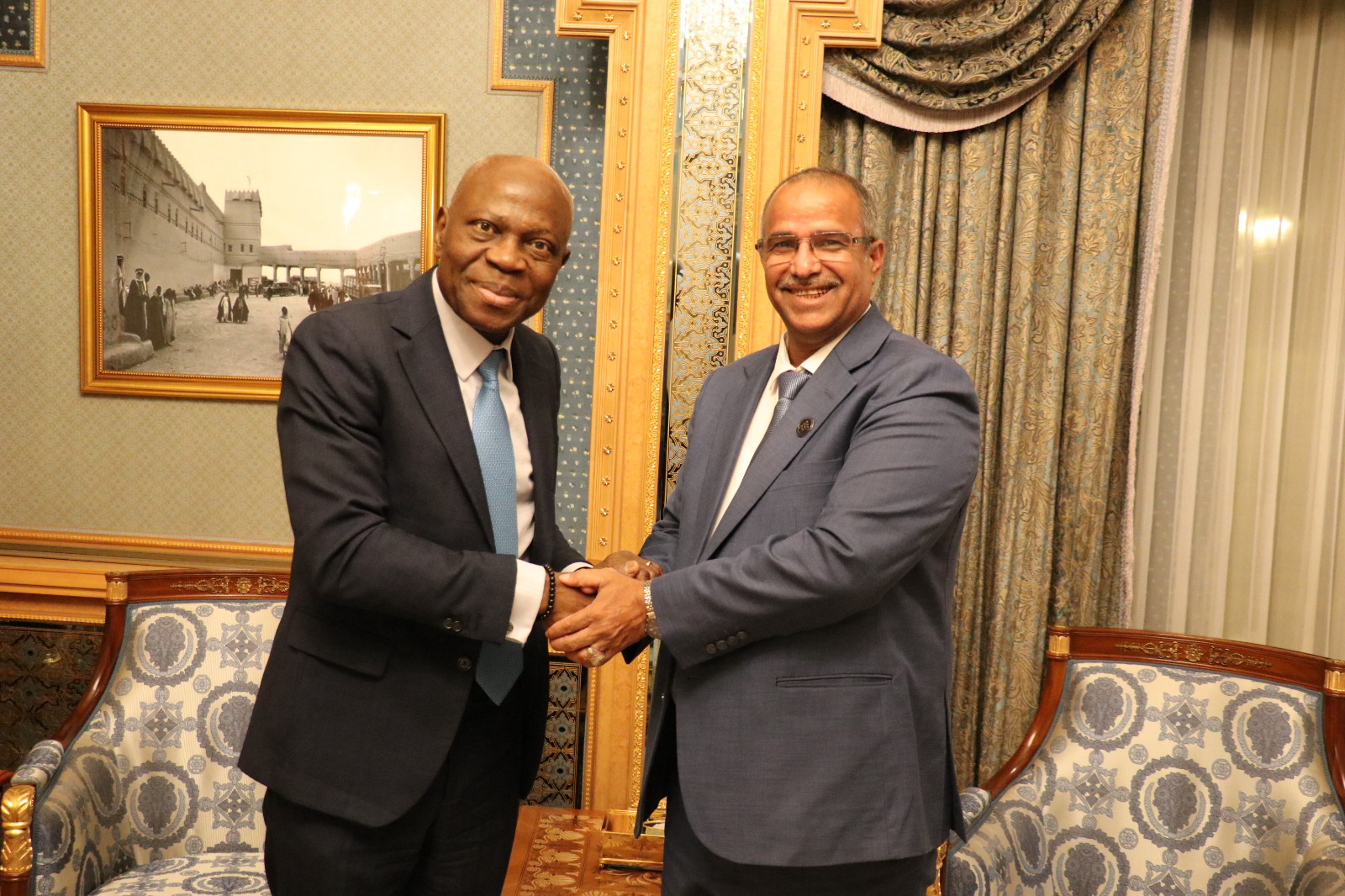
This came during his meeting today at Ma’ashiq Palace in the interim capital Aden with the Minister of Social Affairs and Labor, Mokhtar Al-Yafei, as part of efforts to monitor the ministry’s performance and review its plans and programs for the upcoming phase.
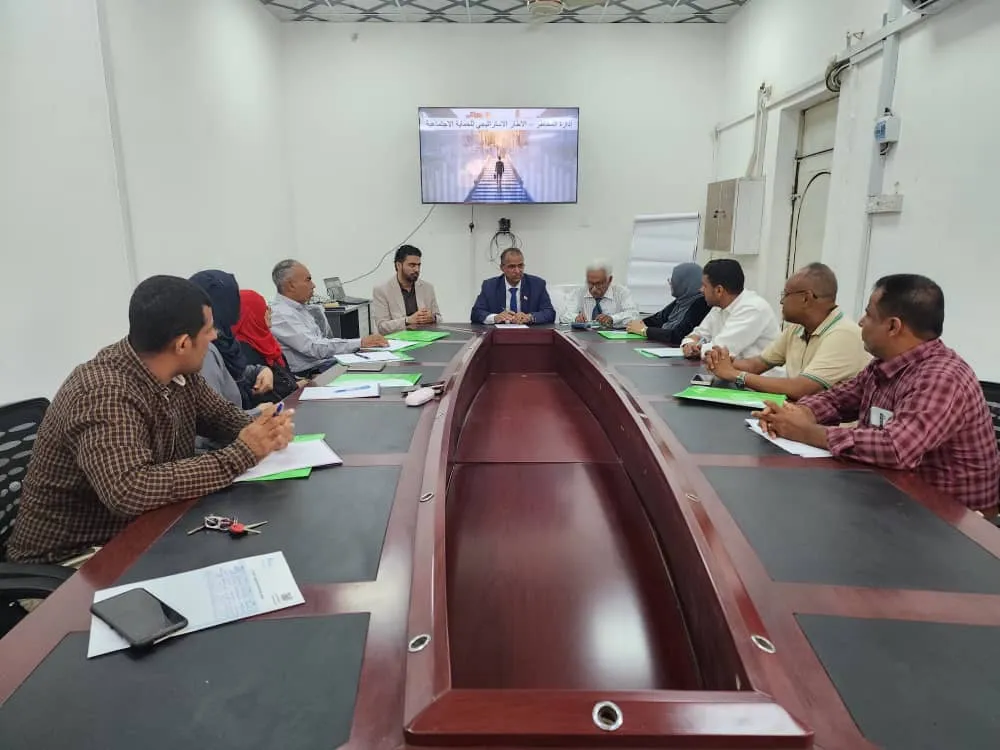
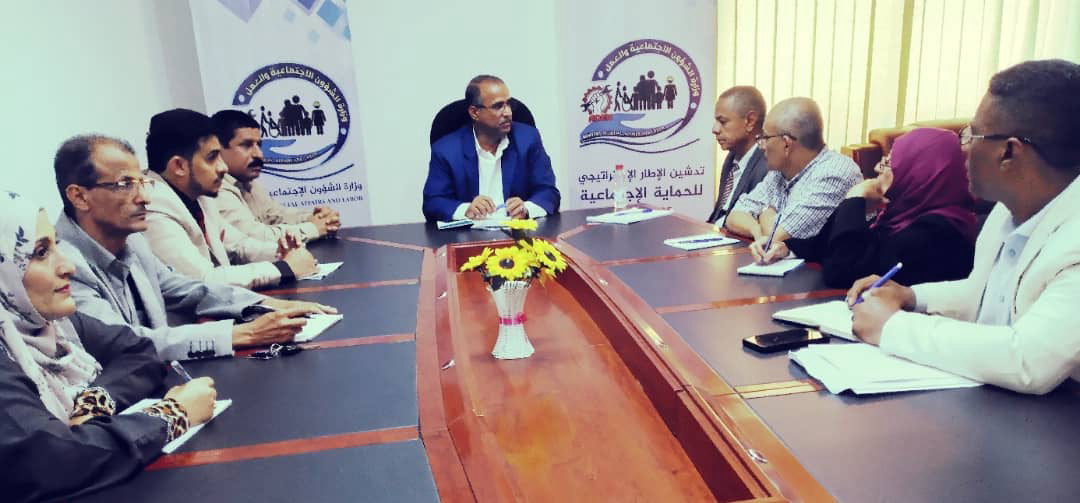
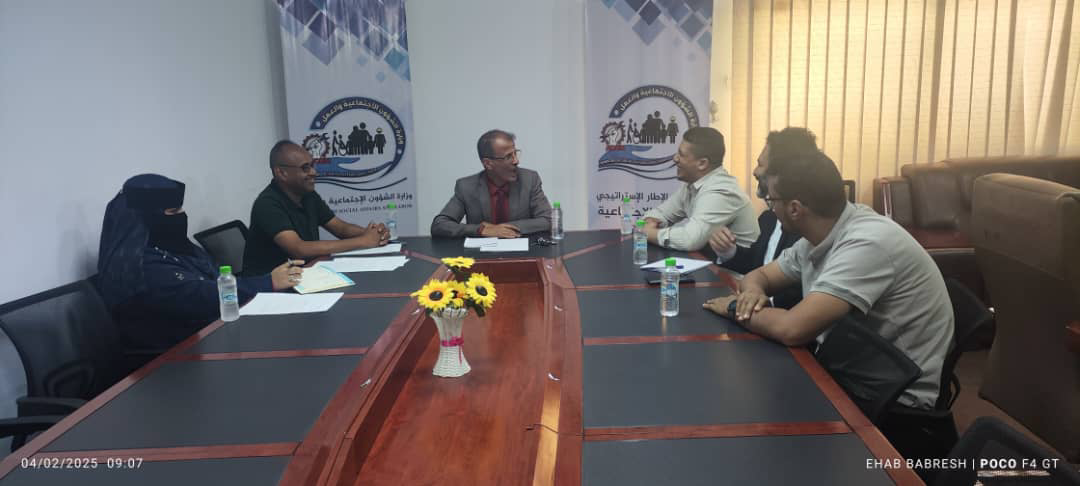
Lt. Gen. Al-Subaihi listened to a comprehensive briefing on the ministry’s current situation and the challenges facing its operations, as well as the efforts being made to enhance institutional performance and improve the quality of services provided to citizens. These efforts reflect the government’s direction toward strengthening administrative and service efficiency.
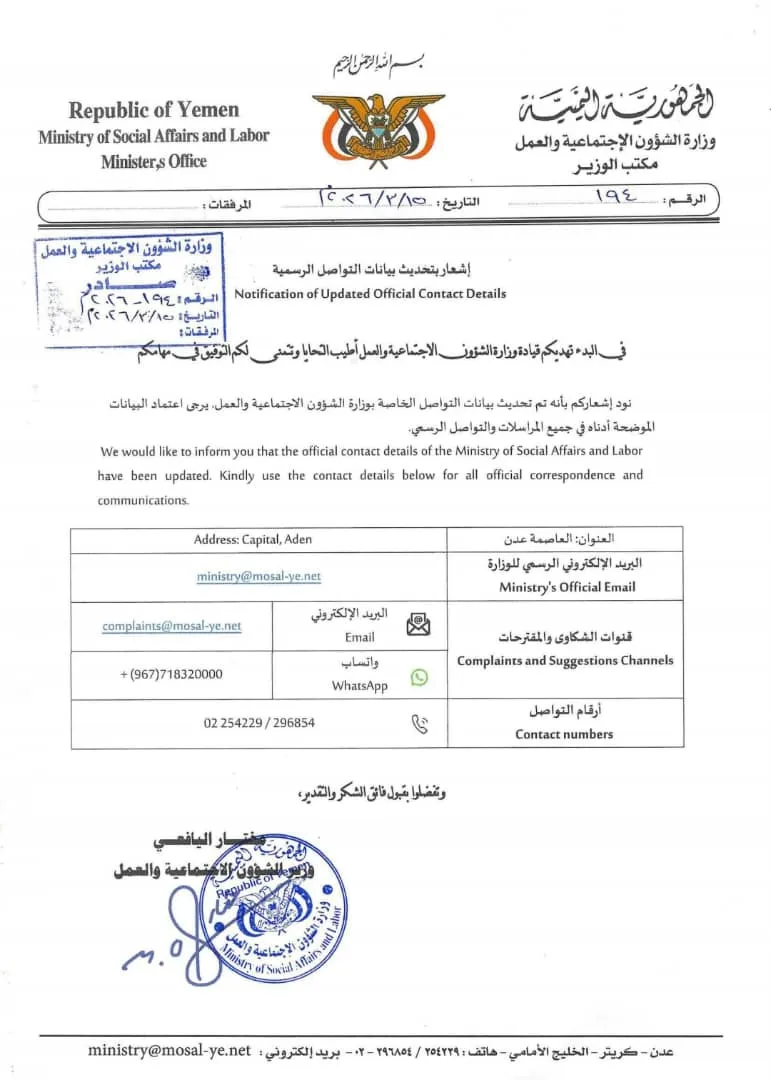
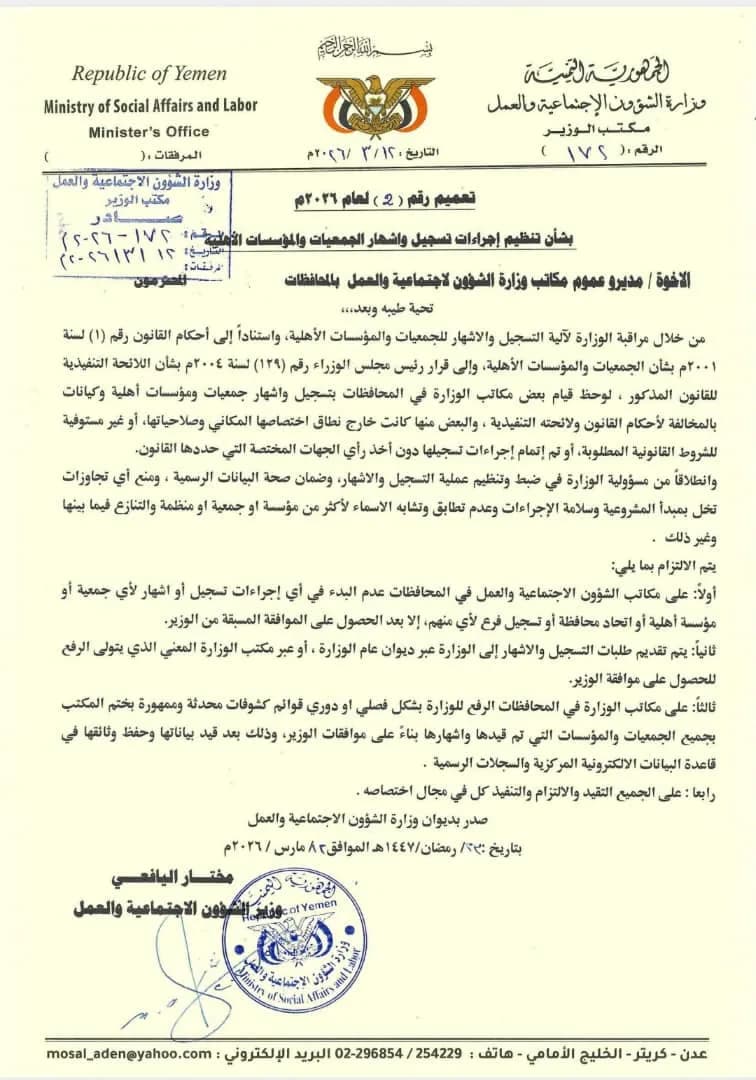
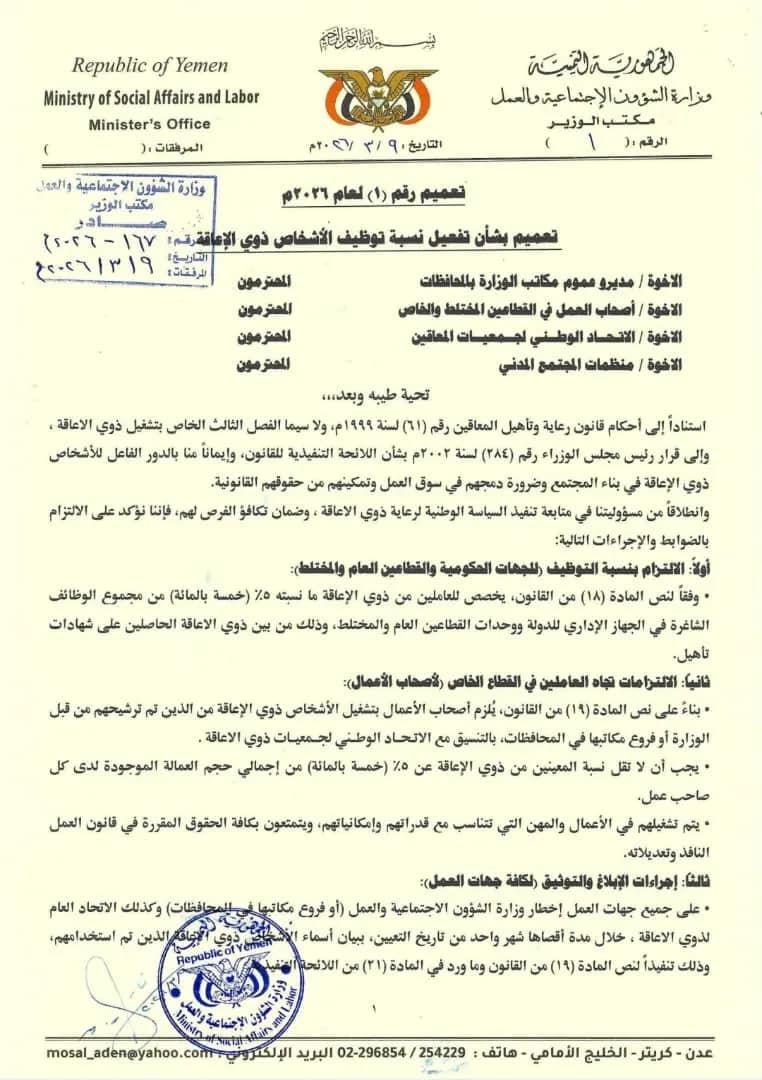
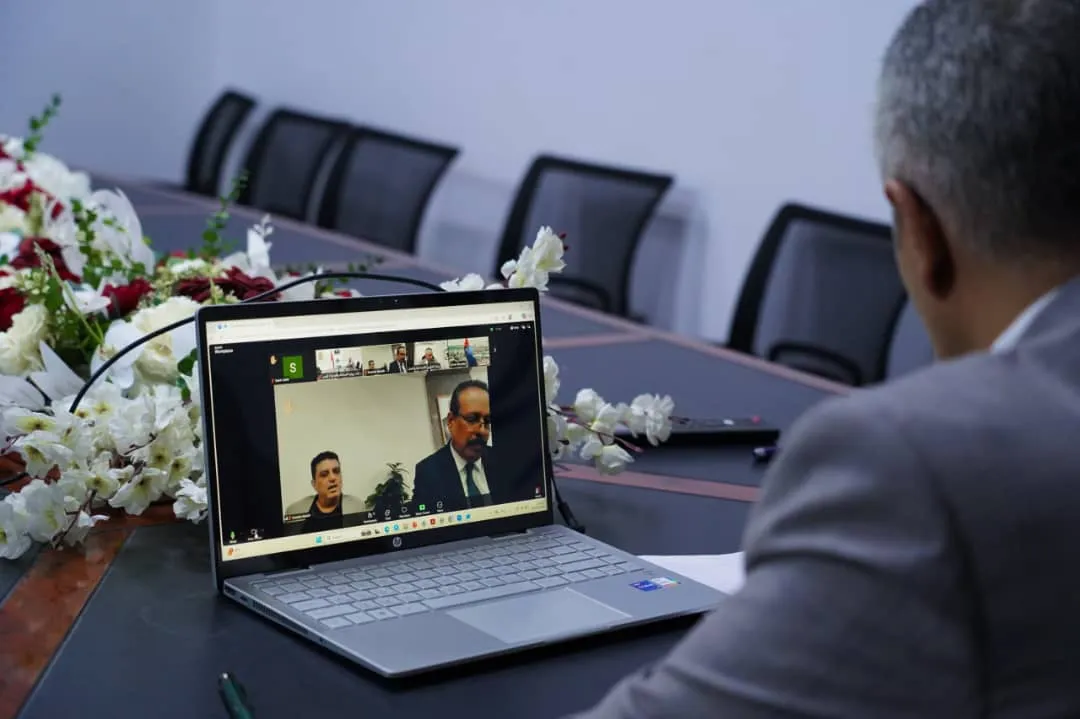
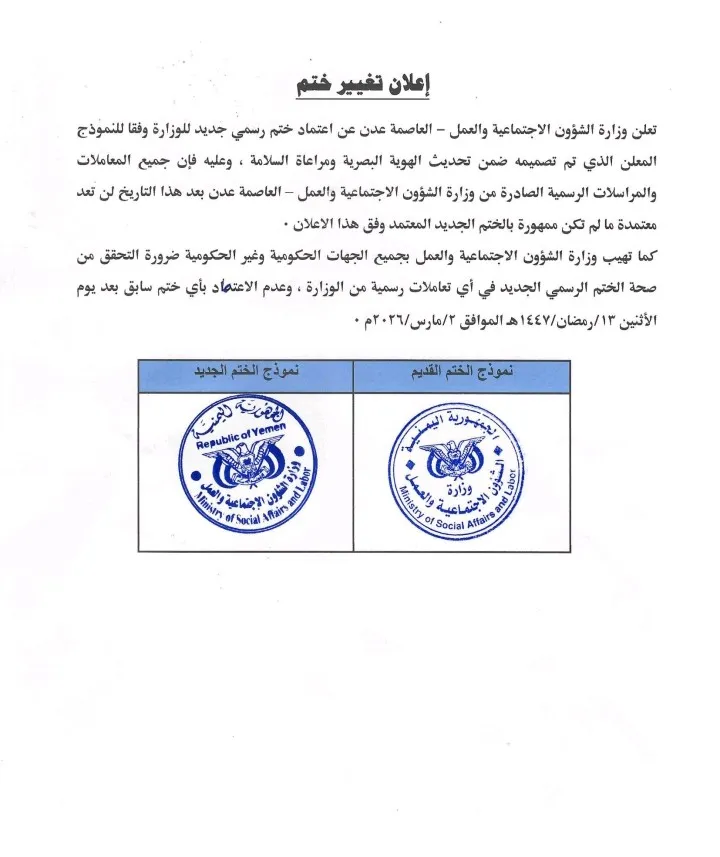
The Presidential Leadership Council member also reviewed the ministry’s plans aimed at achieving a qualitative transformation in its institutional performance. He praised the efforts made to enhance the ministry’s efficiency and stressed the importance of developing government work, strengthening institutional capacity, and keeping pace with modern transformations—particularly in the field of digital transformation—given its vital role in simplifying procedures, improving service quality, and enhancing communication channels with citizens.
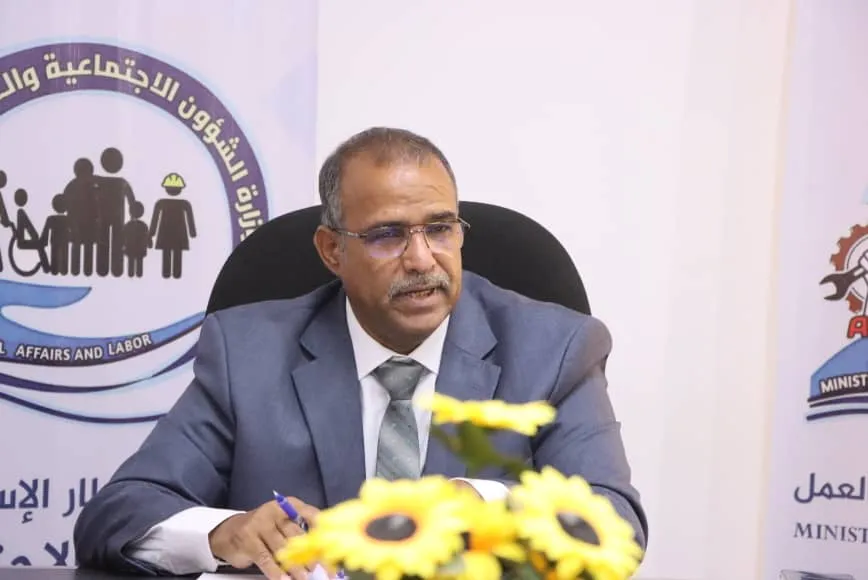
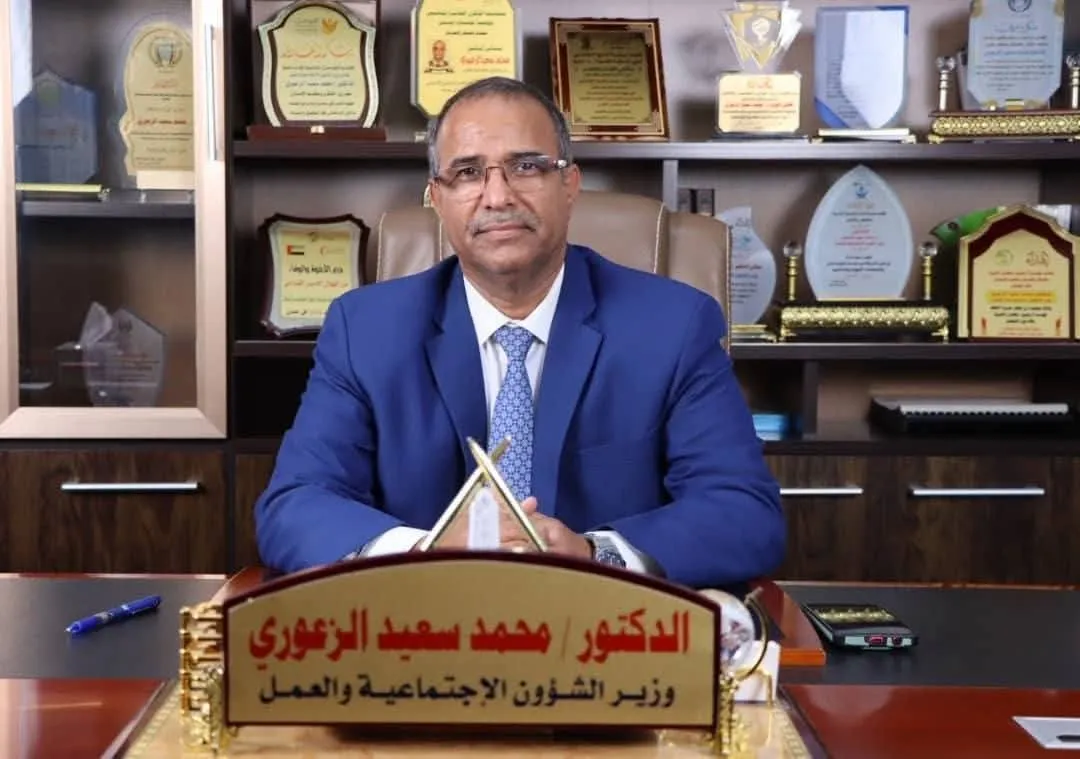
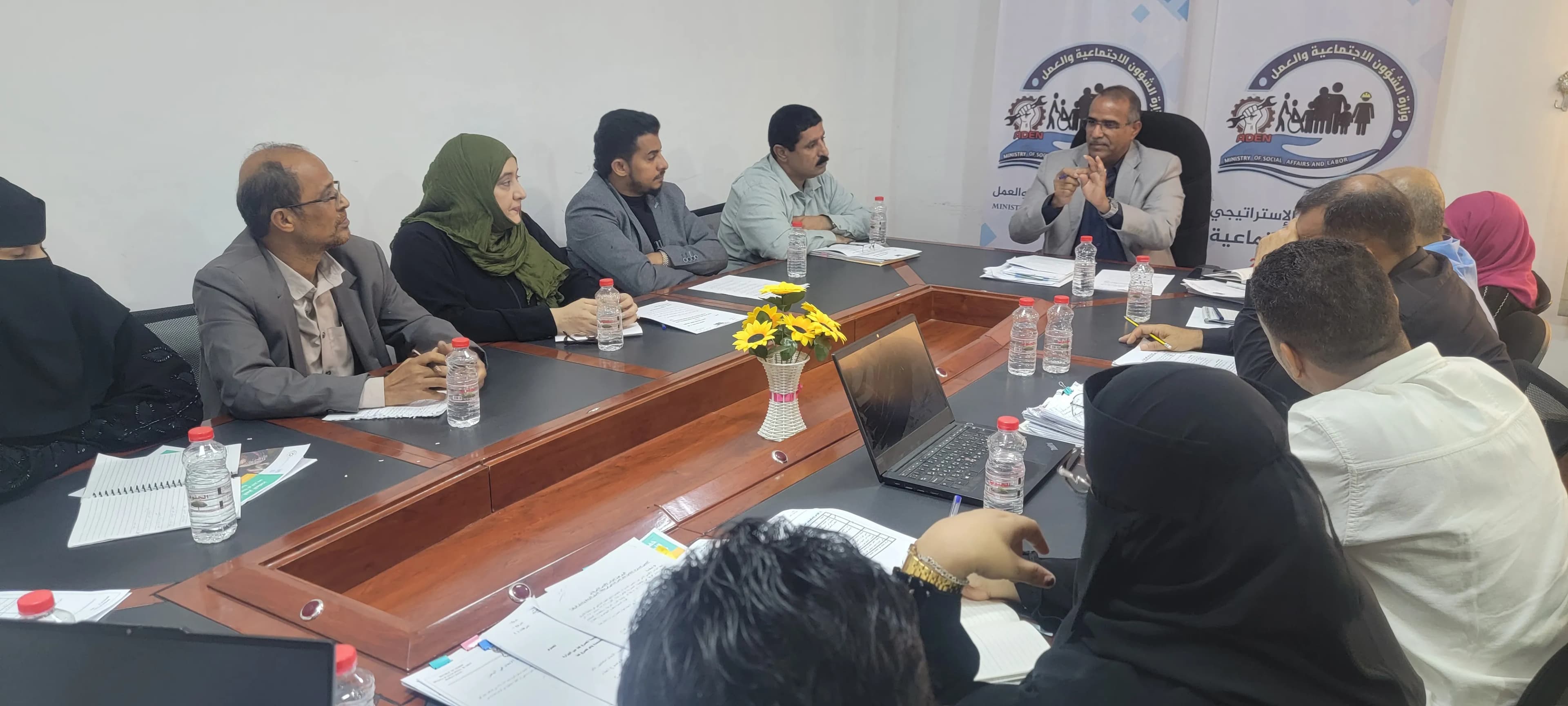
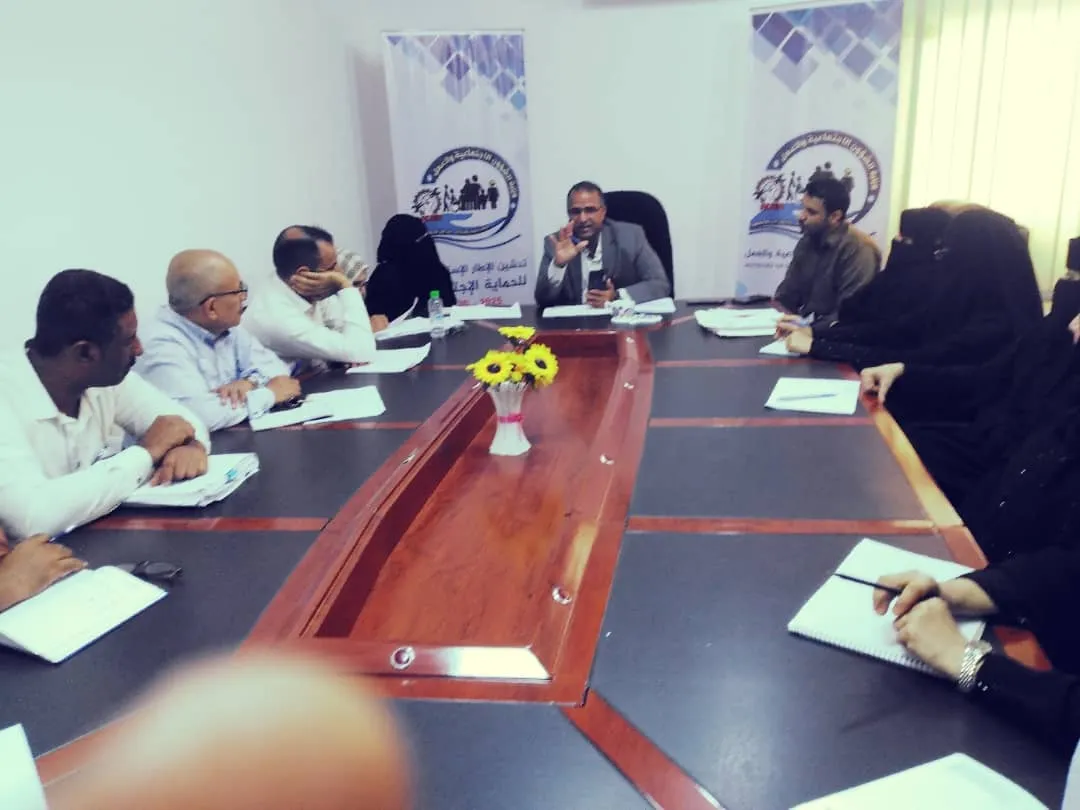
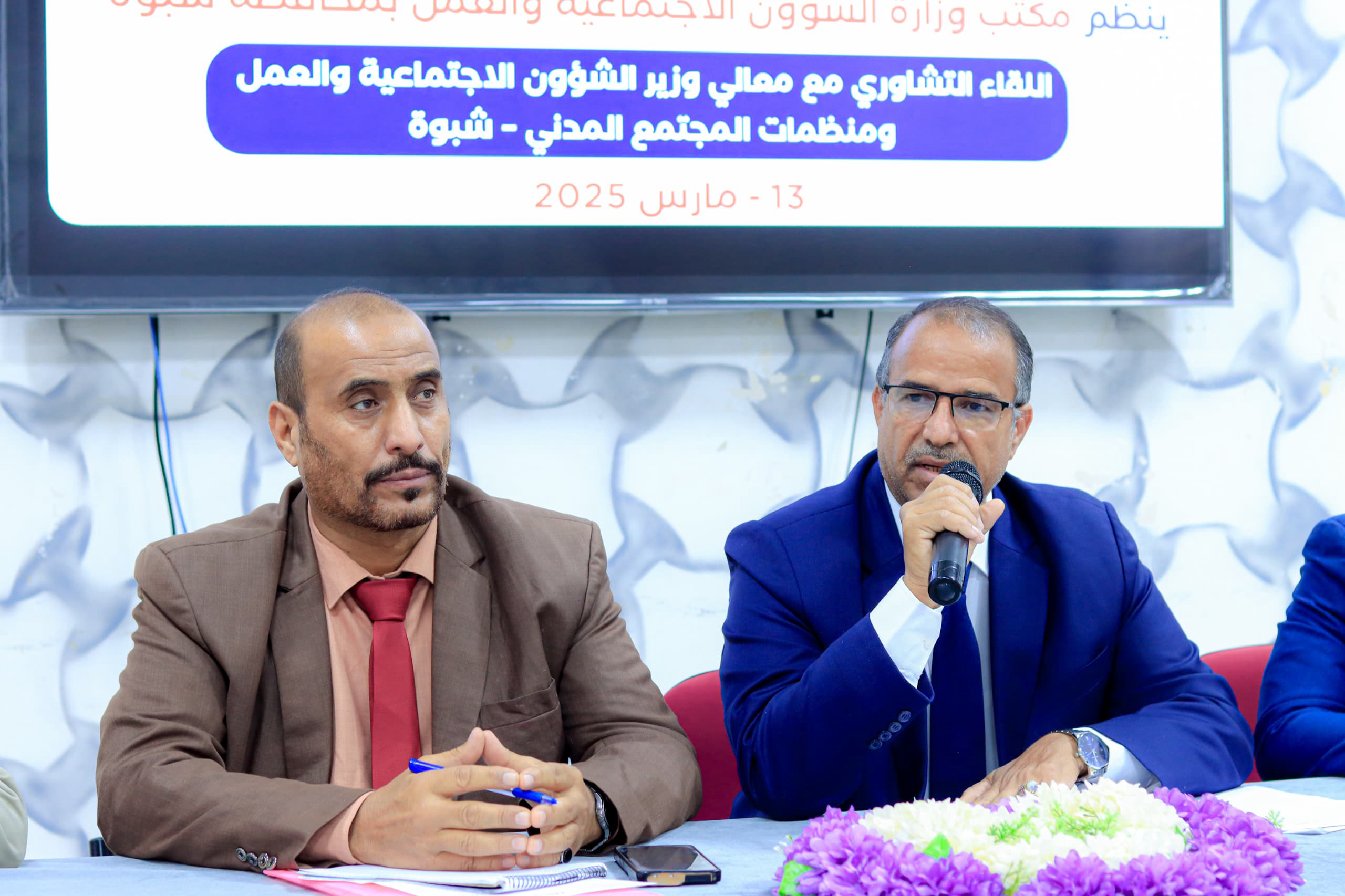
For his part, the Minister of Social Affairs and Labor expressed his appreciation for the efforts of Lt. Gen. Mahmoud Al-Subaihi in supporting institutional reform and modernization initiatives, achieving the ministry’s objectives, and advancing its performance across various sectors.
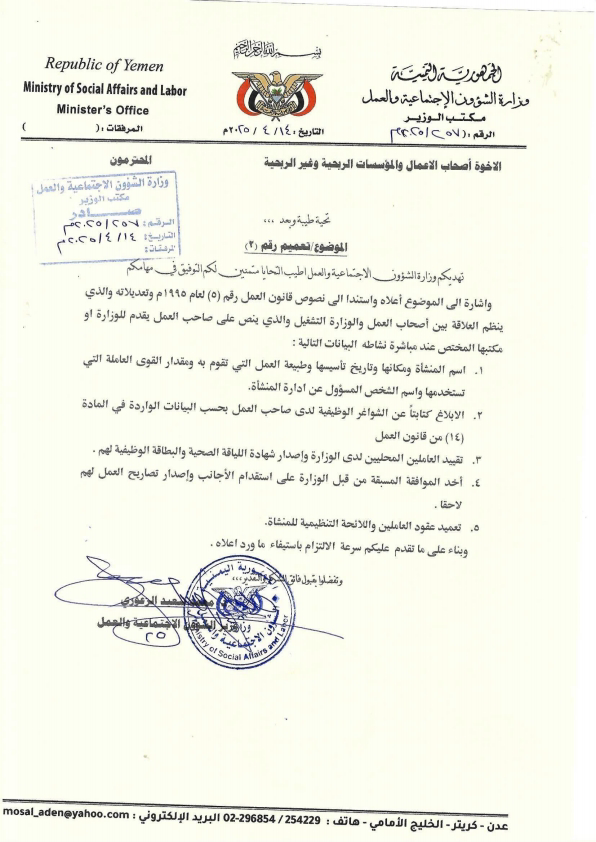
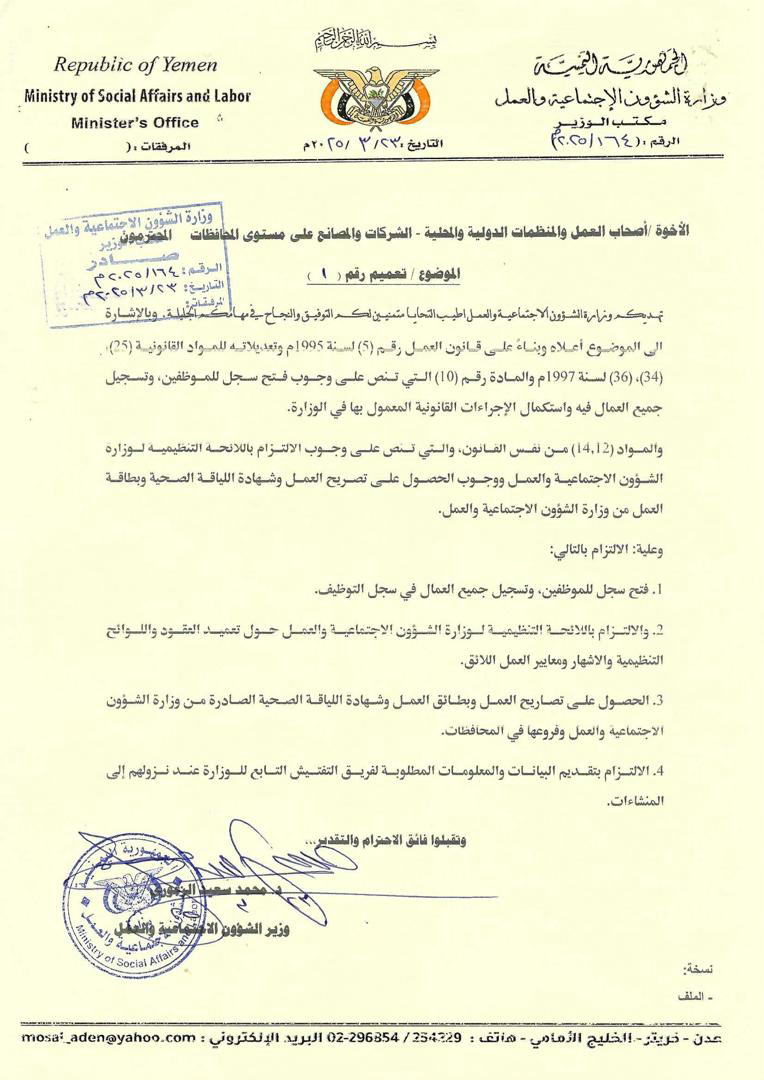
He affirmed the ministry’s commitment to implementing comprehensive development programs, foremost among them the transition to a digital ministry, which will help address many administrative challenges and facilitate citizens’ access to services efficiently and transparently.