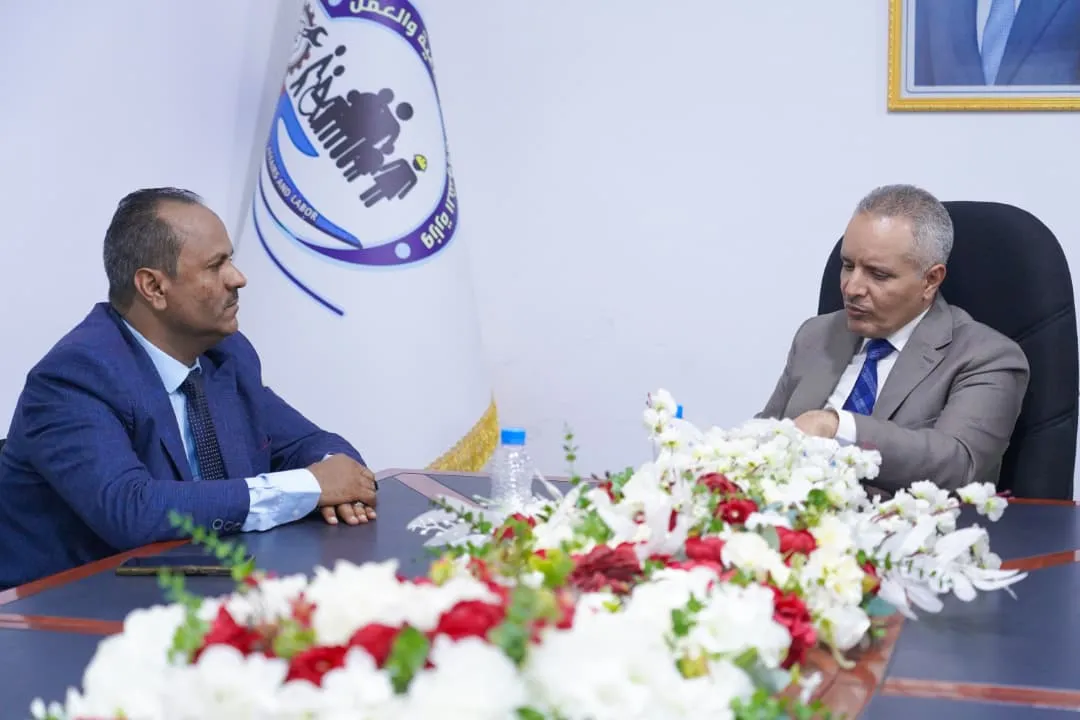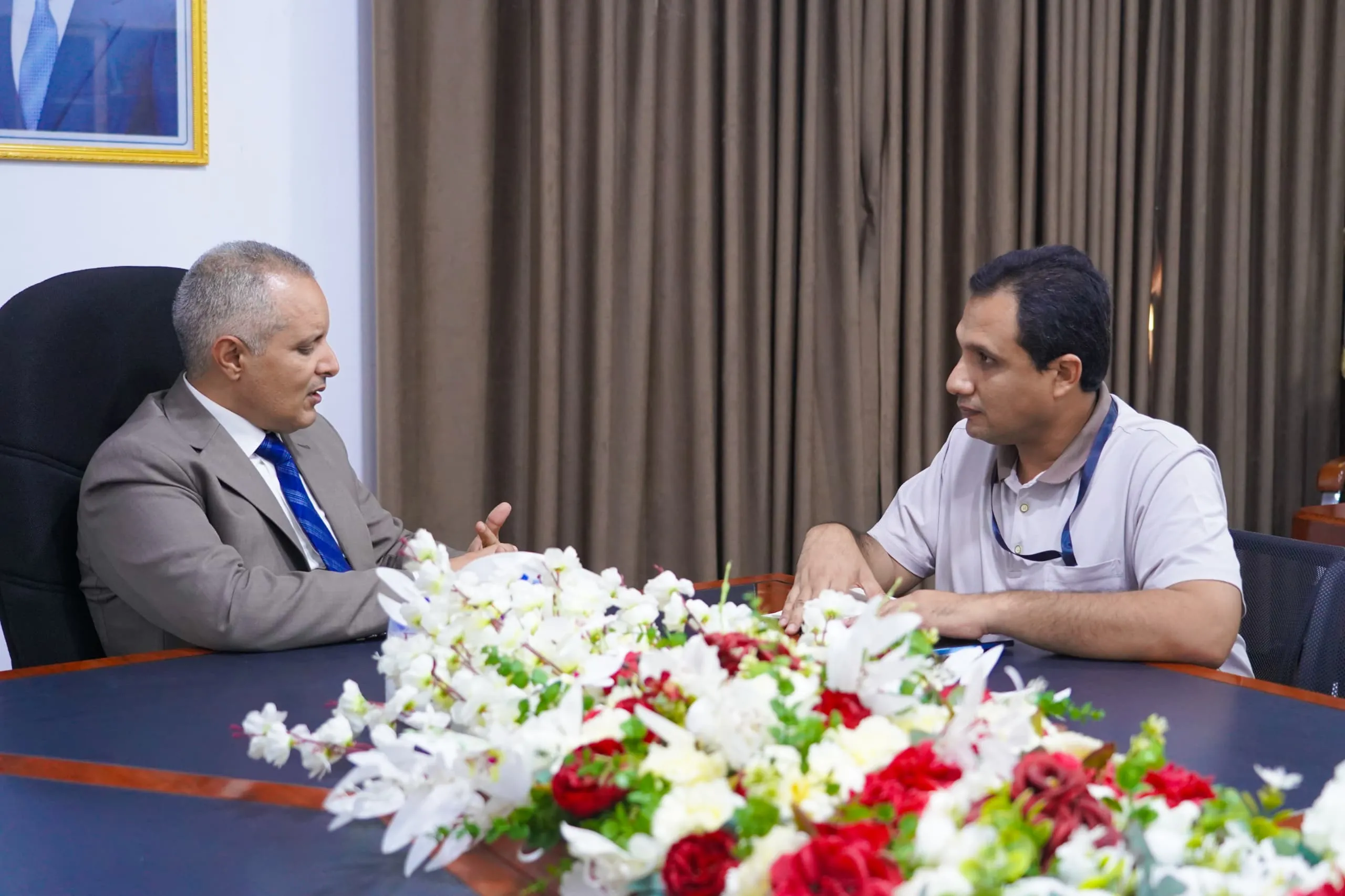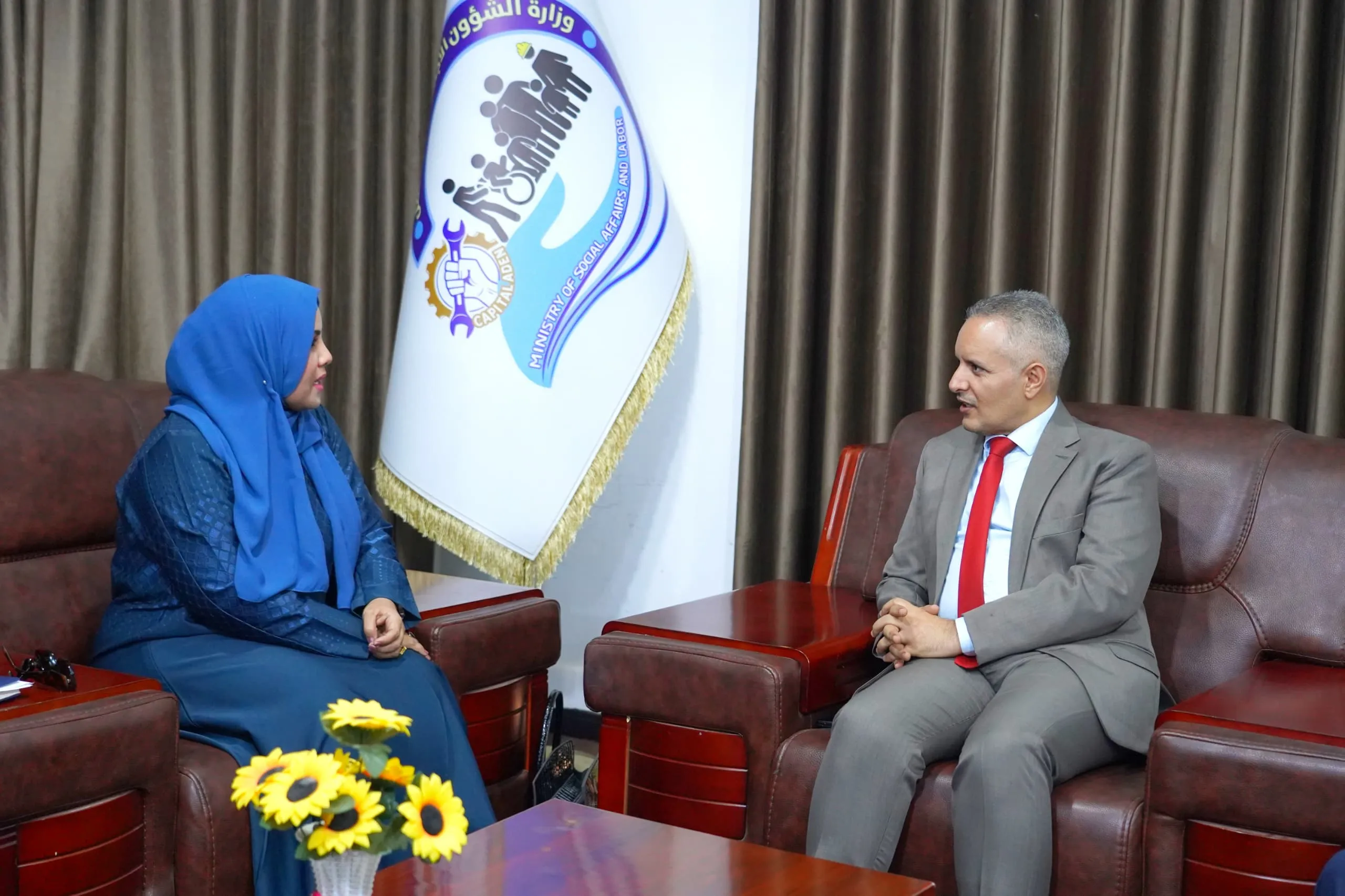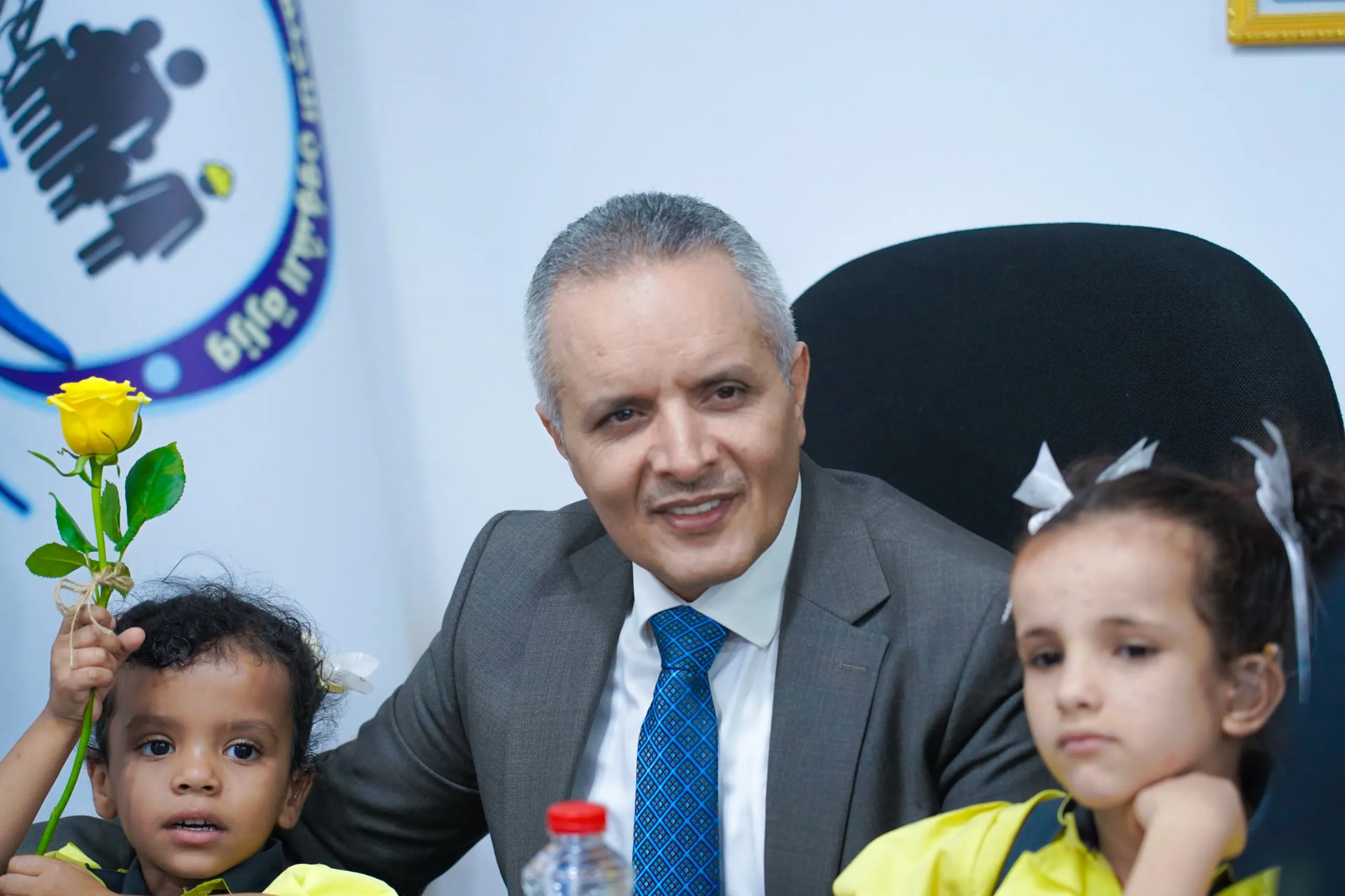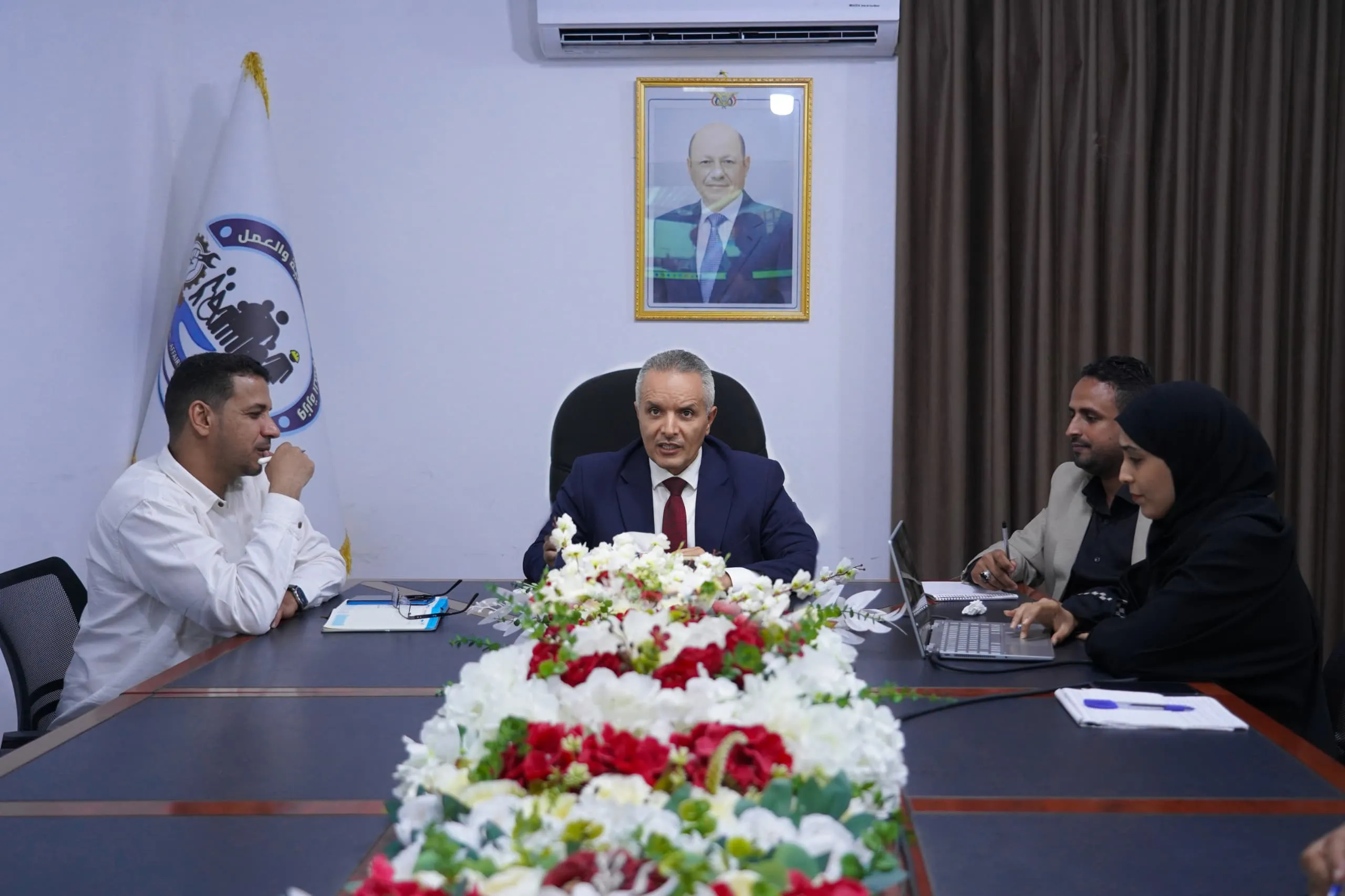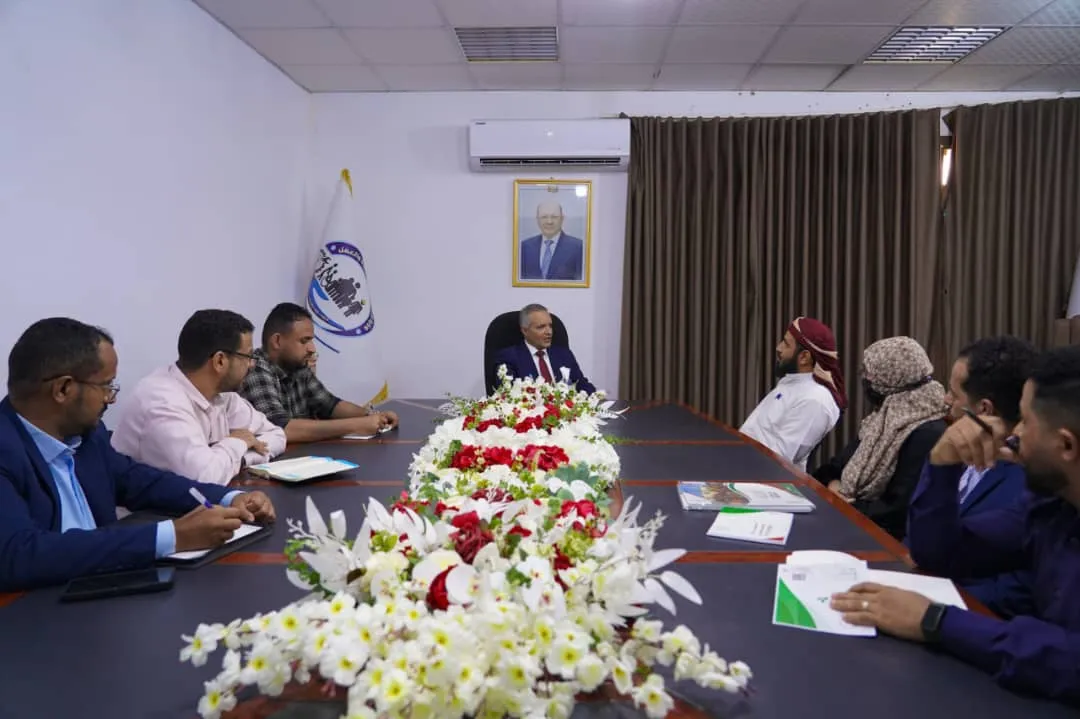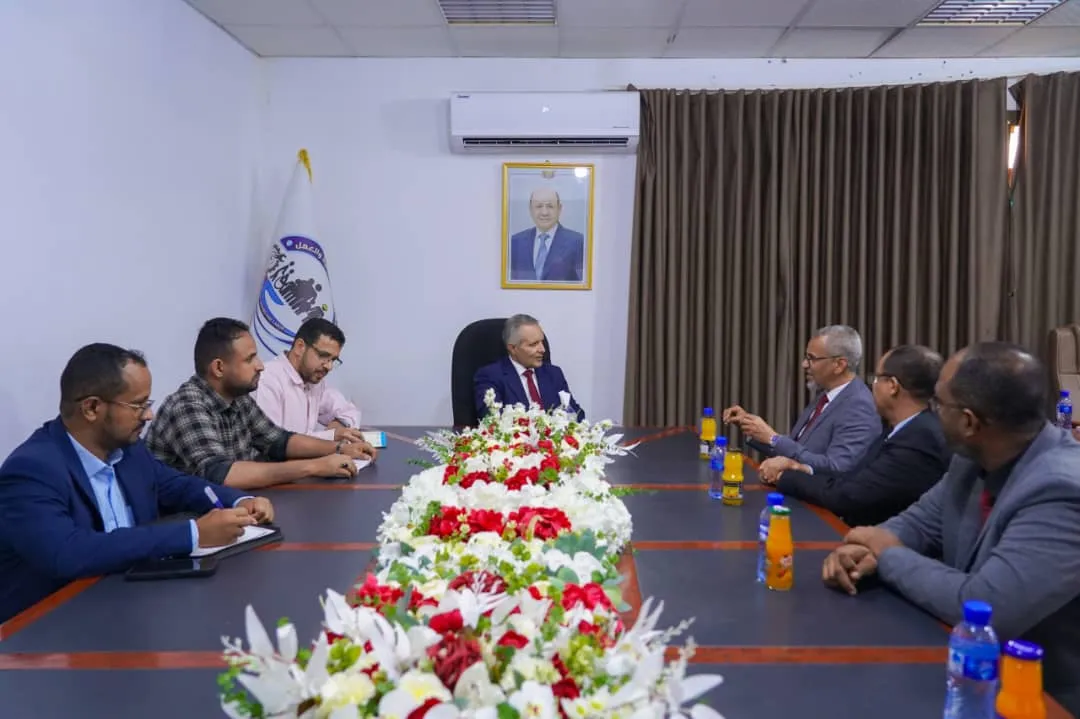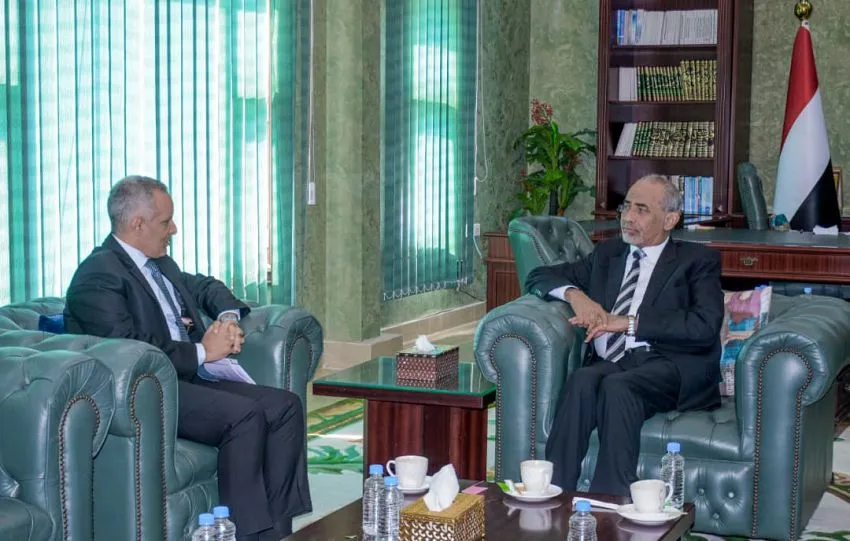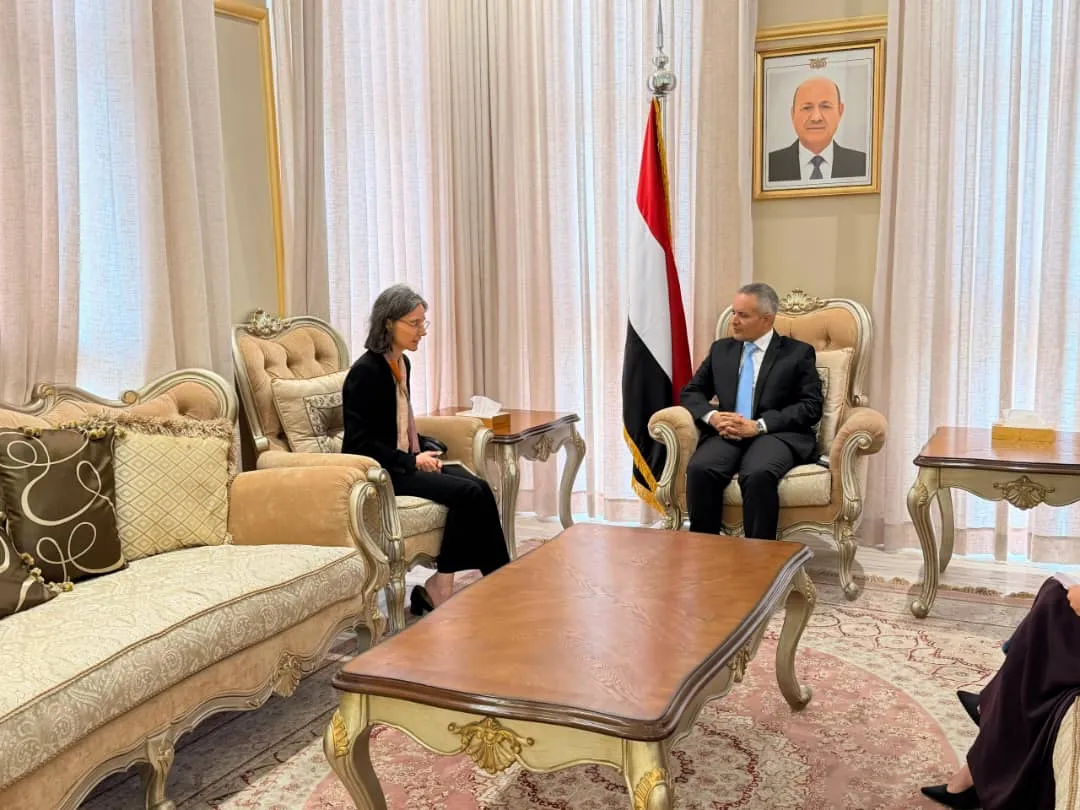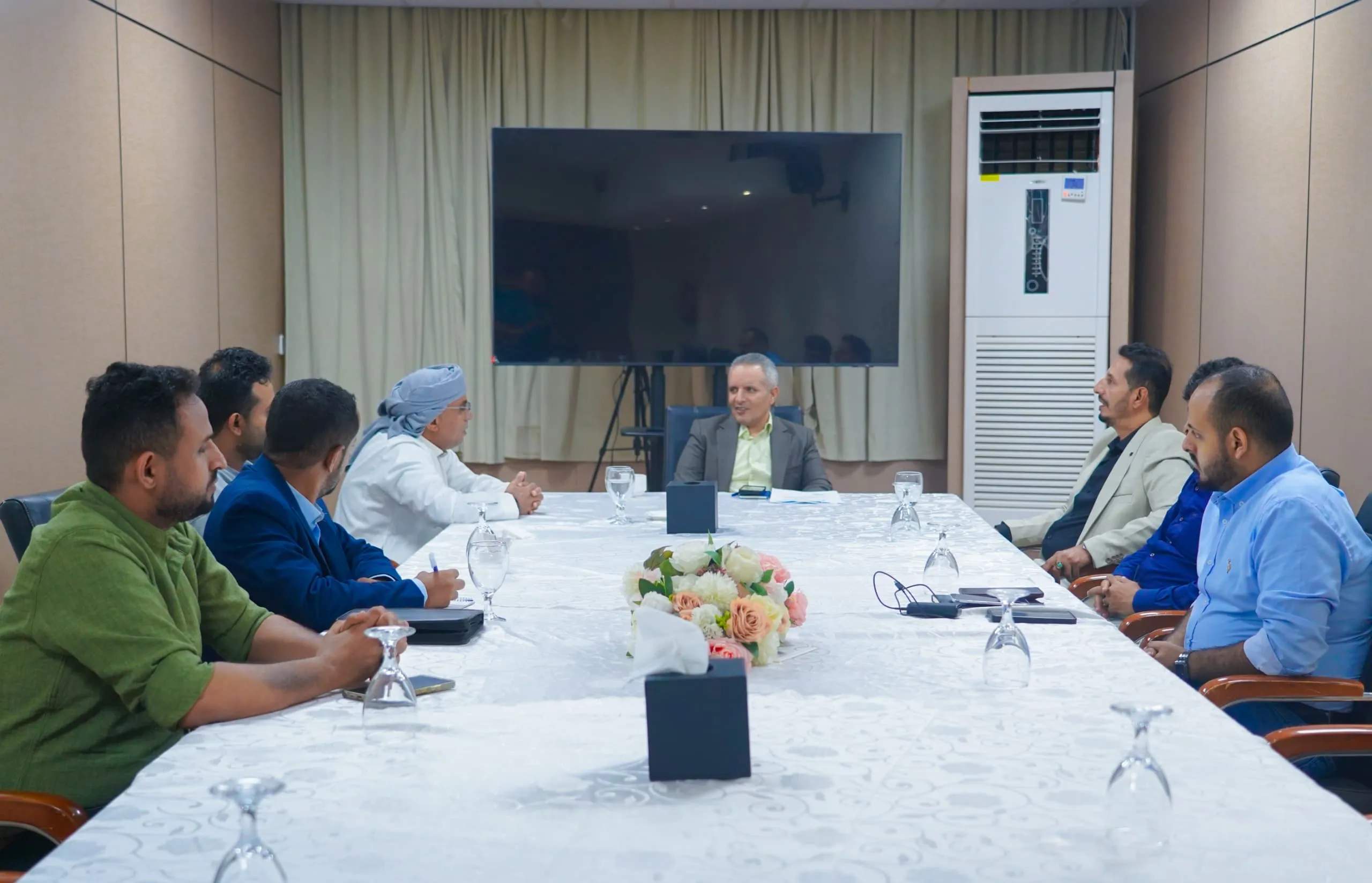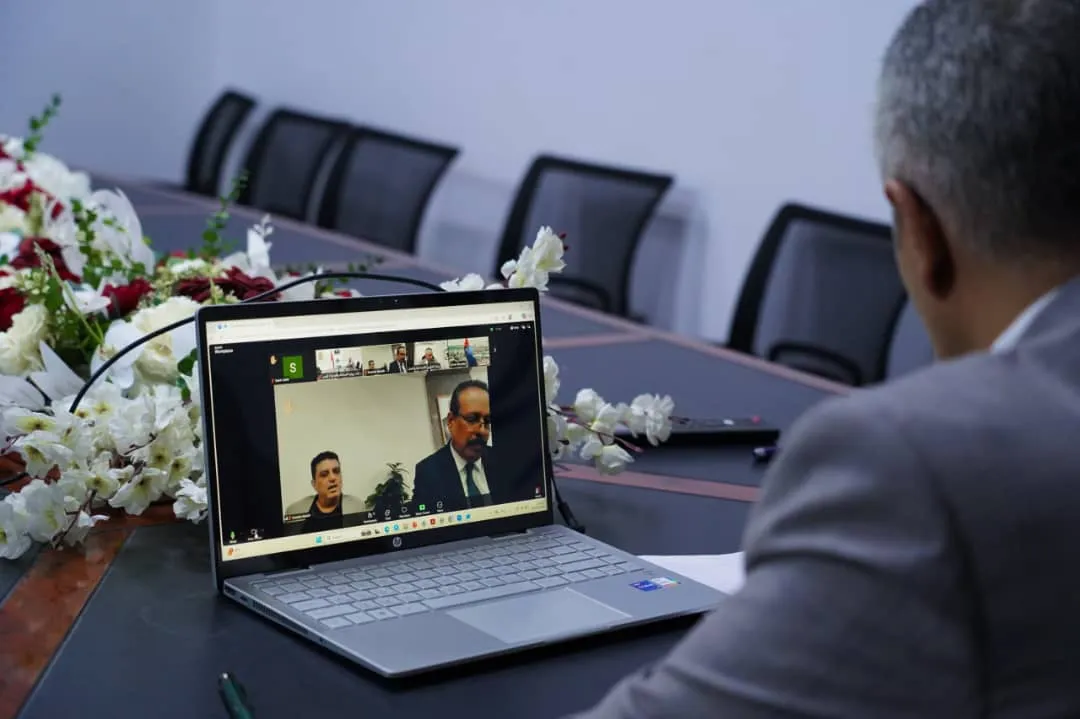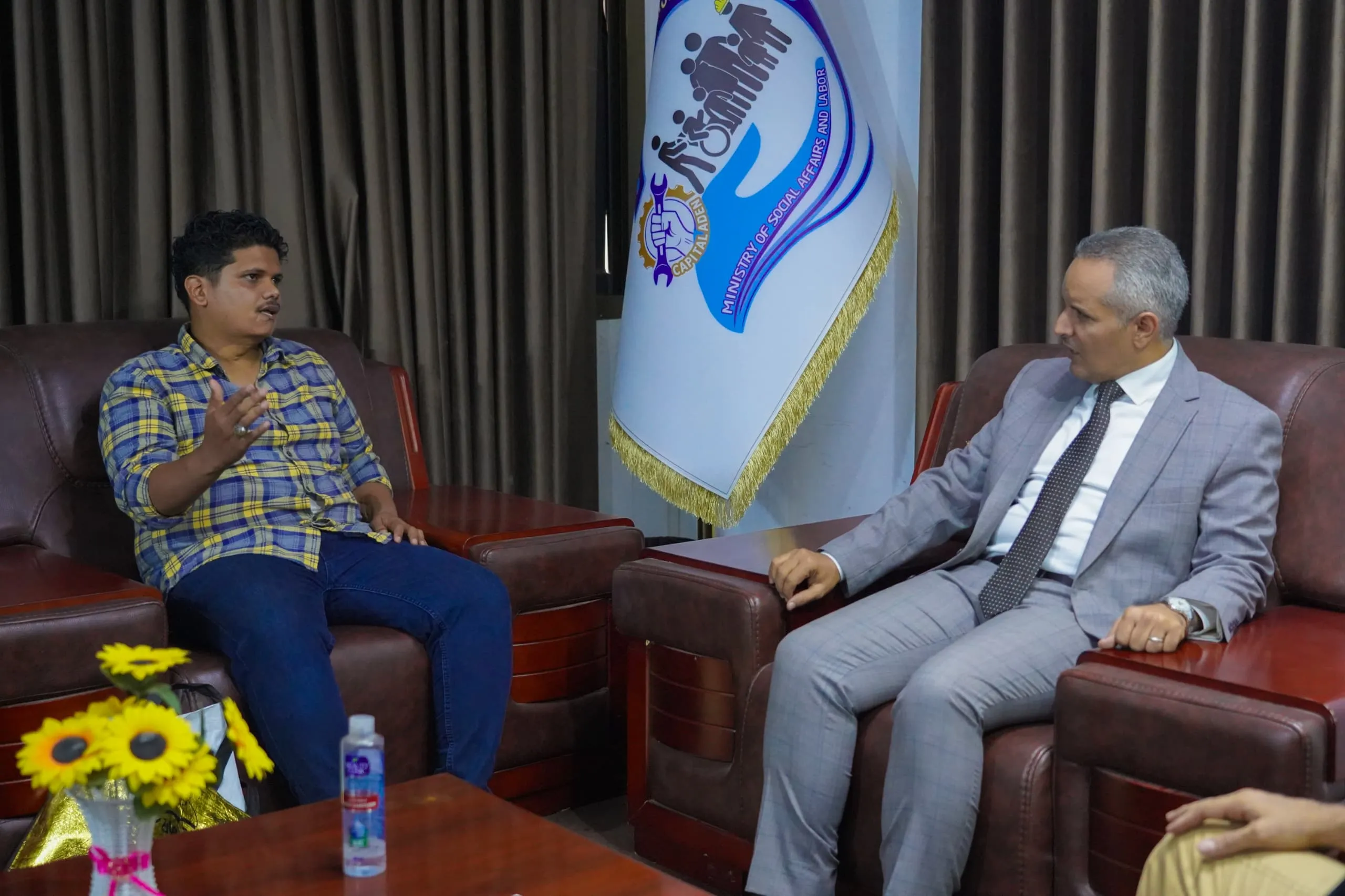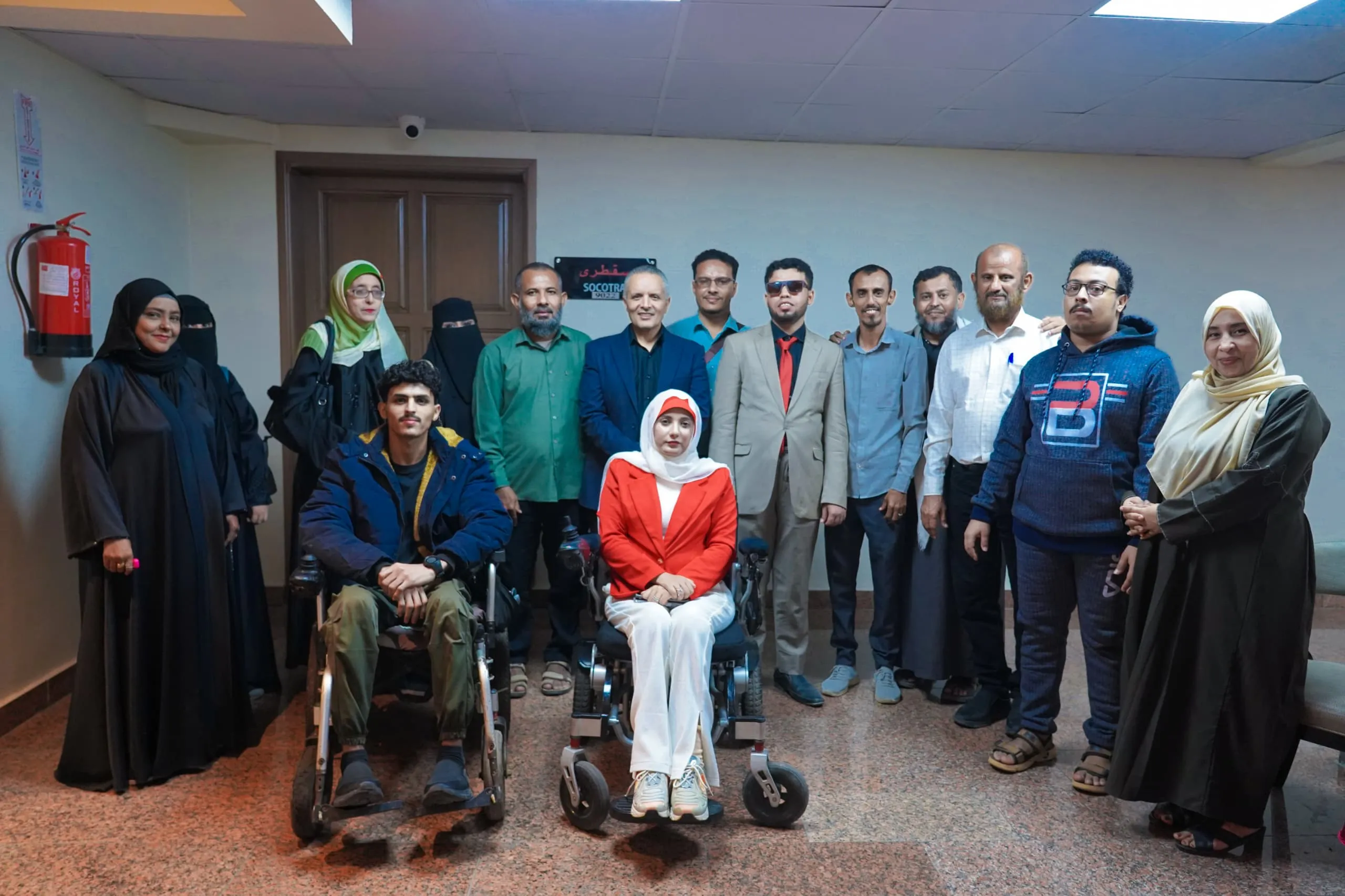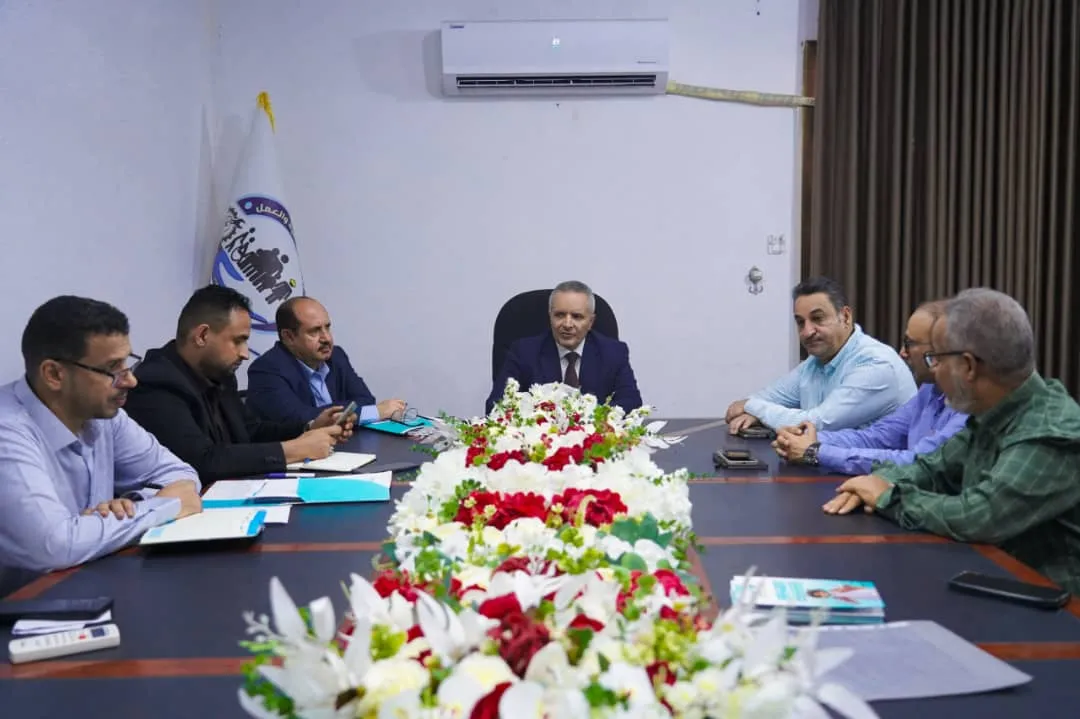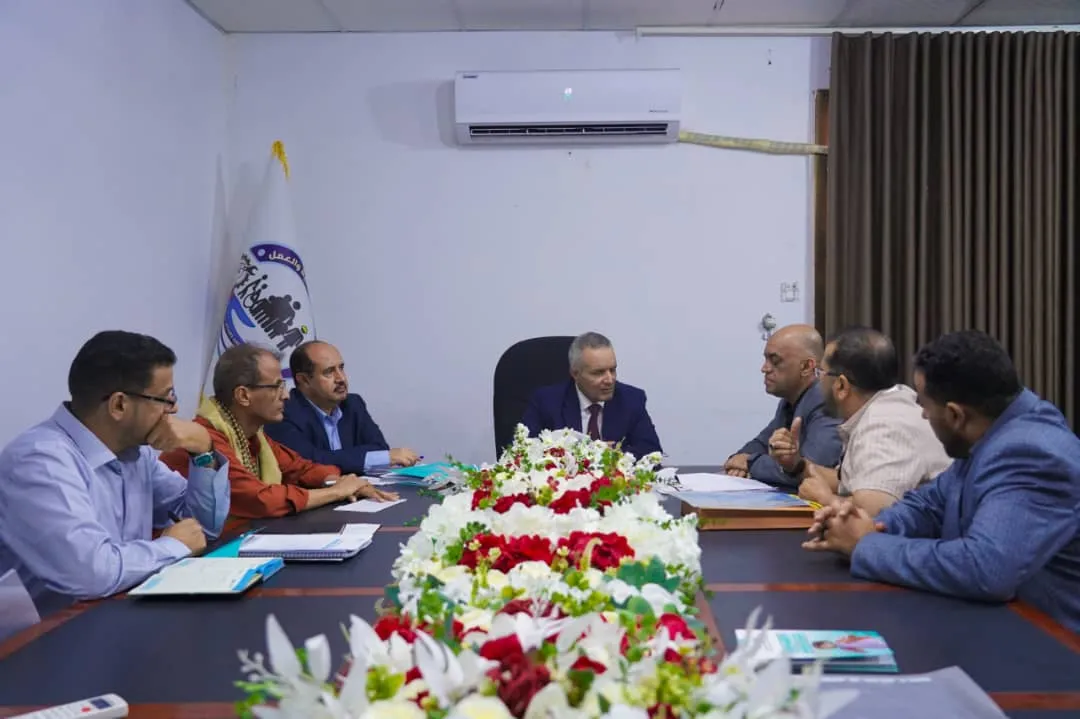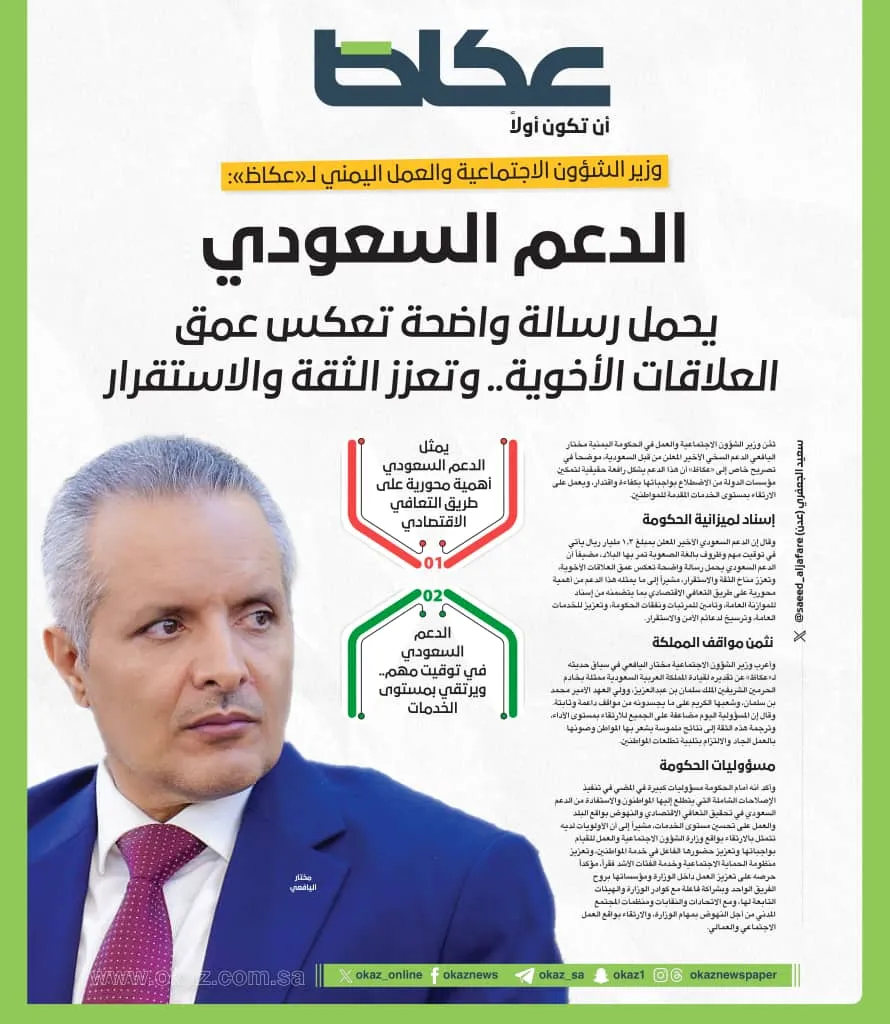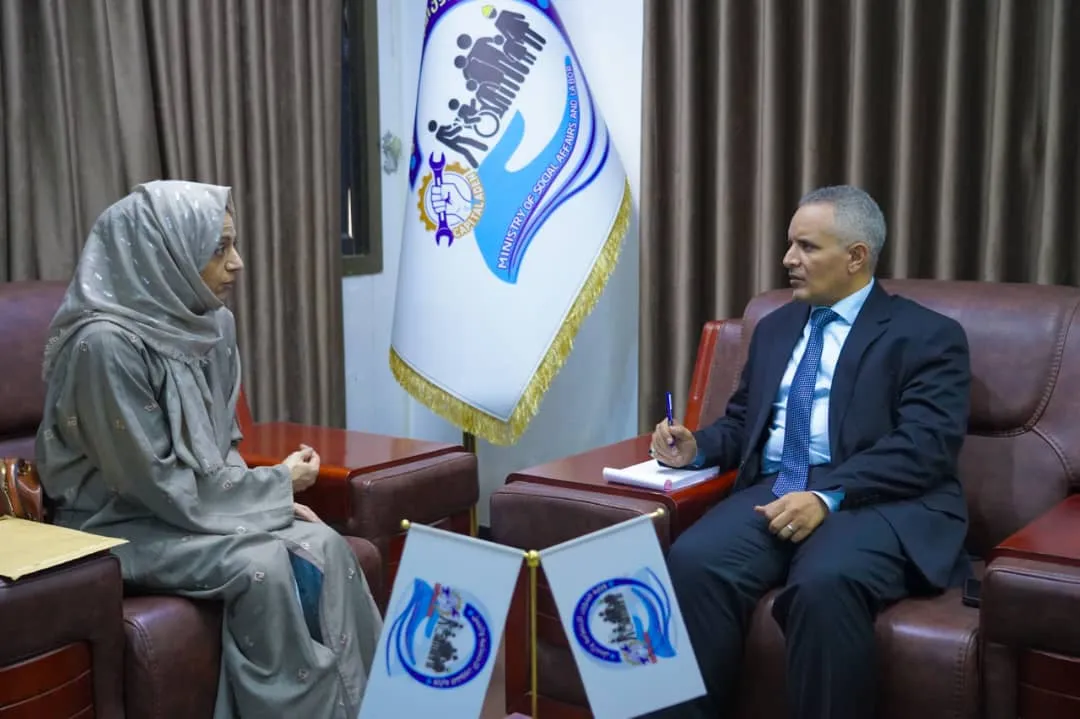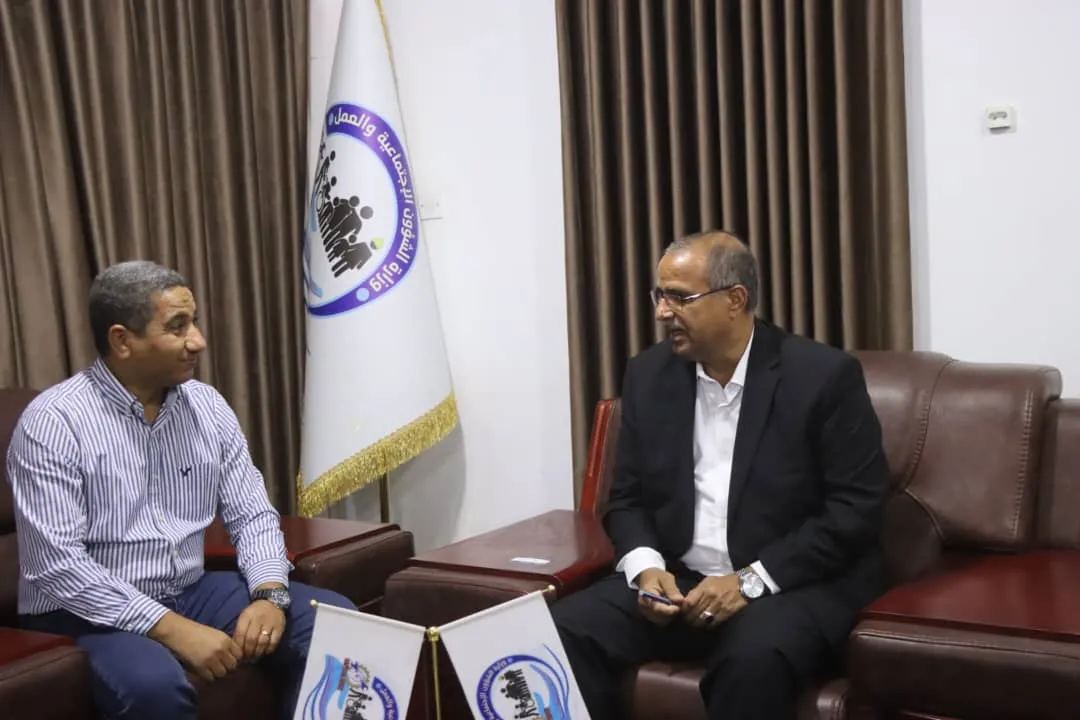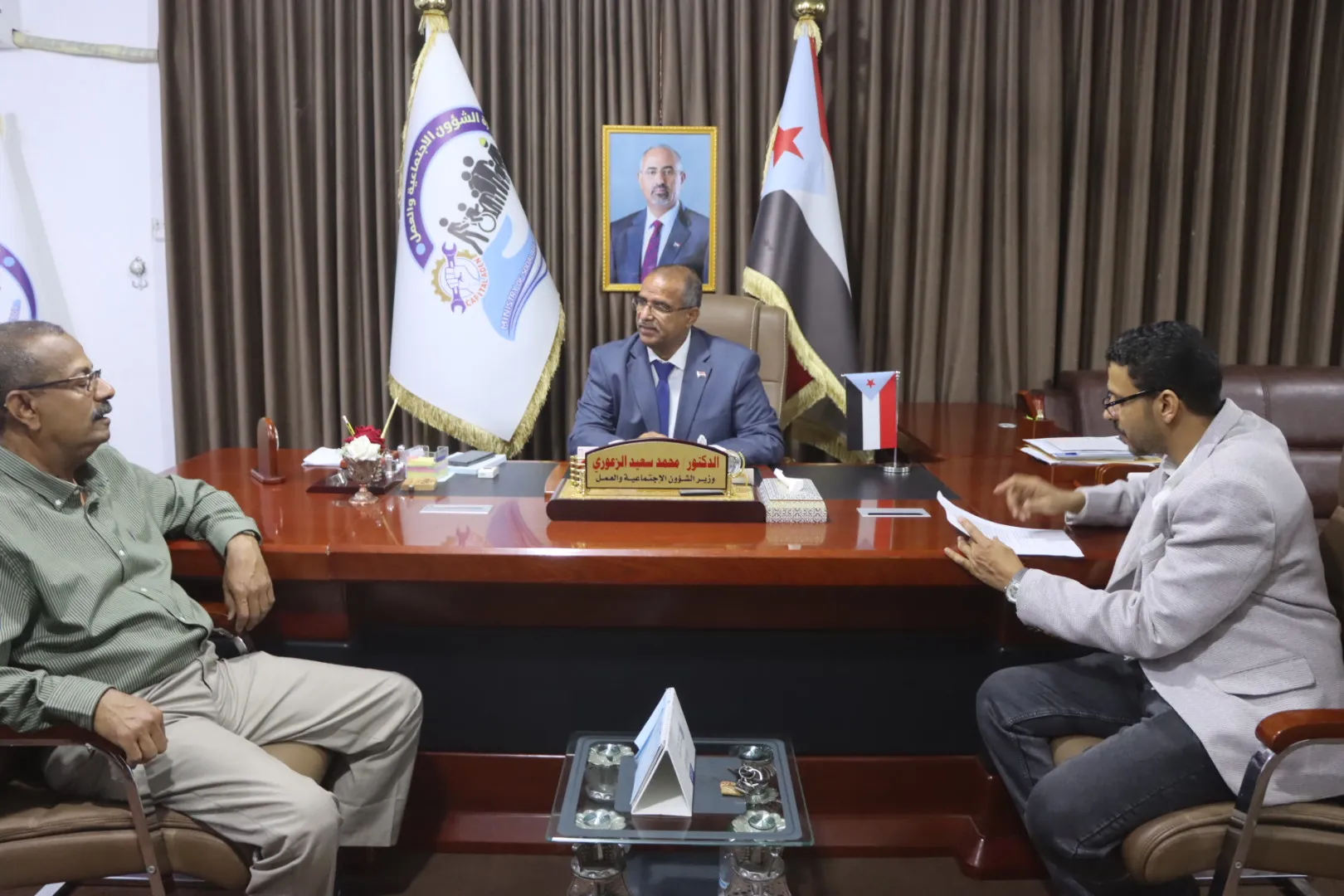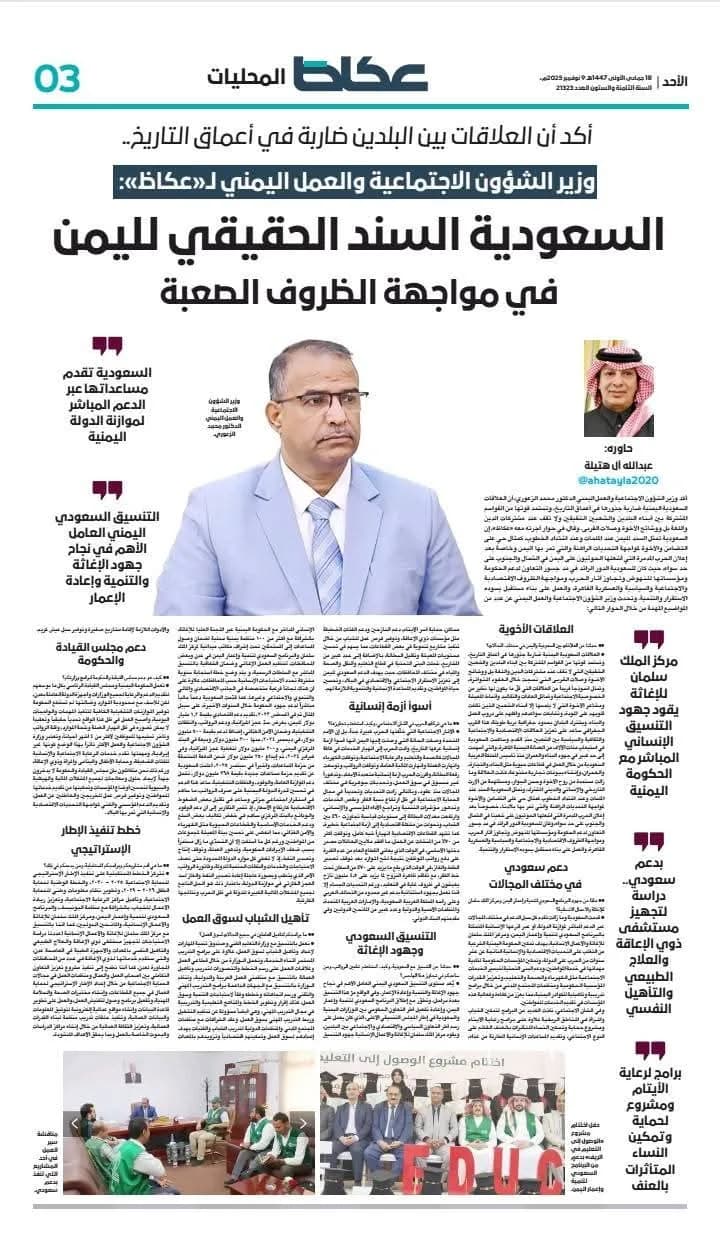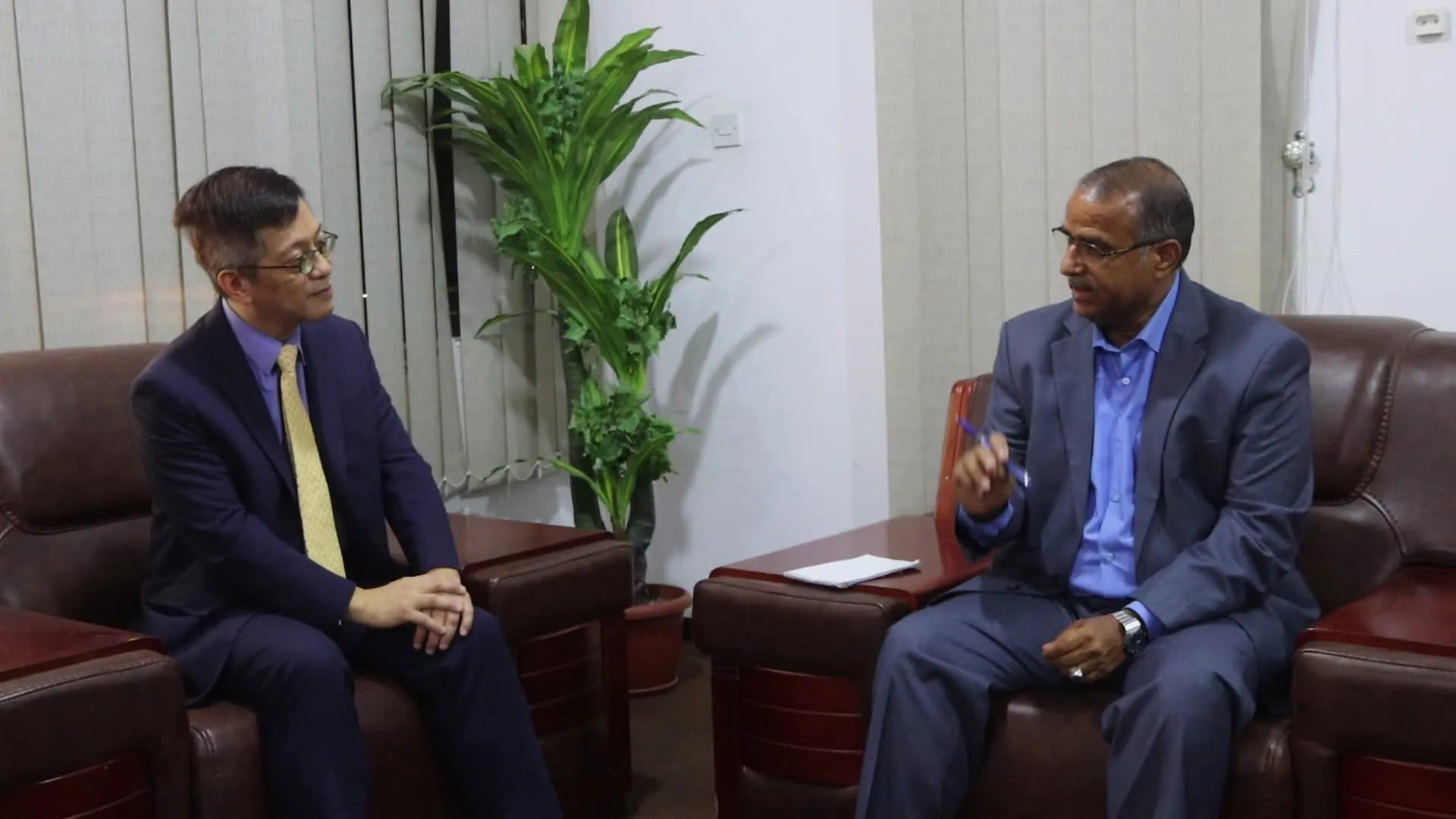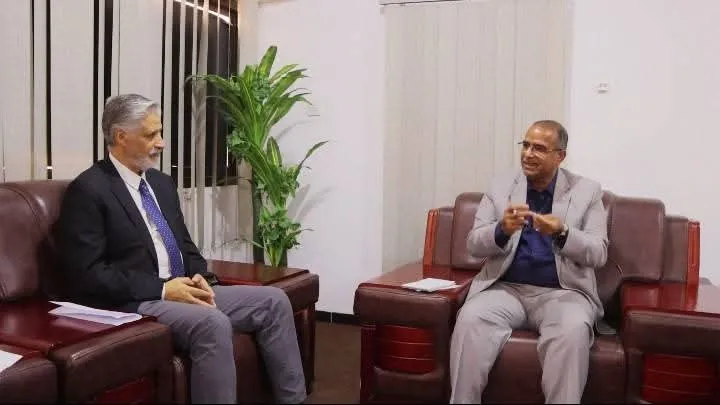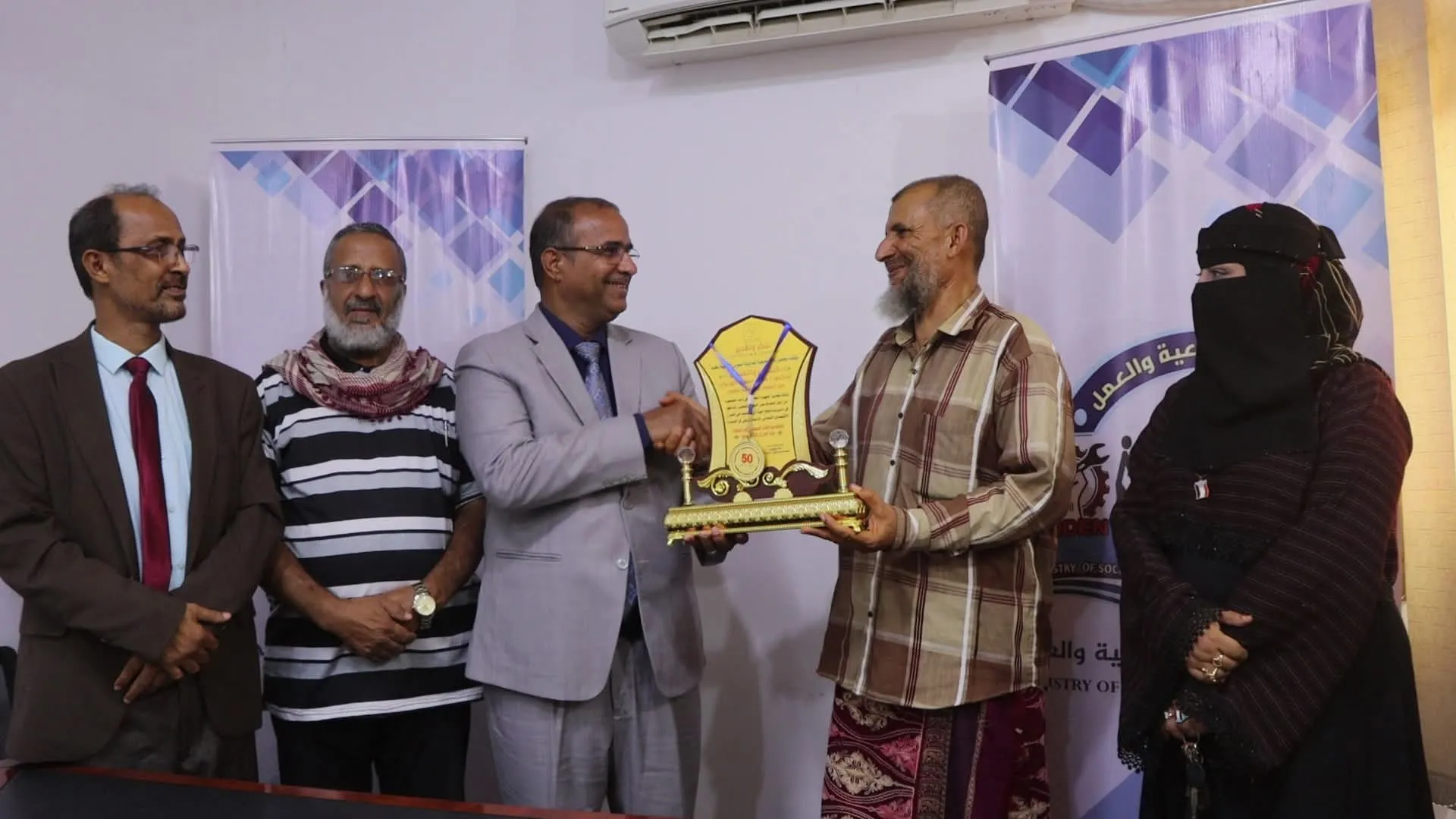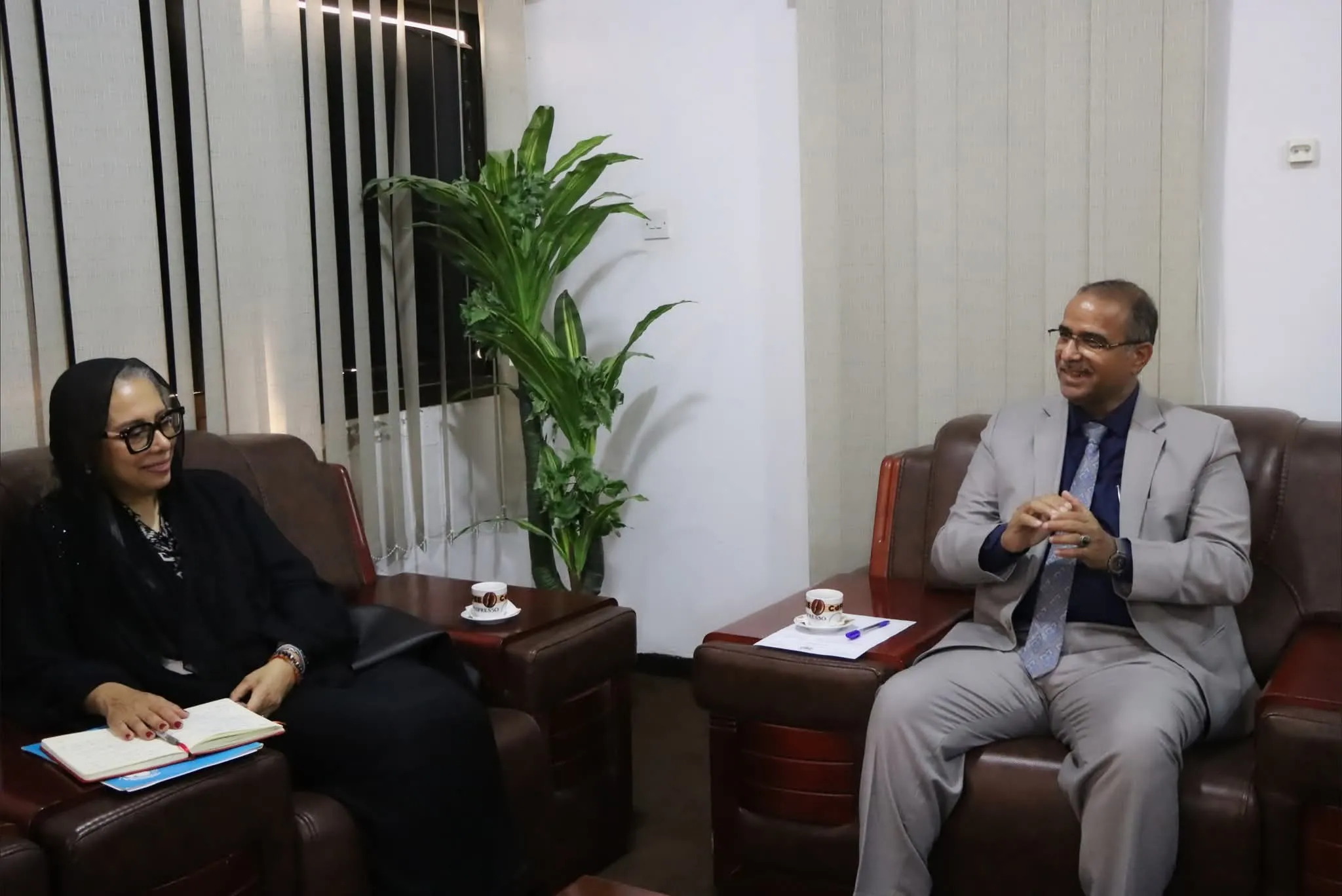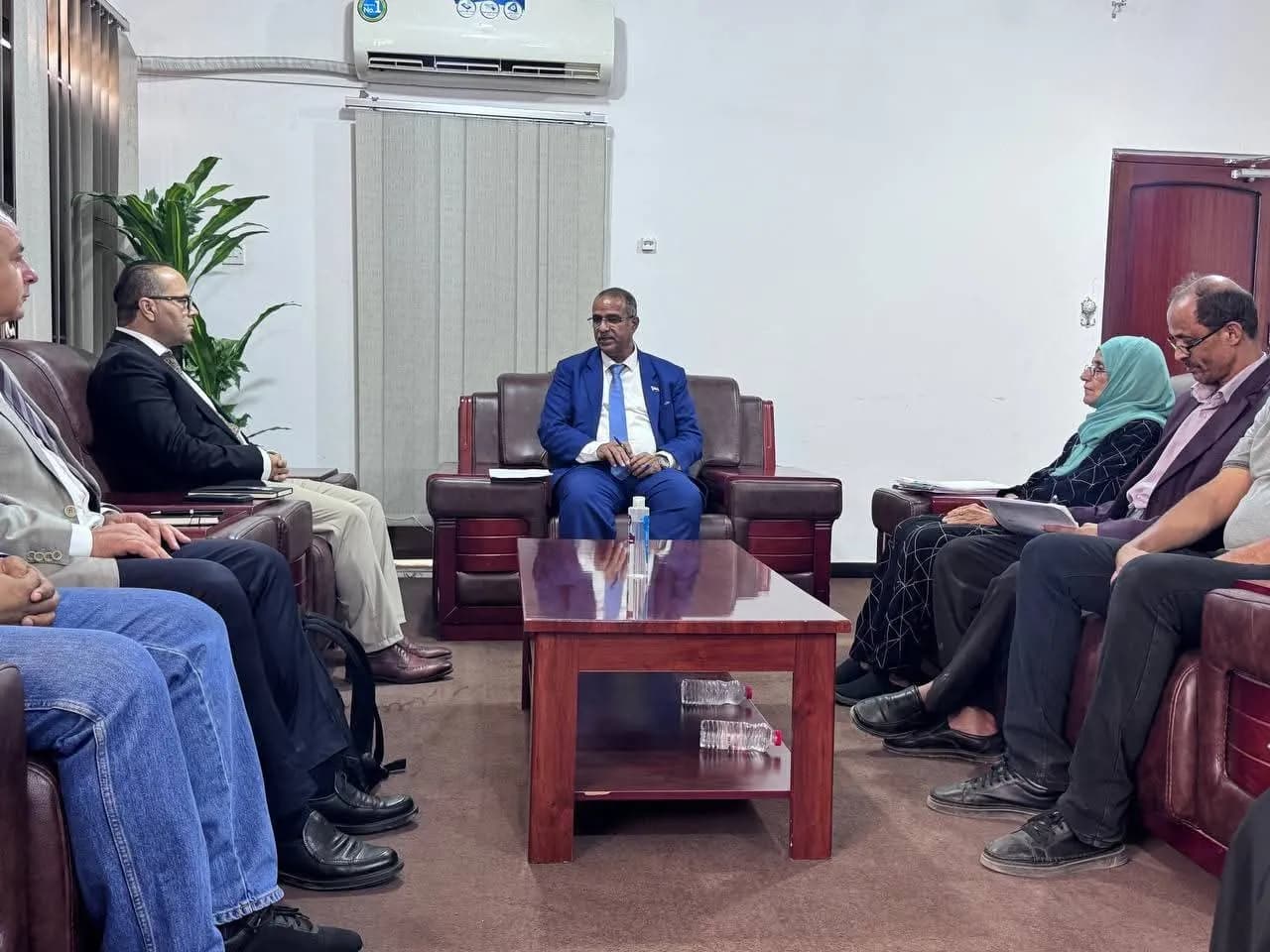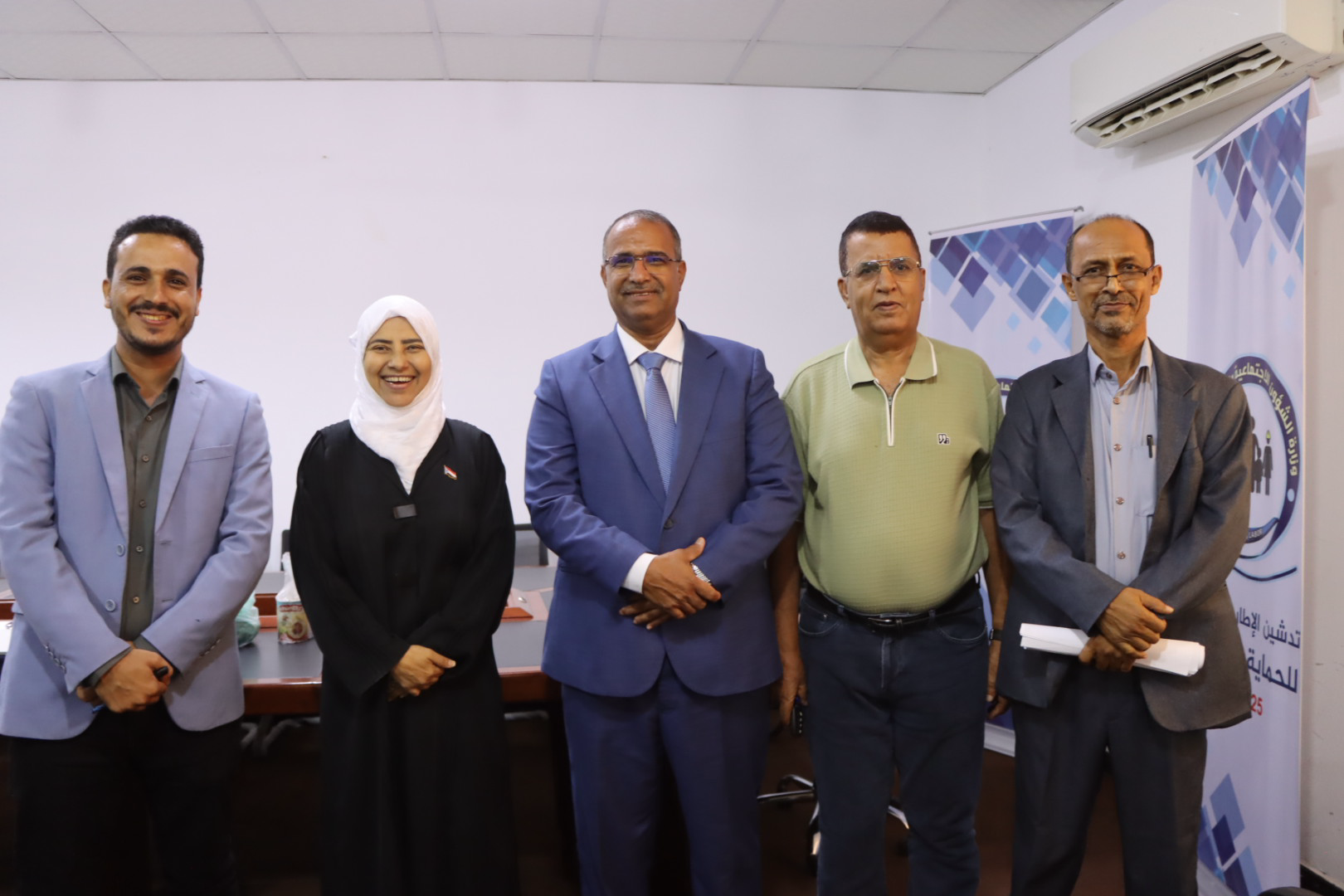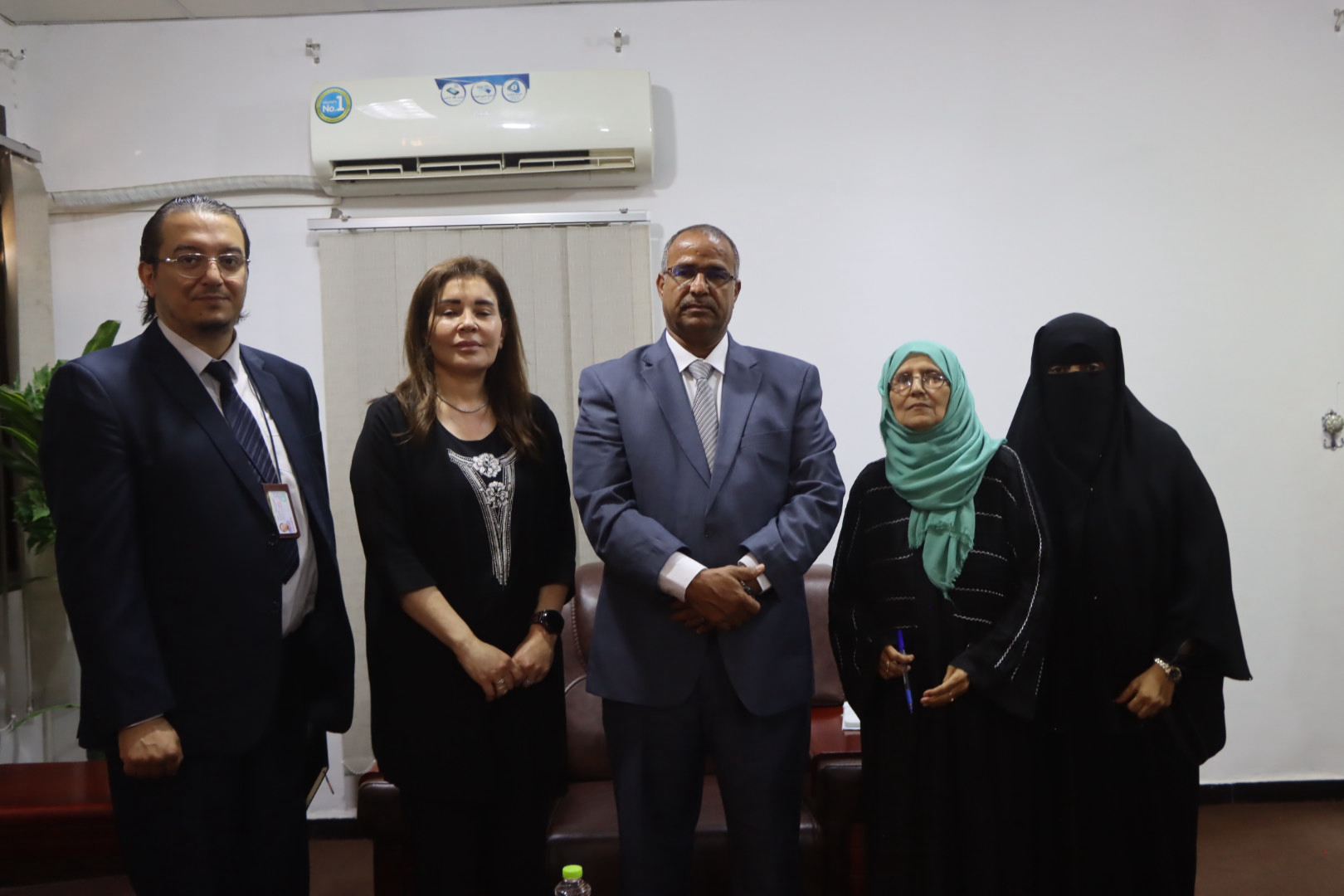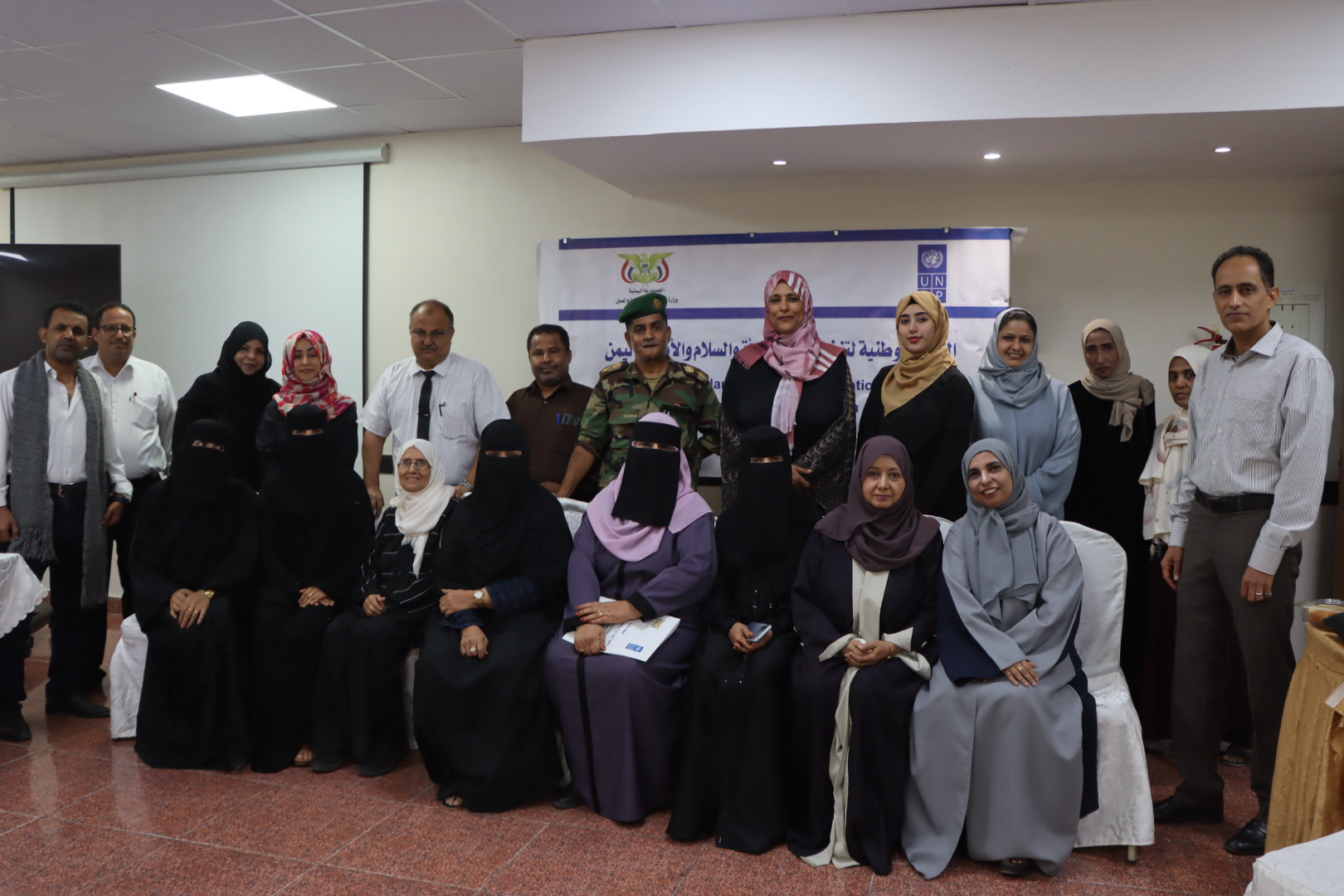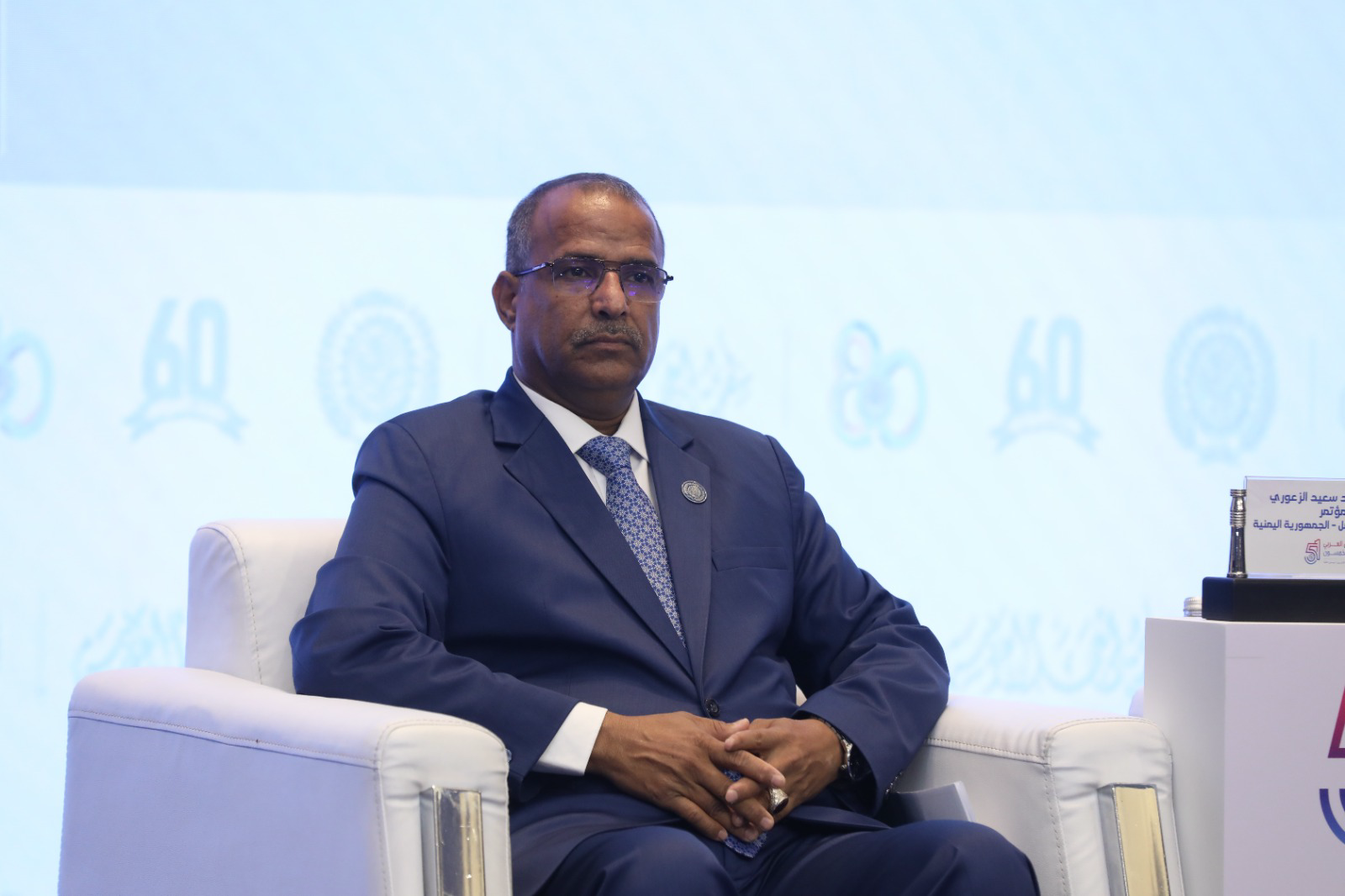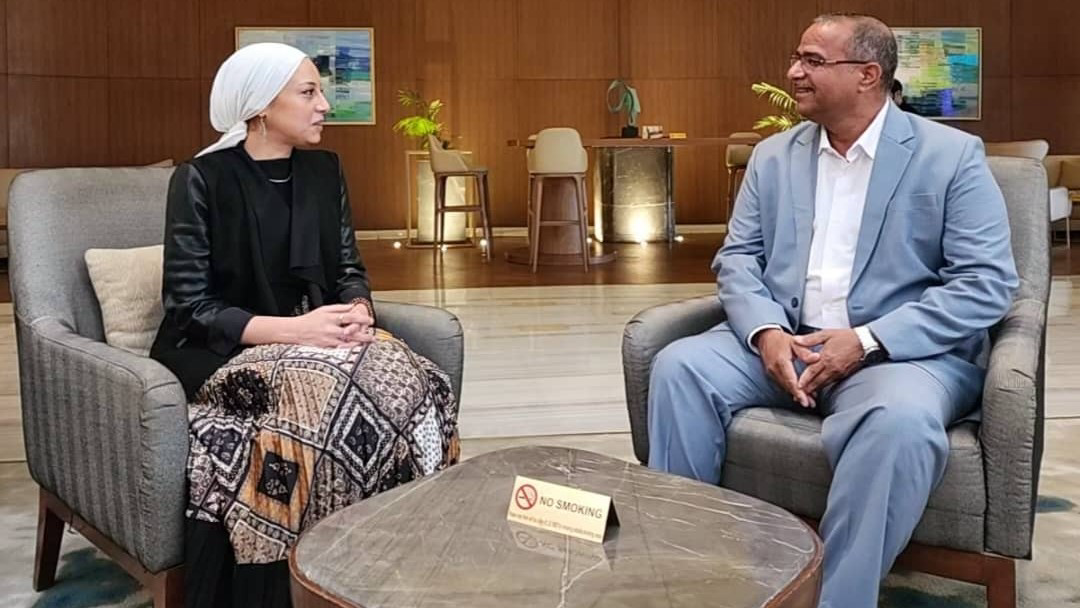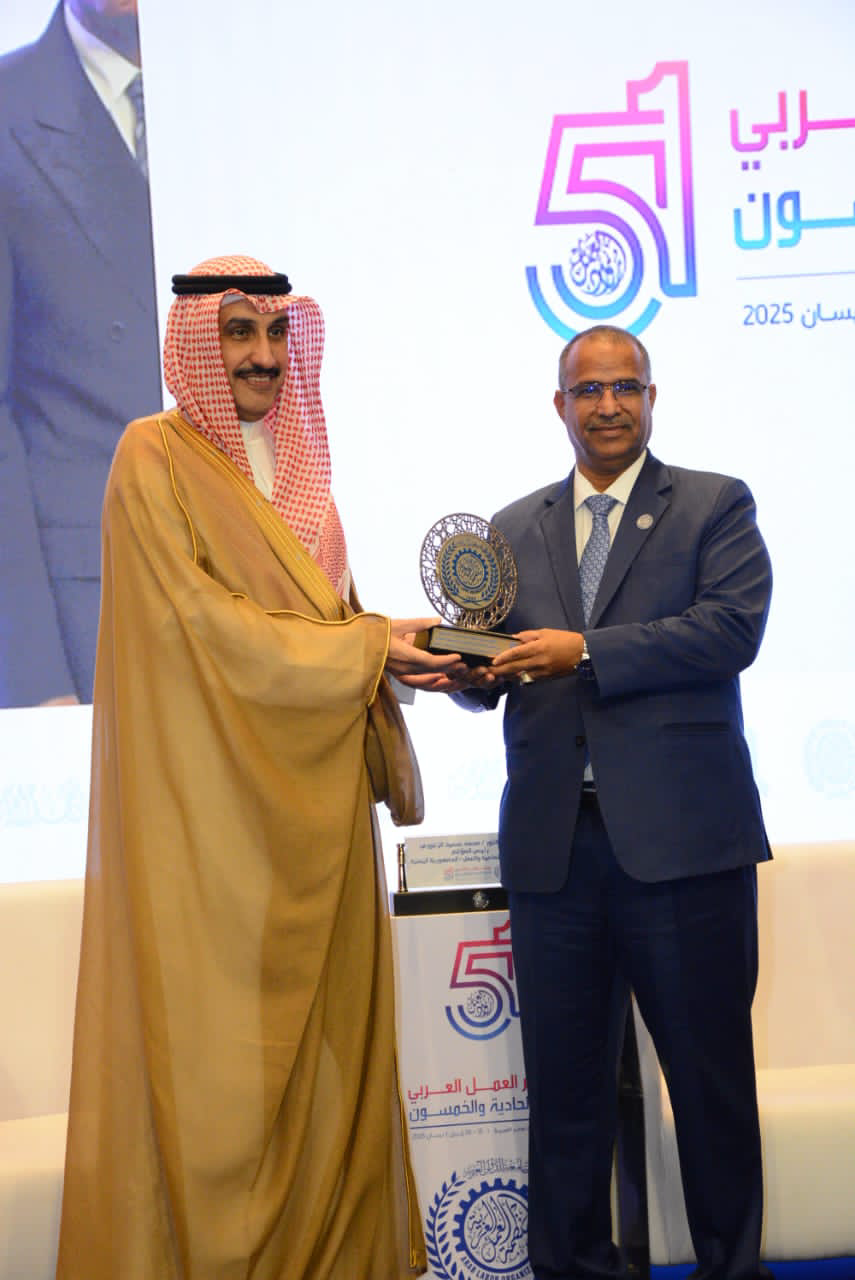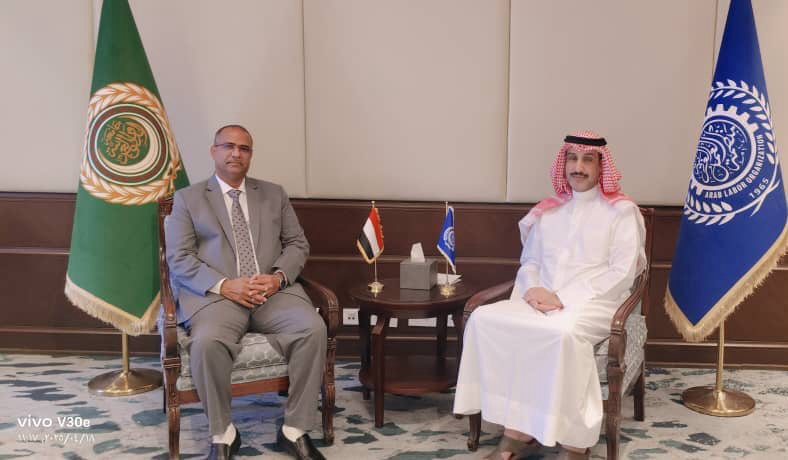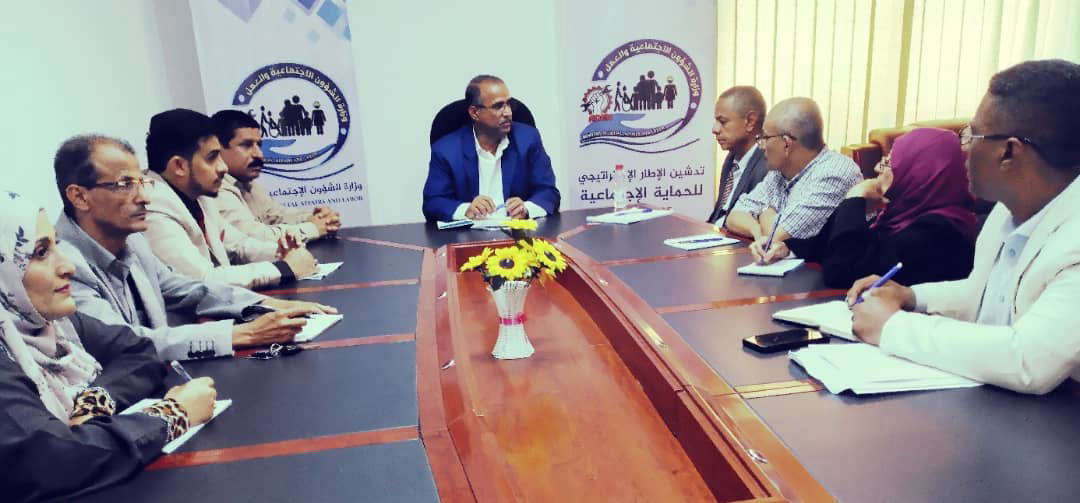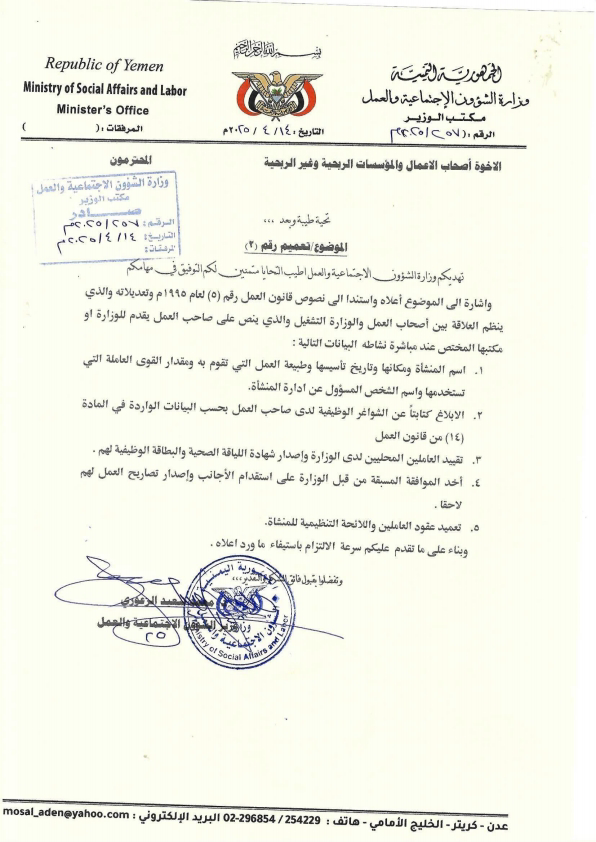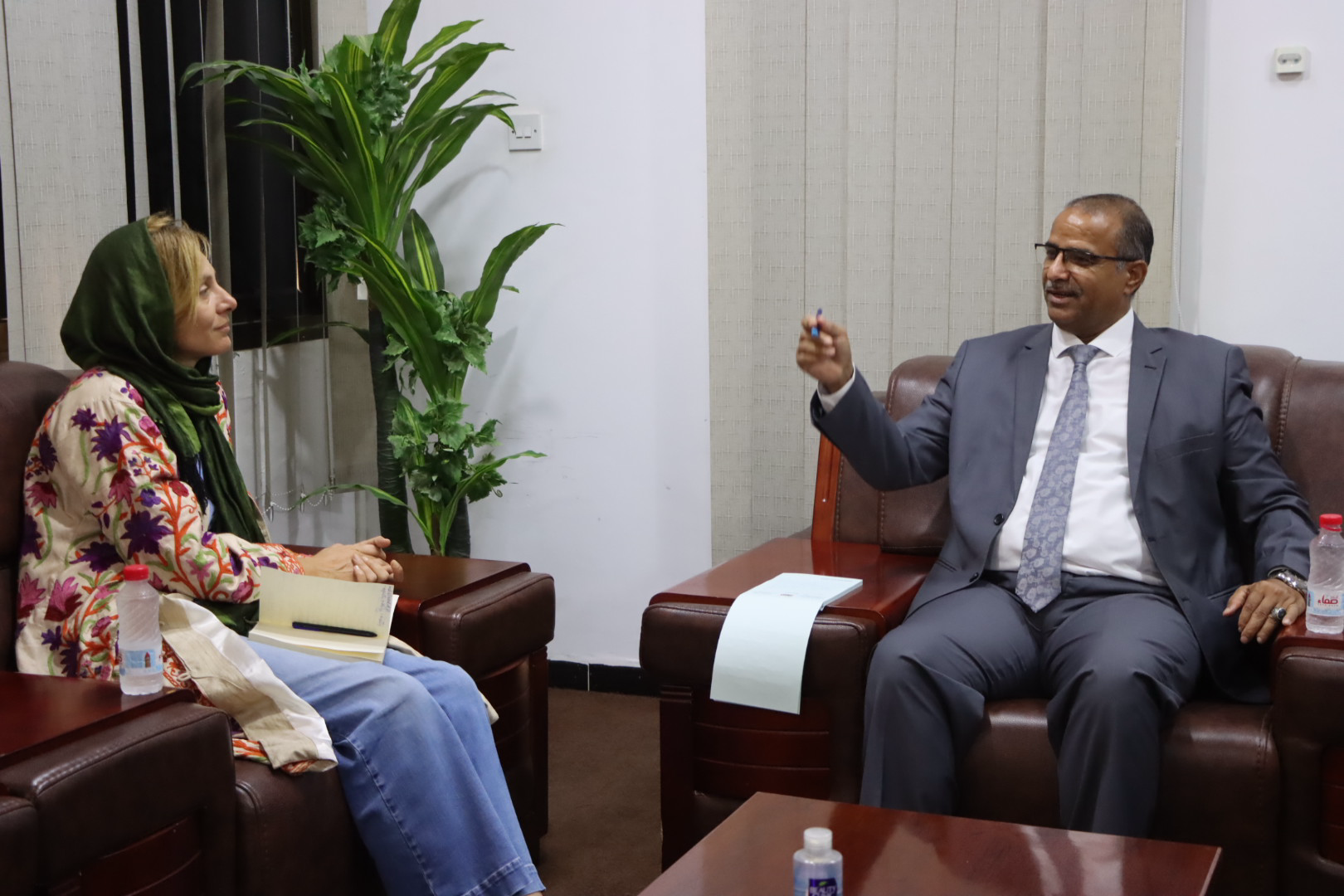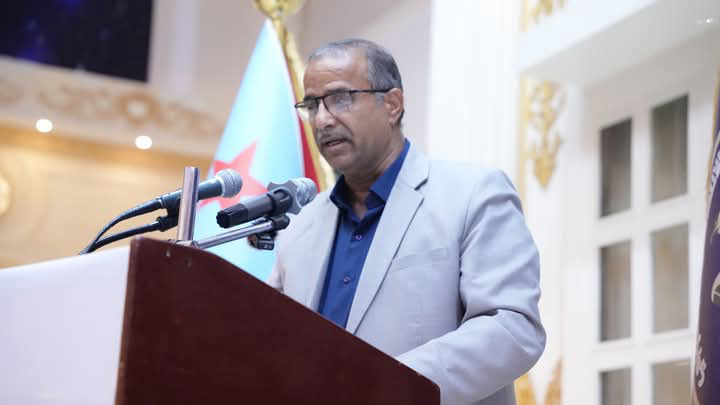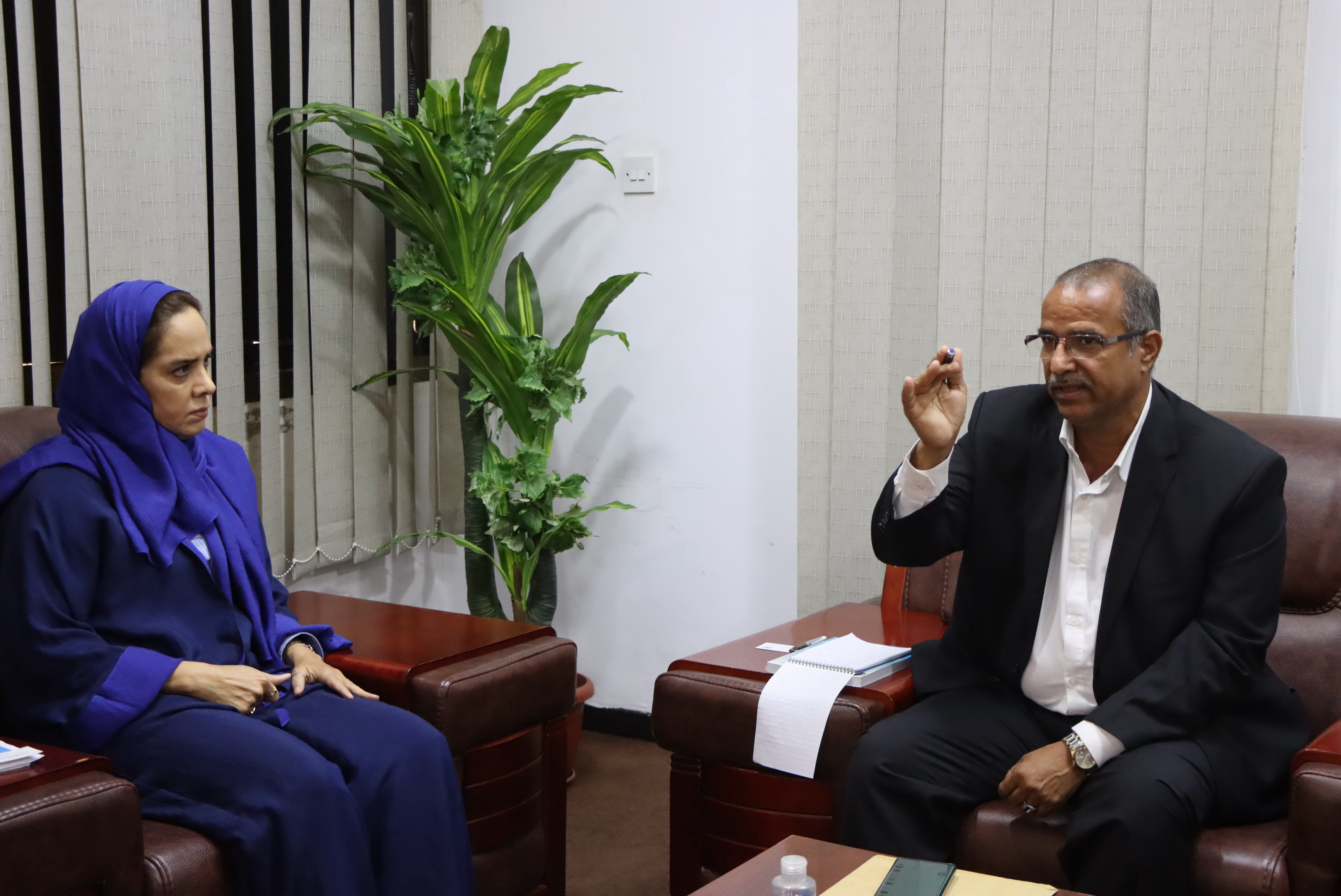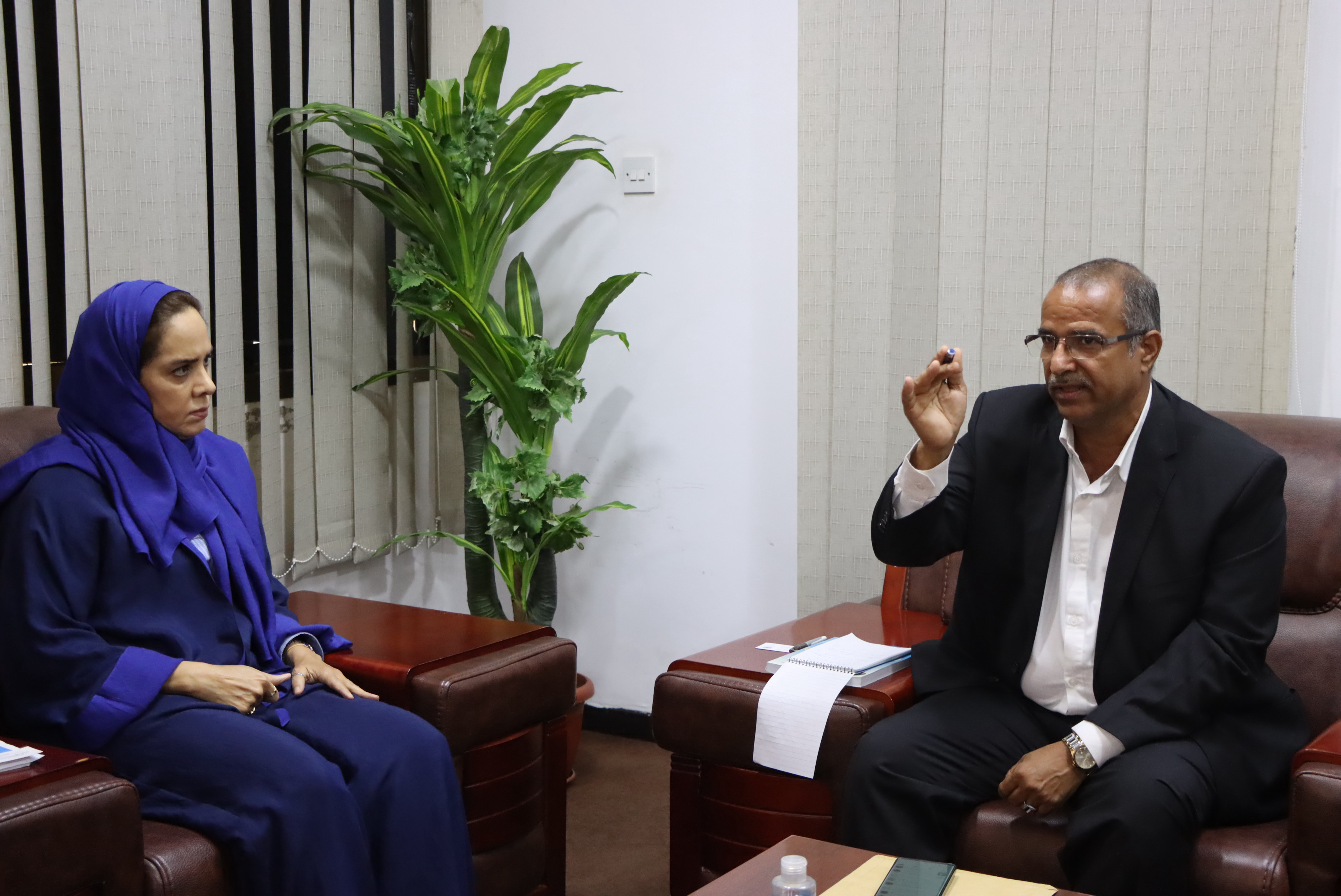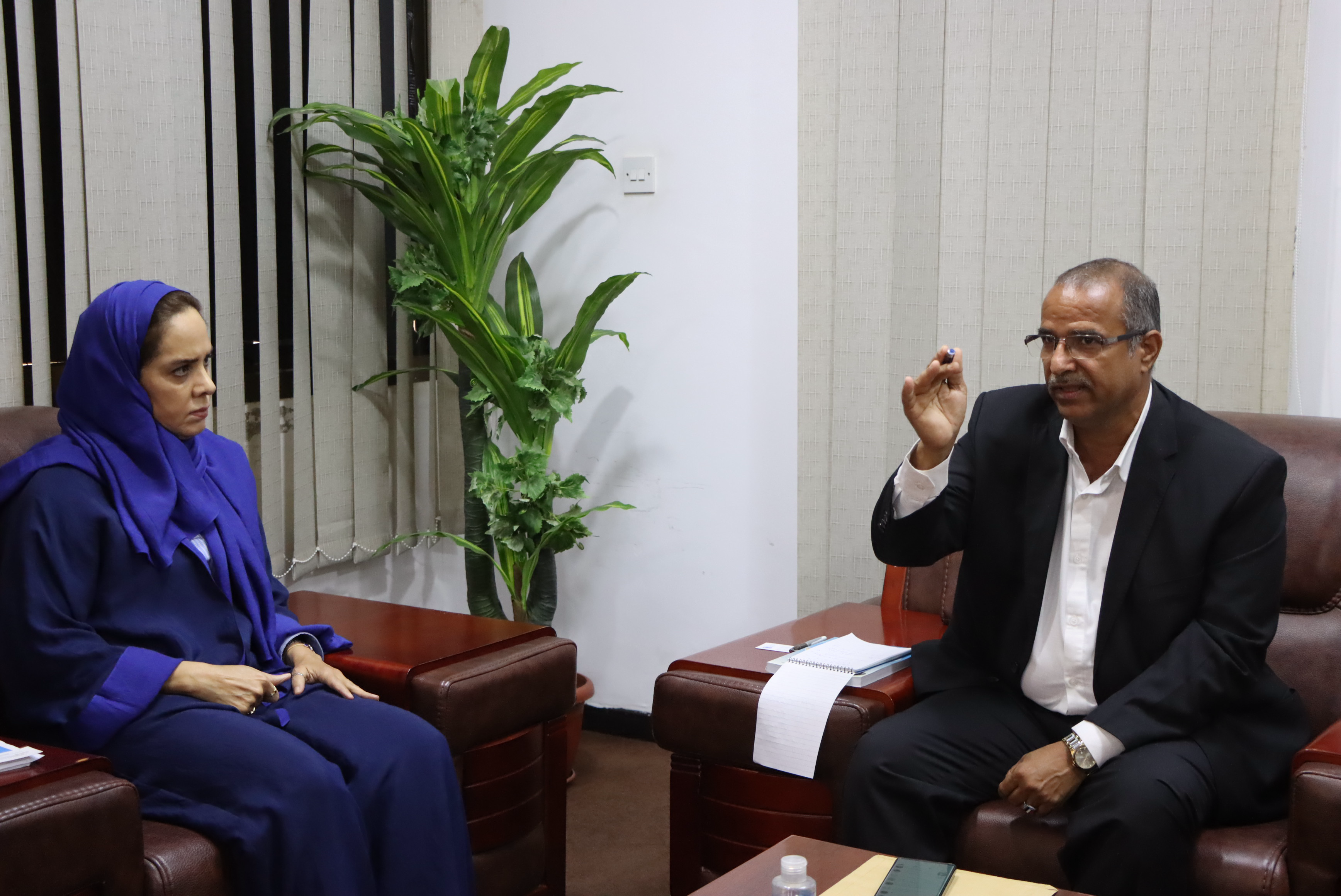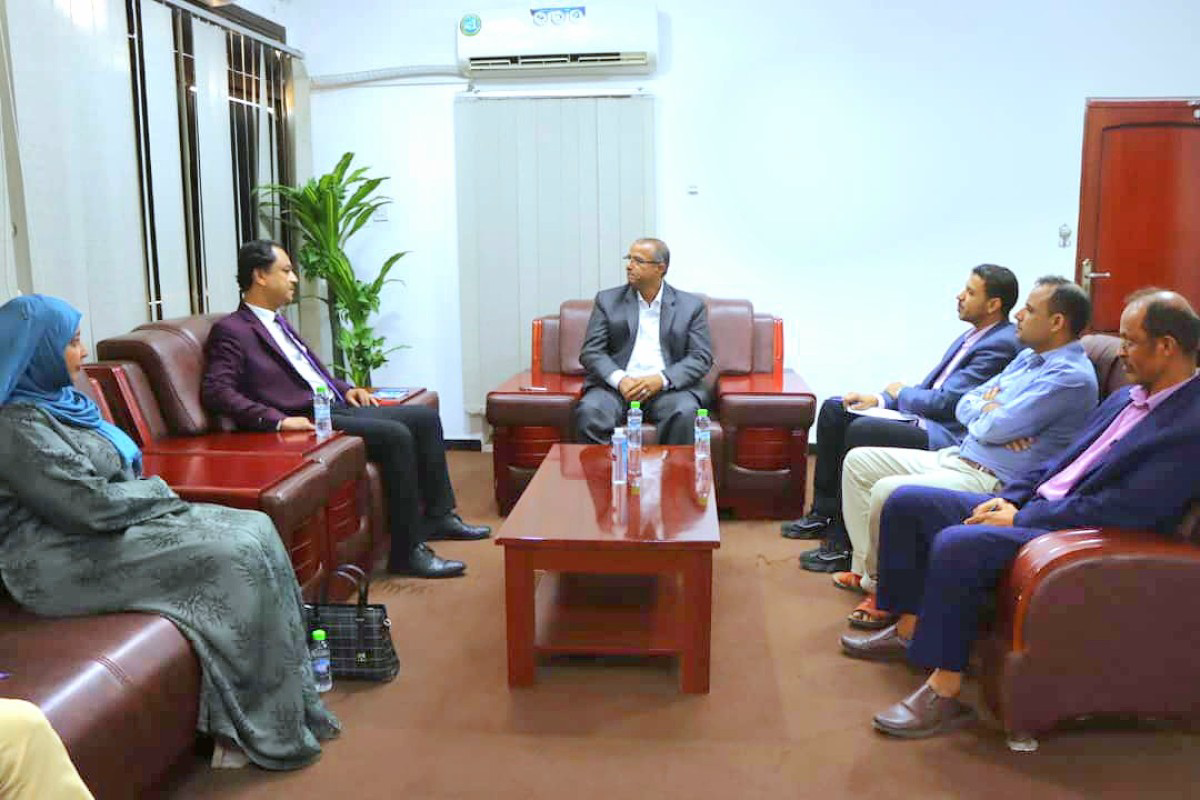

In his first press interview with the Egyptian newspaper "Al-Nahar" Yemeni Minister of Social Affairs Reveals the Priorities for the Upcoming Phase
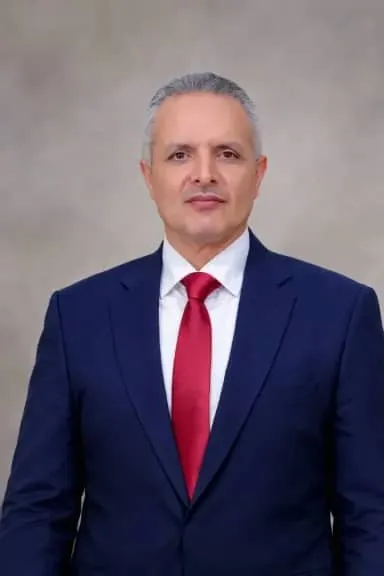
In his first press interview with the Egyptian newspaper "Al-Nahar"
Yemeni Minister of Social Affairs Reveals the Priorities for the Upcoming Phase
Ministry Media Office / The Capital, Aden – Saturday, February 28, 2026 – 11th of Ramadan, 1447 AH
Amid the social and economic challenges facing Yemen, the Ministry of Social Affairs and Labor in the Yemeni government continues its efforts to strengthen the social protection system and expand the scope of its services. This aims to alleviate the suffering of citizens and consolidate social cohesion.
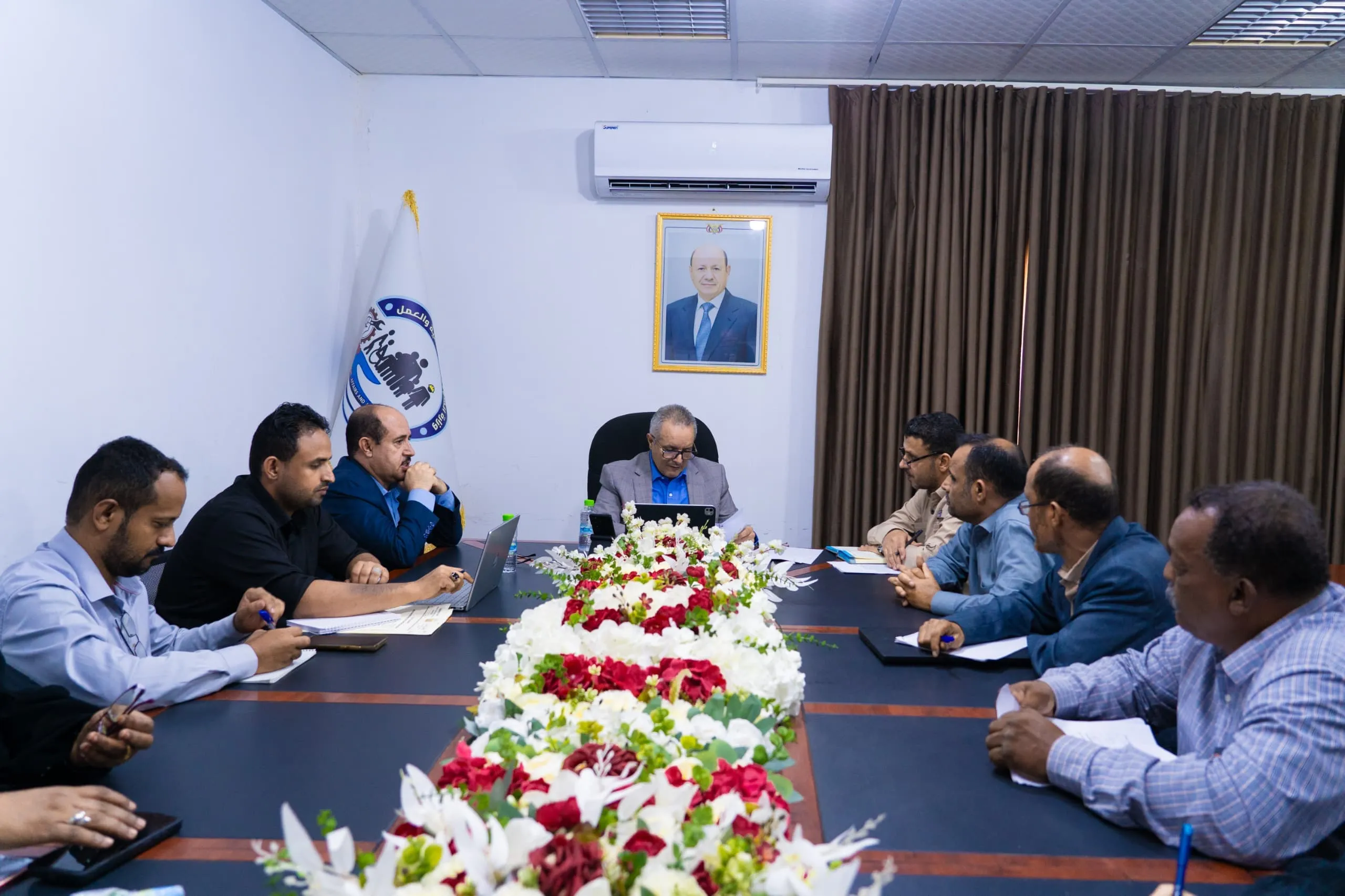
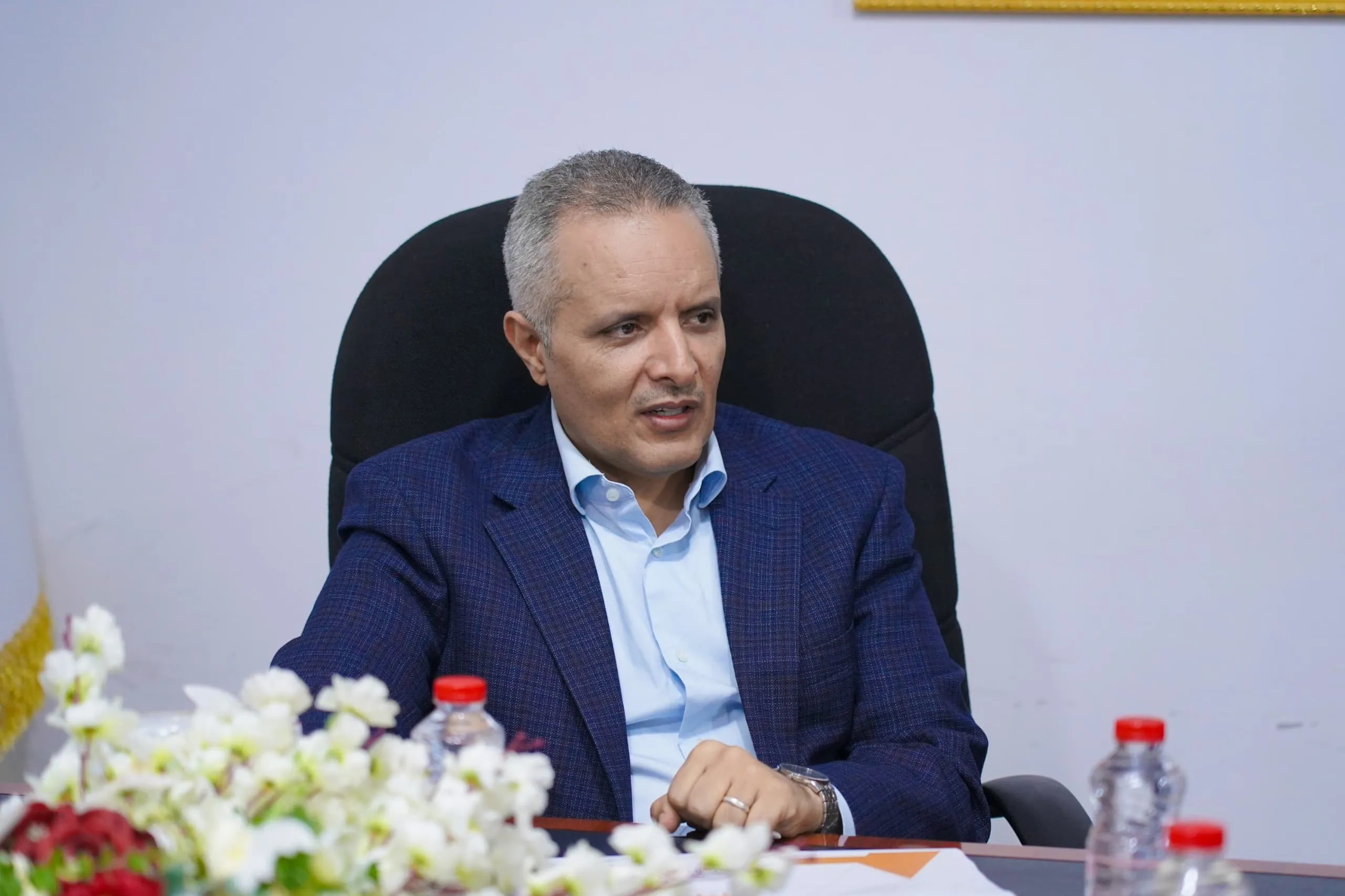
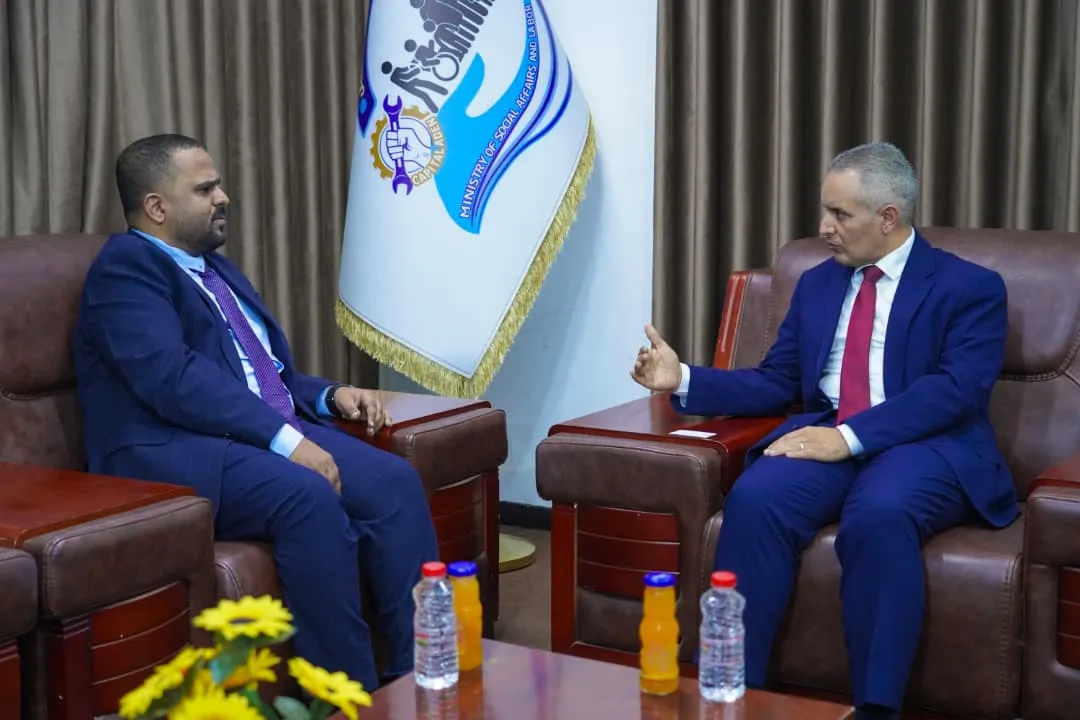
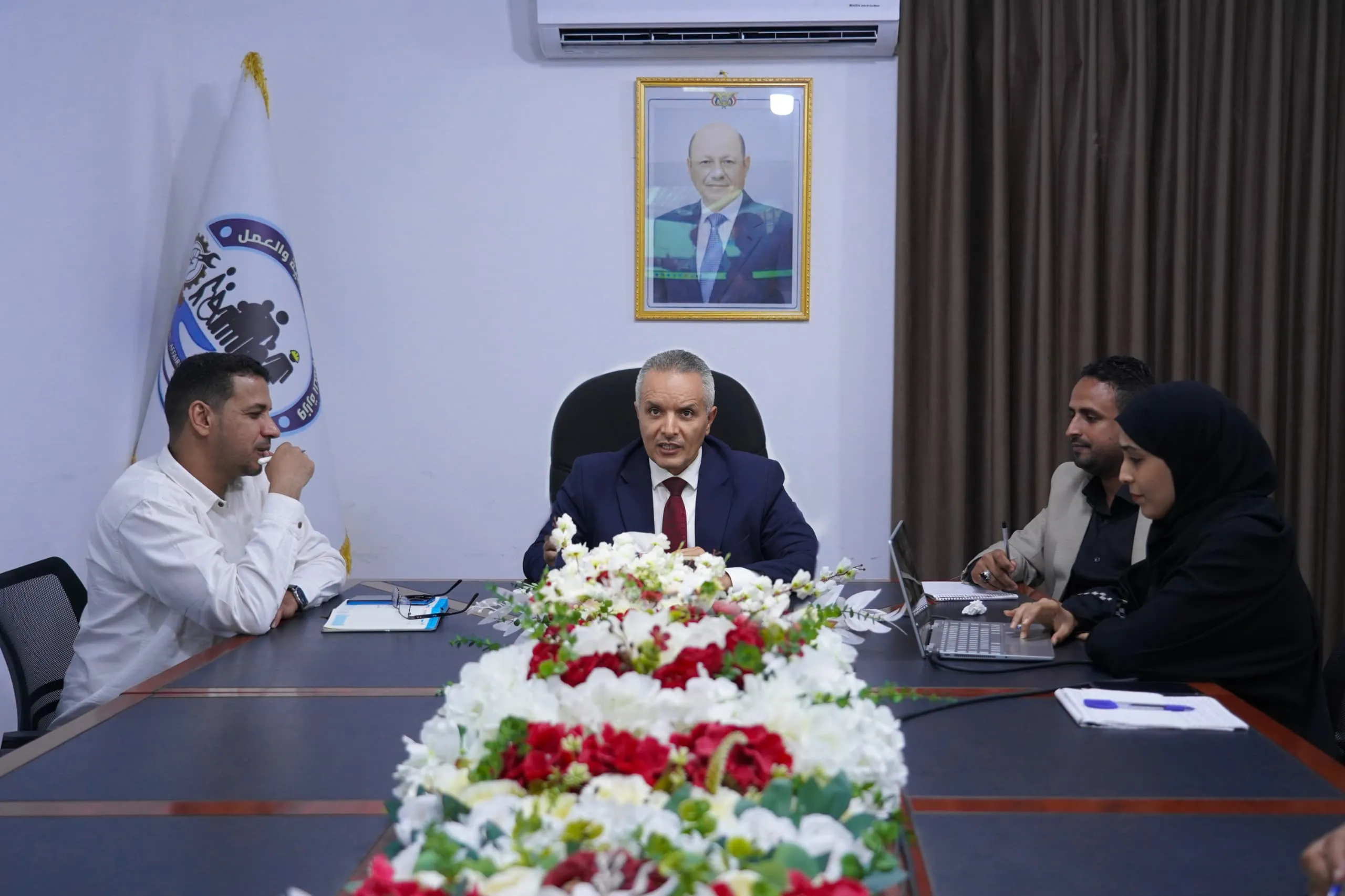
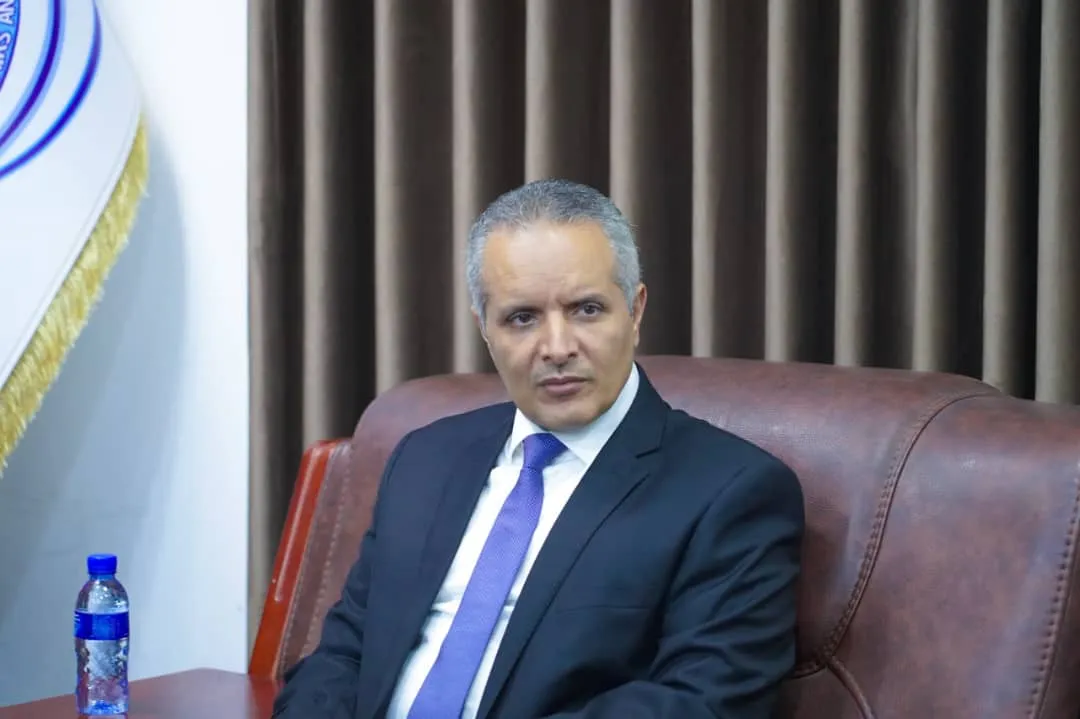
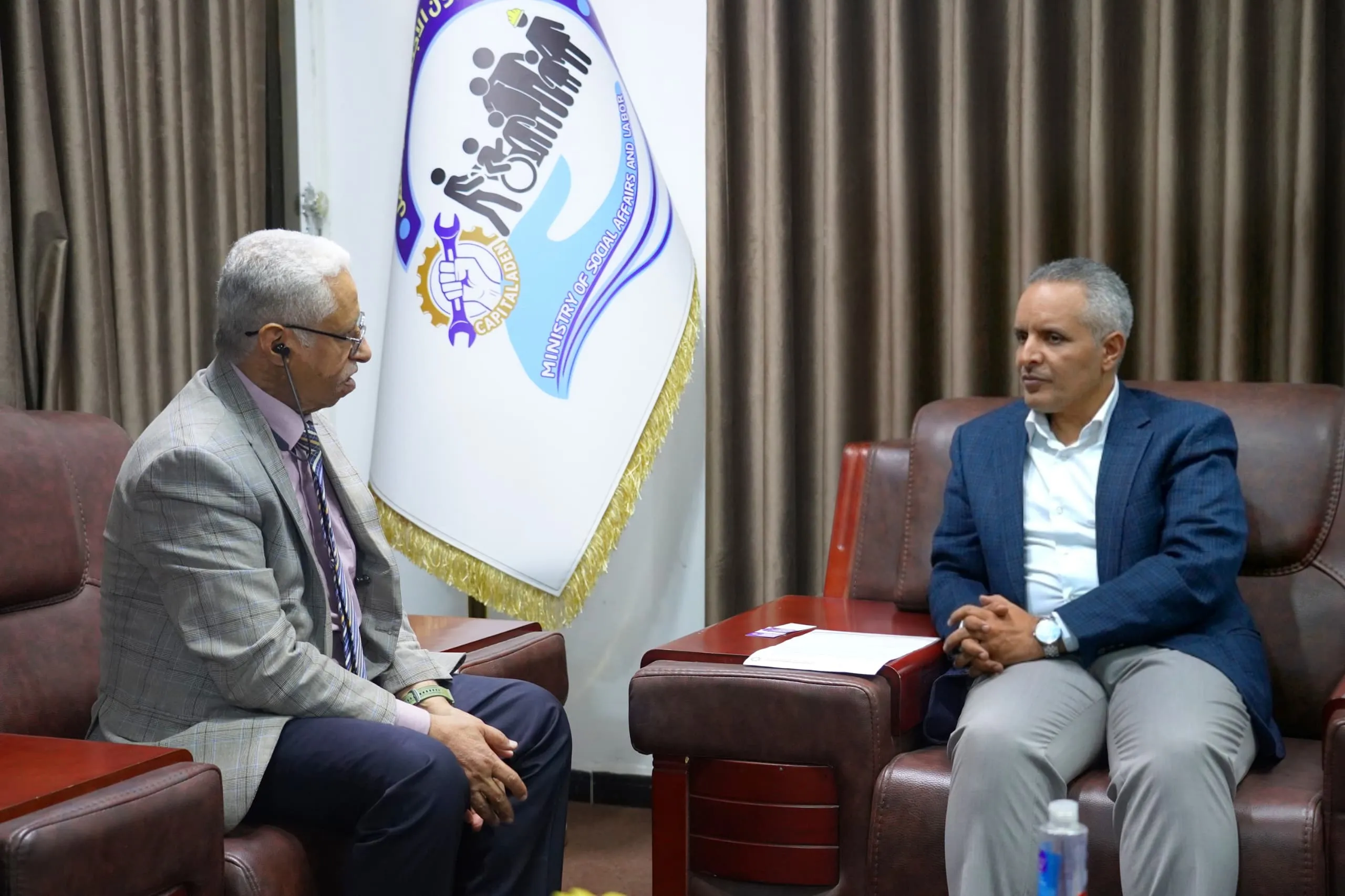
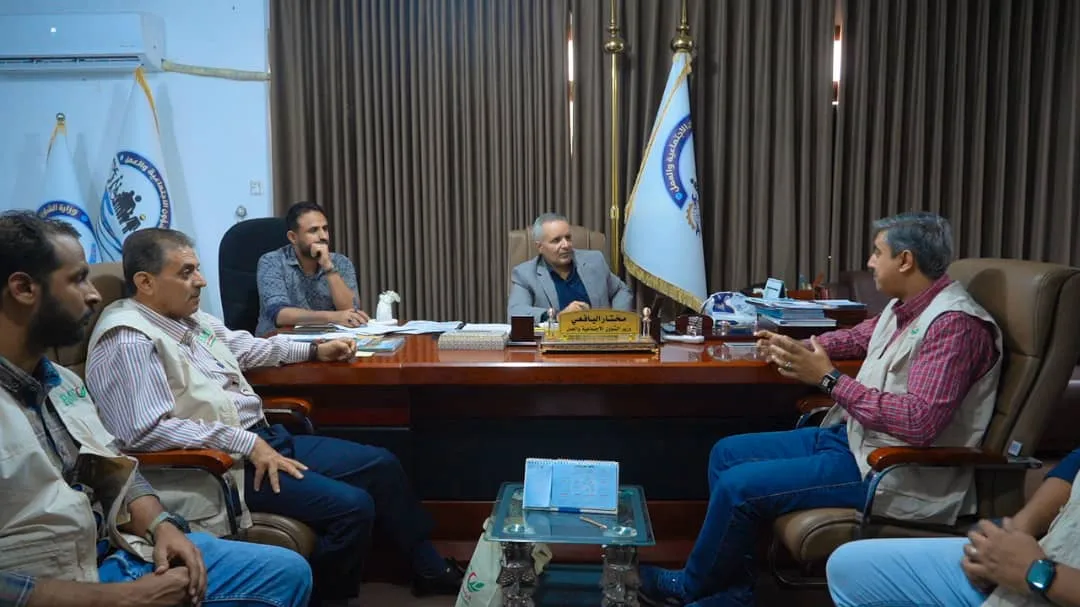
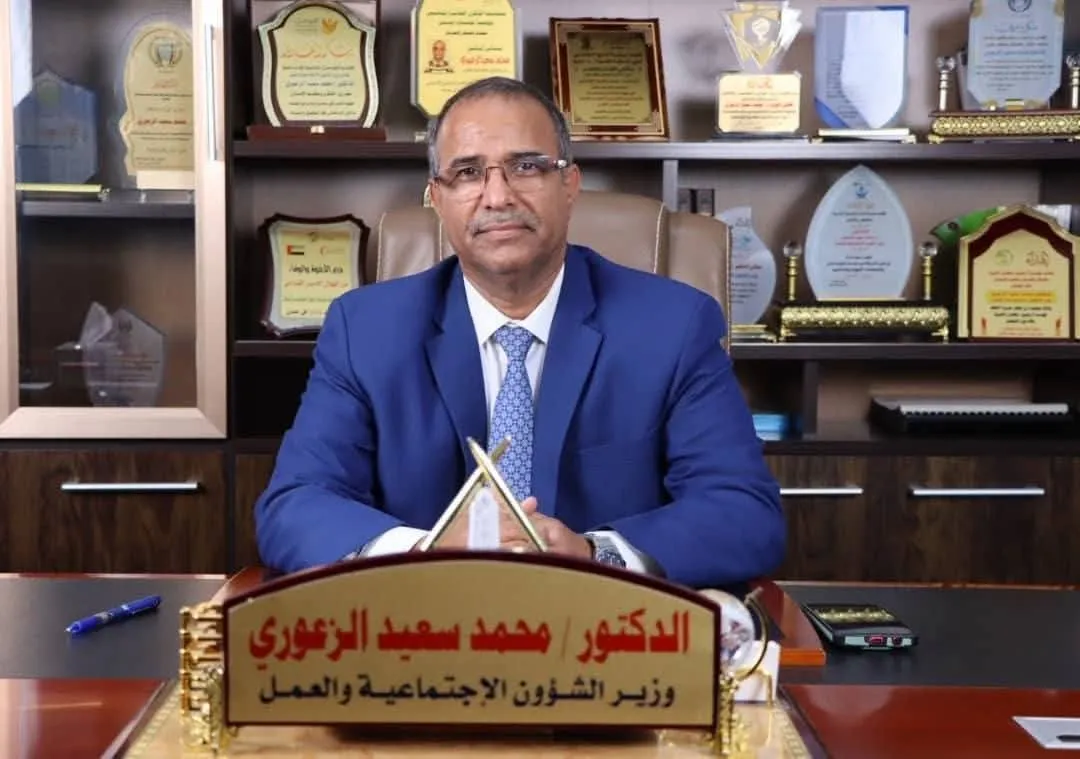
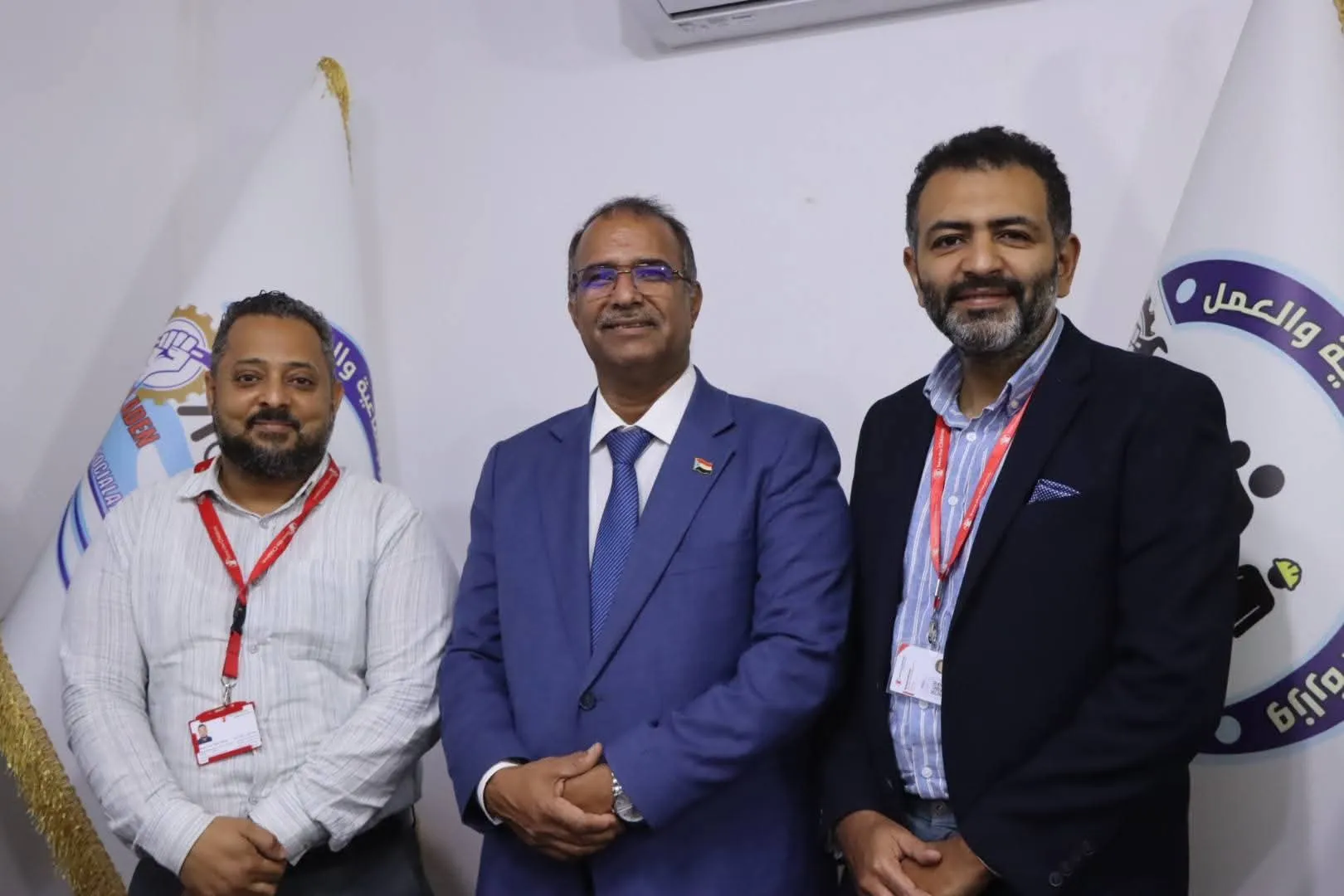
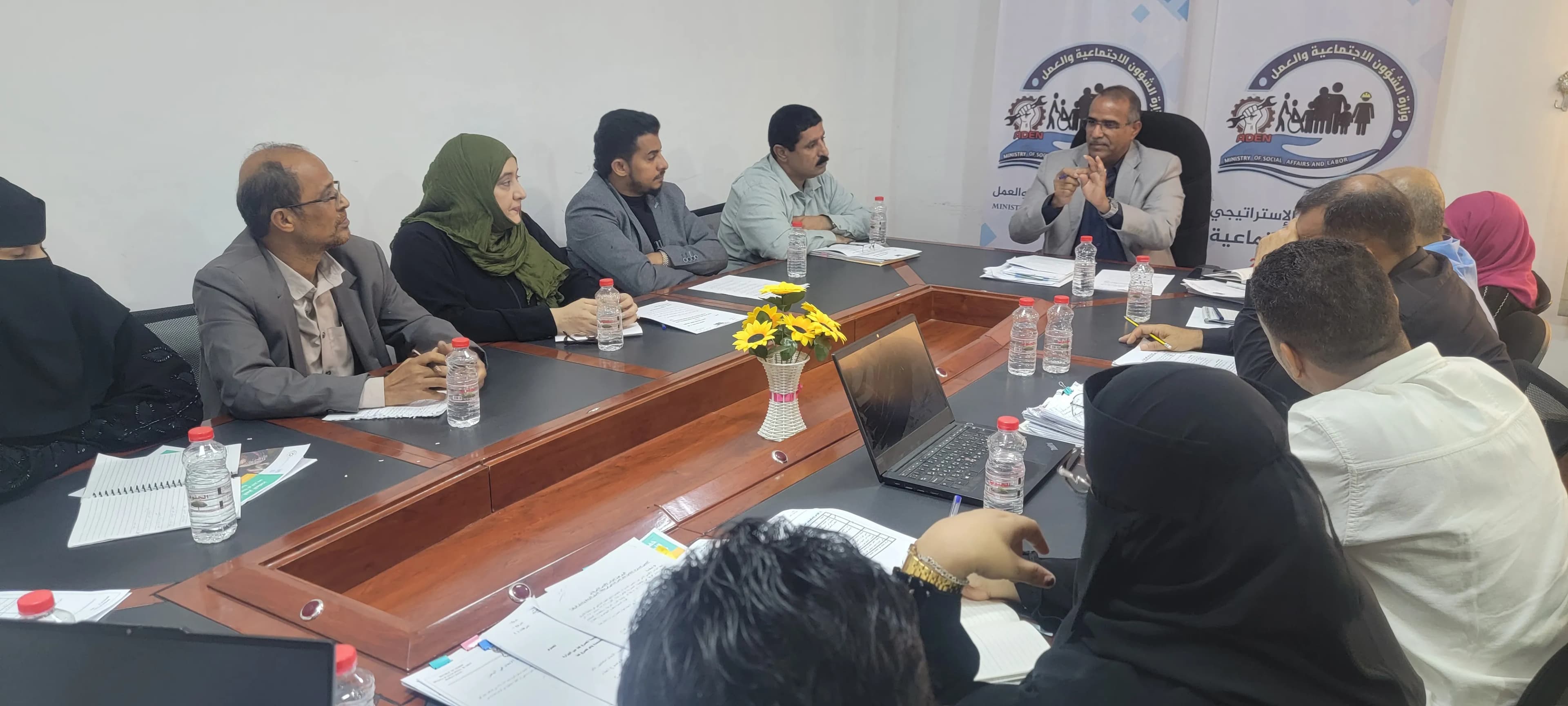
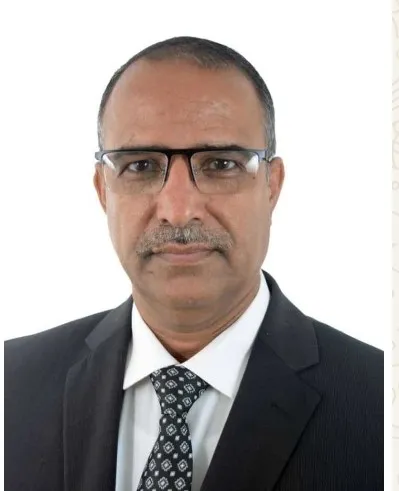
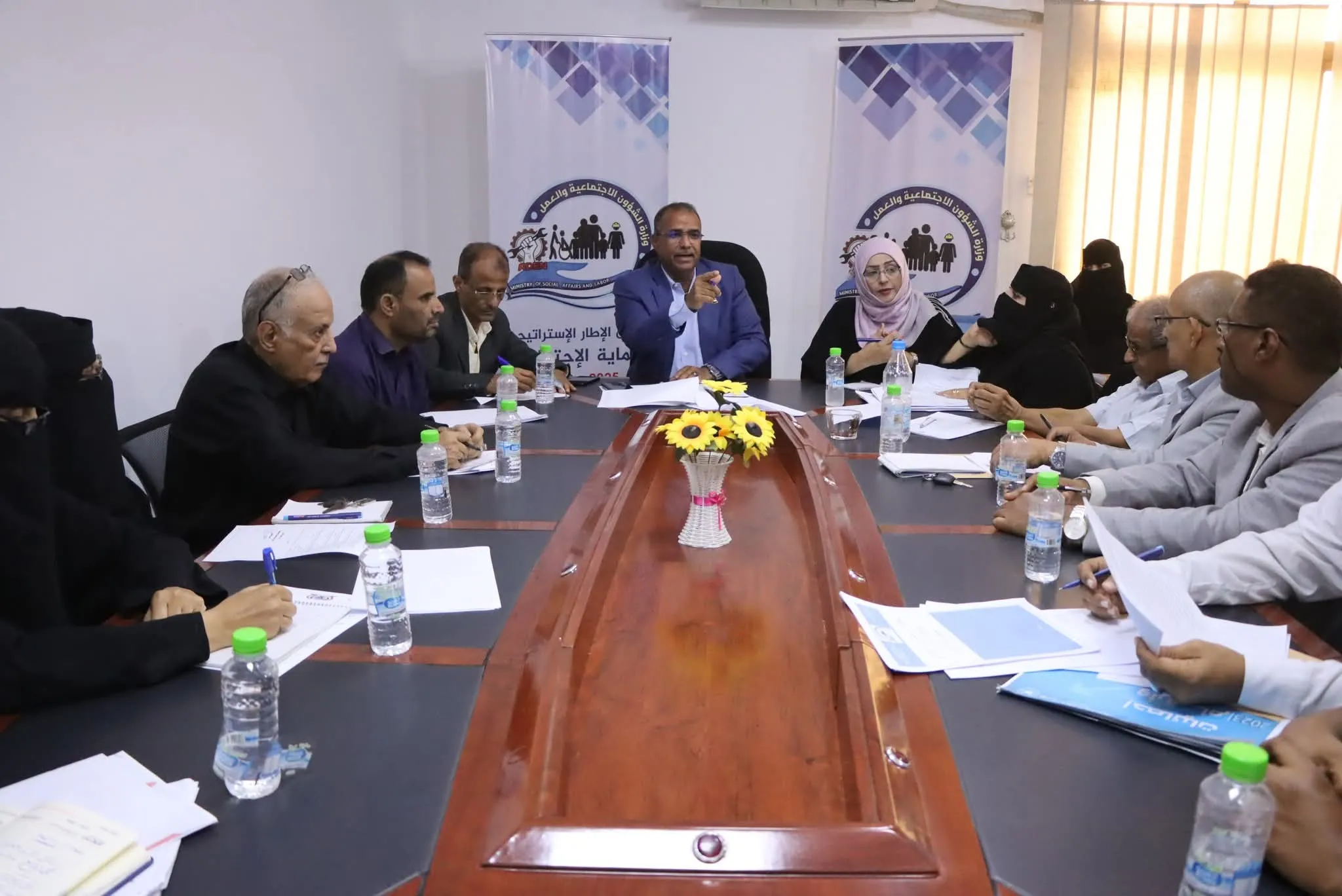
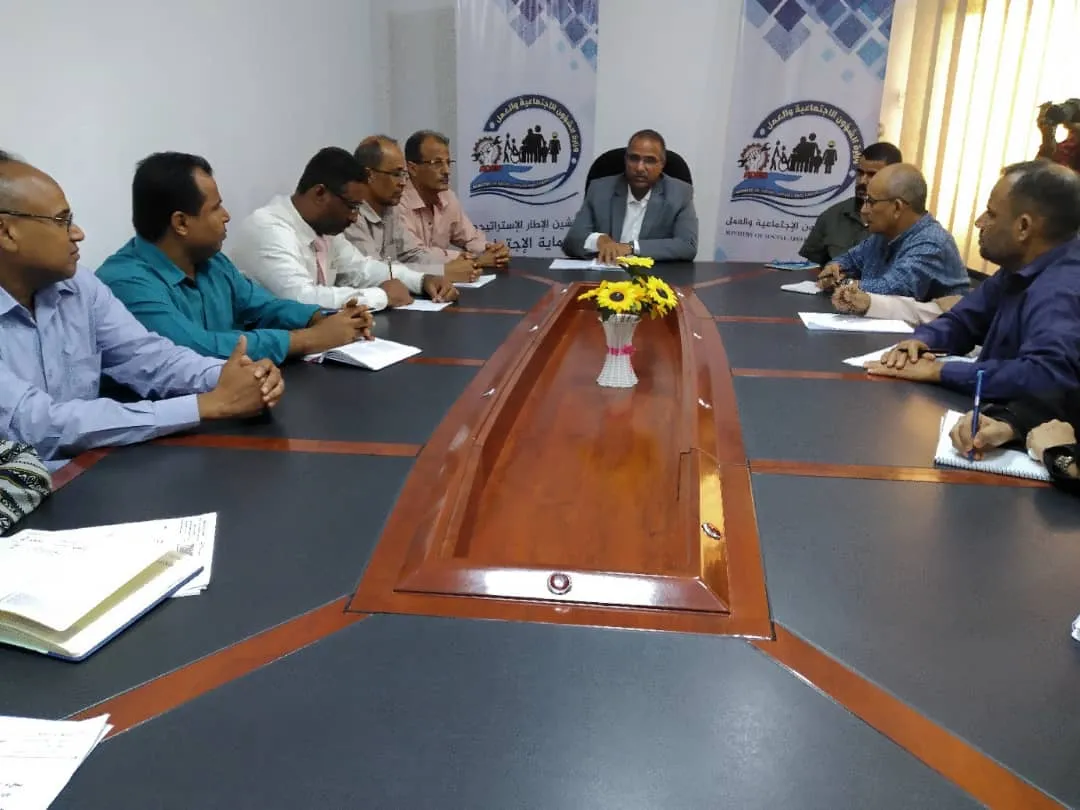
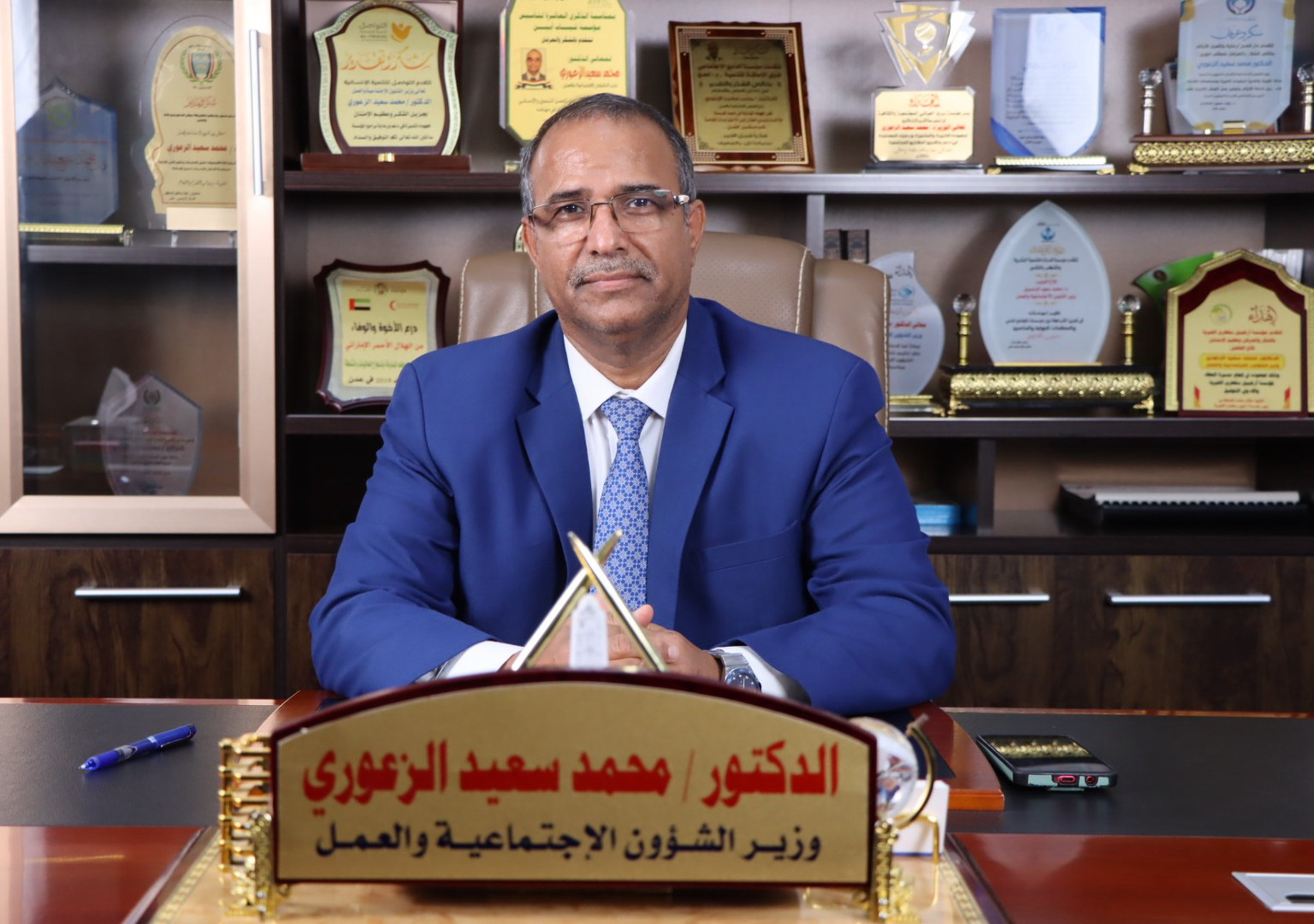
The Minister of Social Affairs and Labor, Mokhtar Al-Yafei, affirms that the ministry is moving forward with implementing a strategic vision aimed at building a modern institution capable of responding to the requirements of the current phase. He emphasized that "transitioning to a digital ministry represents a strategic priority to improve service efficiency, ensure transparency, and accelerate the delivery of support to the most needy groups."
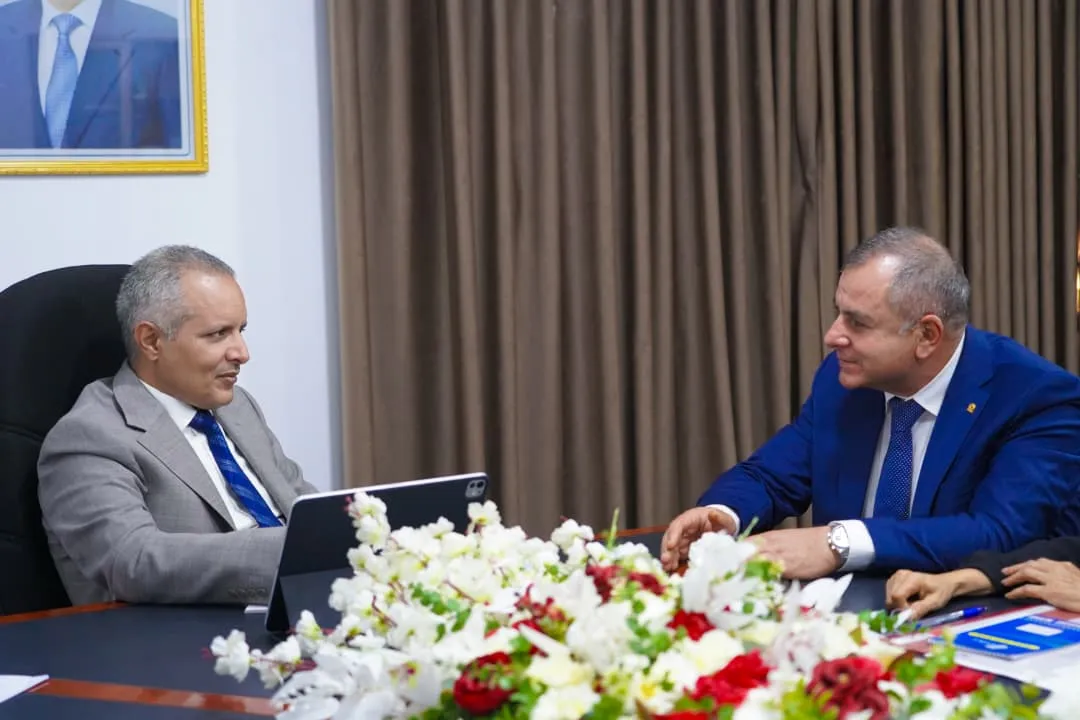
In his dialogue with "Al-Nahar," Al-Yafei points out that the ministry focuses on protecting the most vulnerable groups, expanding the umbrella of social protection, and enhancing economic empowerment programs. This is alongside developing institutional performance and building effective partnerships with brotherly countries and international organizations. He asserts, "Our goal is to build a modern ministry capable of serving citizens efficiently and contributing to enhancing social stability and consolidating the state's role as the primary incubator of development."
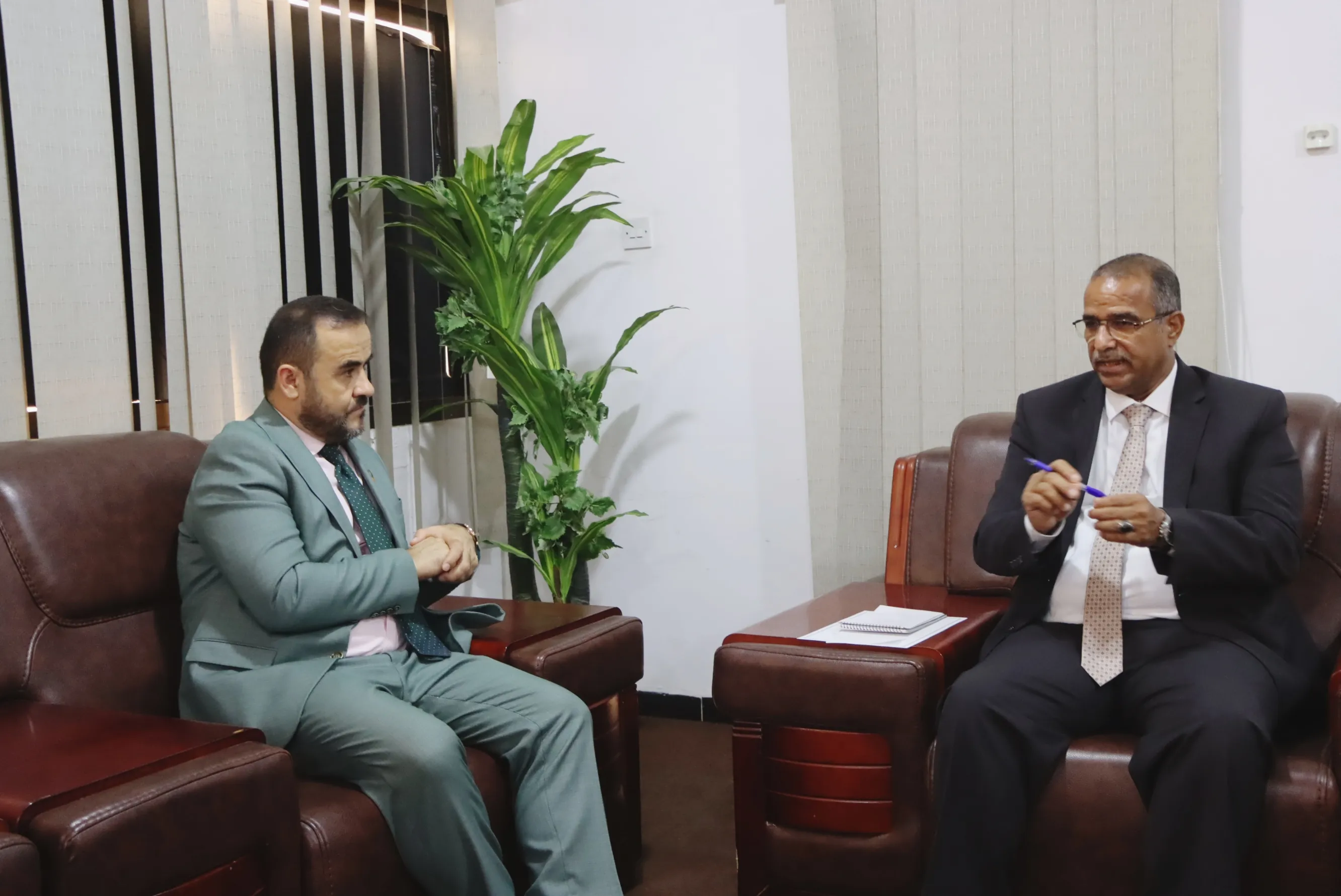
The following is the text of the dialogue:
Your Excellency the Minister, how do you assess the reality of the social situation in Yemen today given the current challenges?
The social situation in Yemen is going through an exceptional phase as a result of the repercussions of the war and the extended economic crisis, which has led to a widening scope of poverty and increasing humanitarian needs. Despite these challenges, the government is working to enhance the resilience of society and activate the role of state institutions, foremost among them the Ministry of Social Affairs and Labor, to alleviate the suffering of citizens and preserve social cohesion.
What are the most prominent difficulties facing your ministry's work at this stage?
The most prominent difficulties lie in the limited resources compared to the vast scale of needs, in addition to the institutional and logistical challenges imposed by the exceptional circumstances. Nevertheless, we are working to overcome these challenges by developing institutional performance, strengthening regional and international partnerships, and benefiting from leading Arab experiences, foremost among them the Egyptian experience.
What priorities are you setting to enhance the social protection system and support the most needy groups?
We place at the top of our priorities the protection of the most vulnerable groups, such as poor families, people with disabilities, orphans, and women breadwinners, through more efficient and equitable social care programs. Our vision for transitioning to a digital ministry also represents a strategic priority, as it contributes to improving the targeting of beneficiaries, ensuring transparency, and accelerating the delivery of social services to those entitled to them.
How is the ministry working to alleviate the repercussions of the economic situation on citizens?
We are working to expand social support programs and enhance cash and in-kind aid, alongside supporting small projects and income-generating programs. Digital transformation will enable us to manage these programs with higher efficiency, integrate data, reduce waste, and ensure that support reaches the most affected families.
The issue of unemployment represents a major challenge. What is your vision for addressing this issue, especially among young people?
Unemployment, particularly among young people, represents a national priority. Our vision is based on vocational training and qualification, linking educational outcomes with the labor market, and supporting entrepreneurship. We also seek to benefit from Arab expertise in the fields of technical training and capacity building to develop sustainable employment programs for youth.
What role does your ministry play in enhancing community stability?
The ministry plays a pivotal role in enhancing community peace by supporting social cohesion, empowering civil society organizations, and encouraging community initiatives. Fairness in the distribution of social support, good governance, and digital transformation are also essential tools for building trust between the citizen and state institutions.
How do you assess the cooperation with international and regional organizations?
We greatly appreciate the existing cooperation with international and regional organizations, which represents an important pillar supporting the ministry's programs. This cooperation is not limited to financial support but also includes capacity building, knowledge transfer, and systems development, integrating with our direction towards institutional digital transformation.
In light of the efforts made to restore state institutions, how does your ministry contribute to this path?
We contribute to this path by reactivating the ministry's institutions, enhancing administrative discipline, updating policies, and building modern digital systems that enhance performance efficiency. We believe that a strong state begins with effective institutions capable of serving its citizens with justice and transparency.
How do you view the Egyptian role in supporting Yemen?
We look with great appreciation at the role Egypt plays in supporting our country, especially in the areas of capacity building, training, and the exchange of expertise in social and developmental work. The Egyptian experience represents an important model that can be utilized in developing the institutional performance of social services.
What is the importance of enhancing cooperation between Yemen and Egypt at this stage?
Enhancing cooperation between Yemen and Egypt holds great strategic importance, not only at the political level but also in the social and developmental fields. This cooperation contributes to supporting the government's efforts, developing cadres, transferring expertise, and strengthening the path of recovery and rebuilding of state institutions.
What are your ministry's priorities for the upcoming phase?
Our upcoming priorities focus on expanding the umbrella of social protection, accelerating the transition to a digital ministry, improving the efficiency of services and ensuring they reach those entitled to them, and strengthening Arab and international partnerships. Our goal is to build a modern, transparent ministry capable of serving citizens efficiently and consolidating the state's role as the primary incubator of development and stability.