
Ministry of Social Affairs Participates in International Workshop on Risk Sharing
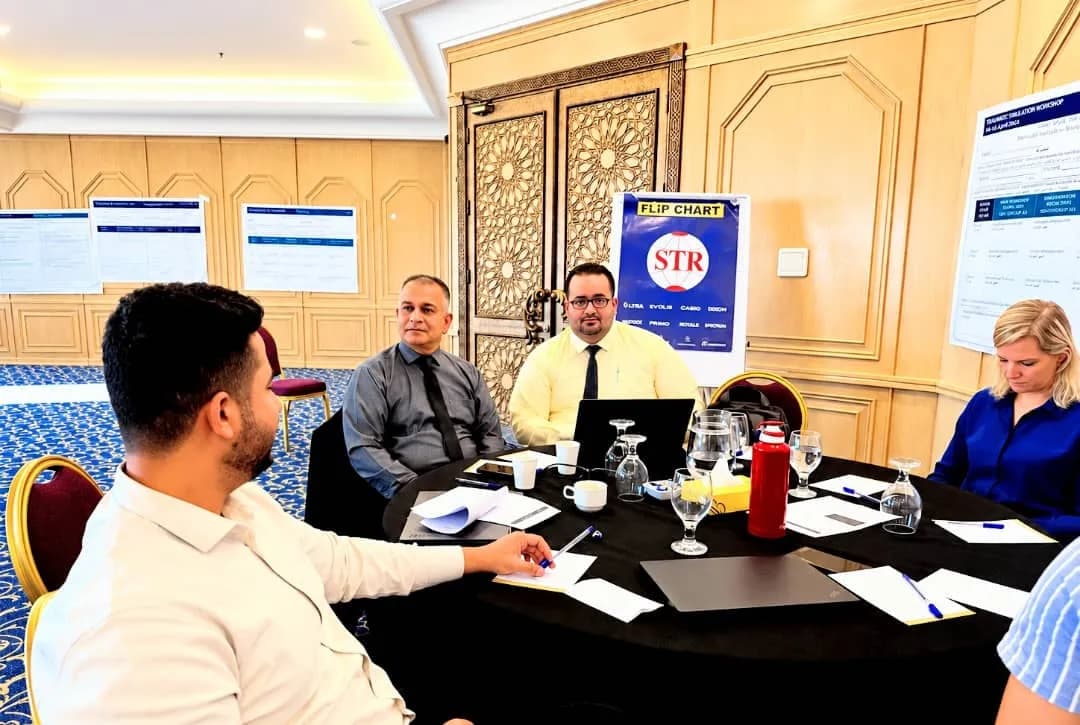
The international workshop on “Risk Sharing Simulation” concluded in Amman, the capital of Jordan, following its sessions held from 7 to 8 September 2026. The workshop was organized by the Dutch Relief Alliance, with the participation of Rida Hajib, Undersecretary of the Social Development Sector at the Ministry of Social Affairs and Labour, alongside representatives of government institutions, civil society organizations, international organizations, relief agencies, and international community partners.
The workshop addressed key concepts of risk management, including risk identification, impact assessment, and response mechanisms, as well as the application of a siloed approach to risk management. It also introduced the risk-sharing approach and explored its practical application, highlighting the importance of distributing roles and responsibilities, strengthening coordination and trust, and facilitating information sharing among relevant stakeholders.
Participants discussed the outcomes of the practical exercises and examined the differences between the siloed risk management approach and the risk-sharing approach. They also reviewed experiences and challenges associated with risk management, success factors, and lessons learned. In addition, participants worked on developing risk-related messaging and strengthening communication and coordination mechanisms, contributing to more effective and efficient responses.
The workshop concluded with a number of key outcomes emphasizing the importance of strengthening coordination and partnership among government institutions, civil society organizations, and international organizations; developing joint mechanisms for risk management and risk sharing; leveraging shared experiences and expertise; and building a common understanding of roles and responsibilities. These efforts are expected to enhance the efficiency of humanitarian and development responses and strengthen their capacity to serve the most vulnerable and underserved groups and communities.